Michelin Plate
Our verdict
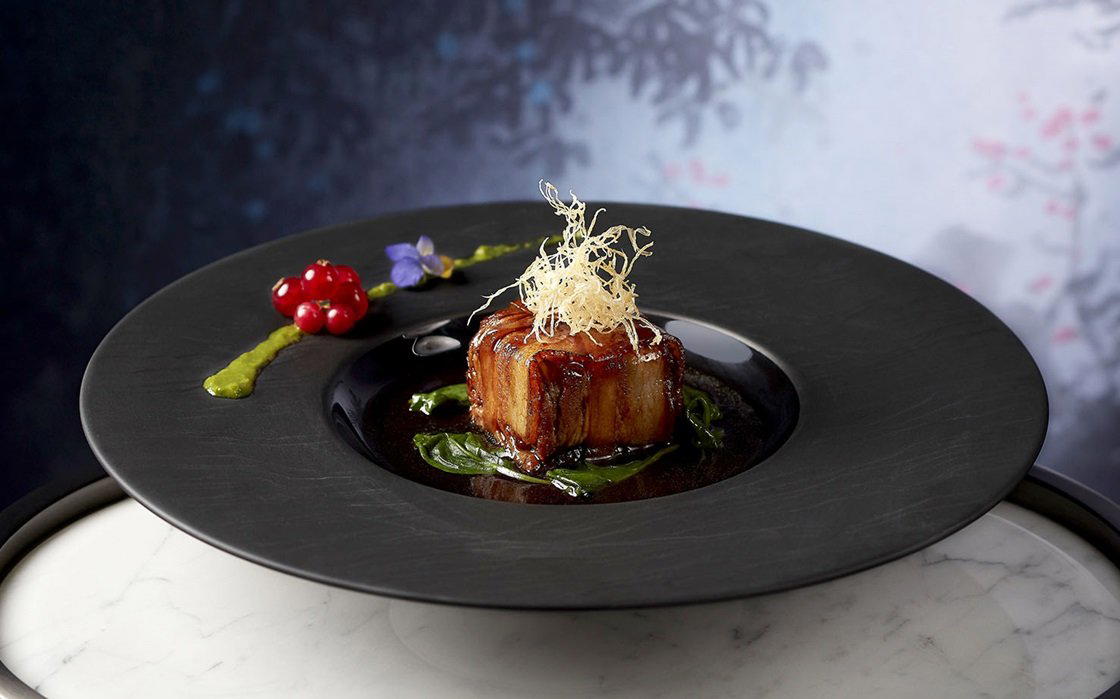
Longtail sits in Taipei's mid-to-upper tier of innovative dining, where quarterly menu rotations built around Taiwanese seasonal produce meet international ingredients. Signature plates such as uni on crispy rice and pork chop in sukiyaki sauce reflect a kitchen that operates across culinary borders.

Pearl is the En Primeur Club membership app, where members save venues, book tables and use the concierge.
The menu
What to order
- Shrimp_sliders
- Kaya_french_toast
- Foie_gras_dumplings
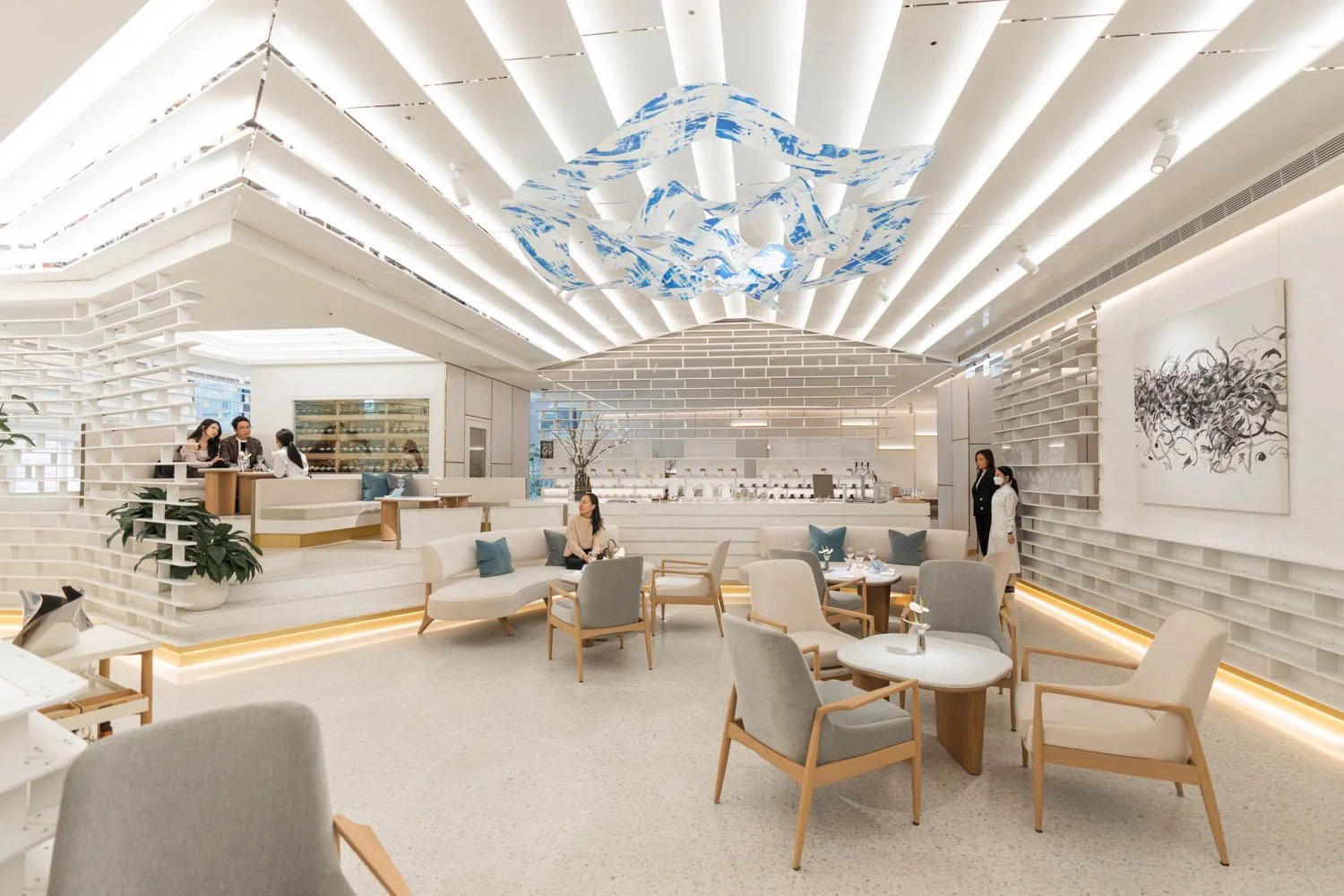
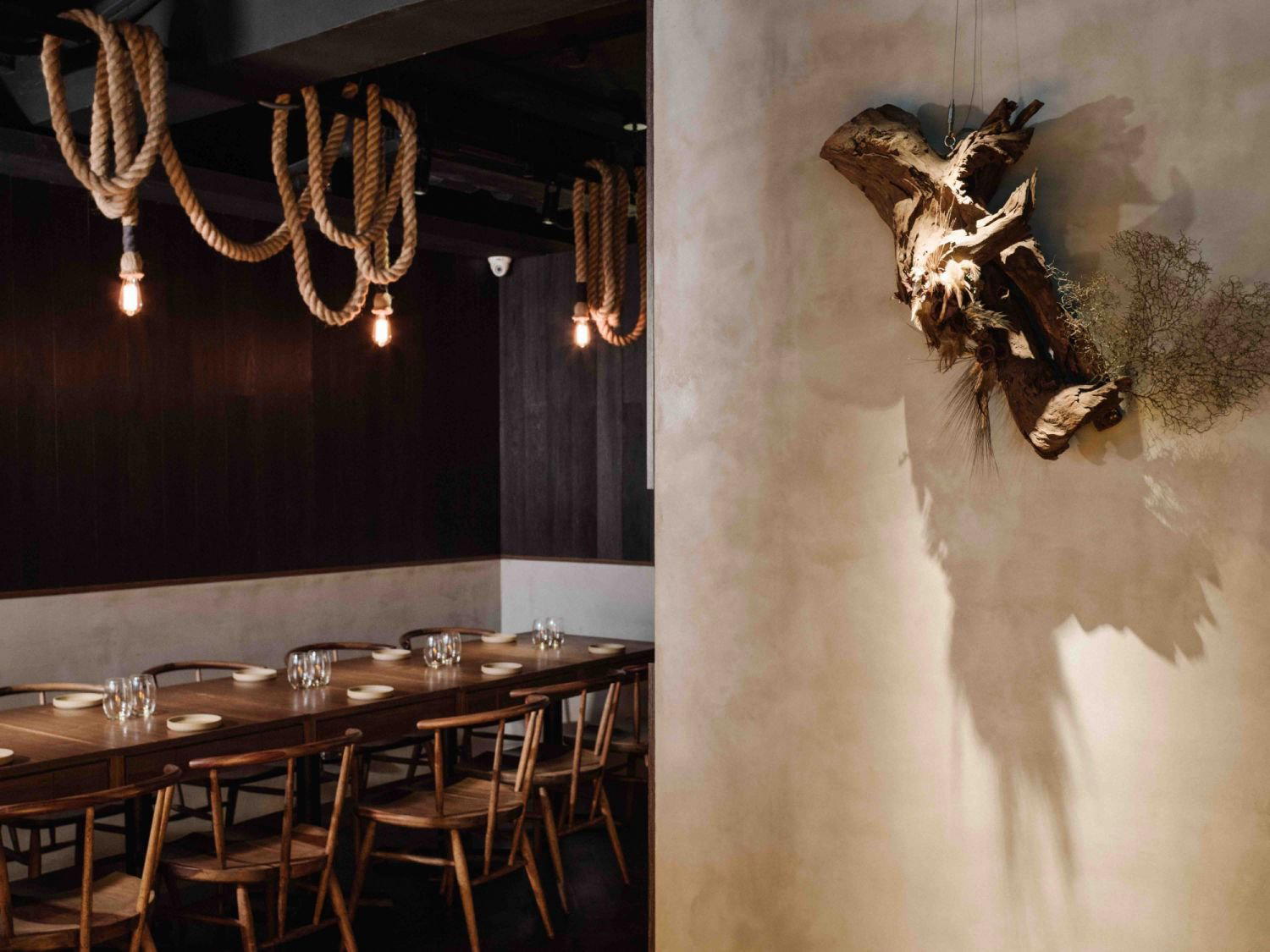
A Room That Sets Its Own Terms
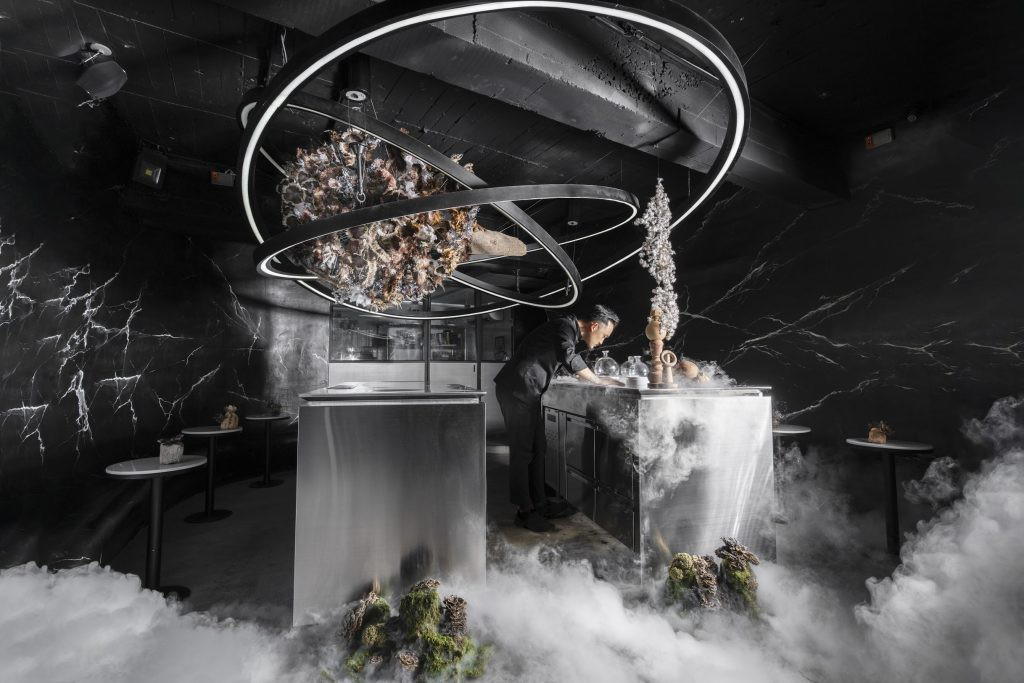
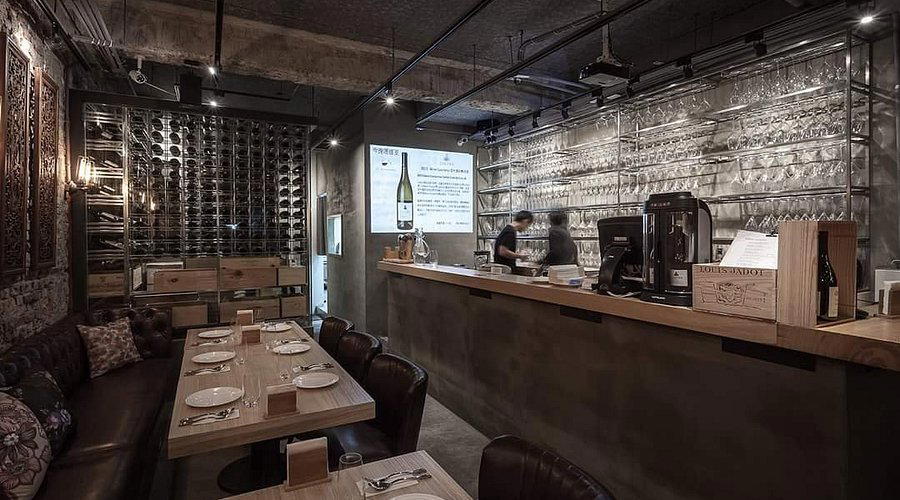
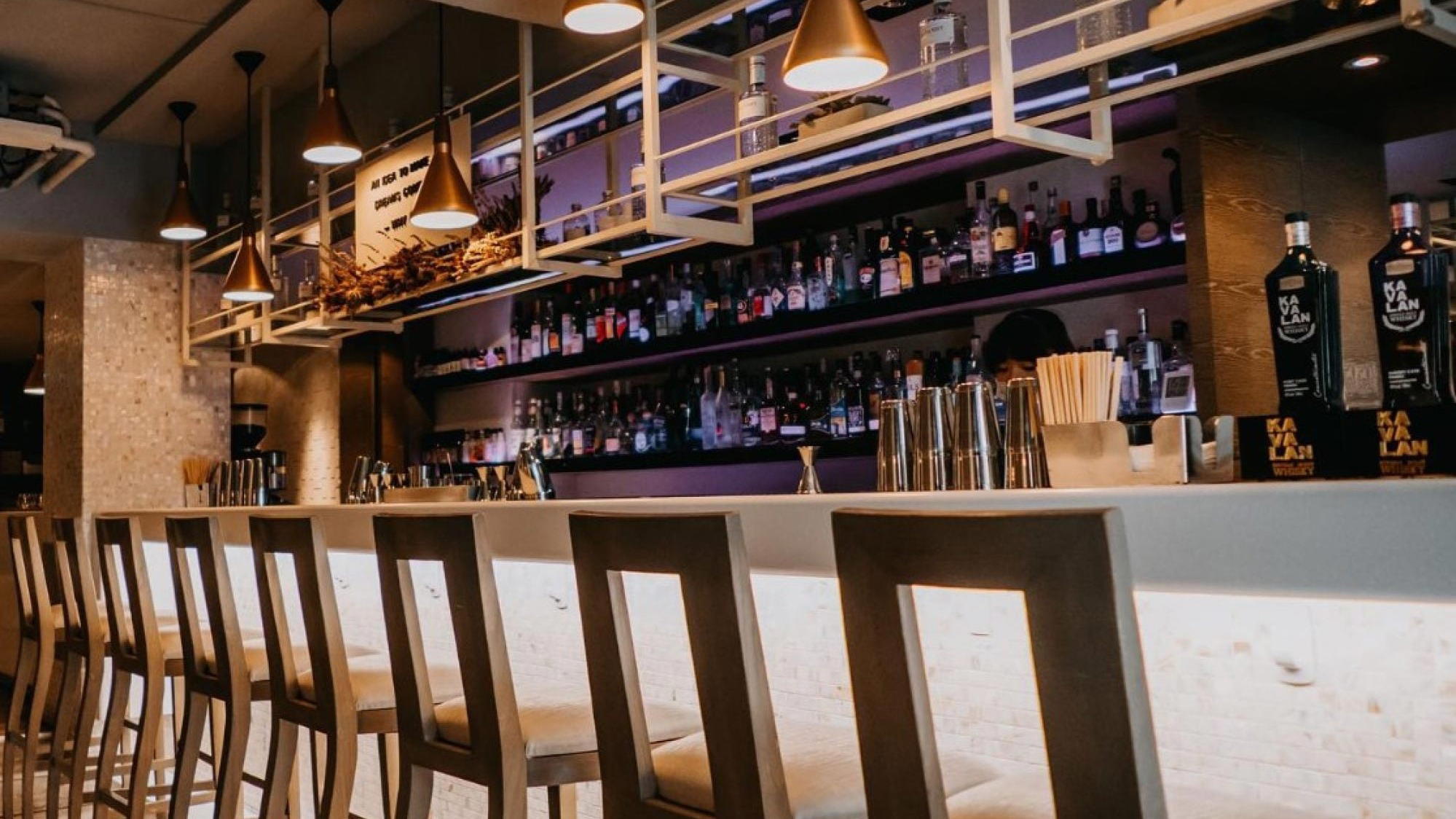
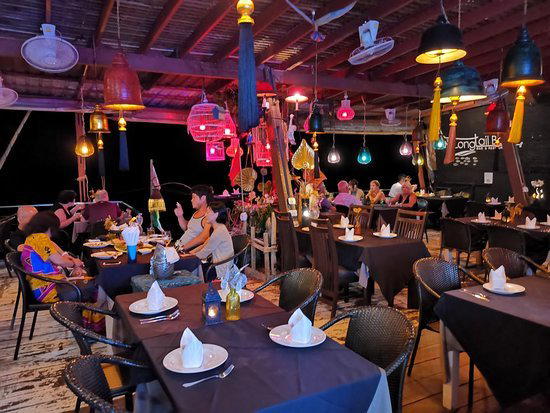
Taipei's innovative dining tier has, over the past decade, sorted itself into two recognizable shapes: the chef's-table counter format that foregrounds kitchen theatre, and the composed dining room that keeps the architecture in conversation with the food. Longtail belongs to the second tradition. The space reads as the first signal of intent here, establishing a tone before a single plate arrives. In a city where the design shorthand for serious dining has often defaulted to bare concrete or imported Scandinavian minimalism, rooms that commit to a distinct physical register are worth reading carefully. Longtail's interior sets up the experience as considered rather than casual, an important distinction when the menu rotates every three months and asks diners to engage with whatever the current seasonal logic happens to be.
That quarterly rotation is the structural fact around which everything else at Longtail organizes itself. Menus tied to seasonal produce are common enough in Taipei's upper tier Taïrroir and logy both operate on evolving seasonal frameworks, but the discipline of a hard three-month reset is a more specific commitment. It means that a diner who visits in spring and returns in autumn is eating a materially different menu, not a refreshed version of the same one.
The Logic of the Menu
Across Taipei's innovative restaurants, the most interesting kitchen decisions tend to involve the tension between Taiwanese ingredient identity and international technique. The city's most recognized dining addresses have consistently resolved that tension in favor of specificity: Impromptu by Paul Lee and Toh-A' both ground contemporary technique in local produce logic. Longtail's menu operates in that same field, drawing on Taiwanese seasonal produce as its foundation while incorporating what the kitchen describes as the finest ingredients from around the world.
The dishes that have emerged as consistent reference points across the menu's rotations carry distinct structural thinking. Uni on crispy rice is a format with a clear East Asian lexicon, sea urchin and textured rice is a combination that appears across Japanese and Taiwanese fine-dining idioms, but its presence at Longtail signals a kitchen comfortable working close to luxury-ingredient conventions without being constrained by them. Pork chop in sukiyaki sauce moves between Japanese flavor architecture and a protein more associated with Taiwanese street and home cooking, a pairing that reads as intentional code-switching rather than fusion for its own sake. Kaya French toast with espresso ice cream closes the Southeast Asian loop: kaya, the coconut-egg jam central to Singaporean and Malaysian breakfast culture, reframed inside a French dessert structure with an Italian coffee accent. The accumulated effect across these dishes is of a kitchen that works fluidly across the region's culinary vocabularies without treating any single one as the default.
At the $$$ price point, Longtail occupies a deliberate position in Taipei's market. The comparison set at $$$$, which includes Le Palais and the Michelin-decorated addresses that anchor the city's highest price tier, signals a different access proposition. Longtail's positioning makes the Experience menu, which presents the full seasonal vision in sequence, a reasonable commitment at this level rather than an escalation.
Cocktail Pairings and the Full Format
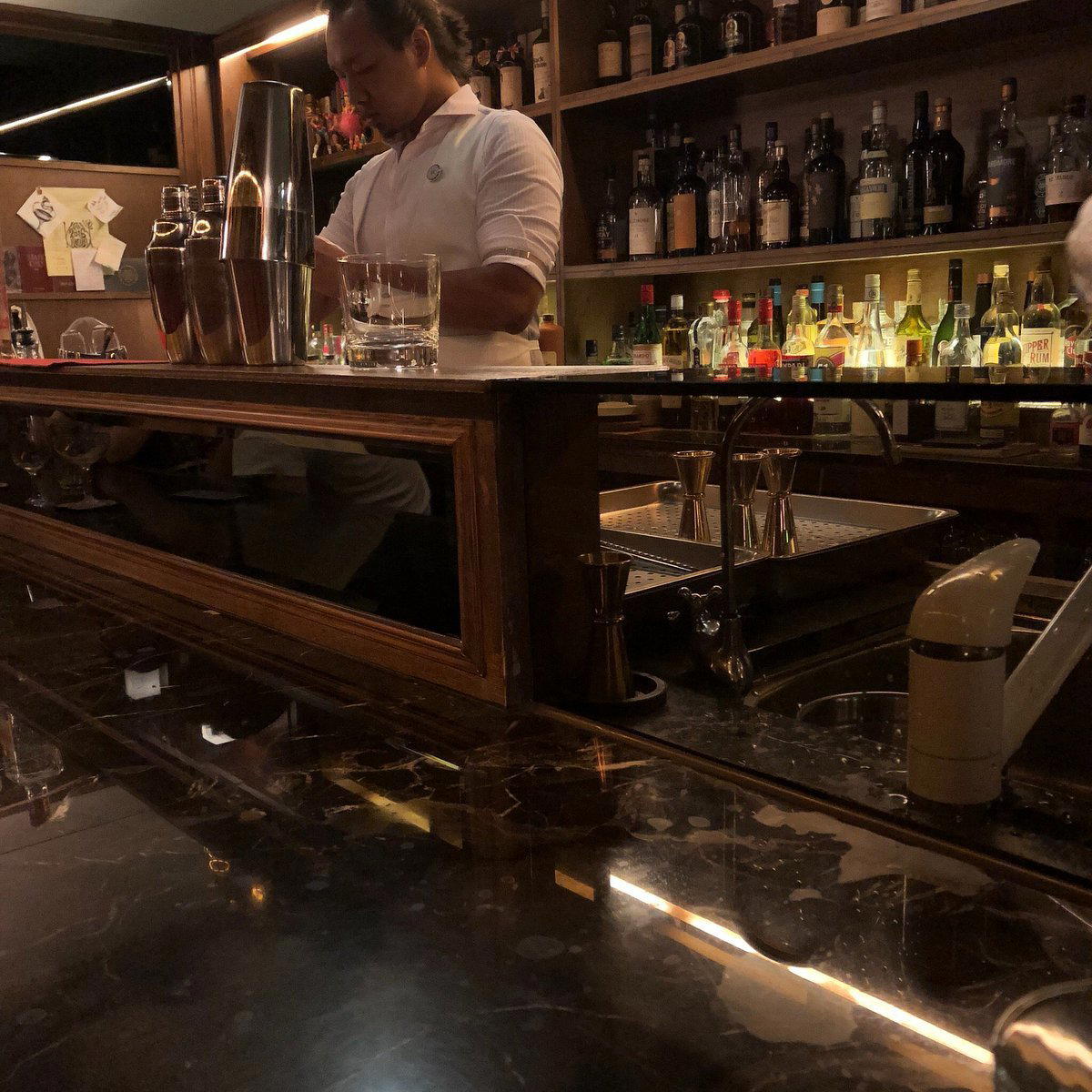
The availability of cocktail pairings alongside the seasonal Experience menu reflects a broader shift in how Taipei's innovative restaurants are building out their beverage programs. Wine pairing remains the default in most fine-dining rooms globally, but the city's cocktail culture has developed a serious technical tier of its own, a development visible in any survey of Taipei's bar scene. Offering a cocktail pairing as a formal option alongside the tasting menu format indicates that the kitchen and bar are operating in close enough dialogue to make the pairing structurally coherent rather than decorative. For diners who find wine pairing a less interesting lens on this kind of food, the cocktail option is a meaningful alternative rather than a novelty add-on.
The Experience menu itself is the format through which Longtail's quarterly rotation is most legibly read. Ordering à la carte from a seasonally driven innovative menu is possible but involves an editorial decision the kitchen has already made: the Experience menu is the intended sequence. This is true of most contemporary tasting formats in Taipei, logy's omakase-adjacent structure and Taïrroir's set menu both operate on similar logic. The difference at Longtail is that the three-month rotation makes each version of the Experience menu a time-specific artifact: this menu exists now and will not exist in this form in three months.
Where Longtail Sits in the City's Innovative Tier
Taipei has developed one of East Asia's more coherent innovative dining ecosystems over the past decade, producing addresses that can be compared usefully to Seoul's wave of technically ambitious restaurants, Soigné and alla prima in Seoul both work adjacent territory, and to MAZ in Tokyo. Within Taiwan, the innovative tier extends beyond Taipei: JL Studio in Taichung holds Michelin recognition for its Southeast Asian-inflected approach, and GEN in Kaohsiung represents the south's developing fine-dining identity. For reference beyond the city, A Cun Beef Soup in Tainan, Akame in Wutai Township, and Volando Urai Spring Spa and Resort in Wulai District each represent different registers of Taiwanese dining worth tracking alongside any Taipei itinerary.
For anyone building a Taipei dining itinerary across multiple registers, the EP Club's full guides to Taipei restaurants, Taipei hotels, Taipei bars, Taipei wineries, and Taipei experiences provide the broader framework.
Know Before You Go
- Price tier: $$$
- Cuisine: Innovative, with Taiwanese seasonal produce and international ingredients
- Menu format: À la carte and seasonal Experience menu; cocktail pairings available
- Menu rotation: Every three months
- Location: Taipei, Taiwan
Frequently asked questions
How do I find Longtail?
Longtail is located at Taipei, Taiwan, Taipei.
What's Longtail known for in terms of accolades?
Longtail has received recognition including: The menu changes every three months and features local seasonal produce alongside the finest ingredients from around the world. Specialities include uni on crispy rice, pork chop in sukiyaki sauce, and Kaya French toast with espresso ice cr….
What's the signature dish at Longtail?
Three dishes recur as reference points across the menu: uni on crispy rice, pork chop in sukiyaki sauce, and Kaya French toast with espresso ice cream. That said, the menu rotates every three months around local seasonal produce and imported ingredients, so the supporting cast changes even when the signatures hold. The seasonal Experience menu is the format designed to show the full range of the kitchen's current direction.
What cuisine category does Longtail fall under?
Is Longtail expensive?
Pricing at Longtail is listed as $$$.
Do they take walk-ins at Longtail?
No booking contact details are publicly listed for Longtail, which at the $$$-tier in Taipei's innovative dining scene typically means reservations are handled through a third-party platform or in-house system. Walk-in availability at this price point is limited, particularly for the seasonal Experience menu with cocktail pairings. Checking the restaurant's current booking channel before visiting is advisable.
A Minimal comparable set
Comparable venues nearby, for context on price, style, and recognition.
| Venue | Cuisine | Price | Awards | Notes |
|---|---|---|---|---|
| LongtailThis venue (the venue you are viewing) | Modern Asian Fusion Fine Dining | $50–100 | Michelin Plate | Not listed |
| Baho (Da'an) | Japanese Wagyu Yakiniku | $50–100 | Michelin Plate | Dun'an, Japanese Wagyu Yakiniku |
| The Dragon | Cantonese | $30–50 | Michelin Plate | Liming, Cantonese |
| Toh-A' | French-Taiwanese Fusion | $100–150 | Michelin Plate | Longyuan, French-Taiwanese Fusion |
| Cha Cha Thé Cuisine | Chinese Tea House with French Fusion Desserts | $20–30 | Michelin Plate | Ren'ai, Chinese Tea House with French Fusion Desserts |
| CEO 1950 | Modern French with Taiwanese Influences | Not listed | Michelin Plate | Heng'an, Modern French with Taiwanese Influences |
Recognition history
Dated appearances from independent guides and award organizations, with the underlying list record or original source where available.
Michelin Plate
Michelin
Opinionated About Dining Top Restaurants in Asia Recommended
Opinionated About Dining