In Piacenza, where the Po Valley's grain traditions and Emilian curing culture converge, Lolly's Pizza & Focaccioni works with the kind of dough-forward Italian street-food format that is gaining serious traction outside its Neapolitan and Ligurian heartlands. Located on Via Alberici Fratelli, it occupies a category that rewards ingredient curiosity over ceremony, the sort of place a Piacenzino recommends without hesitation.
 Discover on Pearl
Pearl is the En Primeur Club membership app — saves, bookings, and concierge access live there. Same editors, same standards.
- Address
- Via Alberici Fratelli, 29121 Piacenza PC, Italy
- Phone
- +393921104022
- Website
- lollys.it
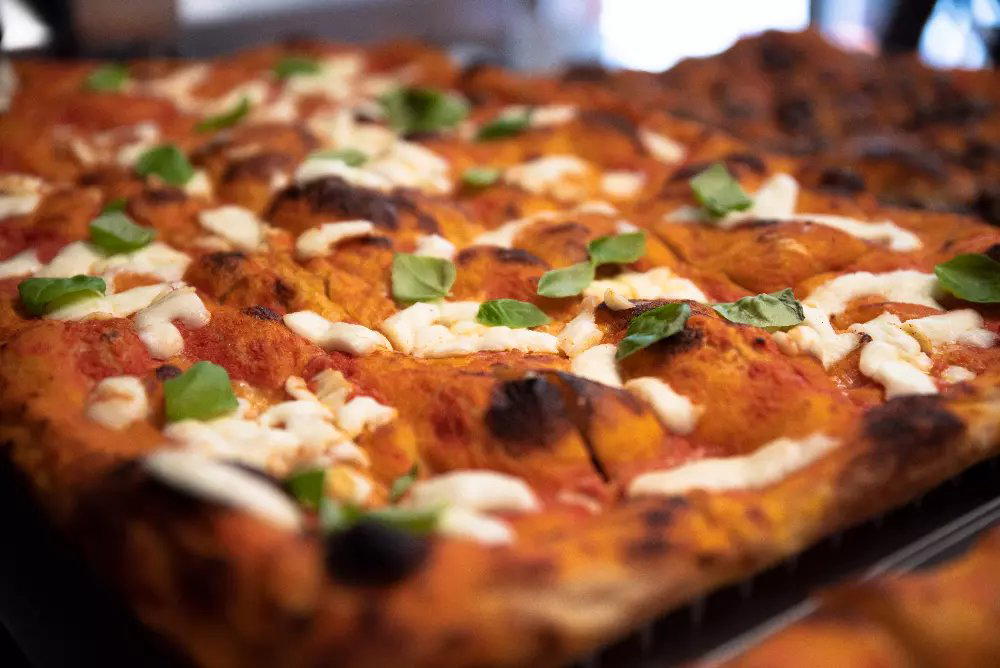
Where Piacenza's Grain Culture Meets the Pizza Counter
Piacenza sits at a particular intersection in Italian food geography. It is close enough to Parma to feel the gravitational pull of cured meats, aged cheeses, and the kind of larder-led cooking that defines the southern Po Valley, yet distinct enough to have built its own identity around dishes like pisarei e fasò and coppa piacentina DOP. Against that backdrop, the city's appetite for serious pizza and focaccia, formats rooted in equally serious dough craft, makes cultural sense. The grain traditions of Emilia-Romagna run deep, and the leading pizza and focaccia counters in the region treat flour, fermentation time, and hydration with the same attention that a local salumiere gives to curing conditions.
Lolly's Pizza & Focaccioni is a restaurant in Piacenza, Italy, serving Roman-Style Pizza and Focaccioni at about $15 per person. Lolly's Pizza & Focaccioni, on Via Alberici Fratelli, sits in Piacenza, Italy. The address puts it in Piacenza's compact historic centre, where the dining scene skews toward local institutions rather than imported formats. A pizza and focaccia counter here operates inside a region where bread-based formats have centuries of legitimacy, and where sourcing decisions are noticed and discussed by the people eating.
The Ingredient Argument for Dough-Forward Formats
Across northern Italy, the most credible pizza and focaccia makers have reframed their category around raw material quality rather than technique spectacle. The shift mirrors what happened to artisan bread in France and the UK a decade earlier: the conversation moved from oven temperature and shaping to grain variety, milling provenance, and fermentation length. In Emilia-Romagna specifically, proximity to some of Italy's most carefully produced agricultural ingredients, stone-milled flours, heritage wheat varieties, lard and olive oil from defined production zones, gives operators in this region a sourcing advantage that is difficult to replicate elsewhere.
Focaccia, in particular, rewards this ingredient-first approach more visibly than thin-crust pizza. The format is porous and direct: fat quality, flour character, and salt balance are immediately legible on the palate in a way that a complex pizza topping can obscure. Focaccioni, the thicker, more substantial Roman and northern Italian variants, amplify those qualities further, since the internal crumb carries as much information as the crust. A counter that takes this format seriously in Piacenza is drawing on the same agricultural base that supplies the city's starred kitchens, even if the price point and register are entirely different.
That price-point gap is worth naming. The northern Italian fine-dining tier, places like Dal Pescatore in Runate, Enoteca Pinchiorri in Florence, or Le Calandre in Rubano, operates at a significant remove from street-food formats, both in price and in ceremony. What connects them is access to the same regional ingredient base: the DOP-designated products, the local grain mills, the estate oils. A serious pizza counter in Piacenza is not competing with Osteria Francescana in Modena or Enrico Bartolini in Milan, but it is drawing from the same agricultural terroir, and that matters to the quality of what lands on the plate.
Piacenza as a Dining City: What the Setting Tells You
Piacenza is underwritten by visitors to Italy's more prominent food destinations, Parma, Modena, Bologna, yet its dining culture is neither derivative nor thin. The city has its own DOC and DOP designations (coppa piacentina, pancetta piacentina, salame piacentina) and a restaurant scene weighted toward trattorie and osterie that cook with those local products as a matter of course, rather than as a marketing angle. For the kind of regional cooking that this ingredient base implies, Osteria del Trentino - Da Marco is a reference point within the city.
Within that scene, a counter like Lolly's occupies a different register, the everyday, drop-in format that most Piacenzini probably use more frequently than any sit-down restaurant. The city's compact layout means that Via Alberici Fratelli is accessible on foot from most of the centre, and the format itself, pizza and focaccia, priced and paced for a quick stop, suits the rhythms of a mid-sized Italian city where the passeggiata and the lunch break still structure the day.
How This Format Fits Italy's Broader Pizza Conversation
Italy's pizza conversation has diversified sharply over the past decade. Naples held a near-monopoly on the format's prestige identity for most of the twentieth century, but the last ten years have seen Rome's al taglio tradition, Liguria's focaccia culture, and various northern dough formats gain critical recognition. The Venice and Milan markets now support serious pizza counters that would not have attracted attention twenty years ago, and the same pattern is visible in secondary cities across the north. Piacenza is not a pizza capital in the way that Naples or even Rome is, but it is a city with the ingredient base and the food culture to support a counter that takes the format seriously.
The focaccioni angle is particularly relevant in this context. Focaccia barese, focaccia genovese, and the thicker Roman bianca have each developed distinct critical vocabularies and devoted followings. A northern Italian counter that foregrounds focaccioni is making an editorial choice about where it sits within that conversation, closer to the Roman and northern traditions than to the Neapolitan pizza identity, and more interested in crumb structure and fat integration than in char and leoparding. For readers coming from the world of Italy's highest-end restaurants, Piazza Duomo in Alba, Villa Crespi in Orta San Giulio, Atelier Moessmer Norbert Niederkofler in Brunico, or internationally at Le Bernardin in New York and Atomix in New York, the shift in register is significant, but the underlying respect for ingredient sourcing is not.
Planning Your Visit
Lolly's Pizza & Focaccioni is located at Via Alberici Fratelli in Piacenza's central zone, within walking distance of the Piazza Cavalli and the city's main market area. Given the format, pizza and focaccia counter service, it follows the rhythms of an Italian town rather than those of a reservation-driven restaurant.
Fast Comparison
Comparable venues nearby, for context on price, style, and recognition.
| Venue | Cuisine | Price | Awards | Notes |
|---|---|---|---|---|
| Lolly's Pizza & FocaccioniThis venue — the venue you are viewing | Roman-Style Pizza and Focaccioni | $$ | , | |
| Osteria del Trentino - Da Marco | Traditional Emilian Trattoria | $$ | Michelin Plate | Centro Storico |
| IO Luigi Taglienti | Dining | , | Michelin Plate | Piacenza |
| Fradiavolo Milano Porta Venezia | Contemporary Neapolitan Pizza | $$ | , | Buenos Aires - Porta Venezia - Porta Monforte |
| Caseificio Butteri | Parmigiano Reggiano Tasting | $$ | , | Salsomaggiore Terme |
| Latteria | Vegetarian Italian | $$ | 1 recognition | Brera |
Continue exploring
More in Piacenza
Restaurants in Piacenza
Browse all →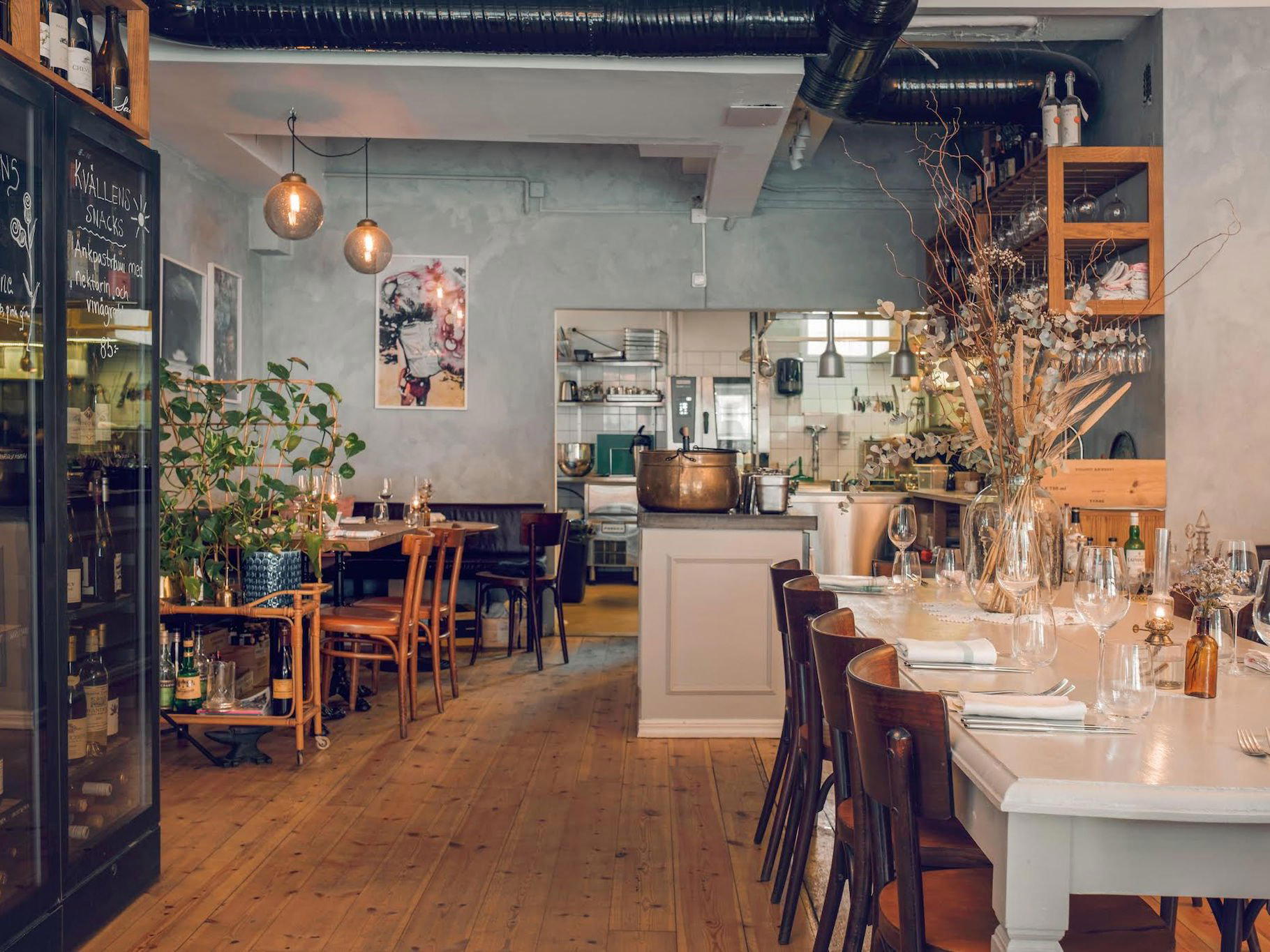
Bars in Piacenza
Browse all →
Hotels in Piacenza
Browse all →
Wineries in Piacenza
Browse all →
At a Glance
- Cozy
- Rustic
- Casual Hangout
Pop and vintage decor in a timeless historic market setting with quality leavened dough focus.