Conceived by filmmaker Wes Anderson and housed inside Milan's Fondazione Prada complex, Bar Luce operates as a working café that doubles as a set piece for mid-century Italian bar culture. The food and drink programme holds its own against the visual spectacle: aperitivo-hour classics, pressed sandwiches, and pastries anchor a menu calibrated for the long afternoon sit. Located on Largo Isarco in the Porta Romana district, it draws a mix of design pilgrims and neighbourhood regulars.
Pearl is the En Primeur Club membership app — saves, bookings, and concierge access live there. Same editors, same standards.
- Address
- L.go Isarco, 2, 20139 Milano MI, Italy
- Phone
- +39 02 5681 4858
- Website
- fondazioneprada.org
- Directions
- Get directions
 Saves & bookings on Pearl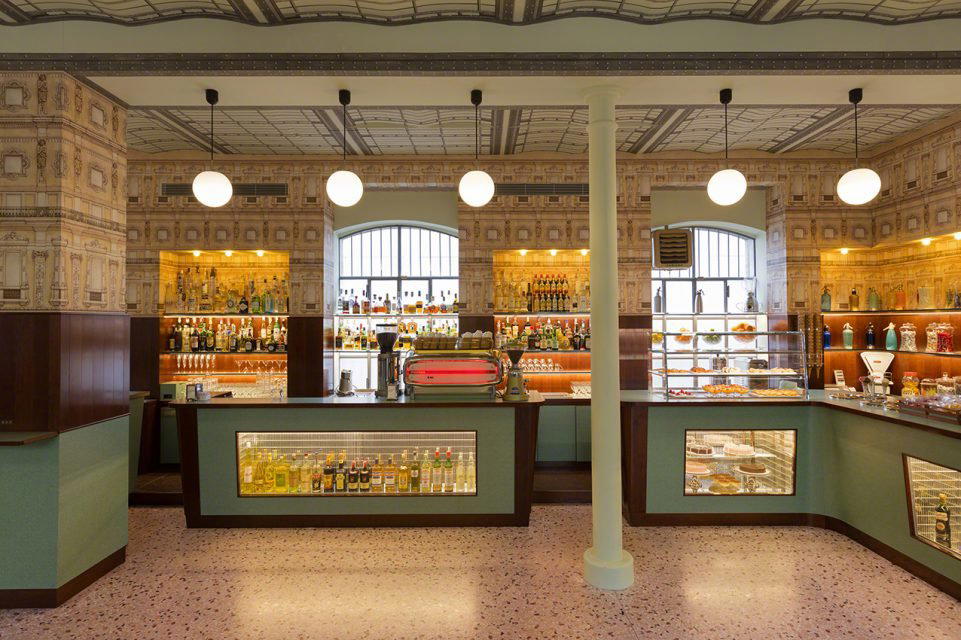
A Café as Cultural Argument
Milan has always treated the bar as a civic institution rather than a service point. From the gilded interior of Camparino in Galleria under the Duomo to the experimental programmes at Moebius Milano, the city's drinking culture distributes itself across registers: historic ceremony, technical cocktail work, neighbourhood aperitivo. Bar Luce, located inside the Fondazione Prada complex on Largo Isarco in the Porta Romana district, occupies a register that few venues elsewhere in Italy hold with the same conviction: the café as aesthetic proposition.
The space was designed by Wes Anderson, and the references read clearly on arrival: pastel Formica surfaces, curved booths, a pinball machine, a jukebox, vaulted ceilings with hand-painted detail. This is not a theme bar in the conventional sense. The design serves a genuine argument about how that era of Italian public space worked, what it meant to linger, and what the physical environment of a café communicates about time.
The Food and Drink Programme in Context
That pattern does not hold here. The café menu is built around the rhythms of the Italian bar day rather than the spectacle of the room.
Morning brings cornetti and pastries from the display counter, consumed standing or taken to a booth with a properly pulled espresso. This is not the long-breakfast format of the international hotel or the elaborate brunch of the design-district café. The format is Milanese: fast, direct, calibrated to the city's working tempo. The coffee programme draws on the espresso traditions that define northern Italian bar culture, where extraction time and grind consistency are treated as non-negotiable craft variables rather than marketing talking points.
By midday and into the afternoon, the menu shifts toward tramezzini, pressed sandwiches, and light plates that suit the Fondazione Prada's visitor pattern. The complex draws an extended-stay crowd: people who come for an exhibition and remain for two or three hours. Bar Luce's food provision maps directly onto that duration. The portions are calibrated for grazing rather than formal dining, the kind of eating that extends a conversation without interrupting it.
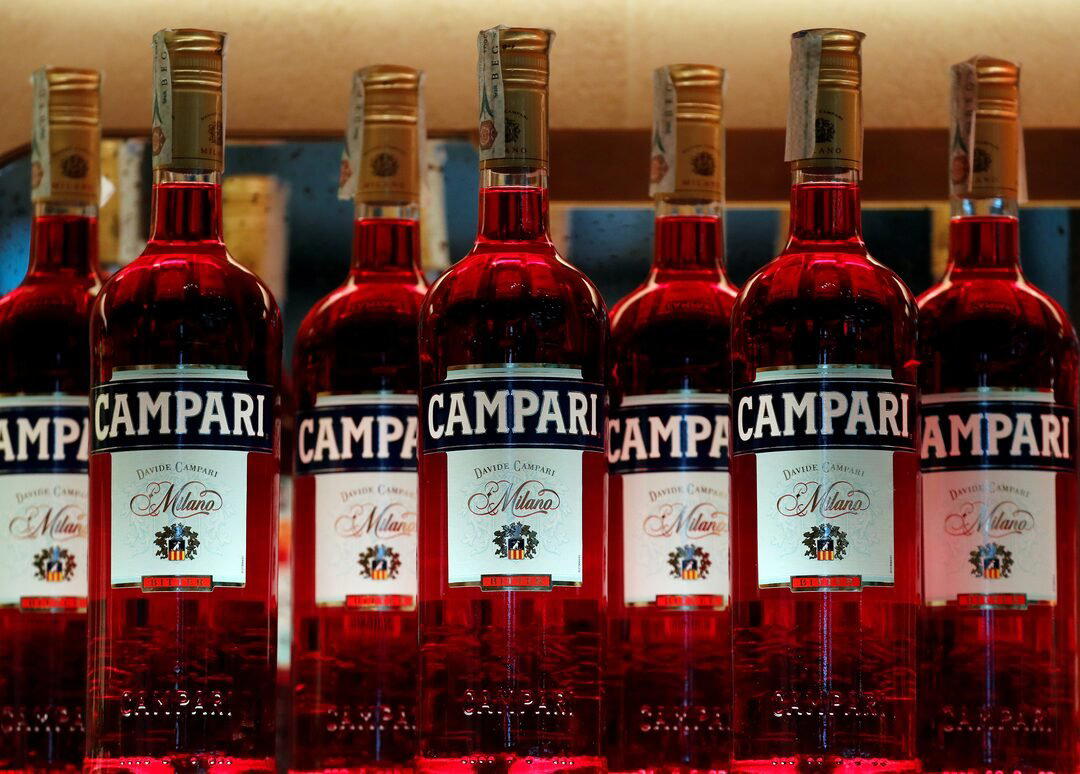
Aperitivo hour here operates inside the Milanese tradition that has been exported globally but rarely replicated with the same structural logic: a drink arrives accompanied by small food, the food is an argument for another drink, and the cumulative effect is an extended social ritual rather than a transaction. At venues further north in the city centre, like Nottingham Forest, the aperitivo framework is present but the focus tilts toward technical cocktail execution. At Bar Luce, the register is more classical: Campari-based aperitivi, Aperol, vermouth pours, and the kind of accompaniments that read as continuity with the mid-century bar culture the design evokes.
The pairing logic is direct: the drinks programme reinforces the visual and historical argument the space is making. An Aperol spritz at a Formica counter under hand-painted vaulting is not a neutral act. It is a legible cultural reference, and Bar Luce makes that reference with full awareness of what it is doing. Compared to the technical complexity on offer at 1930, where the cocktail programme operates at a different level of elaboration, Bar Luce makes no claim to avant-garde mixology. Its claim is to precision and continuity within a specific Italian tradition.
Situating Bar Luce in Milan's Bar Scene
Milan's bar and café culture has always been stratified by both geography and format. The Galleria crowd, the Brera aperitivo circuit, the post-industrial Navigli strip, and the institutional venues around major cultural spaces each follow distinct social logics. The bar belongs to the last category, alongside a small number of museum and foundation cafés internationally that have earned a reputation independent of their host institution.
In Italy, the closest analogues exist in institutional spaces with genuine food and drink programmes: the café at Palazzo Grassi in Venice operates similarly, as does the bar at MAXXI in Rome. What separates the bar is the coherence between the designed environment and the hospitality programme. The design is not decorative framing for an otherwise generic café menu. The menu operates within the same conceptual register as the room.
For the broader Italian bar context, the conversation extends to venues like Al Covino in Venice, Enoteca Storica Faccioli in Bologna, and L'Antiquario in Naples, each of which holds a specific position in its city's drinking culture. The bar's position is specific to Milan in a way that makes direct comparison difficult: it is both a functioning neighbourhood café for the Porta Romana district and a destination venue for visitors arriving from other cities and countries.
Planning Your Visit
The bar sits within the Fondazione Prada complex, which means access to the bar is available independently of the museum's ticketing structure during normal café hours. The Porta Romana district is a manageable distance from the city centre by metro, and the broader neighbourhood rewards time before or after a visit. The surrounding area has developed considerably over the past decade, with independent restaurants and food producers filling the blocks around the complex.
Seasonally, the outdoor terrace, when weather permits in late spring through early autumn, extends the sit in a way that suits the aperitivo format particularly well. The morning hours draw a quieter crowd; midday and late afternoon pull more visitors from the Fondazione's exhibition programme. For those arriving primarily for the café rather than the collection, a weekday morning or mid-afternoon visit gives the booths and counter space more breathing room than weekend afternoons.
Gucci Giardino in Florence operates a similar intersection of cultural institution and food and drink programming. Internationally, Bar Leather Apron in Honolulu and Lost and Found in Nicosia each demonstrate how a tightly defined design identity and a coherent drinks programme can operate in tandem. Drink Kong in Rome takes a different approach entirely, but it occupies the same bracket of venues where the environment and the programming are inseparable.
Peers You’d Cross-Shop
Comparable venues nearby, for context on price, style, and recognition.
| Venue | Cuisine | Price | Notes |
|---|---|---|---|
| Bar LuceThis venue — the venue you are viewing | lounge | $$ | Not listed |
| ONEST | wine_bar | $$ | Xxii Marzo |
| Mag Cafe | cocktail_bar | $$ | Porta Ticinese - Conchetta |
| Mercato Centrale Milano | cocktail_bar | $$ | Stazione Centrale - Ponte Seveso |
| Cavallante | wine_bar | $$ | Pta Romana |
| The Doping | cocktail_bar | $$$ | Porta Ticinese - Conca Del Naviglio |
Continue exploring
More in Milan
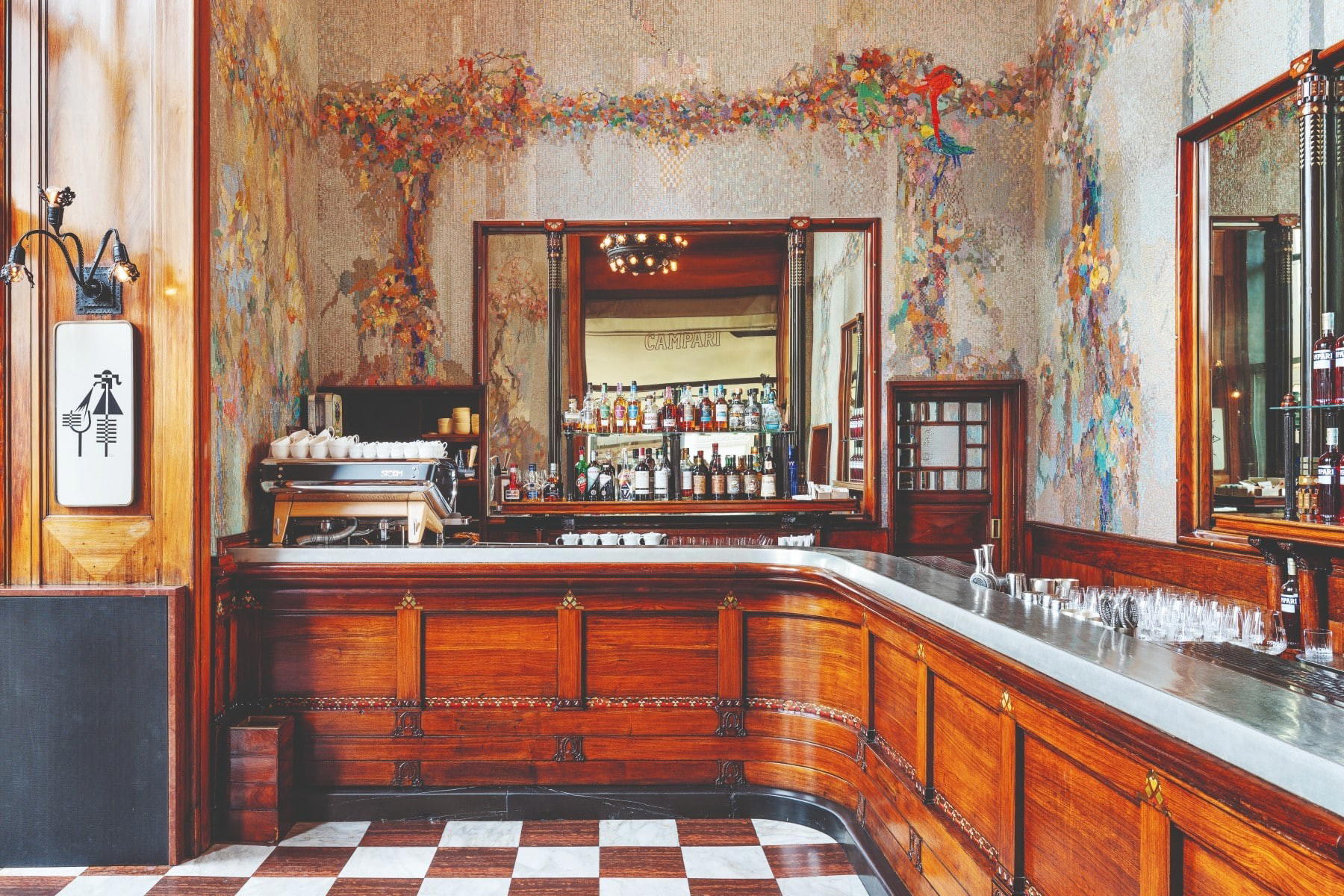
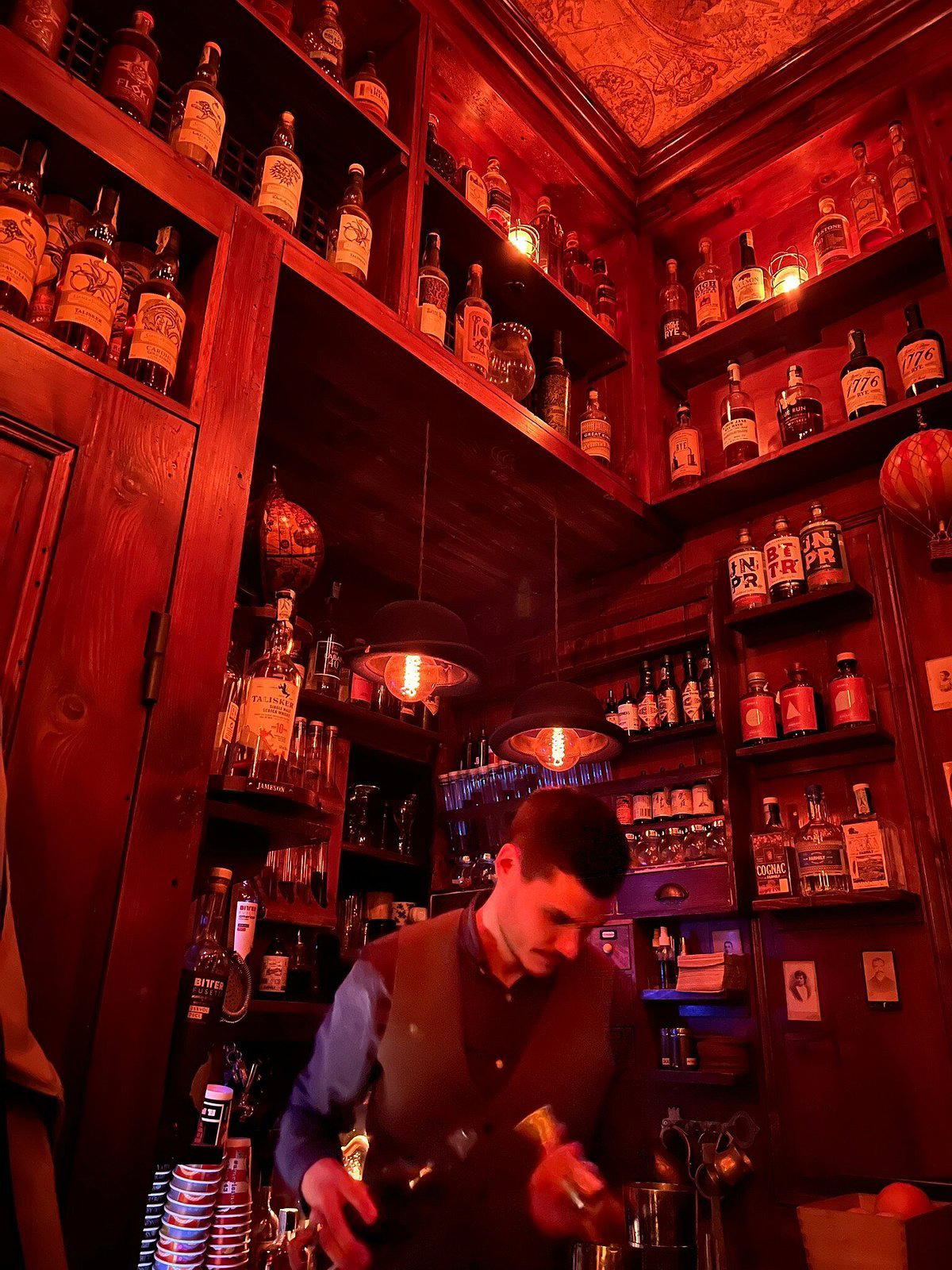
Bars in Milan
Browse all →
Restaurants in Milan
Browse all →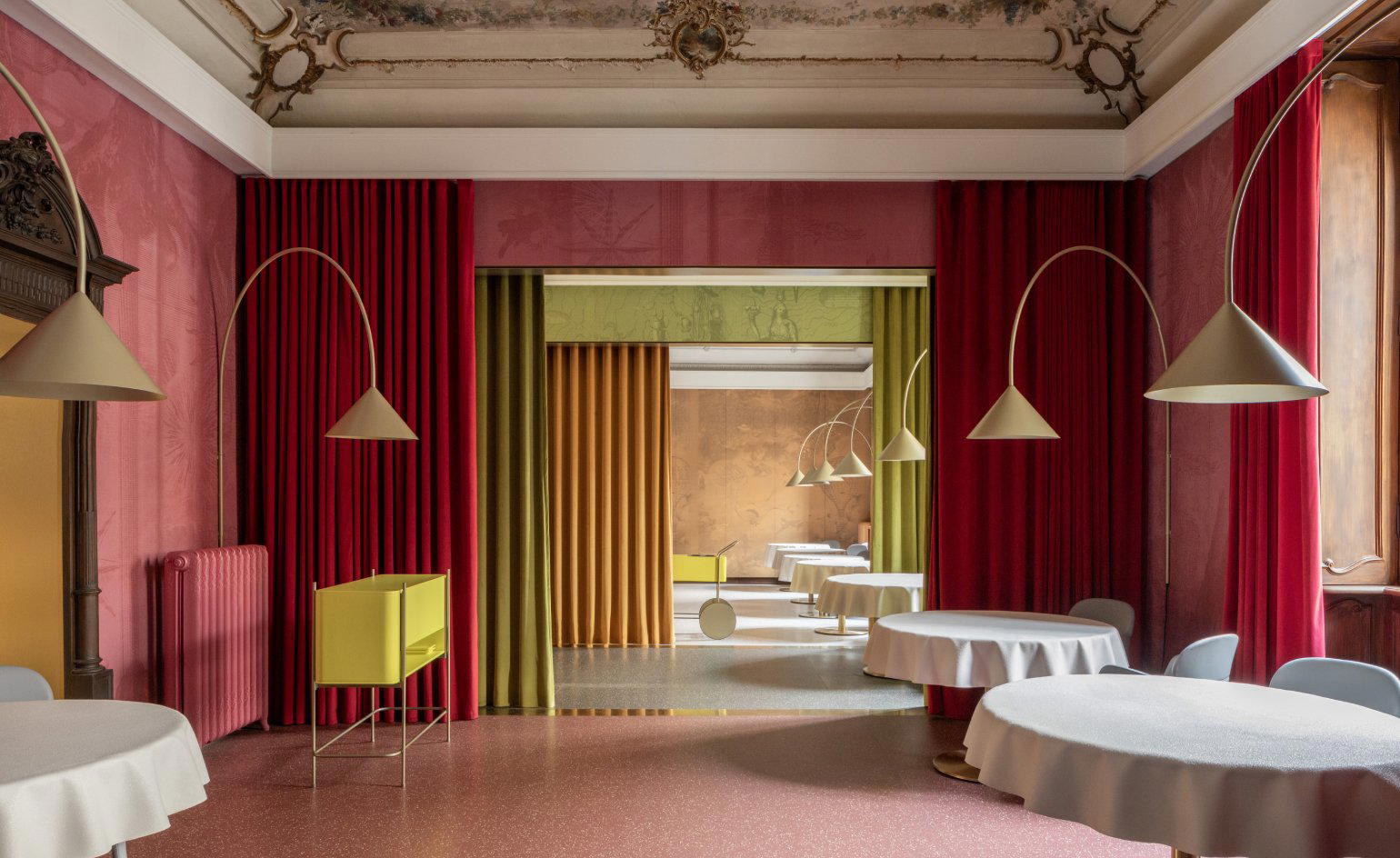
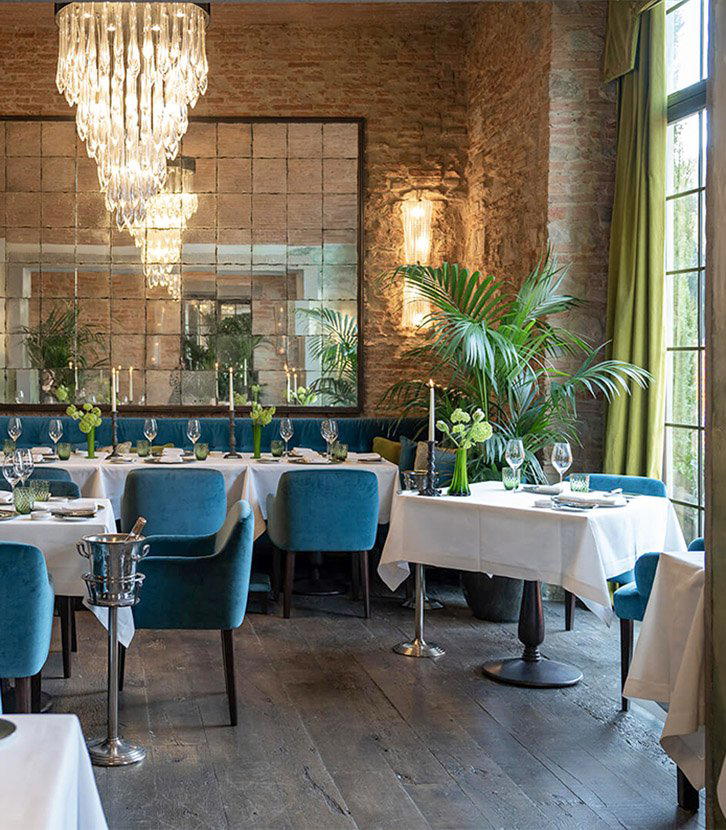
Hotels in Milan
Browse all →
At a Glance
- Whimsical
- Modern
- Trendy
- Well Known
- Casual Hangout
- After Work
- Design Destination
- Seated Bar
- Lounge Seating
- Classic Cocktails
Current opening hours
- Monday
- 8:30 AM–8 PM
- Tuesday
- 8:30 AM–8 PM
- Wednesday
- 8:30 AM–8 PM
- Thursday
- 8:30 AM–8 PM
- Friday
- 8:30 AM–8:30 PM
- Saturday
- 9 AM–8:30 PM
- Sunday
- 9 AM–8:30 PM
Hours can change for holidays and private events. Last verified .
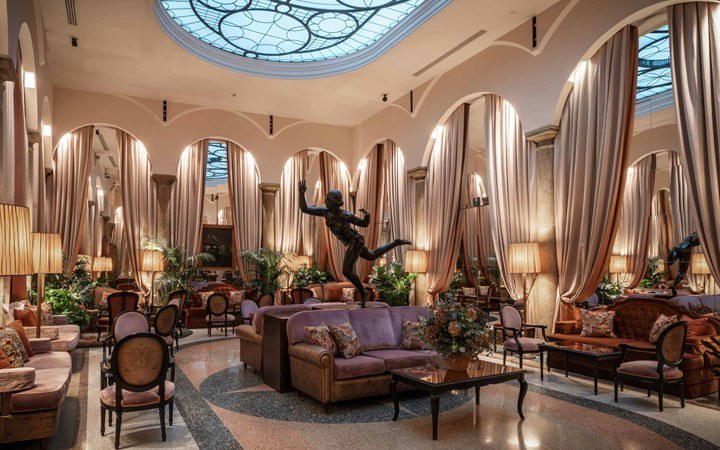
Colorful, kitsch 1950s-1960s Milanese cafe atmosphere with pastel tones, veneered wood panelling, terrazzo floors, and artistic charm.