Set within the historic Cascina Cuccagna cooperative in Milan's Porta Romana district, Ristorante Un Posto a Milano occupies a restored 17th-century farmhouse that operates as both restaurant and social hub. The kitchen draws on seasonal, locally sourced produce within a setting that reads more rural commune than city dining room — an approach that sits at a distinct angle to Milan's more polished restaurant mainstream.

Pearl is the En Primeur Club membership app — saves, bookings, and concierge access live there. Same editors, same standards.
- Address
- Via Privata Cuccagna, 2/4, 20135 Milano MI, Italy
- Phone
- +39 02 545 7785
- Website
- unpostoamilano.it
- Directions
- Get directions
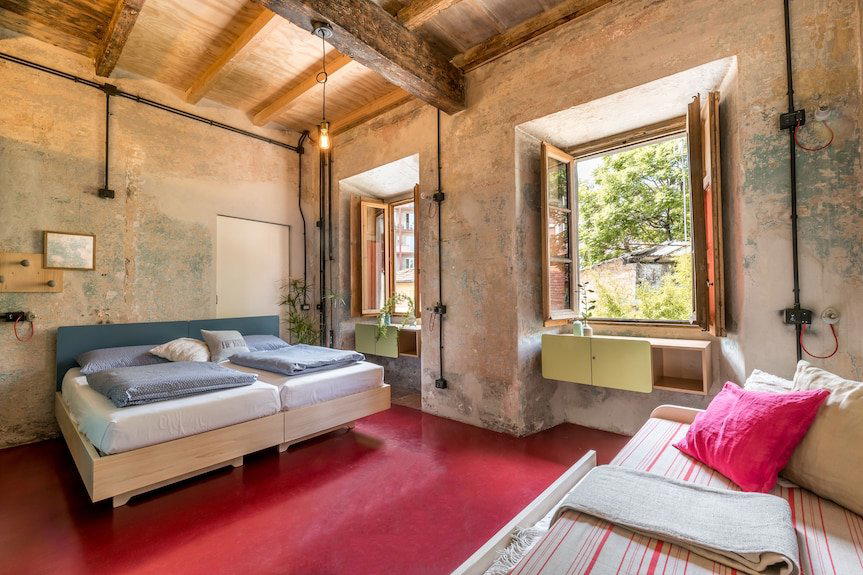
A Farmhouse in the City
Milan's restaurant culture divides, broadly, into two poles: the technically rigorous fine-dining operations clustered around the fashion and design districts, and a looser, more politically minded tradition of cooperative eating that has roots in the city's postwar left. Ristorante Un Posto a Milano belongs firmly to the second current. The address — Via Privata Cuccagna, in the Porta Romana neighbourhood south of the city centre — already signals as much. Cascina Cuccagna is a 17th-century farmhouse complex that survived Milano's 20th-century redevelopment largely intact, and the restaurant operates within it as part of a broader cooperative project that includes a market, workshop spaces, and a garden courtyard. Approaching the entrance, the contrast with the city grid outside is immediate: the noise drops, the building materials shift from concrete to old stone and brick, and the courtyard opens into something that feels closer to a provincial Lombardy farm than a European fashion capital.
This is not incidental atmosphere. The physical environment is the argument. Where many Milan restaurants spend heavily on interior design to create a sense of remove from the everyday, Un Posto a Milano uses a genuinely old building and a working cooperative structure to achieve something harder to simulate: the feeling that the place has a reason to exist beyond the meal itself. For context on how the rest of Milan's premium hospitality sector is positioned, properties like Bvlgari Hotel Milan, Mandarin Oriental Milan, and Portrait Milano each represent the polished, design-forward end of the city's hospitality offer. Un Posto a Milano operates in a different register entirely.
The Kitchen's Seasonal Logic
Italian restaurants operating within cooperative or agri-social frameworks tend to anchor their menus in what the local supply chain produces week to week, and Un Posto a Milano follows that logic. The kitchen's orientation is Lombard and seasonal, with the cascina's own garden contributing produce during the warmer months and relationships with regional suppliers filling out the rest of the year. This positions the restaurant within a broader Italian tradition of cucina del territorio, cooking that reflects a specific place and its agricultural calendar rather than a chef's individual technical signature.
In practical terms, this means the menu shifts with the season rather than holding fixed across a year. Spring brings lighter, vegetable-forward preparations; autumn moves toward the braised, richer cooking that defines northern Italian farmhouse tradition. The rhythm of what appears on the plate is determined less by what is fashionable in fine dining internationally and more by what the Lombard agricultural calendar makes available. For diners accustomed to tasting menus constructed around a chef's personal narrative, the format that dominates at places like Hotel Principe di Savoia's or Grand Hotel et de Milan's dining rooms, Un Posto a Milano offers a deliberate counterpoint: the territory as protagonist, not the kitchen team.
Comparable models exist across northern Italy: in Modena, the agriturismo ethos that defines properties like Casa Maria Luigia similarly grounds the dining experience in regional agricultural identity rather than chef celebrity. The logic translates to Milan here, which makes Un Posto a Milano somewhat unusual in the city's dining scene.
Porta Romana and the Surrounding Quarter
The Porta Romana neighbourhood has historically been one of Milan's less touristed inner districts, residential, mixed-income, and without the concentrated retail and gallery density of Brera or the Quadrilatero della Moda. That character is part of what makes Cascina Cuccagna legible as a social project rather than a commercial one. The cascina sits within a neighbourhood that still functions as a place where Milanese people live, and the restaurant draws a local clientele that reflects that: families, professionals from the nearby university district, and a design-aware crowd drawn to the cooperative model on principle.
For visitors using Milan as a base before travelling further into northern Italy, the Porta Romana location offers direct access to the city centre and to the main rail connections that serve Venice, Lake Como, and the broader Po Valley region. Milan's wider dining scene, which runs from cooperative models like this to the Michelin-circuit restaurants anchoring the luxury hotel properties, is mapped in our full Milan restaurants guide. The cascina itself is worth arriving early to see in daylight, particularly in spring and summer when the courtyard garden is in use, the physical sequence from street to courtyard to dining room is part of the experience in a way that cannot be replicated indoors.
Planning Your Visit
Un Posto a Milano does not operate within the standard luxury-hotel restaurant model, which means several practical points differ from what visitors to Vico Milano, Mandarin Oriental Milan, or 10 Corso Como Café might expect. The cooperative structure means the restaurant operates on its own schedule, tied to the cascina's broader programme rather than purely to commercial demand. Booking in advance is advisable, particularly for weekend lunch, which draws both local regulars and visitors. The courtyard tables are allocated seasonally and fill quickly during Milan's warmer months, from April through to October. The address is reachable by tram from the city centre, and the Via Privata designation means the entrance is set back from the main road, allow time to locate it on a first visit. Phone and booking details are confirmed directly through the cascina's own channels. Dress code is informal; the ethos of the place aligns more with a well-sourced trattoria than a formal dining room.
Where It Fits
| Venue | Cuisine | Price | Awards |
|---|---|---|---|
| Ristorante Un Posto a MilanoThis venue — the venue you are viewing | This venue | $100–200 | Not listed |
| Bvlgari Hotel Milan | Michelin 2 Key | Not listed | 2 Michelin Keys · La Liste Top Hotels |
| Mandarin Oriental Milan | Michelin 1 Key | Not listed | 2 Michelin Keys · La Liste Top Hotels |
| Excelsior Hotel Gallia, A Luxury Collection Hotel | Not listed | Not listed | Virtuoso Luxury Hotel Partner · Forbes 4-Star |
| Four Seasons Hotel Milano | Not listed | Not listed | 2 Michelin Keys · Forbes 4-Star |
| Park Hyatt Milan | Not listed | Not listed | Michelin Selected · La Liste Top Hotels |
Continue exploring
More in Milan
Hotels in Milan
Browse all →
Bars in Milan
Browse all →
Restaurants in Milan
Browse all →
Details
- Rustic
- Cozy
- Elegant
- Intimate
- Romantic Getaway
- Weekend Escape
- Garden
- Historic Building
- Wi Fi
- Garden
- Room Service
- Concierge
- Air Conditioning
- Garden
- Elevator
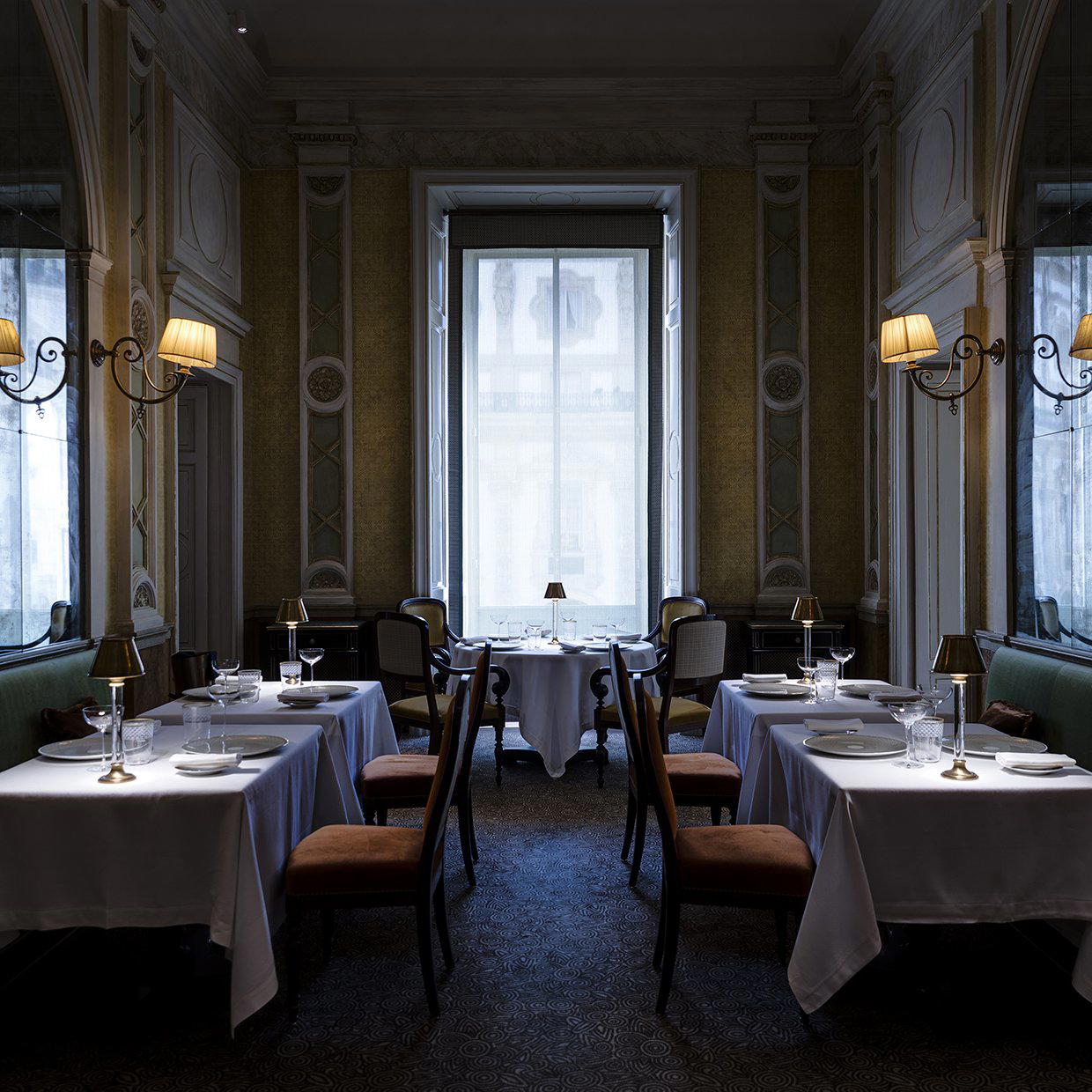
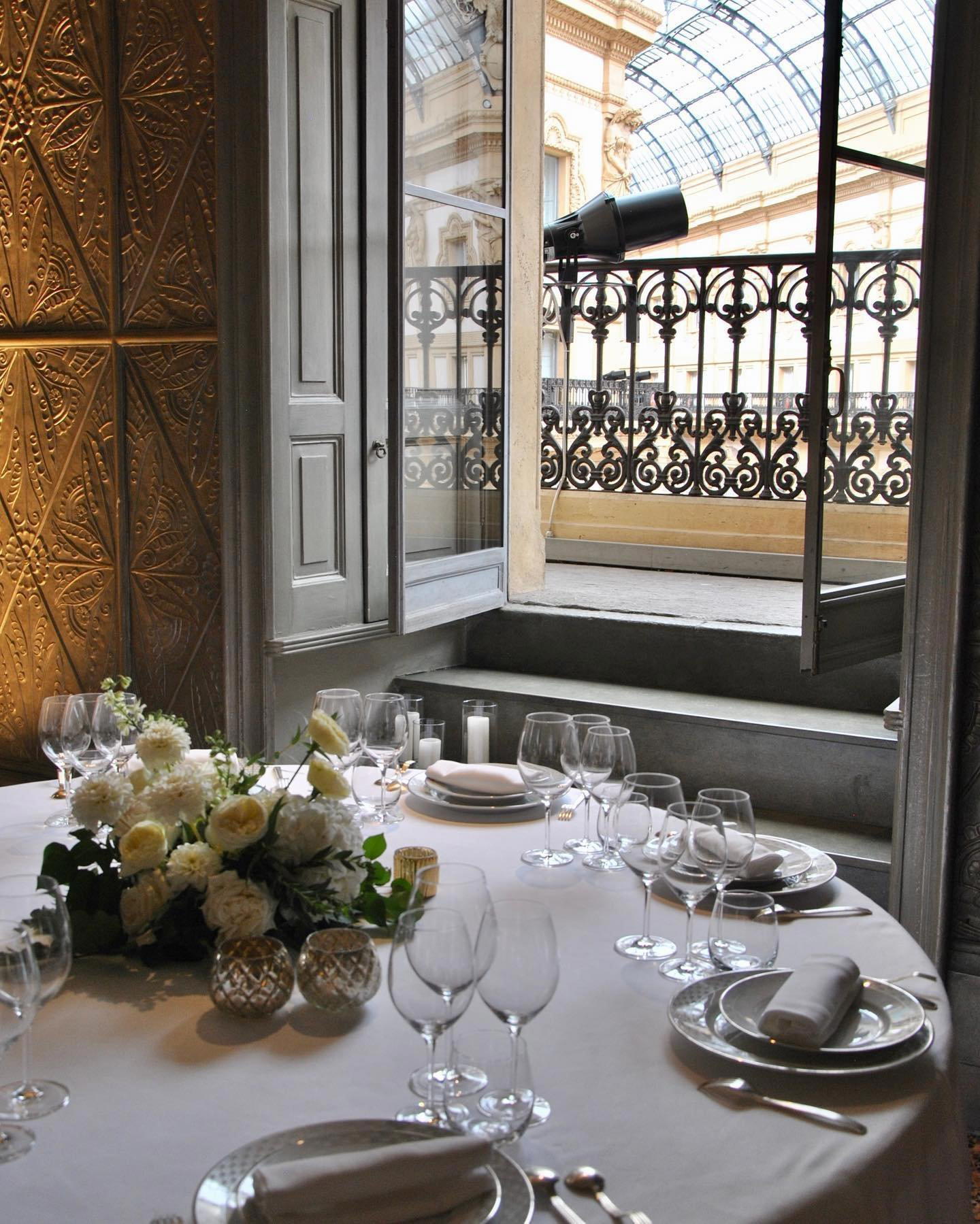
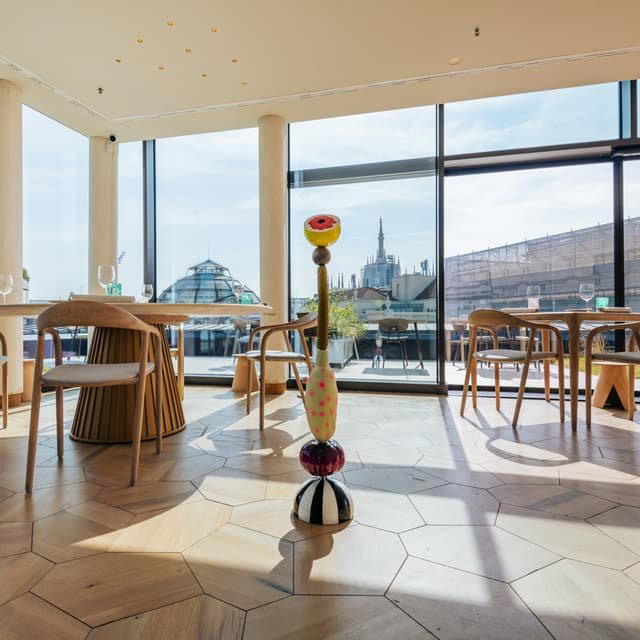
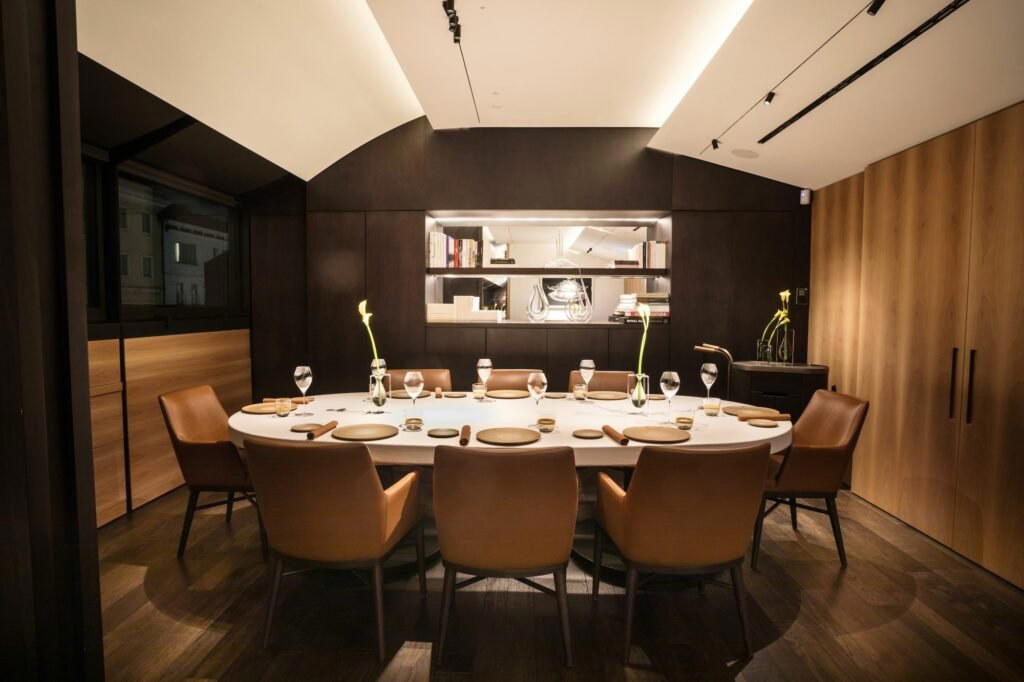
Intimate and tranquil with natural wood elements, garden courtyard, and warm rustic-modern atmosphere.