Caseificio Butteri
Our verdict
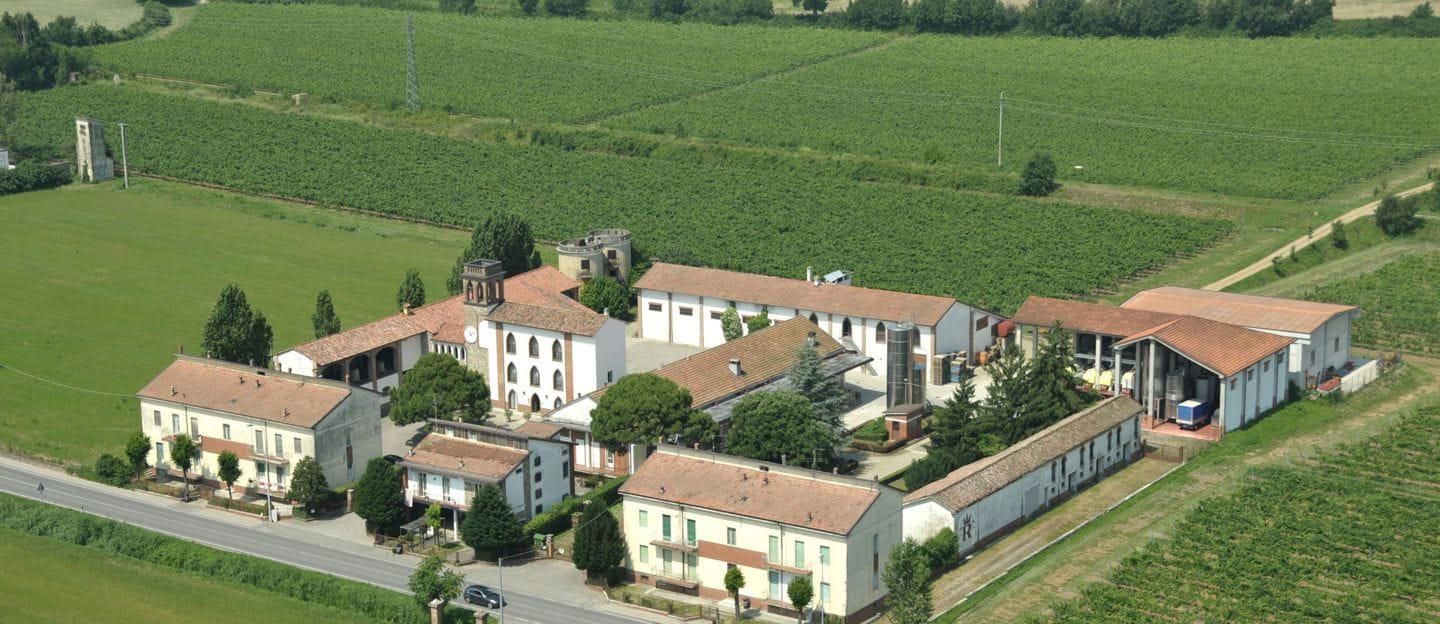
Caseificio Butteri sits on Via Scipione Passeri in Salsomaggiore Terme, a town in the Parma province where dairy production has shaped the local economy and table for generations. As a caseificio, a working cheese dairy, it occupies a category distinct from restaurants and trattorias, offering direct access to Emilian cheesemaking at the production level. For visitors to the region, it represents a point of contact with the raw material that underpins much of northern Italian cooking.

Pearl is the En Primeur Club membership app, where members save venues, book tables and use the concierge.
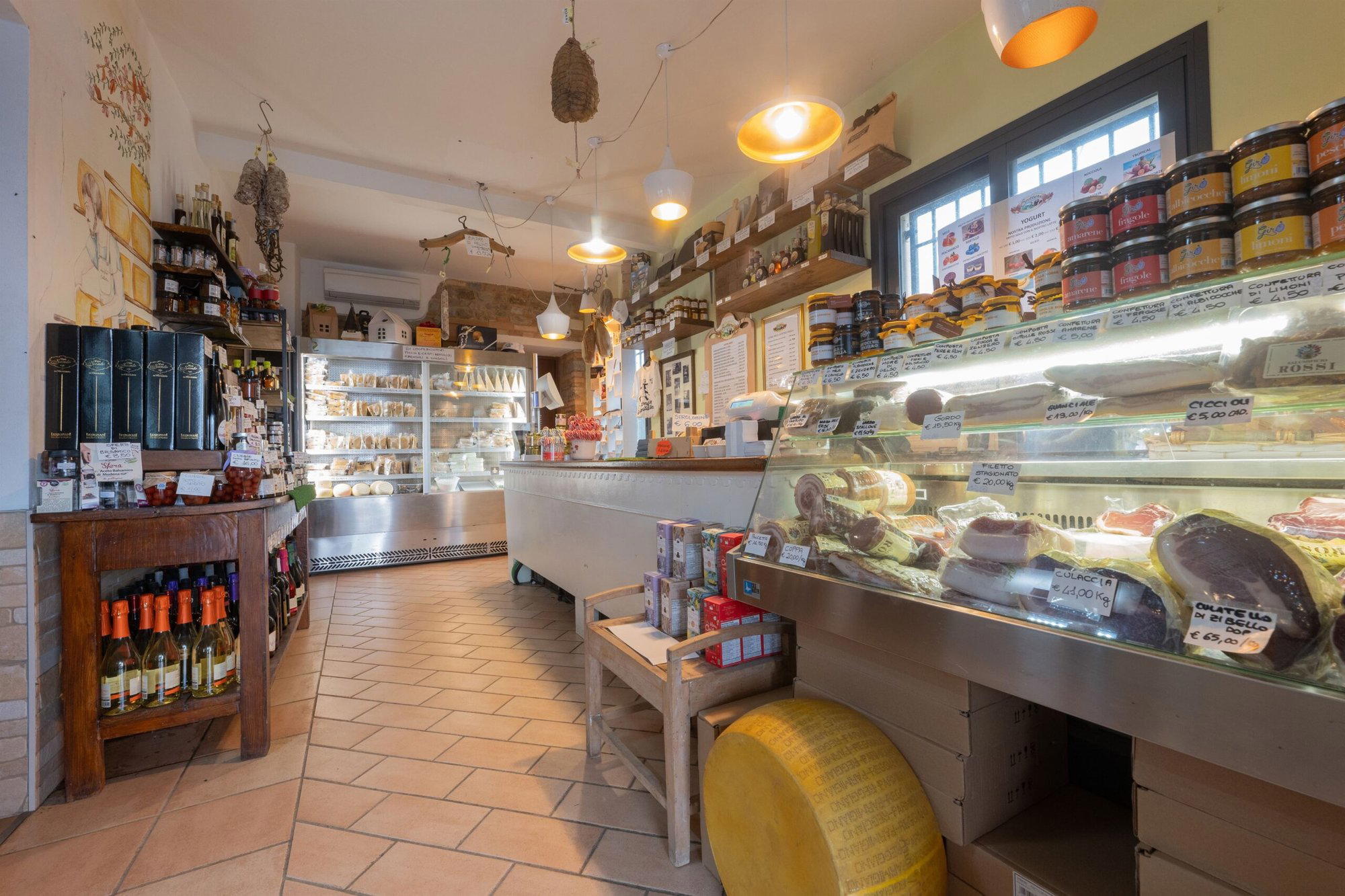
Where the Cheese Comes Before the Kitchen
The road out toward Via Scipione Passeri, at the edge of Salsomaggiore Terme, does not telegraph what you will find at number 193. Salsomaggiore is better known in Italy for its thermal baths and its faded belle époque architecture than for its food production, yet it sits inside the Parma province, one of the most consequential dairy corridors in Europe. The Po Valley flatlands visible from the western approaches to town have been feeding Parmigiano-Reggiano and Prosciutto di Parma production for centuries. Caseificio Butteri operates inside that tradition. A caseificio is not a restaurant. It is a working dairy, and the distinction matters enormously when you are thinking about where ingredients in this region actually originate.
Italy's premium dining conversation at the highest level, places like Osteria Francescana in Modena or Dal Pescatore in Runate, depends on a supply chain that runs through operations exactly like a small provincial caseificio. The chefs at those tables do not manufacture their own Parmigiano-Reggiano. They source it, often from dairies embedded in towns like Salsomaggiore, where the milk comes from the local Bianca Modenese or Frisona herds whose feed determines the final cheese character. Visiting a working caseificio in the Parma province collapses the distance between the kitchen and the pasture in a way that no tasting menu, however accomplished, quite replicates.
The Emilian Dairy Tradition in Context
Parmigiano-Reggiano production is tightly regulated by its consortium: the milk must come from cows within a defined zone encompassing the provinces of Parma, Reggio Emilia, Modena, Mantua (on the right bank of the Po), and Bologna (on the left bank of the Reno). Salsomaggiore Terme falls within the Parma province boundary, placing any operating caseificio here inside the designation's production area. The cheese wheels produced under these rules require a minimum of twelve months of aging, though the thirty-month and forty-month wheels now command the serious attention of both Italian fine dining and export markets.
This is not a regional curiosity. It is a production system that has influenced how Italian cuisine is cooked and thought about far beyond the region. When Le Calandre in Rubano or Piazza Duomo in Alba builds a dish around aged Parmigiano, the sourcing decision behind it carries decades of consortium standards, milk chemistry, and wheel-selection practice. A caseificio visit in the Parma province gives a traveler the vocabulary to read those decisions more clearly.
The other product category that defines this corridor is fresh dairy: squacquerone, stracchino, ricotta, and the broader family of soft cheeses that appear on Emilian tables at breakfast, in piadina, alongside cured meats, and as a closing note before dessert. These are shorter-lived products, sold within days of production, and they rarely travel far from where they are made. A working caseificio near Salsomaggiore is among the most direct points of access to these cheeses at their freshest, before transit and shelf time alter their texture and flavor profile.
Salsomaggiore Terme as a Food Stop
The town is not a primary food destination in the way that Parma city, twenty kilometers to the northeast, has become for food tourists. That relative obscurity works in its favor for certain kinds of visitors. The trattorias and local food producers here serve a predominantly local clientele, which tends to hold kitchens and dairies to a different standard than venues calibrated for tourism. L'Osteria del Castellazzo and Trattoria Ceriati represent the sit-down side of the local eating scene, and both anchor their menus in the same Emilian pantry, cured meats, fresh pasta, aged cheeses, that a caseificio like Butteri contributes to on the production side.
For the broader Italian dining context, the Parma province offers a ground-level counterpoint to the Michelin-registered end of the spectrum. Productions like those at Uliassi in Senigallia, Reale in Castel di Sangro, or Quattro Passi in Marina del Cantone exist at a remove from the raw material; a caseificio in Parma province sits as close to that raw material as it is possible to get. See our full Salsomaggiore Terme restaurants guide for how the town fits into the wider regional eating picture.
Planning a Visit
Working dairies in the Parma province typically begin their production day in the early morning hours, often before five in the morning, because fresh milk must be processed promptly after collection. Visitor access, where it exists, generally works well if confirmed directly with the caseificio in advance, either by telephone or in person, since production schedules do not bend for walk-in tourism. The address at Via Scipione Passeri, 193 places the dairy at the western outskirts of Salsomaggiore Terme, reachable by car from the town center and well-positioned for visitors also stopping in the Parma province's wider circuit of food producers. Pricing at a working caseificio typically reflects wholesale or near-wholesale dairy rates rather than retail food shop margins, making it a cost-effective source for aged and fresh cheeses when purchased directly.
Frequently asked questions
Is Caseificio Butteri good for families?
Working dairies in the Parma province operate on early-morning production schedules, often beginning before 5am, which can make timing challenging with young children. That said, the Via Scipione Passeri location is accessible by car, and visits to active cheese operations in Emilia-Romagna tend to hold genuine interest for older children who have some curiosity about food production. Families with toddlers should weigh the operational environment against the experience.
What should I expect atmosphere-wise at Caseificio Butteri?
This is a working production facility on the outskirts of Salsomaggiore Terme, not a polished agriturismo or tasting room. The atmosphere is functional: the smell of fresh milk and aging curd, the sound of production equipment, staff focused on the morning's work. Visitors looking for a curated retail experience should calibrate expectations accordingly, what is on offer here is the process itself.
Can you visit a Parmigiano-Reggiano production dairy in Salsomaggiore Terme directly?
Salsomaggiore Terme falls within the Parma province section of the Parmigiano-Reggiano production zone, meaning dairies like Caseificio Butteri at Via Scipione Passeri, 193 are the literal source of the denomination, not interpreters of it. Some Parma-area caseifici accept visits during morning production hours, typically between 8am and noon, though arrangements vary by dairy and season. Salsomaggiore is roughly 20 kilometres southwest of Parma city, making it a workable detour for visitors already in the region.
What should I order at Caseificio Butteri?
Caseificio Butteri sits within the Parmigiano-Reggiano production zone of Parma province, which defines the primary product. Depending on availability at the point of sale, that typically means wheels or portions at varying ages, younger forms (around 12 months) offer a milder, milkier character, while longer-aged selections develop the granular texture and savoury depth the denomination is known for. Confirm current availability directly before visiting, as retail hours at working dairies are not always fixed.
Where is Caseificio Butteri located?
Caseificio Butteri is located at Via Scipione Passeri, 193, 43039 Salsomaggiore Terme PR, Italy, Salsomaggiore Terme.
Should I book Caseificio Butteri in advance?
Working dairies in Parma province are not always set up for walk-in visits, and no booking details are published for Caseificio Butteri at Via Scipione Passeri, 193. Arriving without prior contact carries the risk of finding the production floor closed to visitors. Reaching out in advance, by phone or in person on a preliminary pass, is the practical approach for anyone making a specific trip from Salsomaggiore or Parma city.
What has Caseificio Butteri built its reputation on?
Located in Parma province within the tightly regulated Parmigiano-Reggiano consortium zone, Caseificio Butteri operates as a production dairy bound by the same consortium rules that govern all Parmigiano-Reggiano: milk sourced locally, no additives, extended aging under consortium inspection. In a region where dozens of caseifici produce the same denomination, differentiation comes from consistency over time, local milk supply relationships, and the specific character that a given dairy's production environment imparts to the curd.
Comparable Venues
Comparable venues nearby, for context on price, style, and recognition.
| Venue | Cuisine | Price | Awards | Notes |
|---|---|---|---|---|
| Caseificio ButteriThis venue (the venue you are viewing) | Parmigiano Reggiano Tasting | $10–20 | Not listed | Not listed |
| L'Osteria del Castellazzo | Traditional Emilia-Romagna Osteria | $20–30 | Michelin Plate | Borgo Castellazzo |
| Trattoria Ceriati | Traditional Emilian Trattoria | $30–50 | Michelin Plate | Cangelasio |
| Lo Spicchio | Sliced Pizza | Not listed | Not listed | .central Cremona |
| Arso Trattoria Moderna | Traditional Roman Trattoria | $20–30 | Not listed | Not listed |
| Monzù Vladì | Creative Regional Italian | Not listed | Not listed | Trastevere |
Continue exploring
More in Salsomaggiore Terme
Restaurants in Salsomaggiore Terme
All restaurants in Salsomaggiore Terme →
Hotels in Salsomaggiore Terme
Browse all →

Details
- Rustic
- Cozy
- Casual Hangout
- Historic Building
- Local Sourcing
- Small Plates
Current opening hours
- Monday
- 8 AM–12 PM
- Tuesday
- 8 AM–12 PM
- Wednesday
- 8 AM–12 PM, 2:30–5 PM
- Thursday
- 8 AM–12 PM, 2:30–5 PM
- Friday
- 8 AM–12 PM, 2:30–5 PM
- Saturday
- 8 AM–12 PM, 2:30–5 PM
- Sunday
- 8 AM–12 PM, 2:30–5 PM
Hours can change for holidays and private events. Hours as of .
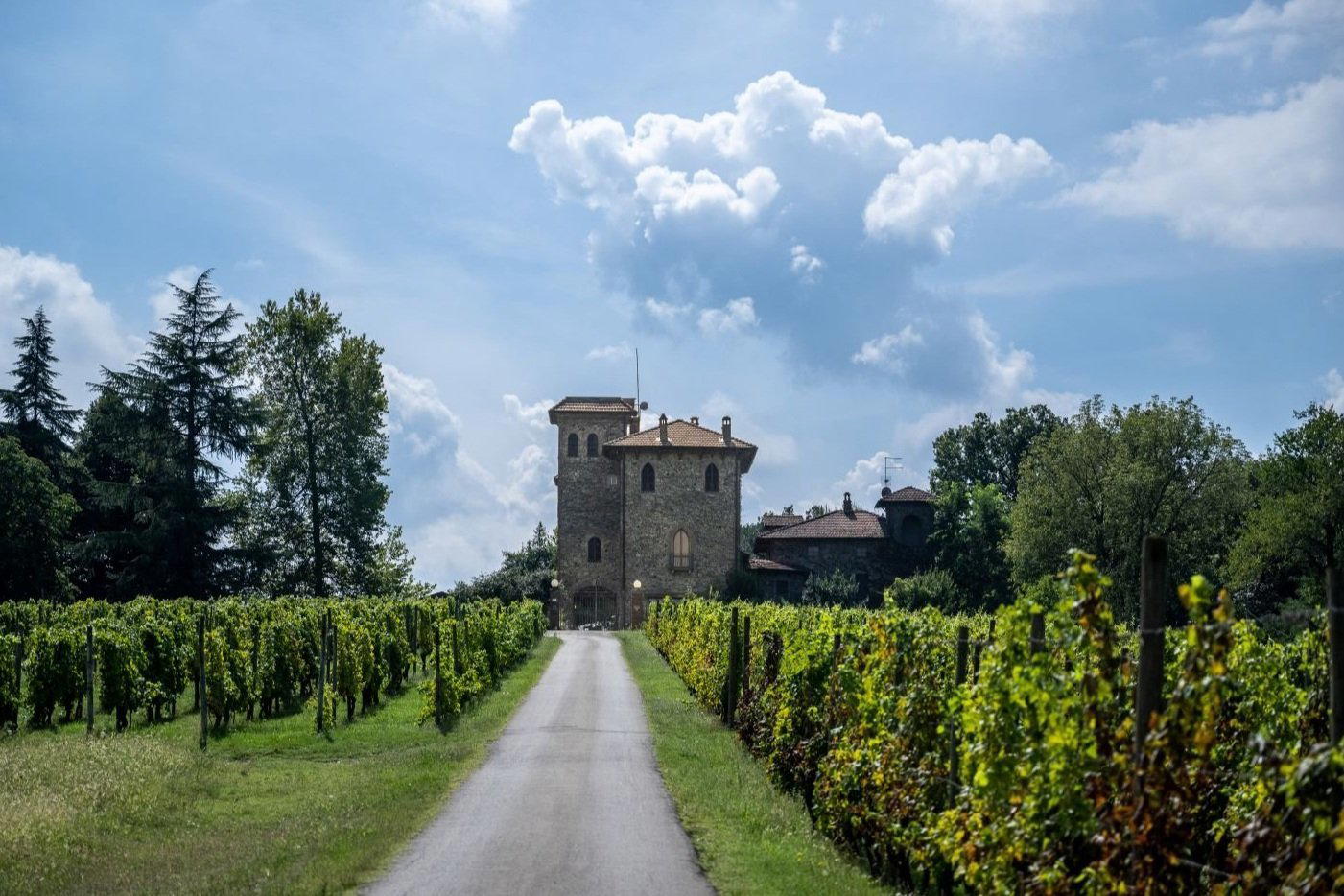
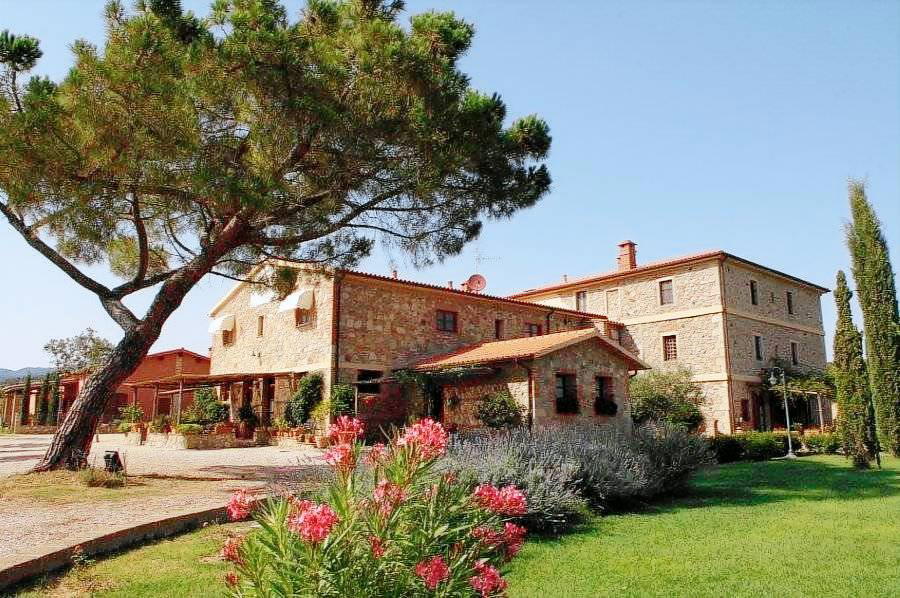
Rustic and authentic farm atmosphere with a welcoming tasting room focused on cheese production passion.