Lokaal


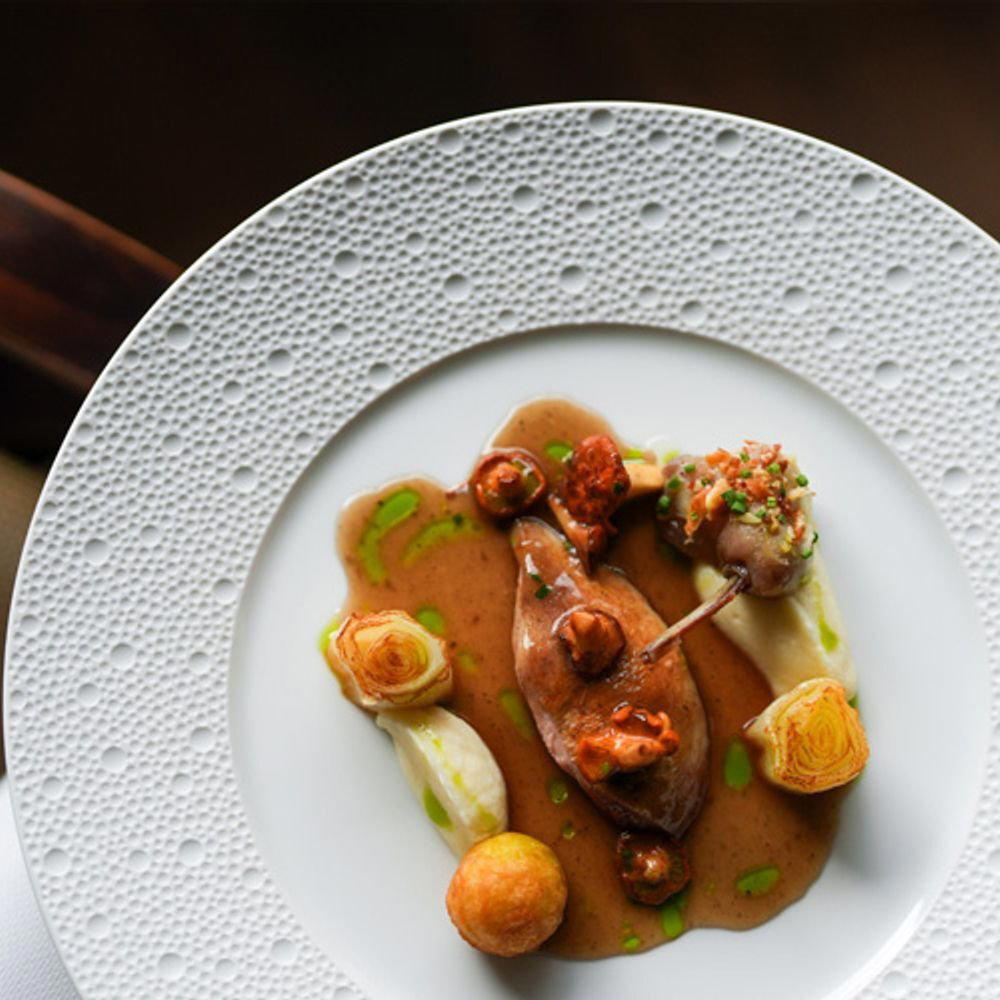
Lokaal holds consecutive Michelin Plate recognition (2024 and 2025) and sits at the €€€ tier in Doetinchem's dining scene, where chef Bjorn Massop works with local farmers to build a seasonal menu that reduces food waste through composting and closed-loop ingredient use. A dedicated vegetarian menu applies techniques including dry-aged beetroot alongside the main programme.
Pearl is the En Primeur Club membership app — saves, bookings, and concierge access live there. Same editors, same standards.
- Address
- Ruimzichtlaan 150, 7001 KG Doetinchem, Netherlands
- Phone
- +31 314 320 680
- Website
- restaurantlokaal.com
- Directions
- Get directions
 Saves & bookings on Pearl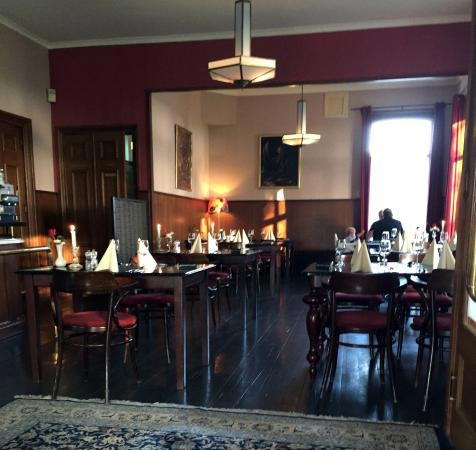
Where the Achterhoek's Farm Economy Meets the Plate
The Achterhoek region of Gelderland has never been a flashpoint for fine dining tourism, but that relative obscurity is precisely what makes its better restaurants interesting. This is agricultural country: river clay soils, small family farms, seasonal rhythms that the restaurant trade in larger Dutch cities pays a premium to simulate. At Ruimzichtlaan 150, Lokaal sits inside that landscape not as a concept but as a working relationship with the producers around it. The address is residential and unhurried, which sets the tone before you reach the door. Michelin Plate recognition for 2024 and 2025 gives the restaurant added distinction.
Dutch modern cuisine has followed a trajectory visible across the country's mid-tier and upper-mid-tier scene: away from French classical plating conventions and toward shorter supply chains, fermentation, foraging, and seasonal constraint as creative discipline rather than marketing copy. Lokaal occupies that position in Doetinchem's restaurant tier, sitting above the €€ bracket represented locally by LEV Foodbar and Raedthuys, and below the €€€€ farm-to-table register of Orangerie De Pol. That middle position in the local hierarchy is deliberate: the €€€ pricing signals a serious kitchen without placing it out of reach for a regional audience that eats out regularly rather than occasionally.
What Michelin Plate Recognition Actually Signals Here
Michelin awarded Lokaal its Plate designation in both 2024 and 2025, a distinction that confirms the inspectors found consistently good cooking rather than a one-season performance. The Plate is not a star, and it is worth being precise about what it means: Michelin defines it as recognition of a restaurant where inspectors ate well, placing it above the general listing tier but below starred recognition. In a city of Doetinchem's size, two consecutive Plates represent a meaningful signal about the kitchen's reliability, particularly when the comparable set for comparison includes Michelin-starred restaurants in larger Dutch cities. For regional context, other Netherlands restaurants carrying serious Michelin recognition include De Librije in Zwolle, Aan de Poel in Amstelveen, and De Bokkedoorns in Overveen, each operating at a different scale and price tier. Lokaal's Plate positions it as the credentialled option within its immediate postcode rather than as a challenger to that national tier.
4 across 144 reviews adds a second data layer. That volume of reviews for a restaurant in a smaller regional city suggests a consistent local following rather than a tourist-driven spike, which in turn supports the kitchen's claim to regional relevance.
The Closed-Loop Kitchen Philosophy and What It Produces
Across the Netherlands and neighbouring Belgium, a growing number of kitchens have moved from simply sourcing locally to closing the loop on waste: composting vegetable residues, feeding kitchen scraps to livestock, and building menus around what the season actually provides rather than what a supplier's year-round catalogue allows. Lokaal operates in that mode. The kitchen works with local farmers to source ingredients, and vegetable residues from the kitchen are either composted or used as feed for the restaurant's own pigs. That is not a peripheral detail, it changes how the menu is constructed, because a kitchen committed to zero-waste procurement has to be more inventive with the whole product rather than cherry-picking the premium cuts.
The dry-aging of beetroots, cited as one of the kitchen's techniques, is a useful illustration of this approach. Dry-aging as a process draws out moisture, concentrates flavour, and changes texture in ways that transform an inexpensive vegetable into something with the structural complexity usually reserved for protein. It is the kind of technique that appears in Michelin-recognised kitchens in cities like Amsterdam and Antwerp, and its presence in Doetinchem, in a restaurant working with local farm supply, speaks to a kitchen that is engaged with contemporary Dutch fine-dining conversation without merely replicating it. Comparable regional kitchens in the Netherlands following similar seasonal-and-local discipline include De Groene Lantaarn in Staphorst, De Lindehof in Nuenen, and De Lindenhof in Giethoorn.
The Vegetarian Programme
Lokaal offers a dedicated vegetarian menu, which is worth noting as a structural commitment rather than an accommodation. Many €€€ restaurants in the Netherlands now include vegetarian options, but a separate menu implies a parallel development track in the kitchen, different sourcing priorities, different technique choices, and a different seasonal logic. Given the kitchen's existing focus on whole-vegetable use and minimal waste, the vegetarian programme is not a detour from the main project but an extension of it. Diners who do not eat meat have a complete programme rather than a composed afterthought.
Where Lokaal Sits in the Wider Dutch Modern Cuisine Scene
Modern Dutch cuisine has no single defining style the way Basque nueva cocina or New Nordic does, but it has accumulated a recognisable set of values: directness, season-led menus, honest ingredient sourcing, and a preference for technique in service of flavour rather than spectacle. Lokaal operates inside those values at the regional level. It belongs to a broader cohort of Dutch restaurants outside the Randstad where serious cooking has taken root in smaller cities, partly because land and produce costs differ, and partly because a regional audience increasingly expects more from its local restaurant tier. Other restaurants in that cohort visible in the EP Club Netherlands database include Fred in Rotterdam, Inter Scaldes in Kruiningen, and De Swarte Ruijter in Holten. For an international parallel in the same price tier and cuisine category, Borkonyha Winekitchen in Budapest represents a similar approach: Michelin-recognised modern cuisine in a city that sits outside the primary fine-dining capitals.
Planning Your Visit
Lokaal is located at Ruimzichtlaan 150 in a residential part of Doetinchem, and the €€€ pricing places a meal here in the range of a considered dinner rather than a casual stop. The kitchen's seasonal model means the menu changes with the agricultural calendar, so return visits across the year will produce different experiences. The vegetarian menu runs alongside the main programme, making it a workable choice for mixed-diet groups. Booking in advance is advisable given the restaurant's essential reservation policy and the limited competition at this price tier in the region. For a broader picture of where Lokaal sits within the city's hospitality offer, the full Doetinchem restaurants guide provides context across all price tiers. If you are planning a longer stay, the Doetinchem hotels guide, bars guide, wineries guide, and experiences guide cover the city's wider offer.
Budget and Context
Comparable venues nearby, for context on price, style, and recognition.
| Venue | Cuisine | Price | Awards | Notes |
|---|---|---|---|---|
| LokaalThis venue — the venue you are viewing | Modern Cuisine | $$$$ | Michelin Plate | Not listed |
| Orangerie De Pol | Achterhoek, Modern Dutch Seasonal | $$$$ | Michelin Plate | Not listed |
| LEV Foodbar | Not listed | $$ | Bib Gourmand | Stadscentrum-Zuid, Modern Dutch Sharing Plates |
| Raedthuys | Not listed | $$ | Bib Gourmand | Doetinchem city center, Dutch Bib Gourmand Bistro |
| Huisje James | Not listed | $$$$ | Michelin Plate | Ugchelen, Modern Seasonal Dutch Fine Dining |
| NOÏS | Not listed | $$$$ | Michelin Plate | Binnenstad, Modern Plant-Forward Fine Dining |
Recognition history
Dated appearances from independent guides and award organizations, with the underlying list record or original source where available.
Michelin Plate
Michelin
We're Smart World 3 Radishes
We're Smart World
Michelin Plate
Michelin
Continue exploring
More in Doetinchem
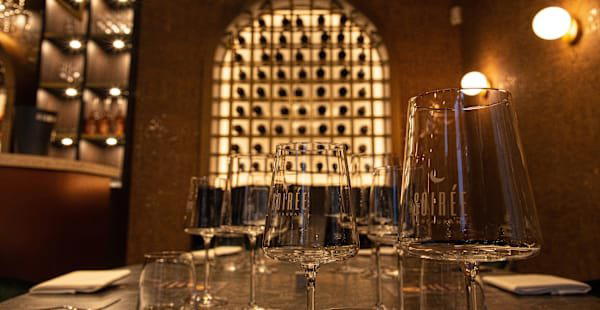
Restaurants in Doetinchem
Browse all →
Bars in Doetinchem
Browse all →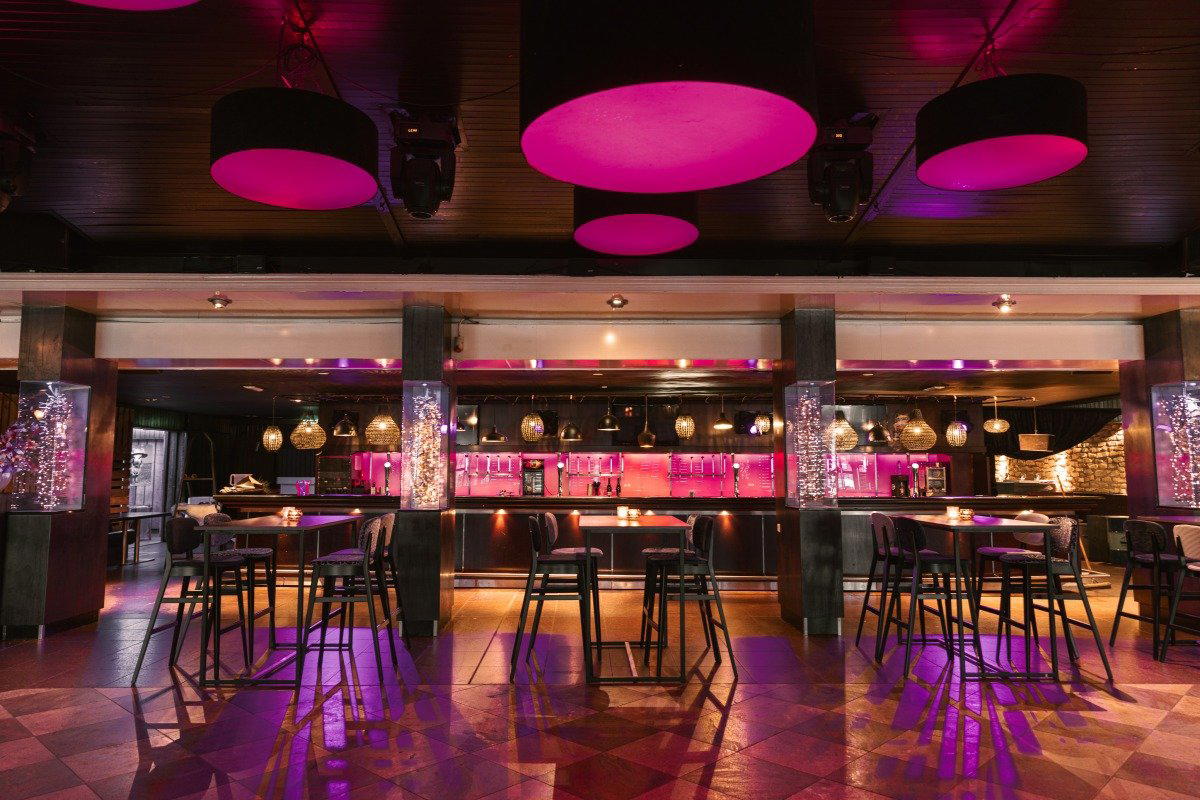
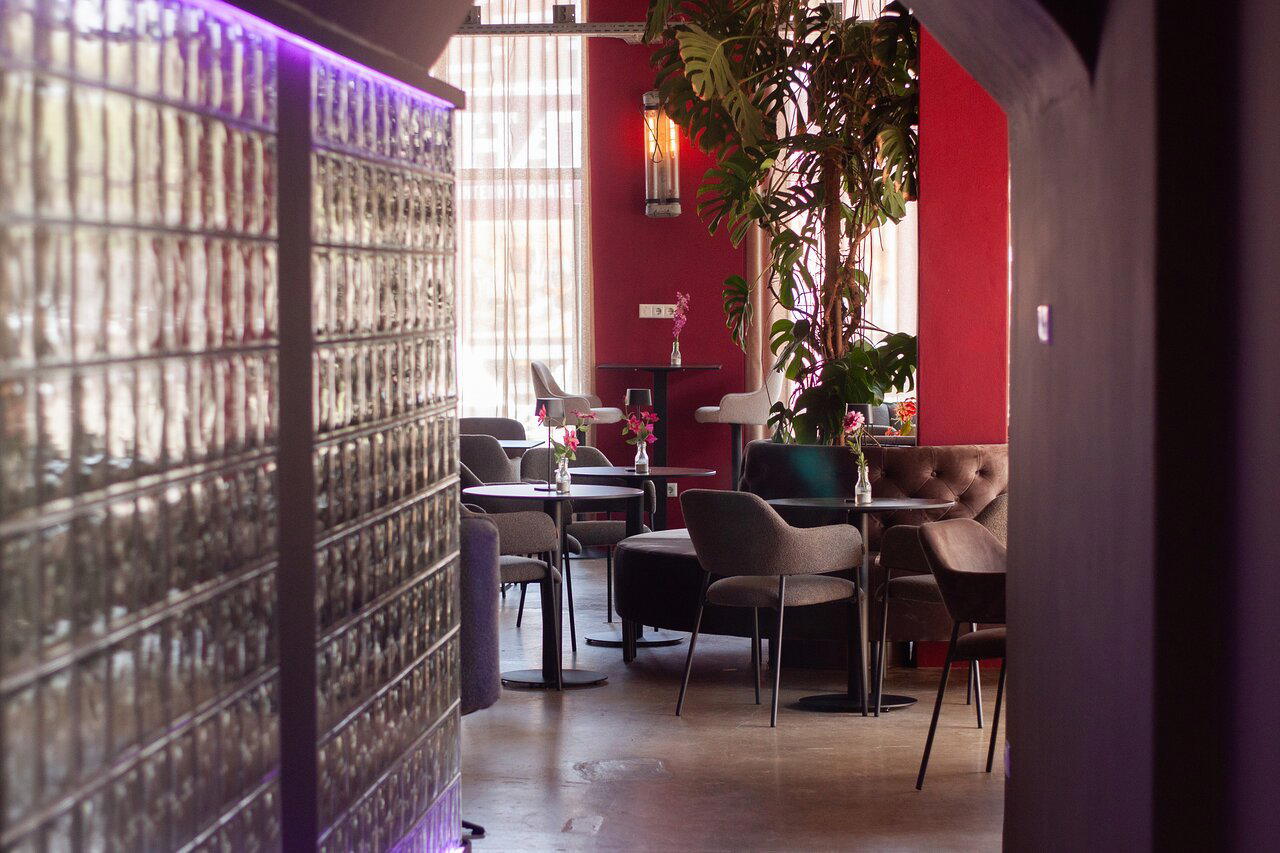
Hotels in Doetinchem
Browse all →
At a Glance
- Elegant
- Cozy
- Sophisticated
- Modern
- Date Night
- Special Occasion
- Hotel Restaurant
- Historic Building
- Extensive Wine List
- Farm To Table
- Local Sourcing
- Zero Waste
Current opening hours
- Monday
- 12–3 PM, 5–11 PM
- Tuesday
- 12–3 PM, 5–11 PM
- Wednesday
- 12–3 PM, 5–11 PM
- Thursday
- 12–3 PM, 5–11 PM
- Friday
- 12–3 PM, 5–11 PM
- Saturday
- 12–11 PM
- Sunday
- 12–11 PM
Hours can change for holidays and private events. Last verified .
Elegant and chic yet warm and welcoming in a luxurious villa setting with cozy casual atmosphere.