Google: 4.8 · 302 reviews
Orangerie De Pol
.png)

Set on the rural edge of Doetinchem, Orangerie De Pol is a JRE-recognised farm-to-table restaurant where chef Mark Captein builds menus around local, seasonal produce. A Michelin Plate holder in both 2024 and 2025, the kitchen draws particular attention for its vegetable-led menu and house-made kombuchas. Google reviewers rate it 4.8 from 289 submissions.
 Discover on Pearl
Countryside dining and the rhythm of a seasonal table
There is a particular kind of meal that asks you to slow down before you have even ordered. Orangerie De Pol, at Hulleweg 2 on the quiet agricultural fringe of Doetinchem, operates in that register. The approach to the restaurant moves you away from the town centre and into open land, and that physical transition is deliberate: the meal that follows is structured around what the surrounding region is producing right now, not what a kitchen can source from a distant warehouse. This is farm-to-table cooking in the most literal sense of the phrase, where the gap between field and plate is measured in kilometres rather than supply-chain days.
That kind of dining ritual has its own pacing. Courses arrive in a sequence governed by the season rather than a fixed printed menu, and the progression from one plate to the next tends to reflect a logic of terroir: what pairs with what because they grew near each other, not because a classical pairing chart says so. At Orangerie De Pol, that sequencing includes a vegetable menu that JRE assessors have specifically called out as a reason to visit. JRE, the Jeunes Restaurateurs network that connects independent restaurants with a shared commitment to local produce and craft cooking, has recognised this kitchen as part of its European cohort, a credential that positions it within a peer group of farm-linked independents rather than alongside urban fine-dining addresses.
The vegetable menu and what it signals about this kitchen
The vegetable-led format is not a concession to dietary trends. Across the Netherlands, a small number of kitchens have made plant-forward cooking their primary editorial statement rather than an afterthought. JRE's published commentary on Orangerie De Pol notes that the vegetable menu draws genuine enthusiasm, alongside the house-made kombuchas that extend the kitchen's fermentation and local-ingredient logic into the drinks programme. These are not garnish decisions; they represent a coherent approach to how a meal is built and in what direction it moves.
JRE's assessment also acknowledges that a fully plant-based menu is not yet available, framing that as an open question rather than a settled position. That kind of transparency about a kitchen's current range is more instructive than a polished claim of completeness. Chef Mark Captein holds a Michelin Plate in both 2024 and 2025, a recognition that marks consistent kitchen quality without the volume pressure that a star demands. The Michelin Plate tier across the Netherlands tends to cluster restaurants that have clear culinary identity and technical competence, and that hold their own in a regional context without necessarily competing on the same axis as the country's starred addresses.
Where this restaurant sits in the Dutch farm-to-table field
The Netherlands has developed a coherent farm-to-table tradition that operates at some distance from Amsterdam's concentrated fine-dining scene. Restaurants like De Groene Lantaarn in Staphorst and Les Salons in Valkenburg share the same broad orientation: regional produce, independent ownership, and menus that change with what is available rather than what is consistent. At a national level, the conversation around nature-connected cooking is anchored by restaurants like De Librije in Zwolle and Inter Scaldes in Kruiningen, which operate in a starred tier and set a reference point for what local-produce ambition can achieve at the highest level.
Orangerie De Pol does not compete in that starred tier, but it does share the underlying philosophy. Its price positioning at €€€€ places it above mid-range farm-to-table addresses like Raedthuys in Doetinchem itself, which operates in the €€ band with a similar farm-to-table orientation. Within the town's dining options, LEV Foodbar works a Modern French register at €€, and Lokaal sits at €€€ with a Modern Cuisine approach. Orangerie De Pol occupies the leading price point among Doetinchem's reviewed restaurants and draws its authority from the rural setting and the JRE and Michelin credentials rather than from urban density or celebrity.
For context on farm-to-table cooking at its most technically demanding, addresses like De Lindehof in Nuenen, Aan de Poel in Amstelveen, and De Bokkedoorns in Overveen show where the genre sits when Michelin star recognition enters the picture. Orangerie De Pol shares their values without matching their ambition for that tier, which is a legitimate editorial position and arguably the one that allows the kitchen to be more experimental with its vegetable work.
Approaching the meal: what to expect and when to go
Seasonal cooking of this kind is most coherent when visited at moments of agricultural transition: late spring when early vegetables arrive, late summer when the growing season is at its most expressive, or autumn when root vegetables and fermented preparations come to the fore. The JRE affiliation signals that the menu reflects what the region is producing, so the timing of a visit shapes the meal as much as any other variable. Arriving at Orangerie De Pol is not the same experience in March as it is in August, and that variability is by design.
The address at Hulleweg 2 in Doetinchem puts the restaurant outside the town's walkable centre, which means a car or taxi is the practical approach for most visitors. The €€€€ price tier indicates a commitment to a full evening format rather than a quick meal, and the 4.8 score across 289 Google reviews suggests consistent delivery rather than occasional excellence. Restaurants of this type reward guests who arrive without urgency and who are prepared to follow the kitchen's sequence rather than impose their own.
For broader planning around a visit to this part of the eastern Netherlands, EP Club's full Doetinchem restaurants guide maps the town's full dining range. The Doetinchem hotels guide covers overnight options, and the bars guide handles pre- or post-dinner options in the area. Those with an interest in the region's wine and drink producers will find the wineries guide and experiences guide useful for extending a stay. Internationally, for a reference point on how local-produce philosophy translates into global fine dining, Fred in Rotterdam, De Lindenhof in Giethoorn, and even Le Bernardin in New York City each illustrate how ingredient-led convictions play out across different scales and national traditions.
Category Peers
A fast peer set for context, pulled from similar venues in our database.
| Venue | Cuisine | Awards | Notes |
|---|---|---|---|
| Orangerie De Pol | €€€€ · Farm to table | Restaurant Orangerie De Pol is a JRE. In the middle of nature, chef Mark Captein… | This venue |
| LEV Foodbar | €€ · Modern French | €€ · Modern French, €€ | |
| Raedthuys | €€ · Farm to table | €€ · Farm to table, €€ | |
| Lokaal | €€€ · Modern Cuisine | €€€ · Modern Cuisine, €€€ |
Continue exploring
More in Doetinchem
Restaurants in Doetinchem
Browse all →
Bars in Doetinchem
Browse all →
Hotels in Doetinchem
Browse all →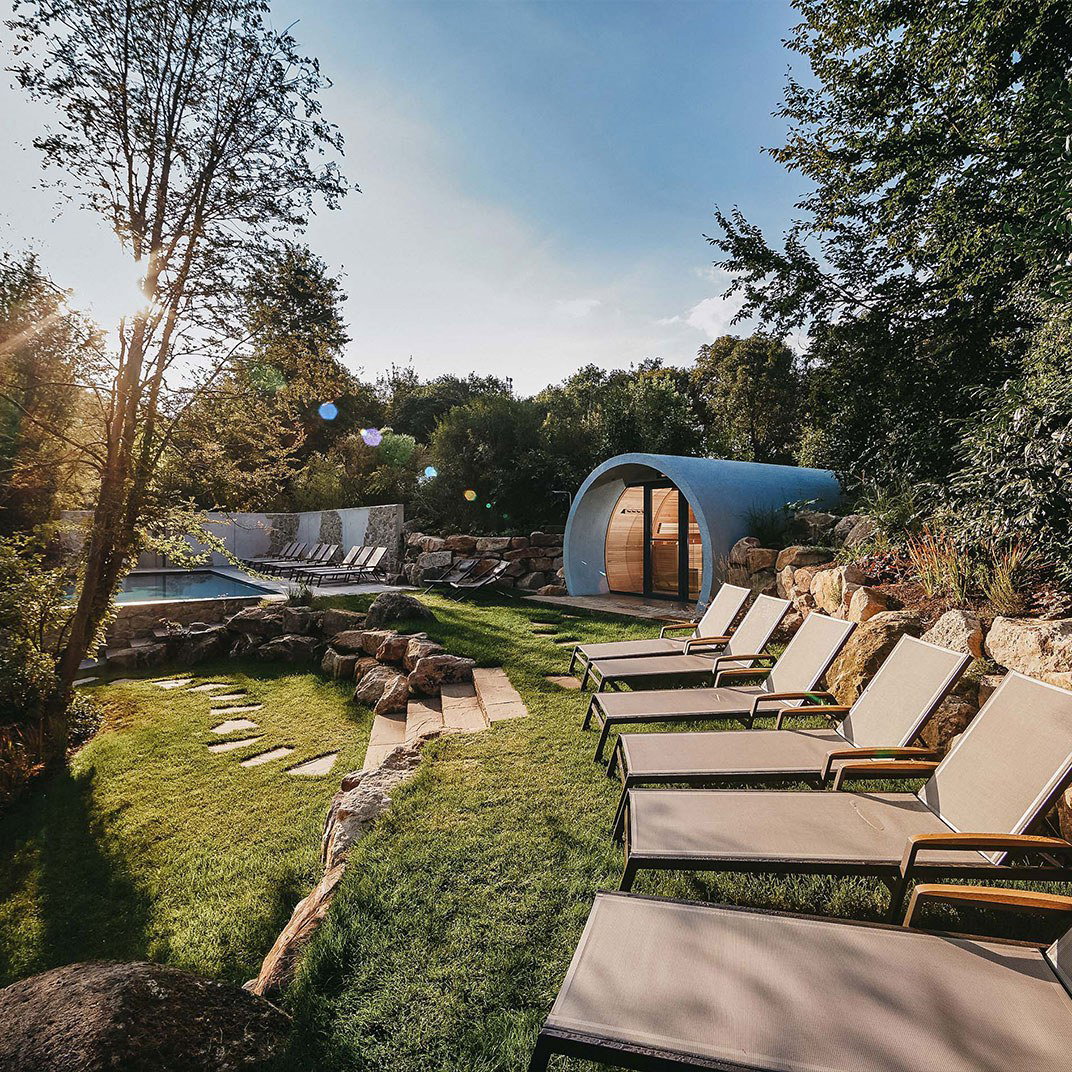
At a Glance
- Elegant
- Intimate
- Scenic
- Sophisticated
- Date Night
- Special Occasion
- Garden
- Extensive Wine List
- Local Sourcing
- Farm To Table
- Garden
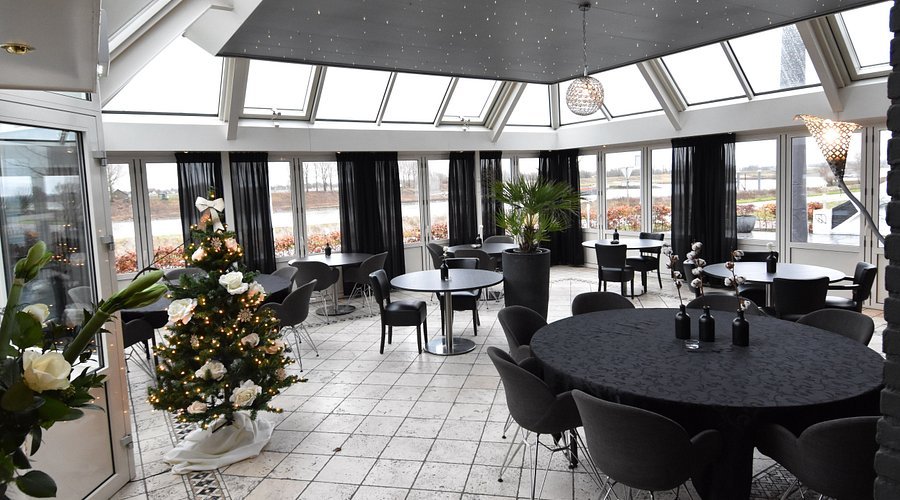
Light-filled with natural surroundings, serene garden views, warm wooden beams creating a homely yet elegant atmosphere.