Llewelyn's


Michelin Plate · The Good Food Guide GFG Good
Our verdict
A Michelin Plate holder on Railton Road, Llewelyn's has grown into one of South London's most confident neighbourhood restaurants. Chef Lasse Petersen's seasonal menus blend British produce with Mediterranean instinct, and the wine list leans heavily into skin-contact and natural producers. The adjacent Lulu's wine bar and shop extends the offering next door.

Pearl is the En Primeur Club membership app — saves, bookings, and concierge access live there. Same editors, same standards.
- Address
- 293-295 Railton Rd, London SE24 0JP, United Kingdom
- Phone
- +44 20 7733 6676
- Hours
- Mon ClosedTue–Thu 6–9 PMFri–Sat 12–2:15 PM, 6–9:30 PMSun 12–3:15 PM
- Website
- llewelyns-restaurant.co.uk
- Directions
- Get directions
- Booking
- Book on SevenRooms
The menu
What to order
- Braised rabbit with bacon, pumpkin mash and salmoriglio
- Roast bream with lentils and green sauce
- Hereford beef lasagne for two
- Fresh seasonal fish with chips
South London's Neighbourhood Restaurant Moment
For much of the last two decades, London's serious dining conversation has been dominated by a handful of postcodes north of the river. The Michelin ecosystem clusters around Mayfair, Knightsbridge, and Chelsea, where 45 Jermyn St, Bob Bob Ricard Soho, and the grand tasting-menu rooms hold the conventional prestige. But the more interesting shift in London dining over the past ten years has been the gradual emergence of South London as a genuinely credible address for food worth travelling to. Herne Hill, in particular, has developed the kind of residential dining culture that used to belong exclusively to Islington or Notting Hill: independent, produce-led, and grounded in a local community that actually uses its restaurants rather than just photographing them.
Llewelyn's, at 293-295 Railton Road, sits at the centre of that shift. Those numbers, taken together, suggest something less common than it sounds: a place that wins critical recognition without alienating the regulars who fill it week after week.
What the Room Tells You About the Kitchen
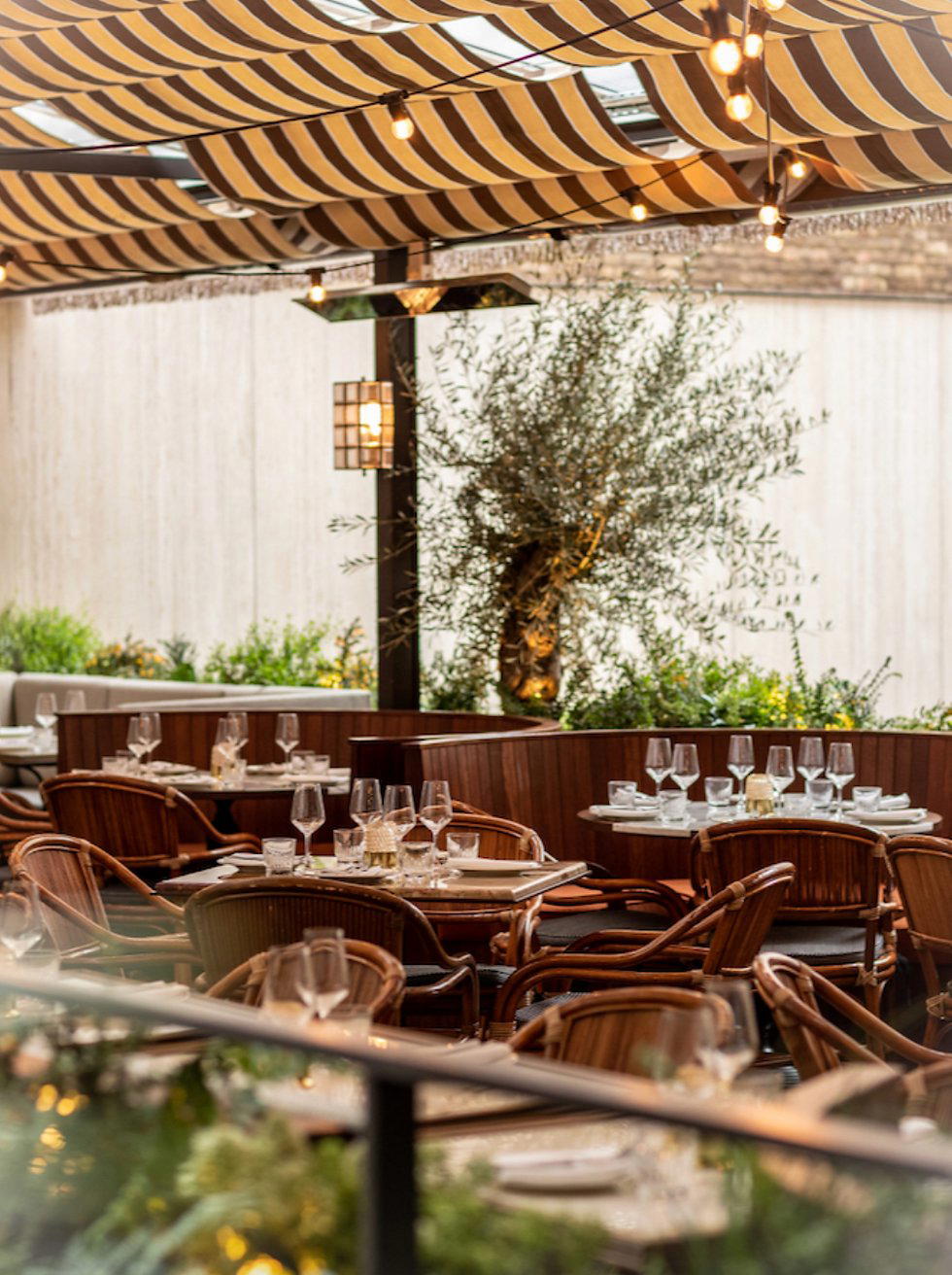
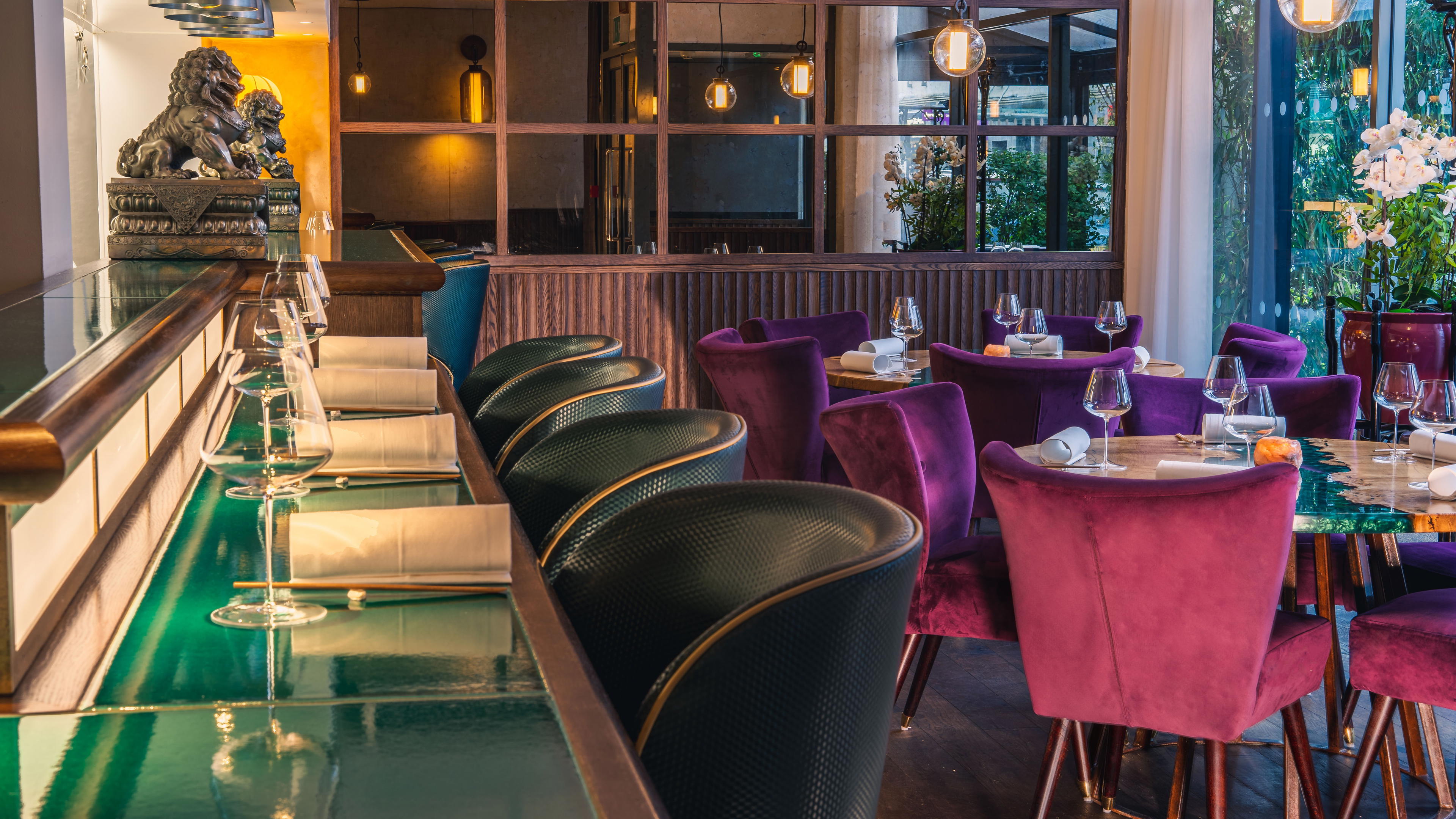
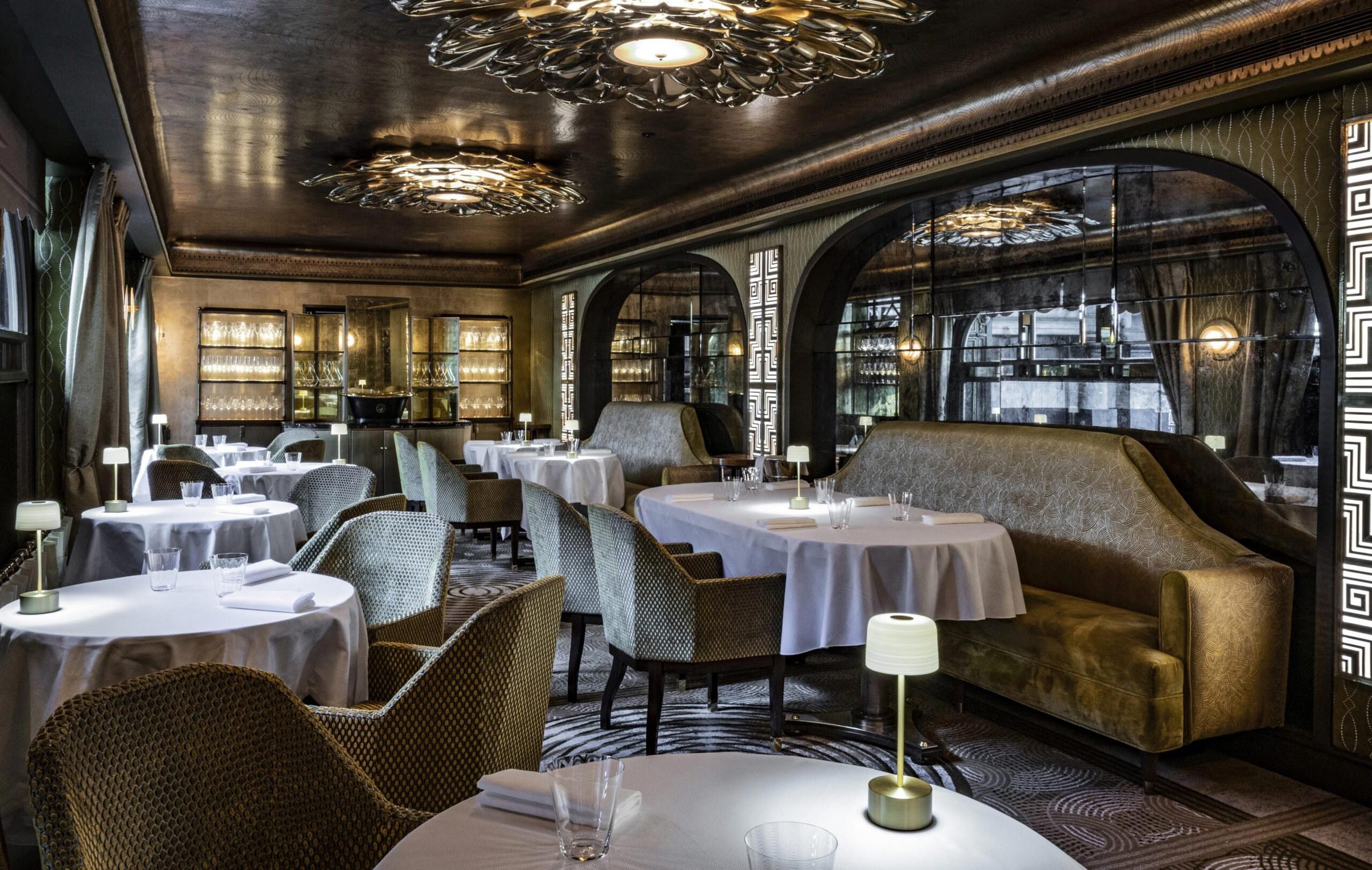
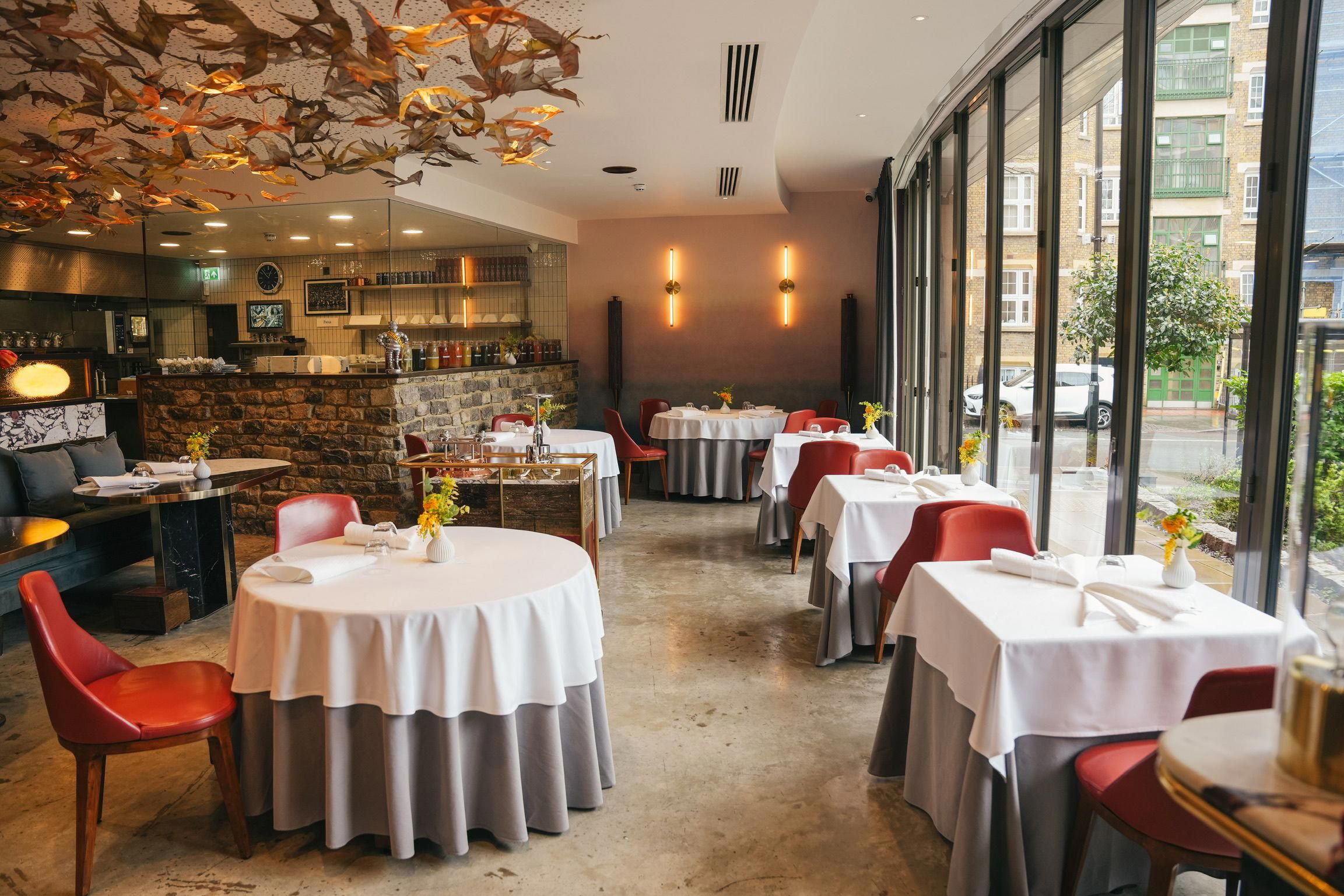
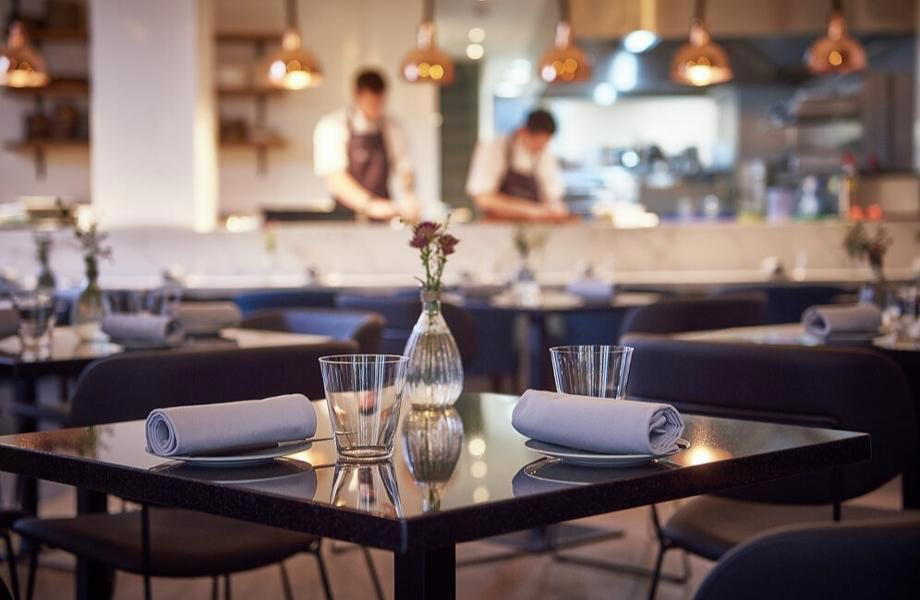
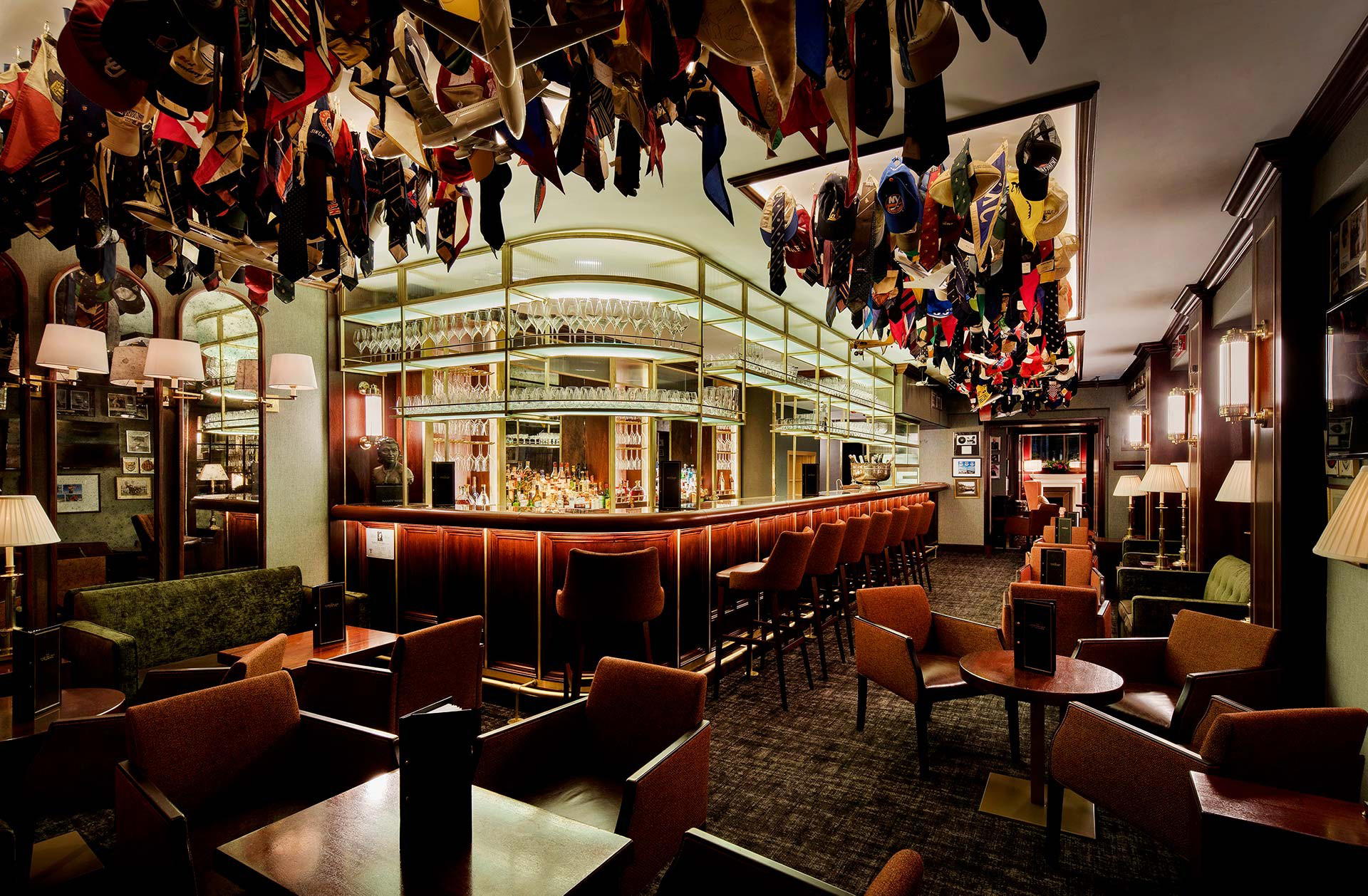
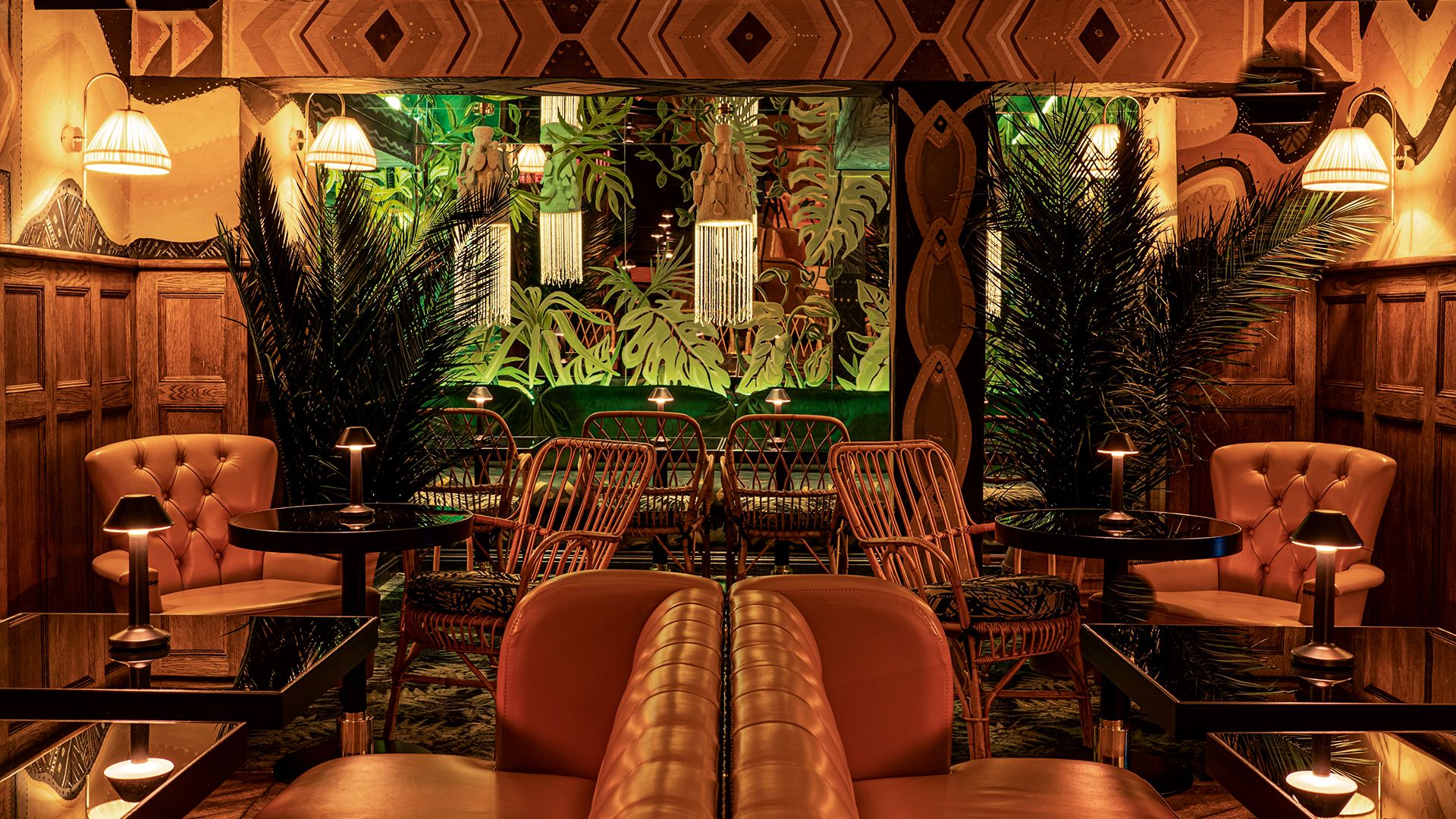
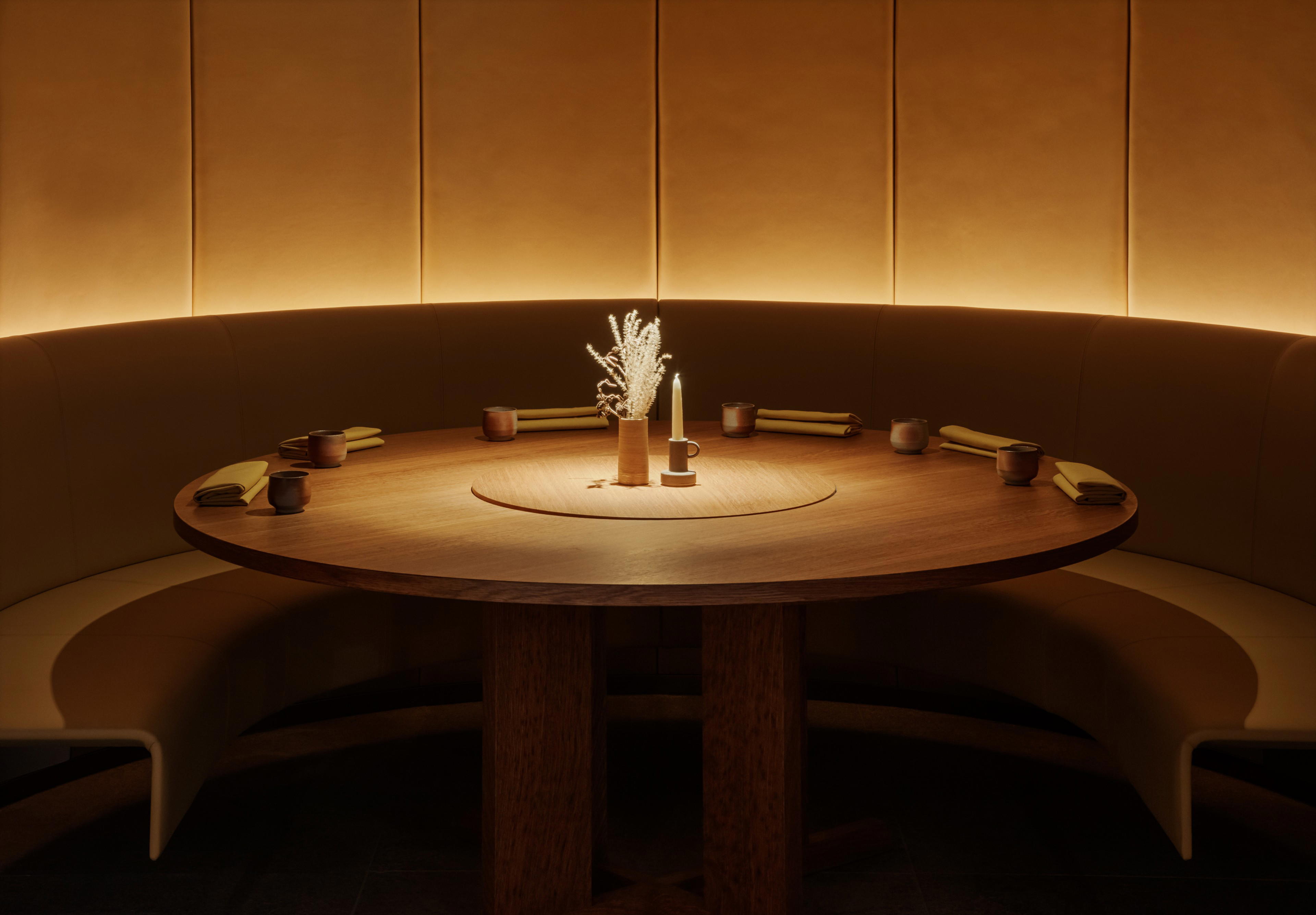
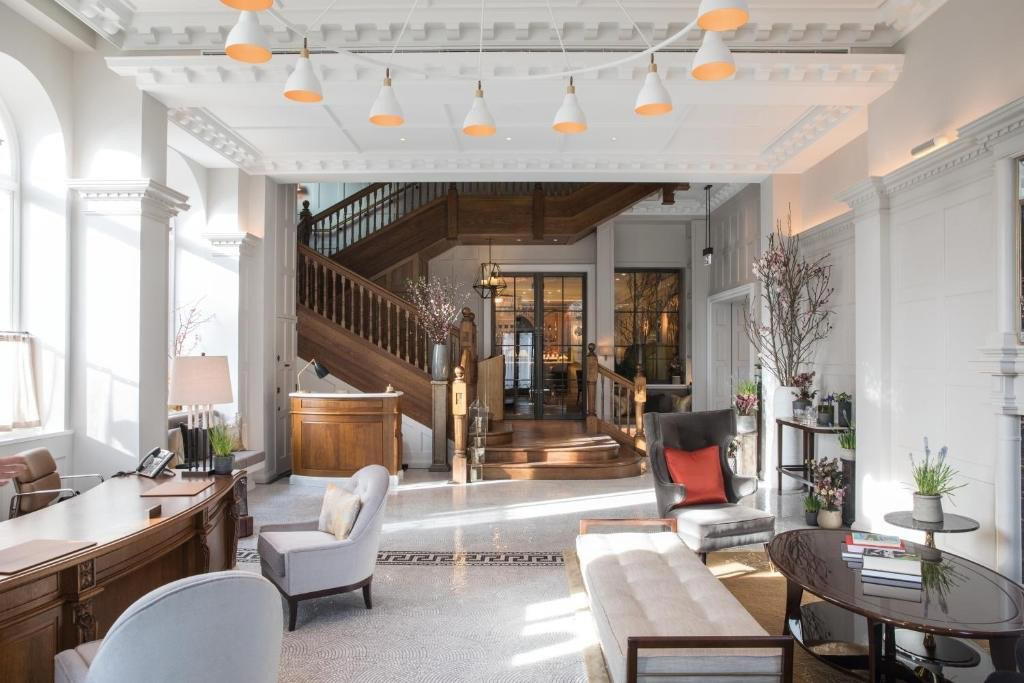
The dining format at Llewelyn's belongs to a tradition that London does well when it commits to it: the serious neighbourhood restaurant that refuses to dress itself up as a destination. Large windows face Railton Road, creating the kind of transparent relationship between restaurant and street that has become rarer as dining rooms have grown more theatrical. Pale walls, gilt-edged mirrors, and green leather banquettes define a room that reads as comfortable without tipping into self-conscious rusticity. Natural light does significant work here, and the room is designed to encourage the kind of extended lunch that most London restaurants quietly discourage.
That physical openness carries through to the service approach, which has been described in Michelin's own notes as exuding "unwavering warmth and impeccable hospitality." The young front-of-house team is noted for being endearing rather than stiff, a register that matches the room's character and the price point of £££, which places Llewelyn's in the accessible-serious tier rather than the special-occasion bracket occupied by The Devonshire or the multi-course destination rooms.
The Menu's Evolution: From Direct to Layered
The trajectory of Llewelyn's cooking is the clearest evidence of genuine development rather than static comfort. The menu descriptions remain deliberately spare, but what arrives at the table operates with considerably more complexity than the language implies. This gap between modest presentation and considered execution is a hallmark of the evolved neighbourhood restaurant, where the ambition has grown but the register stays unpretentious.
Under chef Lasse Petersen, the kitchen has developed a working method that Michelin has characterised as a "beacon of freshness and seasonality." The base cuisine is Traditional British, but the cooking draws freely on Mediterranean technique and reference: rösti arrives with smoked eel and mustard leaf; monkfish is treated with capers, crab, and Brussels sprouts. These are not fusion gestures but the natural vocabulary of a kitchen thinking about what each ingredient needs rather than which flag it belongs to. It is a mode of cooking that connects Llewelyn's to a broader British tradition of absorbing European influence without announcements, something you find in very different forms at Marksman in Hackney or in the country-house kitchens of places like Gidleigh Park in Chagford.
Where the kitchen shows particular maturity is in its handling of classical British combinations. Crisp-skinned pollack with mussels and a rich bisque is the kind of dish that demands confident sauce work; grilled leg of lamb dressed with bagna cauda and charred greens sits at the intersection of British comfort and Italian acidity. These choices reflect a kitchen that has been thinking about the same repertoire long enough to have opinions about it. The vegetable section earns equal attention: Roquefort with marinated figs and frisée, or a Comté soufflé with creamed spinach and autumn truffle, are dishes that treat the non-meat course as a destination rather than an afterthought.
Desserts track the same seasonal logic. A set cream with winter citrus and pistachio, or a mince pie reworked as an Arctic roll, indicate a pastry approach that respects tradition while finding small angles on it. This is not the kind of reinvention you find at the gastronomically ambitions end of British cooking, at The Fat Duck in Bray or L'Enclume in Cartmel, but it shares with those rooms a commitment to making seasonality structural rather than decorative.
The Wine List as a Statement of Direction
The wine programme at Llewelyn's has become one of its defining characteristics, and it signals something about how the restaurant has evolved its identity. The list is described as eclectic, with a strong lean toward skin-contact and natural producers. This is not an unusual position for a London neighbourhood restaurant in 2025, but the depth of the skin-contact selection moves it beyond trend-following into something that looks like genuine conviction. It aligns the restaurant with a community of London wine bars and producer-focused lists, and it extends naturally to the adjacent Lulu's wine bar and shop, which the same ownership operates next door.
That adjacency matters editorially. The combination of restaurant and wine shop under one roof (or at least one address) is a model that has proved durable in cities where wine culture and food culture have converged. It extends the Llewelyn's proposition beyond the dinner booking and gives regulars a reason to engage with the project on days when they are not eating. For the restaurant's competitive positioning, it deepens the sense of a local ecosystem rather than a standalone room.
Where Llewelyn's Sits in the British Dining Conversation
The Michelin Plate designation places Llewelyn's in a tier below the starred rooms, but the Plate's significance has shifted. In the current guide's usage, it acknowledges kitchens cooking with care and consistency that have not yet accumulated the full infrastructure of a starred operation. For a single-site, independently owned neighbourhood restaurant in SE24, the designation functions less as a consolation and more as recognition of a different kind of ambition: to be genuinely good for the people who live nearby, night after night, across seasons.
That ambition connects Llewelyn's to a tradition of British neighbourhood cooking that the country does particularly well when it commits to it. The Pipe and Glass in South Dalton and Hand and Flowers in Marlow represent different expressions of the same principle: that the most durable restaurants are the ones that mean something to a specific place. Llewelyn's has, by most evidence, achieved that in Herne Hill.
For readers who want the wider London picture, our full London restaurants guide maps the city's dining across all price tiers and neighbourhoods. Those planning a longer visit can also reference our London hotels guide, our London bars guide, our London experiences guide, and our London wineries guide. Elsewhere in the British Isles, kitchens working at a similar intersection of produce-focus and classical tradition include Moor Hall in Aughton and Le Manoir aux Quat' Saisons in Great Milton, though at a significantly different scale and price point. For a further global reference, Dinner by Heston Blumenthal in Dubai shows what happens when the Traditional British brief is taken in an entirely different direction. And for those looking at Goodbye Horses as part of a South London-focused visit, the two rooms represent distinct approaches to what a serious neighbourhood restaurant can look like.
Planning a Visit
Llewelyn's is at 293-295 Railton Road, SE24, a few steps from Herne Hill station on the Thameslink and Southeastern network. The £££ pricing positions it at the mid-serious end of the London spectrum: meals with wine will run comfortably into territory that warrants a booking rather than a walk-in. The Lulu's wine bar next door provides an informal alternative for those who want to explore the wine list without committing to a full meal. Seasonal menus mean the kitchen's character shifts across the year, and the winter citrus and braised preparations that anchor the colder months give way to lighter, Mediterranean-leaning cooking as the seasons turn.
What's the must-try dish at Llewelyn's?
Based on Michelin's documented observations and the kitchen's established direction under chef Lasse Petersen, the dishes that most clearly express Llewelyn's cooking are those where classical British combinations are inflected with Mediterranean acidity and technique: pollack with mussels and bisque, lamb with bagna cauda, and the Comté soufflé with truffle. The seasonal desserts, particularly the Arctic roll riff on a mince pie, have also drawn specific critical notice. Given that the menu rotates with the seasons, the most reliable approach is to trust the kitchen's current market-led selection rather than arriving with a fixed target.
Same-City Peers
A small set of peers for context, based on recorded venue fields.
| Venue | Cuisine | Price | Awards | Notes |
|---|---|---|---|---|
| Llewelyn'sThis venue — the venue you are viewing | Modern European Bistro | $50–100 | Michelin Plate · The Good Food Guide GFG Good | Not listed |
| The Ledbury | Modern British Fine Dining | $300–500 | 3 Michelin Stars · World's 50 Best #42 | Modern European, Modern Cuisine |
| Sketch, The Lecture Room and Library | Modern French Fine Dining | $200–300 | 3 Michelin Stars · World's 50 Best #18 | Modern French |
| CORE by Clare Smyth | Modern British Fine Dining | $150–200 | 3 Michelin Stars · World's 50 Best #97 | Modern British |
| Restaurant Gordon Ramsay | French Fine Dining | $200–300 | 3 Michelin Stars · World's 50 Best #13 | Contemporary European, French |
| Dinner by Heston Blumenthal | Historic British Fine Dining | $200–300 | 2 Michelin Stars · World's 50 Best #45 | Modern British, Traditional British |
Recognition history
Dated appearances from independent guides and award organizations, with the underlying list record or original source where available.
Michelin Plate
Michelin
The Good Food Guide GFG Good
The Good Food Guide
Full recognition history (4 entries)
Michelin Plate
Michelin
Michelin Plate
Michelin



Details
- Romantic
- Cozy
- Elegant
- Scenic
- Date Night
- Casual Hangout
- Family
- Group Dining
- Terrace
- Standalone
- Extensive Wine List
- Natural Wine
- Corkage Allowed
- Local Sourcing
- Street Scene
- A La Carte
- Wine
- Natural Wine
- Vegetarian Friendly
Current opening hours
- Monday
- Closed
- Tuesday
- 6–9 PM
- Wednesday
- 6–9 PM
- Thursday
- 6–9 PM
- Friday
- 12–2:15 PM, 6–9:30 PM
- Saturday
- 12–2:15 PM, 6–9:30 PM
- Sunday
- 12–3:15 PM
Hours can change for holidays and private events. Last verified .
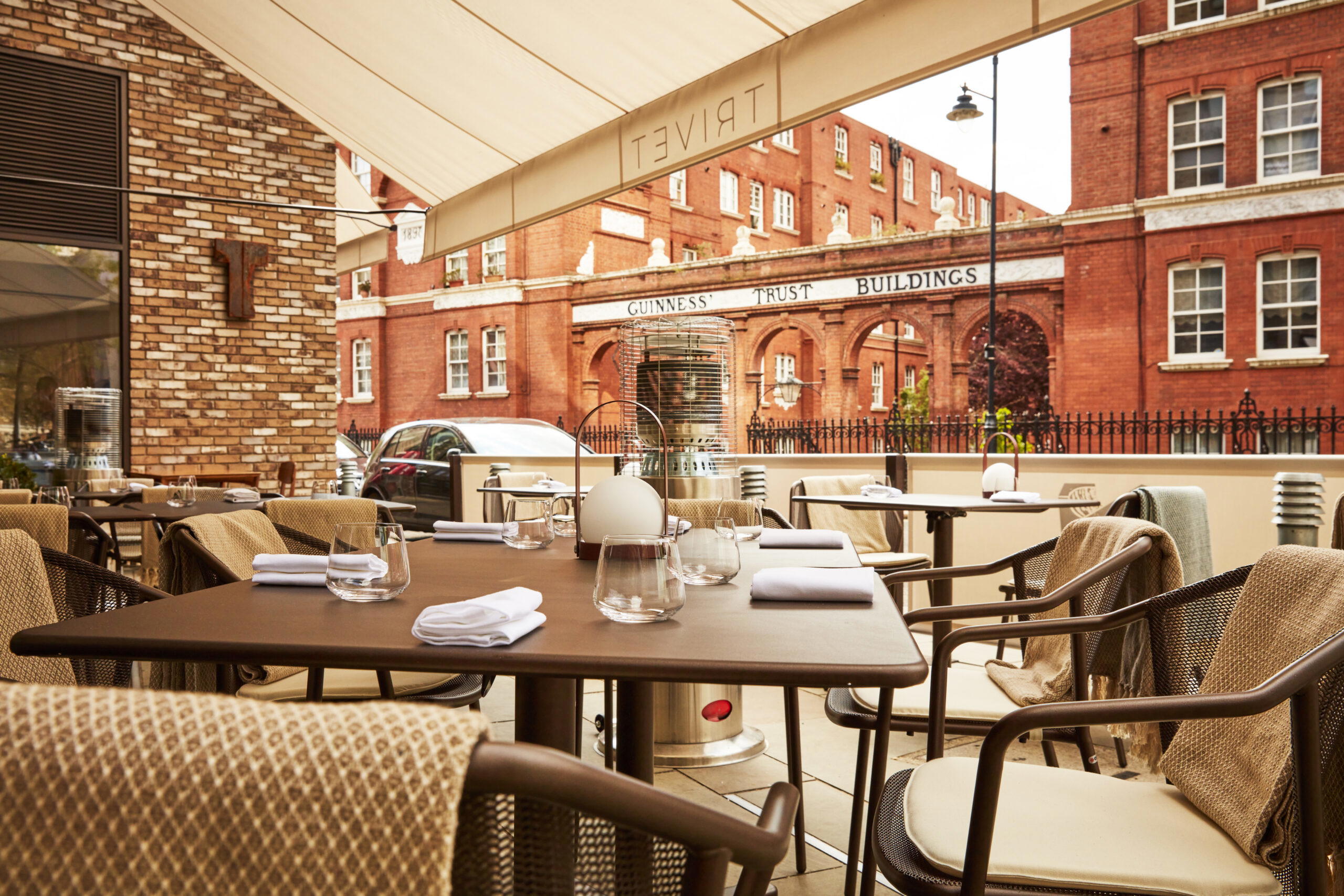
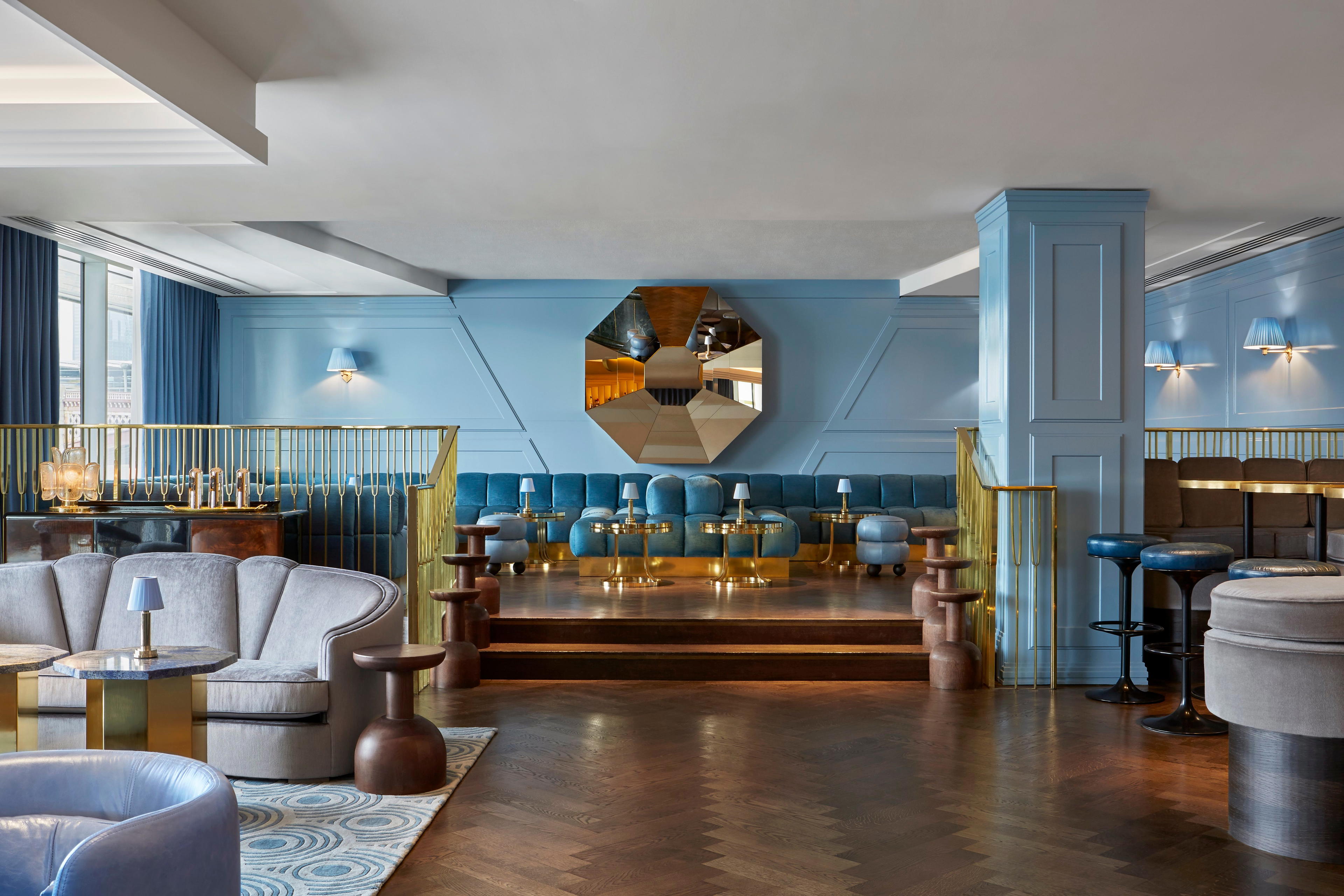
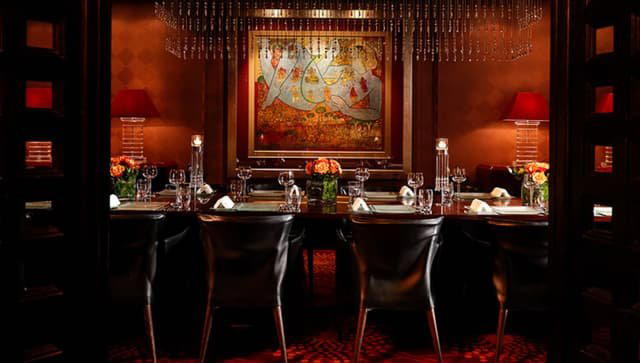
Bright and inviting with large windows flooding pale walls with natural light, reflected by gilt-edged mirrors; sumptuous green leather banquettes create a naturally welcoming atmosphere; buzzy but not overly loud interior with outdoor terrace offering tree-shaded seating.