Pipe and Glass




1 Michelin Star · Wine Spectator Best of Award of Excellence · The Good Food Guide GFG Very Good
Our verdict
A 15th-century former gatehouse deep in the East Yorkshire countryside, Pipe and Glass holds a Michelin star while operating as a genuine village pub — daily specials built around what the Yorkshire larder delivers that week, smart rooms for those staying the night, and a kitchen that treats dressed crab with the same seriousness as any city tasting menu.

Pearl is the En Primeur Club membership app — saves, bookings, and concierge access live there. Same editors, same standards.
- Address
- W End, South Dalton, Beverley HU17 7PN, United Kingdom
- Phone
- +44 1430 810246
- Website
- pipeandglass.co.uk
- Directions
- Get directions
- Booking
- Book on the venue's website
The menu
What to order
- Dales lamb
- Cider-braised rabbit
- Fish and chips
Country lanes, church spires, and a Michelin star at the end of the road
The approach matters here. The route to South Dalton from Beverley winds through a corridor of hedgerows and dry-stone walls typical of the East Yorkshire Wolds, and the church spire of St Mary's acts as the practical landmark locals will tell you to track. When the lane finally opens onto the village green, the building that greets you is a low, stone-faced pub that has occupied this spot since the 15th century — originally the gatehouse of Dalton Park. None of that feels like set dressing. The history is structural, and the atmosphere it produces is the point.
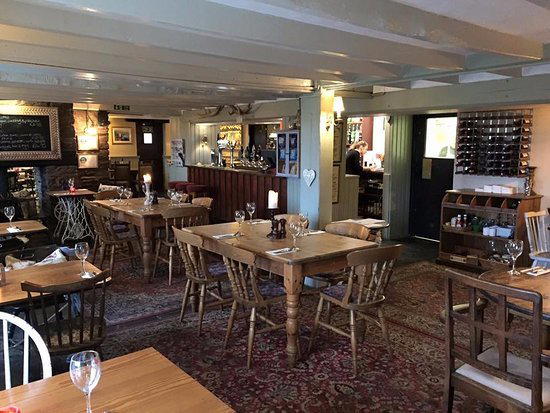
For those arriving from cities where a Michelin star implies white tablecloths, rigid service, and a tasting menu running north of £150, the Pipe and Glass recalibrates expectations quickly. The pub operates as a pub: open fires, worn timber, a bar that serves locals alongside destination diners. What the kitchen does within that frame is where the gastropub argument becomes interesting.
The gastropub argument, made in Yorkshire
The reinvention of pub dining in Britain over the past two decades has followed a recognisable arc. In the early 2000s, a handful of kitchens demonstrated that serious cooking and pub architecture were not mutually exclusive. Hand and Flowers in Marlow became the first pub to hold two Michelin stars. Alford Arms in Frithsden showed that the formula worked at single-star level too, with a focus on regional sourcing. The Pipe and Glass belongs to that same tradition: a kitchen operating at award level inside a building that still feels like it belongs to the village rather than to fine dining.
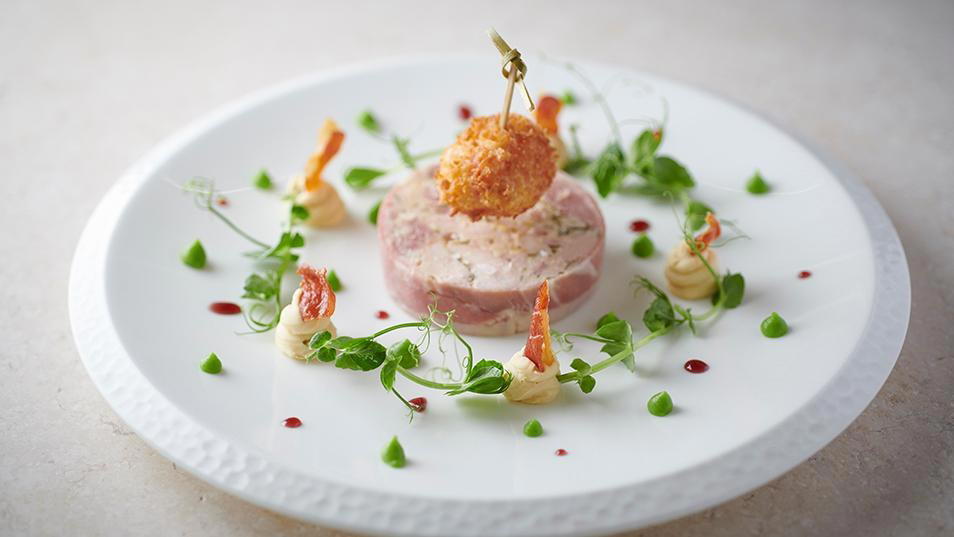
What distinguishes the better examples of this format from a merely competent gastropub is the relationship between the menu and the region. The Pipe and Glass leans on what is broadly called the Yorkshire larder: a county with strong livestock farming, coastal shellfish from the North Sea, game from the surrounding estates, and a seasonal kitchen garden culture that predates current trends. Dishes like dressed crab arrive on the menu not because they are fashionable but because the ingredient is there, correctly handled. The Michelin note specifically identifies the kitchen's sense of balance rather than technical complexity as the differentiator — a meaningful distinction in a category where ambition sometimes overcomes restraint.
Daily specials are the operational signal to watch in any serious regional British kitchen. A menu that changes with the week reflects genuine supply relationships; one that changes with the season reflects a kitchen that writes to an ideal rather than a reality. The Pipe and Glass operates on daily specials, which places it in the former category and gives each visit a different texture depending on when you go.
Where it sits in the broader British dining picture
The capital's leading tables, The Ledbury, and Midsummer House in Cambridge, operate in a different register entirely, with tasting menus, formal service, and price points that assume an urban fine-dining audience. Further north, L'Enclume in Cartmel and Moor Hall in Aughton have built multi-star reputations on a similar regional-produce argument but operate at a considerably higher price point and in a more formal frame.
The Pipe and Glass occupies a niche that those venues do not compete for: the pub that earns Michelin recognition without abandoning its pub identity. Hide and Fox in Saltwood works a comparable vein in Kent. Beyond British shores, the broader tradition of serious cooking in rural inn formats has parallels at Gidleigh Park in Chagford and, at the furthest extreme of the rural-destination argument, Le Manoir aux Quat' Saisons in Great Milton. What all of them share is the logic that leaving a city to eat somewhere should produce a different experience, one rooted in the landscape you have travelled through, not insulated from it.
For contrast on what Traditional British cooking looks like when abstracted from its geography and reinterpreted for a metropolitan or international audience, Dinner by Heston Blumenthal in Dubai and Restaurant Andrew Fairlie in Auchterarder offer instructive comparisons. The Pipe and Glass takes the opposite approach: the cooking makes sense specifically because of where the pub sits.
Staying over, and why it changes the calculation
The smart bedrooms are not incidental to the Pipe and Glass proposition. Rural dining destinations that offer overnight accommodation function differently from those that do not. The economics of a long drive to a village pub are easier when the return journey can wait until morning, and the experience of a Michelin-starred kitchen is different when dinner can be taken without one eye on a departure time.
The category of rooms attached to serious kitchens has its own British tradition, Le Manoir sits at the luxury end of that spectrum, with room rates that reflect the Raymond Blanc kitchen below. The Pipe and Glass operates in the same structural model at a considerably lower price point, positioned at £££ rather than ££££. For those planning a weekend in the Wolds, combining a night in one of the rooms with dinner and a return lunch the following day is the format that makes most sense logistically. South Dalton is close enough to Beverley, a market town worth exploring independently, that the wider area has material beyond the pub itself. Our South Dalton hotels guide, bars guide, and full restaurants guide cover the surrounding options for those building a longer trip.
Planning a visit
Pipe and Glass is closed on Mondays. Tuesday through Saturday, service runs from noon to 11pm; Sunday hours are noon to 6pm. The address is West End, South Dalton, Beverley HU17 7PN; the church spire of St Mary's is the navigational shorthand for the final stretch of country lanes. Those exploring the wider area will find additional context in our South Dalton wineries guide and experiences guide.
Frequently asked questions
Is Pipe and Glass good for families?
A village pub setting in South Dalton is considerably more relaxed in format than a Michelin-starred city restaurant of comparable standing, which makes the Pipe and Glass genuinely accessible to families. The traditional British menu, with dishes rooted in Yorkshire seasonal produce, offers recognisable touchpoints rather than challenge-led tasting menus. The smart bedrooms also make this practical for families travelling from outside the region.
Is Pipe and Glass formal or casual?
The Pipe and Glass is a 15th-century pub, and the atmosphere reflects that heritage rather than the formality of a dedicated fine-dining room. That said, the 2024 Michelin star places it in the same award tier as restaurants operating at full whites-and-stemware levels of service, so some attention to presentation is appropriate. Think considered-casual rather than either extreme.
What's Pipe and Glass known for in terms of accolades?
Pipe and Glass has received recognition including: Look for the church spire to help you navigate through the maze of country lanes that lead to this charming 15th-century pub, which was originally the gatehouse of Dalton Park. The Yorkshire larder is well-represented on the menus, with num….
What should I eat at Pipe and Glass?
The Michelin citation calls out dressed crab as a representative dish: unfussy and recognisable in form, but sharpened by quality sourcing and kitchen balance. Beyond that, the menu is structured around what the Yorkshire larder is producing at the time of your visit, with daily specials shifting according to season. Arriving with fixed expectations about specific dishes is less useful here than trusting what the kitchen is signalling on the day.
How It Stacks Up
| Venue | Cuisine | Price | Awards |
|---|---|---|---|
| Pipe and GlassThis venue — the venue you are viewing | Michelin-Starred Yorkshire Gastropub | $100–150 | 1 Michelin Star · Wine Spectator Best of Award of Excellence |
| The Ledbury | Modern European, Modern Cuisine | Not listed | Michelin 3 Star |
| Sketch, The Lecture Room and Library | Modern French | Not listed | Michelin 3 Star |
| CORE by Clare Smyth | Modern British | Not listed | Michelin 3 Star |
| Restaurant Gordon Ramsay | Contemporary European, French | Not listed | Michelin 3 Star |
| Dinner by Heston Blumenthal | Modern British, Traditional British | Not listed | Michelin 2 Star |
Recognition history
Dated appearances from independent guides and award organizations, with the underlying list record or original source where available.
Michelin 1 Star
Michelin
Top 50 Gastropubs 2026 Estrella Damm Top 100 Gastropubs #31
Top 50 Gastropubs
The Good Food Guide GFG Very Good
The Good Food Guide
Wine Spectator Best of Award of Excellence
Wine Spectator
Full recognition history (6 entries)
Michelin 1 Star
Michelin
Michelin 1 Star
Michelin
Continue exploring
More in South Dalton
Restaurants in South Dalton
Browse all →

Bars in South Dalton
Browse all →
Hotels in South Dalton
Browse all →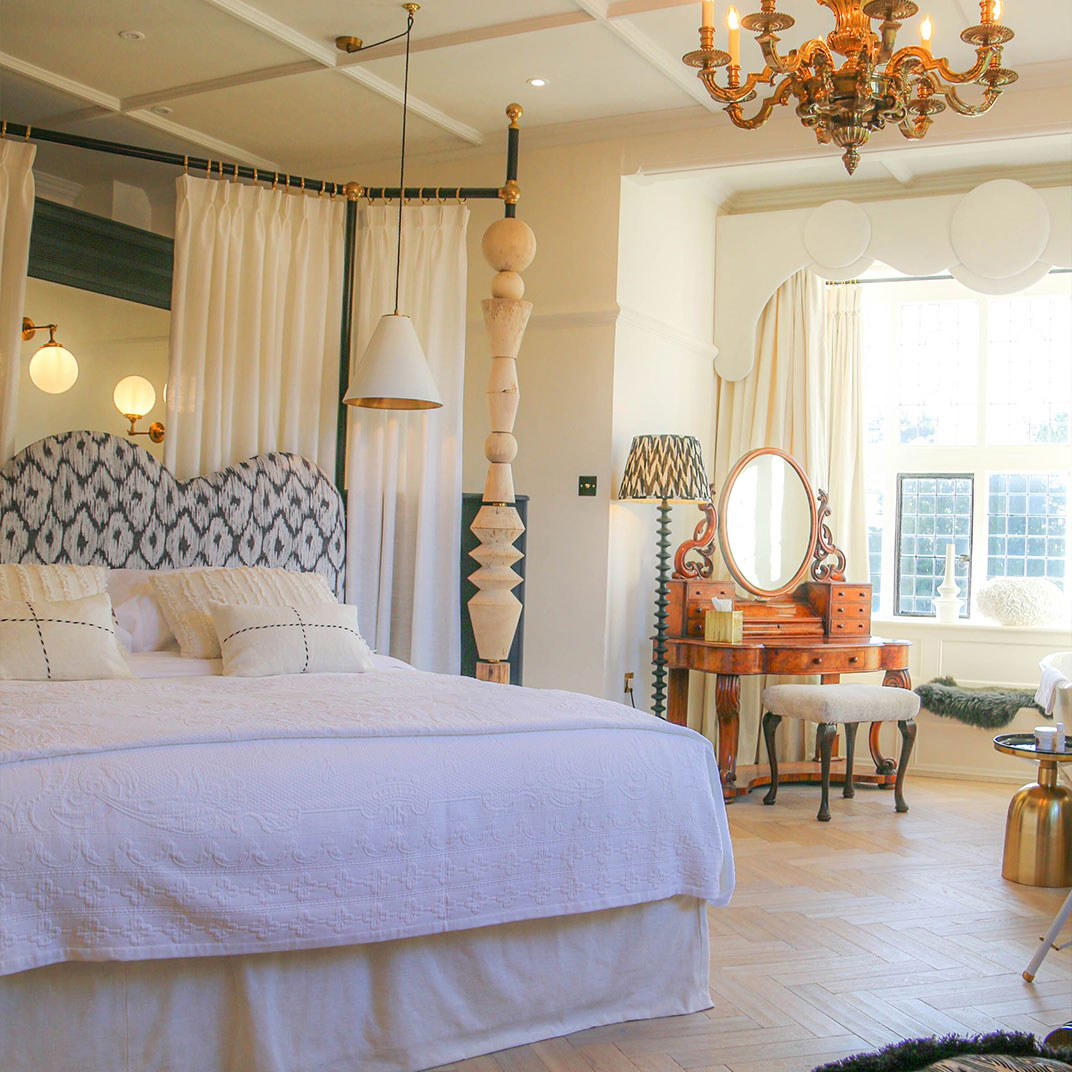
Details
- Rustic
- Cozy
- Elegant
- Scenic
- Intimate
- Special Occasion
- Date Night
- Celebration
- Family
- Historic Building
- Garden
- Extensive Wine List
- Local Sourcing
- Farm To Table
- Garden
- A La Carte
- Vegetarian Friendly
Warm, relaxed, and stylish with a homely yet professional atmosphere, gold-toned luxurious decor, spacious intimate seating, and log-burning stoves.