Goodbye Horses
Our verdict
Goodbye Horses is an open London wine bar with food at 21 Halliford Street, N1 3HB. Use the official goodbyehorses.london site for current planning.
- Address
- 21 Halliford Street, London N1 3HB, United Kingdom
- Website
- goodbyehorses.london
- Directions
- Get directions
The menu
What to order
- Oxtail Ragout with Broken Rice
- Cheese Toastie with Leek Pickle
- Beef Tartare with Smoked Chilli and Fennel
- Carlingford Oyster
- Sardines on Milk Bread
East London's Pub-to-Wine-Bar Arc, and Where Goodbye Horses Sits Within It
The former pub conversion has become one of East London's defining hospitality formats over the past decade. Where boarded-up boozers once sat on corners from Hackney to Bethnal Green, a sequence of wine-focused operators has moved in, stripped back the Victorian interiors to their bones, and replaced sticky carpets with shared tables and natural wine lists that rotate by the glass. Goodbye Horses, on a stretch that draws a crowd already primed for that kind of offer, is among the better-realised examples of that conversion arc.
The comparison set matters here. At the other end of London's British cooking spectrum you have local Chabeuil operations like 45 Jermyn St and the formal dining rooms that carry that level of investment and price. Goodbye Horses operates in a deliberately different register: the ££ price point, shared tables, and natural wine list position it closer to neighbourhood-led peers like Llewelyn's and Marksman than to the white-tablecloth end of the British dining market. The Michelin Plate in this context signals that the kitchen is performing at a level above casual without pricing out the local crowd.
Sourcing as the Editorial Line
Sustainability angle at Goodbye Horses is not a branding exercise appended to a menu; it is the structural logic of the menu itself. The kitchen works from a concise, seasonally driven selection built around high-quality British produce, which means the dishes on the table at any given visit are a function of what the supply chain looks like that week. This is a materially different operating model from restaurants that fix a menu and then source to fill it. The approach has a longer history in British cooking than the current natural wine generation might suggest: the farm-to-fork ethos running through places like Pipe and Glass in South Dalton or hide and fox in Saltwood shares the same underlying logic, even if the formats differ significantly.
A concise menu is itself an ethical signal. Shorter menus reduce spoilage, concentrate supplier relationships, and make it harder to paper over weak sourcing with lengthy choice. The treacle tart that draws regular mentions in visitor accounts is a good illustration of the principle: a British classic executed with good ingredients rather than a technically complex dish that requires exotic procurement. When the same operators extend the enterprise across the road to The Dreamery ice cream shop, the implication is a production model where cross-utilisation of supply is at least possible, even if the specific arrangements are not public.
Natural Wine in East London: The Current State
Natural wine in London has moved well past novelty. What began as a niche imported from Paris and certain corners of Copenhagen has settled into a default offer at a certain tier of neighbourhood restaurant across Hackney, Islington, and Peckham. The question is no longer whether a place has natural wine but how deep the list goes and how well the floor can talk about it. Goodbye Horses places itself at the more serious end of that spectrum: the wine list is described as eclectic and specialist in natural options, and the floor team is noted for both affability and genuine knowledge.
That combination — list depth plus floor competence, is rarer than the prevalence of natural wine on menus might suggest. Many restaurants have adopted the category without training staff to explain it to drinkers who are encountering cloudy, funky, or low-intervention bottles for the first time. The Michelin Plate recognition covers cooking, but the broader guest experience at Goodbye Horses clearly includes the wine service as a component, given how consistently it appears in visitor accounts. For drinkers who want to move through several glasses across an evening, that floor guidance is practical rather than decorative.
The natural wine scene also intersects directly with the sustainability framing: low-intervention winemaking generally reduces synthetic chemical inputs, and many of the producers favoured by lists like this one operate at small scale with practices that would qualify as environmentally conscious by any reasonable standard. Whether that is a conscious purchasing policy at Goodbye Horses or an emergent consequence of aesthetic preferences is not documented, but the effect on the guest experience is the same.
The Physical Environment and Format
The shared-table format at Goodbye Horses is worth pausing on. In a city where restaurant covers are under constant pressure from rent and labour costs, shared tables do two things simultaneously: they increase the efficiency of a dining room, and they create a particular social atmosphere that single-table formats cannot replicate. East London's crowd tends to skew younger and more open to communal dining than, say, the clientele at Bob Bob Ricard Soho or The Devonshire. The format is well-matched to the audience.
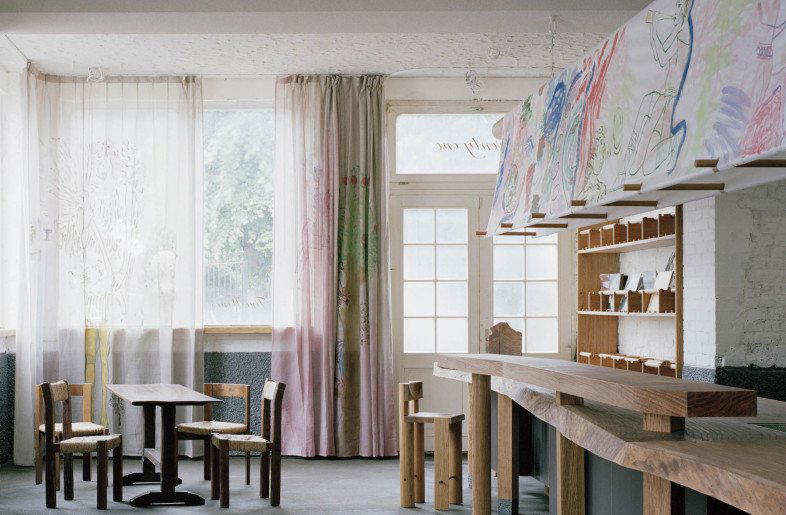
Physical transformation from pub to wine bar and restaurant is part of a longer story about what British pub spaces are for. The leading pub conversions retain enough of the original architecture to feel rooted rather than wholesale reinvented. Goodbye Horses, by most accounts, sits in that category: the energy reads as active and social rather than austere or gallery-like, which is the risk when a conversion strips too aggressively.
British Cooking at This Price Tier
Traditional British cuisine at the ££ level in London occupies an interesting space. The category has historical weight, centuries of roasting, braising, pickling, and dairy-based desserts, but it spent several decades being overshadowed by French technique and later by the global influences that reshaped London's restaurant scene from the 1980s onward. The current rehabilitation of British cooking as a category worth taking seriously runs across multiple price points, from local Chabeuil formalism at places like The Fat Duck in Bray, L'Enclume in Cartmel, and Moor Hall in Aughton, through mid-market operations like Gidleigh Park in Chagford and Hand and Flowers in Marlow, down to neighbourhood wine bars like Goodbye Horses where the cooking is ingredient-first and the format is deliberately accessible.
What Goodbye Horses contributes to that wider picture is a demonstration that seasonal British produce cooking can work at a price point that does not require a special occasion. The Michelin Plate sits as external validation that the kitchen holds a standard. The ££ pricing means the standard is accessible to the East London crowd that fills the shared tables on any given evening.
Planning a Visit
Goodbye Horses operates within the ££ price bracket, making it one of the more accessible Michelin-recognised options in the city. The shared-table setup suits groups or solo diners comfortable sitting alongside other guests. The natural wine list is the other reason to come beyond the food, and the floor team is reportedly well-placed to guide selections. The Dreamery ice cream shop operated by the same team sits across the road and functions as a natural continuation of the meal if the treacle tart has already done its work. Booking ahead is advisable given the venue's reputation and the density of the local dining crowd.
Quick reference:
For broader context on where this venue sits within the city's dining options, see our full London restaurants guide, our full London bars guide, our full London wineries guide, our full London experiences guide, and our full London hotels guide.
Frequently asked questions
Is Goodbye Horses a family-friendly restaurant?
The shared-table format and natural wine focus position Goodbye Horses as an adult-casual venue. At the ££ price point with a floor energy shaped by East London's social dining crowd, it reads more date-night or group dinner than family outing. The Michelin Plate recognition reflects kitchen seriousness rather than broad-appeal hospitality.
How would you describe the vibe at Goodbye Horses?
Warm, social, and distinctly East London. The former pub bones give the room an informal ease that the shared tables reinforce — conversation carries between groups and the natural wine list keeps things lively rather than reverential. The team is described in Michelin's own notes as affable and knowledgeable, which sets the tone.
Has Goodbye Horses won any awards?
Goodbye Horses has received recognition including: There’s so much going for this former pub which has been transformed into a wine bar and restaurant with a young, on-trend vibe. The place is packed with East London’s coolest diners, many of them at shared tables and all delighting in a co….
What should I eat at Goodbye Horses?
The menu is concise and built around seasonal British produce, so specific dishes shift with supply. The treacle tart is the one constant that surfaces repeatedly in editorial coverage and is worth ordering if it appears. For wine direction, lean on the floor staff — guiding guests through the natural wine list is a stated house strength.
How Goodbye Horses London compares with similar nearby venues.
| Venue | Cuisine | Price | Awards |
|---|---|---|---|
| Goodbye HorsesThis venue — the venue you are viewing | Modern British Small Plates with Natural Wine Focus | $30–50 | Not listed |
| CORE by Clare Smyth | Modern British Fine Dining | $150–200 | 3 Michelin Stars · World's 50 Best #97 |
| Restaurant Gordon Ramsay | French Fine Dining | $200–300 | 3 Michelin Stars · World's 50 Best #13 |
| Sketch, The Lecture Room and Library | Modern French Fine Dining | $200–300 | 3 Michelin Stars · World's 50 Best #18 |
| The Ledbury | Modern British Fine Dining | $300–500 | 3 Michelin Stars · World's 50 Best #42 |
| Dinner by Heston Blumenthal | Historic British Fine Dining | $200–300 | 2 Michelin Stars · World's 50 Best #45 |
Continue exploring
More in London
Restaurants in London
Browse all →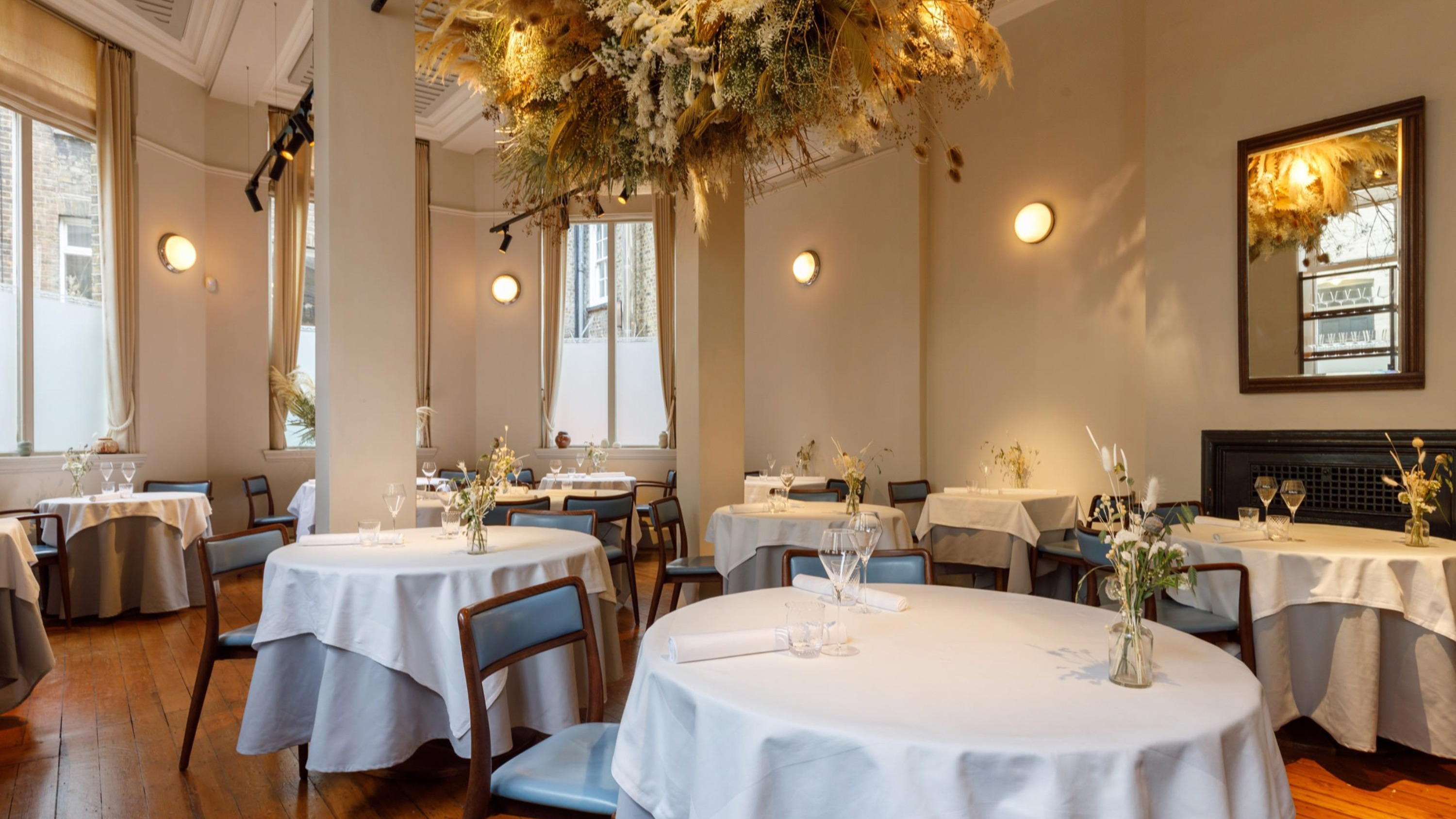
Bars in London
Browse all →
Hotels in London
Browse all →

Details
- Romantic
- Intimate
- Cozy
- Elegant
- Whimsical
- Date Night
- Casual Hangout
- After Work
- Celebration
- Design Destination
- Garden
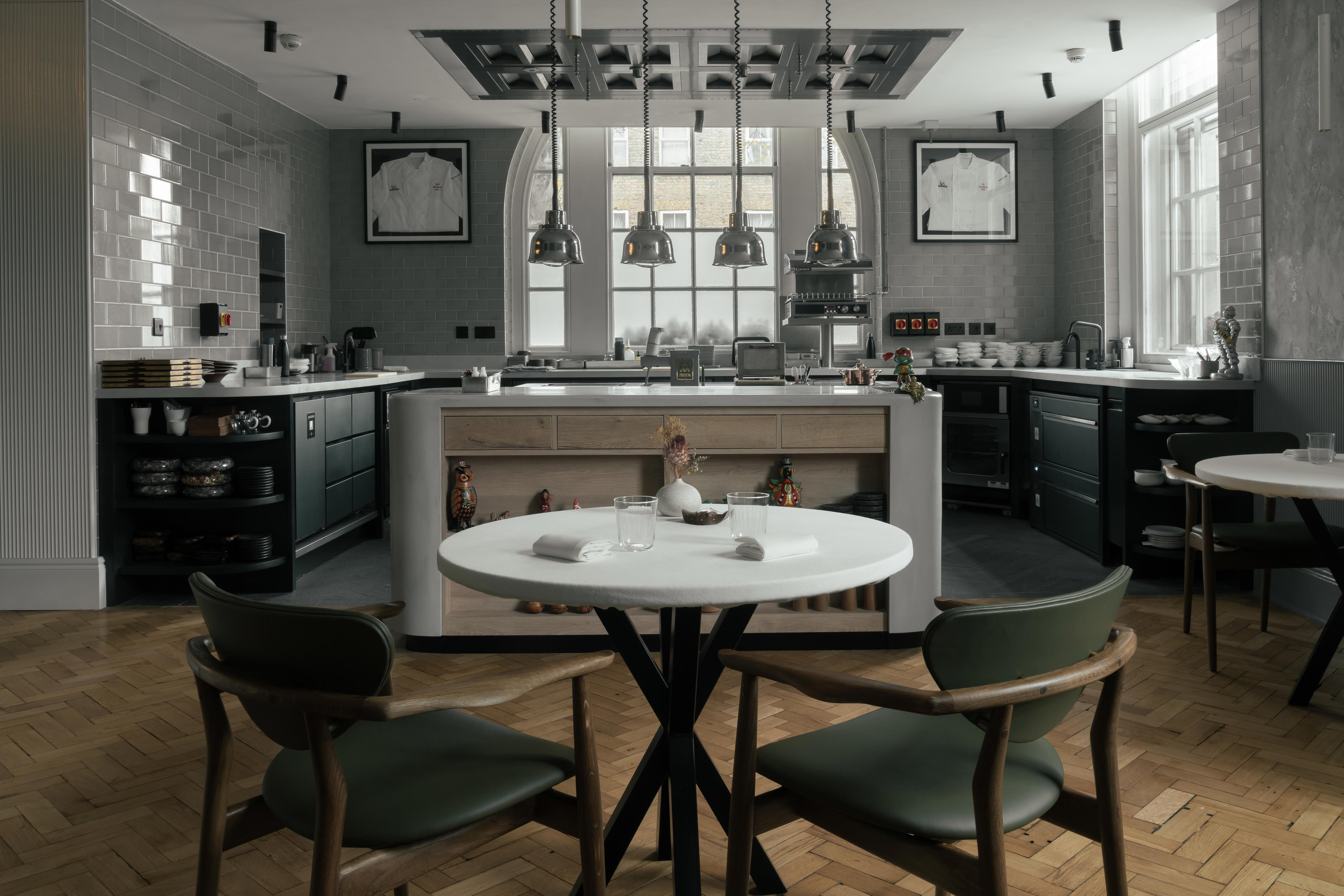
- Open Kitchen
- Standalone
- Extensive Wine List
- Natural Wine
- Sommelier Led
- Natural Wine
- Biodynamic
- Organic
- Garden
- Small Plates
- Counter Dining
- A La Carte
- Natural Wine
- Biodynamic Wine
- Organic Wine
- Vegetarian Friendly
- Organic Focus
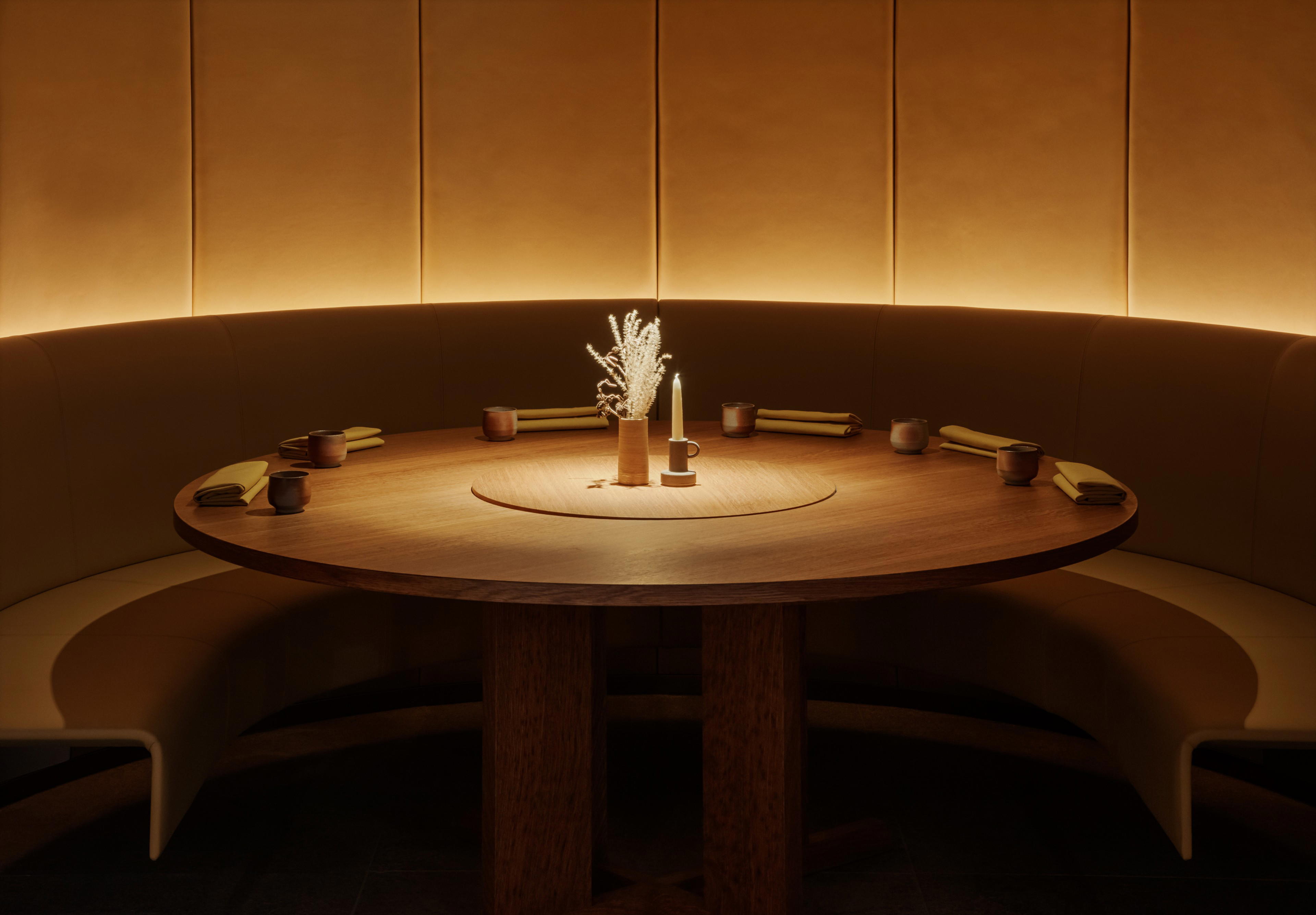
Candlelit and intimate with a speakeasy-like atmosphere; hand-painted hessian curtains, original brick walls with limewash, cork ceiling, and earthen floors create a warm, artisanal aesthetic enhanced by carefully curated vinyl records.