Little Garden
Little Garden serves French-Asian Fusion Bistro dishes at Zehnergürtel 12/24 in Wiener Neustadt, with panko chicken, tarte flambée, and salad bowls for brunch or lunch.
Pearl is the En Primeur Club membership app — saves, bookings, and concierge access live there. Same editors, same standards.
- Address
- Zehnergürtel 12/24, 2700 Wiener Neustadt, Austria
- Phone
- +43262235139
- Directions
- Get directions
 Saves & bookings on Pearl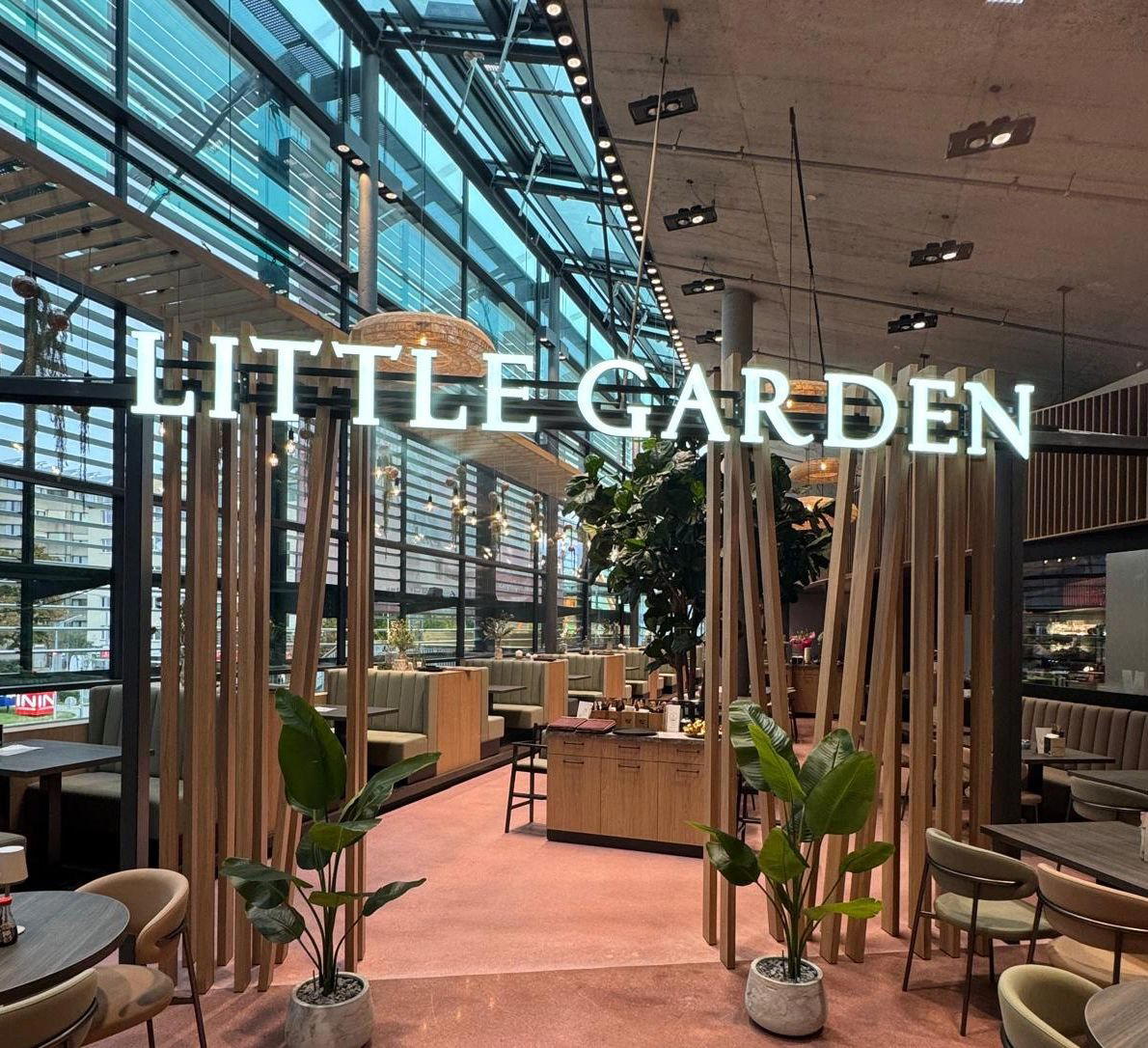
A Garden Address in Lower Austria's Quiet Capital
Little Garden is a casual French-Asian Fusion Bistro in Wiener Neustadt, Austria, at Zehnergürtel 12/24, with a price point around $15 per person. Wiener Neustadt sits roughly an hour south of Vienna by rail, close enough to draw day-trippers from the capital but self-contained enough to have cultivated its own dining culture distinct from the Michelin-dense first district. The city's restaurant scene operates across a practical range: neighbourhood trattorias, casual burger formats like Le Burger, Japanese-influenced counters such as Noodle sushi Profi, and more considered European kitchens. Little Garden, addressed at Zehnergürtel 12/24, occupies a quieter residential stretch of the city rather than the pedestrianised centre, which already signals something about the kind of dining it likely represents: less footfall-driven, more regulars-oriented.
That peripheral location, away from the tourist-facing cluster around the Hauptplatz, is characteristic of a dining format common to mid-sized Austrian cities. The neighbourhood restaurant in this country has a long tradition of sourcing from nearby producers and adjusting its offer seasonally, partly out of practical necessity and partly because Austrian culinary identity has always leaned hard on Regionalität. That tradition sits differently in Lower Austria than it does in, say, Salzburg or Tyrol, where the landscape provides a cleaner marketing narrative for premium producers. In the flatlands south of Vienna, seasonal ingredient sourcing is quieter, less rhetorically packaged, but no less present in kitchens that take it seriously.
The Ingredient Logic of Central European Garden Cooking
The name Little Garden frames a particular set of expectations. Garden-derived cooking in Austria typically implies a close relationship with what grows seasonally rather than what can be flown in year-round, and it sits within a broader central European tradition of cooking tied to the agricultural calendar. Austrian kitchen gardens historically supplied the table directly, and that practice informs how many smaller regional restaurants structure their menus: asparagus in spring, stone fruit and courgette through summer, root vegetables and game through autumn and into winter.
This approach contrasts with the ingredient philosophy operating at the award-tier end of Austrian dining. At Steirereck im Stadtpark in Vienna, sourcing is exhaustively documented, with named producers and unusual heritage varieties forming part of the dining narrative. Landhaus Bacher in Mautern an der Donau works within a similarly rigorous Wachau-region sourcing frame. At Obauer in Werfen, the mountains and rivers supply the menu structure almost entirely. In each case, ingredient provenance is the editorial position of the kitchen, not just its supply chain. A smaller neighbourhood address like Little Garden operates with less of that apparatus, but the underlying principle, that what is grown nearby should shape what is cooked, runs through much of Lower Austrian dining culture regardless of scale.
Further afield in Austria, the sourcing conversation takes on different regional characters. Kräuterreich by Vitus Winkler in Sankt Veit im Pongau is built around herb-forward cooking with a botanical sourcing emphasis. Döllerer in Golling an der Salzach anchors its identity in the Alpine pantry concept, drawing from hunting, freshwater fishing, and altitude-specific produce. These examples illustrate how varied the sourcing conversation is across the country's different geographies, even before reaching the urban addresses.
Wiener Neustadt's Position in Lower Austrian Dining
Dining in Wiener Neustadt does not operate with the same density of critical attention that Vienna commands. There is no consistent Michelin presence in the city, and the restaurant scene is shaped more by local demand than by destination dining. That context matters when assessing what a restaurant like Little Garden represents: it is not competing against Viennese tasting menus or Alpine fine dining, but within the more practical register of a city that eats out regularly rather than occasionally and ceremonially.
That practical register produces a different quality of local loyalty. Restaurants on the Zehnergürtel stretch succeed through repeat custom rather than first-visit tourism, which tends to make them more attuned to what regular diners actually want, including seasonal variation, consistent sourcing, and a format that does not require advance planning. Compare this with the format of addresses like Griggeler Stuba in Lech or Gourmetrestaurant Tannenhof in Sankt Anton am Arlberg, both of which operate within a resort-season logic entirely different from a year-round neighbourhood address in Lower Austria.
Other restaurants in Wiener Neustadt's mid-tier represent the breadth of options available: Dejavu, Luigi, and Mädchen und Wolf each represent distinct approaches to the city's dining offer, from more casual formats to European-influenced kitchens. The restaurant sits within that range, distinguished by its address and name rather than formal category credentials.
For those extending beyond Austria, the ingredient-sourcing conversation continues at different scales internationally. Le Bernardin in New York City operates among the more rigorous seafood-sourcing programs of any restaurant in the United States, while Atomix in New York City draws on Korean ingredient traditions with the same depth of sourcing intentionality. The principle scales across formats and geographies, even if the expression at a neighbourhood address in Lower Austria is necessarily quieter.
Planning a Visit
The restaurant is located at Zehnergürtel 12/24 in Wiener Neustadt, accessible from the city's main rail station. Given its residential address rather than central placement, arriving by foot from the Hauptplatz will take approximately ten to fifteen minutes. The restaurant is open Monday through Friday from 8 AM to 7 PM, Saturday from 8 AM to 6 PM, and closed on Sunday. It is walk-in friendly. Because the venue sits outside the tourist-facing centre, visit timing should align with its posted hours.
For context on comparable Austrian experiences at a higher documented tier, Ikarus in Salzburg and Ois in Neufelden represent the more credentialed end of Austrian regional dining, and both require advance booking. Restaurant 141 by Joachim Jaud in Mieming similarly operates within a format that rewards planning. The restaurant, by contrast, appears positioned for the kind of unscheduled visit that suits its neighbourhood character.
Quick Comparison
Comparable venues nearby, for context on price, style, and recognition.
| Venue | Cuisine | Price | Notes |
|---|---|---|---|
| Little GardenThis venue — the venue you are viewing | French-Asian Fusion Bistro | $$ | Not listed |
| ONO Bowl & Tea | Hawaiian Poke Bowls & Bubble Tea | $$ | Wiener Neustadt |
| Noodle sushi Profi | Japanese Ramen & Sushi | $$ | Wiener Neustadt |
| Taki Asia to go | Asian Noodle & Sushi Takeout | $ | Hauptplatz |
| Mädchen und Wolf | Modern Austrian | $$$ | Wiener Neustadt |
| Taki Nudeln | Traditional Asian Noodles and Bowls | $ | Marienmarkt |
Continue exploring
More in Wiener Neustadt
Restaurants in Wiener Neustadt
Browse all →
![[aend] restaurant in Vienna](https://cdn.enprimeurclub.com/storage/v1/object/public/images/locations/recsVyRkMfzCxPmp0/hero2.jpg?width=3840&quality=75)
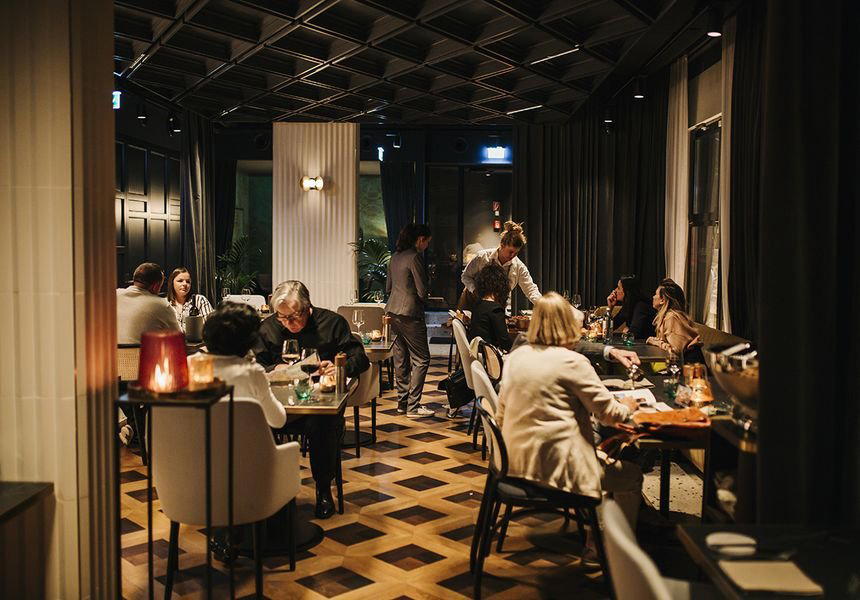
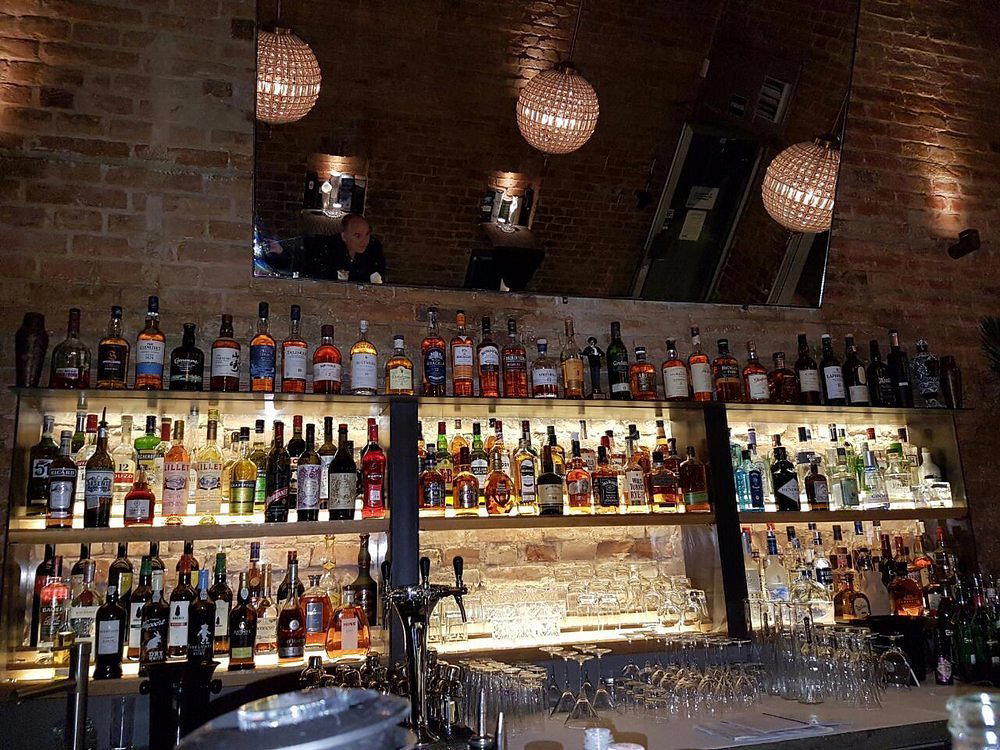
Bars in Wiener Neustadt
Browse all →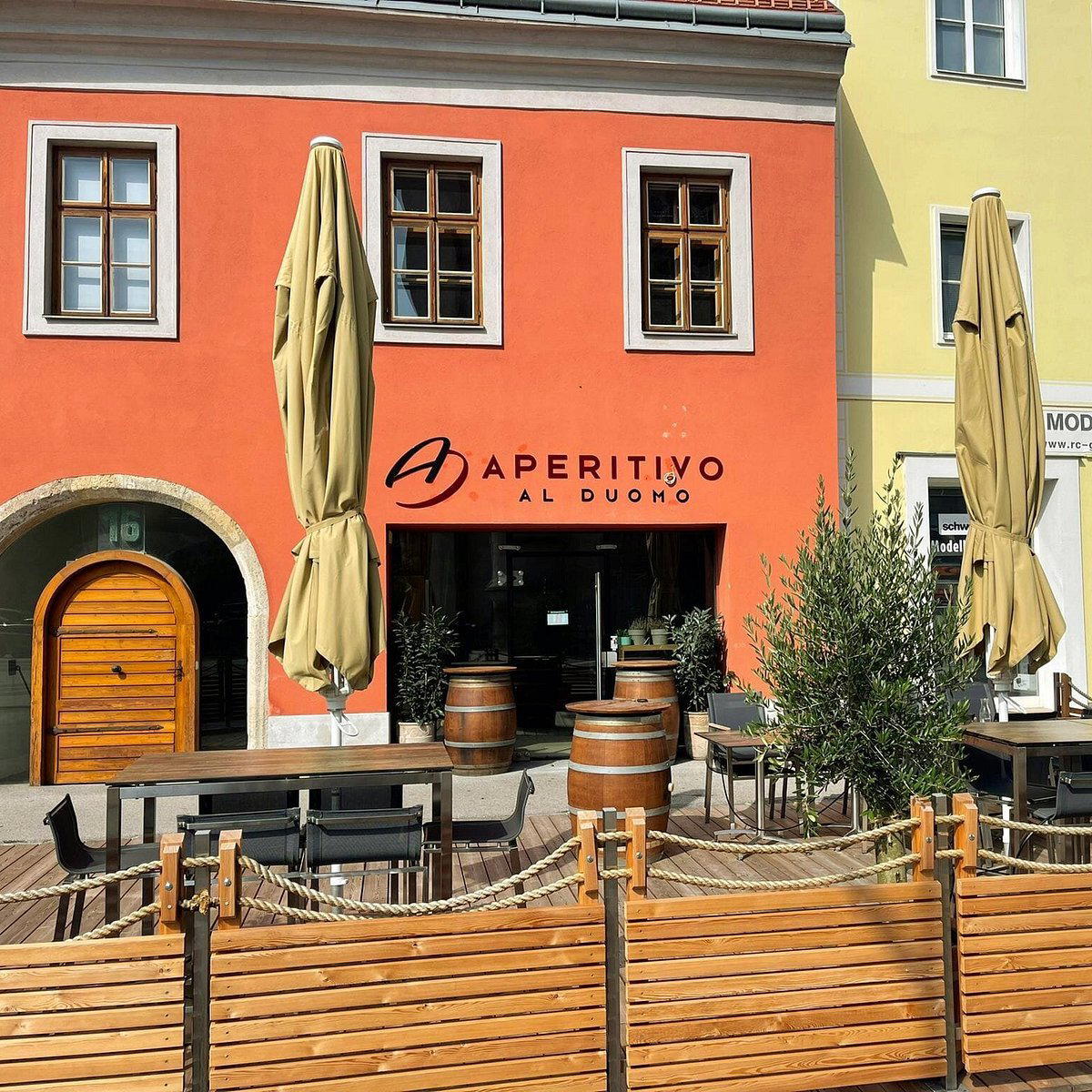

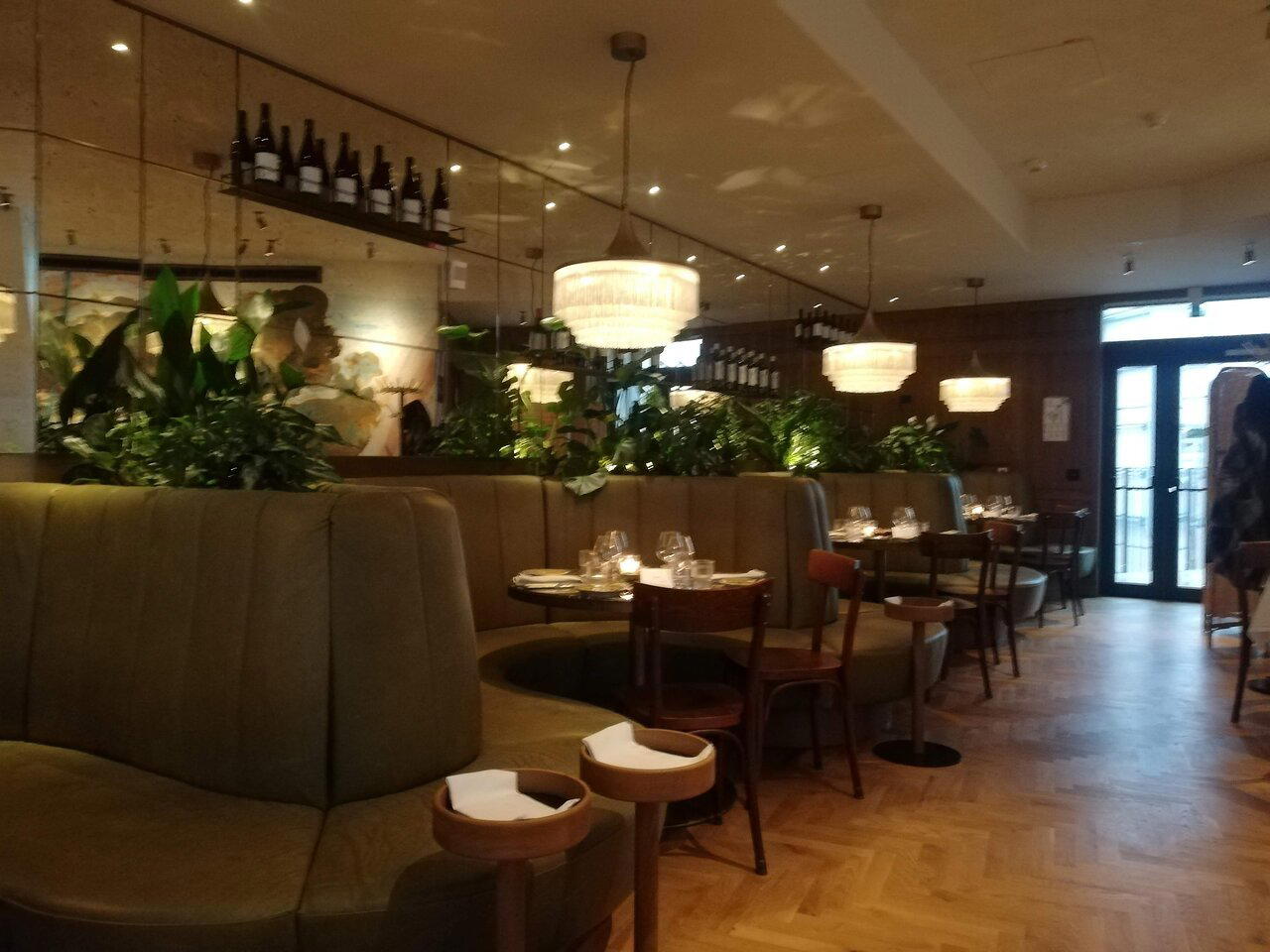
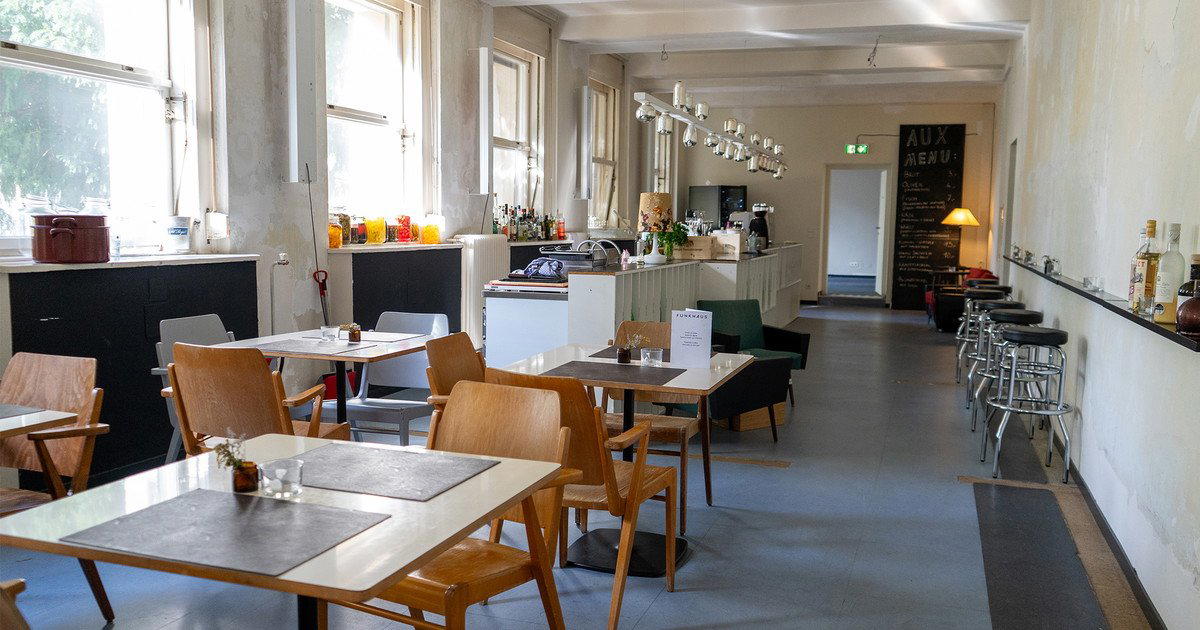
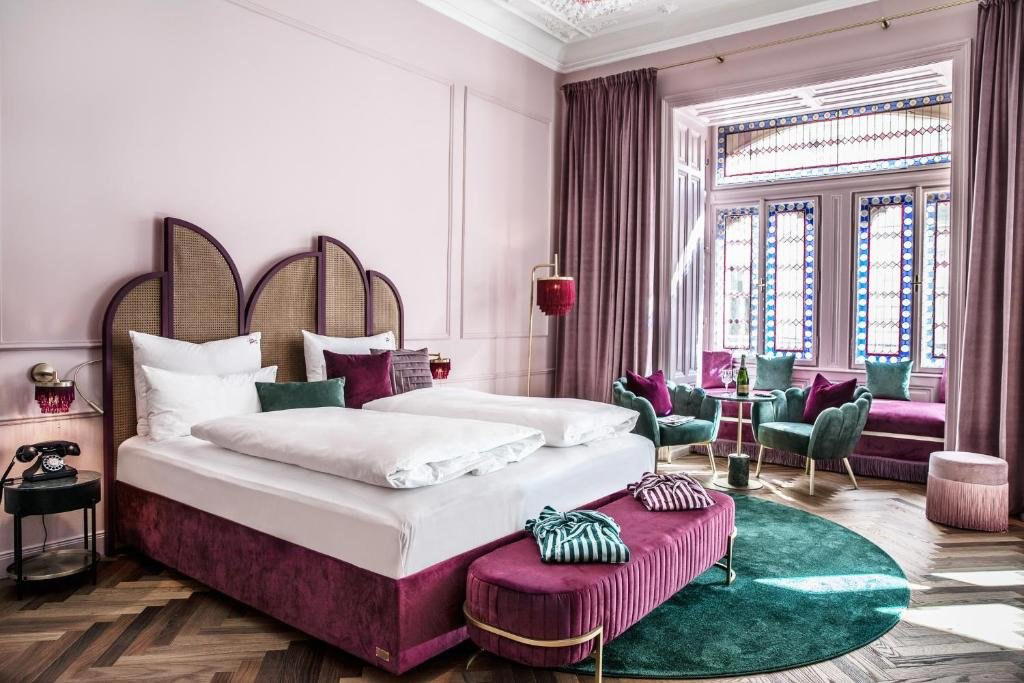
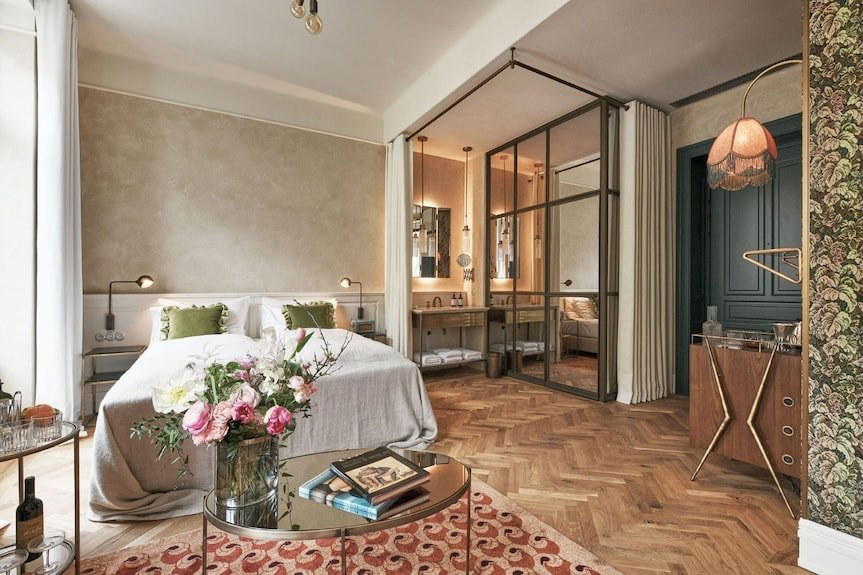
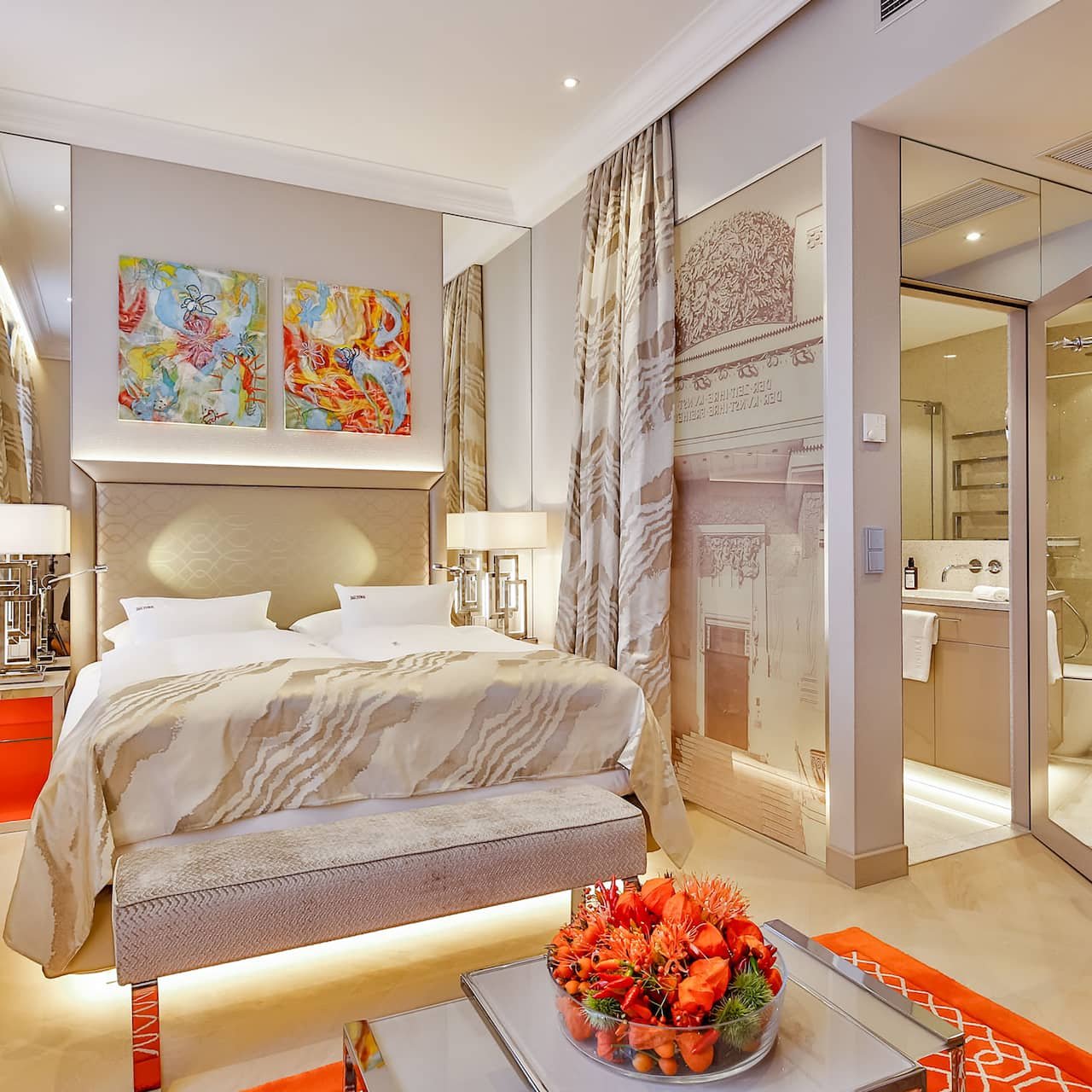
Hotels in Wiener Neustadt
Browse all →
At a Glance
- Cozy
- Modern
- Brunch
- Casual Hangout
- Standalone
Current opening hours
- Monday
- 8 AM–7 PM
- Tuesday
- 8 AM–7 PM
- Wednesday
- 8 AM–7 PM
- Thursday
- 8 AM–7 PM
- Friday
- 8 AM–7 PM
- Saturday
- 8 AM–6 PM
- Sunday
- Closed
Hours can change for holidays and private events. Last verified .
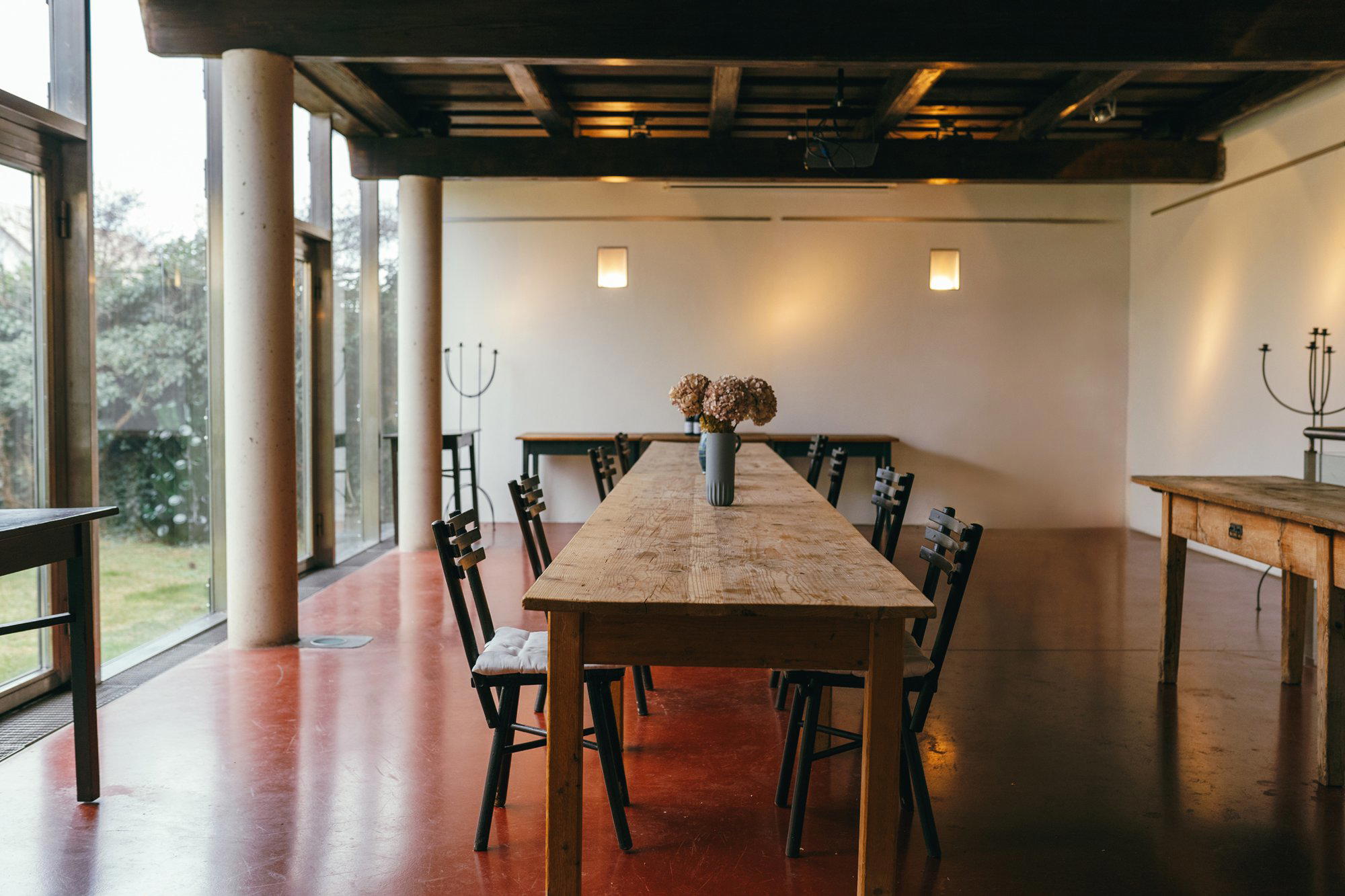
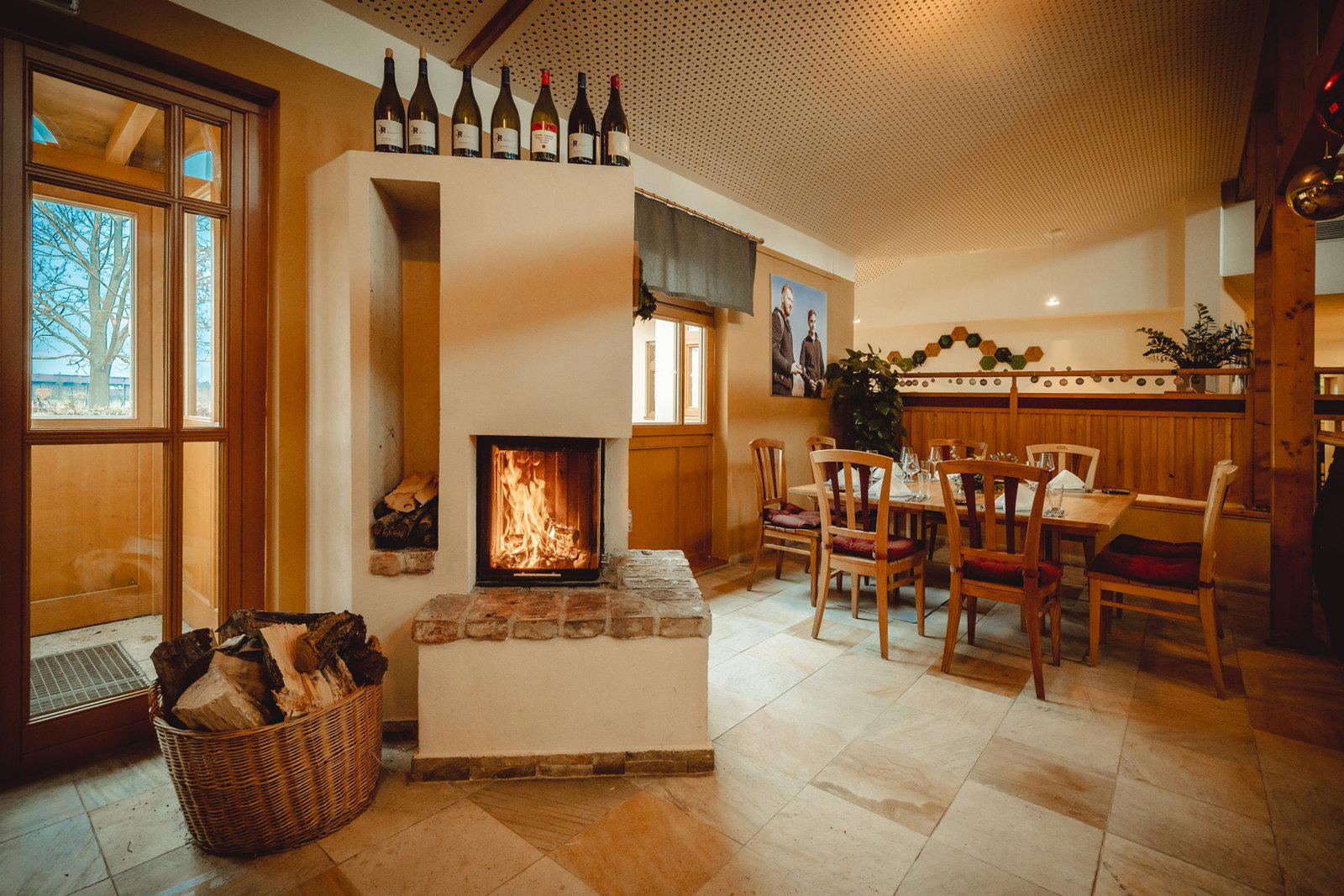
Charming and cozy with a modern atmosphere.