266/1 Siam Square Soi 3
Our verdict
Located in the heart of Siam Square's Soi 3, this Pathum Wan address sits within one of Bangkok's most concentrated dining corridors, where street-level kitchens and sit-down restaurants compete for the same foot traffic. The area draws students, office workers, and dedicated eaters who know that Bangkok's most instructive meals often come without reservations or ceremony.

Pearl is the En Primeur Club membership app — saves, bookings, and concierge access live there. Same editors, same standards.
- Address
- 266/1 Siam Square Soi 3, Khwaeng Pathum Wan, Pathum Wan, Krung Thep Maha Nakhon 10330, Thailand
- Phone
- +66 2 129 6920
- Website
- pmcu.co.th
- Directions
- Get directions
The menu
What to order
- Boat Noodles
- Spicy Beef Noodle Soup
- Pork Noodles
Siam Square as a Dining Corridor
Pathum Wan's Siam Square remains one of Bangkok's most compressed eating districts: a grid of sois where Japanese ramen counters, Thai boat noodle shops, bubble tea chains, and independent kitchens occupy adjacent shopfronts. Soi 3 in particular functions as a thoroughfare for midday foot traffic from nearby universities and the Siam BTS interchange, which means its restaurants operate under constant competitive pressure. Survival in this corridor signals something — not polish or atmosphere, but the kind of consistent output that keeps a regular local clientele returning. Contrast this with the ฿฿฿฿ tier operating elsewhere in Bangkok: Sorn in Bangkok has built its reputation on Southern Thai sourcing at a price point that filters for intent, while venues like Sühring or Baan Tepa work within tasting-menu formats where the sourcing story is the primary editorial frame. The Siam Square corridor operates differently — the editorial case here is about proximity, volume, and what a dense urban dining grid reveals about Bangkok's eating culture at ground level.
What Soi 3 Tells You About Bangkok's Ingredient Culture
Bangkok's street-adjacent dining culture has always operated on a short supply chain. Markets open before dawn across the city, Or Tor Kor near Chatuchak, Khlong Toei in the port district, and the produce that arrives at those markets by 5am is on plates before noon. In a district like Siam Square, where kitchen footprints are often small and storage is limited, that daily procurement rhythm shapes menus in ways that a weekly delivery model cannot. Kitchens in this grid tend to cook around what arrived that morning rather than what a printed menu promises. That constraint, applied consistently, produces a different kind of quality signal than the sourcing programs at places like PRU in Phuket, where the farm-to-table relationship is formalized and documented. In Siam Square, the sourcing is implicit, local, and often invisible to the diner, but it shapes texture, freshness, and price in ways that are immediately legible on the plate.
Thai cuisine's ingredient hierarchy tends to reward proximity over prestige branding. Galangal, lemongrass, kaffir lime leaf, and fresh chilies lose volatile oils quickly after cutting; the shorter the distance from market to wok, the more those aromatics read in the finished dish. Kitchens operating in dense urban corridors like Soi 3 are structurally better positioned for that kind of freshness than hotel restaurants managing centralized commissary systems. This is not a small advantage in a cuisine where the aromatic backbone is the dish. For reference on what that sourcing discipline looks like when applied at a higher price point, AKKEE in Pak Kret and Khao in Mae Rim each represent regional Thai kitchens where ingredient provenance has been made explicit as a quality signal.
The Competitive Frame: Pathum Wan's Eating Grid
Pathum Wan district contains some of Bangkok's most recognizable commercial real estate, the Siam Paragon mall, CentralWorld, and the MBK Center all fall within its boundaries. That retail density creates a distinct dining population: time-pressured workers, students from Chulalongkorn University two kilometers south, and shoppers who eat between appointments rather than around a meal. Restaurants in Siam Square's sois have calibrated to that pattern over decades. Seating tends to be dense, service tends to be direct, and the implied transaction is speed and consistency rather than occasion. This positions the corridor in a different competitive tier than the fine-dining cluster that has developed in Sukhumvit and the riverside, where venues like Hoy Tord Chao Lay and Hinata operate for different dining occasions entirely. Read our full Pathum Wan restaurants guide for a broader map of the district's eating options across price tiers.
Within the Siam Square grid, 266/1 Soi 3 occupies a specific address, the numbering system in Bangkok's older commercial districts reflects subdivision history rather than sequential logic, so the 266/1 designation places this address within a subdivided plot typical of shophouse redevelopment in this part of the city. That physical format, common across Soi 3, tends to produce narrow-frontage venues with indoor seating extending back from a street-facing service window or open kitchen, a configuration that suits high-throughput daytime service. Comparable corridor dynamics play out in other Thai cities: Cherng Doi Roast Chicken in Chiang Mai and Loet Rot in Mueang Chiang Mai both demonstrate how Thai provincial eating corridors develop loyal regulars through consistent execution rather than chef-driven narrative.
Bangkok's Broader Dining Coordinates
For travelers using Pathum Wan as a base, the BTS Siam station sits at the intersection of the Sukhumvit and Silom lines, making the district one of the most transit-accessible in the city. The practical radius from Siam Square covers a significant portion of Bangkok's dining options: the riverfront is approximately 3km southwest, Sukhumvit's restaurant strip is accessible in two to three stops east. Visitors arriving from elsewhere in Thailand, from Phuket, where DEVASOM BEACH GRILL in Takua Pa represents the resort-format end of the spectrum, or from Surat Thani where Little Edo Suratthani offers a regional Japanese counterpoint, will find Pathum Wan a dense re-entry point into Bangkok's eating culture. International reference points are also relevant context: the sourcing discipline that defines Bangkok's leading kitchens has parallels in how places like Le Bernardin in New York City or Atomix in New York City frame ingredient provenance as the central editorial argument. The mechanism differs, price point, format, and cuisine tradition are all distinct, but the underlying logic that proximity to source improves the finished plate runs across all of them.
For travelers extending beyond Bangkok, Benz Restaurant at Soneva Kiri in Koh Kood and Krua Laew Tae R-Rom in Pattaya represent the coastal-Thai end of the sourcing argument, where seafood provenance is geographically immediate by default. Planning a visit to 266/1 Siam Square Soi 3 benefits from the same logic applied to any Siam Square stop: arrive early in the service window, expect a streamlined transaction, and treat the experience as one data point in a broader reading of how Bangkok feeds itself at the street-adjacent level rather than as a destination occasion.
Frequently Asked Questions
- Is 266/1 Siam Square Soi 3 a family-friendly restaurant? Siam Square's dining corridors are built for speed and volume, not extended family dining occasions, Bangkok's family-format restaurants typically operate in lower-density neighborhoods where table sizes and service pace suit that dynamic.
- How would you describe the vibe at 266/1 Siam Square Soi 3? Siam Square Soi 3 operates in Bangkok's midmarket urban-corridor register: fast-moving, unpretentious, and calibrated to a daytime crowd that eats with purpose rather than occasion. The district has no awards-tier competition at this address, which places it in a different frame than Pathum Wan's higher-price-point options.
- at 266/1 Siam Square Soi 3? In Thai street-adjacent cooking, that typically points toward soup-based or stir-fried formats where freshness reads immediately rather than preparations that rely on extended technique.
- How does 266/1 Siam Square Soi 3 fit within Bangkok's broader dining scene? The address sits in one of Bangkok's most historically active eating corridors, where the competitive pressure of high foot traffic and adjacent university populations has shaped a kitchen culture oriented around consistent daily output. Without awarded credentials or a documented cuisine type on record, it occupies the ground-level tier of Pathum Wan's eating grid, a tier that has its own logic and regulars, separate from the tasting-menu circuit that Bangkok's international dining press typically covers.
Frequently asked questions
Is 266/1 Siam Square Soi 3 a family-friendly restaurant?
Siam Square Soi 3 sits within Pathum Wan's dense commercial district, a neighbourhood where foot traffic skews toward students, shoppers, and office workers rather than families with young children. The soi format — compact, often counter-style or open-fronted — generally suits groups that move quickly and eat informally.
How would you describe the vibe at 266/1 Siam Square Soi 3?
Siam Square's soi grid operates at a pace set by the BTS Siam interchange directly above it — fast, layered, and commercially dense. Soi 3 in particular concentrates the kind of eating that Bangkok does at street level: short queues, direct transactions, and little ceremony. The address at 266/1 places it within this corridor's rhythm, where atmosphere is incidental to the food rather than engineered around it.
What kind of dining options are typically found along Siam Square Soi 3 in Bangkok?
Siam Square Soi 3 sits within Pathum Wan's eating grid, where shophouse and open-fronted formats have long supported a mix of Thai street-adjacent cooking and Japanese-influenced counter dining. The soi's proximity to BTS Siam station makes it a high-turnover corridor rather than a destination-dining street, with addresses at this grid reference tending toward casual, single-dish formats. For travelers based in Pathum Wan, the soi connects easily to the broader Bangkok dining network via the Sukhumvit and Silom BTS lines.
What's the best thing to order at 266/1 Siam Square Soi 3?
The broader Soi 3 corridor has historically featured Japanese counters, Thai noodle shops, and grab-and-go formats. Checking current signage or local Bangkok food forums before visiting will give you the most accurate picture.
How do I find 266/1 Siam Square Soi 3?
266/1 Siam Square Soi 3 is located at 266/1 Siam Square Soi 3, Khwaeng Pathum Wan, Pathum Wan, Krung Thep Maha Nakhon 10330, Thailand, Pathum Wan.
Quick Comparison
| Venue | Cuisine | Price | Awards | Notes |
|---|---|---|---|---|
| 266/1 Siam Square Soi 3This venue — the venue you are viewing | Authentic Thai Boat Noodles | $1–10 | Not listed | Not listed |
| Sorn | Fine Southern Thai | $200–300 | 3 Michelin Stars · World's 50 Best #12 | Southern Thai, ฿฿฿฿ |
| Baan Tepa | Creative Thai Fine Dining | $150–200 | 2 Michelin Stars · World's 50 Best #53 | Thai contemporary, ฿฿฿฿ |
| Côte by Mauro Colagreco | Riviera Mediterranean Fine Dining | $200–300 | 2 Michelin Stars · World's 50 Best #91 | Mediterranean, Modern Cuisine, ฿฿฿฿ |
| Gaa | Modern Indian Fine Dining with Thai Influences | $150–200 | 2 Michelin Stars · World's 50 Best #95 | Modern Indian, Indian, ฿฿฿฿ |
| Sühring | Modern German Fine Dining | $200–300 | 3 Michelin Stars · World's 50 Best #18 | German, ฿฿฿฿ |
Continue exploring
More in Pathum Wan
Restaurants in Pathum Wan
Browse all →
Details
- Lively
- Trendy
- Casual Hangout
- Family
- Open Kitchen
- Beer Program
- A La Carte
- Thai Iced Tea
- Coconut Water
- Vegetarian Friendly
- Vegan Options
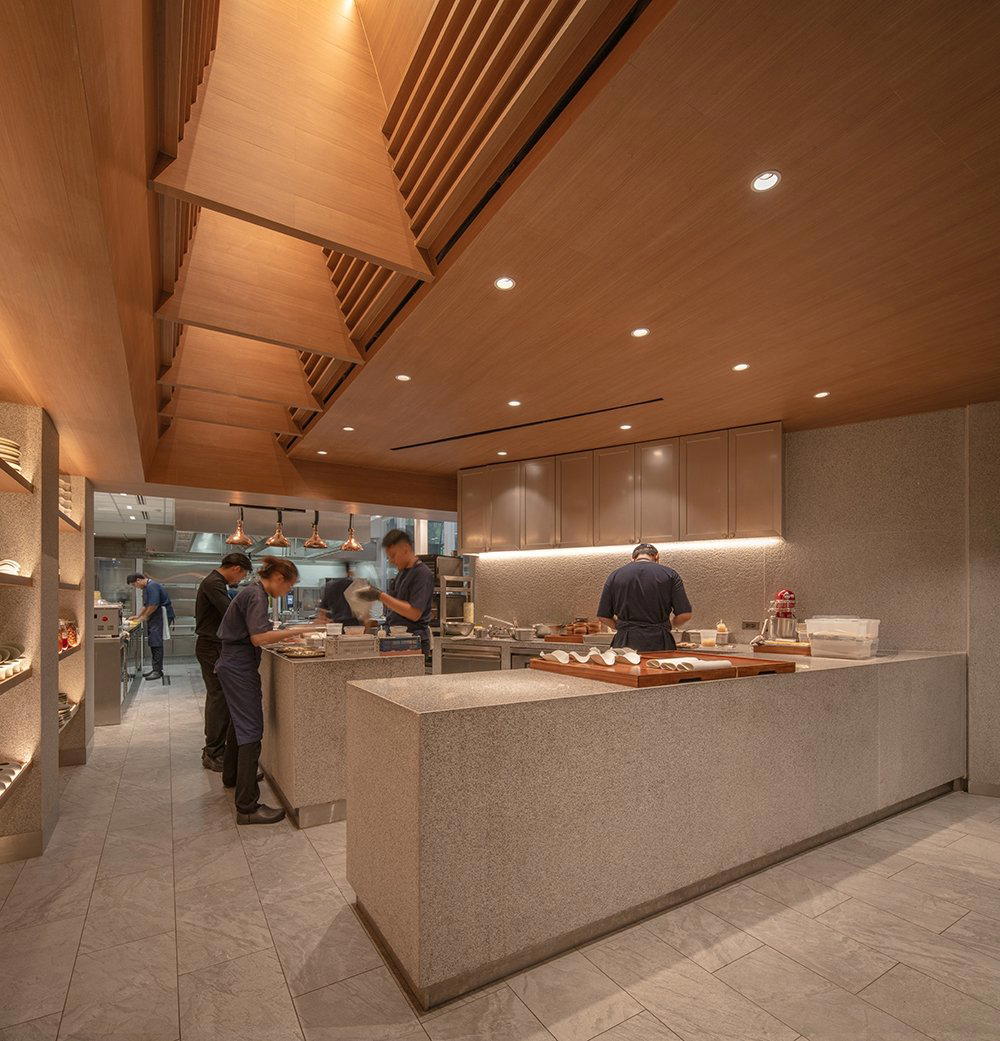
Casual lively atmosphere with open kitchen for interactive street-food style dining.