Little Duck The Picklery
On Dalston Lane in east London, Little Duck The Picklery sits at the intersection of fermentation culture and neighbourhood dining, where preserved, pickled, and lacto-fermented produce shapes the menu from the ground up. It occupies a corner of the London dining scene that sits well apart from the Mayfair tasting-menu circuit, trading formality for technique and seasonal British ingredients for globally informed methods.
Pearl is the En Primeur Club membership app — saves, bookings, and concierge access live there. Same editors, same standards.
- Address
- 68 Dalston Ln, London E8 3AH, United Kingdom
- Phone
- +44 20 7249 9177
- Website
- littleduckpicklery.com
- Directions
- Get directions
 Saves & bookings on Pearl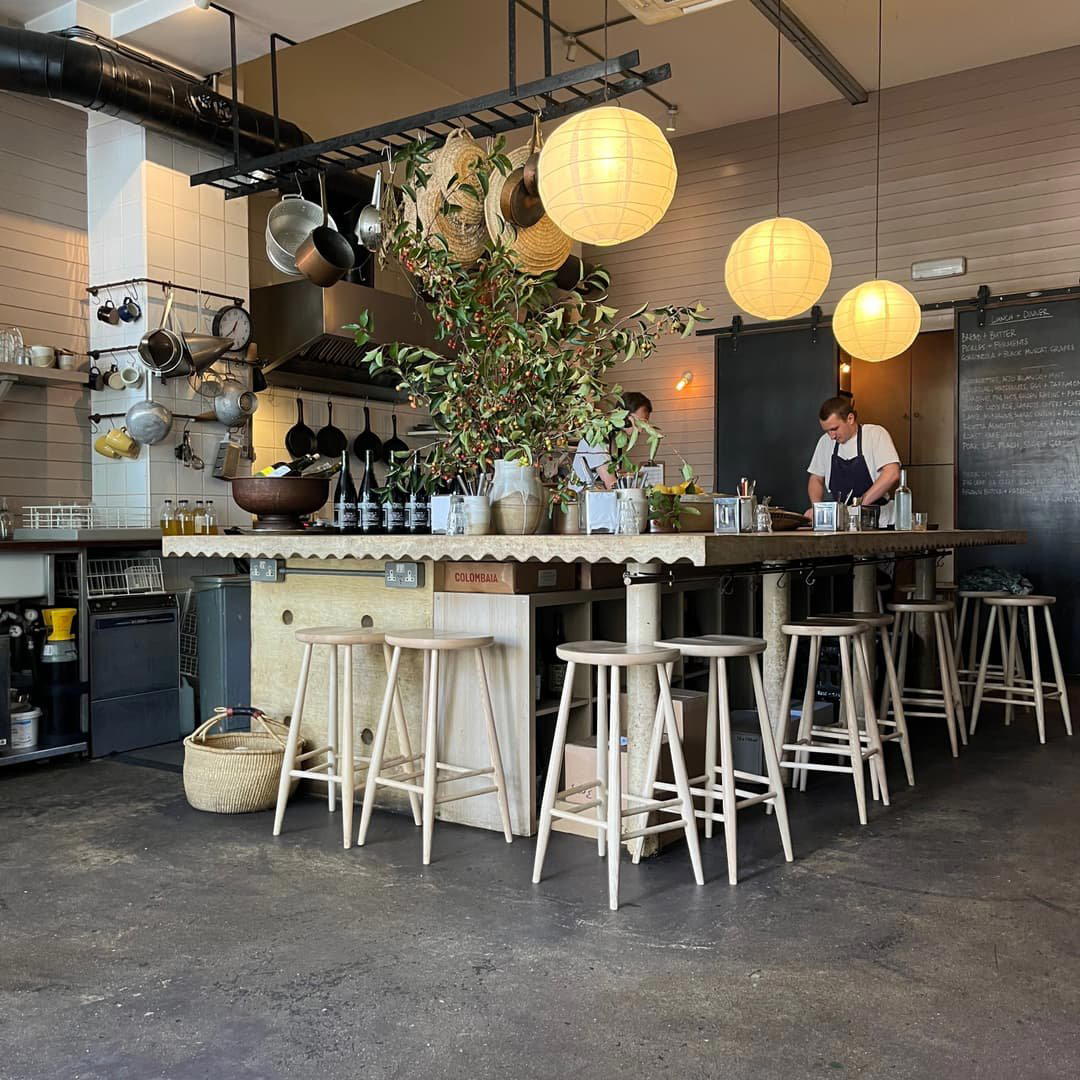
Dalston's Fermentation Counter in Context
Little Duck The Picklery is a restaurant on Dalston Lane in London, serving seasonal European small plates and ferments. Dalston in particular operates on a different frequency from the Mayfair and Chelsea addresses where CORE by Clare Smyth, Restaurant Gordon Ramsay, and Sketch, The Lecture Room and Library set their terms. The neighbourhood's food culture rewards specificity and conviction over prestige signals, which makes it the natural home for a project built around a single, technically demanding idea: fermentation as the organising principle of a kitchen.
Little Duck The Picklery at 68 Dalston Lane is part of a small London cohort that treats preservation not as a garnish or a trend accessory but as a foundational method. Across much of the city's premium dining tier, from The Ledbury to Dinner by Heston Blumenthal, technique is applied in service of a broader Modern British or European identity. Here, technique is the identity. The pickling and fermentation program frames every plate rather than supporting it.
The Physical Space and What It Signals
The room on Dalston Lane reads like a working larder opened to guests. Shelves of preserving jars and fermentation vessels line the walls, communicating the kitchen's priorities before anyone has ordered. This is not a theatrical device borrowed from modernist restaurant design; it is an accurate representation of where the food comes from. The visual vocabulary of a Dalston railway arch neighbourhood, with its exposed surfaces and warehouse proportions, sits naturally alongside the utilitarian aesthetics of a serious preservation operation.
The format positions Little Duck The Picklery closer to the specialist neighbourhood restaurant than to the London tasting-menu circuit. The booking approach and pricing place it in a more accessible tier than the ££££ addresses dominating west London's fine-dining bracket. For context on how British fine dining organises itself across price points and formats, the full London restaurants guide covers the range from neighbourhood specialists to multi-Michelin counters.
Local Ingredients, Global Fermentation Methods
The angle that makes the restaurant interesting is the way it applies fermentation traditions with broad international roots to produce sourced from British suppliers and growing seasons. Lacto-fermentation, koji application, vinegar production, and brine curing each have distinct geographic lineages, Korean, Japanese, Central European, Scandinavian, and the kitchen draws on several without anchoring exclusively to any single tradition.
This approach mirrors a pattern visible at some of the more technically serious restaurants operating outside London's main fine-dining corridor. L'Enclume in Cartmel built its reputation on applying precise, modernist technique to Cumbrian ingredients with an almost obsessive commitment to provenance. Moor Hall in Aughton takes a similar position with Lancashire produce. The distinguishing factor at Little Duck is the narrower technical focus: where those kitchens range across fermentation, dehydration, curing, and classical French structure, the Picklery keeps fermentation and preservation at the centre of nearly everything on the plate.
The global technique applied to local ingredient model is not distinctive to Britain. Lazy Bear in San Francisco has spent years applying preservation and live-fire technique to Californian produce, and Le Bernardin in New York City has long demonstrated how French technical frameworks can be applied to ingredients far outside their native context. The difference at Dalston Lane is the scale and the neighbourhood: the Picklery operates in a format where the preservation program is legible and immediate rather than abstracted through the language of fine-dining presentation.
Where This Sits in the London Fermentation Scene
London's interest in fermentation as a kitchen discipline has accelerated significantly in the past decade, tracking broader movements in Nordic and Japanese-influenced cooking that arrived in the city through various routes. What the Picklery does is distill this into a format accessible enough to function as a neighbourhood restaurant while technical enough to be taken seriously as a specialist operation. That is a deliberately narrow lane to occupy, and not every restaurant that has tried it has maintained the discipline to stay in it.
For context, the restaurants that sustain specialist technical identities over time tend to do so by keeping their sourcing relationships and their seasonal discipline rigorous. Gidleigh Park in Chagford and Hand and Flowers in Marlow have each held their positions in the British dining conversation for years precisely because their identity is consistent and their ingredient sourcing anchors everything else. Hide and Fox in Saltwood and Midsummer House in Cambridge operate in similarly defined terms. The Picklery's challenge and its opportunity is to do the same in a neighbourhood that demands authenticity rather than prestige.
Planning a Visit
Dalston Lane is well-served by Dalston Junction and Dalston Kingsland Overground stations, both within a few minutes' walk of number 68. The address sits in the E8 postcode, placing it in a part of east London with a dense cluster of independent restaurants and bars, meaning a meal here fits naturally into a longer evening in the neighbourhood. Booking ahead is advisable, especially for Friday and Saturday. Contact and reservation details are best confirmed through current listings, as operational information for a venue of this type can shift with seasons and staffing.
Those building a broader itinerary around serious British cooking might also consider how Dalston fits alongside other specialist addresses. Opheem in Birmingham, Ynyshir Hall in Machynlleth, and Restaurant Andrew Fairlie in Auchterarder each represent the kind of singular technical commitment that the Picklery pursues at a neighbourhood scale. Waterside Inn in Bray represents a different British fine-dining tradition altogether, useful as a comparator for understanding where preservation-led cooking sits on the spectrum.
Just the Basics
Comparable venues nearby, for context on price, style, and recognition.
| Venue | Cuisine | Price | Notes |
|---|---|---|---|
| Little Duck The PickleryThis venue — the venue you are viewing | Not listed | $$ | Not listed |
| Ozone Coffee - Shoreditch | Hoxton, Modern European Brunch Cafe | $ | Not listed |
| The Vincent Rooms | Not listed | $$ | Victoria, Modern European Brasserie & Tasting Menus |
| Naughty Piglets | Tulse Hill, Modern European Small Plates | $$$ | Not listed |
| Grain Store | Not listed | $$$ | King's Cross, Vegetable-Centric Modern European |
| Mr Ji | Camden, East-West Asian Fusion | $$ | Not listed |
Continue exploring
More in London
Restaurants in London
Browse all →
Bars in London
Browse all →
Hotels in London
Browse all →


At a Glance
- Intimate
- Cozy
- Trendy
- Modern
- Date Night
- Casual Hangout
- Special Occasion
- Open Kitchen
- Chefs Counter
- Natural Wine
- Local Sourcing
- Natural Wine
Current opening hours
- Monday
- 5:30–10 PM
- Tuesday
- 5:30–10 PM
- Wednesday
- 12–3 PM, 5:30–10 PM
- Thursday
- 12–3 PM, 5:30–10 PM
- Friday
- 12–3 PM, 5:30–10 PM
- Saturday
- 12–3 PM, 5:30–10 PM
- Sunday
- 12–3 PM, 5:30–10 PM
Hours can change for holidays and private events. Last verified .
Cozy and intimate with dimmed evening lights, centered around a large open kitchen counter fostering a lively yet relaxed atmosphere.