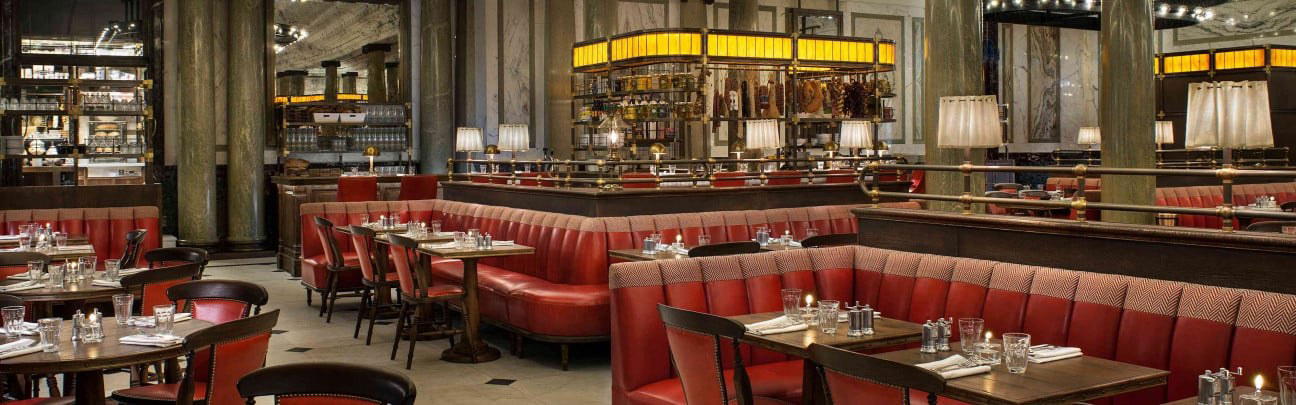
Grain Store
Our verdict
Grain Store occupies a converted Victorian granary on Granary Square in King's Cross, a neighbourhood that has become one of London's more architecturally considered regeneration projects. The restaurant built its reputation on a vegetable-forward menu structure that positions plant produce at the centre of each dish rather than as accompaniment. It sits in a mid-to-upper price tier for the area, with a format that reads as accessible rather than ceremonial.

The menu
What to order
- Vegetable chorizo scotch eggs
- Courgette broad bean prawn falafel
- Sprouting beans miso aubergine
King's Cross and the Architecture of the New London Dining Scene
When King's Cross began its transformation in the early 2010s, the question for restaurateurs was whether a post-industrial regeneration zone could sustain serious dining. Grain Store, which opened in 2013 in the Granary Building on Granary Square, arrived as part of the answer. The address carried real symbolic weight: the same building houses Central Saint Martins, and the square itself was designed with enough civic seriousness to attract long-term anchor tenants rather than pop-up operators. A restaurant committed to a genuine culinary point of view, rather than a branded casual concept, was always going to carry a different kind of credibility in that context.
A decade on, King's Cross has delivered on the early promise. The canal-side stretch from Granary Square to Coal Drops Yard now constitutes one of the more coherent dining and drinking precincts in the city, with a range that runs from independent wine bars to full-service restaurants. Grain Store has been present through that entire arc of development, which gives it a neighbourhood tenure few comparable London openings can match. For context on how London's broader dining options are structured across the city, see our full London restaurants guide.
Menu Architecture: Vegetables as Structure, Not Garnish
The most consequential decision baked into Grain Store's format is also the most structural: vegetables appear at the top of the menu hierarchy, not as sides or supporting elements. In most European fine-dining templates, protein drives the plate, with vegetable components assigned a secondary role. Grain Store inverts this logic. Each dish is constructed around a vegetable or grain component, with meat or fish either absent or present in reduced quantity as a supporting layer.
This is not a vegetarian restaurant in the conventional sense. The menu is not organised around dietary restriction but around a deliberate rethinking of plate composition. The distinction matters. A restriction-led menu typically mirrors the conventions of omnivore cooking while substituting ingredients. A structure-led approach, as practised here, requires the kitchen to develop technical vocabulary around plant textures, fermentation, char, and acidity in ways that protein-centred cooking rarely demands at the same depth.
The result is a menu architecture that reads differently from most mid-to-upper London restaurant lists. Dishes tend to carry more component complexity than their price tier might suggest, because building interest and satiation from vegetables requires more technical layering than placing a well-sourced piece of meat at the centre of a plate.
Where Grain Store Sits in London's Price and Format Tier
London's restaurant market above the casual bracket splits fairly sharply between high-formality tasting menus carrying Michelin recognition and a broader mid-tier of à la carte operations with serious kitchens but less ceremony. The Michelin three-star tier in London, which includes CORE by Clare Smyth, Restaurant Gordon Ramsay, Sketch, The Lecture Room and Library, and The Ledbury, operates at a price and formality level that creates a distinct barrier to entry for many diners. Dinner by Heston Blumenthal, with two Michelin stars, occupies a slightly different register, anchored to a Knightsbridge hotel format.
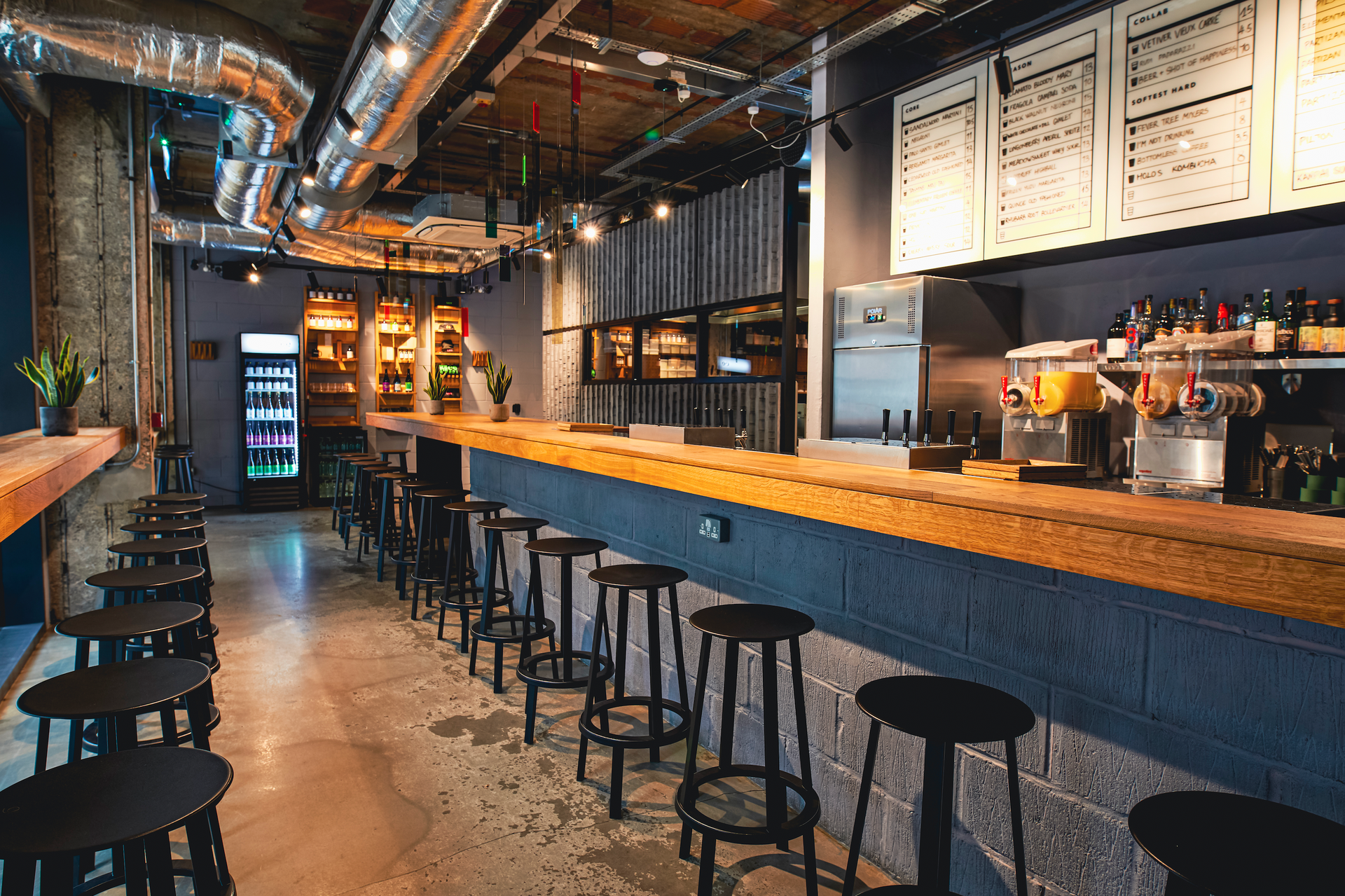
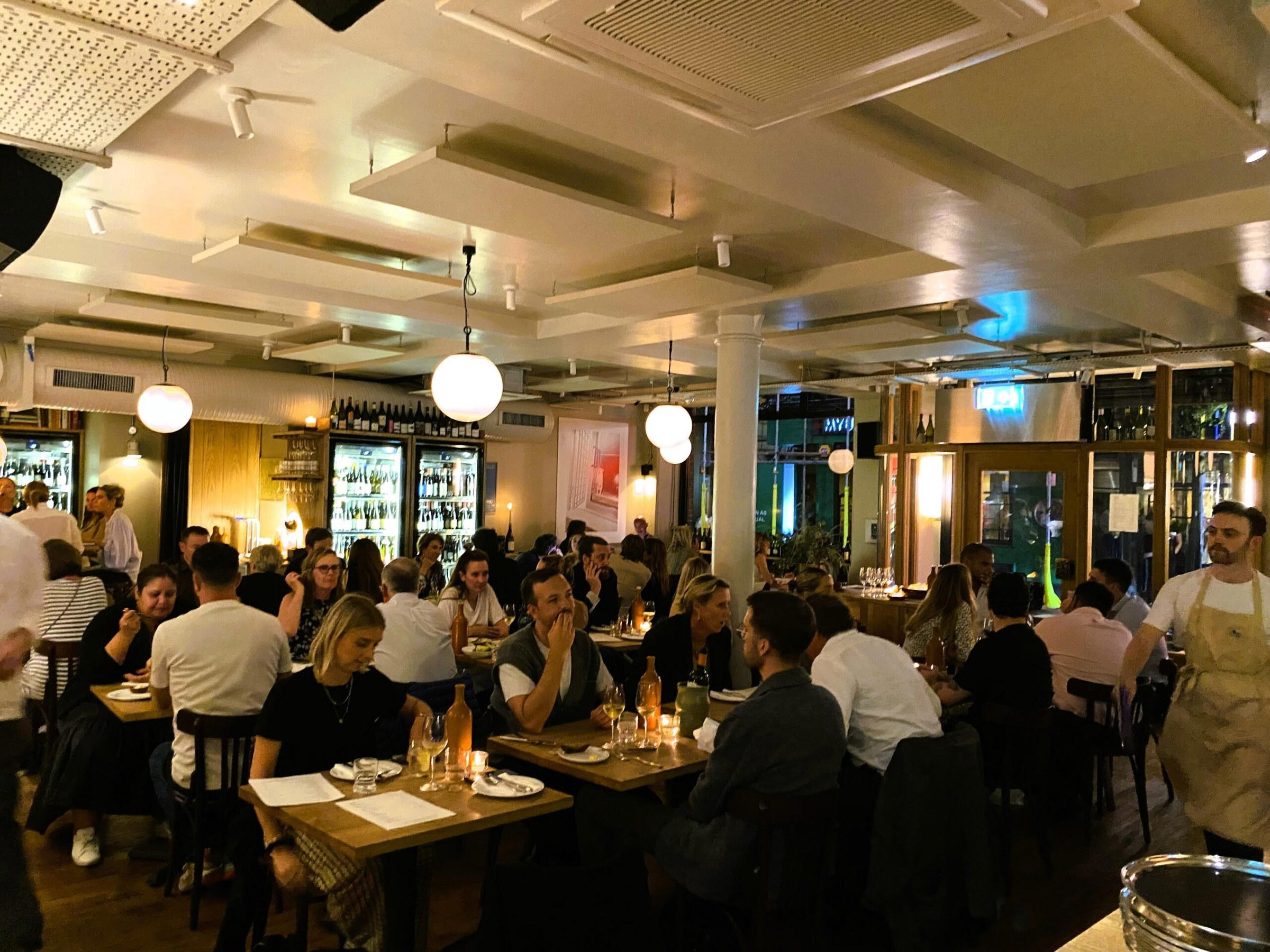
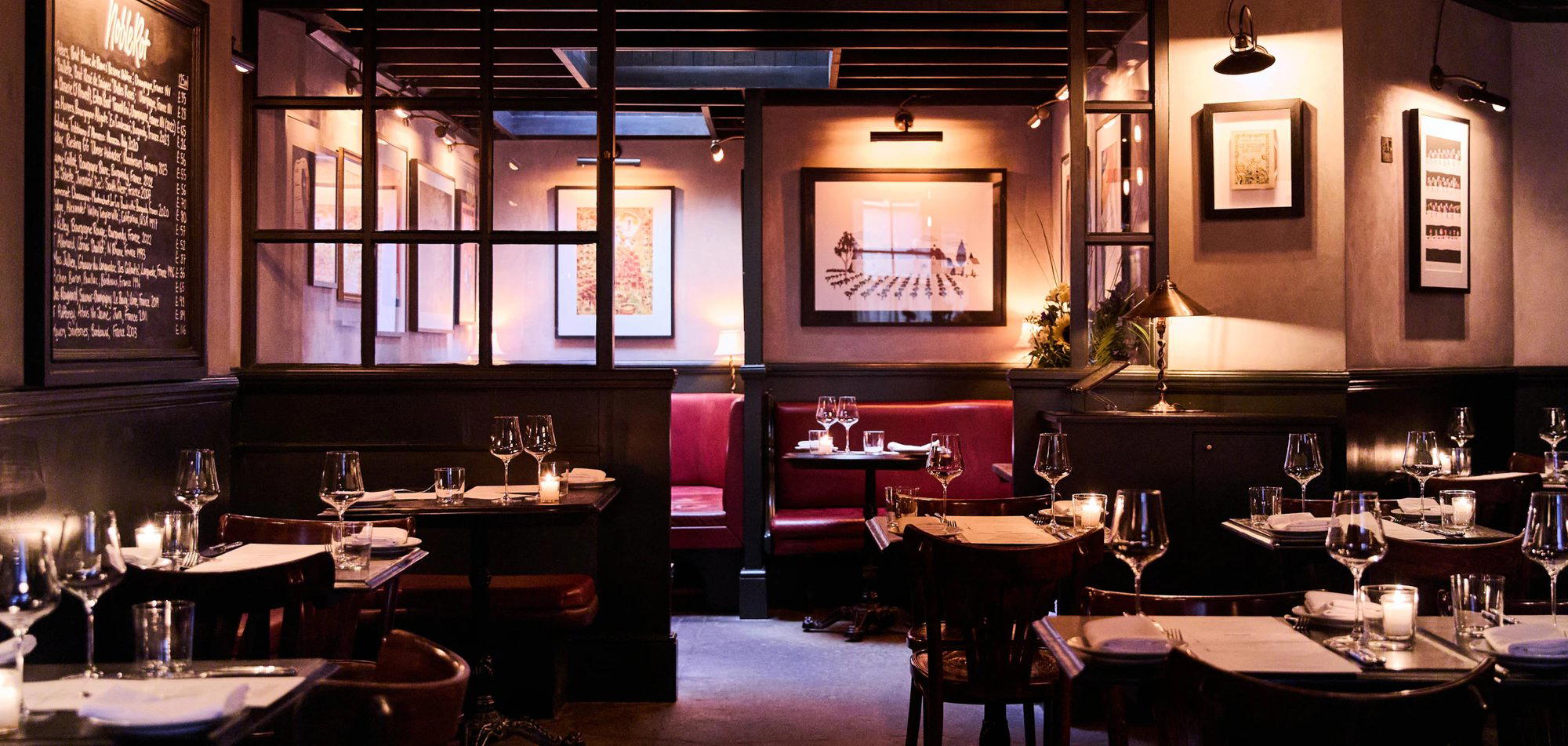
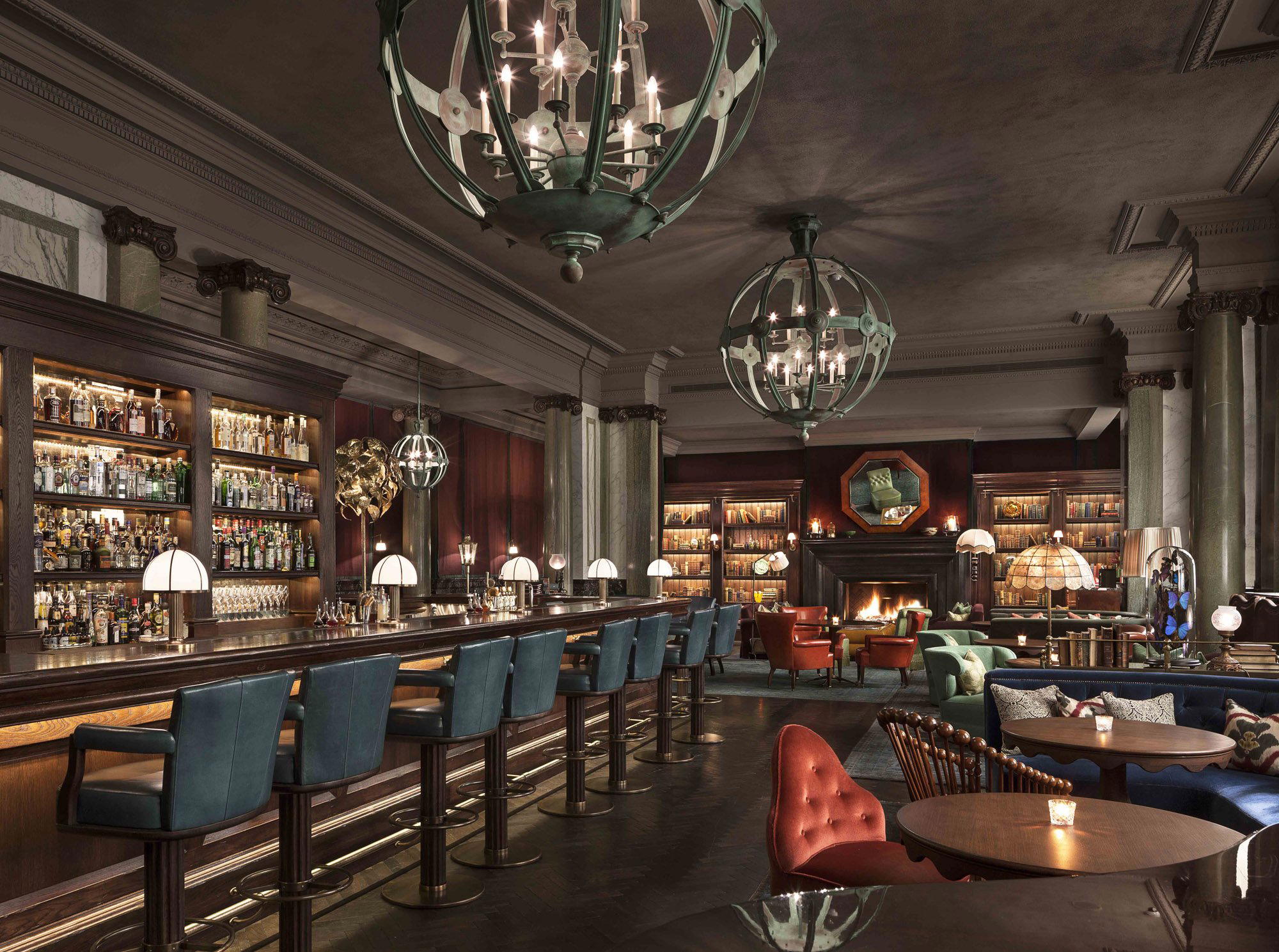
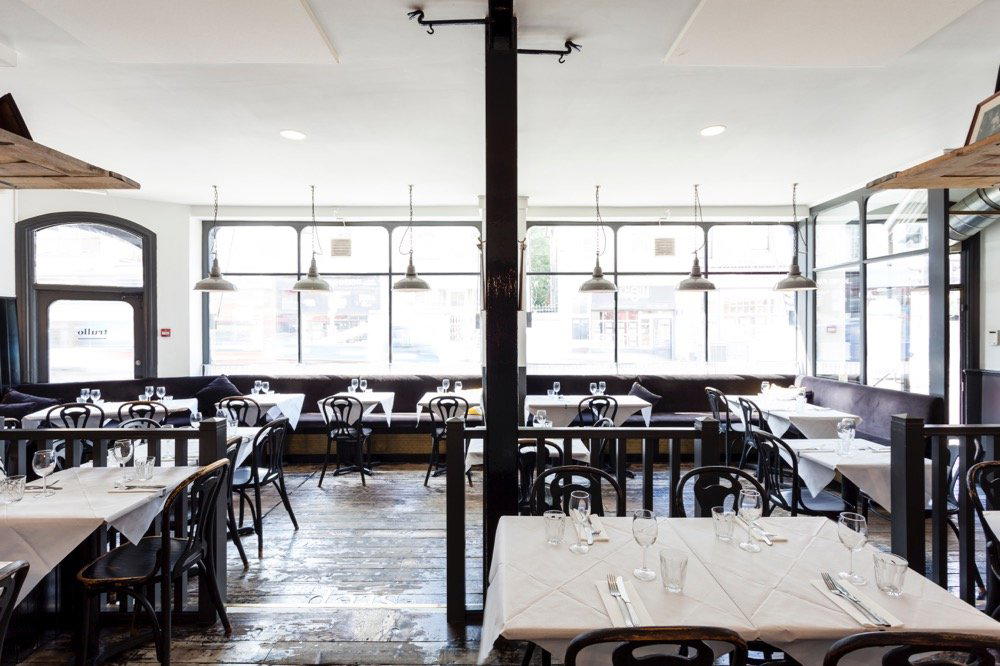
Grain Store operates below that formality ceiling, in a register that allows for a more relaxed physical environment without sacrificing kitchen ambition. The Granary Building's industrial shell, with its high ceilings and exposed brickwork, sets a tone that is deliberately not dressed-up fine dining. This is a deliberate format choice, not an absence of intention: the space communicates that the serious part of the operation is on the plate, not in the service choreography.
For readers comparing options across the UK rather than just London, the contrast with destination restaurants outside the capital is instructive. Properties like L'Enclume in Cartmel and Moor Hall in Aughton operate with extensive tasting formats in destination-driven settings. The Fat Duck in Bray represents a different mode entirely. Grain Store's urban à la carte format occupies a different category from all of these, closer in spirit to London neighbourhood dining than to the destination-restaurant model.
The Neighbourhood Context in 2024
Granary Square has matured into a reliable anchor for the broader King's Cross precinct. The opening of Coal Drops Yards in 2018 extended the viable dining and retail zone significantly, and the area now draws visitors in the evening rather than functioning solely as a daytime university and office district. This shift in evening footfall matters for a restaurant like Grain Store, which benefits from a neighbourhood that offers reasons to arrive before dinner and linger after.
The canal-side setting provides a physical quality that few central London restaurant addresses can match: genuine outdoor space with water proximity, at a remove from street traffic. In summer, this tips the location calculus meaningfully. The broader King's Cross area also connects efficiently to St Pancras and Euston, which makes it a practical first or last dinner stop for travellers arriving from or departing to continental Europe or the north of England, a detail worth noting for readers planning around the Eurostar or a northern UK itinerary that might include restaurants like Gidleigh Park in Chagford or hide and fox in Saltwood.
For visitors building a wider London itinerary, the EP Club guides to London hotels, London bars, London experiences, and London wineries provide context across the full range of options. Internationally, readers comparing vegetable-forward menu architecture across global fine dining may find it useful to look at how format decisions play out at very different price tiers, such as Le Bernardin in New York City or Atomix in New York City, both of which represent distinct approaches to menu structure at the top end of the market. Closer to home, Hand and Flowers in Marlow offers a different take on accessible-but-serious British dining outside the capital.
Planning Your Visit
| Factor | Grain Store | CORE by Clare Smyth | Dinner by Heston Blumenthal |
|---|---|---|---|
| Location | King's Cross, N1C | Notting Hill, W11 | Knightsbridge, SW1X |
| Format | À la carte, vegetable-led | Tasting menu | À la carte / tasting menu |
| Setting | Converted Victorian granary | Georgian townhouse | Mandarin Oriental hotel |
| Michelin recognition | Not listed in | 3 stars | 2 stars |
| Price tier | Mid-to-upper | ££££ | ££££ |
| Transport link | King's Cross St Pancras (5 min walk) | Notting Hill Gate | Knightsbridge |
Frequently asked questions
Is Grain Store okay with children?
King's Cross is a mixed-use neighbourhood with significant daytime and early-evening family traffic, and Grain Store's relaxed format in the Granary Building suits that demographic reasonably well. There are no white tablecloths or ceremony-heavy service conventions that would make younger diners feel out of place. Families visiting the area, which draws foot traffic from the nearby Coal Drops Yard precinct, tend to find the environment accommodating.
Is Grain Store formal or casual?
The Granary Building's retained industrial aesthetic sets the register firmly against white-tablecloth formality. Grain Store at Granary Square, N1C, operates in a smart-casual register: considered cooking within a relaxed physical space, without the dress-code signalling or extended ritual of a tasting-menu room. It sits closer in atmosphere to a neighbourhood restaurant than to a ceremony-driven dining destination.
How does Grain Store compare to other vegetable-forward restaurants in London?
Most plant-forward venues in London operate either at the fully plant-based end of the spectrum or as fine-dining tasting-menu rooms. Grain Store at Granary Square occupies a different position: vegetables lead the menu hierarchy without the format excluding meat entirely, and the price and service register sits below Michelin-recognition territory. That combination, within a regenerated post-industrial site that predates the current wave of vegetable-focused openings, gives the restaurant a distinct position in London's market.
What should I order at Grain Store?
The menu's structural logic places vegetables and grains at the top of the hierarchy rather than treating them as supporting elements around a protein. Ordering across those sections rather than defaulting to conventional protein-led choices reflects how the kitchen intends the menu to be read. Dishes built around grains and seasonal produce carry more of the kitchen's culinary argument than the meat or fish options, which appear further down the menu by design.
Side-by-Side Snapshot
| Venue | Cuisine | Price | Awards | Notes |
|---|---|---|---|---|
| Grain StoreThis venue (the venue you are viewing) | Vegetable-Centric Modern European | Not listed | Not listed | Not listed |
| The Ledbury | Modern British Fine Dining | $300–500 | 3 Michelin Stars · World's 50 Best #83 | Modern European, Modern Cuisine |
| Sketch, The Lecture Room and Library | Modern French Fine Dining | $200–300 | 3 Michelin Stars · World's 50 Best #18 | Modern French |
| CORE by Clare Smyth | Modern British Fine Dining | $150–200 | 3 Michelin Stars · World's 50 Best #97 | Modern British |
| Restaurant Gordon Ramsay | French Fine Dining | $200–300 | 3 Michelin Stars · World's 50 Best #13 | Contemporary European, French |
| Dinner by Heston Blumenthal | Historic British Fine Dining | $200–300 | 2 Michelin Stars · World's 50 Best #45 | Modern British, Traditional British |