Our verdict
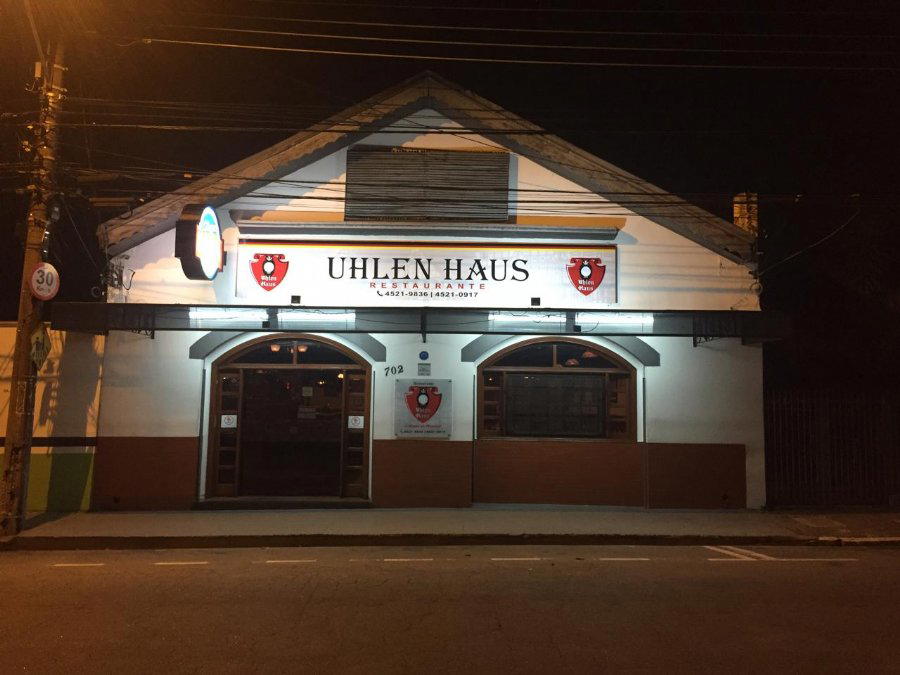
Uhlen Haus occupies a Centro address in Jundiaí, a city whose dining scene sits at an interesting crossroads between São Paulo's gravitational pull and its own emerging local identity. The restaurant signals a style of address where place, ingredient origin, and setting converge. For visitors building an itinerary beyond the capital, it earns a place on the shortlist.

Pearl is the En Primeur Club membership app — saves, bookings, and concierge access live there. Same editors, same standards.
- Address
- R. Mal. Deodoro da Fonseca, 702 - Centro, Jundiaí - SP, 13201-002, Brazil
- Phone
- +551145210917
- Hours
- Mon ClosedTue–Fri 6–10:30 PMSat 11 AM–3 PM, 6:30–10:30 PMSun 11 AM–3 PM
- Website
- alemaodamarechal.com.br
- Directions
- Get directions
A City Finding Its Table
Jundiaí sits roughly 60 kilometres northwest of São Paulo, close enough to absorb the capital's culinary ambitions but far enough to develop its own dining character. The city's restaurant scene has been quietly consolidating over the past decade, with a handful of addresses in the Centro and surrounding neighbourhoods beginning to attract diners who once drove past on their way to the interior. Uhlen Haus, on Rua Marechal Deodoro da Fonseca in the Centro, occupies a street address that places it at the heart of that shift. In Brazilian mid-sized cities, a central location still carries symbolic weight: it anchors a restaurant within the civic fabric rather than positioning it as a suburban destination requiring a car.
The broader pattern here mirrors what has happened in other Brazilian cities outside the São Paulo-Rio axis. Places like Bistro Fitz Carraldo in Manaus and Cantina Pozzobon in Santa Maria have demonstrated that serious, considered dining is no longer the exclusive territory of the major metropolitan centres. The ingredient sourcing conversation, in particular, has moved outward from São Paulo. Restaurants in cities with direct access to agricultural supply chains, as Jundiaí has through its proximity to the Serra da Cantareira and the Vale do Atibaia growing regions, are increasingly in a stronger position than urban addresses that must route everything through wholesale intermediaries.
Where the Food Comes From
The ingredient sourcing question is where Jundiaí's geography becomes genuinely interesting from a culinary standpoint. The city sits within one of the most productive horticultural belts in São Paulo state. Grapes, strawberries, stone fruits, and a range of vegetables move through local markets and direct-to-restaurant channels that larger São Paulo addresses cannot easily replicate at the same proximity. For a restaurant on a central Jundiaí street, the theoretical distance between farm and kitchen is measurably shorter than for comparable addresses in Paulista or Pinheiros.
This matters because ingredient sourcing has become the defining argument for regional restaurants across Brazil. At the high end of the national scene, the conversation around provenance has been shaped by restaurants like D.O.M. in São Paulo and Lasai in Rio de Janeiro, both of which built their reputations partly on the argument that Brazilian ingredients, sourced with specificity and treated with technique, could anchor menus of international standing. That argument has filtered down into the regional tier, where it now shapes expectations for what a serious restaurant outside the capitals should be doing. Uhlen Haus occupies a city where acting on that argument is logistically credible.
Jundiaí's dining scene is pluralistic in a way that reflects its immigrant heritage. Italian and German communities settled the region in the nineteenth century, and the food culture retains traces of that layering alongside contemporary Brazilian and Japanese influences. Camorra Restaurante represents one strand of the local offer, while Lisboa Culinária Portuguesa and Ryuji Sushi House reflect the broader diversity that characterises mid-sized São Paulo state cities. Uhlen Haus, with a name that carries Germanic register, sits within that layered context. In a city where Central European culinary traditions have been present for generations, that framing is a positioning choice as much as a naming one.
The Centro Address
Arriving on Rua Marechal Deodoro da Fonseca situates you in the commercial and civic core of Jundiaí. Centro addresses in Brazilian inland cities tend to carry a particular character: the streetscape is denser, more historically textured than the newer bairros, and the rhythm of the neighbourhood is tied to daytime commerce as much as evening dining. A restaurant that chooses to anchor itself here rather than in a purpose-built dining district or a suburban retail park is making a statement about its relationship to the city.
For visitors arriving from São Paulo by train or road, the Centro is also the most direct point of entry. The journey from Luz station in São Paulo takes roughly an hour by CPTM suburban rail, making Jundiaí a plausible half-day or full-day destination from the capital. That accessibility changes the calculus for a restaurant: it can draw from São Paulo's pool of experienced diners without positioning itself as a day-trip novelty. The analogy holds elsewhere in Brazil's interior, where cities within commuting range of a major centre have found that their restaurants develop more rapidly once that transit link is actively used by food-motivated visitors.
Reading the Room: What to Expect
Regional restaurants in this tier often do their most interesting work with seasonal produce that doesn't travel well, ingredients that don't appear on São Paulo menus because the volume isn't there for the wholesale system.
The comparison set is worth holding in mind. At the premium end of Brazilian regional dining, addresses like Casa da Picanha Penedo in Itatiaia and Arte e Café Imperial in Angra dos Reis demonstrate what happens when a regional kitchen commits to its local context fully. At the opposite end of the register, Famosa Pizza in Ribeirão Preto and Fornazzo Pizzaria in Passo Fundo show how a single, well-executed format can anchor a city dining identity. Uhlen Haus exists somewhere in that range, and the address alone suggests a restaurant that has chosen to be part of Jundiaí's civic dining life rather than standing apart from it. For a broader picture of what the city's restaurant scene currently offers, the full Jundiaí restaurants guide covers the range across formats and price points.
Internationally, the model of technically grounded regional kitchens drawing on hyper-local supply chains is well established. Le Bernardin in New York City and Atomix in New York City represent the apex of that argument in the American context, where sourcing provenance is embedded in the menu narrative. The Brazilian version of that conversation is still developing, but it is developing faster in cities like Jundiaí than the São Paulo media cycle tends to reflect.
Planning Your Visit
Uhlen Haus is located at Rua Marechal Deodoro da Fonseca, 702, Centro, Jundiaí, São Paulo state. For current hours, booking availability, and menu details, contacting the restaurant directly or checking locally aggregated platforms is the most reliable approach, as these details are subject to change. Visitors from São Paulo will find the CPTM Line 7-Ruby the most practical transit option, with Jundiaí station a short taxi or rideshare distance from the Centro address. Those driving should note that Centro parking in Jundiaí follows standard Brazilian municipal patterns, with paid surface and garage options within walking distance of the main commercial streets. For diners building a Jundiaí itinerary, pairing the visit with other Centro addresses gives a clearer picture of how the city's dining scene is positioning itself relative to its own history and geography, and relative to the broader interior São Paulo restaurant moment that has been quietly gathering momentum.
Frequently asked questions
What's the address for Uhlen Haus?
Uhlen Haus is located at R. Mal. Deodoro da Fonseca, 702 - Centro, Jundiaí - SP, 13201-002, Brazil, Jundiai.
Is Uhlen Haus a good option for a meal when visiting Jundiaí from São Paulo?
At roughly 60 kilometres from São Paulo, Jundiaí is a practical day-trip or stopover, and the Centro location on Rua Marechal Deodoro da Fonseca puts Uhlen Haus within the city's walkable civic core. For travellers already in Jundiaí, it represents one of the more address-specific dining options in a city whose food scene is still consolidating.
What's the must-try dish at Uhlen Haus?
The kitchen's specific menu has not been confirmed in publicly available detail, so pinning a single dish would be guesswork. What is clear is that Jundiaí's position within one of São Paulo state's most productive agricultural belts gives any serious kitchen here direct access to quality regional ingredients. Verify the current menu directly with the venue at its Centro address on Rua Marechal Deodoro da Fonseca.
How hard is it to get a table at Uhlen Haus?
For a Centro address in a city of Jundiaí's size, walk-in availability tends to vary sharply between weekday lunches and weekend evenings. check the venue's official channels at Rua Marechal Deodoro da Fonseca, 702 to confirm current availability.
What makes Uhlen Haus worth seeking out?
Jundiaí sits roughly 60 kilometres northwest of São Paulo, close enough to draw culinary ambition from the capital but operating outside the saturation of the São Paulo restaurant circuit. A Centro address on one of Jundiaí's main civic thoroughfares places Uhlen Haus in the commercial core rather than a tourist pocket, which in Brazilian inland cities typically signals a kitchen oriented toward a local, repeat clientele. That context alone distinguishes it from destination-driven venues built around visitor traffic.
Quick Comparison
Comparable venues nearby, for context on price, style, and recognition.
| Venue | Cuisine | Price | Awards | Notes |
|---|---|---|---|---|
| Uhlen HausThis venue — the venue you are viewing | German & International | Not listed | Not listed | Not listed |
| Camorra Restaurante | Brazilian Seafood Internacional | $20–30 | Not listed | Jd. Cica |
| Lisboa Culinária Portuguesa | Authentic Portuguese | Not listed | Not listed | Chácara Urbana |
| Ryuji Sushi House | Traditional Japanese Conveyor Belt Sushi Rodízio | $30–50 | Not listed | Vila Virginia |
| TAN TAN | Modern Japanese Chuka Noodle Bar | $20–30 | World's 50 Best #24 · Top 500 Bars Best Bars #19 | Pinheiros |
| Frevo | Brazilian Diner - Beirute Sandwiches | $10–20 | Not listed | Jardim Paulista |
Details
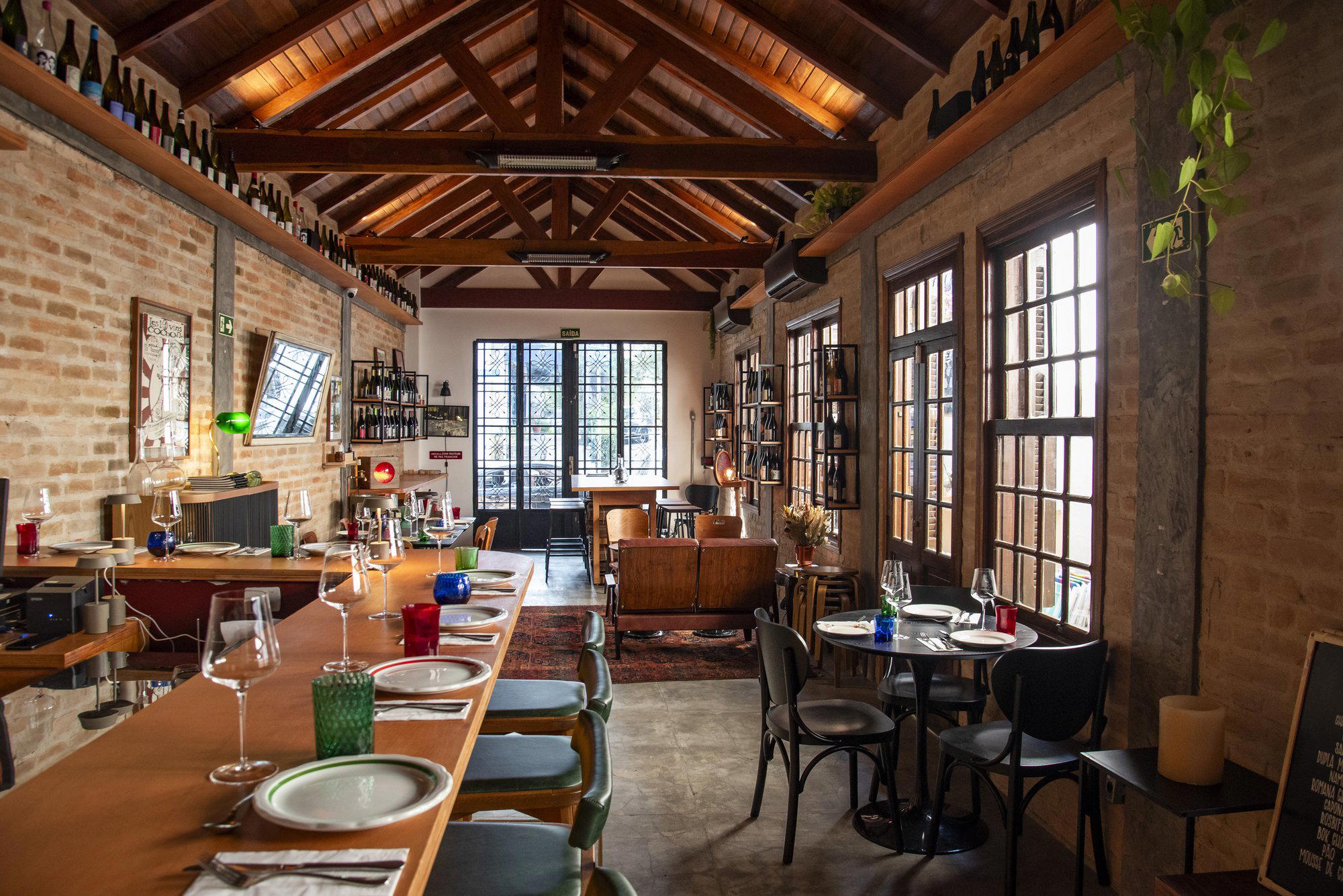
- Cozy
- Classic
- Family
- Casual Hangout
- Historic Building
- A La Carte
Current opening hours
- Monday
- Closed
- Tuesday
- 6–10:30 PM
- Wednesday
- 6–10:30 PM
- Thursday
- 6–10:30 PM
- Friday
- 6–10:30 PM
- Saturday
- 11 AM–3 PM, 6:30–10:30 PM
- Sunday
- 11 AM–3 PM
Hours can change for holidays and private events. Last verified .
Agradavel e aconchegante with comfortable seating.