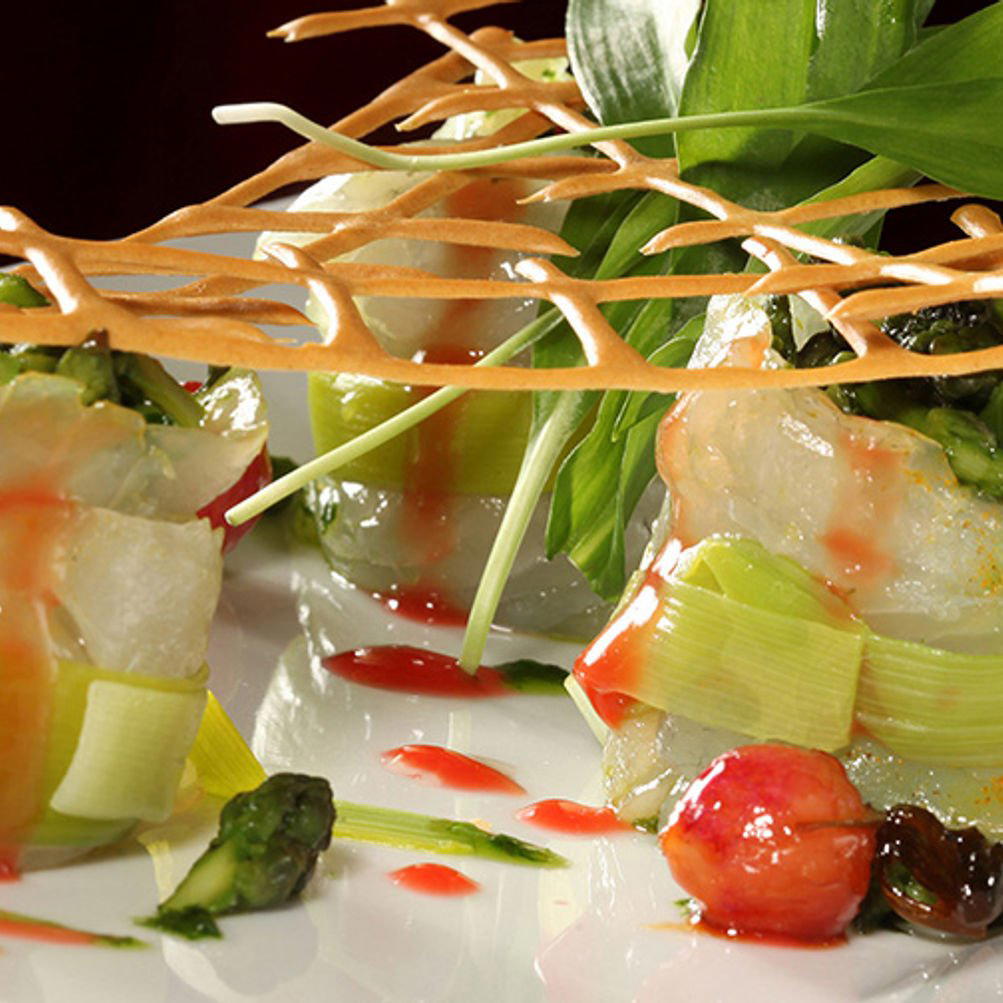
La Fontaine des Saveurs occupies a telling address on Belfort's Place de la Grande Fontaine, a square that has anchored the city's civic life for centuries. In a département where Alsatian larder traditions meet Franche-Comté dairy culture, the kitchen draws on one of France's most underleveraged ingredient corridors. For travellers moving between Strasbourg and the Alps, this is a considered stop rather than a default one.
Pearl is the En Primeur Club membership app — saves, bookings, and concierge access live there. Same editors, same standards.
- Address
- Pl. de la Grande Fontaine, 90000 Belfort, France
- Phone
- +33384224538
- Website
- lafontainedessaveurs.fr
- Directions
- Get directions
 Saves & bookings on Pearl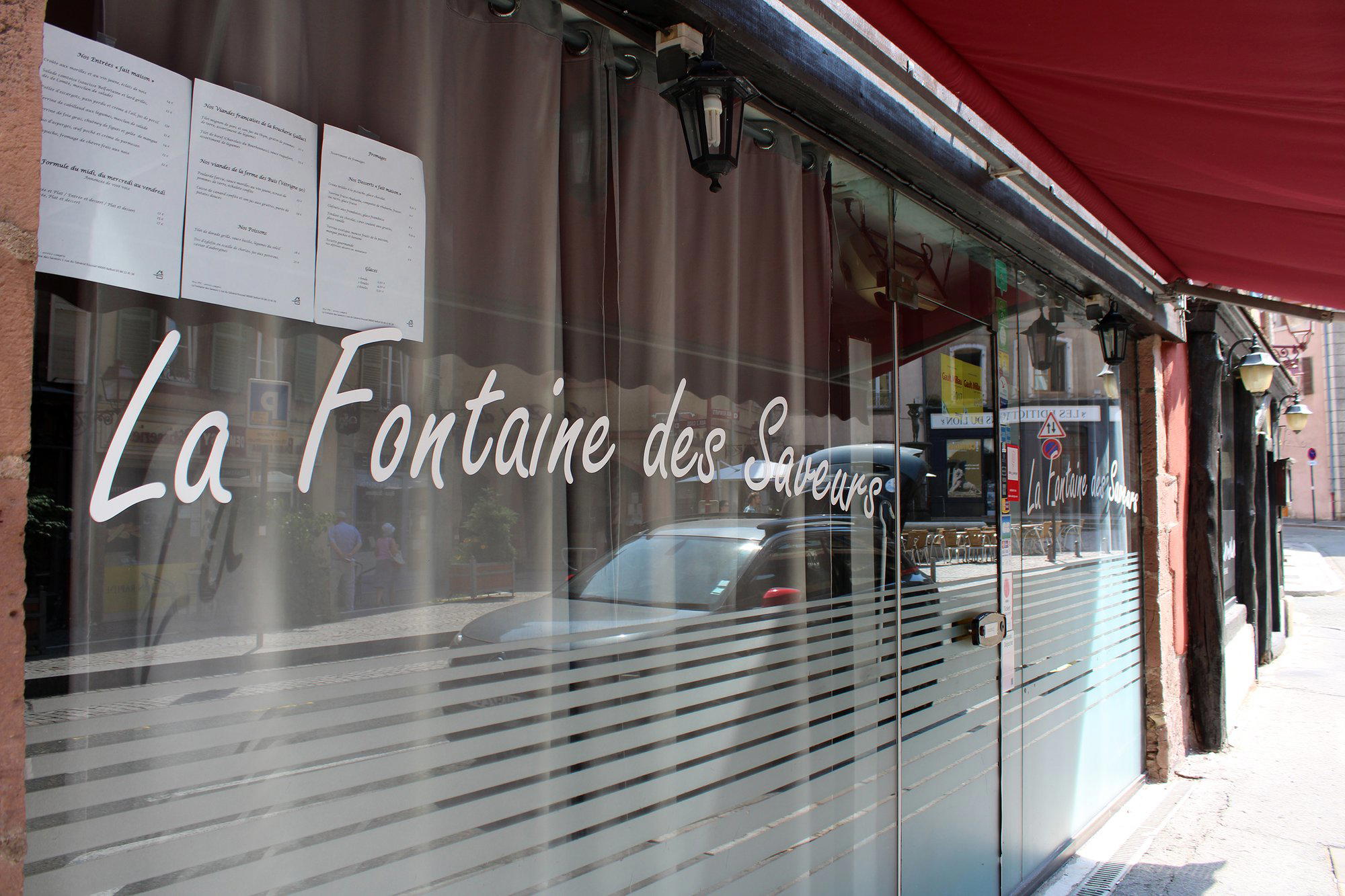
A Square, a Source, a Kitchen
Place de la Grande Fontaine sits at the older, quieter end of Belfort's centre, away from the Vauban fortifications that most visitors photograph and leave. The square's name is not decorative: a working fountain has marked this spot since the city's medieval period, and the address carries that civic weight. La Fontaine des Saveurs takes its name directly from the square, a choice that positions the restaurant inside local geography rather than outside it, gesturing toward the kind of rootedness that restaurants in larger French cities often perform but rarely achieve.
Belfort itself occupies an unusual cartographic position. The Territoire de Belfort is France's smallest département, a sliver of land that survived the 1871 annexation of Alsace-Lorraine precisely because its garrison held out against the Prussian siege. That historical separateness has a culinary parallel: the city sits at the junction of three distinct food cultures. Alsace's choucroute and riesling traditions press in from the north and east. Franche-Comté's dairy heritage, Comté cheese, Morbier, Morteau sausage, arrives from the south and west. Burgundy's wine and mustard logic influences the broader region. Few kitchens in France sit at such a compressed intersection of larder traditions, which makes the sourcing question here more interesting than it would be almost anywhere else.
The Ingredient Geography of the Territoire
The editorial angle most worth applying to any Belfort restaurant is provenance, because the surrounding region answers the sourcing question unusually well. Within a forty-kilometre radius, a kitchen can draw on Comté aged at Marcel Petite's Fort Saint-Antoine, smoked meats from Montbéliard's charcuterie traditions, trout from the Doubs and Loue rivers, and Alsatian wines crossing the border at Mulhouse. The Vosges to the north offer foraged mushrooms in autumn; the Jura plateau to the south begins producing vin jaune and morilles as spring arrives.
This is not a region that requires long supply chains to build a serious menu. The pressure on any kitchen here is curatorial rather than logistical: which traditions to foreground, which to let recede, and how to avoid the trap of treating Franche-Comté's larder as a checklist of regional clichés. The better restaurants in this corridor, and there are not many operating at serious level, tend to treat Comté not as a garnish but as a structural ingredient, and to treat Alsatian wines as a primary pairing language rather than a neighbouring curiosity. For comparable approaches to ingredient-driven French cooking, Bras in Laguiole and Flocons de Sel in Megève represent how mountain-adjacent kitchens can build menus around a single terroir with discipline and precision.
Belfort in the Wider French Dining Map
Belfort does not appear on the itinerary of most serious French dining travellers. The city has no Michelin-starred address, placing it in a different tier from the Alsatian corridor anchored by Auberge de l'Ill in Illhaeusern or the high-recognition tables of eastern France such as Au Crocodile in Strasbourg. That absence from the award infrastructure cuts both ways. It means fewer tourists arriving with a checklist, and it means local restaurants operate against a standard set by residents rather than by international food media.
The restaurants that work in this kind of city tend to share certain characteristics: menus that change with the agricultural calendar rather than with trend cycles, wine lists that treat Alsace and Jura as first choices rather than alternatives to Burgundy or Bordeaux, and pricing that reflects local economic reality rather than destination-dining premiums. For travellers who spend most of their French dining budget at tables like Alléno Paris au Pavillon Ledoyen or Mirazur in Menton, a detour through Belfort offers a recalibration: what French cooking looks like when it is made for a community rather than for an audience.
Within Belfort itself, the restaurant sits alongside a small number of alternatives. Au Caveau Belfort anchors the more traditional end of the local dining spectrum, while Le Lien represents the city's move toward modern cuisine formats. La Fontaine des Saveurs occupies a position between those poles, shaped by its address on a square with genuine civic resonance rather than by a particular culinary manifesto.
Seasonal Logic and the Jura-Alsace Corridor
One productive time to eat in this part of France follows the agricultural calendar closely. Autumn brings the Vosges mushroom harvest, when ceps and girolles appear across menus in the region and Alsatian pinot gris reaches its most complex expression. Spring in the Jura corridor means asparagus from the Rhine plain and the first morilles emerging in the forests above Pontarlier. Comté in its longer-aged formats, eighteen months and beyond, is available year-round but reaches its most interesting state when cellars release older wheels in autumn and winter.
Timing a visit to Belfort around those windows gives the ingredient sourcing argument its strongest evidence. A kitchen drawing seriously on the surrounding larder will look different in October than in June, and that seasonal variance is part of what distinguishes regionally grounded cooking from menus that perform locality without actually practicing it. For comparable seasonal discipline in regions further afield, Troisgros in Ouches and Georges Blanc in Vonnas demonstrate how long-established French kitchens manage the tension between signature identity and seasonal change.
Planning a Visit
Belfort sits on the TGV line connecting Paris-Est to Mulhouse and Basel, with journey times from Paris running under two and a half hours on direct services. The Place de la Grande Fontaine is walkable from the city centre and from the main rail station, making La Fontaine des Saveurs accessible without a car, which matters in a city where much of the interesting dining is concentrated in a compact historic core. The restaurant recommends reservations, and its regular hours are Monday closed; Tuesday 7 to 10 PM; Wednesday 12 to 2 PM and 7 to 10 PM; Thursday 12 to 2:30 PM and 7 to 10 PM; Friday and Saturday 12 to 2 PM and 7 to 10 PM; Sunday 12 to 2 PM. Given the square's prominence and the restaurant's address-level visibility, walk-in enquiries are a realistic option for visitors already in the city.
For travellers building a broader eastern France itinerary, Belfort works as a logical midpoint between the Alsatian table at Auberge de l'Ill and the Jura-influenced kitchens further south. Those interested in comparing ingredient-forward approaches across French regions can extend the comparison to Assiette Champenoise in Reims to the northwest or Auberge du Vieux Puits in Fontjoncouse in the south.
Comparable Spots, Quickly
Comparable venues nearby, for context on price, style, and recognition.
| Venue | Cuisine | Price | Awards | Notes |
|---|---|---|---|---|
| La Fontaine des SaveursThis venue — the venue you are viewing | Classic French Gastronomy | $$$ | Not listed | Not listed |
| Le Lien | Modern French Bistro | $$ | Michelin Plate | Faubourg de Montbéliard |
| Au Caveau Belfort | Traditional Alsatian Brasserie | $$ | Not listed | Grande Rue, Belfort |
| L'Assiette du Coq à l'Âne | Traditional Vosges Regional French | $$$ | Not listed | Place du Tilleul |
| Les Jardins de Sophie | French Regional Fine Dining | $$$ | Not listed | Xonrupt-Longemer |
| Momento | Modern French-Mexican Fusion | $$$ | Not listed | Bué |
Continue exploring
More in Belfort
Restaurants in Belfort
Browse all →
Bars in Belfort
Browse all →
Hotels in Belfort
Browse all →

At a Glance
- Classic
- Cozy
- Intimate
- Elegant
- Date Night
- Business Dinner
- Celebration
- Special Occasion
- Historic Building
- Standalone
- Extensive Wine List
- Local Sourcing
- Farm To Table
Current opening hours
- Monday
- Closed
- Tuesday
- 7–10 PM
- Wednesday
- 12–2 PM, 7–10 PM
- Thursday
- 12–2:30 PM, 7–10 PM
- Friday
- 12–2 PM, 7–10 PM
- Saturday
- 12–2 PM, 7–10 PM
- Sunday
- 12–2 PM
Hours can change for holidays and private events. Last verified .
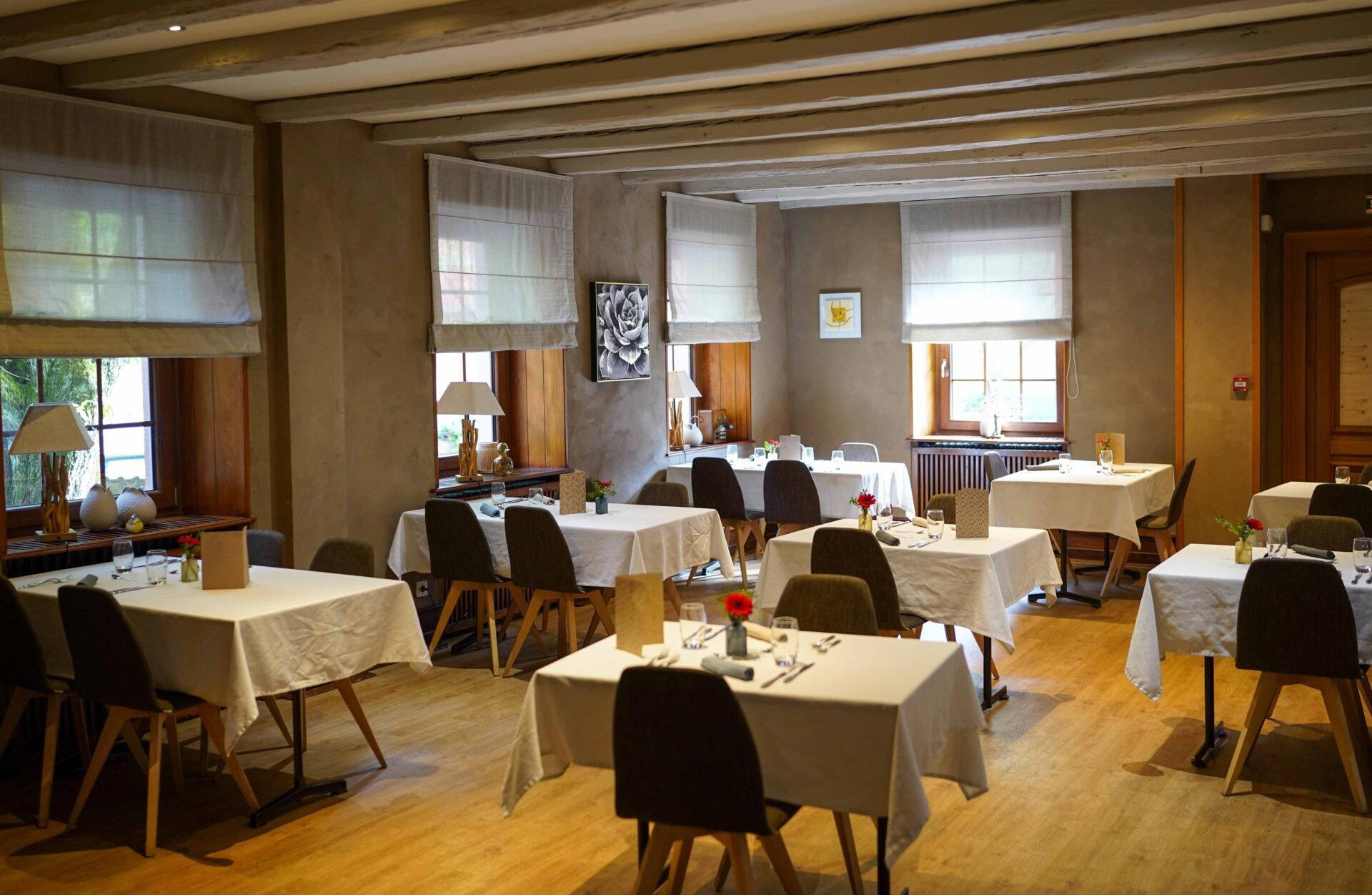
Pleasant and charming with simple, convivial décor in a small dining space; warm and welcoming service throughout the year.