Lillie's Q
Lillie's Q on Chicago's Ashland Avenue operates in the American barbecue tradition, drawing on Southern regional techniques within a city whose dining scene ranges from Michelin-starred fine dining to serious neighbourhood cooking. For visitors mapping Chicago's broader food character, it represents the casual end of a spectrum that runs from smoke pits to tasting menus, and holds its own place in the West Town conversation.
Pearl is the En Primeur Club membership app — saves, bookings, and concierge access live there. Same editors, same standards.
- Address
- 417 N Ashland Ave, Chicago, IL 60622
- Phone
- +17732951270
- Website
- lilliesq.com
- Directions
- Get directions
 Saves & bookings on Pearl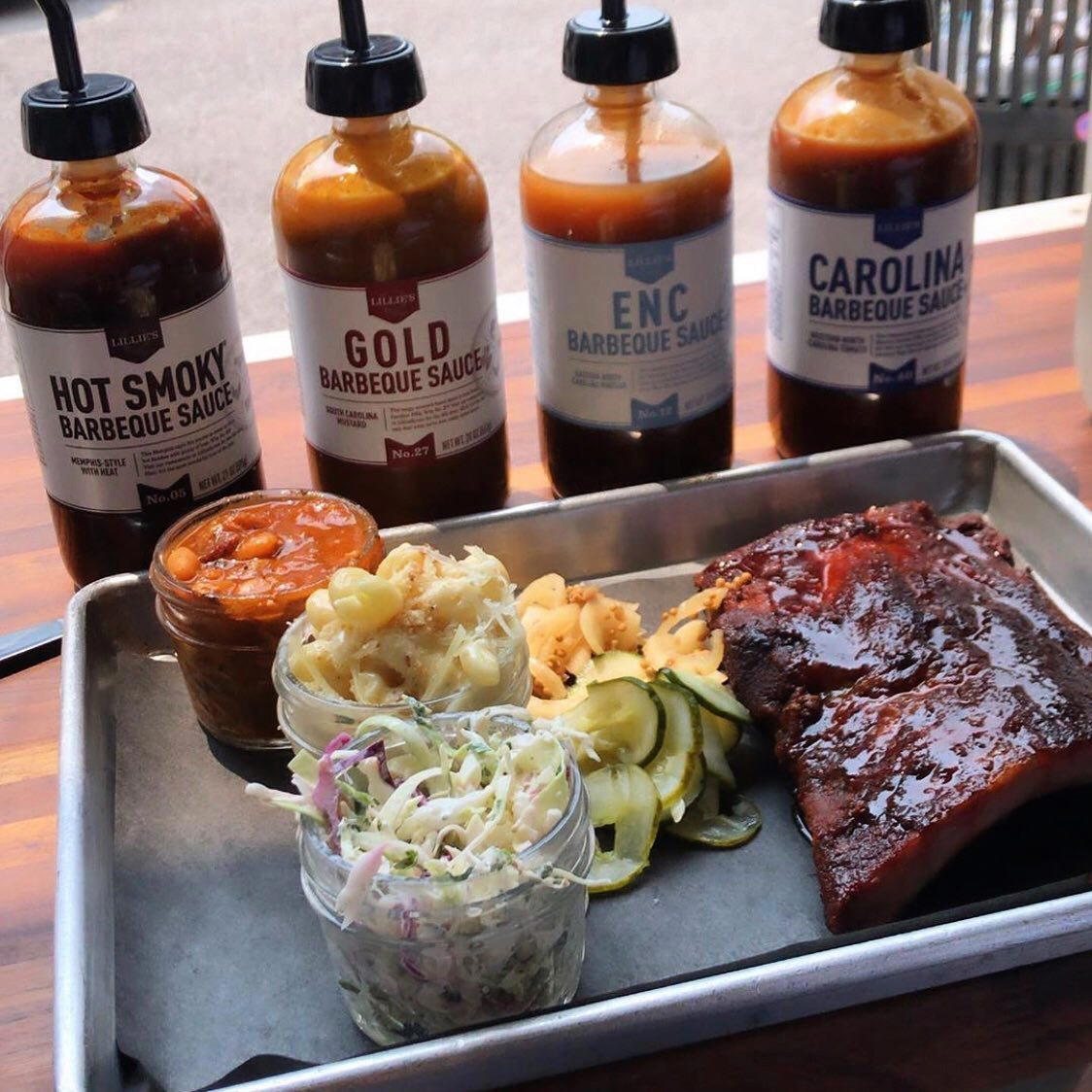
Smoke, Slow Heat, and the West Town Address
Lillie's Q is a Chicago restaurant serving Southern BBQ at 417 N Ashland Ave in West Town, with a casual dress code and a walk-in-friendly policy. The stretch of North Ashland Avenue where Lillie's Q operates sits within that broader pattern: a strip where casual and specialist coexist without either category feeling like an afterthought. In a city whose restaurant identity is often filtered through its fine-dining ceiling, the likes of Alinea, Smyth, and Oriole, the barbecue tier occupies a different but equally argued-over position.
American barbecue is a format in which regional identity functions almost like an appellation system. The distinctions between Texas brisket, Carolina pulled pork, Memphis dry rub, and Kansas City sauce-forward cooking are genuinely different culinary traditions, not marketing categories. Chicago sits outside the traditional barbecue belt, which gives a restaurant like Lillie's Q an interesting structural position: it is operating a regional cuisine without the regional terroir, in a city where the audience has enough frame of reference to notice the difference between convincing execution and approximation.
The Room and What It Signals
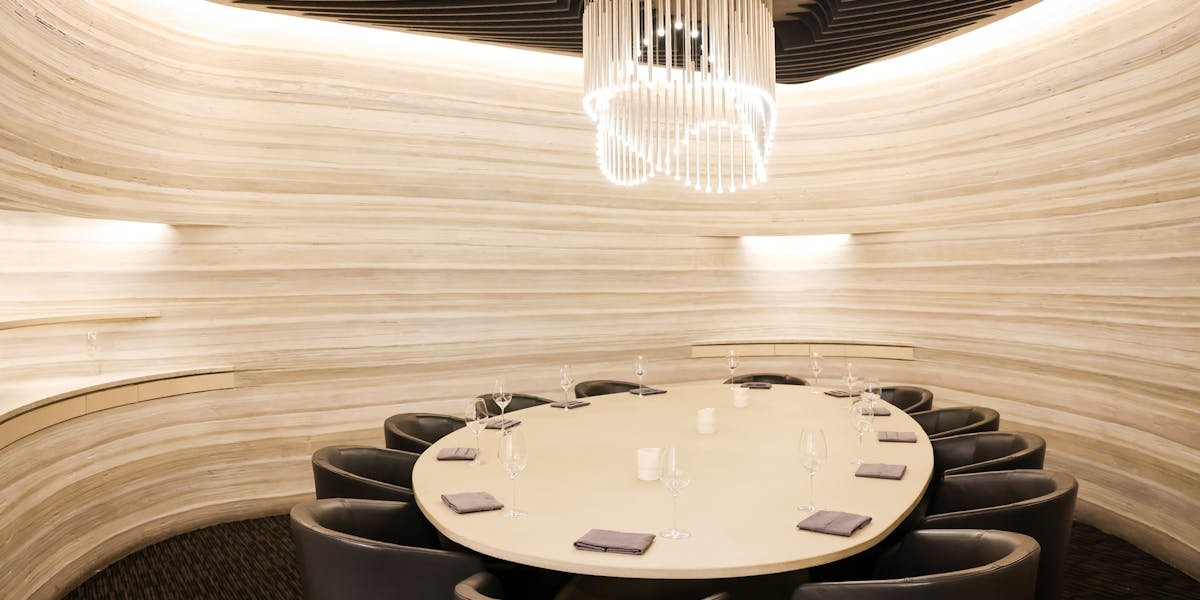
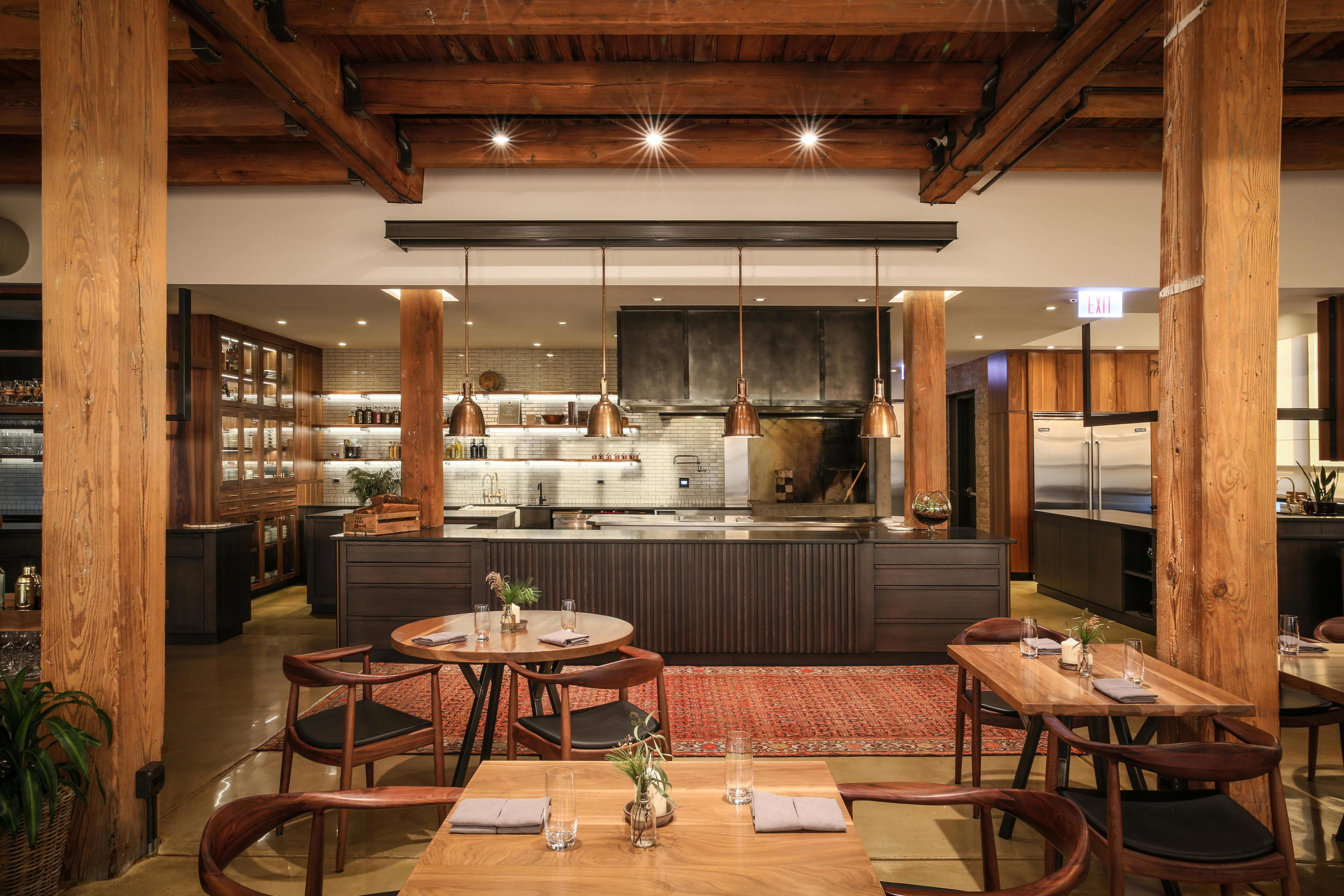
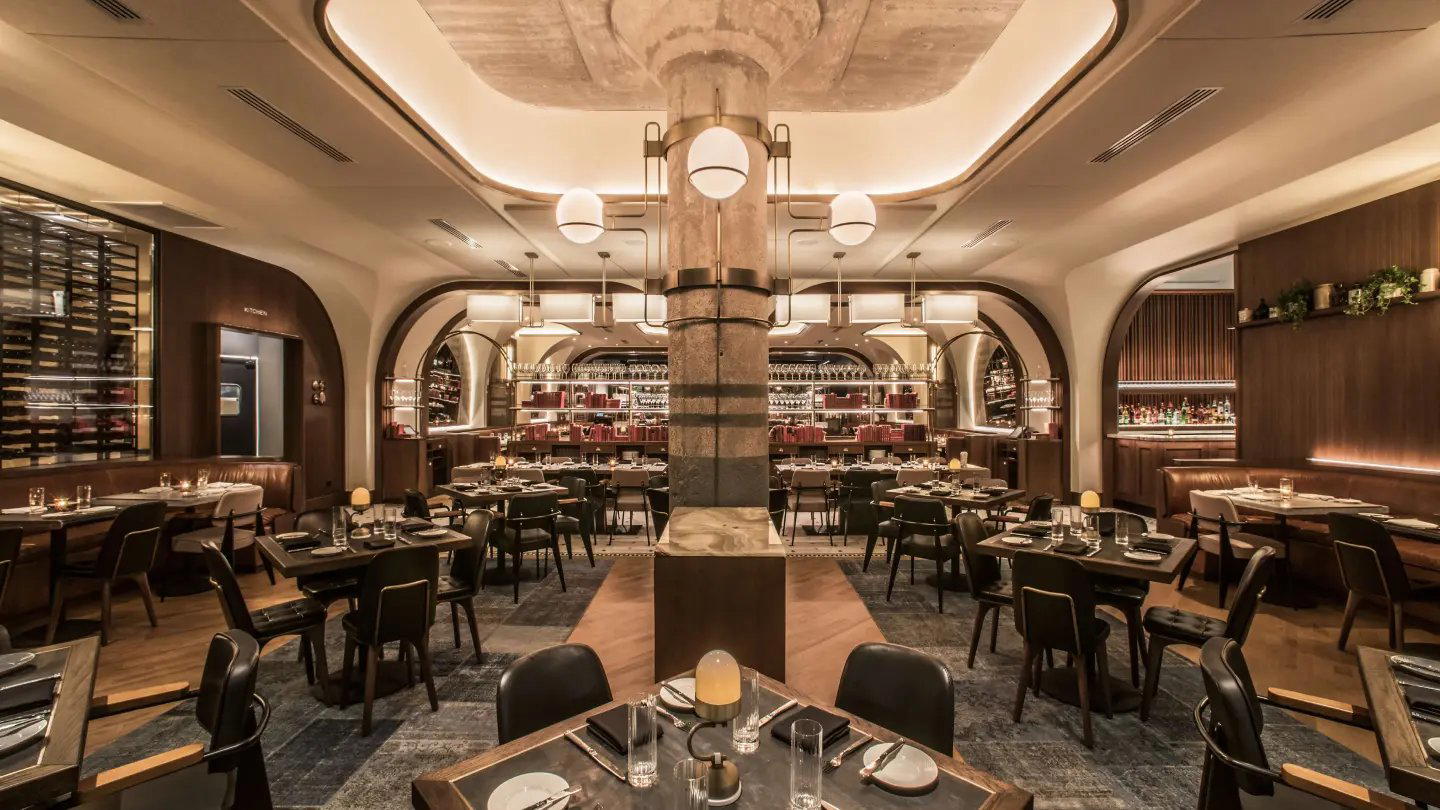
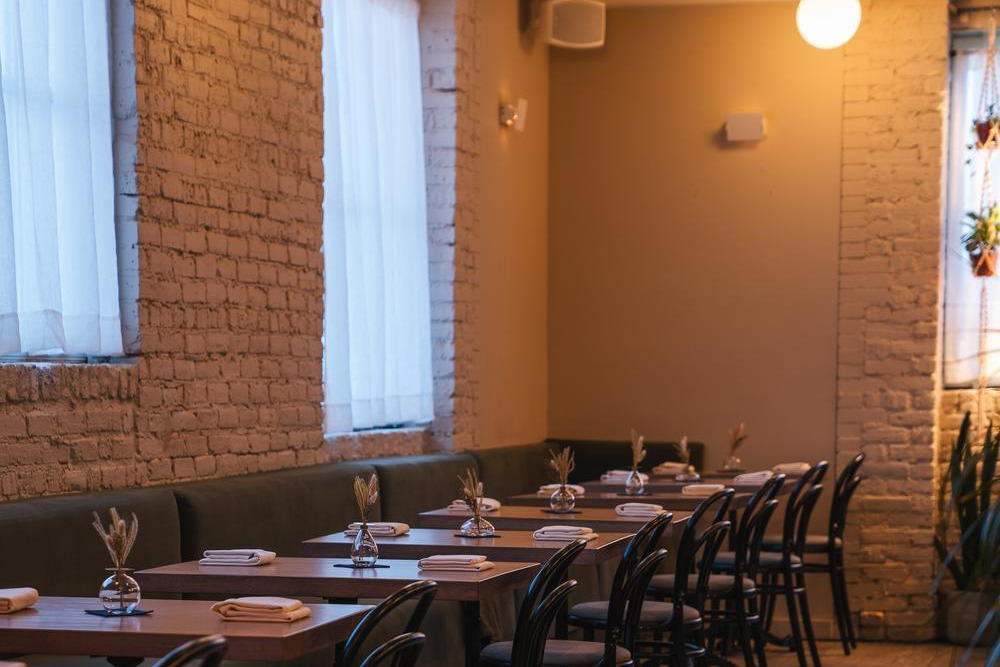
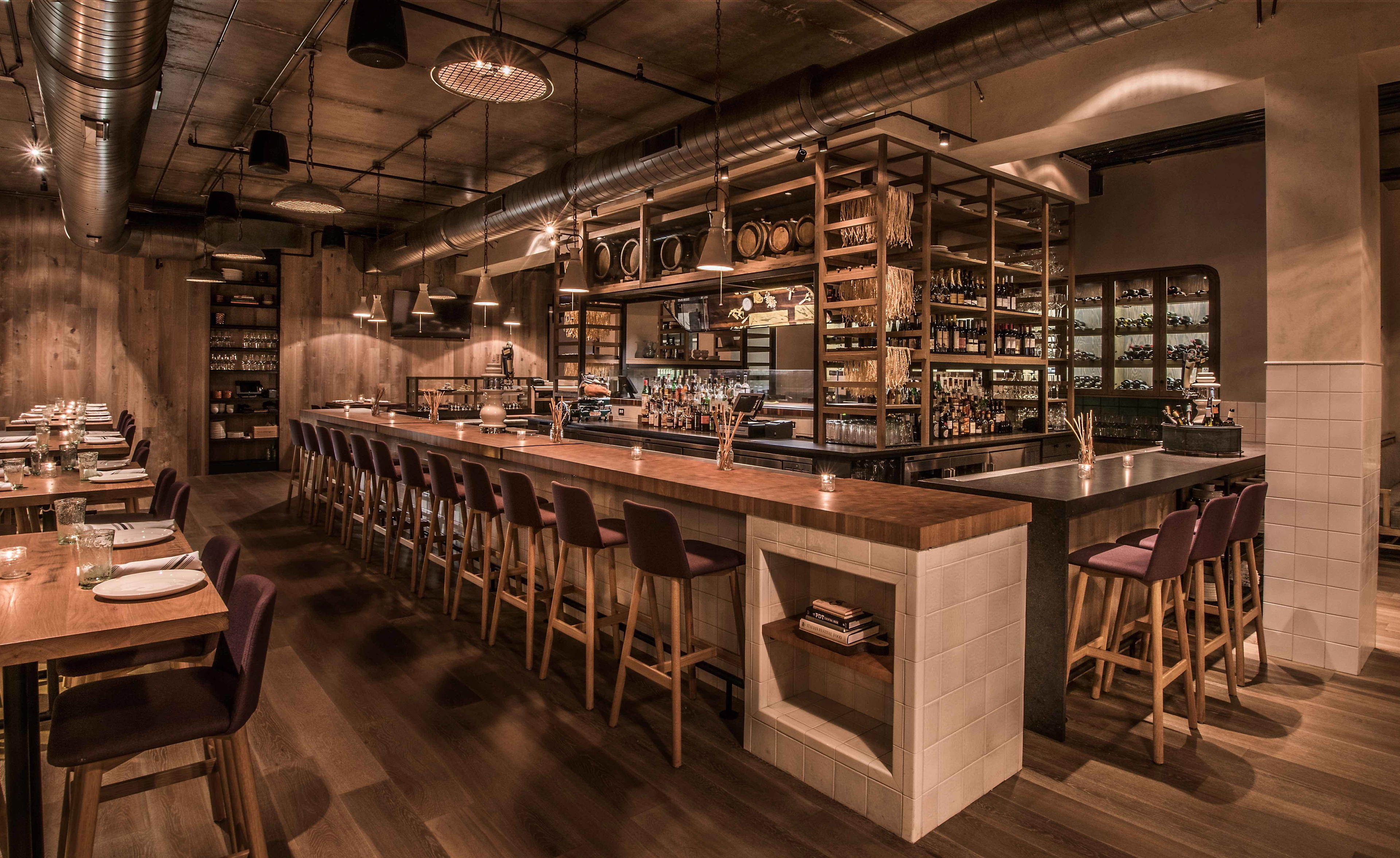
The address at 417 N Ashland Ave places the restaurant in a part of Chicago where the built environment still carries some of its industrial past. The physical approach to a serious barbecue operation typically signals intent before you reach the menu: the presence or absence of a smoker visible from the street, the exhaust from the kitchen, the layout of the dining room. Barbecue restaurants that take their process seriously tend to organise around the pit rather than around the bar or the host stand. The room, in that tradition, is secondary to the production infrastructure behind it.
This is a useful distinction to make when comparing the American barbecue format to the kind of chef-driven tasting menu culture found at Next Restaurant or Kasama elsewhere in Chicago. The two modes have entirely different economies of attention: one centres on the diner's minute-by-minute experience at the table, choreographed across many courses; the other centres on hours of cooking that precede service, with the front-of-house role being to translate that process clearly rather than to stage it theatrically.
The Team Dynamic in a Barbecue Context
The editorial angle of team collaboration reads differently in a barbecue operation than it does in a Michelin-starred kitchen. At the fine-dining tier, think the orchestrated service culture of places like Le Bernardin in New York City, The French Laundry in Napa, or The Inn at Little Washington, the collaboration between chef, sommelier, and front-of-house is formalised into a choreography with visible beats. At a barbecue counter, the team dynamic operates more laterally: the pitmaster's work shapes everything the server can truthfully say about the food, and the front-of-house role becomes one of honest translation rather than theatrical presentation.
At the restaurant, this plays out in the specific way a barbecue-focused team has to communicate timing and availability. Barbecue is a format where the product is genuinely finite, when the brisket runs out at the end of service, it runs out, because that batch took twelve or more hours to produce and cannot be replicated at speed. A team that handles this well gives guests a realistic account of what's available and when to arrive to secure the day's full range. In American barbecue culture more broadly, the early-arriving diner is advantaged, and the front-of-house staff at the leading operations communicate that reality without embarrassment.
Chicago Barbecue in Its American Context
Placing a Chicago barbecue operation in its wider American frame is worth doing, because the comparison set is competitive. The American South and Southwest have a barbecue culture that is deeply embedded in local agricultural history, wood-sourcing traditions, and regional sauce conventions. A Chicago restaurant engaging with those traditions is, in a sense, working from a secondary position relative to institutions in their home regions, in the same way that a great steakhouse in Tokyo is working from a secondary position relative to a prime-aged operation in Chicago itself.
That secondary position is not a disqualification; it is a context. Particularly technically accomplished barbecue in the United States exists outside the traditional belt, because cooks outside those regions have to work harder to justify their claim on the form. The comparison is instructive across American food formats: Lazy Bear in San Francisco operates in the live-fire, communal cooking tradition that overlaps with American barbecue culture's emphasis on smoke and gathering, even if it operates at a different price point and formality level. Blue Hill at Stone Barns demonstrates how seriously American kitchens can engage with agricultural sourcing, a concern that the leading barbecue operations share in their wood and protein sourcing. The thread connecting these different formats is seriousness about process, expressed at different price points and scales.
Other American regional specialists worth mapping alongside the restaurant include Emeril's in New Orleans for the Southern food tradition in a different register, Bacchanalia in Atlanta for regional Southern cooking at fine-dining scale, and Providence in Los Angeles for a sense of how American regional ingredients can be treated at the other end of the formality spectrum. Addison in San Diego and Atomix in New York City round out the picture of how seriously American cities are engaging with food as a form of cultural argument, which is, at its core, what serious barbecue is also doing, just at lower table heights and with more paper towels. Single Thread Farm in Healdsburg offers a different model of the farm-to-table sourcing discipline that good barbecue operations share in their wood and protein procurement. For a reference point outside the American frame entirely, 8 1/2 Otto e Mezzo Bombana in Hong Kong demonstrates how transplanted culinary traditions can achieve full seriousness in a non-native city, a dynamic directly relevant to Chicago barbecue's own positioning question.
Planning a Visit
The restaurant is located at 417 N Ashland Ave in Chicago's West Town neighbourhood. For visitors building a wider Chicago dining itinerary,
Cost Snapshot
Comparable venues nearby, for context on price, style, and recognition.
| Venue | Cuisine | Price | Notes |
|---|---|---|---|
| Lillie's QThis venue — the venue you are viewing | West Town, Southern BBQ | $$ | Not listed |
| DJ's Great Room | Not listed | $$ | River North, Polished American Comfort Food |
| Andy's Jazz Club | River North, American Jazz Club Fare | $$ | Not listed |
| Doc B's Restaurant (River North) | Not listed | $$ | River North, Contemporary American Comfort Food |
| Windy City Sweets | Not listed | $$ | Lake View East, Gourmet Candy & Handmade Chocolates |

At a Glance
- Lively
- Rustic
- Casual
- Group Dining
- Casual Hangout
- After Work
- Open Kitchen
- Beer Program
- Craft Cocktails
Current opening hours
- Monday
- Closed
- Tuesday
- 3–9 PM
- Wednesday
- 3–9 PM
- Thursday
- 3–9 PM
- Friday
- 12–11 PM
- Saturday
- 12–11 PM
- Sunday
- 12–8 PM
Hours can change for holidays and private events. Last verified .
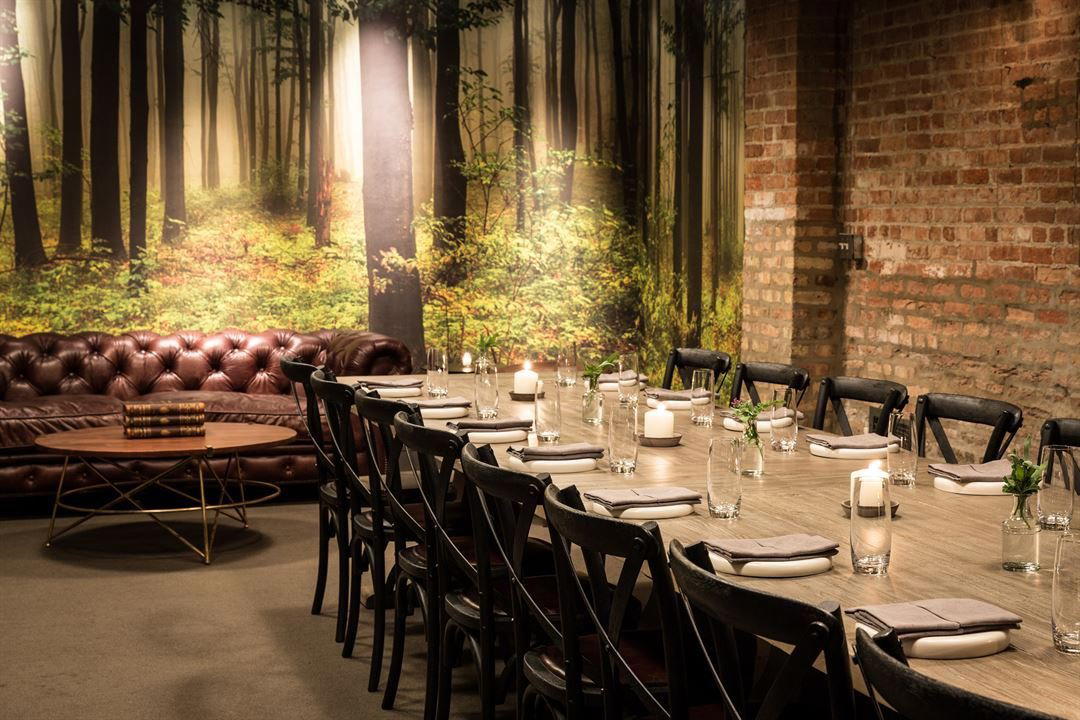
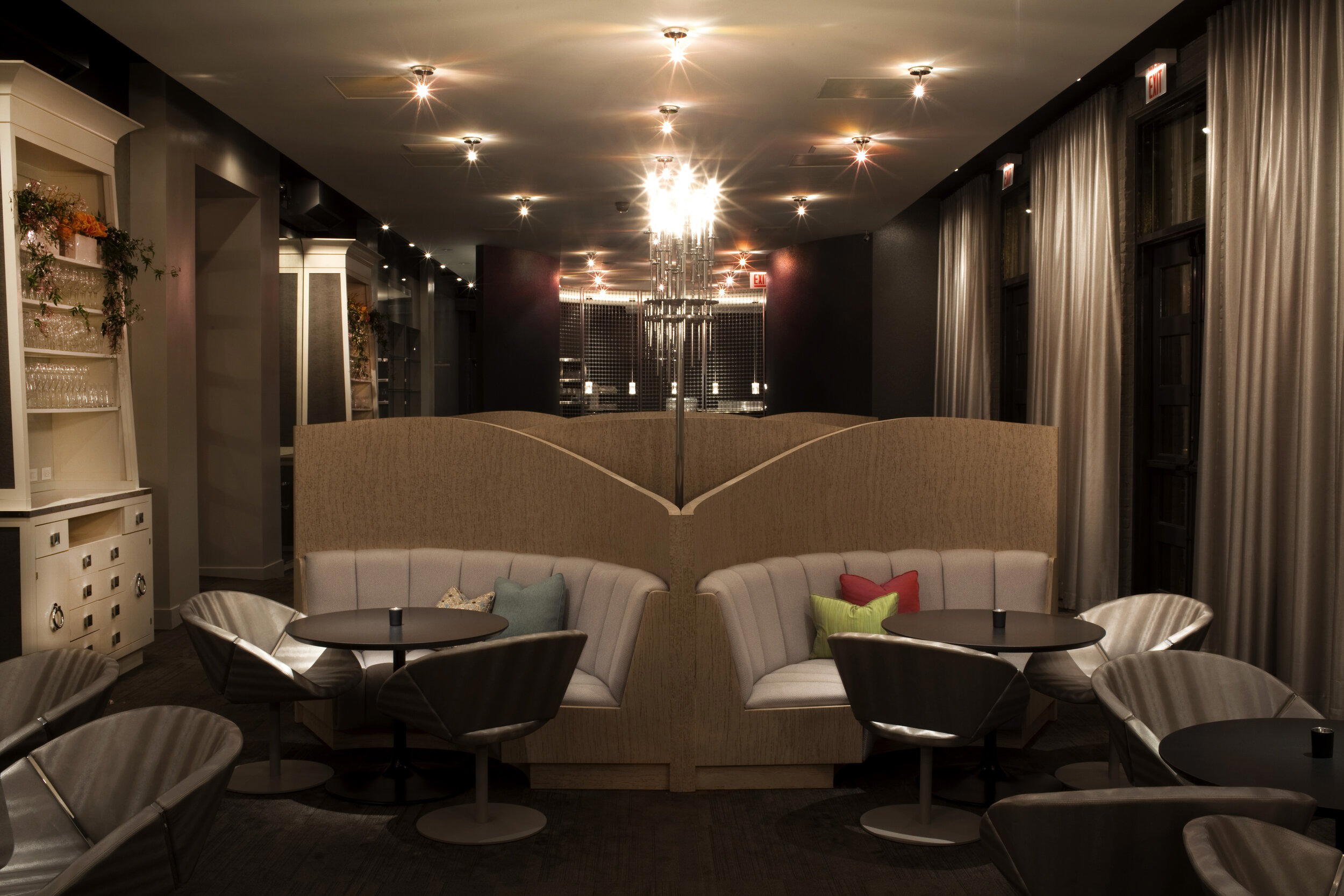
Casual and lively atmosphere in a brewpub setting with good beer pairings, shareable snacks, and a spacious patio for relaxed dining.