"Liberty Village Market & Cafe, Liberty Village by NUFF. At first glance an unassuming corner shop, this spot packs a solid culinary punch. With soups and stews to get you through the colder months, a Subway-style sandwich and wrap bar, and a full arsenal of hot and cold meals and beverages, you'll want to beat the rush hour crowd to this place. Oh, and bring an extra buck for avocado."
 Discover on Pearl
Pearl is the En Primeur Club membership app — saves, bookings, and concierge access live there. Same editors, same standards.
- Address
- 65 Jefferson Ave, Toronto, ON M6K 1X8, Canada
- Phone
- +1 416 530 0477
- Website
- ubereats.com
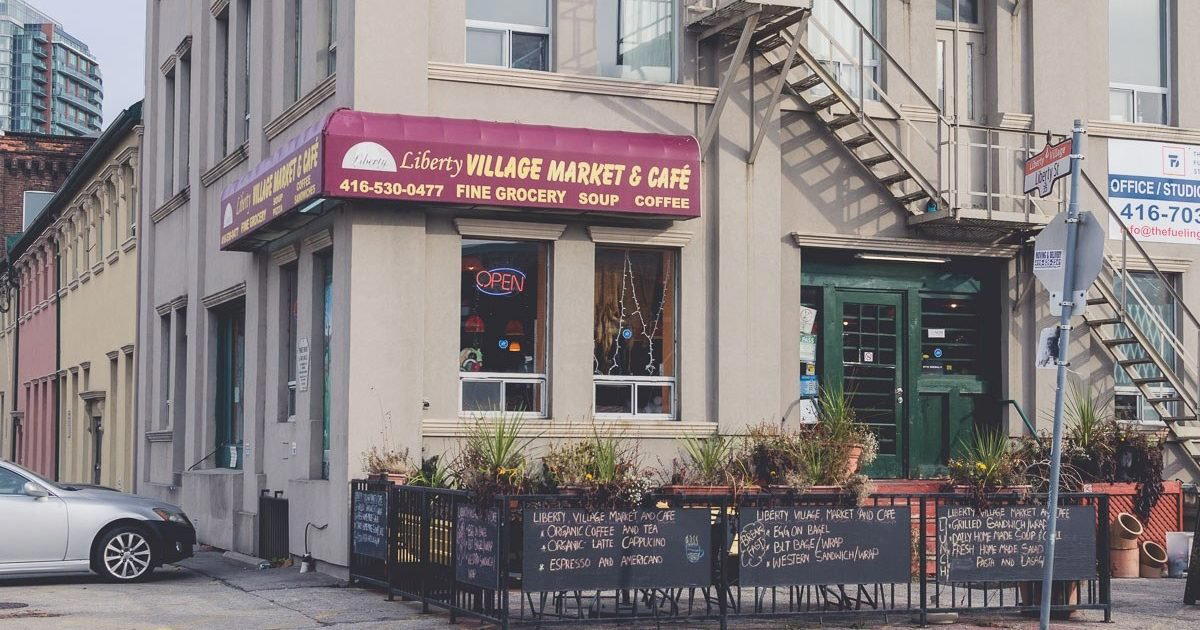
A Market Format in a Post-Industrial Frame
Jefferson Avenue in Liberty Village carries the visual grammar common to Toronto's former industrial belt: red brick, heavy timber, loading-dock proportions. The neighbourhood converted from factory use across the late 1990s and 2000s, and the built fabric still reads as working architecture rather than residential infill. Within that context, market-and-cafe formats occupy a particular spatial logic: the volume of a former production floor accommodates retail, seating, and counter service without the compression that the same concept would face in a Victorian rowhouse neighbourhood. Liberty Village Market & Cafe, at 65 Jefferson Ave, is a restaurant serving American cafe, sandwiches and soups at a casual, walk-in-friendly address.
The design conditions of converted industrial space shape a cafe's character in ways that purpose-built interiors rarely replicate. Ceiling height changes ambient noise distribution. Exposed structural elements read differently than decorative ones. Natural light from factory fenestration falls at angles that alter how a room feels across the course of a day. These are not stylistic choices made by a designer; they are physical conditions inherited from the building's original function, and the leading operators in this format work with those conditions rather than against them.
The Liberty Village Dining Context
Liberty Village has developed a dense residential and tech-office population over two decades, which has driven demand for neighbourhood-scale food and drink options that sit between quick-service and full restaurant formats. The market-cafe hybrid addresses that gap directly: it functions as a provisioning stop in the morning, a lunch destination in the working week, and a casual social space on weekends. Toronto has a number of these formats distributed across its inner-city neighbourhoods, from Leslieville to Roncesvalles, and the category competes on product quality, spatial comfort, and operational consistency rather than on tasting menus or chef credentials.
That competitive set is meaningfully different from the city's fine-dining tier. Restaurants like Alo (Contemporary) or Sushi Masaki Saito (Sushi, Japanese) operate in a world defined by tasting menus, reservation windows measured in months, and price points north of $300 per head. The neighbourhood cafe-market exists in a different register entirely, serving a different need: reliable, well-sourced daily food in a space that rewards lingering. Across Canada, some of the most interesting food destinations operate outside the fine-dining frame altogether. Eigensinn Farm in Singhampton and Fogo Island Inn Dining Room in Joe Batt's Arm demonstrate how destination dining can anchor itself in landscape and community rather than urban prestige. The neighbourhood market occupies the opposite end of that access spectrum: embedded, daily-use, low-barrier. It is a casual, walk-in-friendly restaurant at 65 Jefferson Ave with a price point around $15 per person.
Space as Experience: What Industrial Conversion Does to a Room
The editorial angle here is architectural. In Liberty Village, the bones of a building communicate before the food does. Thick masonry walls hold temperature differently than glass-and-steel construction. Timber columns and beams create zones within a large floor plate without requiring partitions. These structural conditions produce a room that feels grounded rather than ephemeral, which suits a market format that positions itself as a neighbourhood constant rather than a seasonal pop-up or a trend-chasing concept.
Toronto's cafe and market scene has increasingly sorted itself into two groups: formats that prioritise visual spectacle and social-media legibility, and formats that prioritise spatial comfort and operational repeatability. The former tend to open loudly and cycle through faster. The latter, when well-executed, accumulate a local loyalty that is harder to displace. The physical container matters to that accumulation: a room that holds its character across the full day, from early-morning provisioning to afternoon coffee, earns a different kind of regular than a room that reads well only in the peak hour.
For travellers moving through Toronto's west end, the contrast between spaces like this and the formal dining rooms of Aburi Hana (Kaiseki, Japanese) or DaNico (Italian) is itself instructive. High-end Toronto dining rooms are typically narrow and intimate, shaped by the Victorian commercial stock that dominates the central city. A Liberty Village market occupies a different urban typology entirely, and the experience of eating in one reflects that difference.
Canadian Market Formats in a Broader Frame
The market-cafe model has Canadian precedents worth acknowledging. Cafe Brio in Victoria has demonstrated over decades how a neighbourhood-scale operation can build genuine culinary authority without scaling beyond its community. AnnaLena in Vancouver occupies a similar role in its neighbourhood: a reference point that locals return to rather than chase. In Quebec, Narval in Rimouski and Jérôme Ferrer - Europea in Montreal show the range of what community-anchored formats can achieve across different scales. Tanière³ in Quebec City and Restaurant Pearl Morissette in Lincoln extend that conversation into destination territory. Liberty Village Market & Cafe sits at the neighbourhood-anchor end of that range, which is not a diminishment: it is a distinct and necessary function.
International comparisons, from Le Bernardin in New York City to Lazy Bear in San Francisco, confirm that the neighbourhood-market format is not uniquely Canadian: every food-forward city has versions of it, and the category rewards visitors who are willing to read a neighbourhood rather than just its headline restaurants. The Pine in Creemore and Busters Barbeque in Kenora demonstrate that Ontario's most interesting food exists well outside the downtown restaurant strip.
Know Before You Go
| Address | 65 Jefferson Ave, Toronto, ON M6K 1X8 |
|---|---|
| Neighbourhood | Liberty Village, Toronto West End |
| Format | Market and cafe (neighbourhood daily-use) |
| Price Range | About $15 per person |
| Reservations | Walk-in friendly |
| Getting There | Located at 65 Jefferson Ave in Liberty Village |
Side-by-Side Snapshot
Comparable venues nearby, for context on price, style, and recognition.
| Venue | Cuisine | Price | Awards | Notes |
|---|---|---|---|---|
| Liberty Village Market & CafeThis venue — the venue you are viewing | American Cafe Sandwiches & Soups | $ | , | |
| McDonald's | American Fast Food | $ | , | Financial District |
| Aloette Go | Modern American Burgers & Fried Chicken | $$ | , | Liberty Village |
| Sap | Canadian Comfort Food | $$ | , | Downtown Yonge |
| Paddington's Pump | Classic Canadian Diner | $ | , | Corktown |
| Holy Chuck | Gourmet Burgers | $$ | , | Deer Park |
Continue exploring
More in Toronto
Restaurants in Toronto
Browse all →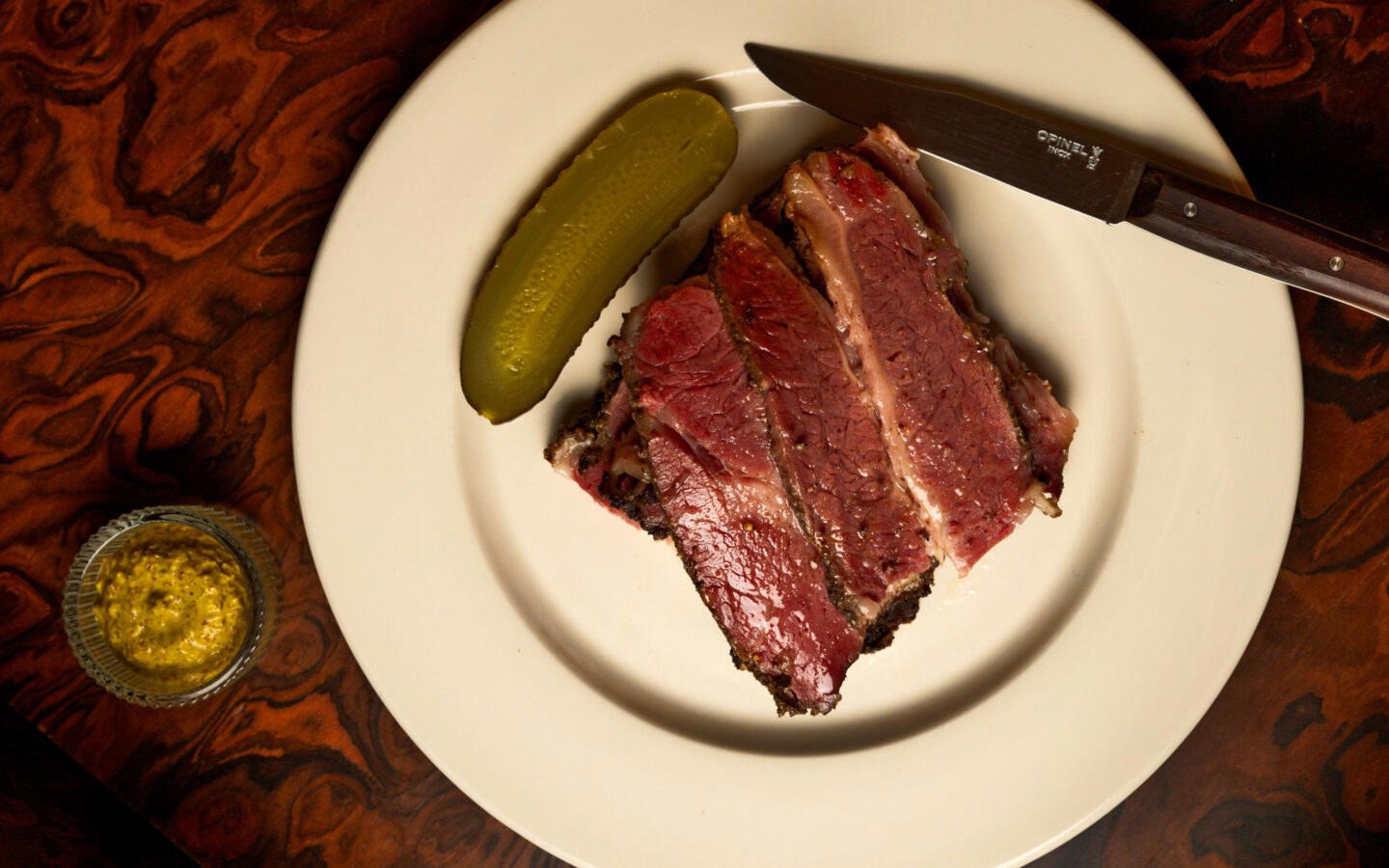


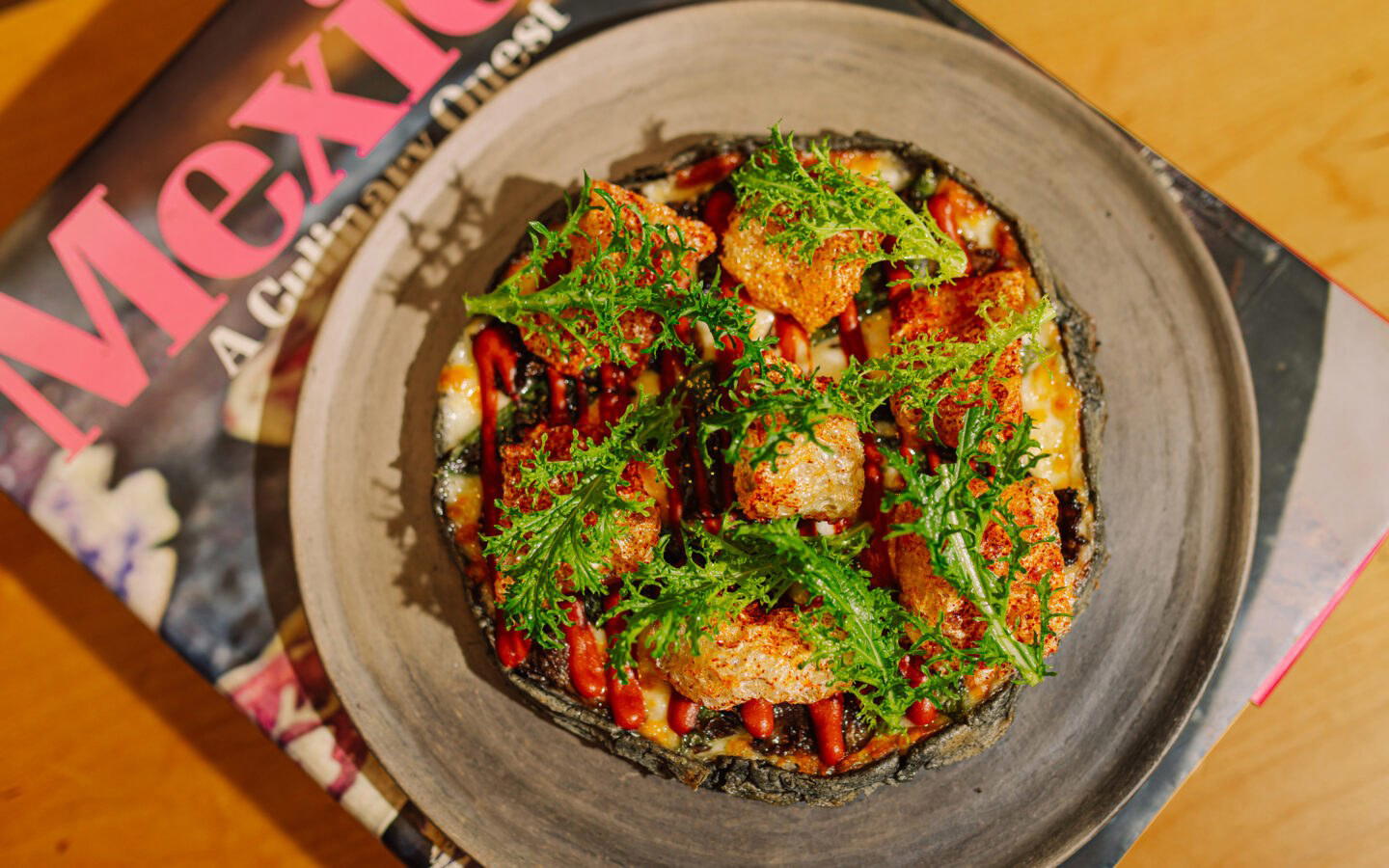

Bars in Toronto
Browse all →
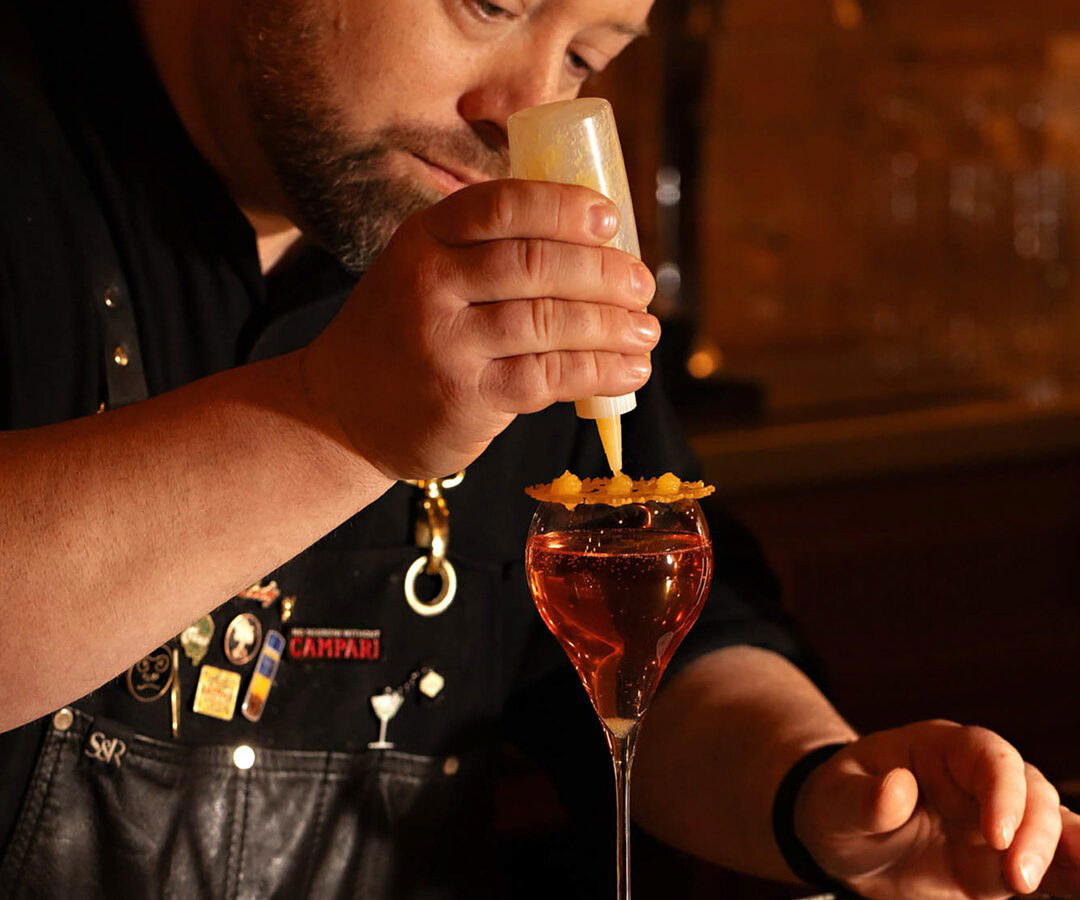


Hotels in Toronto
Browse all →
Wineries in Toronto
Browse all →
At a Glance
- Cozy
- Hidden Gem
- Casual Hangout
- Brunch
- Beer Program
Cozy and welcoming casual atmosphere.