This listing is retired after a June 2026 status audit found the place inactive at its stored address.
- Address
- 401 Bay St., Toronto, ON M5H 2Y4, Canada
- Phone
- +1 416 861 6996
- Website
- saprestaurant.com
- Directions
- Get directions
Bay Street, Read Differently
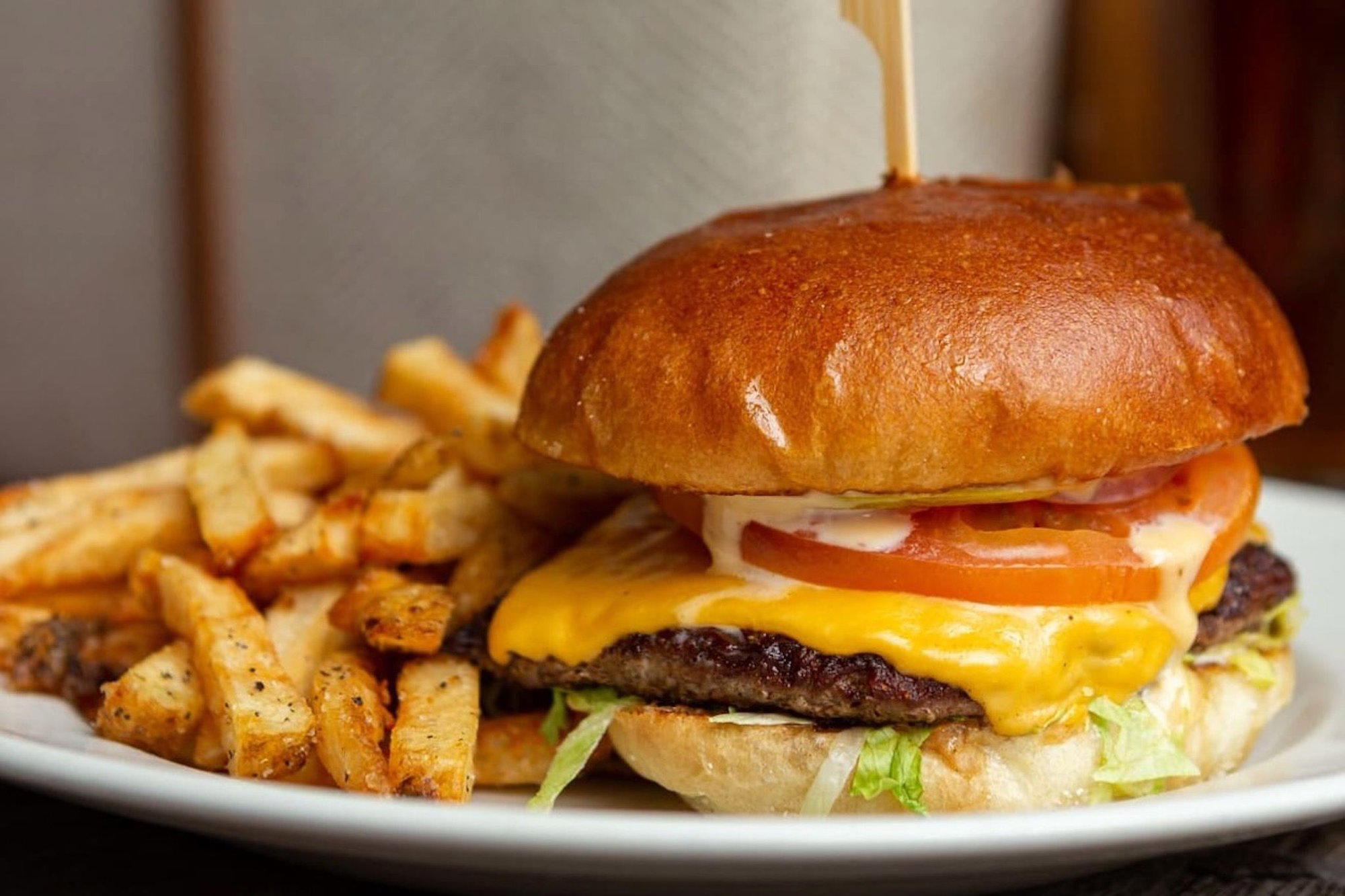
The Financial District is not where Toronto's dining conversation tends to focus. The neighbourhood's weekday rhythm of suits and corporate lunch runs has long kept it at arm's length from the city's more adventurous restaurant culture, which clusters further west and north. So when a restaurant at 401 Bay St. enters the picture, the first editorial question is not about the food. It is about the space and what the space is being asked to do in a district where most dining rooms perform the same function: absorb a lunch crowd, turn tables, repeat.
Sap sits at that address. Toronto's premium dining tier has largely decoupled from Bay Street, with flagship-level restaurants establishing themselves in King West, Yorkville, and the Entertainment District. The restaurants that have built serious reputations in the city, from Alo in its narrow Spadina corridor to the omakase counters like Sushi Masaki Saito and Aburi Hana, have made their homes in neighbourhoods that carry ambient cultural weight. Bay Street carries a different weight: institutional, transactional, built around a Monday-to-Friday economy.
The Space as the Argument
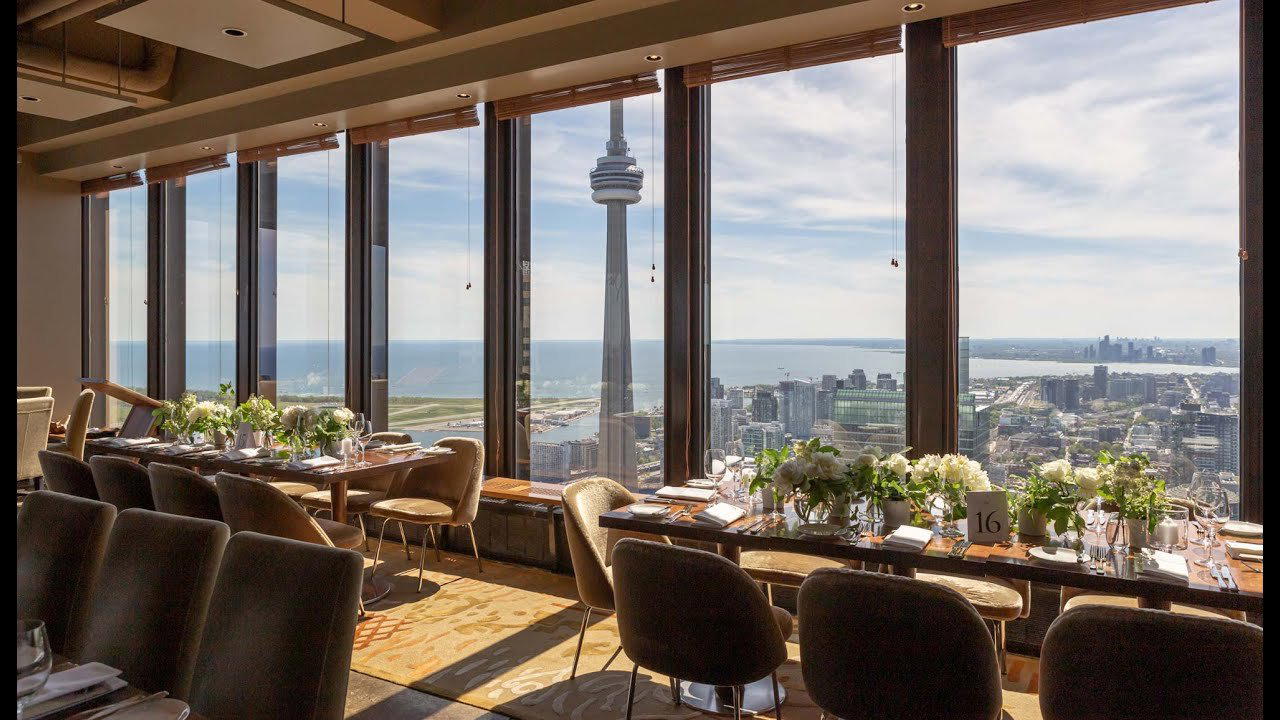
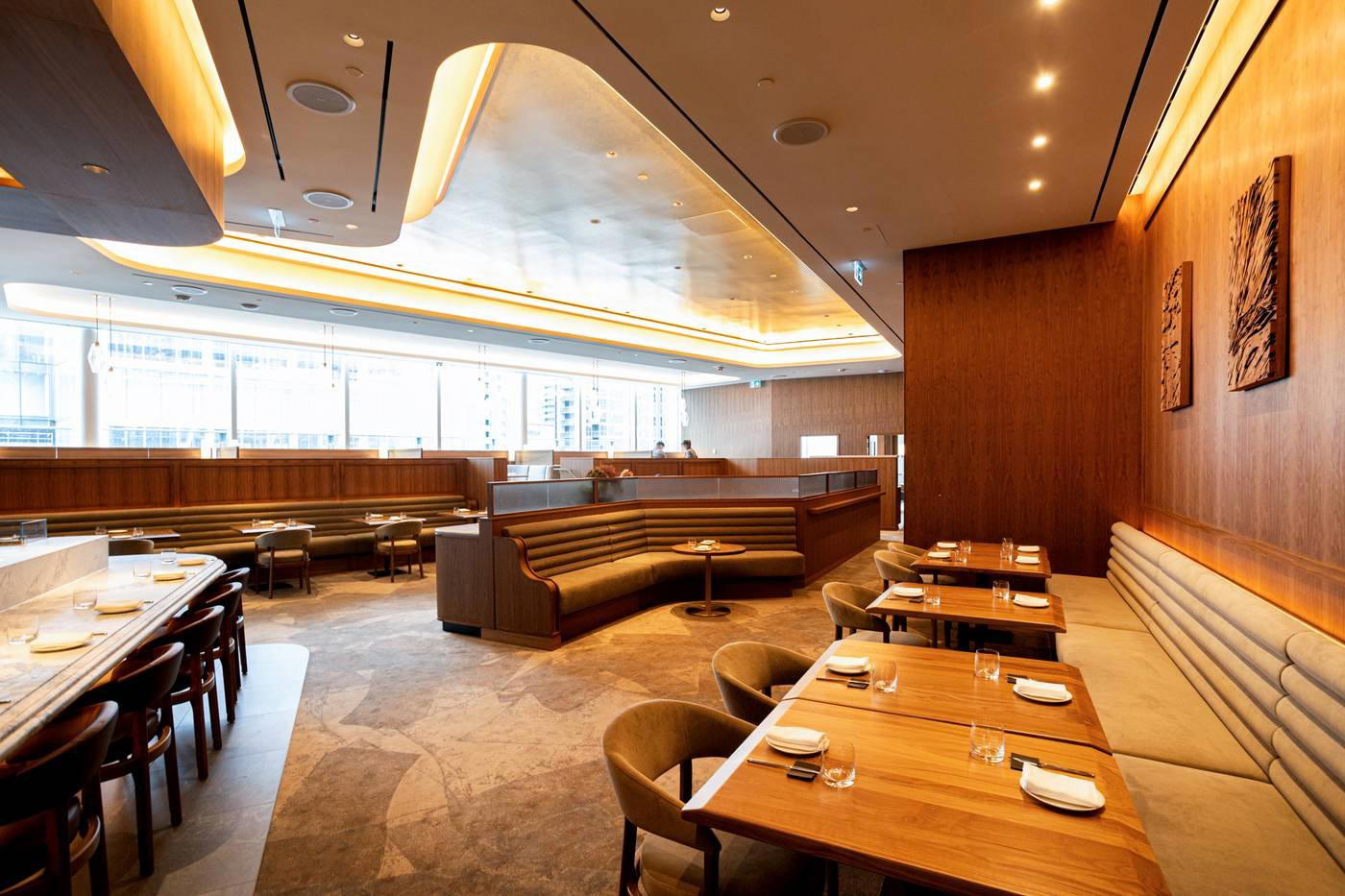
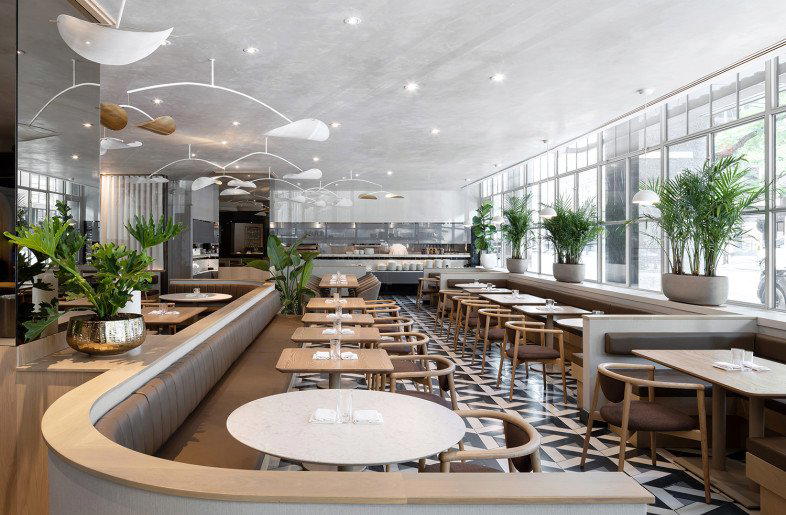
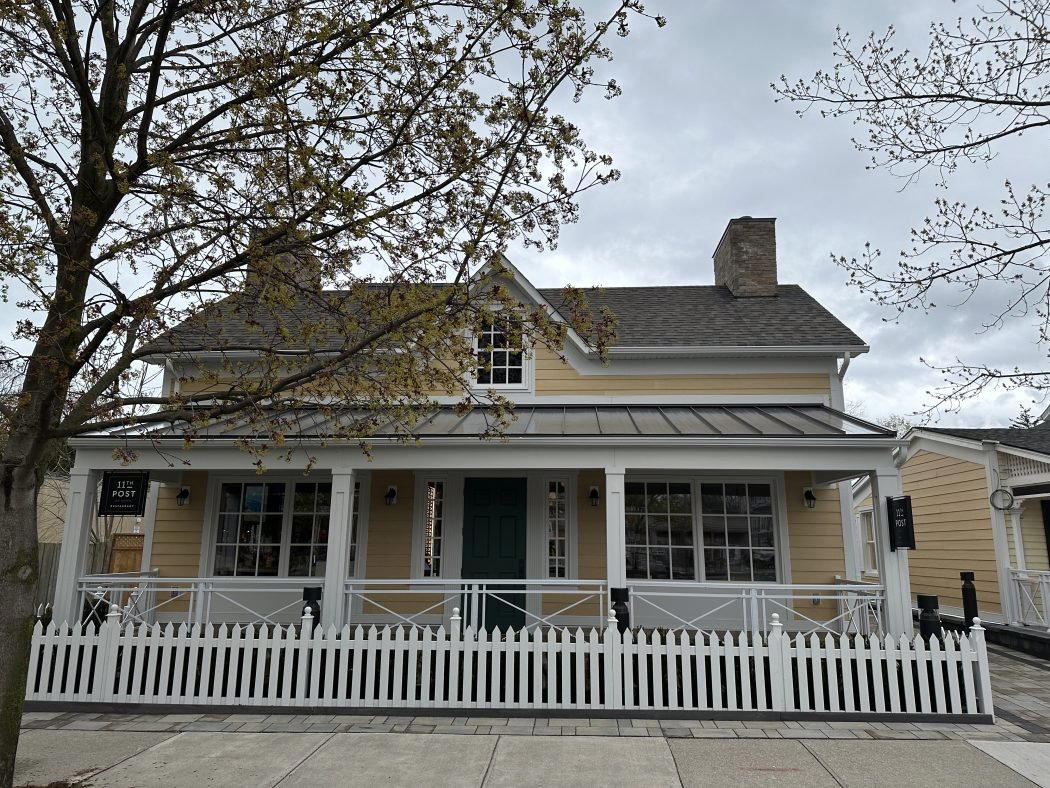
The editorial angle that matters most with Sap is design and physical environment, and that is not incidental to the venue's position in Toronto's dining map. In a district where interior design tends toward the generic boardroom aesthetic of dark wood, muted carpeting, and lighting calibrated to signal professionalism rather than hospitality, a dining room that commits to a distinct spatial language makes a statement. The choice of how to arrange a room, what materials to bring in, how to handle acoustics and light, is a form of editorial positioning before a single dish arrives.
The name Sap carries its own associations: something extracted, a substance that runs through living structures, organic and northern. Whether the interior follows through on those associations is a question the space either answers or refuses. In Canadian fine dining, there has been a growing tendency to let the physical container do interpretive work, connecting the dining room to landscape, season, and material sourcing before the menu does. Tanière³ in Quebec City made subterranean architecture central to its identity. Eigensinn Farm in Singhampton dissolved the boundary between the land and the table entirely. Restaurant Pearl Morissette in Lincoln built its spatial language around the Niagara terrain it sits within. The question Sap prompts is whether a Bay Street address allows for that kind of spatial conviction, or whether the neighbourhood imposes its own aesthetic logic.
Where It Sits in the Toronto Premium Tier
Toronto's upper-end restaurant cohort has spent the past decade calibrating format against ambition. The city's most recognised contemporary dining rooms, including DaNico and Don Alfonso 1890, have built their identities around specific culinary lineages and a level of format discipline that signals to a particular reader: this is where the attention is. Sap's positioning within that comparable set is not yet as legible, partly because Bay Street geography tends to filter the kind of critical attention that builds category consensus.
In a city where the premium dining conversation moves quickly and restaurants announce themselves through awards cycles, critical coverage, and word-of-mouth from a concentrated food community, operating beneath the radar at a downtown core address reads as either a deliberate choice or a consequence of limited outreach. Neither reading is necessarily negative. The Pine in Creemore built its reputation at significant remove from urban food media. Fogo Island Inn Dining Room in Joe Batt's Arm operates in near-total geographic isolation and has achieved international reach regardless. Visibility and geography are not the same variable.
What separates venues that develop genuine critical standing from those that remain institutionally popular is usually format conviction: a clear answer to the question of what kind of experience is being offered and for whom. Sap's location in the Financial District suggests a corporate clientele as the default audience, but that default can be resisted. Some of the more interesting dining developments in comparable North American financial districts have come from operators who decided to serve the neighbourhood's geography without being defined by it.
The Broader Canadian Context
Canada's fine dining scene has become more differentiated in recent years, with distinct voices emerging in cities beyond Toronto and in rural settings that would have seemed implausible as premium dining destinations a decade ago. AnnaLena in Vancouver, Jérôme Ferrer's Europea in Montreal, and Narval in Rimouski each represent a version of Canadian culinary confidence that does not default to European templates or imported prestige. Toronto's premium tier sits within that broader shift, and venues entering the conversation now are doing so in a market that has higher expectations for distinctiveness than it did five years ago.
For international comparisons, the gap between what a Bay Street location implies and what a restaurant might actually deliver is not unusual. Le Bernardin in New York City has long occupied a corporate midtown address while maintaining among the more precise kitchen standards in North America. Lazy Bear in San Francisco built a communal dinner format in a city where its neighbourhood suggested nothing of the kind. Location sets a context; it does not write the whole story.
For those already working through Toronto's dining options, Separately, Busters Barbeque in Kenora and Cafe Brio in Victoria illustrate how Canadian dining conviction operates at different scales and price points.
Reputation Context
Comparable venues nearby, for context on price, style, and recognition.
| Venue | Cuisine | Price | Notes |
|---|---|---|---|
| SapThis venue — the venue you are viewing | Canadian Comfort Food | $$ | Not listed |
| SmoQue N' Bones | Southern BBQ Smokehouse | $$ | Trinity Bellwoods |
| Almond Butterfly Bistro | Gluten-Free American Bistro | $$ | Little Italy |
| Old School | Polished American Comfort Food | $$ | Little Italy |
| Little Ese | Fusion Pizza & Comfort Food | $$ | Trinity Bellwoods |
| Hadley's | Barbecue | $$ | Palmerston-Little Italy |
Continue exploring
More in Toronto
Restaurants in Toronto
Browse all →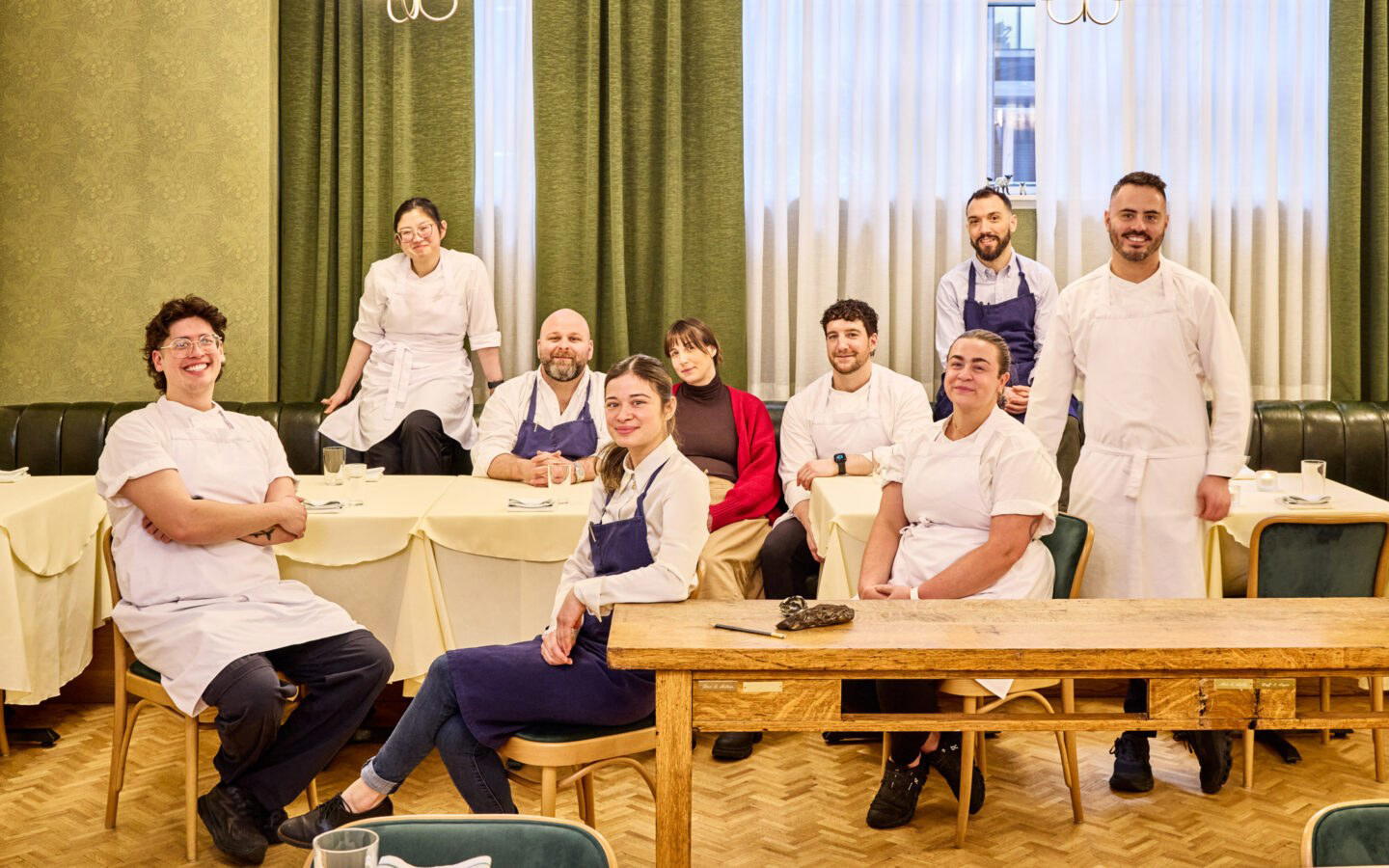

Bars in Toronto
Browse all →
Hotels in Toronto
Browse all →

At a Glance
- Rustic
- Cozy
- Classic
- Casual Hangout
- Group Dining
- Family
- Celebration
- Standalone
- Craft Cocktails
- Local Sourcing
Rustic and cheery with a warm, welcoming atmosphere that reflects Canadiana heritage and comfort food traditions.