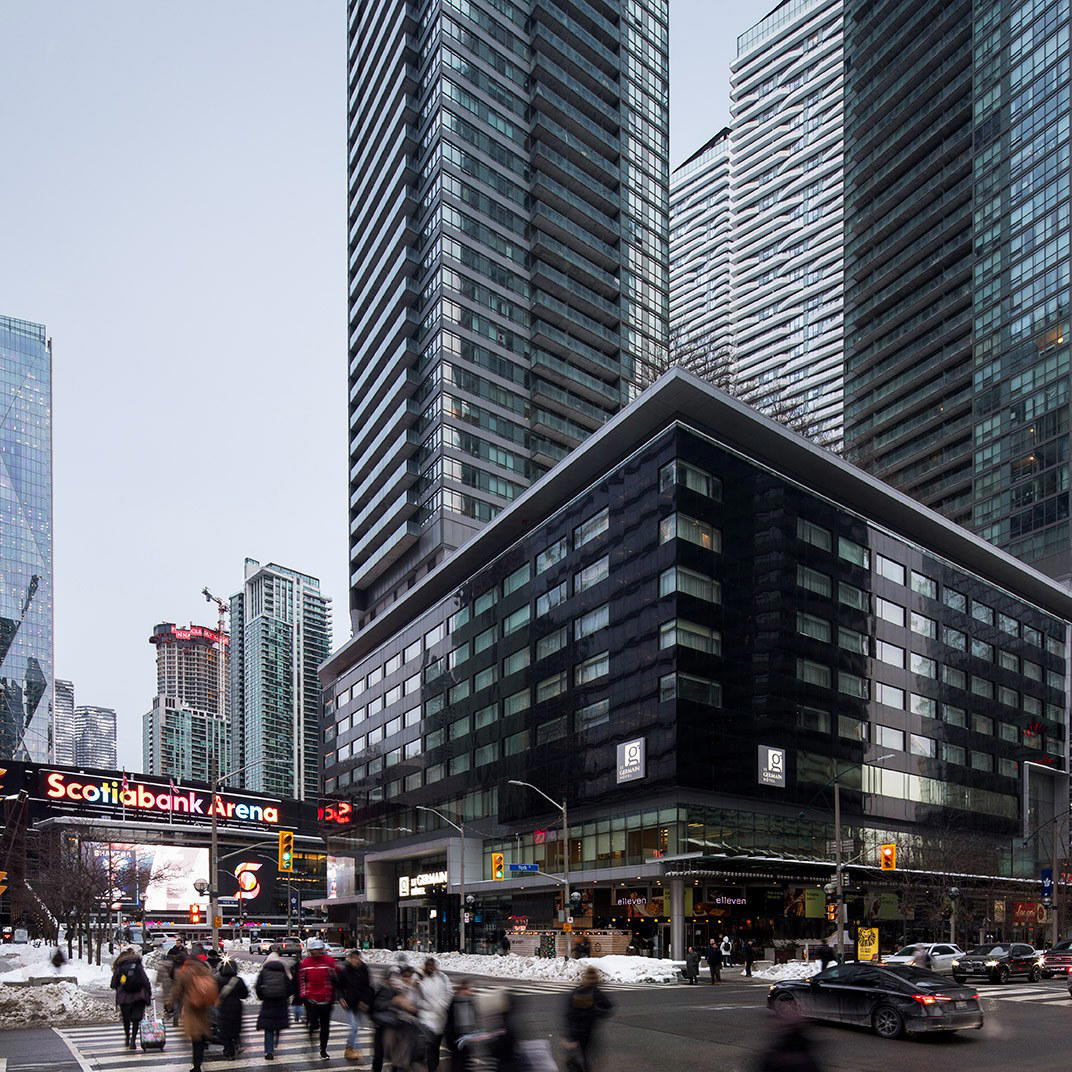
At 181 Bay Street in Toronto's Financial District, this location occupies among the more transit-dense corners in the city. As a reference point for how standardised fast-food formats perform inside a high-density urban core, it sits in instructive contrast to the independent and chef-driven restaurants that define Toronto's current dining conversation. Practical, accessible, and priced well below the city's $$$ tier.
- Address
- 181 Bay St., Toronto, ON M5J 2S1, Canada
- Phone
- +1 416 360 4588
- Website
- mcdonalds.com
- Directions
- Get directions
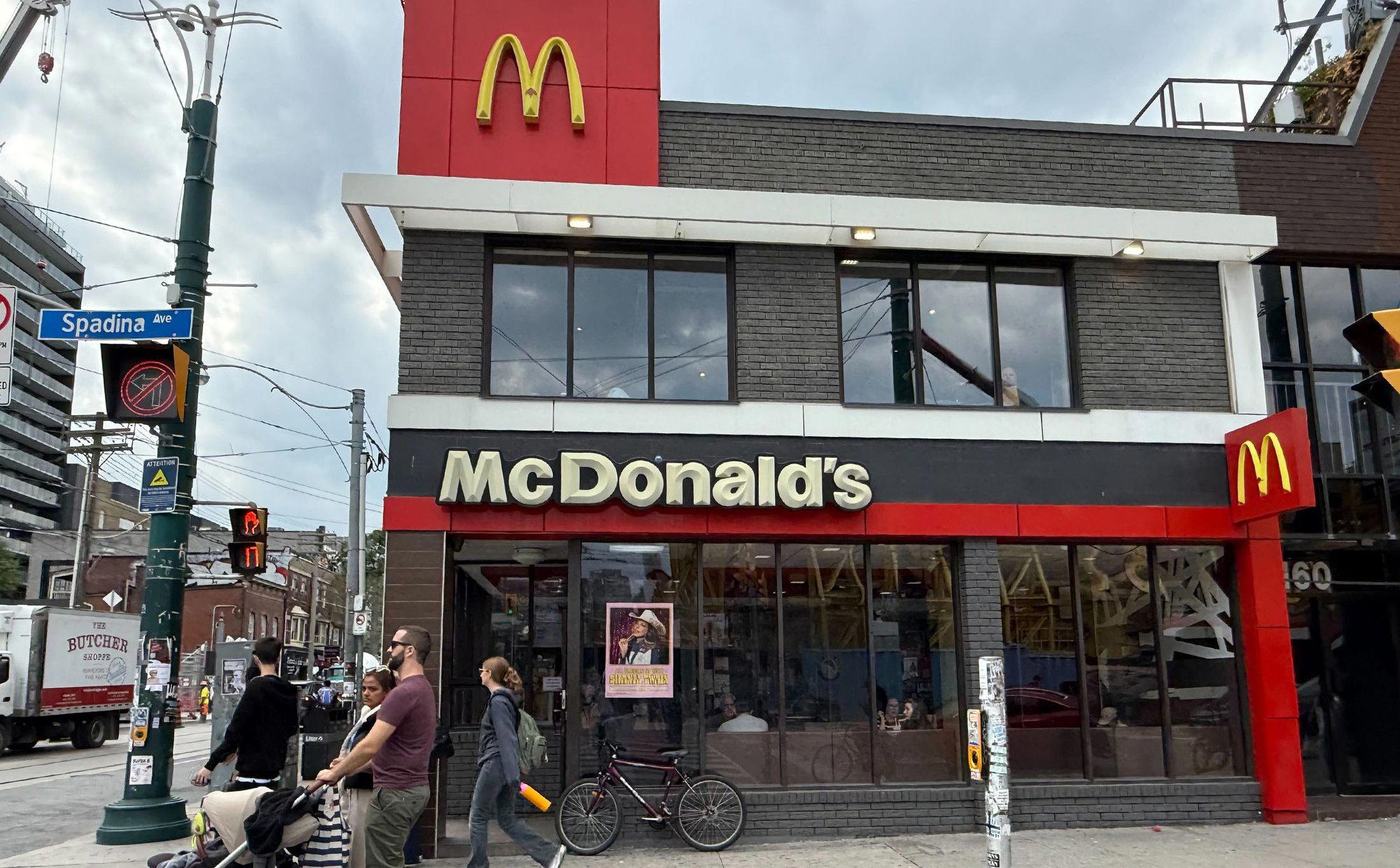
Fast Food at Scale: What a Bay Street McDonald's Tells Us About Toronto's Dining Divide
McDonald's is a casual American fast food restaurant at 181 Bay St. Toronto, ON M5J 2S1, Canada, with a $ price tier. Office towers, underground PATH connections, and transit corridors funnel thousands of commuters past the 181 Bay Street intersection daily. In that context, the presence of a standardised quick-service format is less a dining decision than an infrastructure one. The question worth asking is not whether this is a good restaurant by the standards that define Toronto's current critical conversation, but what its position in that conversation reveals about the city's broader food access and environmental accountability picture.
The Sustainability Gap in Global Quick-Service Dining
McDonald's as a corporate entity has made public commitments on sustainability over the past decade: pledges around packaging reduction, sourcing transparency for beef and palm oil, and targets for net-zero emissions by 2050. In Toronto specifically, where a meaningful cohort of independent restaurants has built sustainability into their operating identity, the contrast is instructive.
Consider what a kitchen running at quick-service volume actually generates: single-use packaging at scale, supply chains calibrated for consistency rather than provenance, and protein sourcing that prioritises price stability over environmental certification. None of this is distinctive to this location or this city, but Bay Street's density makes it visible in ways that suburban drive-through formats do not. The 181 Bay address sits within walking distance of the Financial District's lunch crowd, and that crowd now includes a generation of professionals who also book tables at Alo (Contemporary) on weekends and treat Michelin recognition as a baseline credential rather than a luxury signal.
That demographic shift is worth noting because it is changing how quick-service brands are evaluated, not just by critics but by their own core users. The restaurants setting the standard in Toronto right now, including the kaiseki counter at Aburi Hana and the Japanese precision at Sushi Masaki Saito, operate with sourcing philosophies that treat ingredient provenance as a non-negotiable editorial choice, not a marketing asset. The distance between that model and standardised fast food is not just aesthetic; it is structural.
Toronto's Ethical Sourcing Conversation and Where Quick-Service Fits
The ethical sourcing movement in Canadian restaurant dining has gathered enough momentum to shift from trend to expectation in certain tiers. Restaurant Pearl Morissette in Lincoln operates within a farm-and-winery system that treats waste as a design problem. Eigensinn Farm in Singhampton has built its entire format around agricultural self-sufficiency. Even in remote settings, the commitment holds: Fogo Island Inn Dining Room in Joe Batt's Arm makes hyper-local sourcing central to its identity in a way that would be impossible at volume.
Quick-service chains occupy a structurally different position. Their supply chains are global, their packaging decisions are made at the corporate level rather than the kitchen level, and individual location managers have limited agency over the sourcing questions that matter most to environmentally conscious diners. That is not a moral failing specific to any one brand; it is the design constraint of operating at multinational scale. But it does mean that measuring a Bay Street the restaurant against the sustainability benchmarks of Toronto's independent dining scene is a category error. The more useful frame is asking whether global quick-service formats are moving in the right direction, and at what pace.
The restaurant public reporting suggests incremental progress: improved fibre-based packaging in some markets, commitments on deforestation-linked beef, and waste reduction pilots in select cities.
Where This Location Fits in Toronto's Price and Access Map
Price accessibility matters in a city where the cost of eating at chef-driven restaurants has moved sharply upward. Tasting menus at DaNico and Don Alfonso 1890 operate at the $$$$ tier, where a dinner for two comfortably exceeds several hundred dollars before wine. At the other end of that spectrum, quick-service formats remain one accessible point of entry for downtown eating, particularly for the transit-dependent and time-constrained. That access dimension is real and should not be dismissed when mapping Toronto's food system holistically.
The Canadian restaurant scene beyond Toronto adds further context. AnnaLena in Vancouver, Jérôme Ferrer - Europea in Montreal, and Tanière³ in Quebec City each represent a tier of Canadian dining that has achieved international recognition through ingredient discipline and sourcing accountability. Narval in Rimouski demonstrates that the commitment to ethical sourcing extends well beyond major urban centres. These restaurants share almost nothing with the quick-service model in terms of format, price, or environmental footprint per cover, but they exist within the same national conversation about what Canadian food stands for.
Internationally, the distance is even clearer. Le Bernardin in New York City and Lazy Bear in San Francisco represent how the premium-tier dining category handles sourcing at the chef level, with decisions made around specific fisheries, farms, and seasonal availability. That model is antithetical to standardised quick-service, which is precisely why both models continue to exist: they serve different needs, different budgets, and different relationships with food.
Elsewhere in Ontario, The Pine in Creemore and Busters Barbeque in Kenora show what value-oriented dining looks like when local ownership and sourcing accountability remain central, even outside the fine-dining tier. In Victoria, Cafe Brio has sustained a reputation for ingredient-led cooking at a price point well below the tasting-menu bracket.
Know Before You Go
Address: 181 Bay St. Toronto, ON M5J 2S1, Canada
Neighbourhood: Financial District
Price Tier: $ (well below the city's independent dining tiers)
Reservations: Walk-in friendly
Hours: Open 24 hours daily
Phone / Website: Not listed
Transit Access: Union Station is within close walking distance via the PATH network
- Big Mac
- Quarter Pounder
- Poutine
- Double Big Mac
- Chicken Big Mac
- McFlurry with Skor
In Context: Similar Options
Comparable venues nearby, for context on price, style, and recognition.
| Venue | Cuisine | Price | Notes |
|---|---|---|---|
| McDonald'sThis venue — the venue you are viewing | American Fast Food | $ | Not listed |
| Paddington's Pump | Classic Canadian Diner | $ | Corktown |
| Liberty Village Market & Cafe | American Cafe Sandwiches & Soups | $ | Liberty Village |
| Rose and Sons | Jewish Deli Diner | $$ | Annex |
| SCHOOL Restaurant | American Comfort Brunch | $$ | Liberty Village |
| Okay Okay Diner | Classic American Diner | $ | Leslieville |
Continue exploring
More in Toronto
Restaurants in Toronto
Browse all →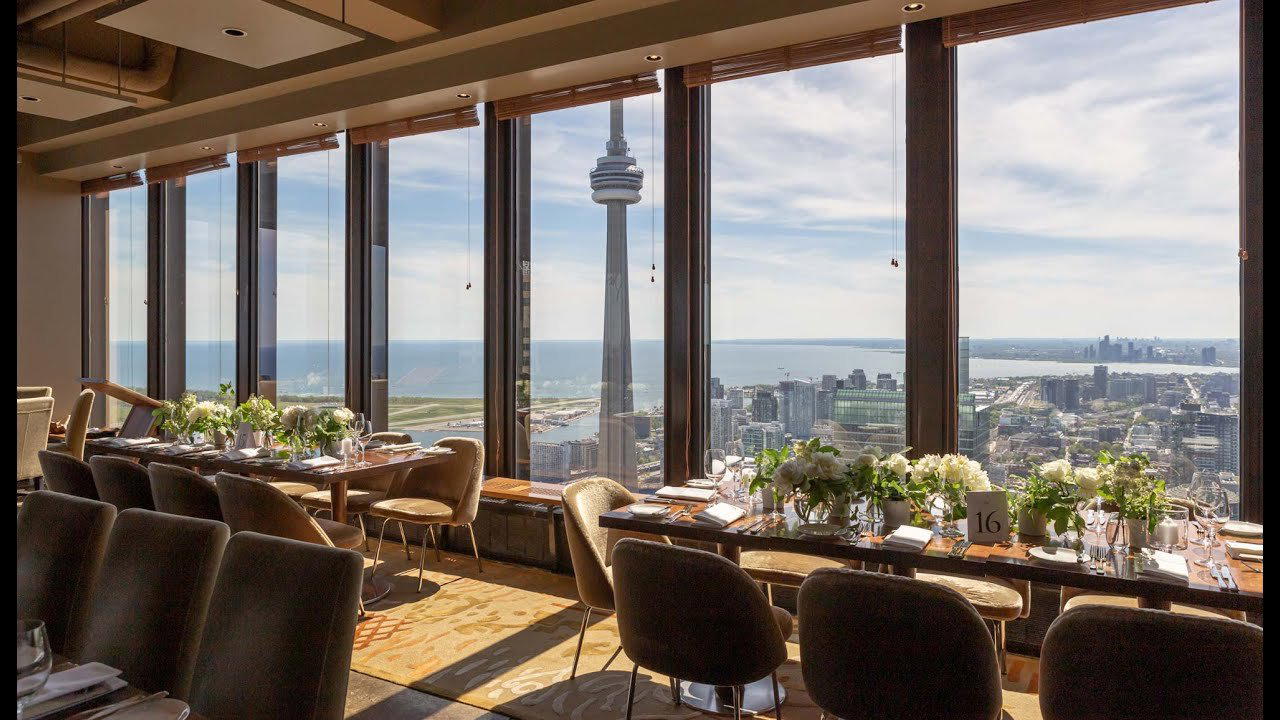

Bars in Toronto
Browse all →


Hotels in Toronto
Browse all →



At a Glance
- Lively
- Energetic
- Casual Hangout
- Family
- Solo
- After Work
- Brunch
- Late Night
- Local Sourcing
- Street Scene
Current opening hours
- Monday
- Open 24 hours
- Tuesday
- Open 24 hours
- Wednesday
- Open 24 hours
- Thursday
- Open 24 hours
- Friday
- Open 24 hours
- Saturday
- Open 24 hours
- Sunday
- Open 24 hours
Hours can change for holidays and private events. Last verified .
Bright, casual fast-food environment with quick-service counter ordering and takeout focus.