Our verdict
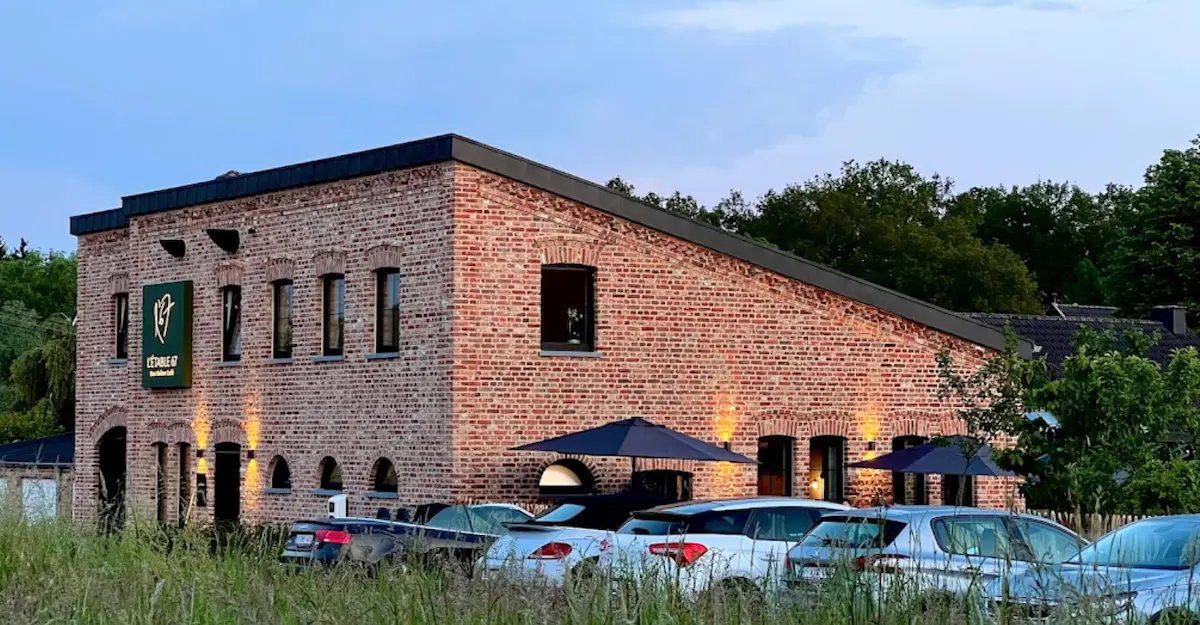
L'Etable 67 sits on Bahnhofstraße in Kelmis, a small Belgian municipality at the tripoint where Belgium, Germany, and the Netherlands converge. The name's agricultural reference hints at a kitchen philosophy rooted in the land, placing it within a broader regional tradition of produce-driven cooking that defines eastern Belgium's quieter dining scene. For visitors willing to travel beyond the major Belgian cities, it offers an anchor for exploring this overlooked corner of the country.

Pearl is the En Primeur Club membership app, where members save venues, book tables and use the concierge.
The menu
What to order
- Flammkuchen
- Fruit Tart
- Lemon Meringue
- Chocolate Soufflé
Where Three Borders Meet at the Table
Kelmis occupies one of the more geographically singular positions in western Europe: a Belgian municipality that shares borders with both Germany and the Netherlands, sitting in the Neutral Moresnet territory that was once a diplomatic anomaly on the map of post-Napoleonic Europe. That layered identity shapes the way this corner of the country eats. The cooking here draws from Walloon, German Rhineland, and Limburg traditions without being reducible to any one of them, and restaurants in the area tend to source from a patchwork of farms and producers that straddles those same borders. L'Etable 67, at Bahnhofstraße 67, sits within that context, the address alone signals the town's bilingual character, a French name on a German-language street in a French-speaking Belgian enclave.
For a sense of how this region fits into the broader Belgian fine dining picture, our full Kelmis restaurants guide maps the local scene. Belgium's most decorated kitchens tend to cluster in Flanders and Brussels, places like Zilte in Antwerp, Boury in Roeselare, or Bozar Restaurant in Brussels, but the eastern provinces have their own quieter, produce-forward tradition that rewards attention.
The Name as a Signal: Farming Country on the Plate
The French word étable means a stable or livestock shelter. It is a deliberate choice for a restaurant name in this part of Belgium, where the Ardennes edge toward the German Eifel and agriculture remains a working reality rather than a marketing backdrop. Restaurants in this register typically source from nearby farms as a matter of practical geography rather than trend-following, and the density of small-scale producers in the Liège province and across the German border gives kitchens here access to supply chains that larger city restaurants rarely tap.
That sourcing logic separates this corner of the country from, say, the coastal sourcing model seen at places like Bartholomeus in Heist or Willem Hiele in Oudenburg, where North Sea produce defines the plate. In Kelmis, the pantry looks eastward and inland: cattle, dairy, root vegetables, game from the Ardennes, and cross-border cheesemaking traditions that do not conform to any single national designation.
This ingredient geography also connects L'Etable 67 to a wider Belgian tradition of kitchen craft that values the producer relationship over the spectacle of the dish. Kitchens in the Walloon and eastern Belgian tradition have long operated with less international visibility than their Flemish counterparts, but places like La Table de Maxime in Our and d'Eugénie à Emilie in Baudour demonstrate that serious cooking exists well outside the Michelin-dense corridor of Ghent to Antwerp.
A Town at the Edge of the Guide
Kelmis does not appear in most restaurant guides. That is partly a function of population, the town has roughly eleven thousand residents, and partly a function of the way critical attention in Belgium has historically concentrated in Flemish cities and the capital. The consequence for the traveller is that dining here requires a degree of deliberate planning rather than spontaneous discovery. Those who make the journey from Liège (roughly thirty kilometres to the west) or from Aachen across the German border (under twenty kilometres to the east) tend to arrive with a specific destination in mind.
The Bahnhofstraße address in Kelmis places L'Etable 67 near the town's railway station area, a central point in a compact urban fabric. Kelmis is accessible by regional train from Liège, which makes it reachable without a car, though dinner-specific service frequencies on the line merit checking before committing to an evening visit. Visitors combining L'Etable 67 with broader Belgian dining itineraries might also consider how it pairs with restaurants further afield: L'air du temps in Liernu, Nuance in Duffel, or Maison Colette in Tongerlo each represent different registers of the same national conversation about produce-driven Belgian cooking.
Belgium's Provincial Dining Tradition in Context
The pattern that L'Etable 67 inhabits, a named restaurant in a small Belgian town, oriented toward local sourcing, operating outside the award-circuit spotlight, is not unusual in this country. Belgium has a deep culture of neighbourhood and village restaurants that function as serious kitchens without the critical apparatus that surrounds them. What distinguishes the better examples is consistency of sourcing, technical discipline at the pass, and a wine list that reflects the same considered regionalism as the food.
For comparison, kitchens like Hof van Cleve in Kruishoutem, De Jonkman in Sint-Kruis, or Le Chalet de la Forêt in Uccle have built their reputations over years through exactly that combination. The difference is visibility, not necessarily ambition. Provincial kitchens in Belgium frequently operate at a standard that would attract attention if they were in a larger city, and the eastern part of the country remains an area where that gap between quality and coverage is most pronounced.
Internationally, the model has clear reference points. Le Bernardin in New York City and Atomix in New York City represent the other end of the visibility spectrum: kitchens where the critical apparatus has caught up entirely with the cooking. In Kelmis, the dynamic still runs the other way, which is either a limitation or an opportunity depending on what the traveller is looking for.
What the name L'Etable promises is a kitchen attentive to where its ingredients originate. In a town that sits at the intersection of three national food cultures, Belgian, German, Rhineland, that sourcing range, if realised, is genuinely wide. The question any serious visitor will want answered is how the kitchen converts that geographic advantage into what arrives at the table. That is a question worth travelling to answer. For a wider picture of where L'Etable 67 fits in the region's dining offer, Castor in Beveren and La Durée in Izegem offer useful points of comparison in the broader Belgian context.
Planning Your Visit
L'Etable 67 is located at Bahnhofstraße 67, 4728 Kelmis, Belgium. Given the limited publicly available information on booking methods, hours, and current pricing, the most reliable approach before visiting is to contact the restaurant directly or check for current listings through regional dining directories covering the Liège province. Visitors arriving from Germany should note that Kelmis sits just inside the Belgian border from Aachen, making it a practical stop on a cross-border itinerary. Those combining this visit with broader Belgian restaurant travel will find the rest of our Belgian coverage useful for building an itinerary that extends well beyond the eastern provinces.
Frequently asked questions
Is L'Etable 67 child-friendly?
Nothing in the public record rules it out. L'Etable 67 operates in Kelmis, a residential municipality of around eleven thousand people, and provincial Belgian restaurants in towns of this scale typically serve a cross-generational local clientele. check the venue's official channels at Bahnhofstraße 67 to confirm seating arrangements for families.
What's the overall feel of L'Etable 67?
The name itself sets the register: étable is French for stable or livestock shelter, which signals a deliberate lean toward rural, grounded hospitality rather than formal fine dining. Kelmis sits at the junction of three countries, Belgium, Germany, and the Netherlands, and restaurants in this corridor tend to reflect that cross-border practicality. Expect a room shaped by provincial Belgian sensibility rather than metropolitan theatre.
Is L'Etable 67 a good option for visitors crossing between Belgium, Germany, and the Netherlands?
Kelmis is one of the few Belgian municipalities that directly borders both Germany and the Netherlands, making Bahnhofstraße 67 a practical stop for travellers moving through the tri-border region around Aachen and Liège. The restaurant's provincial positioning fits the area's tradition of cross-border dining, where residents routinely eat across national lines. It is among the named restaurants operating in a town that most regional guides overlook entirely.
What should I eat at L'Etable 67?
Given the restaurant's name references agricultural tradition and its location in the Ardennes-adjacent east of Belgium, dishes rooted in regional produce and livestock farming would be consistent with that positioning.
Where is L'Etable 67 in Kelmis?
L'Etable 67 is located at Bahnhofstraße 67, 4728 Kelmis, Belgium, Kelmis.
Do they take walk-ins at L'Etable 67?
In towns the size of Kelmis, restaurants often accommodate walk-ins outside peak service hours, but calling or visiting ahead is the safer approach. The address is Bahnhofstraße 67, 4728 Kelmis.
What has L'Etable 67 built its reputation on?
L'Etable 67 operates in a town that does not appear in mainstream restaurant guides, which in Belgium's provincial dining culture often signals a place sustained by repeat local custom rather than awards or media coverage. The name's reference to farming heritage suggests the kitchen's identity is tied to regional sourcing and straightforward Belgian cooking traditions rather than contemporary tasting-menu formats.
Quick Comparison
Comparable venues nearby, for context on price, style, and recognition.
| Venue | Cuisine | Price | Notes |
|---|---|---|---|
| L'Etable 67This venue (the venue you are viewing) | Seasonal Café & Bakery | $10–20 | Not listed |
| Restaurant Les Saveurs de Bulgarie | Authentic Bulgarian | $30–50 | Centre |
| Ô De Vie | Innovative Fine Dining | Not listed | Juprelle |
| Chocamel | Chocolatier | Not listed | Ahnée |
| La Cabosse d'Or | Artisan Belgian Chocolatier | Not listed | Ways |
| Chocolatier Wauters | Artisanal Belgian Chocolatier | $10–20 | City Center |
Continue exploring
More in Kelmis
Restaurants in Kelmis
All restaurants in Kelmis →
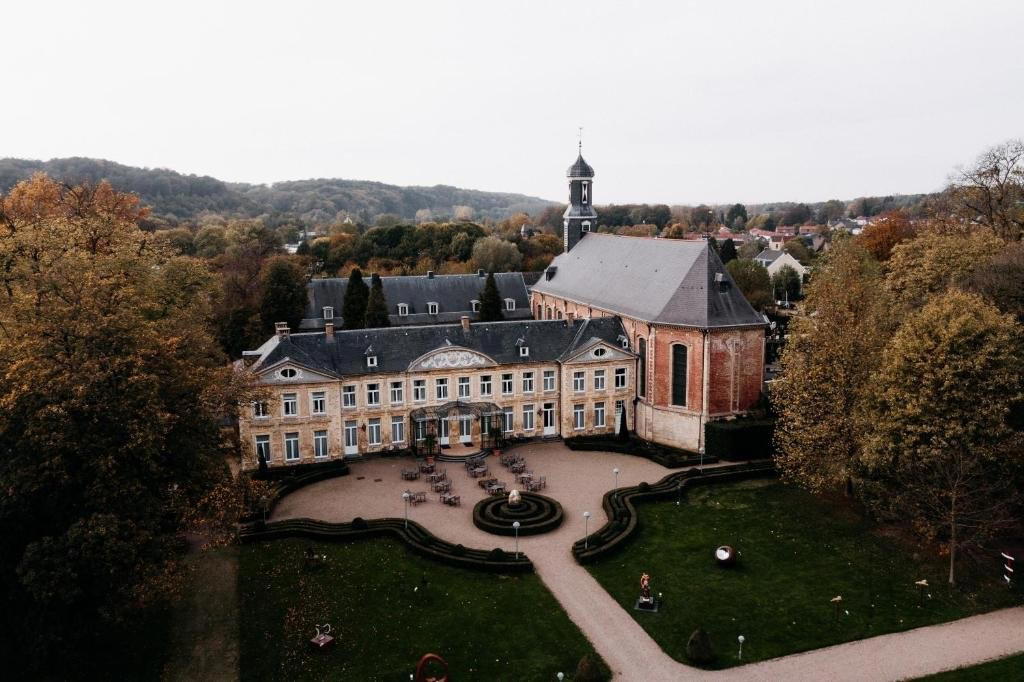
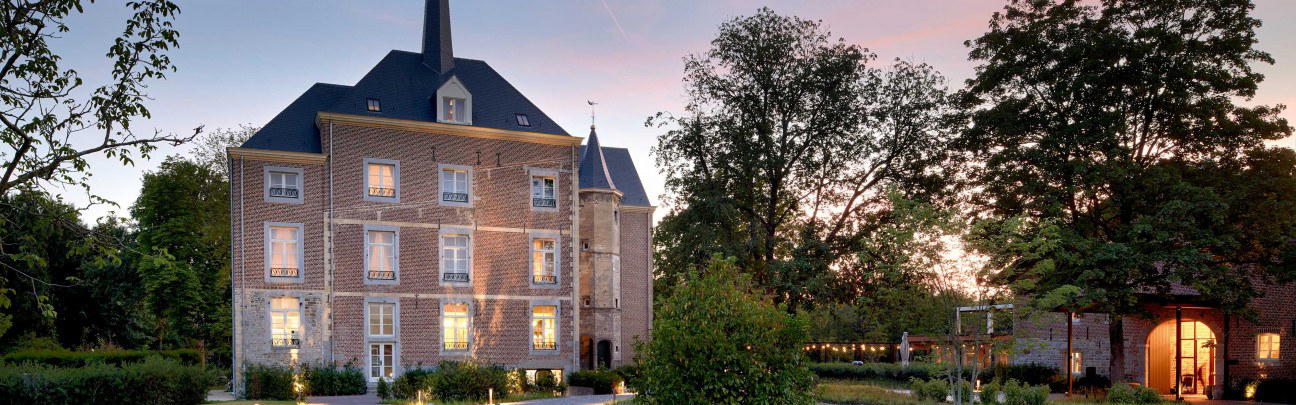
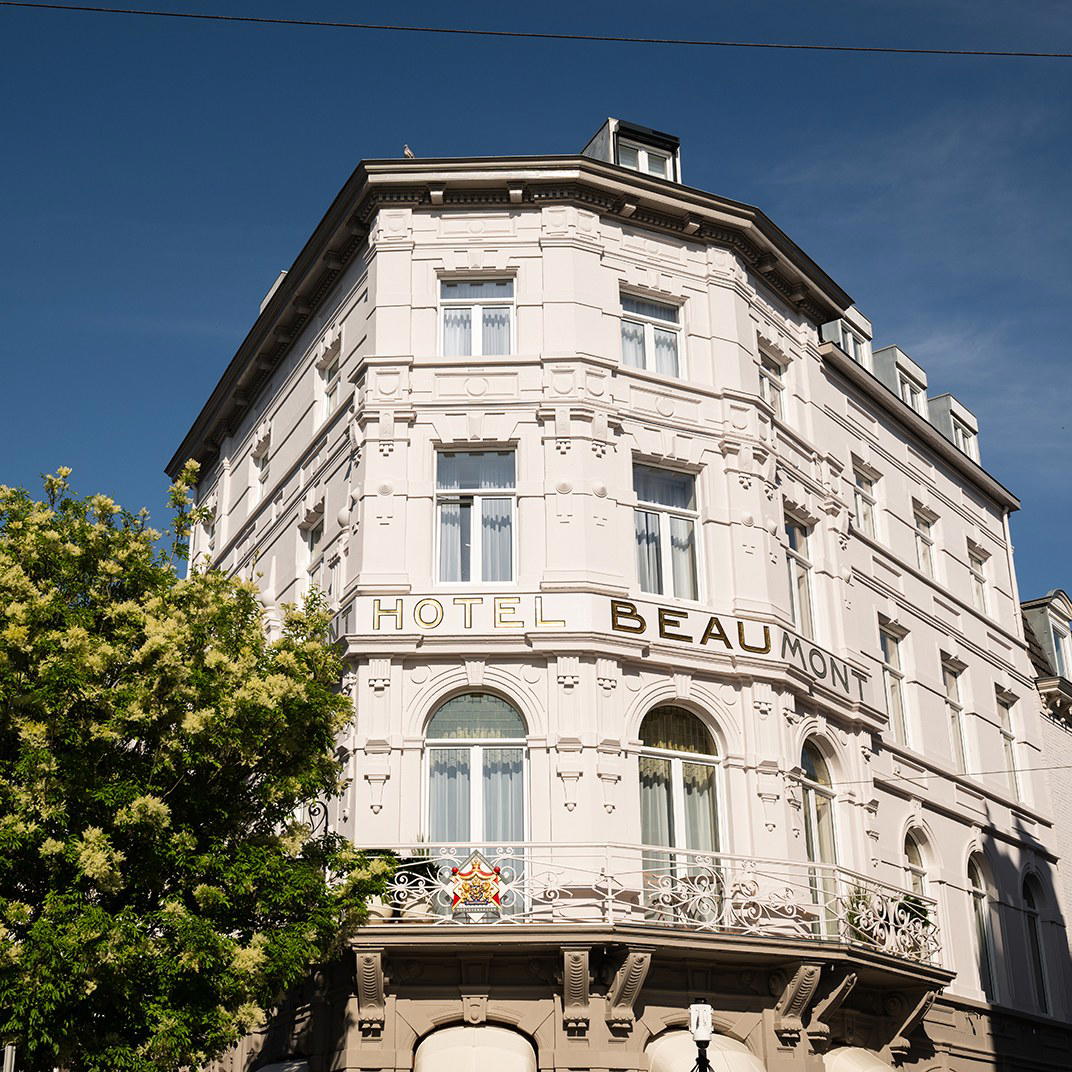
Hotels in Kelmis
Browse all →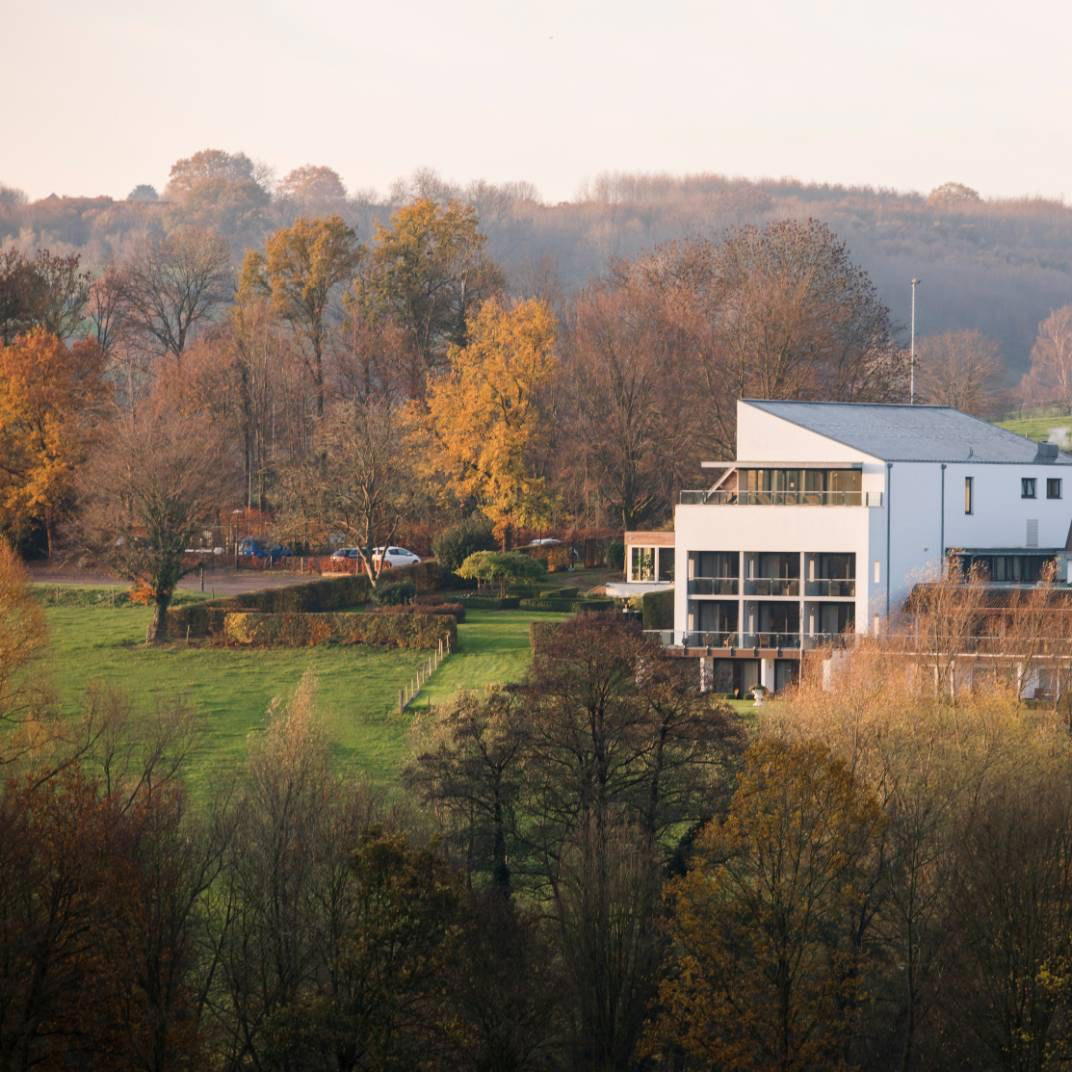
Wineries in Kelmis
Browse all →

Details
- Cozy
- Rustic
- Quiet
- Brunch
- Casual Hangout
- Solo
- Garden
- Terrace
- Farm To Table
- Local Sourcing
- Organic
- Garden
- A La Carte
- Coffee
- Tea
- Vegetarian Friendly
- Vegan Options
Current opening hours
- Monday
- Closed
- Tuesday
- Closed
- Wednesday
- Closed
- Thursday
- 9:30 AM–9:30 PM
- Friday
- 9:30 AM–9:30 PM
- Saturday
- 9:30 AM–9:30 PM
- Sunday
- 9:30 AM–9:30 PM
Hours can change for holidays and private events. Hours as of .
Pleasant and welcoming atmosphere with attentive service; guests feel comfortable and relaxed. Charming café setting with natural elements from their garden.