Le Roannay

1 Michelin Star
Our verdict
Le Roannay holds a Michelin star in the Ardennes countryside outside Stavelot, where chef David Gallienne works within the Modern French tradition against a backdrop of forests and race-circuit quietude. The address places it well outside Belgium's urban fine-dining axis, making it a deliberate destination for anyone combining Circuit de Spa-Francorchamps with serious cooking.

Pearl is the En Primeur Club membership app, where members save venues, book tables and use the concierge.
The menu
What to order
- Anjou pigeon with creamy intestine sauce
- Brittany scallops with vin jaune jus
- Langoustines with verjus and wild herbs
- Veal sweetbreads
Arriving at the Edge of the Ardennes
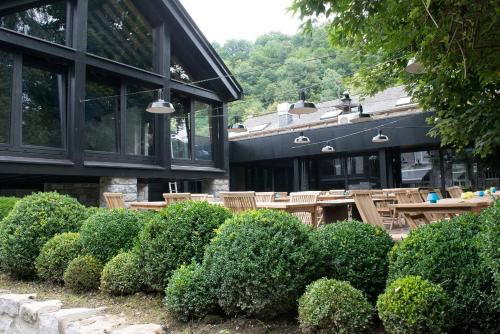
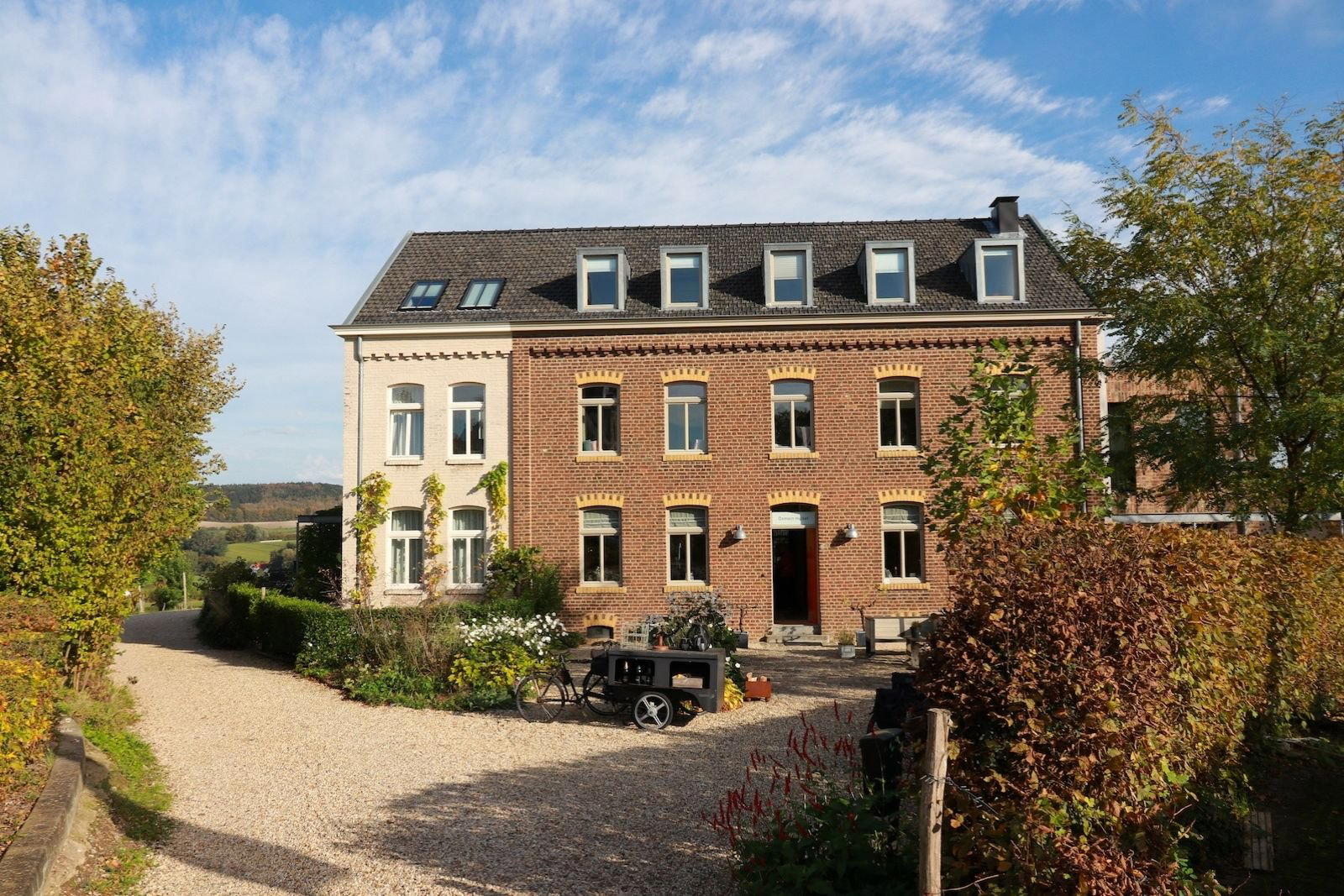
The road out of Stavelot toward Spa climbs gently through a range of beech forest and open farmland, and Le Roannay sits along that corridor at Rue de Spa 155 in a setting that defines how Modern French cooking has taken root in rural Wallonia. Before the plate arrives, the surroundings do considerable editorial work: this is not the kind of Michelin-starred room that trades on urban energy or a famous postcode. It belongs to a quieter Belgian tradition of destination restaurants that pull serious diners into the provinces, away from Brussels or Antwerp, because the cooking justifies the drive.
That tradition is meaningful context. Belgium's starred dining circuit spans the full country, from coastal addresses like Bartholomeus in Heist and Willem Hiele in Oudenburg to Flemish interiors like Hof van Cleve in Kruishoutem and, in the French-speaking south, addresses like L'Eau Vive in Arbre and d'Eugénie à Emilie in Baudour. Le Roannay occupies the Ardennes segment of that map, a zone where the land itself, game, river fish, foraged ingredients, regional dairy, shapes what ends up on the plate as much as any chef's formal training.
Modern French in Ardennes Country
Modern French cuisine, as a category, means different things depending on where it lands. In London at a room like Sketch's Lecture Room and Library, or in the Mosel Valley at Schanz in Piesport, the idiom filters through local produce but within a cosmopolitan or wine-country frame. At Le Roannay, the frame is the Ardennes, which means the sourcing conversation is grounded in one of Belgium's most distinctive agricultural zones. The region produces wild game that has supplied French kitchens for centuries, freshwater fish from the Amblève and Ourthe rivers, and fungi from the surrounding forests across autumn and winter months.
Chef David Gallienne leads the kitchen, and his presence at this address connects Le Roannay to a broader generation of French-trained or French-influenced chefs choosing Wallonia's countryside over metropolitan postings. The decision matters because it shapes the provenance argument the restaurant can credibly make: proximity to the raw ingredient, not just a supply chain that routes through a wholesale market. At the €€€ price point, Le Roannay sits below the top tier of Belgian fine dining, where restaurants like Boury in Roeselare and Zilte in Antwerp operate at €€€€, and that positioning is part of the pitch: Michelin-starred cooking in the Ardennes at a price that doesn't assume a Brussels expense account.
What the Awards Signal
Le Roannay has held a Michelin star in both 2024 and 2025, alongside the Michelin Plate designation in the same years, indicating consecutive inspection cycles confirming quality at the one-star level. In Michelin's framework, a single star means cooking of high quality worth a stop on a journey, and in the context of Francorchamps, that framing is almost literally accurate: Circuit de Spa-Francorchamps draws international visitors to this corner of the Ardennes for most of the motorsport calendar, and Le Roannay functions as the serious dining option for that audience as well as for dedicated food-travellers making the Ardennes their primary destination.
Michelin inspections are periodic; a review base of that size across time reflects repeated visits and consistent delivery. For a restaurant operating outside a major city, sustaining that score means the kitchen performs reliably whether or not a race weekend is filling the surrounding hotels.
For broader context on where this fits among Belgium's starred addresses, the full Francorchamps restaurants guide maps the dining options in and around the circuit area. Belgian fine dining more broadly is covered in our guides to venues like Bozar Restaurant in Brussels, La Durée in Izegem, Ralf Berendsen in Neerharen, and Sir Kwinten in Sint-Kwintens-Lennik.
Terroir as the Editorial Argument
The Ardennes functions as one of Belgium's most legible terroir zones, in the sense that its produce has a defined character that survives the journey from landscape to kitchen. Game birds and deer from managed Walloon forests carry a density that leaner, intensively farmed equivalents do not. Mushrooms from the surrounding woodland floor, picked at the right moment in the season, are a category apart from anything arriving in a distribution crate. River fish from the clean chalk and gravel streams of the region have a clean, mineral quality that reflects their environment directly.
Modern French technique applied to these ingredients is not a neutral act. The idiom's classical structure, classical saucing, controlled reductions, precision in temperature and texture, can either amplify regional character or sand it down into something generically elegant. The relevant question at any Ardennes restaurant working in this mode is which direction the kitchen pulls. A Michelin inspector answering that question affirmatively across two consecutive years is a meaningful data point, even if it doesn't resolve the matter of which specific dishes make the case most convincingly.
The Ardennes also sits at a productive intersection of French and Germanic culinary influence, given Belgium's linguistic and geographic position. That means the wine list, if structured to match the cooking, has logical options across Alsatian, Burgundian, Rhône, and Moselle appellations, each of which can speak coherently to different elements of an Ardennes-rooted menu. This is a pattern visible across the region's better tables and represents one of the more interesting wine-pairing opportunities in Belgian fine dining.
Planning the Visit
Le Roannay's address at Rue de Spa 155, Stavelot, places it along the N62 between Stavelot and Spa, a stretch that takes roughly 10 to 15 minutes from either town center by car. Stavelot itself is a small Ardennes town with its own historical character and some accommodation options; Spa offers a broader hotel selection given its thermal resort infrastructure, and Liège, the nearest major city, is approximately 45 kilometres northwest. Anyone planning around the F1 Belgian Grand Prix or other Circuit de Spa-Francorchamps events should book the restaurant well in advance, since accommodation and dining in the surrounding area operates at capacity during race weekends. Outside those periods, the Ardennes is a quieter proposition, particularly in autumn when the foliage and game season make it the region's most rewarding dining window. Advance booking is advisable regardless of season given the restaurant's Michelin status and the limited dining options at this level in the immediate area.
For the wider Francorchamps area, EP Club's guides to hotels, bars, wineries, and experiences cover the full picture around an Ardennes visit.
Frequently asked questions
What price level is Le Roannay?
Pricing at Le Roannay is listed as €€€.
What's the address for Le Roannay?
Le Roannay is located at Rue de Spa 155, 4970 Stavelot, Belgium, Francorchamps.
At-a-Glance Comparison
| Venue | Cuisine | Price | Awards | Notes |
|---|---|---|---|---|
| Le RoannayThis venue (the venue you are viewing) | Modern French Fine Dining | $100–150 | 1 Michelin Star | Not listed |
| Boury | Creative French Fine Dining | $300–500 | 3 Michelin Stars · La Liste Top Restaurants | Modern Frlemish, Creative French |
| Comme chez Soi | French - Belgian, Classic Cuisine | Not listed | Michelin 1 Star | Not listed |
| Hertog Jan at Botanic | Modern Japanese Omakase Fine Dining | Not listed | 2 Michelin Stars · La Liste Top Restaurants | Modern Flemish, Creative |
| L'Eau Vive | Modern French Fine Dining | $150–200 | 2 Michelin Stars · La Liste Top Restaurants | French, Modern French |
| La Durée | Modern French Fine Dining | $150–200 | 2 Michelin Stars · La Liste Top Restaurants | French-Belgian, Creative |
Recognition history
Dated appearances from independent guides and award organizations, with the underlying list record or original source where available.
Michelin 1 Star
Michelin
Full recognition history (3 entries)
Michelin 1 Star
Michelin
Michelin 1 Star
Michelin
Continue exploring
More in Francorchamps
Restaurants in Francorchamps
All restaurants in Francorchamps →
Bars in Francorchamps
Browse all →
Hotels in Francorchamps
Browse all →
Wineries in Francorchamps
Browse all →
Le Roannay
The wine
- Selections
- 965
- Bottles in cellar
- 5,000
- List strengths
- Bordeaux, Burgundy, France, Italy
- Wine director
- Sam Chong
- Extensive wine list
- Sommelier-led
Details
- Elegant
- Sophisticated
- Intimate
- Modern
- Date Night
- Special Occasion
- Celebration
- Open Kitchen
- Historic Building
- Hotel Restaurant
- Private Dining
- Extensive Wine List
- Sommelier Led
- Local Sourcing
- Tasting Menu
- Prix Fixe
- Wine Pairing
- Wine Selection
- Gluten Free Options
- Allergy Accommodating
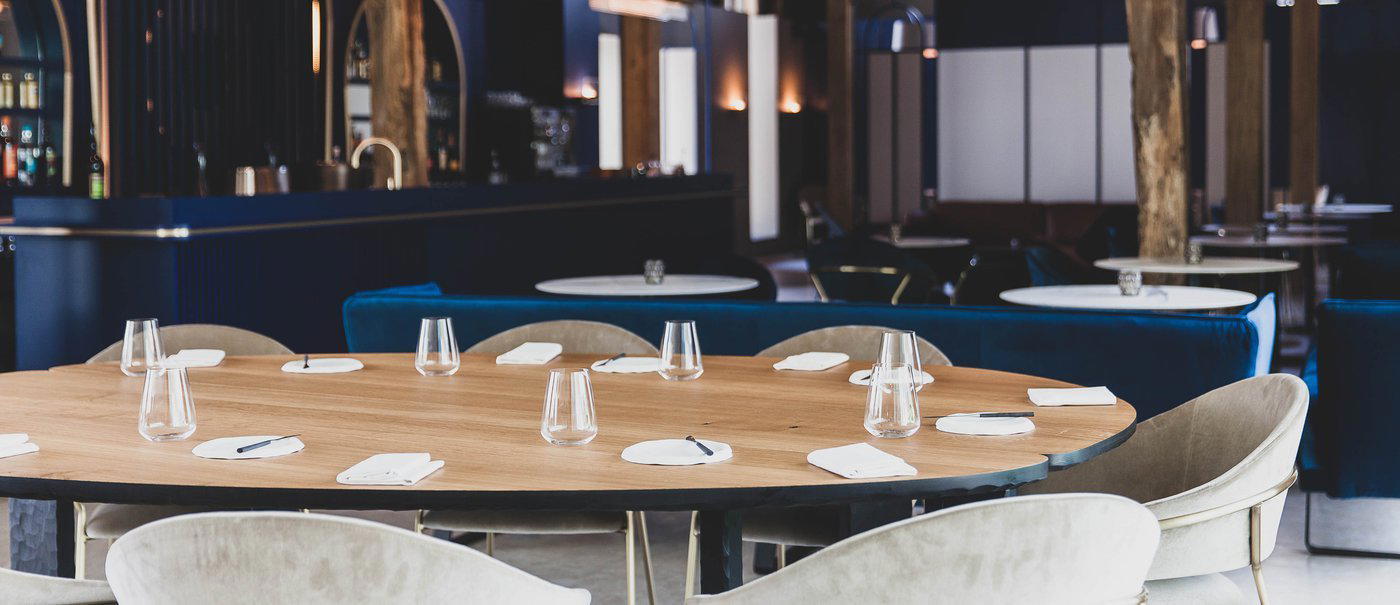
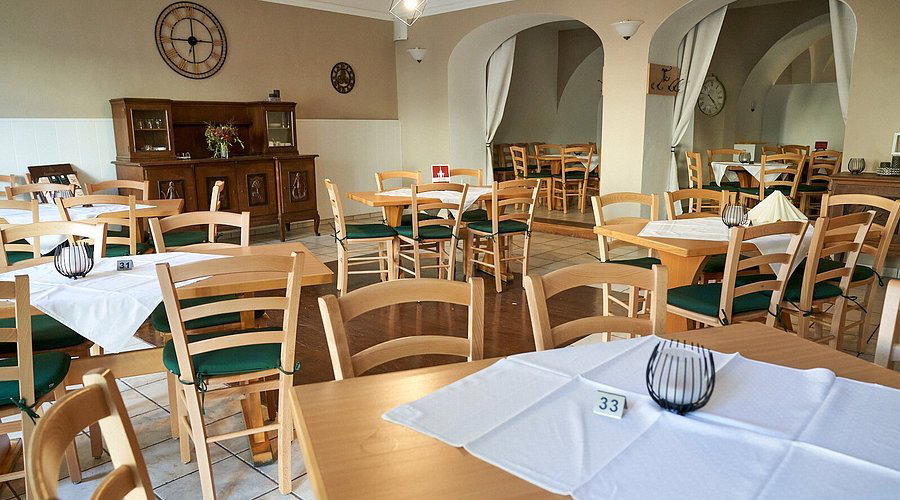
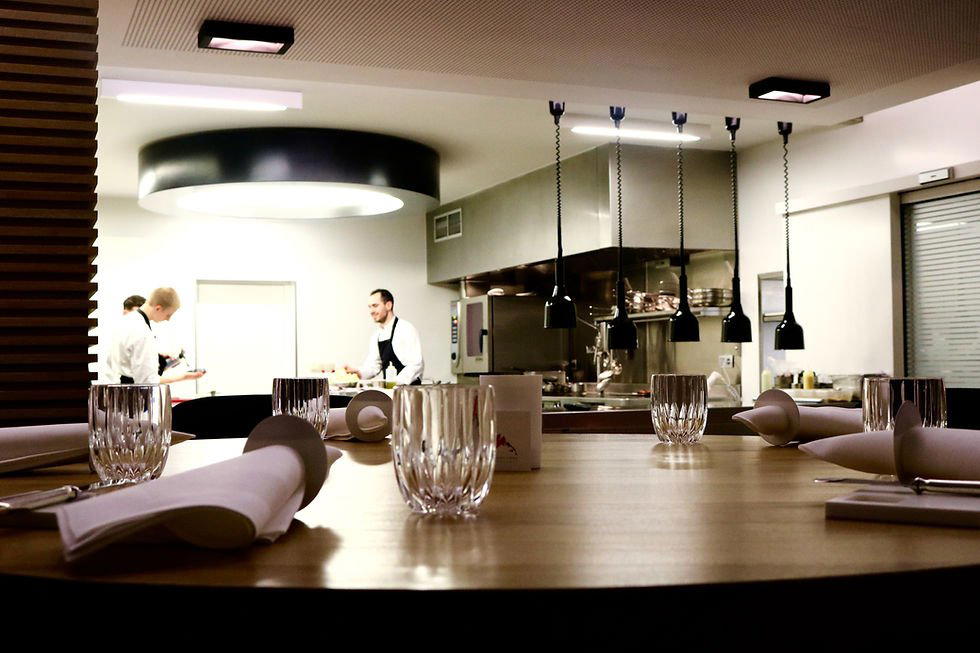
Modern luxury with contemporary design; open kitchen visible from dining room; spacious tables with professional yet warm service; historic barn-style bar with timber rafters.