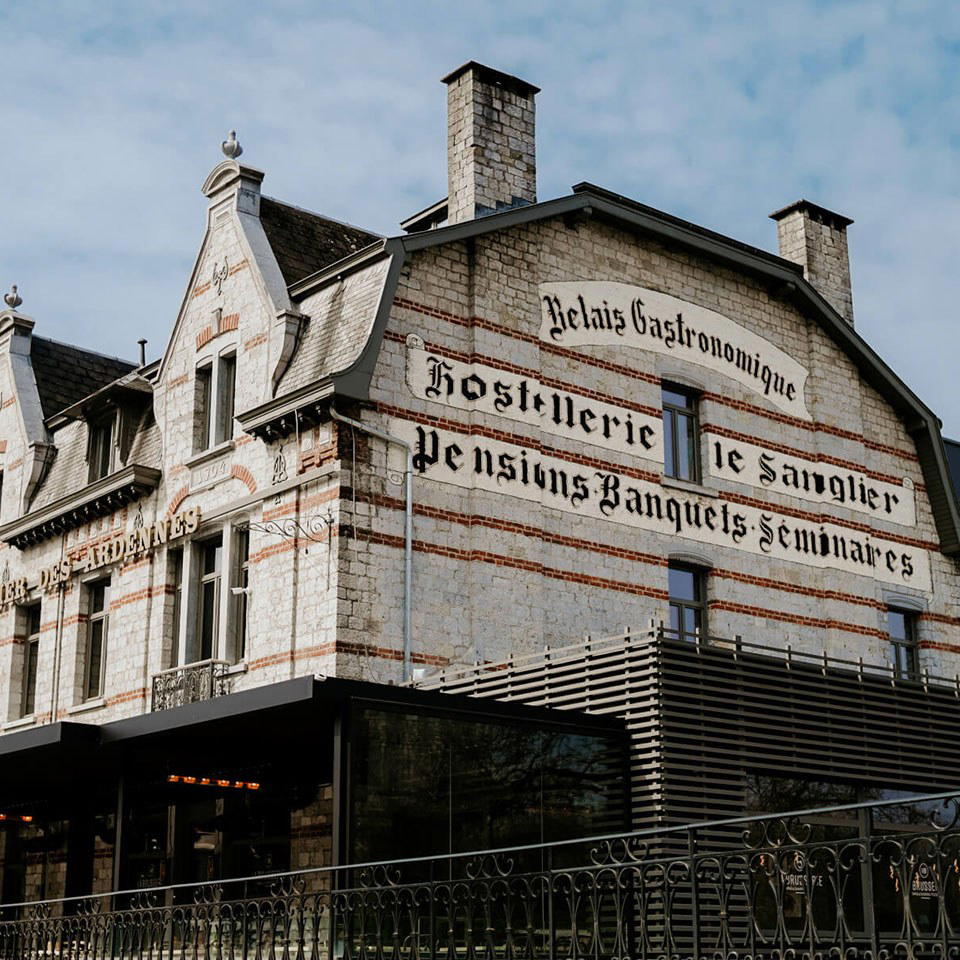
Lesse Capade sits at Rue de la Carrière 155 in Tellin, a small municipality in the Belgian Ardennes where the Lesse river valley shapes both the terrain and the local food culture. The address places it within a region defined by forest, farmland, and a slower seasonal rhythm, conditions that inform how rural Belgian dining at this level is sourced and served. For travellers moving through Wallonia's interior, it represents a specific kind of destination worth planning around.
Pearl is the En Primeur Club membership app — saves, bookings, and concierge access live there. Same editors, same standards.
- Address
- Rue de la Carrière 155, 6927 Tellin, Belgium
- Phone
- +3284344007
- Website
- lessecapade.be
- Directions
- Get directions
 Saves & bookings on Pearl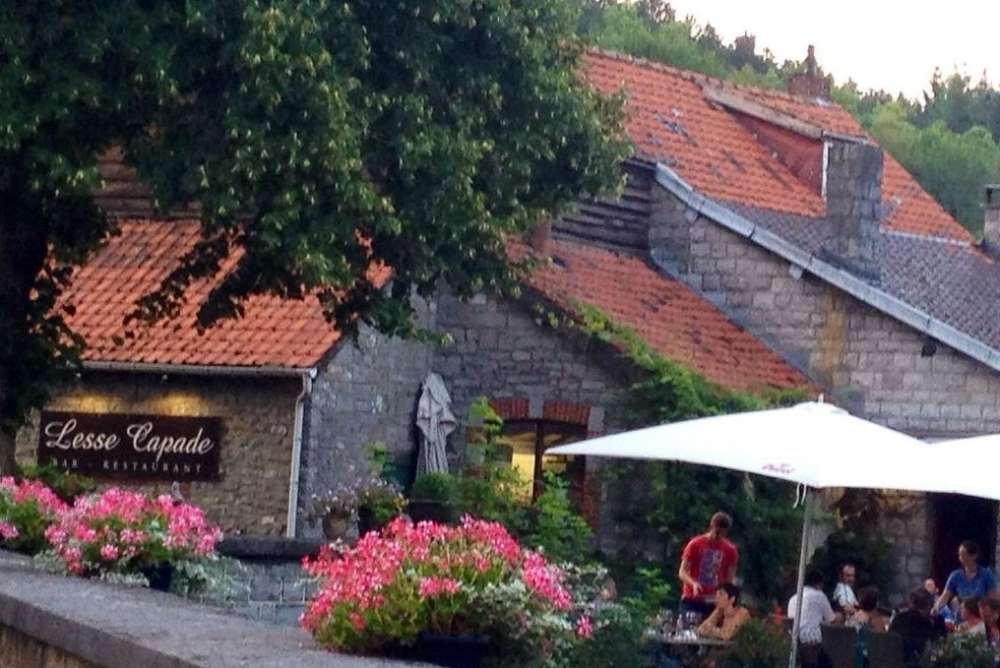
The Ardennes as Pantry: Dining in Tellin's River Country
The Lesse valley in the Belgian Ardennes is not a dining destination in the way that Brussels or Antwerp command international attention. It is something more specific: a working agricultural and forested landscape where what ends up on a plate has a direct relationship with the land surrounding it. Tellin, a commune of scattered villages between Rochefort and Saint-Hubert, sits inside this ecosystem. The farms here raise livestock in conditions that flatland Belgium cannot replicate. The forests yield game, mushrooms, and wild herbs according to a calendar that moves at the pace of the seasons rather than the demands of a kitchen brigade. When a restaurant in this part of Wallonia is worth the detour, it is usually because it understands that geography rather than tries to argue with it.
Lesse Capade is a restaurant on Rue de la Carrière 155 in Tellin, Belgium, with. It operates from within that context. The Ardennes has long occupied a particular position in Belgian fine dining: it supplies the raw material that many of the country's most serious kitchens depend on. Places like Hof van Cleve in Kruishoutem and Boury in Roeselare have built reputations partly on sourcing from precisely these kinds of rural hinterlands. What changes when you eat at the source is the supply chain. There is no logistics layer between the field and the kitchen, and that compression of distance tends to show in the plate, not through theatre, but through the direct integrity of an ingredient that has not travelled far.
What the Setting Communicates
Approaching a restaurant in a place like Tellin means arriving through countryside that contextualises the meal before you sit down. The Ardennes interior has a particular quality in each season: dense and green through summer, austere and fog-heavy by late autumn, when the game season is at its height and the regional kitchen is at its most characterful. The address on Rue de la Carrière places Lesse Capade within a village-scale environment, the kind where a dining room does not compete with a dense urban food scene but instead defines the reason to visit an area entirely.
This contrasts with the urban model visible at places like Zilte in Antwerp or Bozar Restaurant in Brussels, where the kitchen draws produce from a distance and the dining room competes for attention within a saturated city market. Rural Wallonian dining operates on a different set of assumptions: lower footfall, tighter supply relationships, and a clientele that has made a deliberate choice to be there. That deliberateness tends to filter out the casual visit and concentrate the room with guests who have a reason to eat seriously.
Ingredient Sourcing in the Ardennes Tradition
The Ardennes food tradition is built around a handful of defining ingredients: wild boar and venison from the forests of Saint-Hubert, trout and crayfish from the Lesse and its tributaries, farmhouse cheeses from the plateau farms, and foraged produce that varies by week and by year. Belgian law governs hunting seasons strictly, which means that the availability of certain proteins is not a menu decision but a calendar fact. A kitchen in this region either works with that calendar or ignores it; the ones worth the drive work with it.
That ingredient logic places rural Ardennes restaurants in a different competitive reference than their Flemish counterparts. Comparing Lesse Capade's position to, say, Willem Hiele in Oudenburg, a Flemish kitchen defined by its coastal and estuarine sourcing, illustrates how Belgian fine dining has a strong sense of regional terroir even within a small country. Castor in Beveren and De Jonkman in Sint-Kruis draw from Flemish agricultural networks; the Ardennes kitchen draws from an entirely different ecological zone, and the plates reflect that difference in texture, weight, and season.
The broader Walloon dining scene has produced kitchens that use this sourcing advantage with real precision. L'air du Temps in Liernu works from a property with its own kitchen garden and foraging programme. La Table de Maxime in Our operates in the Luxembourg province with a similar proximity-to-source philosophy. d'Eugénie à Emilie in Baudour anchors its menu in Wallonian produce. These are the kitchens against which a serious Tellin address should be measured, not city restaurants, but rural rooms that have made geography into culinary logic.
Planning a Visit to Tellin
Tellin is not served by major rail connections. The practical approach for most visitors is by car, travelling from Namur (roughly 55 kilometres to the northeast) or Luxembourg City across the border. The commune sits along the N899, accessible from the E411 motorway. The area rewards an overnight stay rather than a day trip: the Lesse valley has walking trails, the Grottes de Han nearby, and a pace of travel that does not suit rushed schedules. For those building a Wallonian itinerary, combining Tellin with a meal at La Durée in Izegem or Nuance in Duffel requires planning across regions, but the country's compact geography makes it feasible across two or three days.
Seasonal timing shapes the experience in the Ardennes more than in most Belgian regions. Autumn, from September through November, is when the game calendar is active and the forest produce is at its most concentrated. Spring brings the first river fish and early foraged greens. Visiting in midsummer means a different menu register, leaner and more vegetable-led, which has its own logic but is a distinct experience from the heavier, more mineral plates of the colder months.
For international reference points, the kind of hyper-local sourcing philosophy visible in Ardennes cooking has parallels at the higher end of the American tasting-menu circuit. Le Bernardin in New York City and Atomix in New York City operate at entirely different scales and price tiers, but both demonstrate how close supply relationships between kitchen and source define the upper register of serious dining. The Ardennes version of that logic is less formal and considerably less expensive by comparison, which is part of its appeal for travellers who want the substance without the ceremony. Further afield in Belgium's dining orbit, Le Chalet de la Forêt in Uccle and Maison Colette in Tongerlo offer points of comparison for those mapping Belgian dining across its different registers.
At-a-Glance Comparison
Comparable venues nearby, for context on price, style, and recognition.
| Venue | Cuisine | Price | Notes |
|---|---|---|---|
| Lesse CapadeThis venue — the venue you are viewing | French Bistro with Local Ardennes Flavors | $$ | Not listed |
| Temps Des Cerises | Traditional Walloon Bistro | $$ | Old Namur |
| Cagette | Neo-Bistro French-Asian Small Plates | $$ | Centre |
| PhilFa | Modern French Brasserie | $$ | City Centre |
| Les Coudes sur la Table | Modern French Bistro | $$ | Chaudfontaine |
| Un Air de Famille | French Family Bistro | $$ | Theux |
At a Glance
- Cozy
- Rustic
- Scenic
- Intimate
- Date Night
- Special Occasion
- Waterfront
- Local Sourcing
- Waterfront
- Street Scene
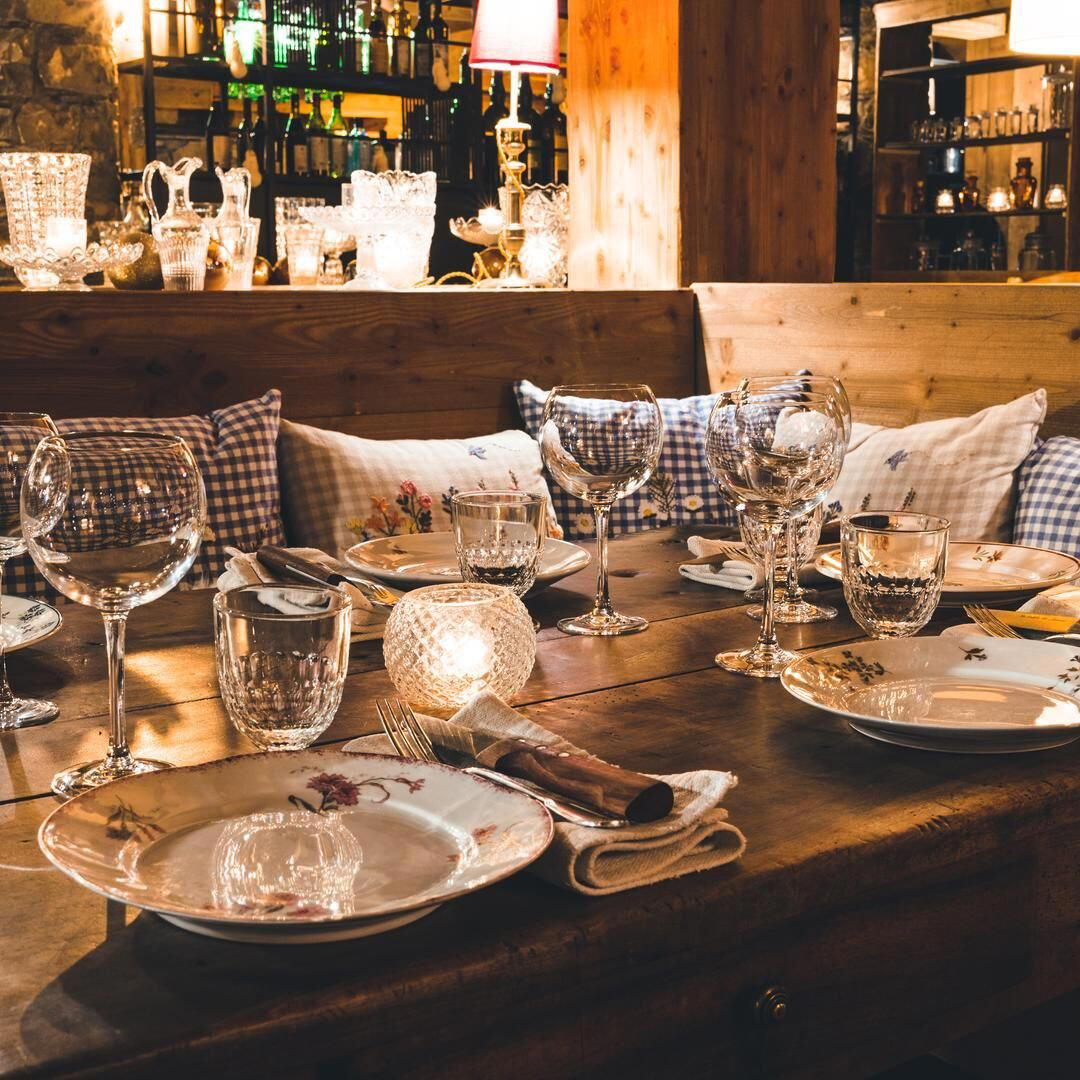
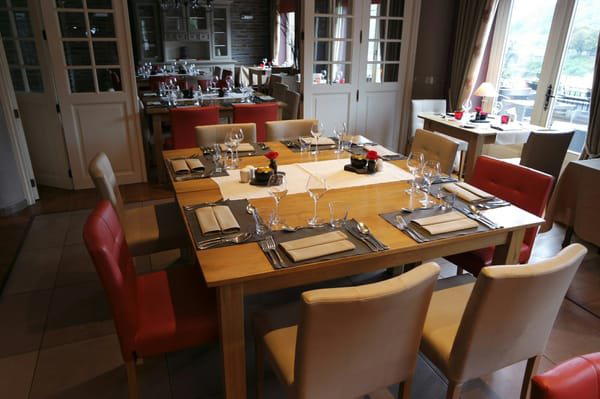
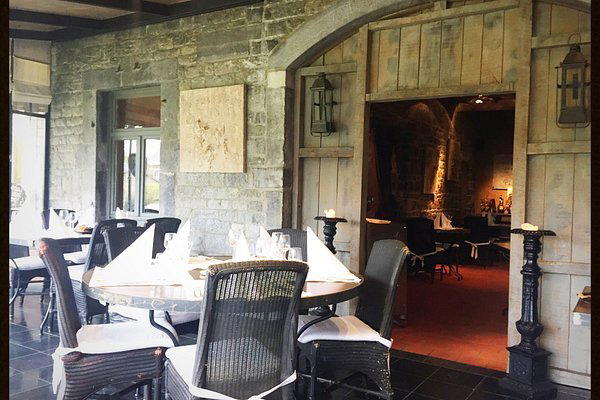
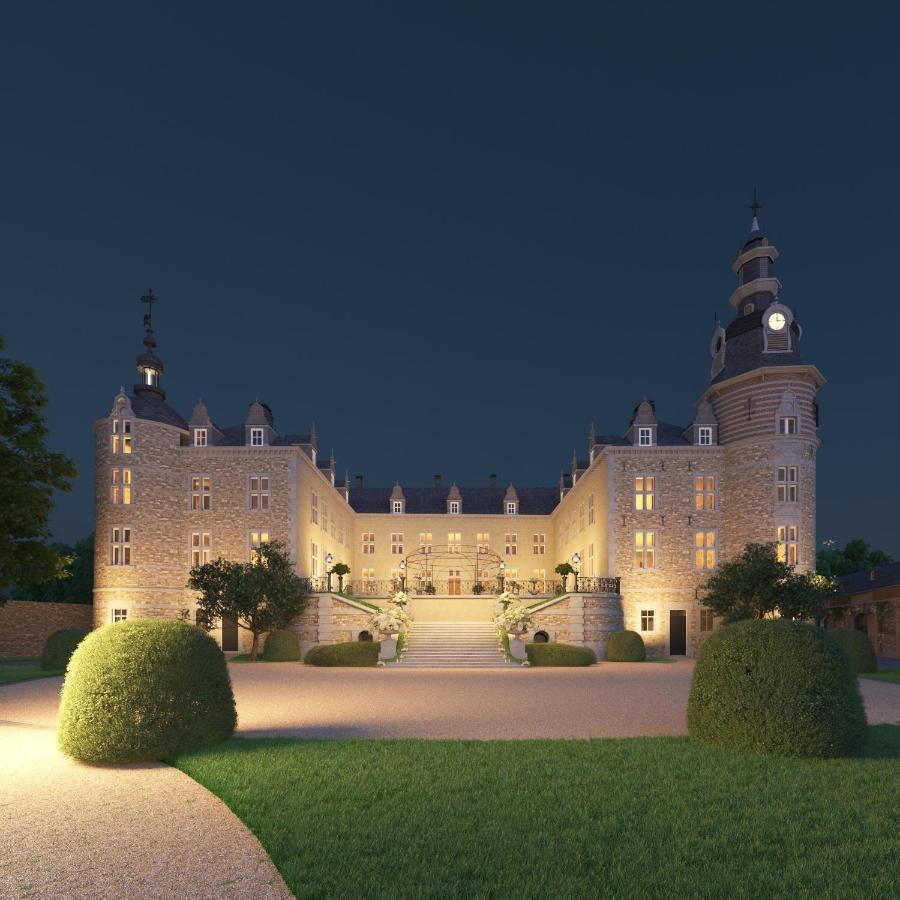
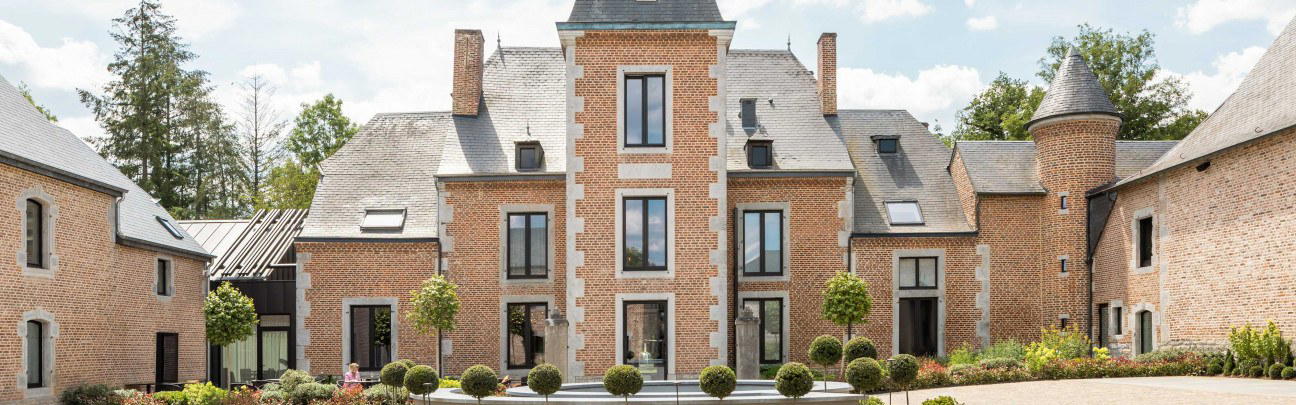
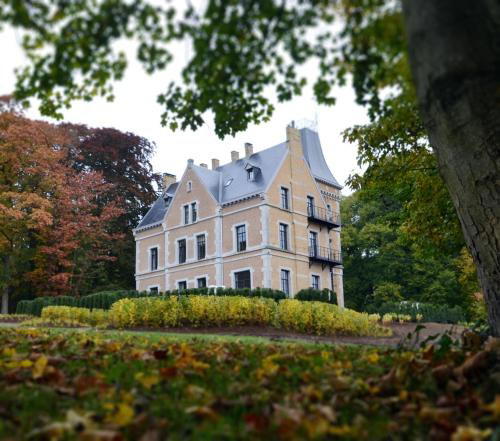
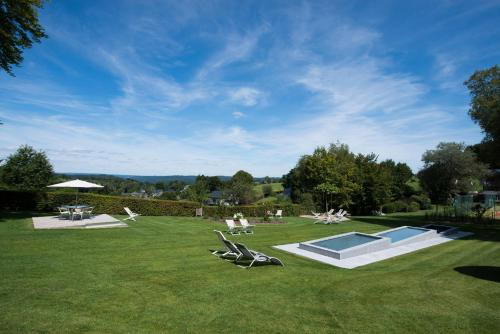
Relaxed countryside atmosphere with a friendly, efficient vibe and uninterrupted cliff views.