Les Pins
Our verdict
Les Pins sits on the Boulevard de l'Amélie in Soulac-sur-Mer, the Atlantic resort town where the Médoc peninsula meets the ocean. On France's southwest coast, where the Gironde estuary and the Bay of Biscay shape what ends up on the plate, the address puts local sourcing at the centre of the dining proposition. It is a practical base for exploring one of France's more understated coastal dining scenes.

Pearl is the En Primeur Club membership app — saves, bookings, and concierge access live there. Same editors, same standards.
- Address
- 92 Bd de l'Amélie, 33780 Soulac-sur-Mer, France
- Phone
- +33556732727
- Website
- hotel-des-pins.com
- Directions
- Get directions
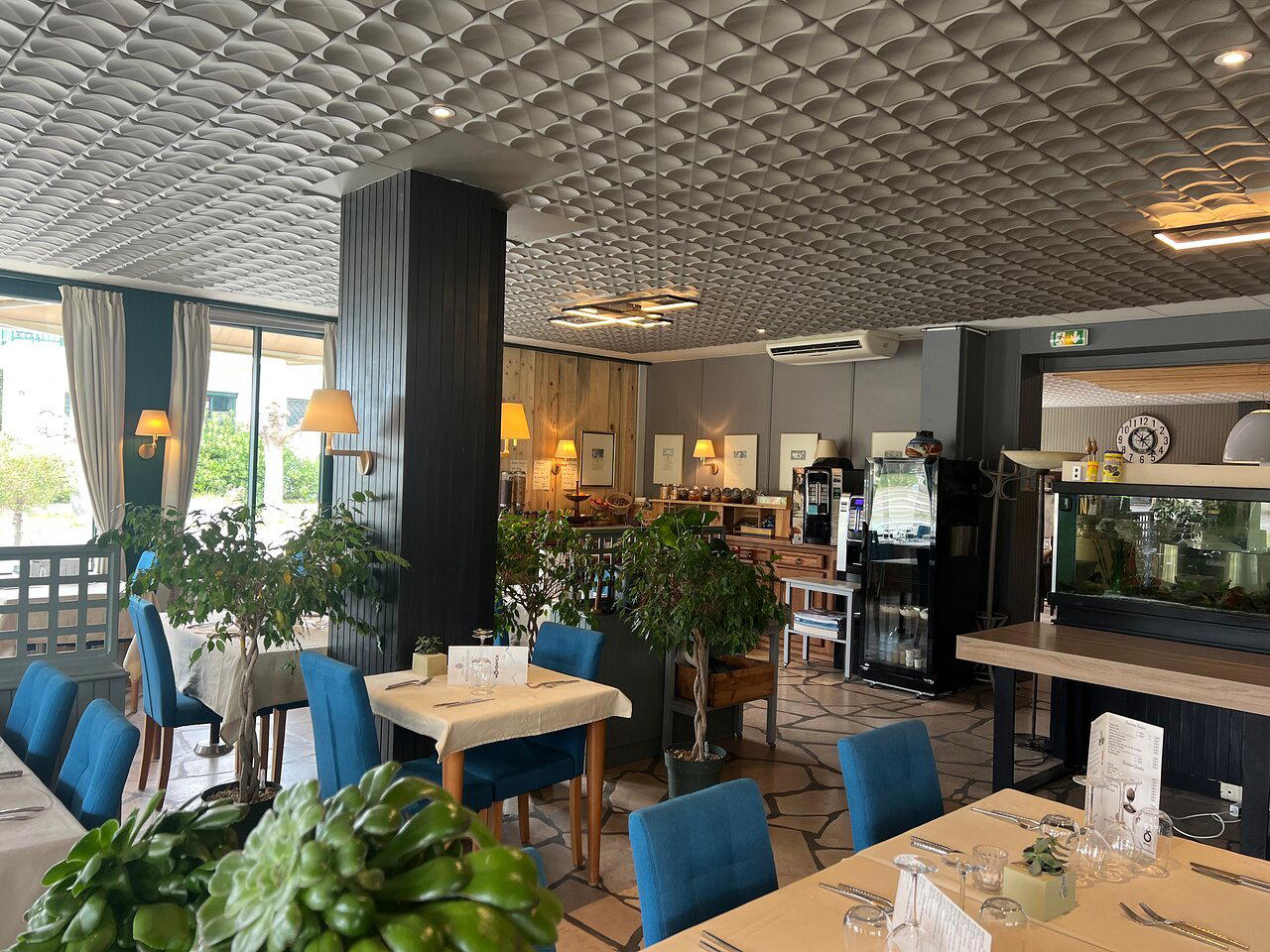
The Atlantic Edge of the Médoc
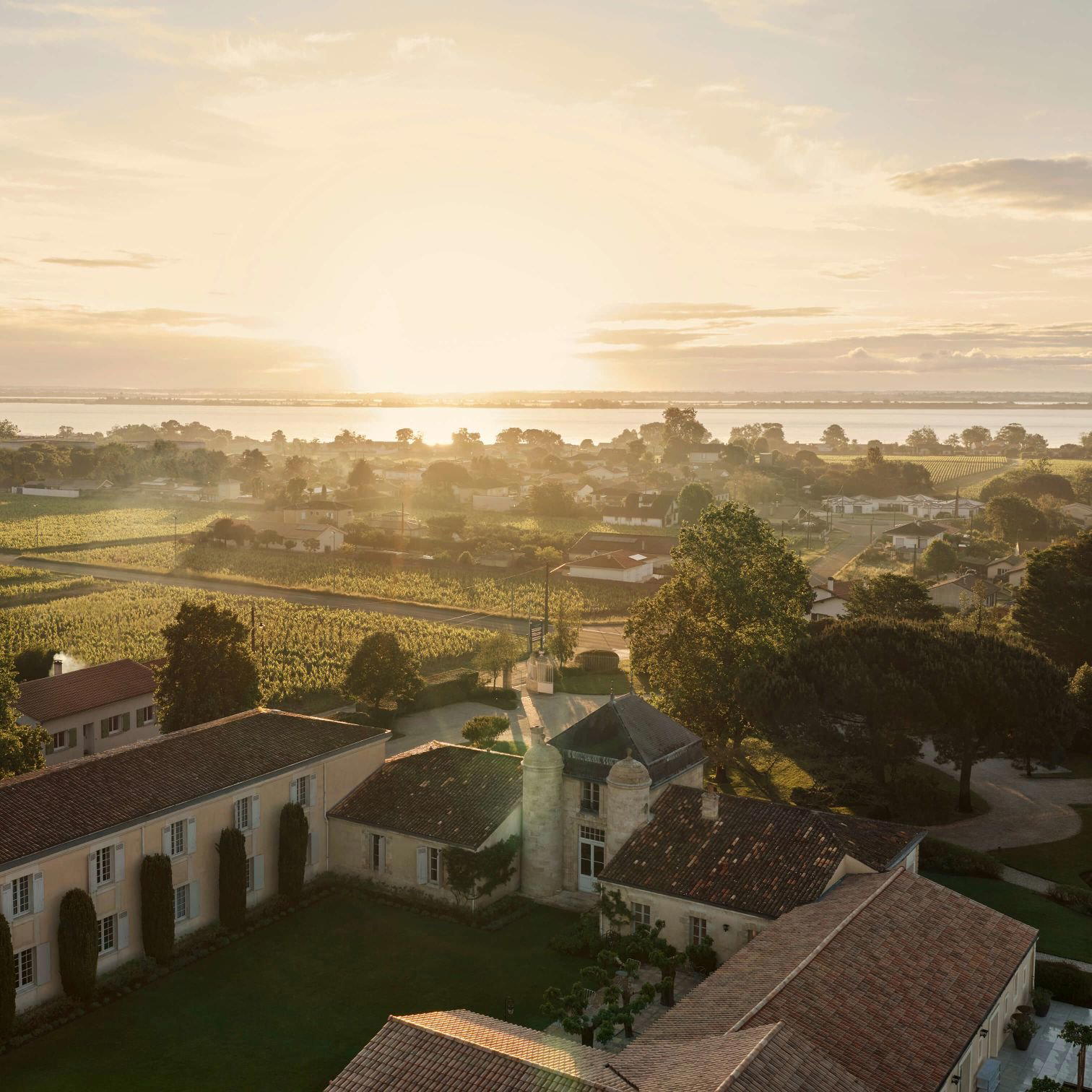
Soulac-sur-Mer sits at the northern tip of the Médoc peninsula, where the land runs out between the Gironde estuary and the Atlantic. It is not a restaurant city in the way that Bordeaux or La Rochelle are, and that is precisely the point. The dining character here is shaped by proximity to water and forest rather than by competition for Michelin recognition. The pine forest that gives so many addresses in this stretch of the Landes coastline their names is not incidental scenery; it is the ecological backdrop to a regional food culture built on oysters from the Arcachon basin, fish from the Bay of Biscay, lamb grazed on salt marsh, and mushrooms harvested from the forest floor in autumn.
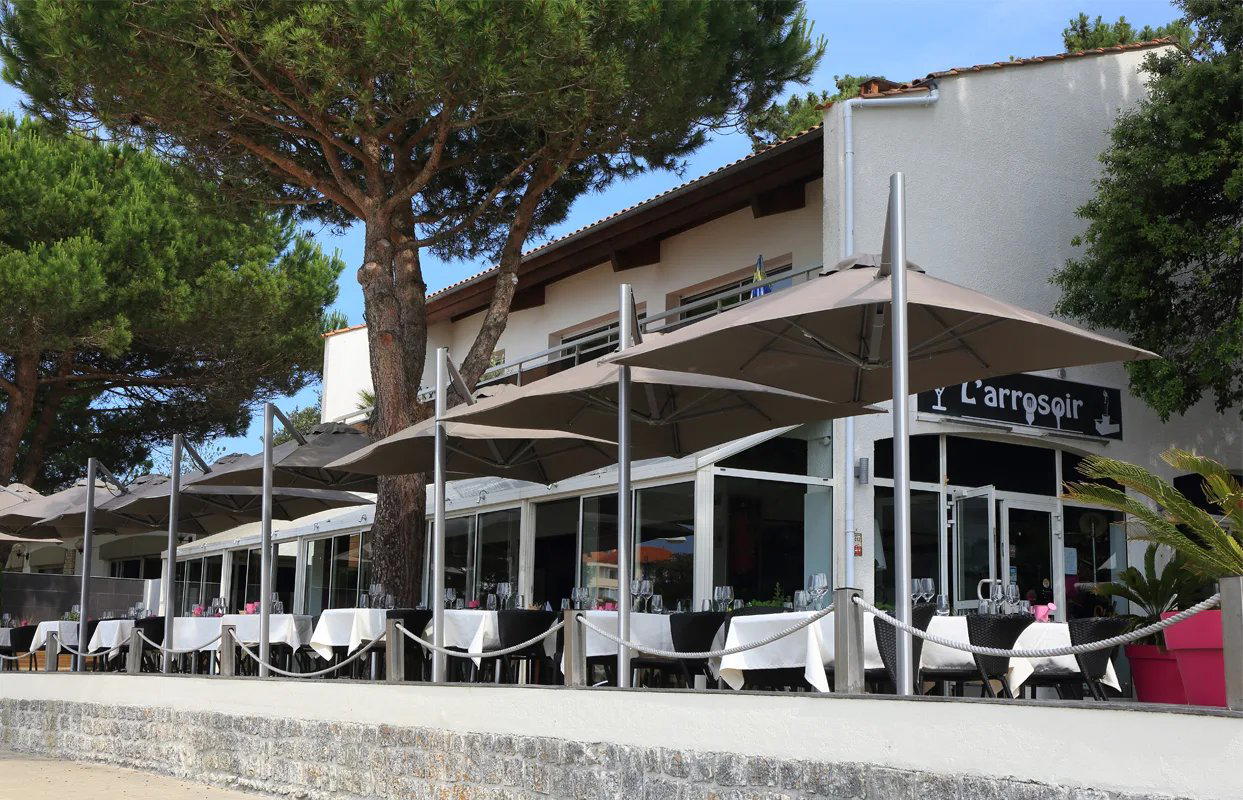
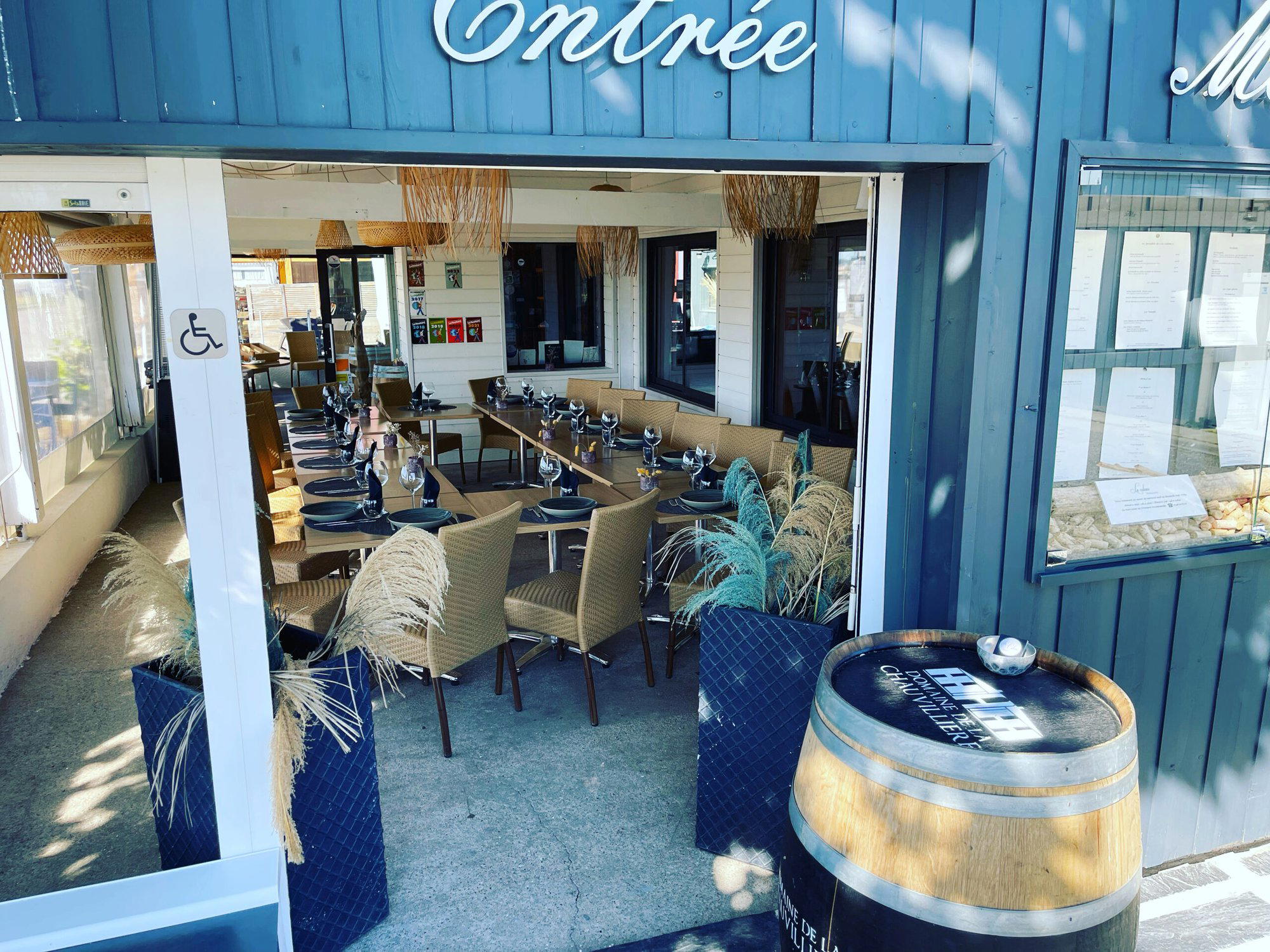
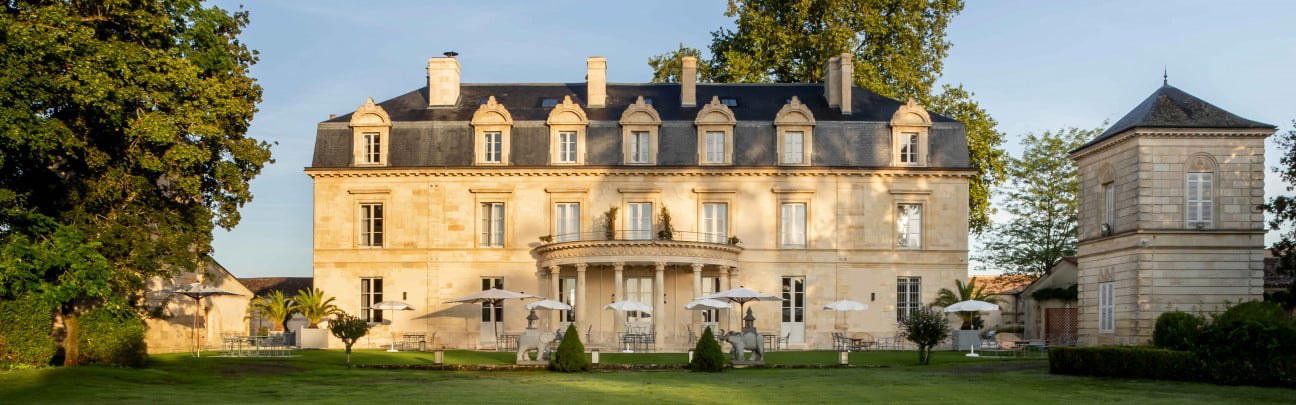
Les Pins, at 92 Boulevard de l'Amélie, belongs to that coastal register. The boulevard runs parallel to the beach, and the address places the restaurant inside the low-rise, early-twentieth-century resort architecture that characterises Soulac's seafront. Arriving on foot from the beach, you pass through the kind of pine-shaded streets that define the town's spatial character before the façade comes into view. It is a setting that primes expectations toward informality and local produce rather than ceremony.
Where the Food Comes From
The Médoc is better known internationally for its wine appellations than for its table, but the raw materials available to any kitchen operating in this corner of Aquitaine are serious. The Gironde estuary is one of Europe's largest, and its waters produce shad, lamprey, and eel alongside the brown shrimp and flat oysters that appear in the regional canon. Offshore, the Bay of Biscay supplies sole, sea bass, and turbot. Inland, the Landes forest yields ceps and other wild fungi in season, and the duck and goose farming that underpins southwestern French cuisine is within easy reach.
This geography puts coastal restaurants like Les Pins in a sourcing position that higher-profile addresses, such as Christopher Coutanceau in La Rochelle or Mirazur in Menton, would recognise in principle even if their specific supply chains differ. The argument for eating at a well-run coastal restaurant in a small Atlantic town is precisely that the distance between catch and plate is short, and the seasonal logic is harder to obscure. When ceps are on the menu in October, they are likely local. When oysters appear, the Arcachon basin is forty kilometres south.
Les Pins is a restaurant operating in one of France's most ingredient-rich coastal corridors, in a town whose dining culture runs toward honest regional cooking rather than technical ambition. For comparison, the kind of sourcing rigour that drives celebrated southwestern addresses such as Bras in Laguiole or Auberge du Vieux Puits in Fontjoncouse is rooted in the same principle: that the region's terroir, treated with restraint, is the main event.
Soulac in the Context of French Coastal Dining
French coastal dining operates across a wide range of ambition and format. At the high end, you have the kind of long-standing institutional weight found at Paul Bocuse in Collonges-au-Mont-d'Or or the creative precision of AM par Alexandre Mazzia in Marseille. At the other end, you have resort-town restaurants where the sourcing is the story and the format is uncomplicated. Soulac sits firmly in the latter register, and the restaurants that work here tend to be the ones that understand the local supply chain and resist overcomplicating it.
The Médoc as a whole remains underrepresented in international dining coverage relative to the quality of its ingredients. Wine tourism draws visitors to the châteaux, but the table often plays second role. That gap creates space for well-positioned local addresses. Maison Brémontier is another Soulac address worth considering alongside Les Pins when planning a meal in the area. Together they represent the town's current dining offer, which is modest in scale but grounded in a genuinely strong regional pantry.
For readers accustomed to the precision and ambition of Paris addresses such as Alléno Paris au Pavillon Ledoyen or Assiette Champenoise in Reims, Soulac is a different kind of proposition entirely. The interest is in the ingredients and the setting, not the technique. That is a legitimate reason to eat somewhere, particularly when the raw materials are this good.
Planning a Visit
Soulac-sur-Mer is accessible by train from Bordeaux, with a change at Lesparre-Médoc, or by car along the D1 through the Médoc wine corridor. The town's peak season runs July and August, when the Atlantic beaches draw visitors and restaurants fill quickly. Visiting in late spring or early autumn offers a more measured pace and better alignment with the regional seasonal calendar: spring brings estuary fish and early asparagus from the Landes; autumn delivers ceps, oysters at their best, and the tail end of the Médoc harvest. For a fuller picture of what the town's dining offer looks like across the season, our full Soulac-sur-Mer restaurants guide covers the current options in more detail.
The Boulevard de l'Amélie address makes Les Pins a practical option for those already in Soulac-sur-Mer.
Broader French Reference Points
For those building a wider itinerary around serious French restaurants, the southwest and Atlantic coast offer a range of reference points at different price levels. Flocons de Sel in Megève, Troisgros in Ouches, Auberge de l'Ill in Illhaeusern, Georges Blanc in Vonnas, L'Oustau de Baumanière in Les Baux, and Au Crocodile in Strasbourg each represent a distinct strand of French regional cooking at high levels of execution. They are useful calibration points for understanding where a coastal resort town like Soulac sits in the broader map: not competing with that tier, but drawing on the same regional ingredient culture at a different scale and with different ambitions. International comparisons such as Le Bernardin in New York City or Atomix in New York City illustrate how differently the same coastal-ingredient logic can be applied when technical ambition and price point rise sharply.
Frequently asked questions
Is Les Pins child-friendly?
Soulac-sur-Mer is a family-oriented Atlantic resort, and the Boulevard de l'Amélie address places Les Pins squarely within that casual, seasonal register. The town's dining culture skews accessible rather than formal. Les Pins uses a smart casual dress code, and reservations are recommended.
Is Les Pins better for a quiet night or a lively one?
Soulac-sur-Mer runs on a seasonal rhythm. In July and August, the Boulevard de l'Amélie fills with summer visitors and the town operates at a different pace than the rest of the year. Outside peak season, the northern Médoc is quiet Atlantic France, and a meal at Les Pins would reflect that slower tempo. Expect the atmosphere to track the town's calendar rather than a fixed house style.
Is Les Pins a good base for dining while exploring the Médoc wine corridor?
Soulac-sur-Mer sits at the northern tip of the Médoc peninsula, accessible by car along the D1 through the wine appellations or by train from Bordeaux via Lesparre-Médoc. That position makes it a practical endpoint for a day moving through the châteaux country. Reservations are recommended at Les Pins. Les Pins at 92 Boulevard de l'Amélie is the dining option closest to the Atlantic terminus of that route.
What should I eat at Les Pins?
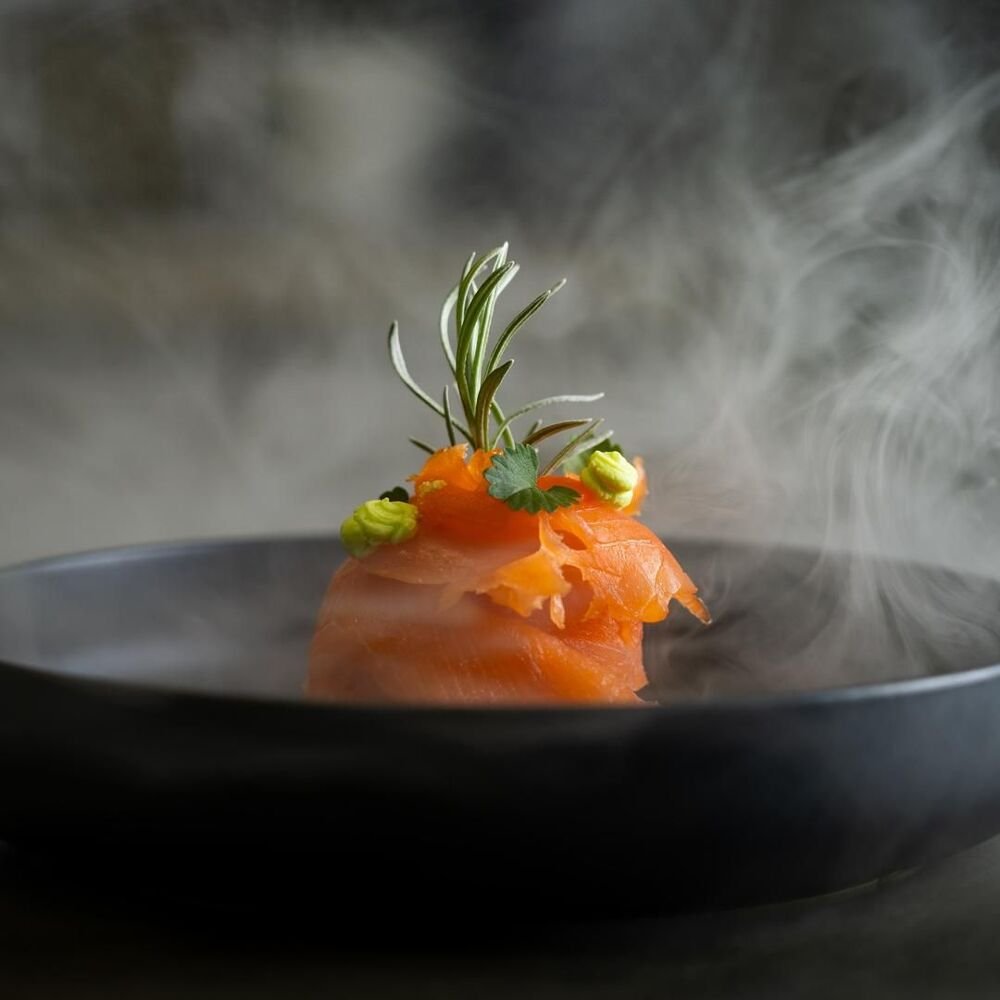
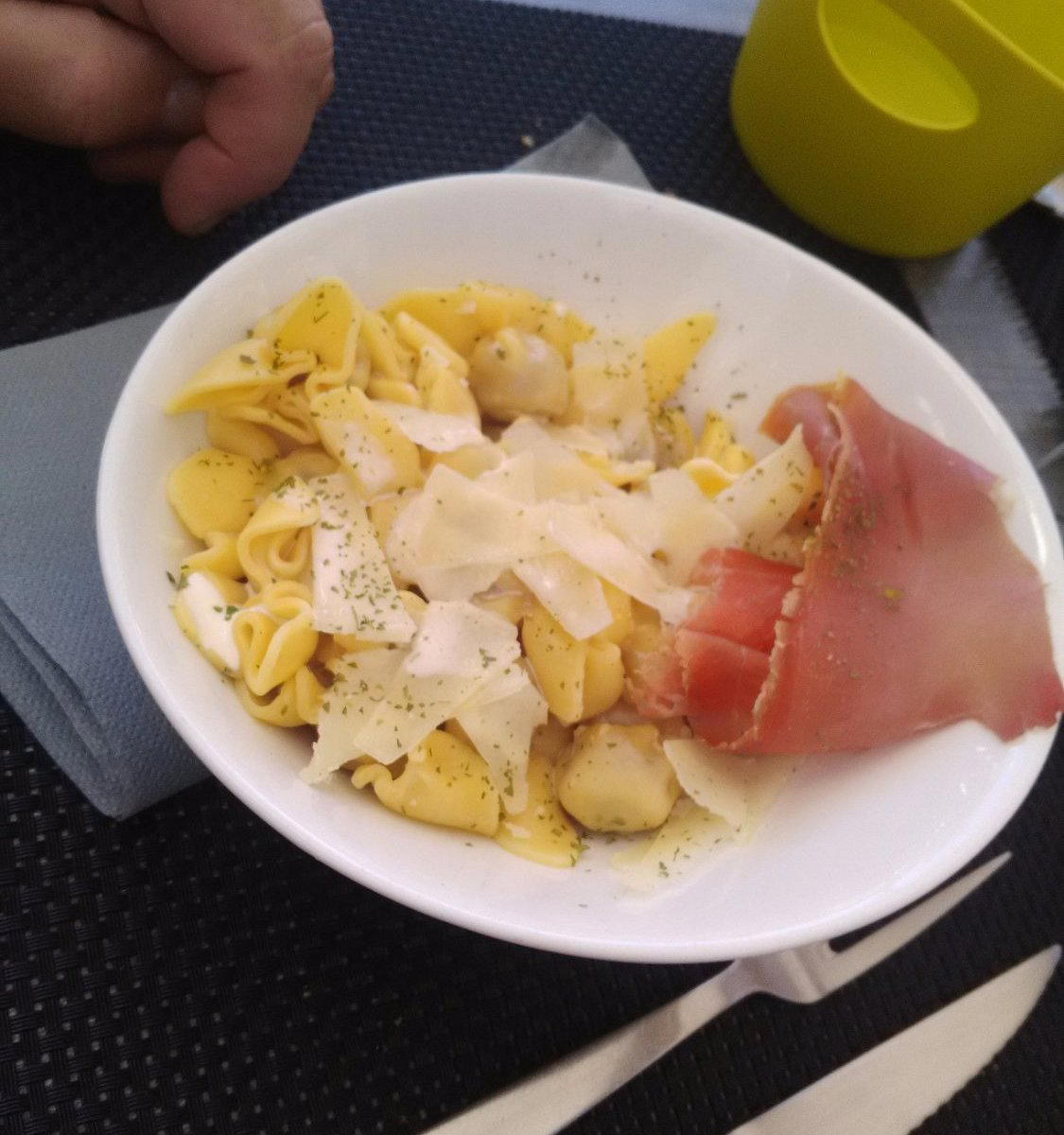
Les Pins serves French-Thai Fusion Bistro cooking. The regional context is clear, however: the Médoc and Atlantic coast produce oysters from the Arcachon Basin, Atlantic fish from the local boats, and lamb raised on the salt marshes of the peninsula. Any kitchen operating at 92 Boulevard de l'Amélie has those raw materials within reach.
How Les Pins Soulac Sur Mer: What to Know compares with similar nearby venues.
| Venue | Cuisine | Price |
|---|---|---|
| Les PinsThis venue — the venue you are viewing | French-Thai Fusion Bistro | $30–50 |
| Maison Brémontier | Creative French with Asian and Italian Influences | $50–100 |
| Rafales | Modern Cuisine | Not listed |
| Le Sens 7367 | Modern Cuisine | Not listed |
Continue exploring
More in Soulac Sur Mer
Restaurants in Soulac Sur Mer
Browse all →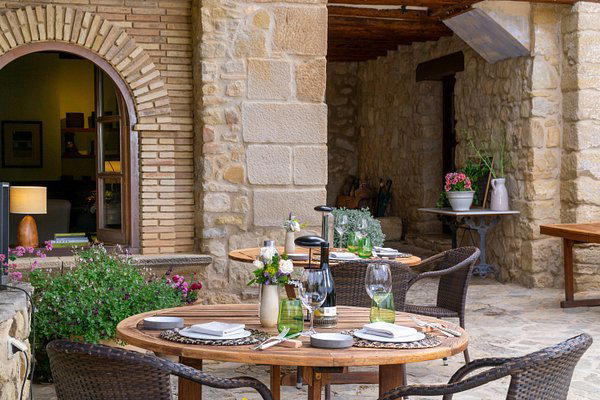
Bars in Soulac Sur Mer
Browse all →
Hotels in Soulac Sur Mer
Browse all →

Les Pins
The wine
- Wine program
- Curated wine list
- Extensive wine list
Details
- Cozy
- Scenic
- Family
- Casual Hangout
- Terrace
- Hotel Restaurant
- Extensive Wine List
- Local Sourcing
- A La Carte
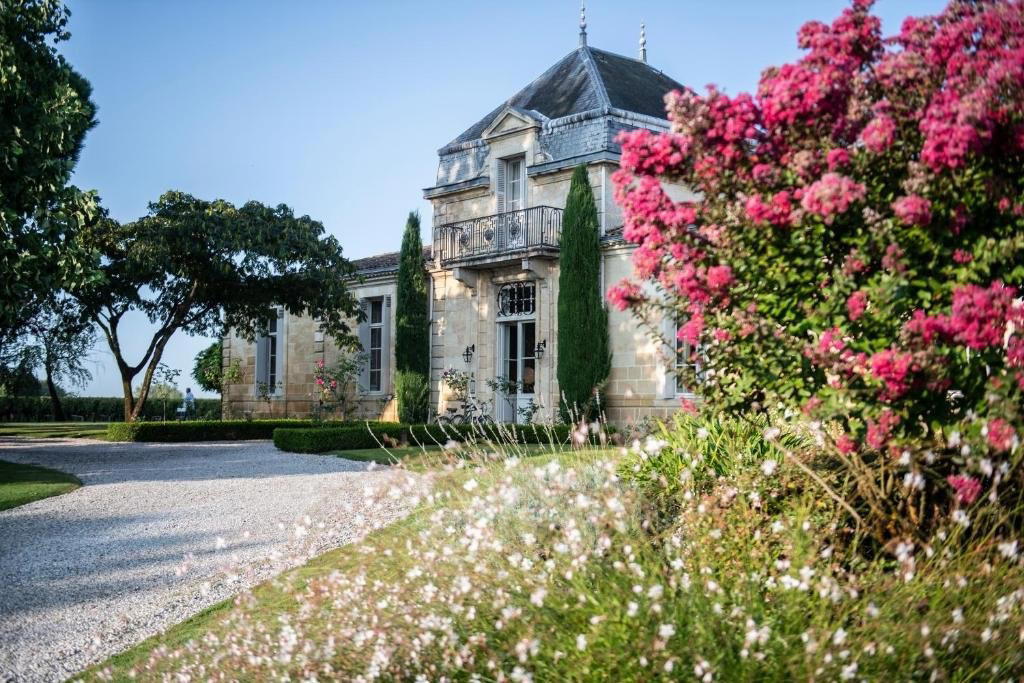
Pleasant and convivial atmosphere with indoor dining and shaded summer terrace.