Maison Brémontier
Maison Brémontier sits on Rue Brémontier in Soulac-sur-Mer, a small Atlantic resort town in the Médoc where coastal dining draws from the Gironde estuary and the Bay of Biscay. The address places it within a dining scene shaped by proximity to Bordeaux wine country and some of France's most productive oyster beds. See our full Soulac-sur-Mer restaurants guide for context on where it fits locally.
Pearl is the En Primeur Club membership app — saves, bookings, and concierge access live there. Same editors, same standards.
- Address
- 5 Rue Brémontier, 33780 Soulac-sur-Mer, France
- Phone
- +33556599671
- Directions
- Get directions
 Saves & bookings on Pearl
Where the Médoc Meets the Atlantic Shore
Soulac-sur-Mer occupies a particular position in French coastal geography: it sits at the northern tip of the Médoc peninsula, where the Gironde estuary opens into the Bay of Biscay, and where the land-use priorities shift abruptly from grand cru vineyards to pine forest and Atlantic beach. The dining culture that has developed here reflects that duality. Restaurants in this part of Gironde tend to work simultaneously with the produce of the ocean, oysters from Arcachon and Cap-Ferret, wild sea bass, sole, and with the wine identity of one of France's most consequential appellations. That combination gives the local table a character distinct from both the Basque coast to the south and the Loire estuary towns to the north. It sits inside this specific cultural and culinary context.
The address itself carries meaning in a town of this size. Soulac-sur-Mer is a resort community, its population swells dramatically between July and August, then contracts to a quieter year-round core. Restaurants that operate here year-round, or that anchor themselves to a fixed address rather than the seasonal pop-up economy, are making a different kind of statement about their relationship to place. That settled quality shapes expectations before you arrive: this is not a beach-shack format designed to turn tables at volume.
Atlantic France and the Logic of the Local Table
To understand what a table in this part of France represents, it helps to trace the culinary logic of the Atlantic southwest. The Gironde département has produced some of France's most consequential regional cooking traditions, not just the wine, but the way that wine culture has structured local hospitality. The grands crus châteaux trained generations of visitors to expect serious table service alongside serious bottles, and that expectation filtered into the broader restaurant culture of the region. Restaurants along the Médoc corridor, from Bordeaux north to the Pointe de Grave, tend to take the wine list seriously even at modest price points.
The seafood dimension adds the other axis. The oyster beds at Arcachon, roughly 60 kilometres south of Soulac, supply particularly recognised bivalves in France, flat Belon-style and deep-cupped varieties that have defined French oyster culture for well over a century. Restaurants in this coastal corridor with access to those beds are working with product that would command significant premiums on a Paris menu. For the Atlantic coast table, it is simply the baseline. That geographic advantage, proximity to both notable seafood and notable wine, defines what is possible at an address like Maison Brémontier, even before kitchen ambition enters the equation. To see how this compares to Atlantic coast dining further north, Christopher Coutanceau in La Rochelle represents the upper tier of what the Atlantic seafood tradition can produce at a formal level.
Soulac in the Broader French Restaurant Conversation
France's restaurant hierarchy tends to concentrate its most-discussed tables in a handful of cities and resort towns: Paris, Lyon, Menton, the Basque coast. The Médoc, despite its wine prestige, does not feature prominently in that conversation at the fine dining level. This creates an interesting condition for restaurants operating in smaller Médoc towns: they are neither competing in the upper-tier national bracket occupied by addresses like Mirazur in Menton, Alléno Paris au Pavillon Ledoyen, or Flocons de Sel in Megève, nor are they operating with the tourist-volume economics of a beachside brasserie. They occupy a middle register that can be quietly serious without the infrastructure of a major dining city.
Comparable terrain exists elsewhere in provincial France. Auberge du Vieux Puits in Fontjoncouse built a case for serious cooking in a village context. Bras in Laguiole did the same in the Aubrac highlands. Auberge de l'Ill in Illhaeusern maintained multi-decade relevance in rural Alsace. The pattern suggests that French culinary ambition does not require a metropolitan address. For Soulac-sur-Mer, Maison Brémontier represents the local reference point in that same tradition of place-rooted, non-urban seriousness. For a broader view of what the Soulac dining scene looks like as a whole, see our full Soulac-sur-Mer restaurants guide. A nearby option for comparison is Les Pins, which operates within the same local context.
The Cultural Weight of the Maison Format
The word maison in a French restaurant name carries specific cultural freight. It signals a house, a home, a place with a proprietorial identity rather than a branded or chain concept. That naming convention has deep roots in French hospitality, from the maison bourgeoise tradition of family-run regional tables to the maison de cuisine format that preceded the modern restaurant in the eighteenth century. When a restaurant in a small Atlantic town adopts that framing, it is positioning itself within a particular lineage: personal, rooted, resistant to the anonymity of concept dining. Whether that positioning is fully substantiated at Maison Brémontier requires a visit to assess, What the name and address together suggest is a deliberate choice to anchor the experience to a specific place and a specific set of culinary values.
Planning Your Visit
Soulac-sur-Mer is reachable from Bordeaux via the D1215 route through the Médoc, a drive of roughly an hour to 90 minutes depending on season and traffic. In July and August, the town operates at full resort capacity, and restaurants at this address will reflect that demand, booking ahead during the summer peak is advisable. The shoulder seasons of May, June, and September offer the town at a quieter register, which tends to favour a more considered dining experience. Visitors combining a Médoc wine itinerary with a stay on the Atlantic coast will find the timing works well: the châteaux are accessible in the morning, and the coast in the afternoon, with dinner at an address like Maison Brémontier anchoring the evening.
Budget Reality Check
Comparable venues nearby, for context on price, style, and recognition.
| Venue | Cuisine | Price | Notes |
|---|---|---|---|
| Maison BrémontierThis venue — the venue you are viewing | Not listed | $$$$ | Not listed |
| Les Pins | Not listed | $$$ | Soulac-sur-Mer, French-Thai Fusion Bistro |
| Alain Ducasse Baccarat | Not listed | $$$$ | 16th arrondissement, Avant-garde French fine dining in a crystal-clad Maison Baccarat setting |
| L'avant Port | Not listed | $$$$ | Saint Martin de Re, Modern French Seafood |
| La Côte Rôtie | Pallice, Modern French Bistro | $$$ | Not listed |
| Saturne | Not listed | $$$ | 2nd Arrondissement, Modern French with Nordic Influences |
Continue exploring
More in Soulac Sur Mer
Restaurants in Soulac Sur Mer
Browse all →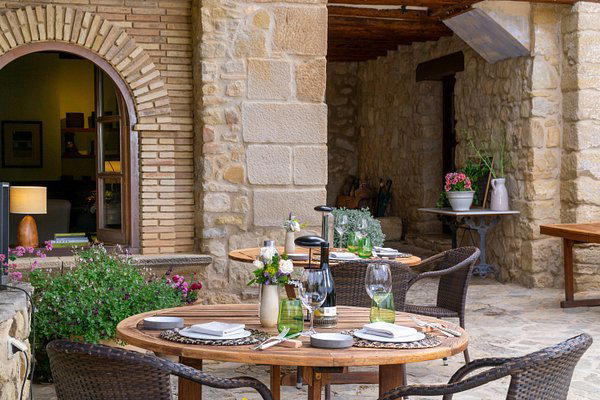
Bars in Soulac Sur Mer
Browse all →
Hotels in Soulac Sur Mer
Browse all →
At a Glance
- Elegant
- Cozy
- Romantic
- Sophisticated
- Date Night
- Celebration
- Special Occasion
- Group Dining
- Garden
- Terrace
- Standalone
- Open Kitchen
- Local Sourcing
- Garden
Current opening hours
- Monday
- 12–2 PM, 7–9 PM
- Tuesday
- Closed
- Wednesday
- Closed
- Thursday
- 12–2 PM, 7–9 PM
- Friday
- 12–2 PM, 7–9 PM
- Saturday
- 12–2 PM, 7–9 PM
- Sunday
- 12–2 PM, 7–9 PM
Hours can change for holidays and private events. Last verified .
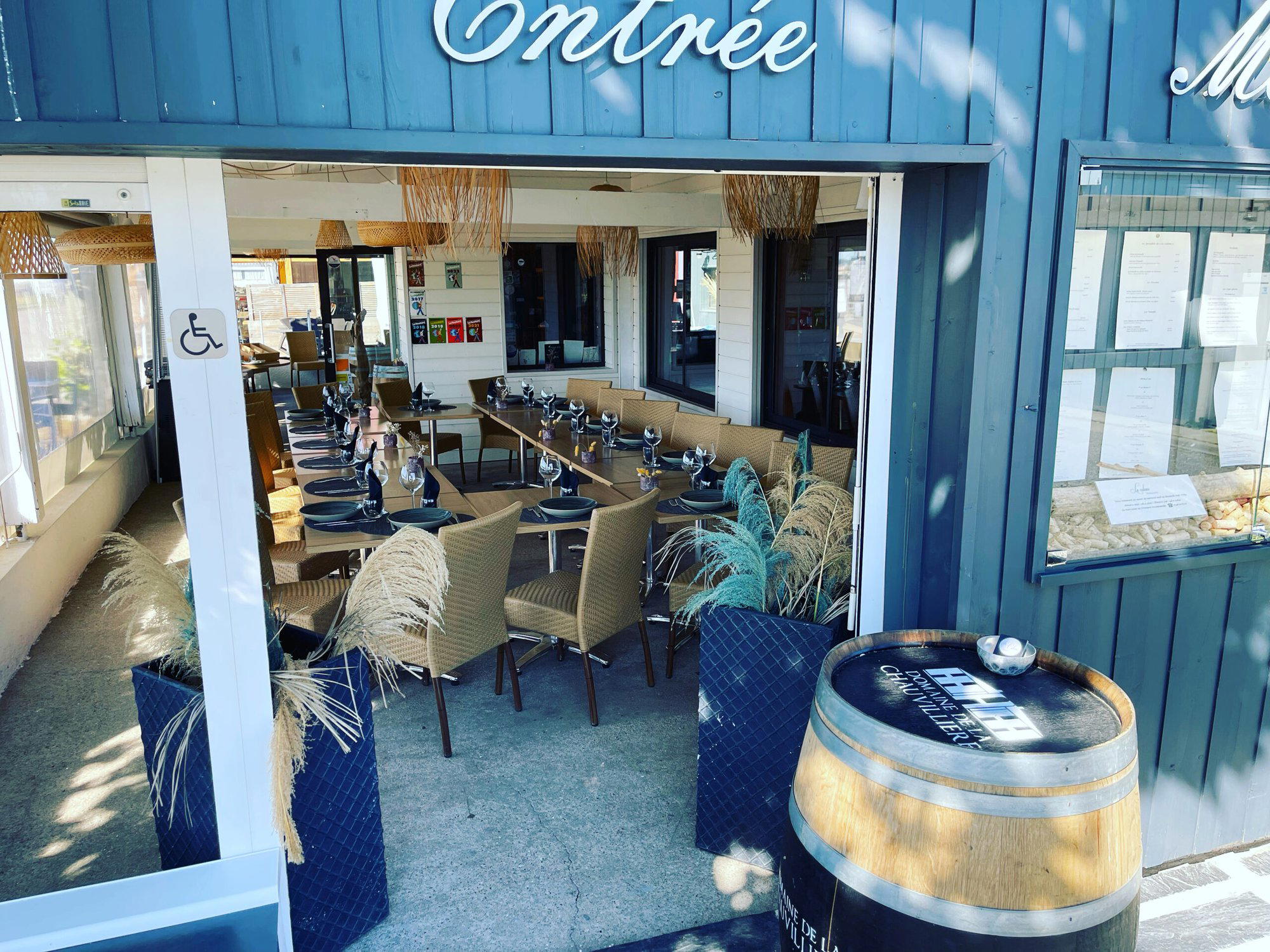
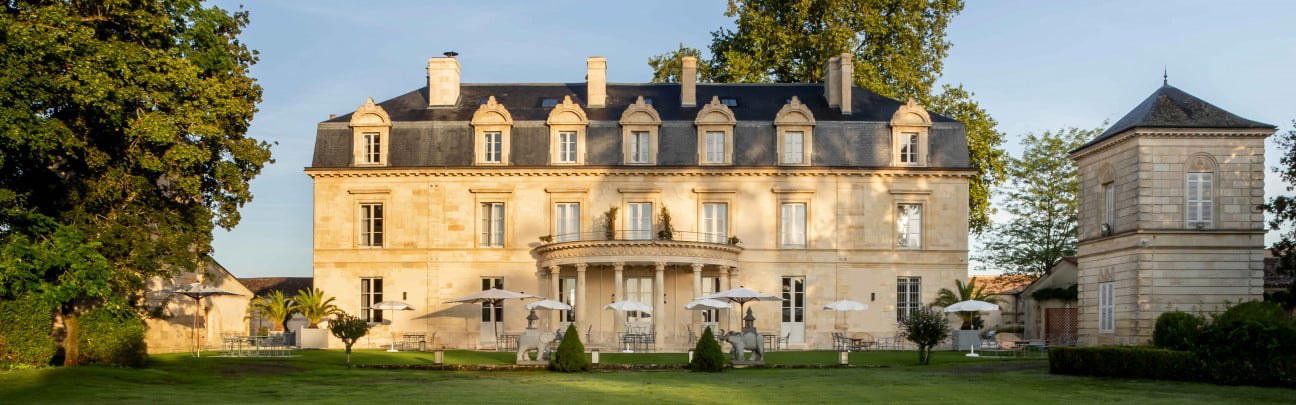
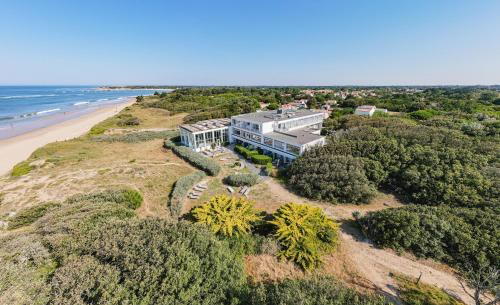
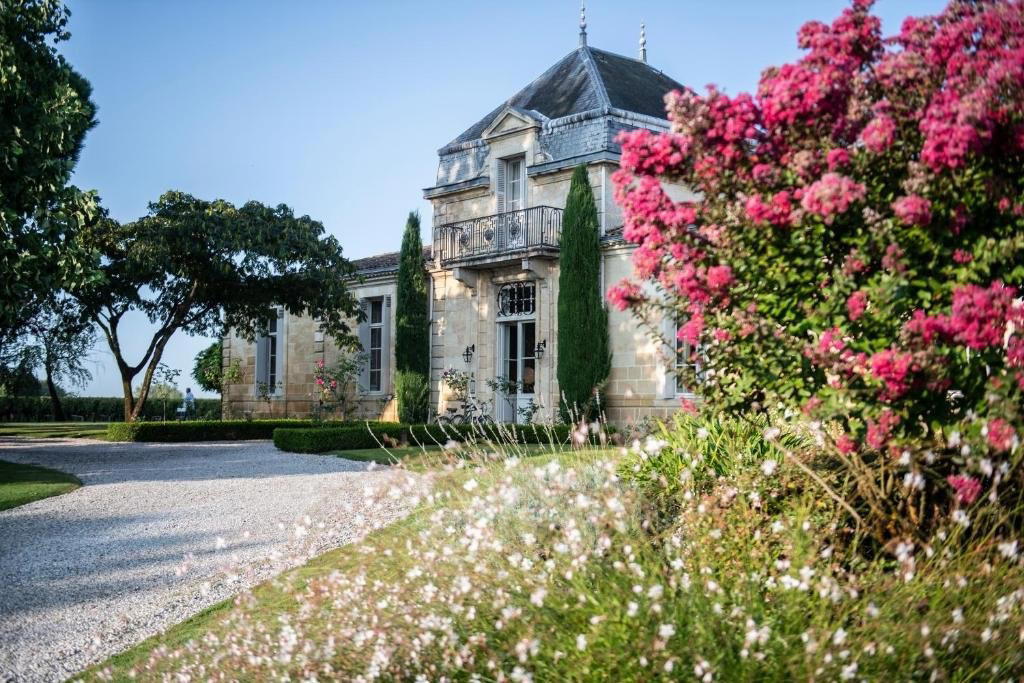
Warm and inviting with floral arrangements throughout, wooden boat parquet flooring, and natural light opening onto aromatic herb gardens and shaded terraces with wooden dune-style fencing.