Chasse-Marée
On the western tip of Île de Ré, Chasse-Marée sits at the edge of Les Portes-en-Ré's harbour quarter, where the Atlantic sets both the mood and the menu. The kitchen draws from one of France's most productive coastal larders, positioning the restaurant within a broader regional tradition of tide-to-table cooking that the island has quietly maintained for generations. For visitors arriving by bike or on foot from the village centre, the address on Rue Jules David is a reliable anchor in a town with few serious dining options.
Pearl is the En Primeur Club membership app — saves, bookings, and concierge access live there. Same editors, same standards.
- Address
- 1 Rue Jules David, 17880 Les Portes-en-Ré, France
- Phone
- +33546295203
- Directions
- Get directions
 Saves & bookings on Pearl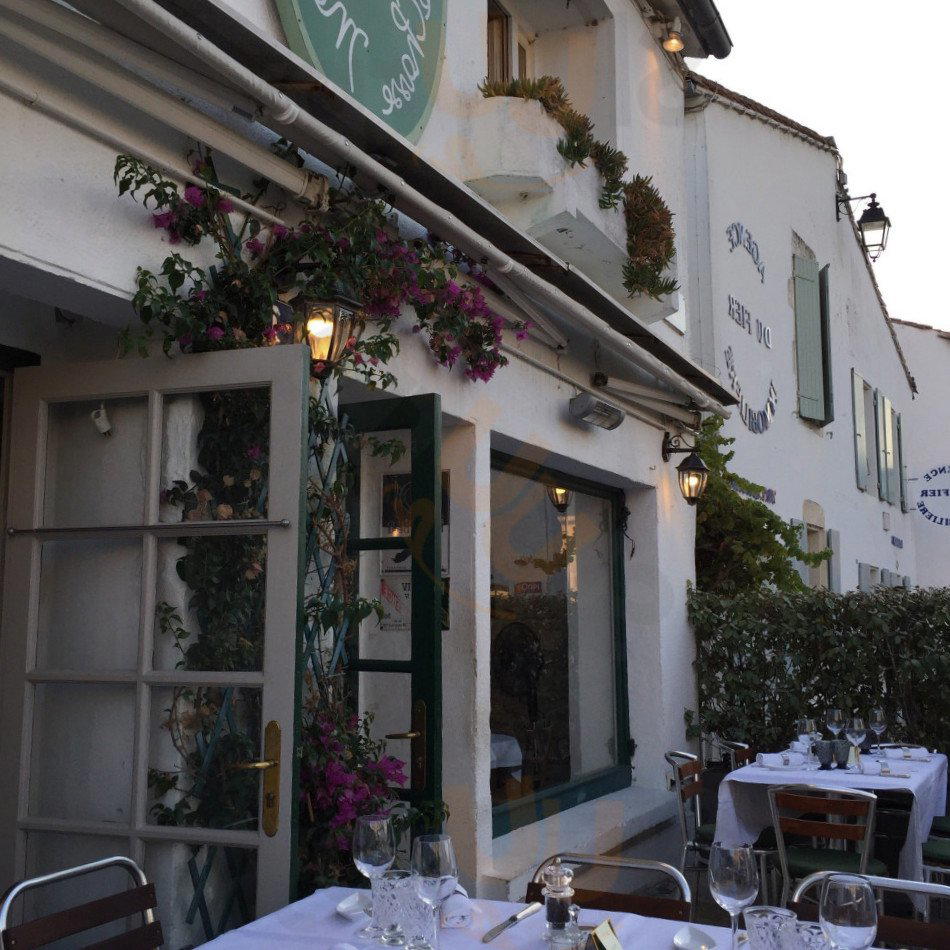
Where the Tide Sets the Table
Chasse-Marée is a Classic French Seafood Bistro in Les Portes-en-Ré, France, at 1 Rue Jules David. Les Portes-en-Ré occupies the northwestern extremity of Île de Ré, a sliver of Atlantic island connected to La Rochelle by a toll bridge and separated from the mainland in every way that matters for a kitchen. The air carries salt at every hour. The fishing boats that work the waters around the island bring in catch that travels shorter distances to the plate than almost anywhere else along the French Atlantic coast. It is in this context that Chasse-Marée operates, and the name itself, a French term for a fast carrier of fresh seafood, historically used to describe the carts that rushed fish from port to city before refrigeration existed, signals where the restaurant's allegiances lie.
Coastal French cooking at this latitude has a distinct character that separates it from the richer, cream-driven traditions of Normandy to the north or the herb-bright preparations of the Mediterranean south. The Charentais approach tends toward restraint: butter used with more precision than excess, the natural brine of shellfish allowed to carry seasoning, and cooking times kept short enough that texture remains the primary argument on the plate. Chasse-Marée sits within that tradition, at an address on Rue Jules David that places it in the older fabric of Les Portes-en-Ré rather than on the island's more tourist-facing seafront stretches.
The Île de Ré Larder and Why It Matters
The sourcing argument for cooking on Île de Ré is direct in the leading sense. The island's surrounding waters produce oysters from the Charente-Maritime beds that are among the more closely watched in France, with appellations that specify not just origin but salinity levels tied to how long the molluscs spend in claire refinement ponds before sale. Salt harvested from the island's eastern marais, fleur de sel de l'Île de Ré carries its own protected geographical indication, appears as both ingredient and condiment in kitchens that take their geography seriously. Mussels, sea bass, sole, and the various crustaceans that define the Charentais plateau all come from waters within a reasonable radius of the kitchen door.
This proximity matters beyond freshness. When ingredient sourcing is this local, a kitchen's decisions become legible in a way they cannot be when produce travels further. The quality of a given day's catch is reflected directly in what appears on the menu; there is little room for substitution or narrative dressing. Restaurants that lean into this constraint rather than working around it tend to produce cooking that reads as honest, in the sense that the ingredient is never outperformed by its preparation. That is the operating logic for a place like Chasse-Marée, and it places the kitchen in a longer French coastal tradition that runs from the oyster bars of Cancale through the bouchots of Mont Saint-Michel Bay and down to the fish restaurants that have lined La Rochelle's old harbour for centuries.
Mirazur in Menton works Mediterranean sourcing into internationally recognised creative cuisine, while Auberge de l'Ill in Illhaeusern and Maison Lameloise in Chagny demonstrate how deep regional identity can be sustained across generations in French provincial dining.
The Setting at Les Portes-en-Ré
Les Portes-en-Ré is the quieter end of an island that becomes considerably less quiet between July and August. The village attracts a French rather than international visitor, largely because Île de Ré has been a domestic summer destination for generations, particularly for families from Paris and Bordeaux who return to the same whitewashed houses with hollyhocks along the walls year after year. The restaurant trade here reflects that pattern: the high season runs hard from late June through early September, with spring and autumn offering a more measured pace and winter being largely local.
Arriving at the restaurant by bicycle fits the island's flat lanes and the rhythm of the place. The address on Rue Jules David sits in the older part of the village, where the streets narrow and the architecture retains the low, thick-walled character of Charentais building. The approach is unhurried by design. Tables fill quickly in season, and the practical advice for anyone visiting between July and August is to book well ahead or arrive early enough to secure a place before service fills.
Île de Ré in the Context of French Regional Dining
France's regional dining tradition has always operated on two tracks simultaneously: the celebrated haute cuisine of named chefs and the quieter, more durable cooking of specific places, tied to specific ingredients, that outlasts any individual kitchen's reputation. The great names, Paul Bocuse - L'Auberge du Pont de Collonges in Collonges-au-Mont-d'Or, Troisgros - Le Bois sans Feuilles in Ouches, Bras in Laguiole, Les Prés d'Eugénie - Michel Guérard in Eugénie-les-Bains, built reputations on exactly this logic: a specific place, a specific larder, decades of consistency. At Île de Ré, the cooking equivalent operates without that formal recognition framework, but the underlying argument is the same.
The Atlantic coast between La Rochelle and the Gironde estuary produces some of France's most distinctive seafood, and the Charente-Maritime department benefits from protected designations that preserve both the quality and the method of production for its key ingredients. Oysters, salt, and the pineau des Charentes fortified wine that often appears as an aperitif in local restaurants are all products with formal geographical protection. A kitchen that draws from this supply chain is working with ingredients that carry their own credibility before any cooking decision is made. Flocons de Sel in Megève to L'Oustau de Baumanière in Les Baux to Georges Blanc in Vonnas,
Planning Your Visit
Île de Ré is accessed via the toll bridge from La Rochelle, roughly 30 kilometres from the city centre to Les Portes-en-Ré at the island's far end. The journey by car takes roughly under an hour outside summer traffic, with extra time needed in July and August. Bicycle hire is available at several points on the island, and the flat terrain makes cycling the genuinely practical option for short distances within Les Portes-en-Ré itself. For season-sensitive travel, the village is most atmospheric in May, June, and September, when the light is long and the visitor volume is manageable. Reservations in peak season are advisable.
Comparison Snapshot
Comparable venues nearby, for context on price, style, and recognition.
| Venue | Cuisine | Price | Notes |
|---|---|---|---|
| Chasse-MaréeThis venue — the venue you are viewing | Classic French Seafood Bistro | $$$ | Not listed |
| Saturne | Modern French with Nordic Influences | $$$ | 2nd Arrondissement |
| Le Mail | French Bistronomique Seafood Brasserie | $$$ | Allée du Mail |
| Éco-domaine La Fontaine | French Farm-to-Table Potager | $$$ | La Fontaine au Bretons |
| Verre Bouteille | Modern French Bistro | $$$ | Saint-Nicolas |
| Gaée | Bistronomic French with Maritime Influences | $$$ | Vieux-Port |
Continue exploring
More in Les Portes En Re
Restaurants in Les Portes En Re
Browse all →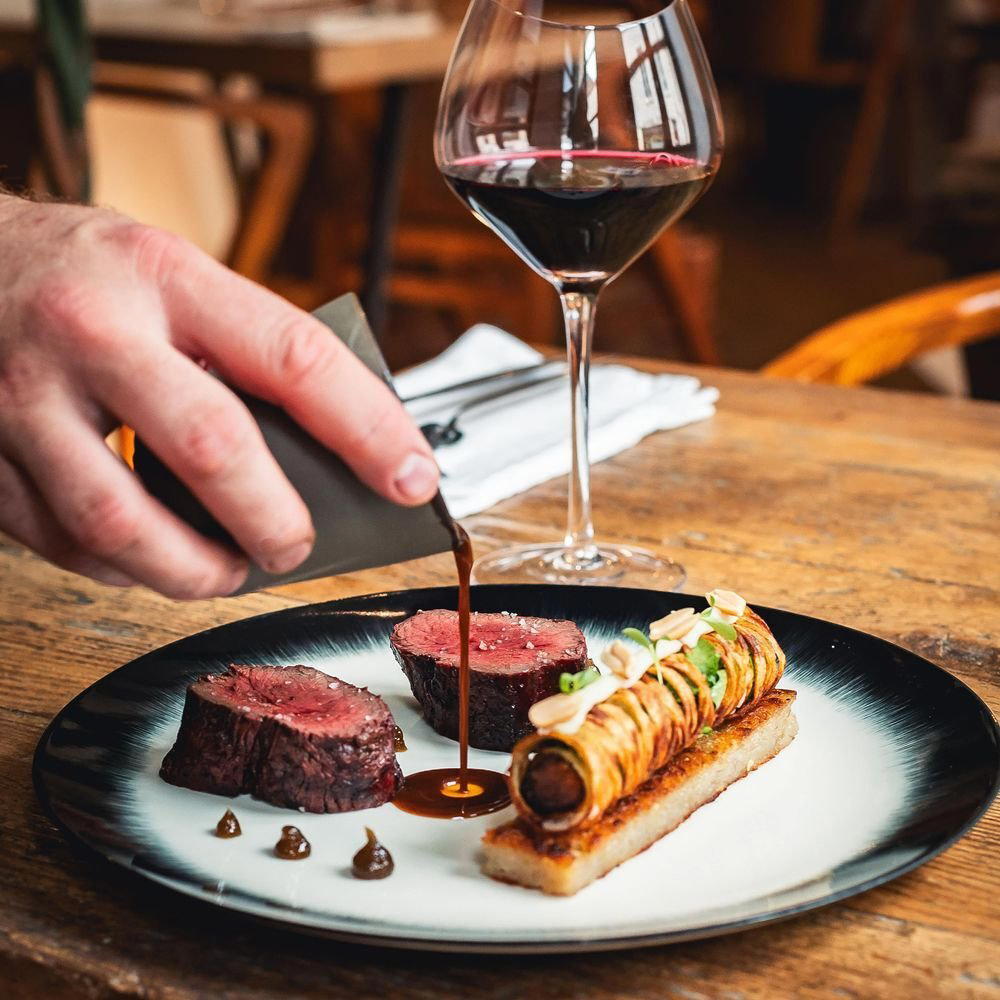
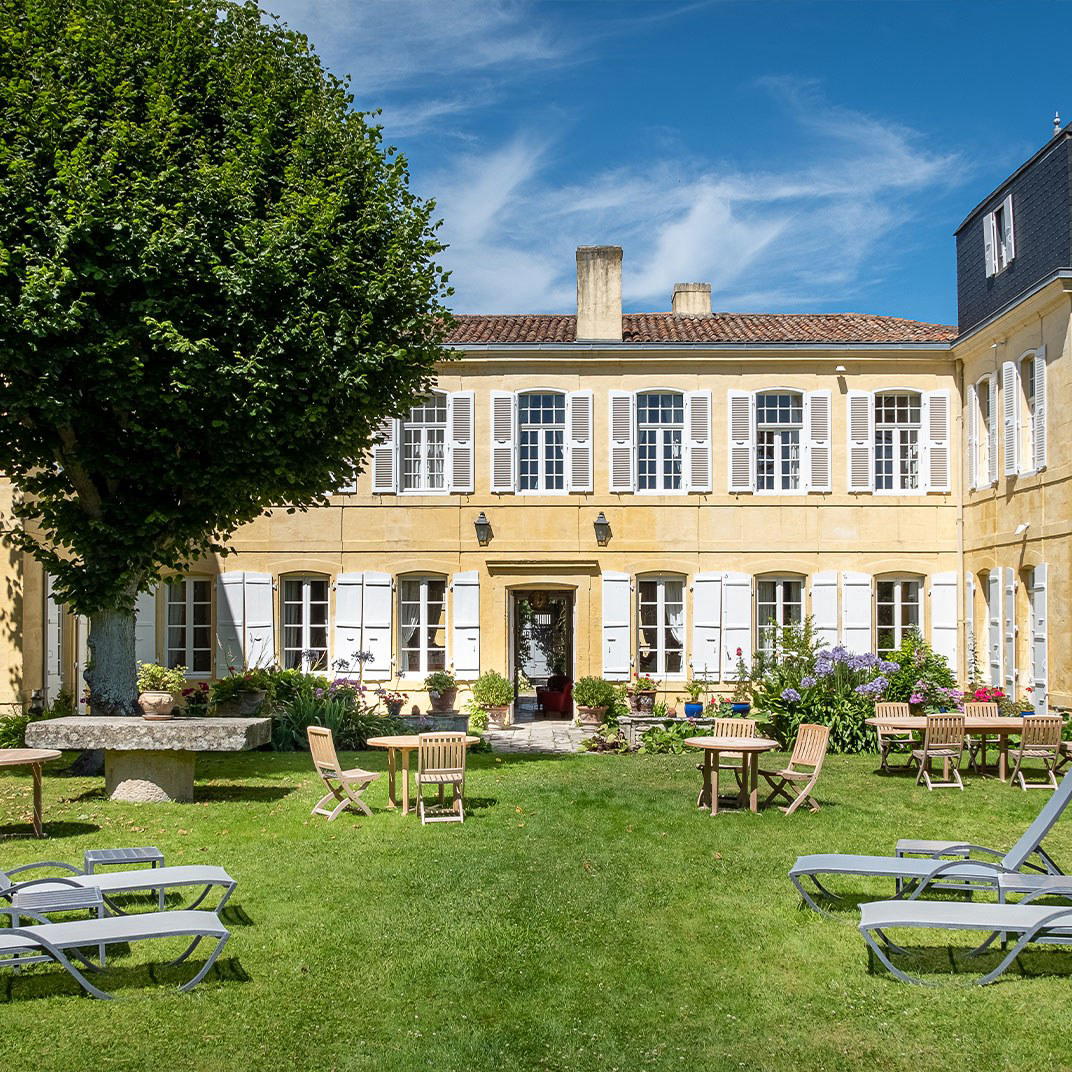
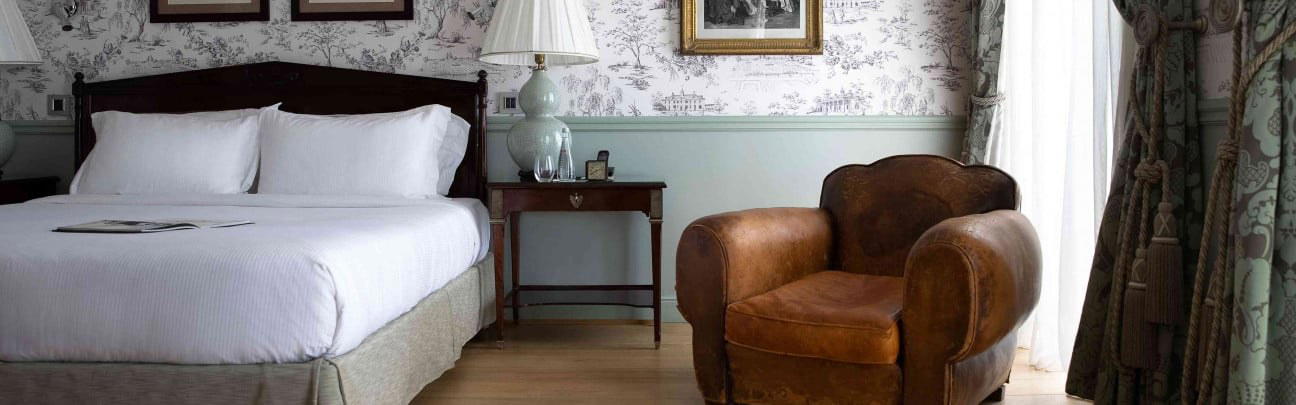
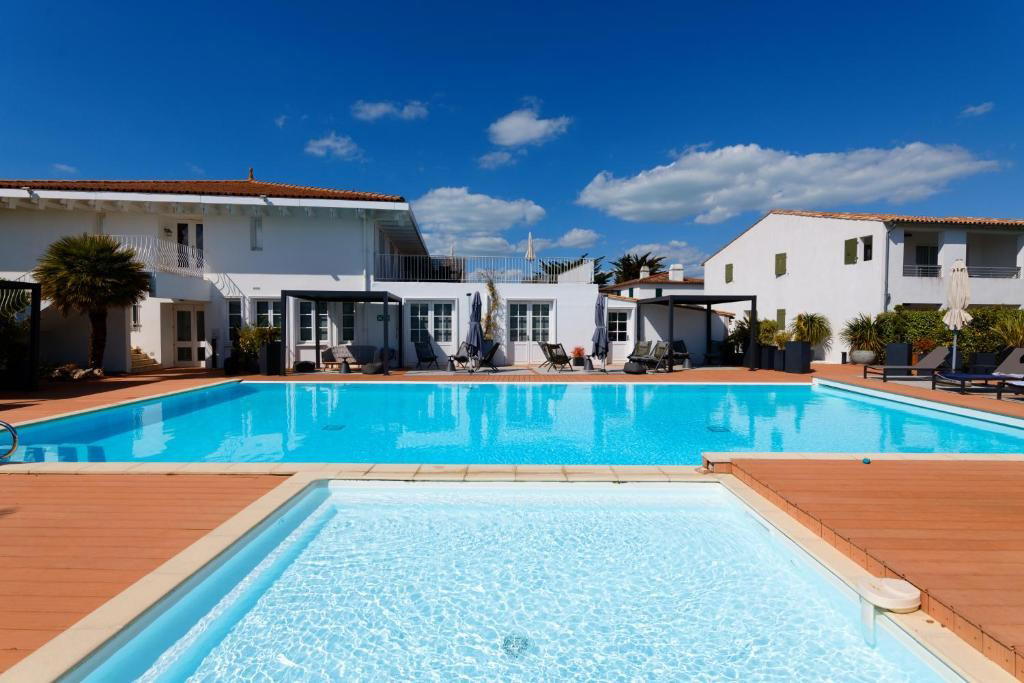
At a Glance
- Elegant
- Classic
- Intimate
- Cozy
- Date Night
- Special Occasion
- Celebration
- Standalone
- Terrace
- Beer Program
- Local Sourcing
- Sustainable Seafood
Current opening hours
- Monday
- 10 AM–2 PM, 6:30–9 PM
- Tuesday
- Closed
- Wednesday
- Closed
- Thursday
- 10 AM–2 PM, 6:30–9 PM
- Friday
- 10 AM–2 PM, 6:30–9 PM
- Saturday
- 10 AM–2 PM, 6:30–9 PM
- Sunday
- 10 AM–2 PM, 6:30–9 PM
Hours can change for holidays and private events. Last verified .
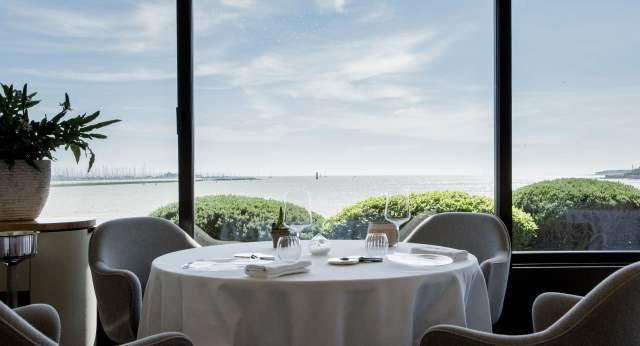
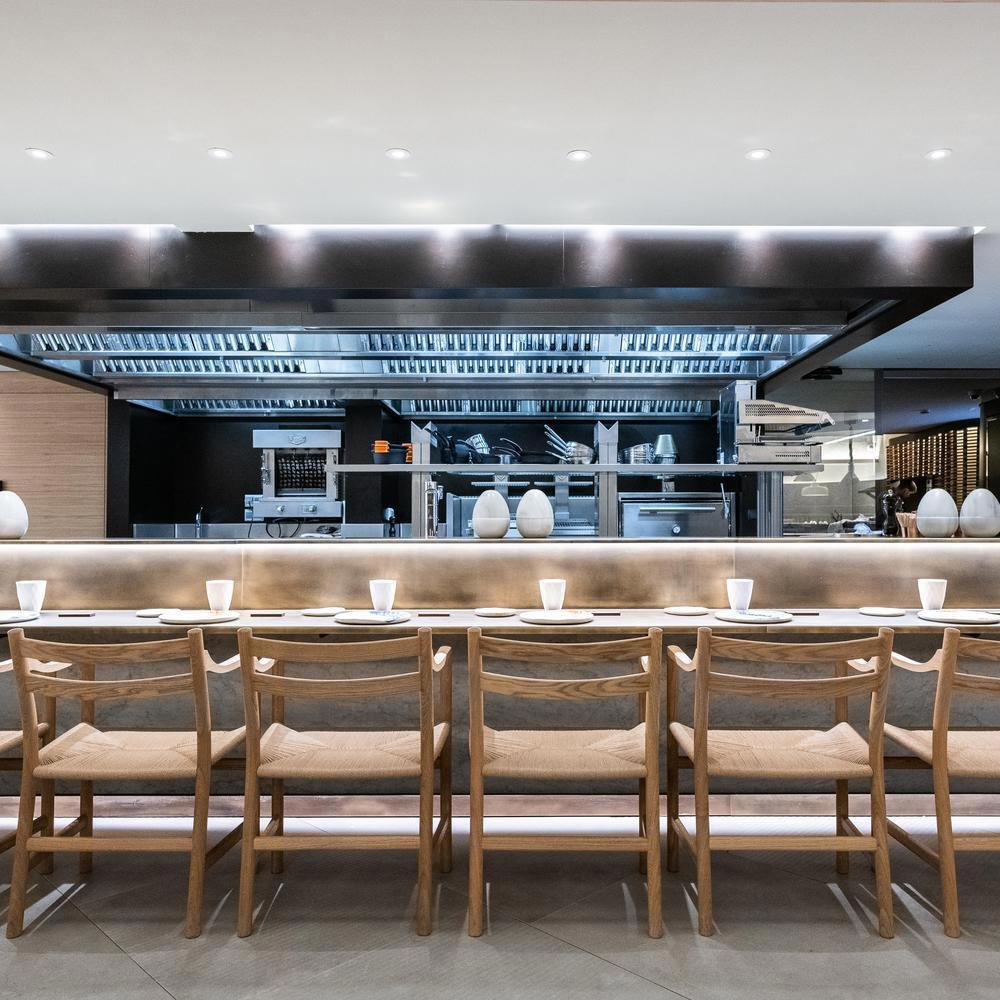
Warm and welcoming with pleasant dining rooms; tables are somewhat close together but the atmosphere remains refined and focused on the culinary experience.