On the Quai aux Vivres in Rochefort, Ripaille – Vivre[S] occupies a position where the town's Atlantic-port character meets considered French dining. Part of the Vivre[S] group with its sister address La Cantina nearby, the restaurant draws on the Charente-Maritime's seafood and produce traditions in a setting shaped by the old rope-works quarter. Reservations are advisable, particularly through summer months when Rochefort's quayside fills quickly.
 Discover on Pearl
Pearl is the En Primeur Club membership app — saves, bookings, and concierge access live there. Same editors, same standards.
- Address
- 14 Quai aux Vivres, 17300 Rochefort, France
- Phone
- +33554700290
- Website
- vivres.net
![Ripaille - Vivre[S] restaurant in Rochefort, France](https://cdn.enprimeurclub.com/storage/v1/object/public/images/restaurants/64d4ae66-14f0-45ce-b4f0-1c01935e1c83/hero1.jpg?width=3840&quality=75)
Where the Quayside Meets the Table
The Quai aux Vivres in Rochefort carries a particular kind of atmosphere that few French provincial towns can replicate. The old rope-works district, built under Colbert in the seventeenth century for the royal navy, left behind a grid of monumental stone buildings and a quayside that still feels purposeful rather than merely picturesque. Ripaille – Vivre[S] sits at number 14 along that quay, and the address alone does a kind of editorial work: you arrive with salt air off the Charente estuary, the low geometry of the Corderie Royale nearby, and a sense that this part of France takes its relationship with the sea seriously at the table as well as historically.
The name itself signals an intent. Ripaille is an old French word for feasting with abandon, drawn from the medieval expression faire ripaille, and its pairing with the Vivre[S] brand suggests a deliberate tension between generosity of spirit and the more structured modern French restaurant format. The restaurant serves French charcoal grill bistro cooking at a midrange price point. That tension is worth understanding before you book, because it shapes what kind of meal you are likely to have here versus what you might expect from more formally coded addresses in the region.
The Vivre[S] Approach in Rochefort's Dining Scene
Rochefort's restaurant scene is smaller than its architectural grandeur might suggest. The city draws visitors for the Hermione frigate reconstruction and the Corderie Royale, yet its dining options remain compact, which means that group operations carry more weight here than they would in Bordeaux or La Rochelle. The Vivre[S] group runs at least two addresses on or near the quayside: Ripaille, which takes a French bistro-leaning position, and La Cantina – Vivre[S], which shifts toward a different register. That dual-format structure is common in French provincial towns where a single operator reads the full demand curve: those wanting the comfort of a French table and those wanting something lighter or more informal.
Within the local comparable set, Ripaille sits alongside addresses like Ardelle, L'Incontournable, L'Ôthentique, and the more established LA CORDERIE ROYALE. These addresses collectively suggest that Rochefort's dining identity is built on French regional cooking with Atlantic produce at its core, rather than on any particular avant-garde or haute cuisine ambition. That is not a limitation; it is a specific positioning that rewards visitors who come looking for confident regional French cooking rather than the kind of three-hour tasting format you would find at Mirazur in Menton or Flocons de Sel in Megève.
Charente-Maritime Produce and What It Means at the Table
The Charente-Maritime department has a larder that most French regions would covet. Marennes-Oléron oysters from the nearby basin are among the most referenced in France, carrying a certification of origin that places them in the same conversation as Belons and Fin de Claire. The salt marshes at Île de Ré produce fleur de sel that appears on tables across Europe. Local fishermen work the Charente estuary and the Atlantic shelf, bringing in sole, sea bass, and mullet alongside shellfish that the region has commercialised for centuries.
A French bistro format in this geography should, at its most coherent, be a delivery mechanism for that produce with minimal interference: butter from the region's dairy country to the north, wine from the Cognac and Pineau des Charentes tradition to the east, and fish from the coast to the west. Whether Ripaille executes that vision at the level of, say, Auberge de l'Ill in Illhaeusern or the more ambitious Bras in Laguiole is a different question, one that sits in a different category and price tier entirely. The relevant comparison is with peer bistro addresses in Charente-Maritime, and there the produce sourcing geography alone gives any serious operator a meaningful advantage.
Timing, Setting, and What to Expect Practically
Rochefort's tourism season peaks in July and August, when the Hermione and the Corderie attract visitors from across France and beyond. The quayside fills in a way that transforms a quiet mid-week lunch into a significantly busier proposition. For Ripaille, as with most addresses along the Quai aux Vivres, this means that summer bookings are worth making in advance rather than leaving to chance. The shoulder seasons, particularly late spring and early autumn, tend to offer the combination of open terraces, softer light off the Charente, and quieter service pacing that suits a longer French lunch rather than a hurried one.
The address at 14 Quai aux Vivres is accessible on foot from the centre of Rochefort in a matter of minutes, and the quayside location means that the approach itself is part of the experience: that particular mix of river-salt air, the scale of the old naval architecture, and the sound of water that defines Atlantic France's port towns.
French Dining at This Scale: What the Format Signals
There is a format of French provincial restaurant that the Michelin Guide has always acknowledged without necessarily starring: the address that serves its region with competence, sources well, and provides a dining experience that reinforces why French bistro culture remains a reference point for the rest of the world. France's most decorated addresses, from Paul Bocuse – L'Auberge du Pont de Collonges to Alléno Paris au Pavillon Ledoyen, exist because the infrastructure beneath them, the bistros, the regional tables, the quayside addresses, keeps French dining culture coherent at every tier.
Ripaille – Vivre[S] operates in that foundational tier. Its peer comparison is not with AM par Alexandre Mazzia in Marseille or Assiette Champenoise in Reims, nor with the kind of technically demanding format you find at Atomix in New York City or Le Bernardin. It is a quayside French table in a naval heritage city on the Atlantic coast, and that specificity is its case for your time.
Peers in This Market
Comparable venues nearby, for context on price, style, and recognition.
| Venue | Cuisine | Price | Notes |
|---|---|---|---|
| Ripaille - Vivre[S]This venue — the venue you are viewing | French Charcoal Grill Bistro | $$$ | |
| O' Bistro du Sud | French Bistronomic with Southern Mediterranean Accents | $$$ | centre ville |
| La Cantina - Vivre[s] | Authentic Italian Trattoria | $$ | Quai aux Vivres |
| LA CORDERIE ROYALE | Modern French Bistronomic | $$$$ | Rochefort |
| Le Cap Nell | French Seafood Bistro | $$ | Port |
| Le Petit Canard | Traditional French Duck Bistro | $$$ | 9th arrondissement |
Continue exploring
More in Rochefort
Restaurants in Rochefort
Browse all →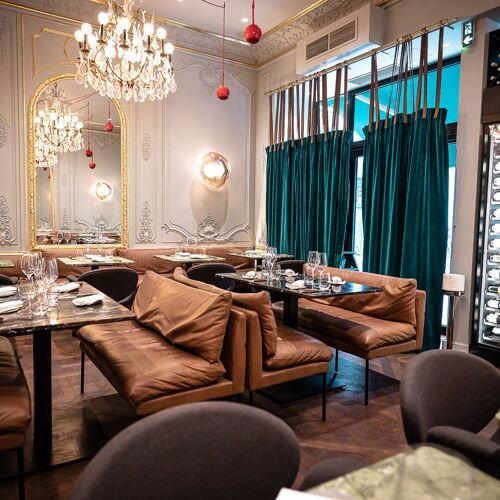
At a Glance
- Cozy
- Elegant
- Scenic
- Date Night
- Family
- Group Dining
- Special Occasion
- Waterfront
- Terrace
- Historic Building
- Open Kitchen
- Extensive Wine List
- Local Sourcing
- Waterfront
- Street Scene
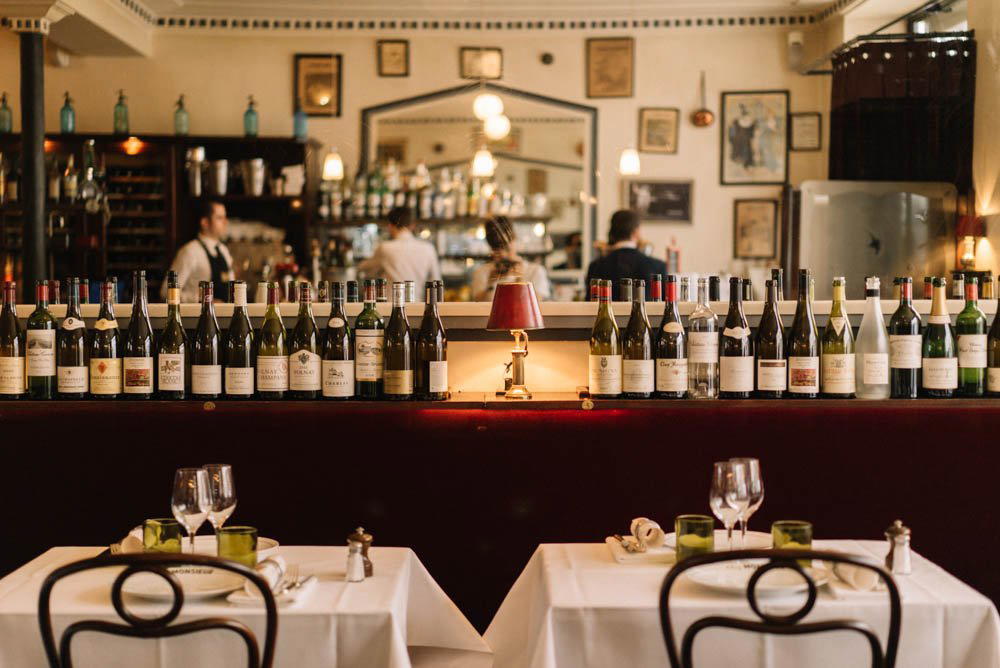
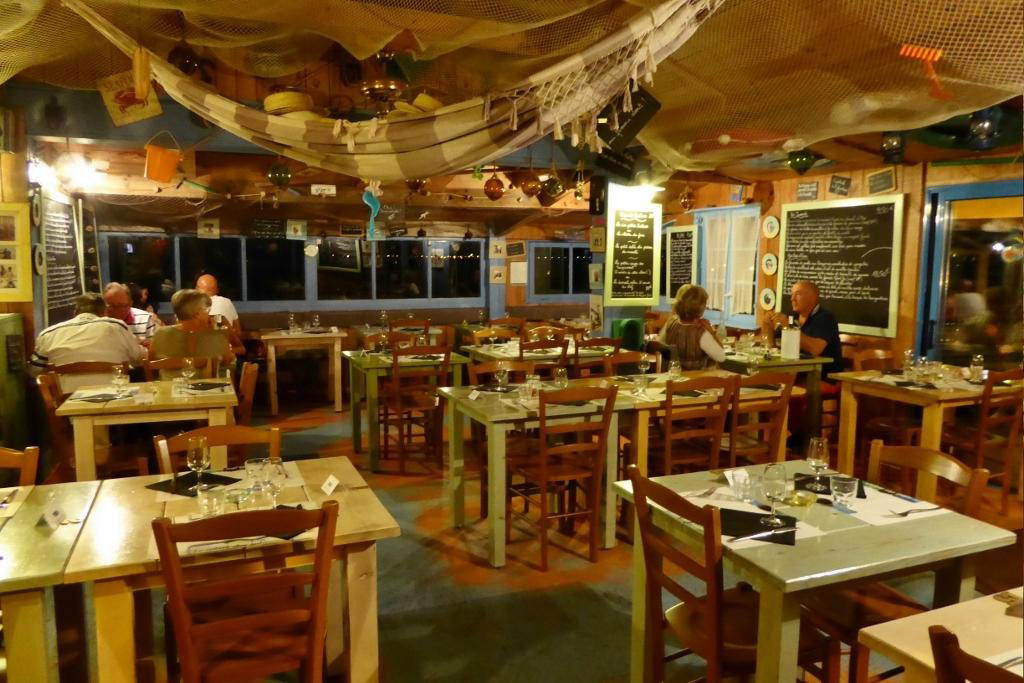
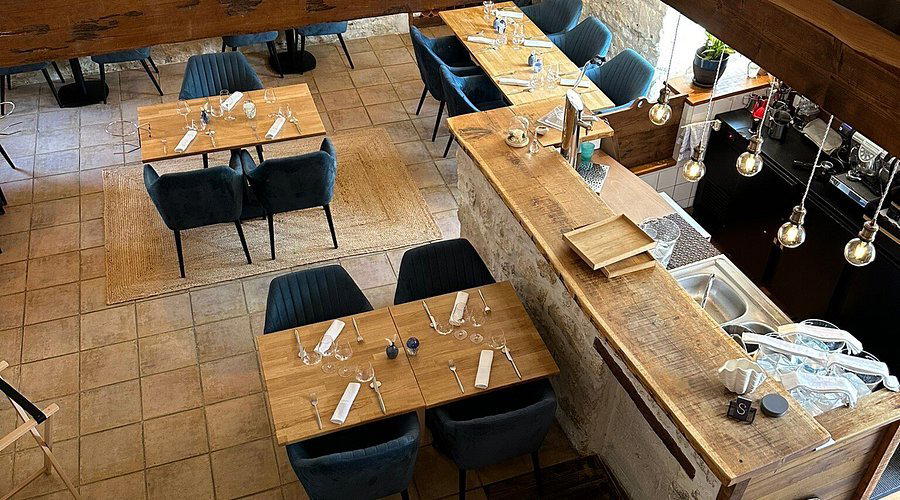
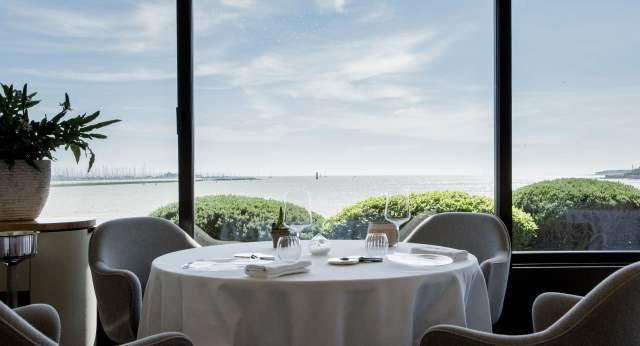
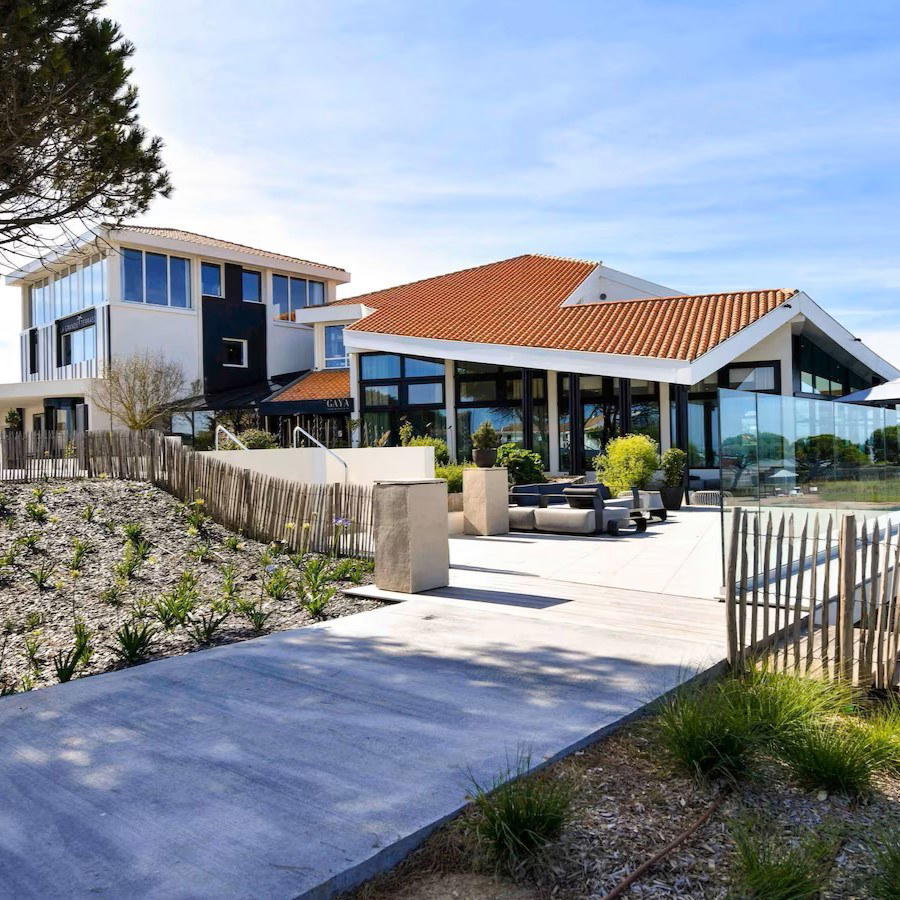
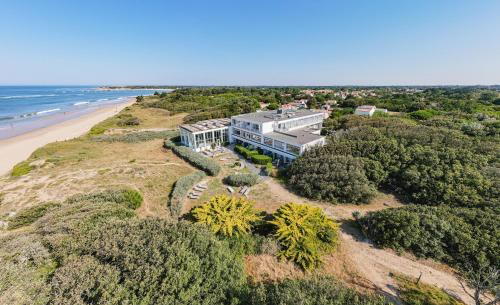
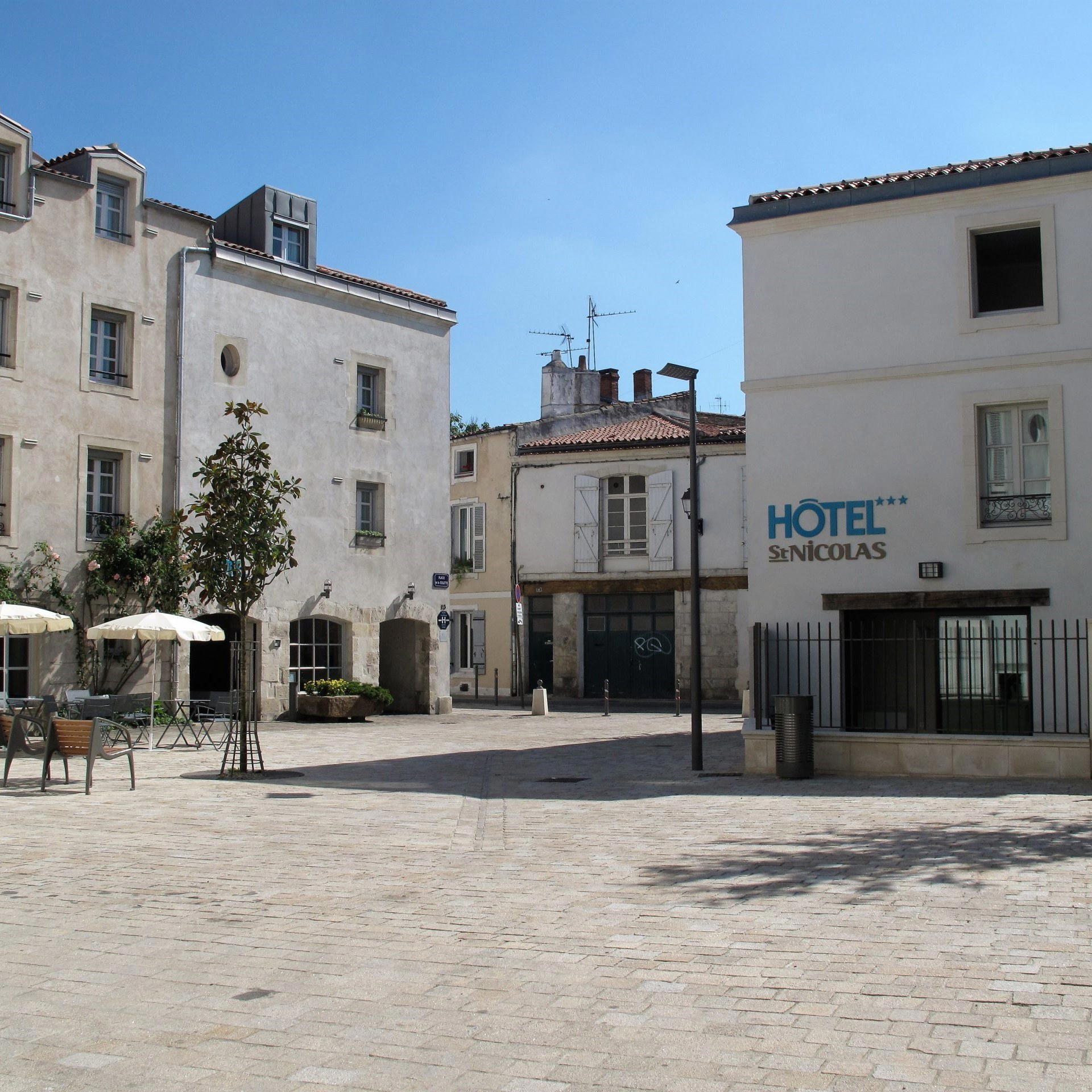
Ambiance chaleureuse et conviviale avec vue panoramique sur le port et la Charente, éclairage cosy dans un cadre historique rénové.