Le Grand Large

Michelin Selected
On Île d'Oléron's Atlantic edge, Le Grand Large carries a 2025 Michelin Selected distinction, placing it in a comparable set of regionally significant French properties recognised for quality beyond standard hotel categories. The address on Avenue de l'Océan signals its orientation toward the island's open coastline, making it a considered choice for travellers seeking a characterful Atlantic base away from the more trafficked resort circuits of southern France.

Pearl is the En Primeur Club membership app — saves, bookings, and concierge access live there. Same editors, same standards.
- Address
- 2 Av. de l'Océan, 17550 Dolus-d'Oléron, France
- Phone
- +33 5 46 75 77 77
- Website
- le-grand-large.fr
- Directions
- Get directions
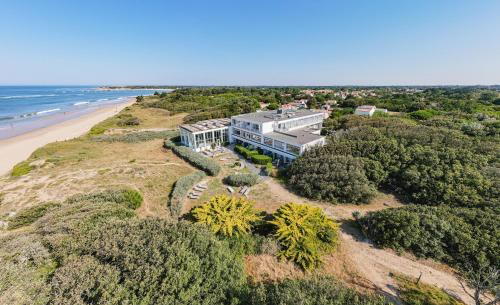
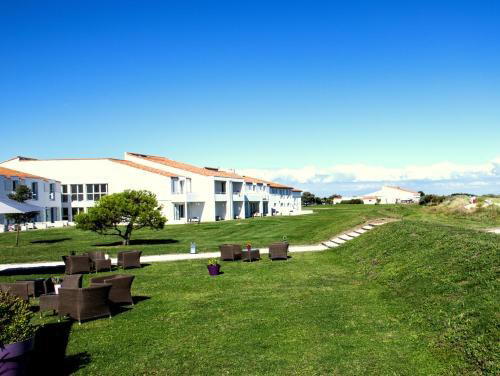
That intent places Le Grand Large in a specific tradition of French coastal properties that resist the urge toward enclosure. Unlike the pine-shaded villa compounds common on the Mediterranean — where properties such as La Réserve Ramatuelle in Ramatuelle or Casadelmar in Porto-Vecchio use enclosure and privacy as their primary luxury signals — Atlantic properties tend to frame openness as the offer. The light here arrives horizontally, especially in the late afternoon, and the architecture that works on this coast is architecture that makes room for it.
Michelin Selected: What the Distinction Actually Means
Le Grand Large holds a 2025 Michelin Selected designation through the Michelin Guide's hotels programme, which operates separately from the restaurant star system and uses its own editorial criteria. Michelin Selected hotels are not ranked by tier in the way restaurants are, but inclusion signals that the property has passed editorial scrutiny for quality, character, and positioning relative to its category. In a region where accommodation options range from municipal campsites to family-run chambres d'hôtes, a Michelin Selected designation places Le Grand Large in a meaningfully different bracket.enprimeurclub.com/hotels/le-k2-palace-courchevel-hotel">Le K2 Palace in Courchevel to wine-country estates like Les Sources de Caudalie near Bordeaux and Champagne houses like Royal Champagne Hotel & Spa in Champillon. What the designation confirms is not a price tier but an editorial judgment about consistency and character. On an island where much of the accommodation stock is seasonal and variable, that consistency carries particular weight.
Dolus d'Oléron: The Quieter Centre of a Well-Loved Island
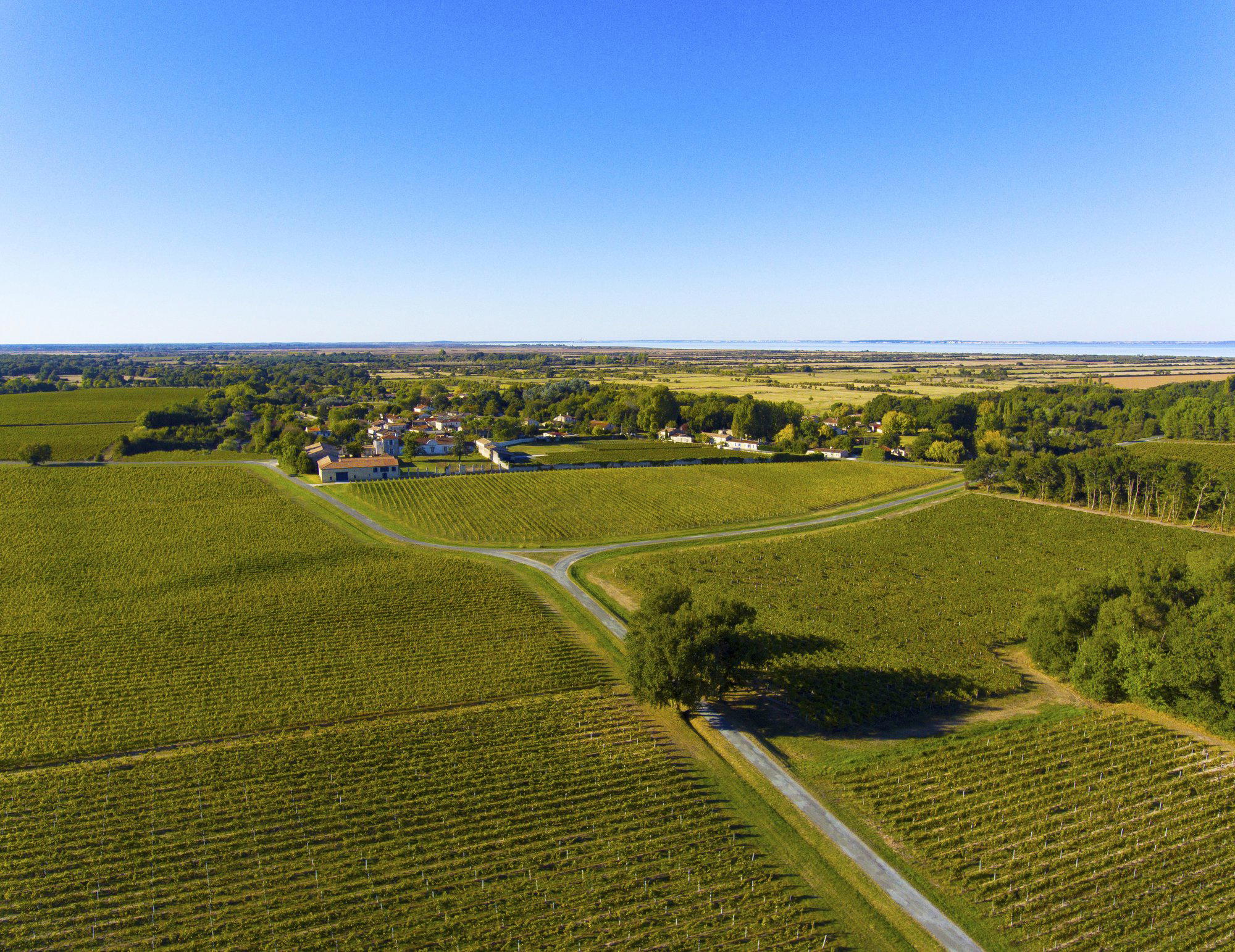
Oléron is not a secret. It draws significant summer traffic, particularly French families and cyclists, and the island's oyster-farming heritage around the Marennes-Oléron basin has given it a food identity that extends beyond seasonal tourism. Dolus d'Oléron sits roughly in the island's middle, between the more tourist-saturated northern tip at Saint-Trojan-les-Bains and the wilder southern stretches around La Cotinière. A hotel on Avenue de l'Océan in Dolus is positioned close to the west-facing beaches, which receive the full Atlantic swell and tend to attract a different visitor than the calmer, more sheltered eastern shore facing the bay.
That west-coast positioning matters for understanding the property's character. West Oléron is where the dunes are wider, the light harder and more changeable, and the pace noticeably slower than the island's busier commercial centres. Properties that work in that context tend to operate less as activity hubs and more as bases for a particular kind of attentive stillness. Oléron retains more of its working character. For our full Dolus d'Oléron restaurants guide, the island's food scene maps closely to that identity: local shellfish, pine-smoked mussels, and a market culture rooted in production rather than performance. That pattern holds on Oléron. Where the Côte d'Azur has properties like Hotel du Cap-Eden-Roc in Cap d'Antibes and The Maybourne Riviera in Roquebrune-Cap-Martin anchoring a competitive premium tier, and where Paris properties like Le Bristol operate in a fully international frame of reference, the Charente-Maritime coast operates at a different frequency. Prestige here is a function of position, integrity, and the quality of the natural setting rather than of brand capital or destination celebrity.
Its nearest meaningful comparisons are other Michelin-recognised Atlantic properties, rather than Provence estates like La Bastide de Gordes or Alpine resorts like Four Seasons Megève. The comparison set matters because it shapes what guests should reasonably expect: not the deep infrastructure of a destination resort, but the specific quality that comes from a well-positioned, independently minded property on a coast that rewards attention.
Planning a Stay: Practical Framing
Île d'Oléron is reached most directly by car from the mainland via the Viaduc d'Oléron, roughly 45 minutes from Rochefort and under two hours from Bordeaux. Rail travellers typically route through Rochefort or La Rochelle, then continue by car or local transport. The island's road network is manageable by bicycle for shorter distances, and cycling is a common mode during summer months. Given Le Grand Large's Michelin Selected status, it is advisable to book ahead for the summer season, when Atlantic island accommodation fills quickly across all categories. The shoulder seasons, May, June, and September, tend to offer calmer conditions, lower occupancy, and the particular quality of Atlantic light that summer's peak crowds tend to obscure.enprimeurclub.com/hotels/htel-chais-monnet-spa-cognac-hotel">Hôtel Chais Monnet & Spa in Cognac offer a different but complementary register of French provincial hospitality.
Comparable Spots, Quickly
Comparable venues nearby, for context on price, style, and recognition.
| Venue | Cuisine | Price | Awards | Notes |
|---|---|---|---|---|
| Le Grand LargeThis venue — the venue you are viewing | Contemporary Le Corbusier-inspired beachfront luxury | $100–200 | Michelin Selected | Not listed |
| Villa La Tosca | Historic luxury villa blending Arcachonnaise and Italian architecture with modern comforts | $200–300 | Michelin Selected | Lanton |
| La Bouitte | traditional Savoyard chalet with modern luxury updates | $300–500 | 1 Michelin Key | Saint-Marcel |
| Domaine Tarbouriech | 18th-century restored Folie blending historic charm with modern luxury | $500–750 | Michelin Selected | Marseillan |
| COMO Cordeillan-Bages | Luxury wine‑country château hotel blending Médoc heritage with COMO’s contemporary, high‑touch hospitality. | Not listed | Not listed | Pauillac / Bages (Médoc, Bordeaux Left Bank) |
| Louis Vuitton Hotel | flagship luxury hotel | Not listed | Not listed | 8th arrondissement / Champs-Élysées |
Recognition history
Dated appearances from independent guides and award organizations, with the underlying list record or original source where available.
Michelin Selected
Michelin
Continue exploring
More in Dolus-d'Oléron
Hotels in Dolus-d'Oléron
Browse all →
Bars in Dolus-d'Oléron
Browse all →
Restaurants in Dolus-d'Oléron
Browse all →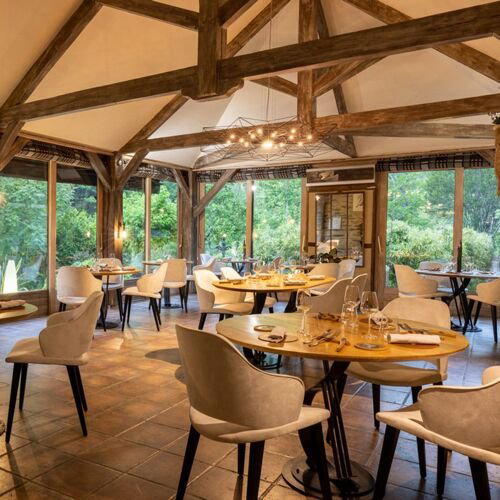

Details
- Elegant
- Scenic
- Sophisticated
- Modern
- Romantic Getaway
- Wellness Retreat
- Weekend Escape
- Beachfront
- Panoramic View
- Terrace
- Wi Fi
- Pool
- Spa
- Fitness Center
- Room Service
- Waterfront
- Wheelchair Accessible
- Elevator
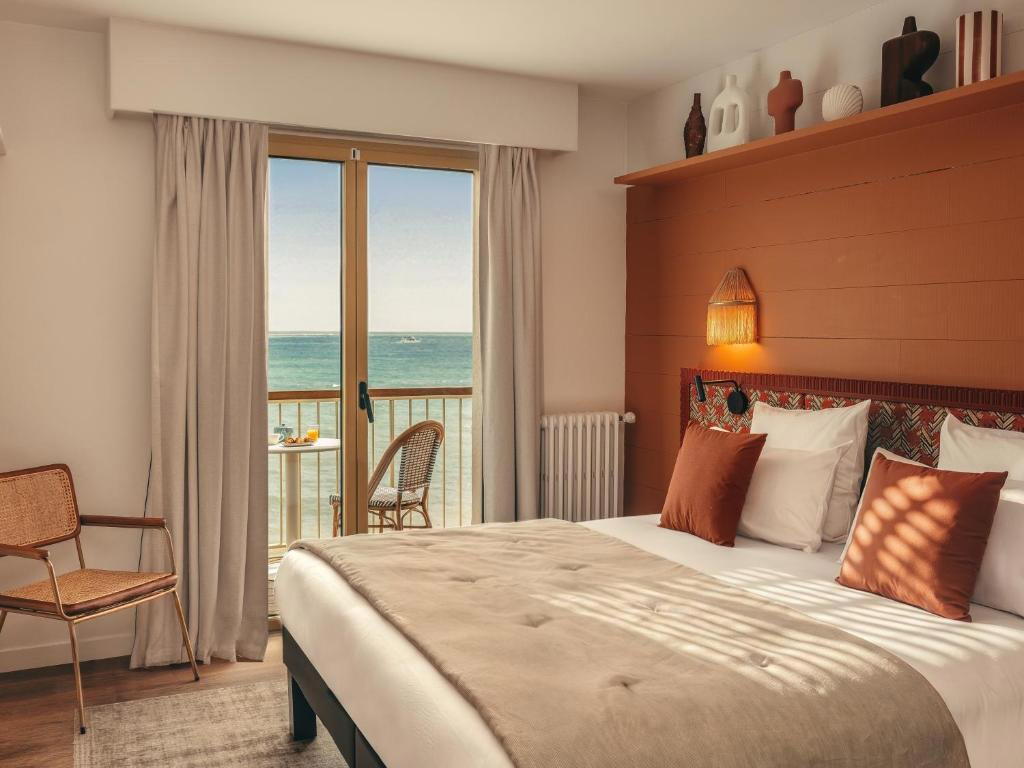
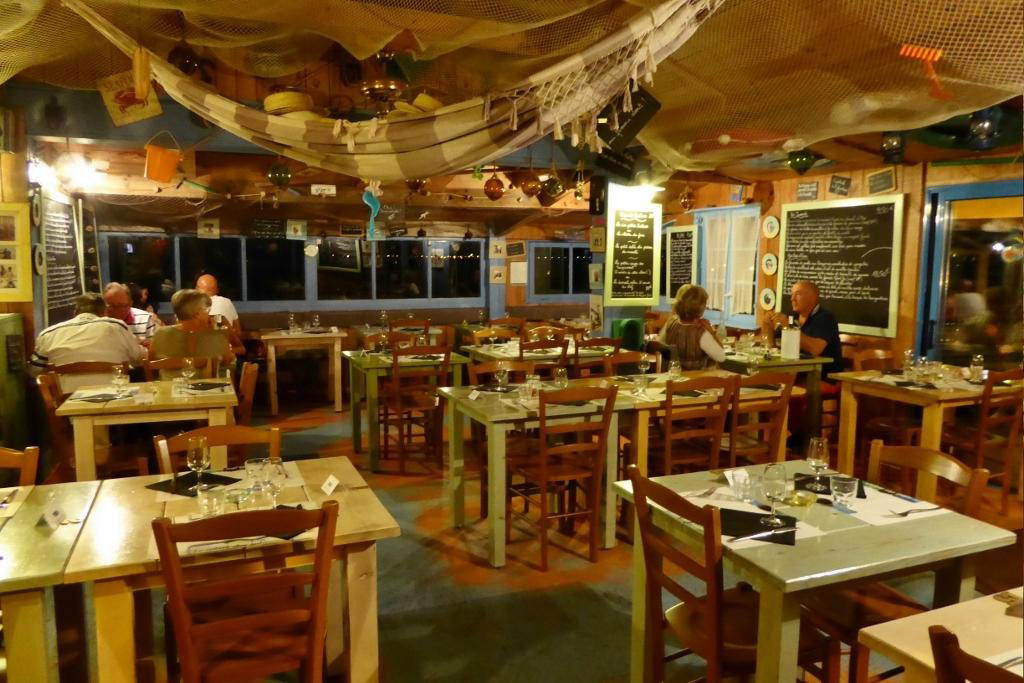
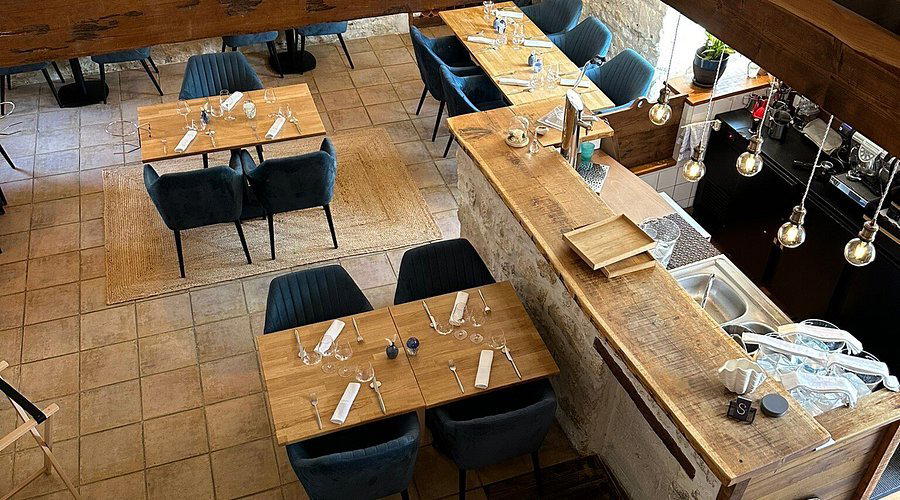
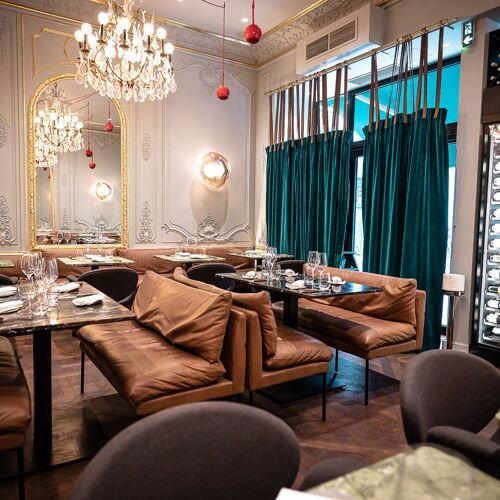
Marine atmosphere with soothing wave sounds, soft lighting, and chic contemporary seaside elegance.