Leon Spilliaertstraat 1 sits in Ostend's dining scene as a address that carries the weight of the city's artistic heritage, named for the melancholic symbolist painter who walked these same coastal streets. The restaurant occupies a moment when Belgian coastal dining is rethinking what local identity means at the table. EP Club places it within Ostend's emerging conversation around serious, address-driven hospitality.
Pearl is the En Primeur Club membership app — saves, bookings, and concierge access live there. Same editors, same standards.
- Address
- Leon Spilliaertstraat 1, 8400 Oostende, Belgium
- Directions
- Get directions
 Saves & bookings on Pearl
A Street Name That Tells You Something
In Ostend, streets carry memory. Leon Spilliaert was the city's most celebrated painter, a symbolist who rendered the North Sea promenade in fog and longing, whose canvases now hang in Brussels and beyond. A restaurant that takes his address as its name is making a statement about rootedness before a single dish arrives. This kind of gesture, borrowing civic identity rather than chef biography as the frame, is increasingly common in Belgian coastal dining, where the pressure to justify a destination visit has pushed operators toward stronger, more layered positioning.
Ostend's Dining Moment
The Belgian coast has long operated as a secondary dining destination relative to Ghent, Antwerp, or Brussels, but that positioning has shifted in recent years. West Flanders now holds serious culinary credibility, anchored by references like Boury in Roeselare and the coastal boundary-pushing of Willem Hiele in Oudenburg, whose foraging-led approach drew international attention to the flatlands between Bruges and the sea. Ostend itself has responded with a more varied hospitality offer than its seaside-resort reputation once suggested. Alongside established rooms like Brassi Casino and Brassi Grand Café, and more neighbourhood-anchored places such as Bistro Mathilda and Belle de jour, the city now spans a range of registers from casual brasserie to considered tasting-menu format. Leon Spilliaertstraat 1 enters that conversation from a specific angle: the address itself as curatorial identity.
What the Menu Architecture Signals
In contemporary Belgian fine dining, menu structure has become an editorial act. The progression of a meal, how many courses, whether the kitchen telegraphs its local sourcing explicitly or lets the plate do the speaking, tells you as much about a restaurant's philosophy as its ingredient list. Operators in the Flemish tradition, from Vrijmoed in Gent to Hof van Cleve in Kruishoutem, have each built distinct menu architectures that signal their relationship to season, product, and diner expectation. At the coastal end of the country, the North Sea gives any serious kitchen an immediate structural argument: fish and shellfish caught within kilometres of the pass provide both a sourcing story and a natural sequencing logic.
The name Leon Spilliaertstraat 1 foregrounds place over person. That choice, unusual enough to be deliberate, suggests a menu framework oriented around terroir rather than chef ego. In that sense it aligns with a broader pattern visible across Belgian addresses that have won recognition without pursuing personality-led branding: the food as the argument, the locality as the context. What the name signals, and what the city context reinforces, is that the ambition is rooted and specific rather than cosmopolitan and generic.
Positioning Within the Coastal and National Tier
Belgian restaurants that anchor themselves to a single strong local identity tend to occupy a different competitive tier than those chasing international reference points. Places like Zilte in Antwerp or Bozar Restaurant in Brussels operate within urban cultural institutions and carry a different kind of authority. Smaller addresses in secondary cities, including Ostend, tend to earn credibility through consistency and product-sourcing discipline rather than scale or spectacle. The comparison is instructive: at La Durée in Izegem or d'Eugénie à Emilie in Baudour, regional identity is the differentiating asset, not a secondary consideration. Leon Spilliaertstraat 1 appears to be operating from the same logic. In a city that draws visitors across the summer season but sustains a year-round local dining culture, that kind of positioning has durability.
The international frame of reference here is useful. Restaurants like Le Bernardin in New York City built decades of authority on the single-minded argument that seafood, treated with complete technical seriousness, is sufficient. Lazy Bear in San Francisco used communal format and local sourcing as its structural identity. Neither relies on breadth as its argument. In each case, the menu architecture is a compression of what the kitchen believes, not an expansion to satisfy every preference. The restaurant, positioned in a city defined by its relationship to the sea, inherits that same structural opportunity.
The 8400 Ostend Context
Ostend's postal code has become something of a shorthand for the city's renewed culinary confidence. The 8400 dining scene has matured beyond the summer-trade dependency that once characterised Belgian coastal hospitality, with a growing cohort of operators committing to year-round programmes and product-first menus. The restaurant sits inside that evolution, taking a painter's name and a street address as its identity rather than importing a formula from elsewhere. Other addresses in West Flanders, from Ralf Berendsen in Neerharen to Cuchara in Lommel, demonstrate how strongly rooted local identity can translate into sustained critical and diner attention across the Flemish dining scene. The coastal version of that argument, with the North Sea as both larder and backdrop, is the natural opportunity for an address like this one.
Planning Your Visit
The restaurant is a Belgian Seafood Bistro in Ostend, West-Vlaanderen, Belgium, at the address that gives the restaurant its name.
Where the Accolades Land
Comparable venues nearby, for context on price, style, and recognition.
| Venue | Cuisine | Price | Notes |
|---|---|---|---|
| Leon Spilliaertstraat 1This venue — the venue you are viewing | Belgian Seafood Bistro | $$$ | Not listed |
| Le Bassin | Belgian Seafood Brasserie | $$ | Visserskaai |
| Bistro Mathilda🇧🇪 | Modern Belgian Bistro | $$$ | Leopoldpark |
| Galerij Beausite | Belgian Coastal Seafood Bistro | $$$ | Albert I-Promenade |
| Brassi Grand Café | French-Belgian Brasserie | $$$$ | Kursaal |
| Belle de jour | Modern French-Belgian Seafood | $$$ | centre |

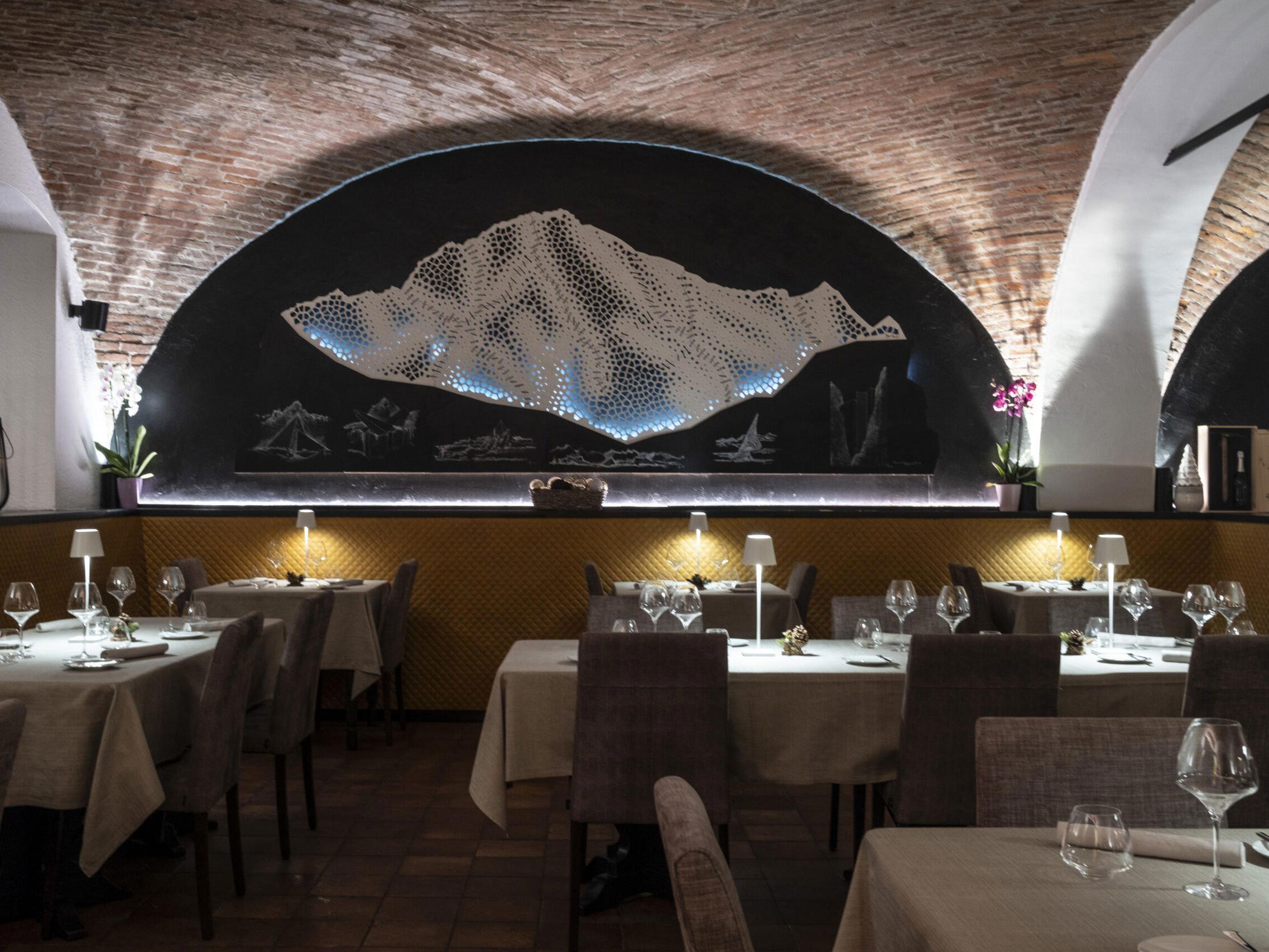

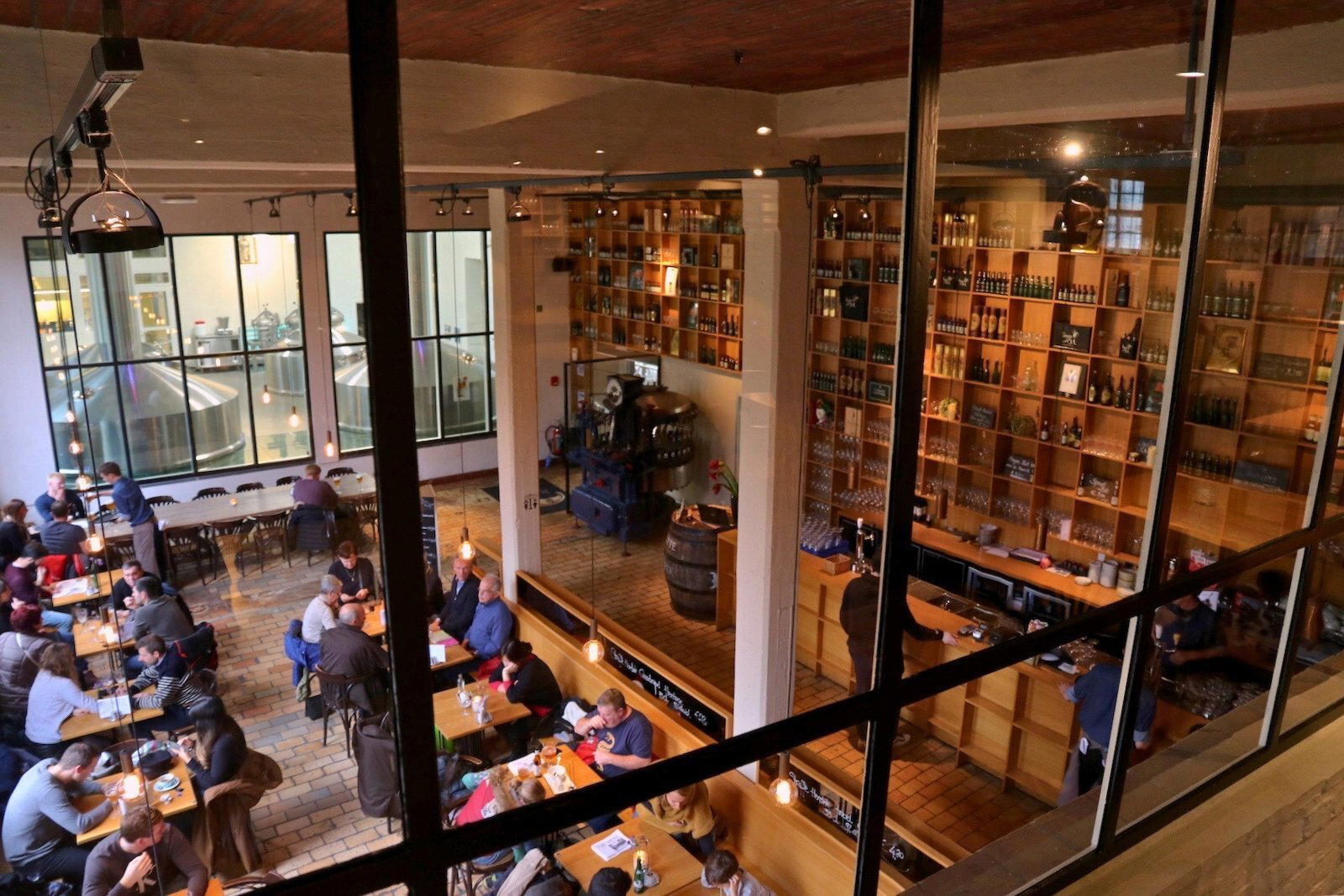
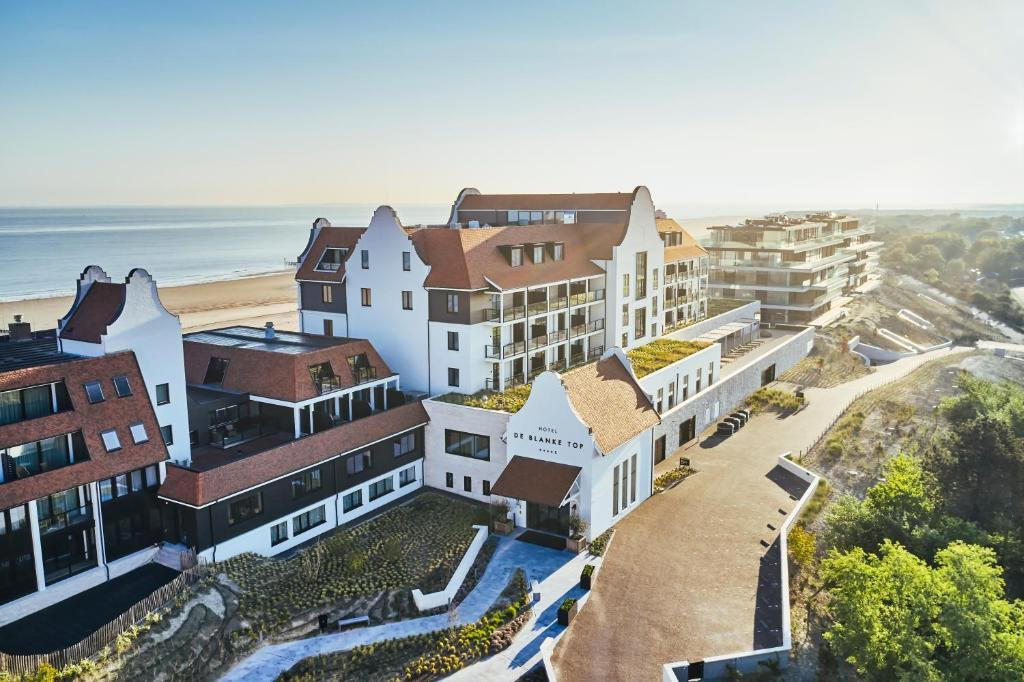
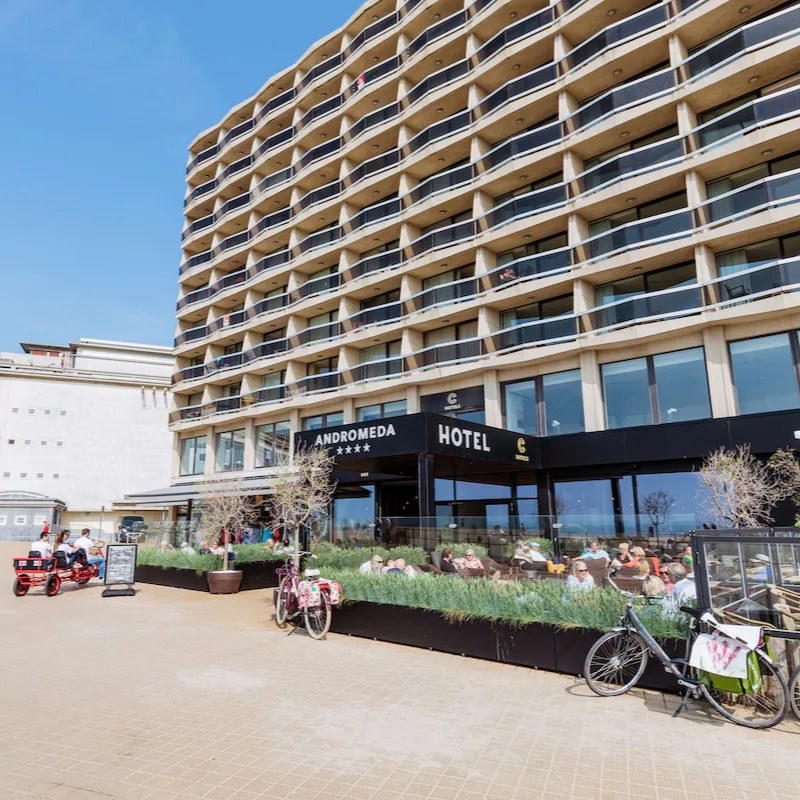
At a Glance
- Scenic
- Cozy
- Date Night
- Family
- Casual Hangout
- Waterfront
- Terrace
- Local Sourcing
- Waterfront
Gezellig terras met prachtig zeezicht, vriendelijke bediening en ontspannen sfeer volgens gasten.