Asta


On a quiet strip of Massachusetts Avenue in Back Bay, Asta has spent more than a decade operating a tasting menu format that resists easy categorisation. Chef Alex Crabb's open kitchen counter and handwritten wine list set the tone for cooking that pulls freely across culinary traditions, shifting dishes mid-week based on what's available and what's interesting. Recognised by Opinionated About Dining in 2023, it occupies a specific niche in Boston's fine dining tier.
Pearl is the En Primeur Club membership app — saves, bookings, and concierge access live there. Same editors, same standards.
- Address
- 47 Massachusetts Ave, Boston, MA 02115
- Phone
- (617) 585-9575
- Website
- astaboston.com
- Directions
- Get directions
 Saves & bookings on Pearl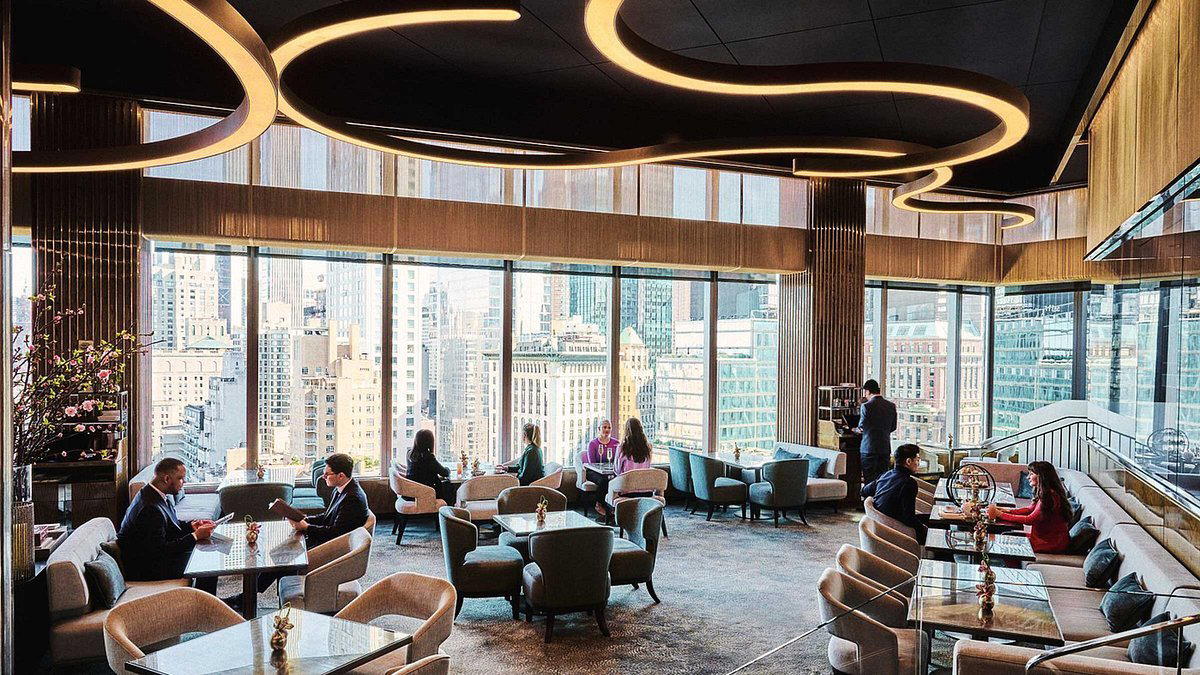
A Counter in Back Bay Where the Menu Is Always Moving
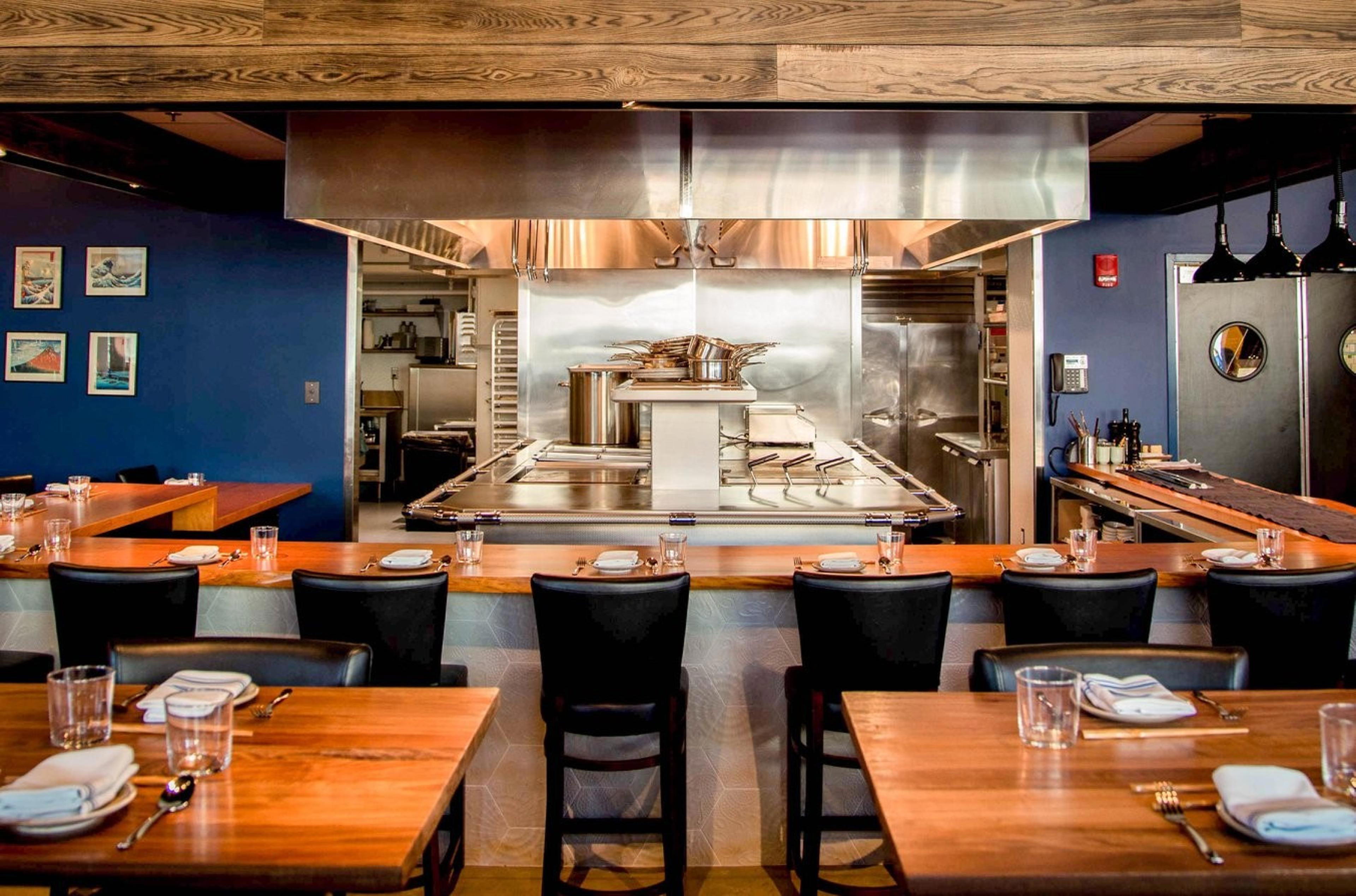
Asta is a restaurant in Boston serving a Modern American Tasting Menu at 47 Massachusetts Ave, with a $120 price point and reservations recommended. Back Bay has grander addresses, louder rooms, and more recognisable names. What 47 Massachusetts Ave offers instead is a room stripped to its essentials: exposed brick, a gold-painted tin-pressed ceiling, and a curved chef's counter that puts the kitchen directly in view. The format does a lot of editorial work before a dish arrives. This is a room built for attention, not atmosphere in the conventional sense, and the absence of decorative distraction signals exactly the kind of cooking that follows.
Boston's fine dining scene has long operated between two poles. On one side sit the classically anchored rooms, drawing on French technique and regional New England ingredients, not unlike what you find at the formal end of the American tasting menu tradition represented by venues such as The French Laundry in Napa or Le Bernardin in New York City. On the other sit the more restless, format-fluid rooms that treat the tasting menu as a live document rather than a fixed statement. Asta sits firmly in the second camp, and has done so for over a decade.
New American Cooking as a Moving Target
The New American category is, by definition, a category about borrowing. It emerged as chefs began treating the full sweep of global culinary tradition as available material, editing and recombining techniques and flavour references without the obligation of strict fidelity to any one tradition. At its most coherent, the result is cooking that is genuinely synthetic: dishes where a Japanese preparation, a French sauce technique, and a mid-Atlantic ingredient exist in the same bowl without apology. At its least coherent, it can feel like a list of influences with no governing logic.
Asta sits somewhere in the more interesting middle of that spectrum. Dishes like chawanmushi with pickled cabbage, bacon, and black truffle point directly to this cross-referencing impulse: the chawanmushi format is Japanese, the cabbage and bacon pairing has Central European roots, and the truffle is a European luxury register. That those elements appear together on a Back Bay tasting menu is not accidental. It reflects a broader shift in American fine dining toward cooking that treats culinary geography as porous. Compare this to what's happening at venues like Alinea in Chicago or Lazy Bear in San Francisco, where American cooking is also used as a framework for broader experimentation, and Asta reads as part of a coherent national conversation rather than a local outlier.
Herb-crusted John Dory with grapes and dry-aged duck with chicory suggest the same synthetic sensibility applied through a different lens: classical technique informing ingredient pairings that read as simultaneously familiar and slightly off-centre. The duck aging practice, now more visible at premium American tables than at any point in the previous generation, places Asta within a shift that has also reshaped how kitchens at Single Thread Farm in Healdsburg and The Inn at Little Washington approach protein treatment. These are techniques borrowed from different traditions and now fully absorbed into the American fine dining vernacular.
The Format and What It Implies
The tasting menu at Asta changes not just seasonally but within a given week, which puts it in a different operational category from the fixed-format tasting rooms that dominate the upper tier of American fine dining. Menus at venues like Bayona in New Orleans or Emeril's in New Orleans tend toward greater consistency as a signal of craft and control. The Asta model inverts that logic: the instability of the menu is itself the signal, communicating that the kitchen is responding to supply, season, and creative momentum rather than managing a repeatable experience.
The practical consequence for the diner is that repeat visits produce genuinely different meals, and that descriptions of specific dishes, however recent, may not reflect what's on the menu on any given night. What is consistent is the structural logic: a tasting format, an open kitchen, dishes delivered by the chefs themselves, and a handwritten wine list that sits closer to the personal-selection model than the volume-driven, professionally managed lists you find at Boston's more formal rooms. That wine list approach is also a cultural position, aligning Asta with a cohort of American restaurants where the beverage program functions as editorial curation rather than revenue optimisation.
Opinionated About Dining included Asta in its 2023 recommendations. OAD's methodology is driven by diner feedback from a community of engaged eaters rather than anonymous inspector visits, which means a sustained presence on their lists reflects accumulated diner conviction rather than a single institutional assessment. That distinction matters when evaluating what kind of restaurant Asta actually is: a room that has built loyalty among the kind of diners who track these lists closely. Asta occupies a specific position: a long-running independent tasting counter.
Where Asta Sits in the Boston Dining Picture
Boston's restaurant scene has expanded considerably in recent years, with Italian-inflected rooms like Bar Mezzana and Bar Volpe consolidating a credible mid-tier, and Japanese influence visible across formats from Black Ruby to the city's sushi and omakase rooms. In that context, a ten-year-old New American tasting counter on a quiet Back Bay block carries a different kind of authority: the authority of having stayed in place and stayed independent while the market shifted around it. That longevity is worth something, particularly in a city where fine dining turnover has accelerated.
For readers planning a Boston visit with time for one tasting menu reservation, the choice between Asta and its peers comes down to what kind of experience you're seeking. The more coherent and controlled the preference, the more a fixed-format room may serve better. If the interest is in cooking that is genuinely responsive and sometimes deliberately unsettled, the Massachusetts Avenue counter is the logical choice in this price tier and format category. Reservations are recommended, and the menu changes frequently.
Category Peers
Comparable venues nearby, for context on price, style, and recognition.
| Venue | Cuisine | Price | Awards | Notes |
|---|---|---|---|---|
| AstaThis venue — the venue you are viewing | Modern American Tasting Menu | $$$$ | Michelin Plate | Not listed |
| Deuxave | Modern French American Nouveau | $$$$ | Not listed | Back Bay |
| Woods Hill Pier 4 | Farm-to-Table American Seafood | $$$ | Michelin Plate | South Boston Waterfront |
| Wa Shin | Modern Japanese Omakase | $$$$ | Michelin Plate | Bay Village |
| STK - Boston | Modern Steakhouse | $$$$ | Not listed | Back Bay |
| Vela | Modern Global Fusion | $$$ | Not listed | South Boston Waterfront |
Recognition history
Dated appearances from independent guides and award organizations, with the underlying list record or original source where available.
Michelin Plate
Michelin
Opinionated About Dining Gourmet Casual Dining in North America Recommended
Opinionated About Dining
Continue exploring
More in Boston
Restaurants in Boston
Browse all →
Bars in Boston
Browse all →
Hotels in Boston
Browse all →



Wineries in Boston
Browse all →
At a Glance
- Intimate
- Modern
- Cozy
- Elegant
- Sophisticated
- Date Night
- Special Occasion
- Celebration
- Open Kitchen
- Chefs Counter
- Extensive Wine List
- Sommelier Led
- Local Sourcing
Airy and inviting minimalist space with neutral tones, exposed brick, warm lighting, wooden tables, and an open kitchen view creating a comfortable yet refined atmosphere.