L'Effet Bœuf
Our verdict
L'Effet Bœuf sits in the village of Roupeldange, in the Moselle department of Lorraine, where the Franco-German borderland has long shaped a distinct regional table. The name signals the kitchen's central preoccupation: beef, treated with the seriousness this border country's agricultural tradition demands. For travellers tracing France's provincial restaurant circuit, it represents the kind of address that earns its place through produce and precision rather than metropolitan visibility.

Pearl is the En Primeur Club membership app — saves, bookings, and concierge access live there. Same editors, same standards.
- Address
- 1 Rue de la Nied, 57220 Roupeldange, France
- Phone
- +33387558702
- Hours
- Mon ClosedTue 12–2:30 PM, 7–10 PMWed 12–2:30 PM, 7–8:30 PMThu 12–2:30 PMFri 12–2:30 PM, 7–11 PMSat 7–11 PMSun 12–3 PM
- Website
- leffetboeuf-roupeldange.fr
- Directions
- Get directions
- Booking
- Book on Zenchef
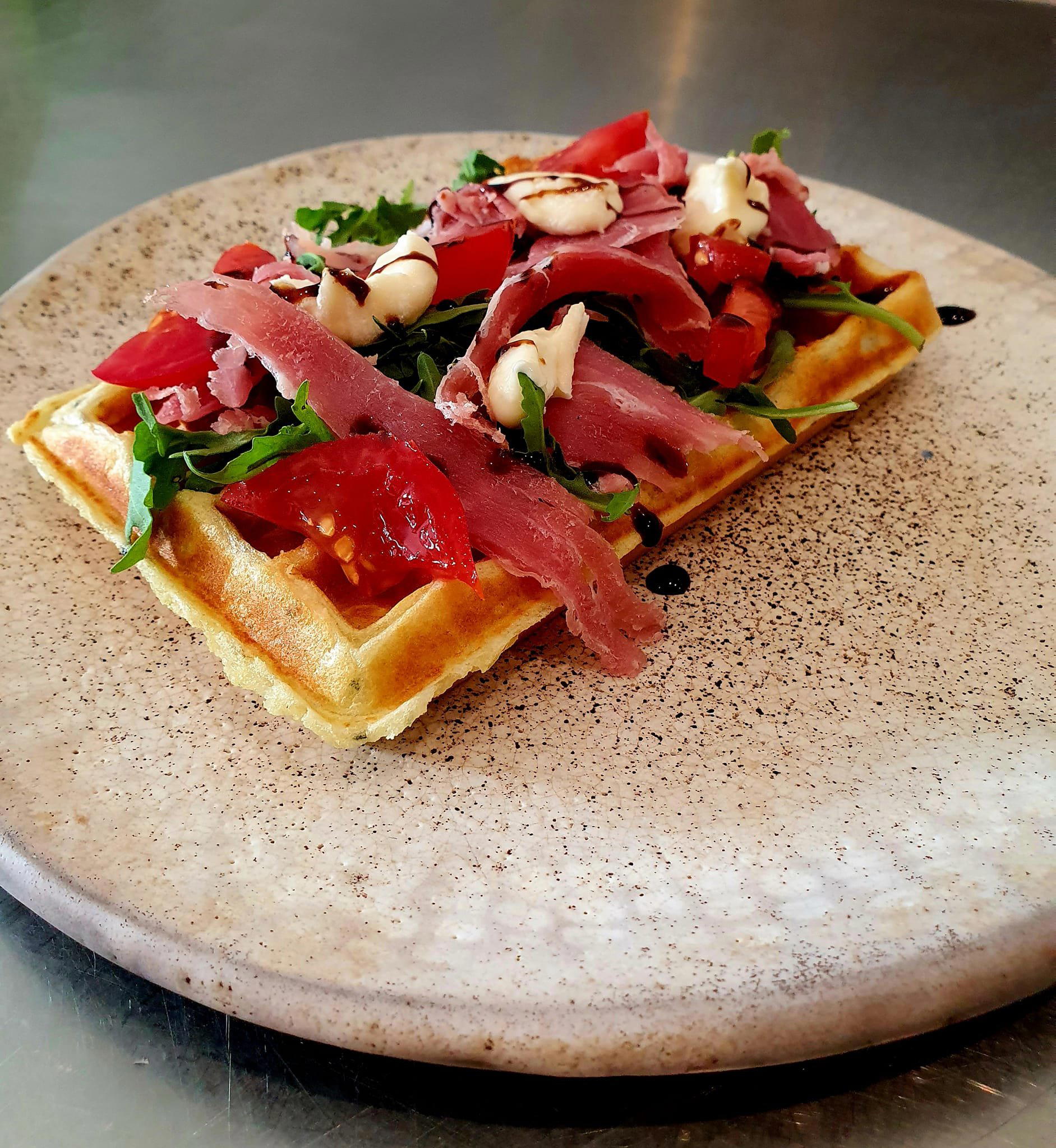
The menu
What to order
- Entrecôte de boeuf Angus sauce poivre fumé
- Planche de charcuterie
Where Lorraine's Borderland Shapes the Plate
The Moselle valley, running through the northeastern corner of France toward Luxembourg and Germany, has never quite fitted neatly into the standard map of French regional gastronomy. It is not Alsace, with its established wine trail and internationally recognised dining rooms like Au Crocodile in Strasbourg or Auberge de l'Ill in Illhaeusern. It is not the Loire, the Dordogne, or any of the postcard regions that dominate the French dining conversation. What it is, historically, is a zone where agricultural traditions from three countries compressed into a cooking style that prizes the primary ingredient above elaborate technique. Roupeldange, a village of a few hundred residents in the Moselle department, sits inside that tradition.
L'Effet Bœuf takes its name from a term with specific resonance in French culinary parlance. The phrase carries the implication of something landing with weight and impact, and here it is applied to beef with a directness that characterises the broader regional sensibility. In a French restaurant culture increasingly given to abstraction and theatrical presentation, addresses that keep the focus on a single, well-sourced product occupy a distinct position. They are not retreating from ambition; they are exercising a different kind of it.
The Sourcing Argument in Lorraine's Agricultural Corridor
The ingredient-sourcing question matters more in this part of France than the restaurant press often acknowledges. Lorraine's agricultural output, particularly in beef and dairy, has sustained local tables for centuries in ways that Parisian fine dining has rarely needed to articulate. When restaurants in the Moselle corridor build a menu around a single protein, the credibility of that project rests almost entirely on where the animal comes from and how it was raised. This is a different editorial proposition than what you encounter at the major destination restaurants further south: at Mirazur in Menton, the sourcing story is woven into a Mediterranean vegetable-forward narrative; at Bras in Laguiole, the Aubrac plateau itself is the ingredient. In Roupeldange, the terroir argument is quieter, less promoted, but present in the logic of putting beef at the centre of a dining room in a region that has always taken its cattle seriously.
Provincial restaurants with this kind of product focus tend to operate outside the Michelin spotlight without that absence reflecting a failure of quality. The guide's coverage of Moselle remains sparse compared to Alsace or Burgundy, which means addresses like this one circulate through local knowledge and word of mouth rather than internationally distributed star tallies. That is a different kind of credibility, and for travellers who have spent time at the major flagships, it is often the more interesting one to follow. Rooms like those at Paul Bocuse's Auberge du Pont de Collonges or Alléno Paris au Pavillon Ledoyen set the technical ceiling; restaurants like L'Effet Bœuf test whether regional identity can hold its own without that kind of institutional backing.
The Physical Setting and What It Signals
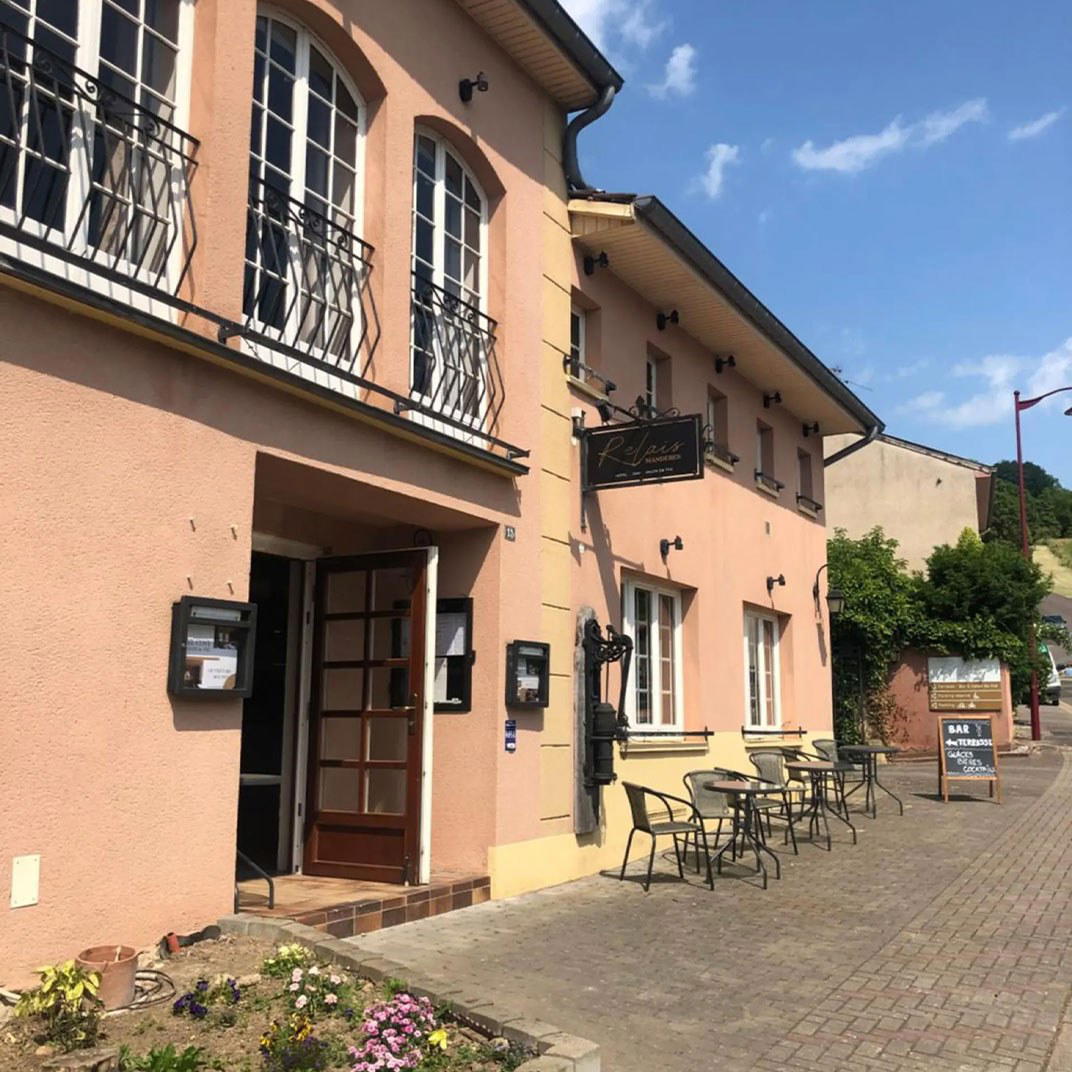
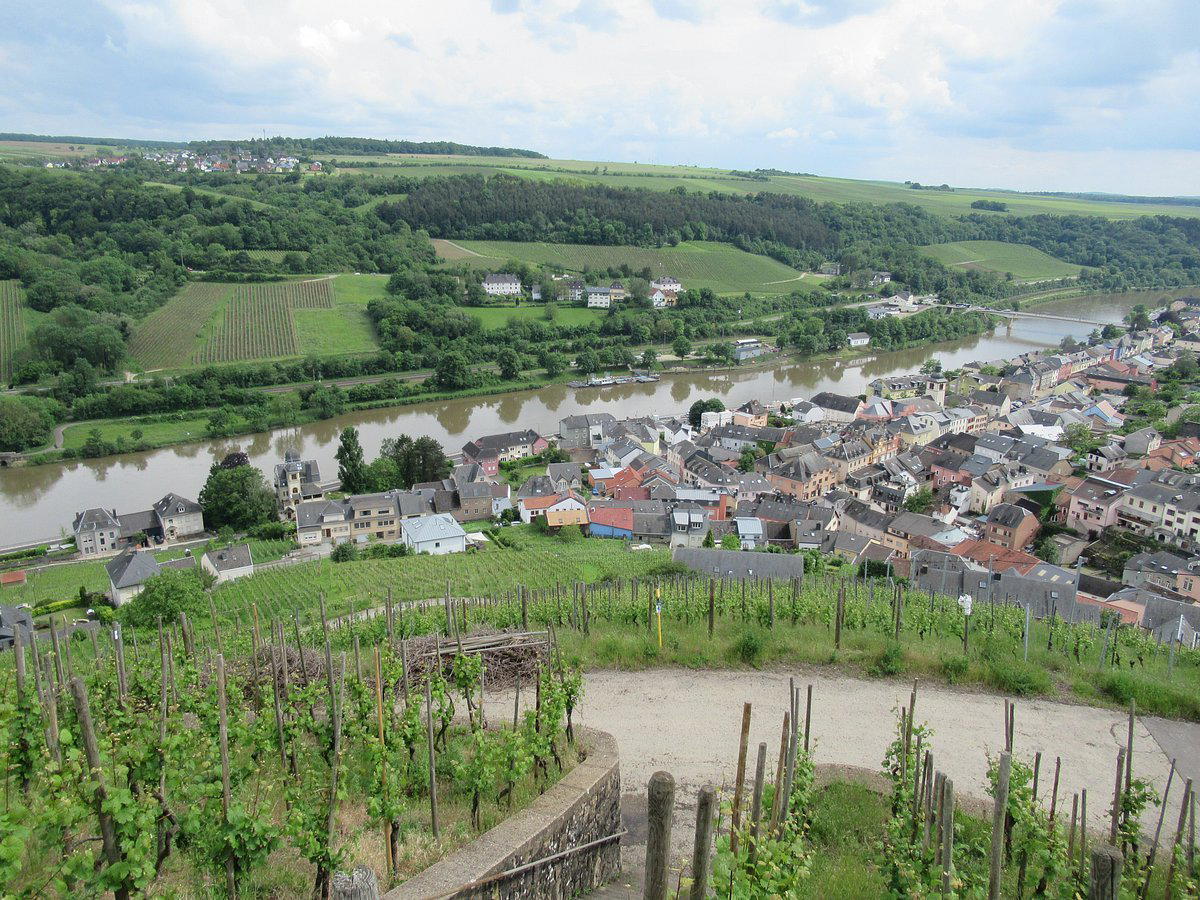
Roupeldange is reached most practically by car from Metz, roughly 30 kilometres to the southwest, or from Thionville, which sits closer to the Luxembourg border. The village sits along the Nied river, in a range of low hills, farmland, and scattered stone buildings that has more in common with rural Luxembourg and the German Saarland than with the wine-tourist infrastructure of Alsace to the east. The address at 1 Rue de la Nied places the restaurant in the kind of setting where dining out is a local act, not a pilgrimage formality. That physical context matters because it shapes the register of the experience: this is not a room designed to intimidate or impress with scale, but one that operates inside the rhythms of a small agricultural village.
For travellers building a route through the northeastern corridor, Roupeldange sits within reasonable distance of Thionville's train connections and Luxembourg City's airport, giving it a degree of accessibility that its village scale might not suggest. Those arriving from Strasbourg, after tracing the Alsatian route, will find the Moselle side of the border offers a quieter and less tourist-facing version of the same Franco-Germanic culinary logic.
Where This Fits in France's Provincial Dining Circuit
France's provincial restaurant culture has always supported addresses that resist categorisation by the standards applied in Paris or at the major destination restaurants. Auberge du Vieux Puits in Fontjoncouse occupies a similar position in Languedoc: a village address, a strong regional identity, a kitchen that earns its reputation through produce rather than promotional machinery. La Marine in Noirmoutier-en-l'île does the same with Atlantic seafood. The pattern across these addresses is consistent: strong local sourcing, a menu that reflects the immediate geography, and a dining room that reads as genuinely of its place rather than transplanted into it.
L'Effet Bœuf occupies that tier of provincial address where the dining proposition is legible from the name alone. Beef, in a beef-raising region, treated with the seriousness the region's agricultural heritage warrants. That is a simpler and more honest editorial positioning than many restaurants manage. For those building a broader itinerary through France's less-documented dining regions, our full Roupeldange restaurants guide provides additional context on what the village and surrounding Moselle corridor offer. Those planning wider northeastern France routes might also cross-reference Assiette Champenoise in Reims or the Alsatian anchors to the east before settling on an itinerary.
For readers tracking the full range of French fine dining, from the technical ambition of Flocons de Sel in Megève or Troisgros in Ouches to the product-led restaurants of the provinces, L'Effet Bœuf represents the quieter end of the spectrum. Comparison with internationally recognised addresses such as AM par Alexandre Mazzia in Marseille, Christopher Coutanceau in La Rochelle, or Georges Blanc in Vonnas clarifies the positioning: those are destination rooms with international visibility; this is a regional address that earns its place through local credibility. Both have their logic, and serious travellers find both worth their time. Visitors arriving from further afield, perhaps routing through after tables at Le Bernardin in New York City or Atomix, will find the register here a useful counterpoint: less architecture, more agriculture. Similarly, L'Oustau de Baumanière in Les Baux offers a southern French point of comparison for those tracing how terroir-driven addresses operate across different regional contexts.
Planning a Visit
Roupeldange is a village, and visitors should arrive with that expectation confirmed. There is no concierge infrastructure, no hotel cluster, no adjacent wine bar scene. The practical approach is to base in Metz or Thionville and drive out, treating the meal as the destination rather than part of a broader urban evening. Given the absence of published hours and booking details in the public record, contacting the restaurant directly via the address at 1 Rue de la Nied is the appropriate first step. Arriving without a reservation at a village restaurant of this type is a risk not worth taking, particularly at weekends when local tables fill on regular custom.
Frequently asked questions
Is L'Effet Bœuf good for families?
Roupeldange itself is a village setting with no surrounding tourist infrastructure, which sets a relaxed, unhurried tone that suits family groups comfortable with rural French dining. The address at 1 Rue de la Nied places it away from any urban noise or crowds.
What is the atmosphere like at L'Effet Bœuf?
The physical context says a great deal: Roupeldange is a small Moselle village reachable primarily by car, roughly 30 kilometres from Metz. That geography produces a distinctly provincial atmosphere, where the pace is slower and the dining room is insulated from the kind of urban energy found at destination restaurants in larger French cities. Expect something closer to a serious local address than a polished showcase operation.
How far is L'Effet Bœuf from Metz, and is it worth the drive from the city?
L'Effet Bœuf sits at 1 Rue de la Nied in Roupeldange, approximately 30 kilometres northeast of Metz. For diners based in Metz or passing through on the Moselle corridor toward Luxembourg, it represents a deliberate detour into France's provincial dining circuit rather than a casual city-centre option. Visitors arriving from Luxembourg or Thionville will find the location even more direct.
What's the best thing to order at L'Effet Bœuf?
The name itself is a direct signal: bœuf, beef, is the declared focus. Lorraine's agricultural corridor produces cattle raised in a landscape shaped by proximity to Luxembourg and Germany, which distinguishes the regional product from breeds more associated with Normandy or Charolais country further south. Specific dishes and current menu details should be confirmed with the restaurant before visiting.
Where is L'Effet Bœuf in Roupeldange?
L'Effet Bœuf is located at 1 Rue de la Nied, 57220 Roupeldange, France, Roupeldange.
How It Stacks Up
Comparable venues nearby, for context on price, style, and recognition.
| Venue | Cuisine | Price | Notes |
|---|---|---|---|
| L'Effet BœufThis venue — the venue you are viewing | French Steakhouse & Grill | $20–30 | Not listed |
| Le Floréal | Traditional French Bistro | $30–50 | Place Léopold |
| Terroirs de Lorraine | Regional French | $30–50 | Gare |
| Saturne | Modern French with Nordic Influences | Not listed | 2nd Arrondissement |
| Le KG | French Bistronomic | $50–100 | Bainville-aux-Saules |
| L'Ami Schutz | Traditional Alsatian | $30–50 | Centre |
Continue exploring
More in Roupeldange
Restaurants in Roupeldange
Browse all →
Bars in Roupeldange
Browse all →
Hotels in Roupeldange
Browse all →

Details
- Cozy
- Rustic
- Date Night
- Terrace
- Open Kitchen
- Local Sourcing
- A La Carte
Current opening hours
- Monday
- Closed
- Tuesday
- 12–2:30 PM, 7–10 PM
- Wednesday
- 12–2:30 PM, 7–8:30 PM
- Thursday
- 12–2:30 PM
- Friday
- 12–2:30 PM, 7–11 PM
- Saturday
- 7–11 PM
- Sunday
- 12–3 PM
Hours can change for holidays and private events. Last verified .
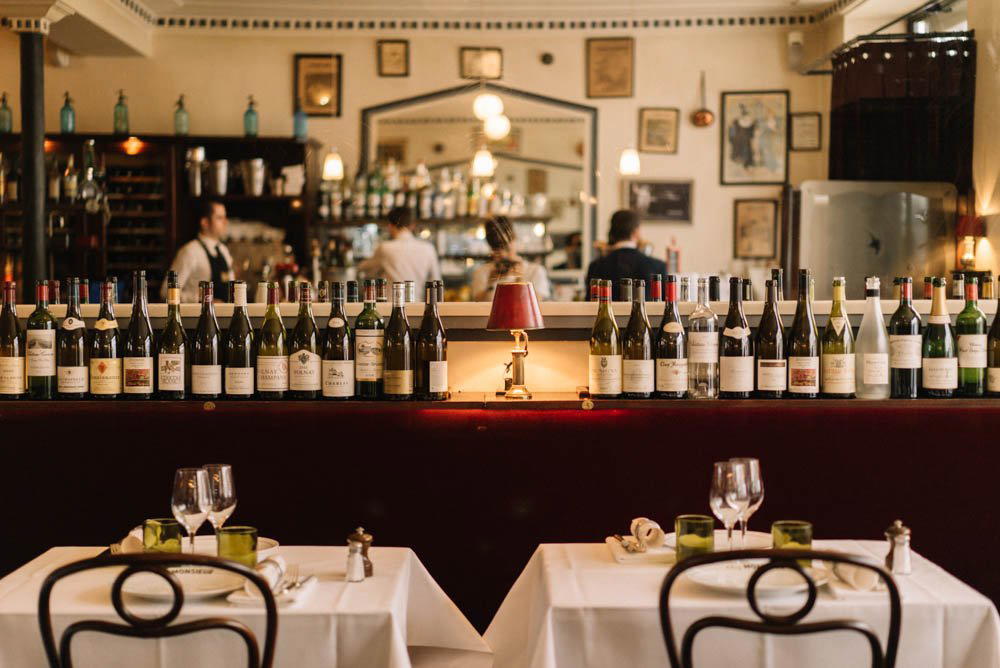
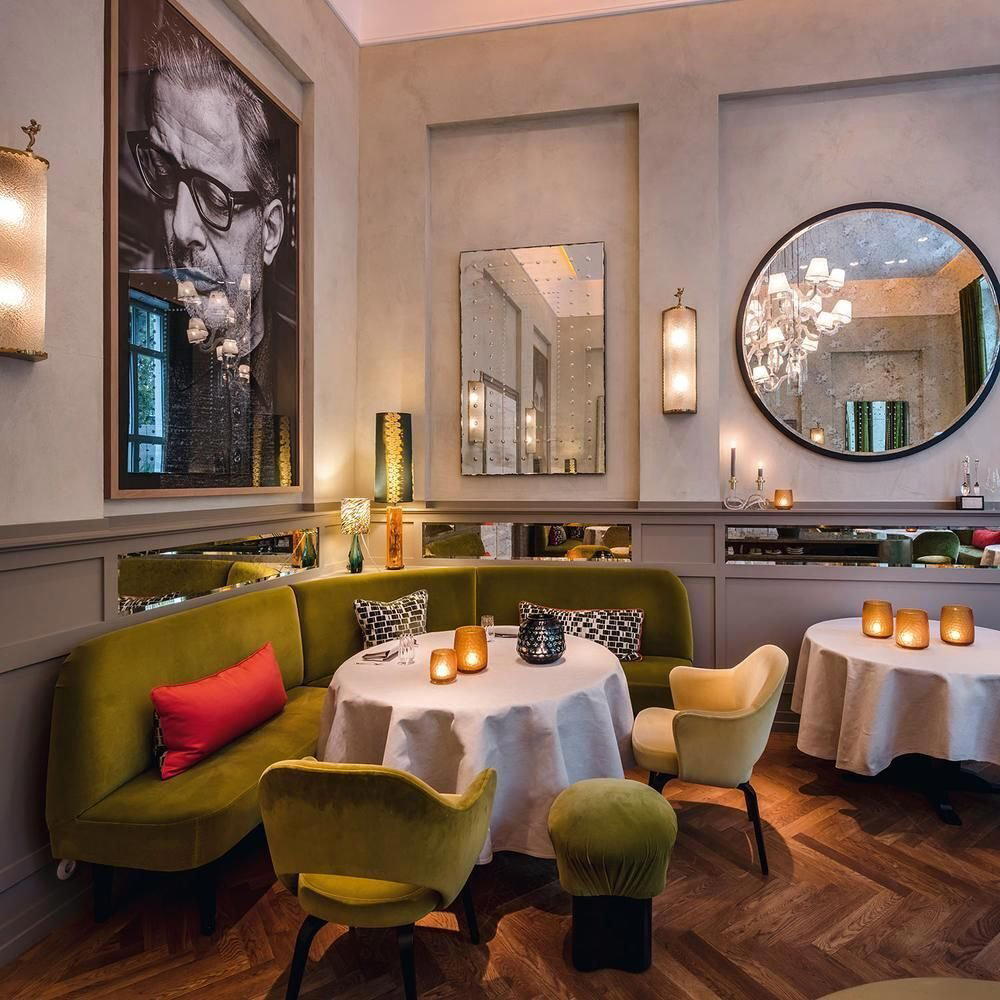
Cozy atmosphere with velvet seats and warm lighting.