Terroirs de Lorraine sits on Place du Général de Gaulle in central Metz, positioning itself within the city's growing conversation about regional produce and French dining tradition. The address places it steps from the Cathedral Saint-Étienne quarter, where Metz's most deliberate dining rooms have concentrated. For visitors oriented toward the produce and customs of the Grand Est, this is a reference point worth understanding before booking.
Pearl is the En Primeur Club membership app — saves, bookings, and concierge access live there. Same editors, same standards.
- Address
- 1 Pl. du Général de Gaulle, 57000 Metz, France
- Phone
- +33387666403
- Website
- terroirsdelorraine.com
- Directions
- Get directions
 Saves & bookings on Pearl
Place du Général de Gaulle and the Logic of Where Metz Eats
Metz has spent the better part of the last decade clarifying what kind of dining city it wants to be. Terroirs de Lorraine is a restaurant in Metz, France, serving Lorraine Bistronomy at about $35 per person. The Centre Pompidou-Metz opened in 2010 and shifted the city's cultural gravity, drawing a visitor profile that expected more from its restaurants than regional comfort food served without intention. The dining rooms that have endured, and the ones that have opened since, tend to share a quality: they are anchored to place in a specific, demonstrable way, not simply in name or décor. Terroirs de Lorraine, addressed at 1 Place du Général de Gaulle, operates from among the more freighted civic squares in the city, a location that carries its own argument about seriousness. In French provincial dining, address is rarely incidental.
The Place du Général de Gaulle places any restaurant within easy reach of the Cathedral Saint-Étienne quarter and the old city's network of pedestrian streets, where foot traffic skews toward visitors with an interest in the region's heritage. Metz's dining scene at this price tier and in this geography tends toward the deliberate rather than the casual, rooms where the pacing of a meal matters as much as the content of the plate. That context matters when reading Terroirs de Lorraine against its peers.
The Ritual of a Lorraine Meal
There is a specific grammar to eating well in the Grand Est. Lorraine, which stretches north and east from Metz toward Luxembourg and the German border, has a produce identity shaped by its geography: mirabelle plum orchards, freshwater fish from the Moselle and its tributaries, charcuterie traditions rooted in the region's agricultural past, and a wine output from the Côtes de Moselle that remains largely unknown outside France. A dining room that takes its name from these terroirs is making a claim about its orientation, it is stating, before the menu arrives, that the sourcing and provenance of ingredients will carry the editorial weight of the meal.
The ritual of a meal framed this way differs from a generalist French brasserie. The pacing is slower by design. Dishes arrive in a sequence calibrated to build a sense of the region rather than simply to fill a table. Seasonal shifts matter more than they would in a kitchen drawing from broader European supply chains. What arrives in autumn, game, root vegetables, late stone fruit, will not be what arrives in spring. A diner who engages with that logic is participating in a conversation the kitchen is trying to have, rather than simply consuming a service.
For reference, this style of regionally anchored dining is well-established in France's eastern corridor. Auberge de l'Ill in Illhaeusern has built its multi-generational reputation on Alsatian terroir with the same underlying argument. Au Crocodile in Strasbourg operates in the same regional tradition, two hours south. Further afield, the approach finds its most rigorous expression at houses like Bras in Laguiole or Flocons de Sel in Megève, where landscape and plate are treated as inseparable. The restaurant works in that tradition at a less formal register, within a city that is still building its credibility in this category.
Metz's Dining Tier and Where This Fits
Within Metz itself, the dining scene sorts into identifiable tiers. At the upper end of the creative spectrum, Yozora operates a format that prioritises invention over regionalism, priced at €€€€ and aimed at a diner comfortable with the international language of fine dining. Mid-market options like 83 Restaurant, Italian at €€, serve a different function entirely. 2'Moiselles, Cantino, and Bouillon Batignolles occupy various positions in the accessible mid-range, where volume and price accessibility are part of the proposition.
The restaurant positions itself as something specific within this: a room organised around the produce identity of the wider Lorraine region, in a city that has historically undersold that identity at table. The comparison set is less about Metz's competitive dining scene and more about the broader French tradition of terroir-led restaurants that have made regional provenance their primary argument. Houses like Troisgros - Le Bois sans Feuilles in Ouches or Mirazur in Menton occupy the upper tier of that tradition. Assiette Champenoise in Reims offers a useful regional parallel, a Grand Est dining room that has built its identity around local produce and a specific sense of place, with Michelin recognition to match. The benchmark set matters because it clarifies what a diner is choosing when they book a room with this kind of name and concept.
For a broader map of what Metz's dining options look like across price points and styles, our full Metz restaurants guide provides the wider context. Internationally, the conversation about terroir-led French dining also includes references as far as Alléno Paris au Pavillon Ledoyen, AM par Alexandre Mazzia in Marseille, and Paul Bocuse - L'Auberge du Pont de Collonges, each of which defines French regional identity through a different lens. For diners arriving from further afield, from Le Bernardin in New York or Atomix, the register here is quieter and more explicitly rooted.
Planning Your Visit
The restaurant is located at 1 Place du Général de Gaulle in central Metz, within walking distance of the cathedral and the main pedestrian shopping zone. For visitors arriving by train, Metz-Ville station is approximately fifteen minutes on foot through the old city. The square itself is a practical arrival point, recognisable, well-connected by public transport, and close enough to the main tourist circuits that it suits both residents and visitors to the city.
Price and Recognition
Comparable venues nearby, for context on price, style, and recognition.
| Venue | Cuisine | Price | Awards | Notes |
|---|---|---|---|---|
| Terroirs de LorraineThis venue — the venue you are viewing | Gare, Lorraine Bistronomy | $$$ | Not listed | Not listed |
| La Station | centre, Modern French Tapas | $$ | Not listed | Not listed |
| La Réserve | centre-ville, Modern French Bistro | $$$ | Michelin Plate | Not listed |
| Quintessence | Centre Ville, Modern French Fine Dining | $$$$ | Not listed | Not listed |
| Le Jardin de Bellevue | Not listed | $$$ | Michelin Plate | Parc de la Chenaux, Modern French Gastronomic |
| Les Arts et Métiers | Not listed | $$$ | Not listed | quartier impérial, Traditional French Brasserie with Seafood |
Continue exploring
More in Metz
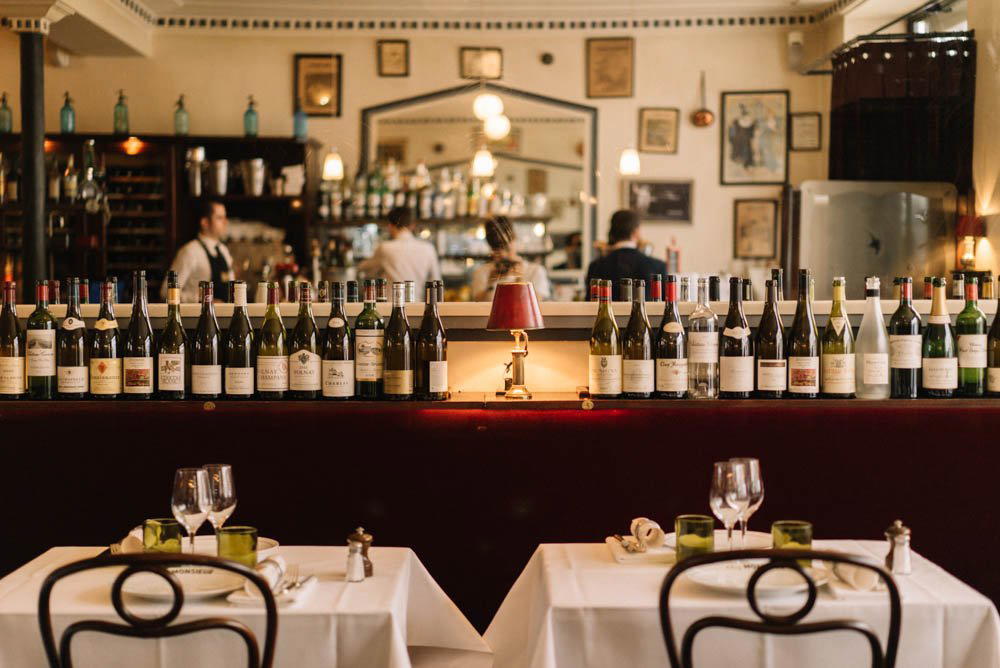
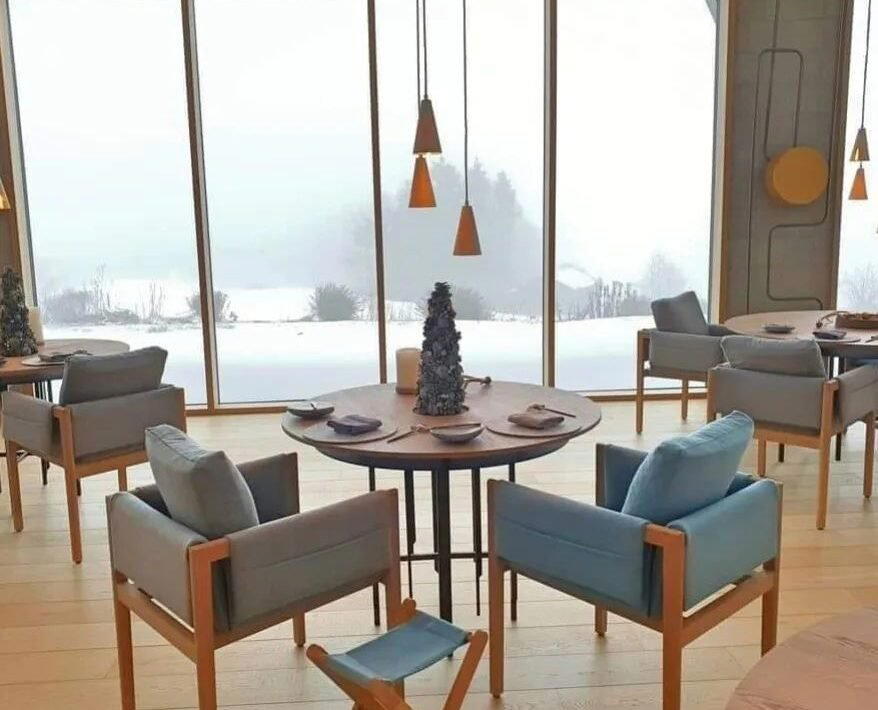
Restaurants in Metz
Browse all →
Bars in Metz
Browse all →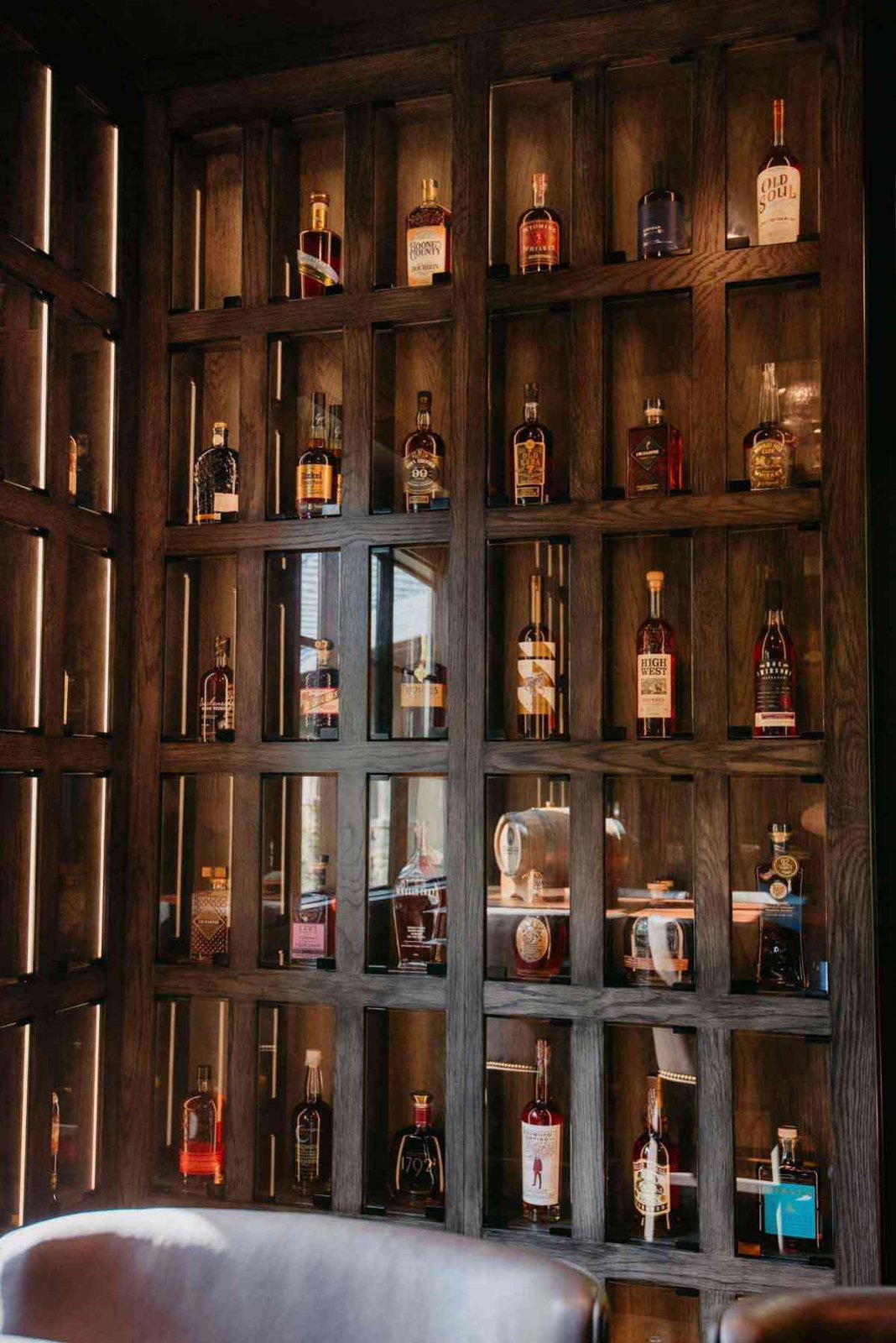
Hotels in Metz
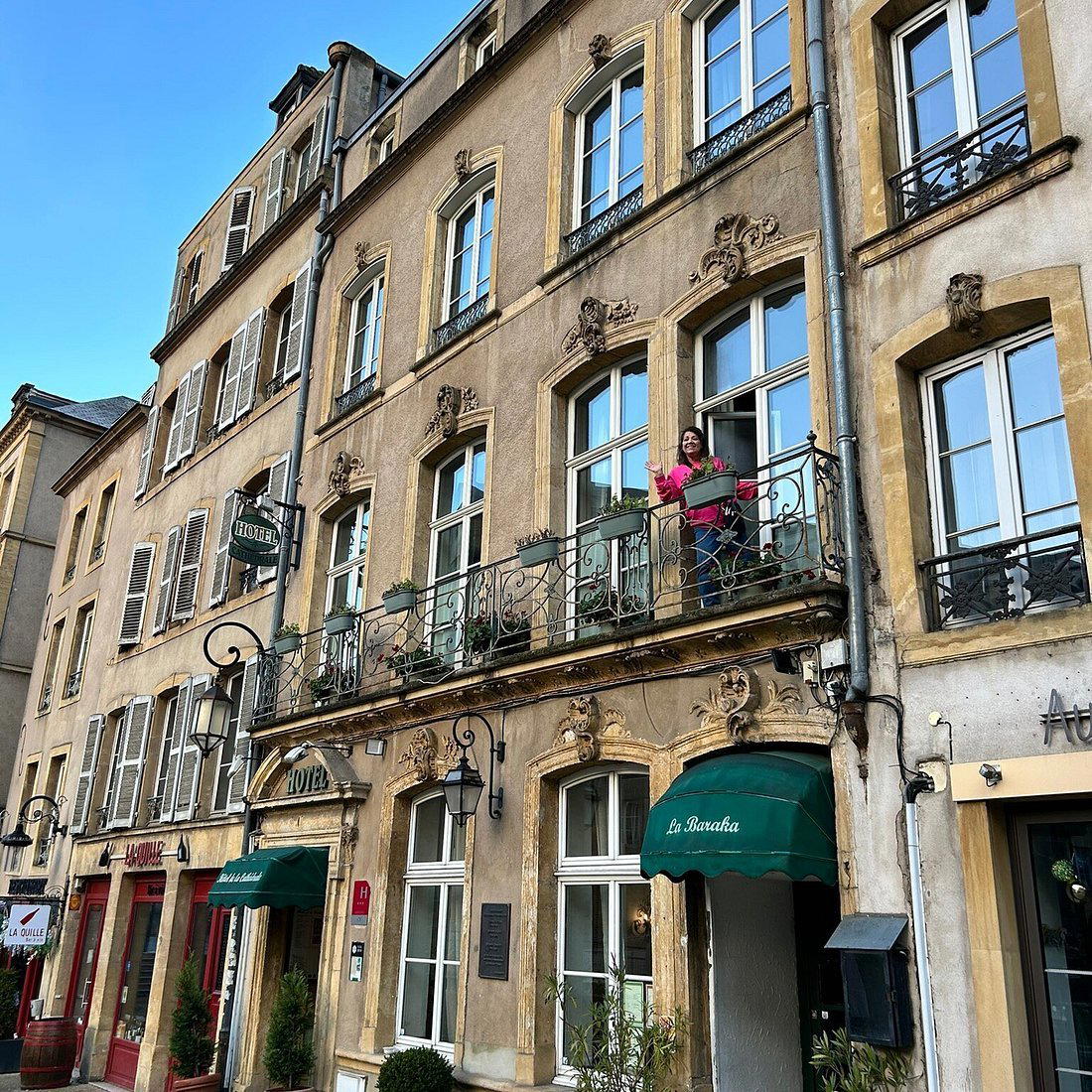
Browse all →

At a Glance
- Cozy
- Modern
- Classic
- Business Dinner
- Casual Hangout
- Group Dining
- Historic Building
- Standalone
- Local Sourcing
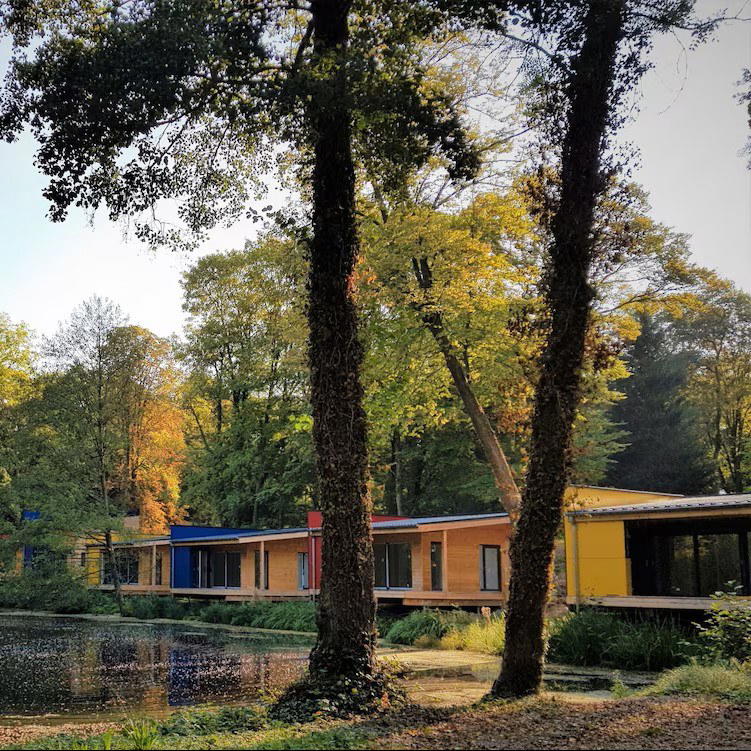
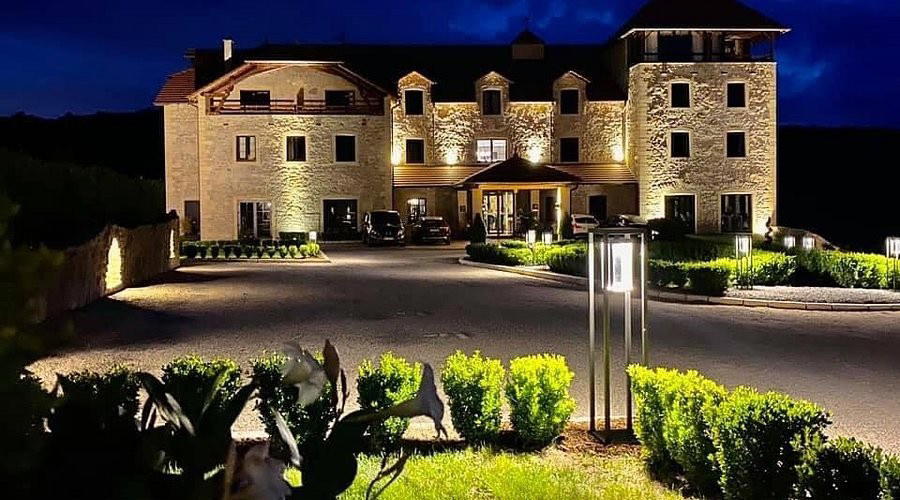
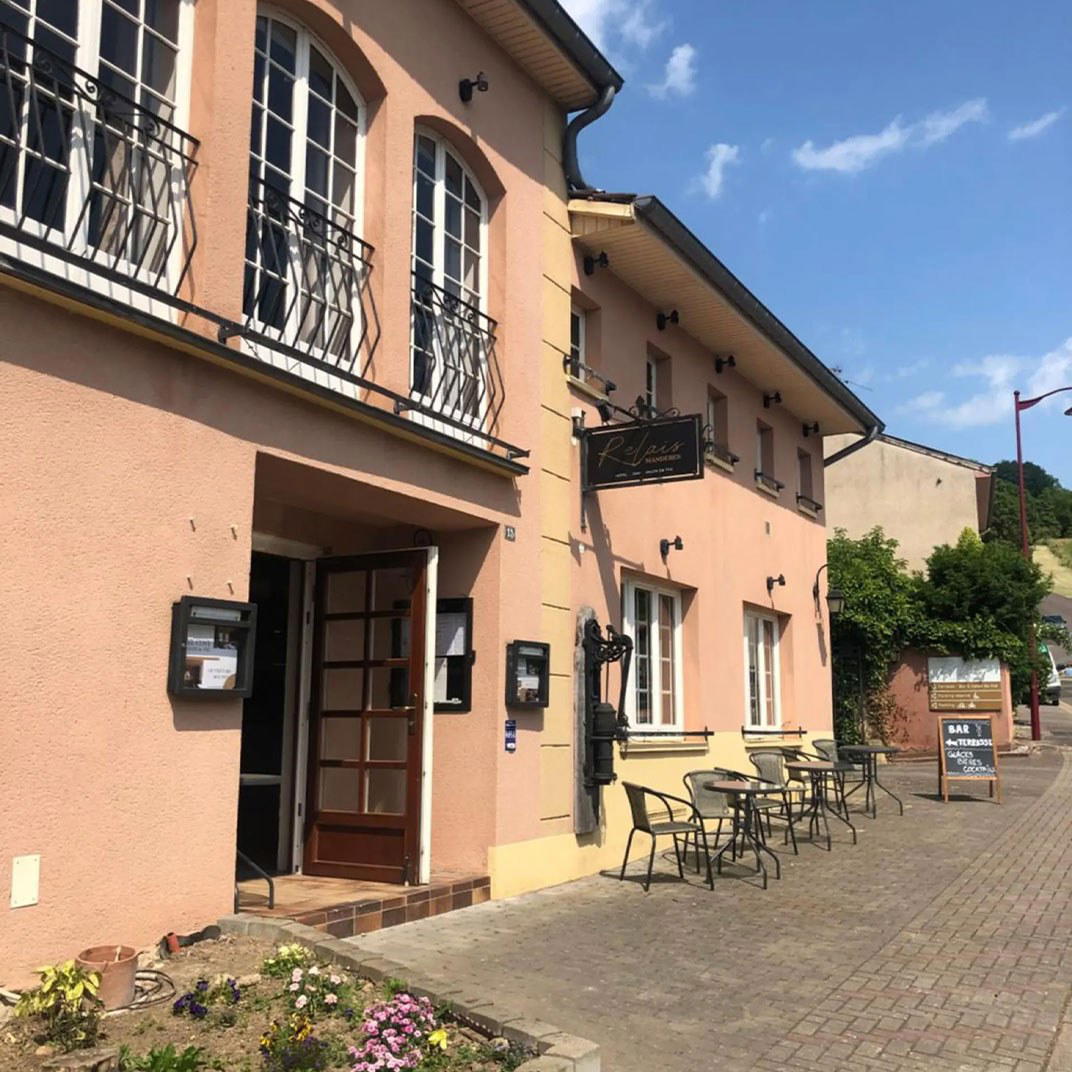
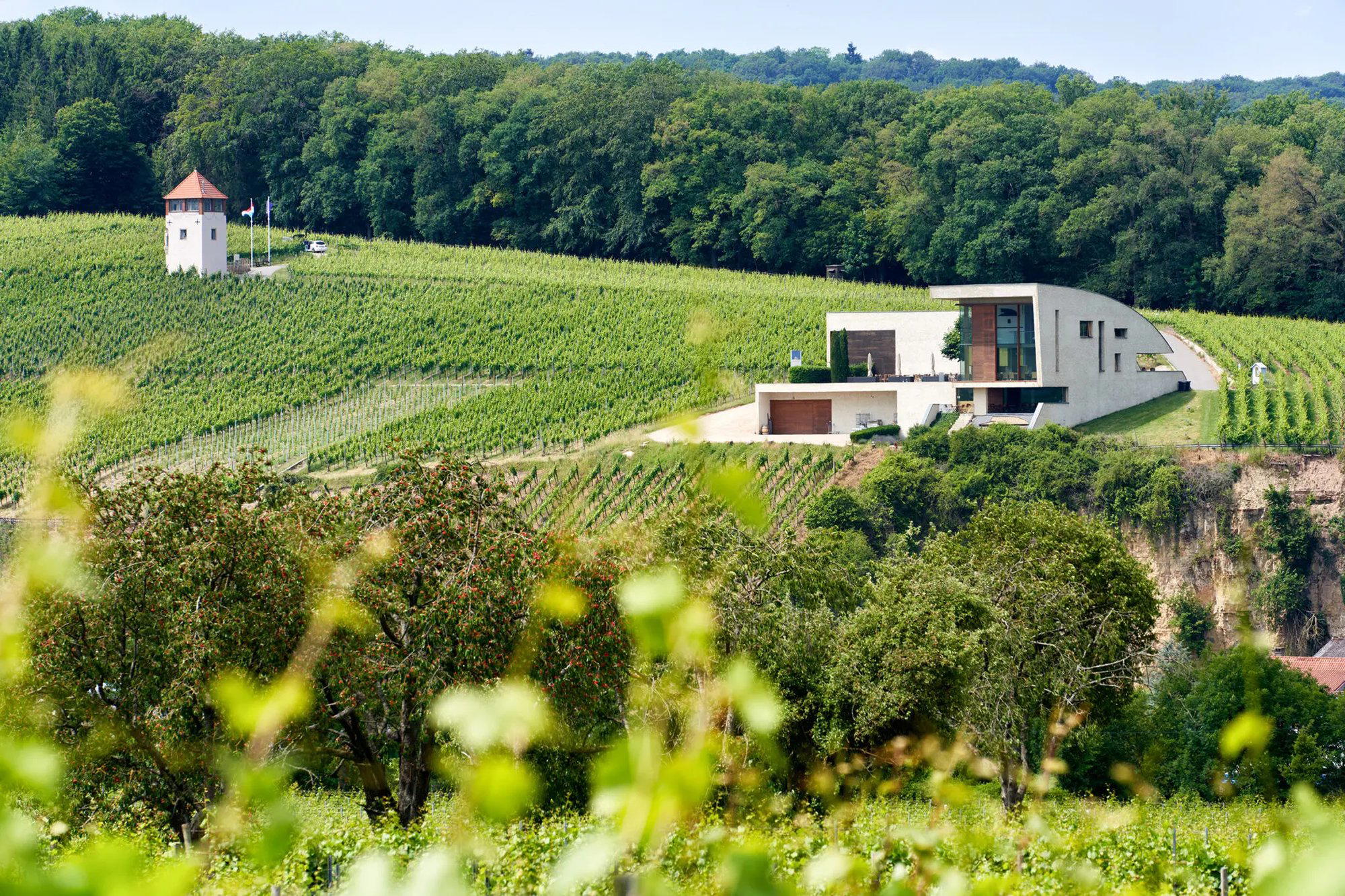
Warm and welcoming with a modern décor that integrates into the historic station architecture.