Le Floréal occupies 1 Place Léopold, Lunéville's historically significant central square, positioning it as the town's most contextually anchored dining address. Set steps from the Château de Lunéville and reachable in under thirty minutes by rail from Nancy, it sits within a thin local dining market where Lorraine's regional kitchen tradition, mirabelle, freshwater fish, a Franco-German larder, forms the culinary backdrop for an occasion meal at provincial French scale.
Pearl is the En Primeur Club membership app — saves, bookings, and concierge access live there. Same editors, same standards.
- Address
- 1 Pl. Léopold, 54300 Lunéville, France
- Phone
- +33383733980
- Website
- lefloreal54.com
- Directions
- Get directions
 Saves & bookings on Pearl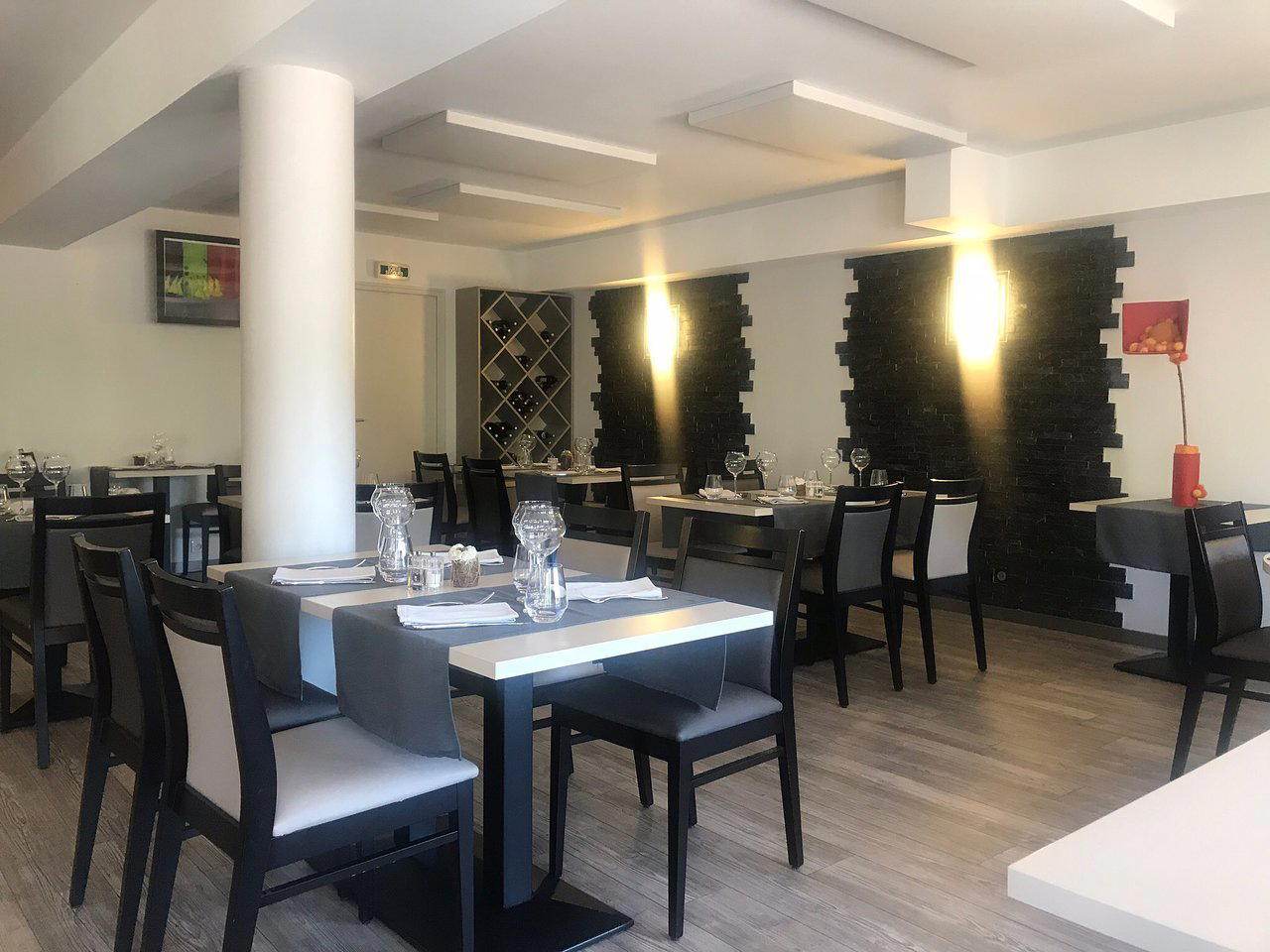
Place Léopold and the Tradition of Provincial French Dining
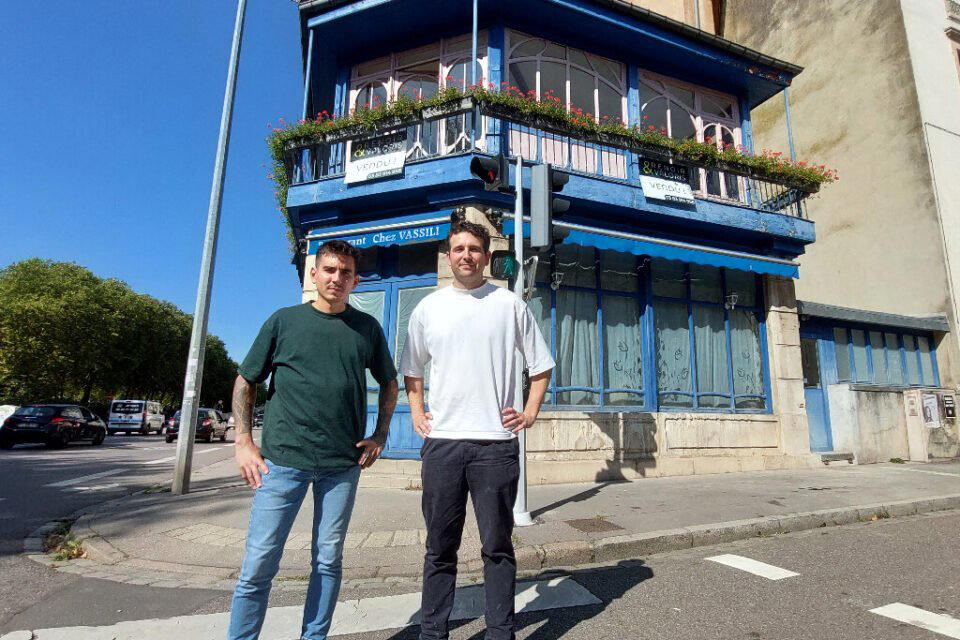
Lunéville announces itself through its architecture before its restaurants. The town's central Place Léopold, a formal square shaped during the reign of Stanisław Leszczyński in the eighteenth century, sets a particular register: deliberate, unhurried, calibrated to an older idea of civic life. Restaurants that occupy this kind of address in provincial France tend to inherit that register whether they seek it or not. Le Floréal sits at 1 Place Léopold, and the square's proportions and stone seriousness frame the experience from the moment you approach on foot.
This matters because provincial French dining, at its most considered, has always operated differently from the Parisian model. Where Paris rewards density and competition, towns like Lunéville reward consistency and local rootedness. The French kitchen tradition in smaller cities east of the capital, the Lorraine, Alsace, the Meuse valley, draws on a different larder: mirabelle plums, Munster and Tomme cheeses, freshwater fish from the Moselle and Meurthe rivers, and a baking tradition shaped by Germanic and French influences running together over centuries. These are not decorative flourishes; they are the structural ingredients of a regional cuisine that has its own coherence apart from whatever is trending in the capital.
Where Le Floréal Fits in Lunéville's Dining Options
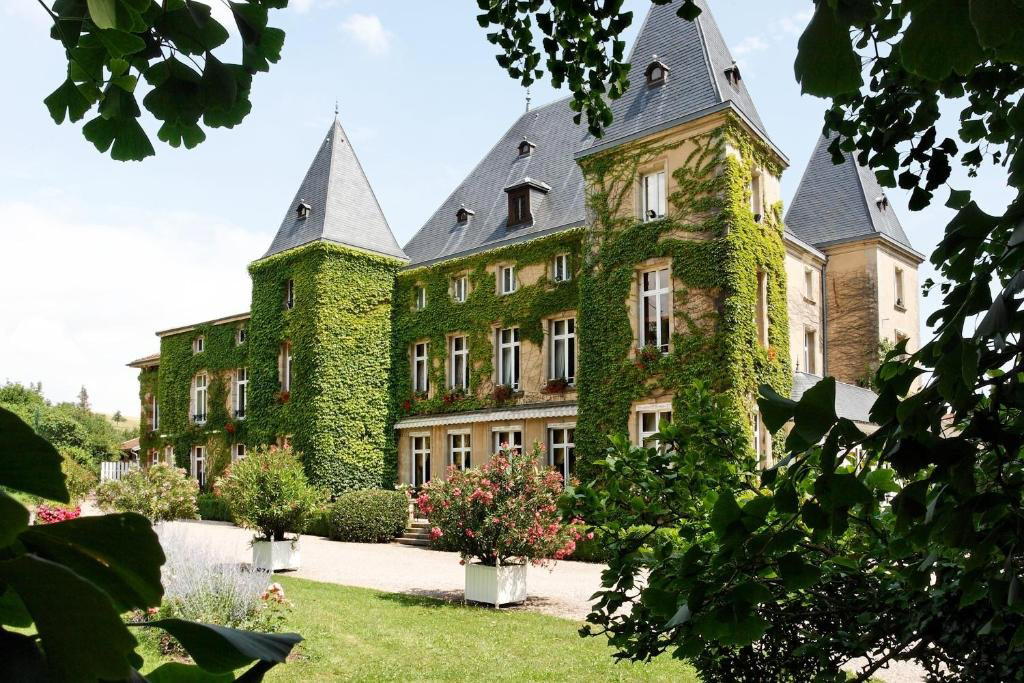
Lunéville is a small city with a limited range of dining choices. For visitors arriving from Nancy, roughly thirty kilometres to the northwest, or from Strasbourg across the Vosges, the question of where to eat in Lunéville is direct. Château d'Adoménil, a Michelin-recognised address a few kilometres outside town, occupies the refined tier of regional French cuisine here and draws a different kind of reservation: destination dining, often tied to a hotel stay, priced accordingly. Le Banaudon represents a more casual register in the local market.
Le Floréal occupies the middle ground on Place Léopold. Its address on the town's most prominent civic square makes it a natural choice for visitors to the nearby Château de Lunéville, as well as for locals marking an occasion without the formality of a destination-dining expedition. That positioning in the local competitive set is worth understanding before booking: this is not a tasting-menu laboratory or a chef's statement restaurant. It is a French provincial dining room in a historically significant setting, and it should be approached on those terms.
For readers accustomed to higher tiers of French dining, addresses like Mirazur in Menton, Alléno Paris au Pavillon Ledoyen, or the grande maison tradition represented by Paul Bocuse in Collonges-au-Mont-d'Or place the restaurant in a different category. The comparison set is regional rather than national. Within that frame, a square this historically charged gives the address a context that most provincial restaurants cannot manufacture.
The Cultural Weight of Lorraine Cuisine
Lorraine's culinary identity has been contested and layered across centuries of political change. The region passed between French and German control multiple times, and its kitchen absorbed both traditions without fully surrendering to either. The quiche Lorraine that appears in every brasserie in France began here as a working dish, built on smoked lard and eggs long before cheese became standard. The mirabelle, grown almost nowhere else in the world in commercial quantities, saturates the region's pastry and spirits traditions. These are not historical footnotes; they are live ingredients that any serious kitchen in the region should be working with.
Restaurants in smaller Lorraine towns are the keepers of this tradition in a way that Nancy's more ambitious kitchens sometimes are not. The pressure to modernise or to position against national competition is lower, which can be a constraint or a freedom depending on what a kitchen does with it. Particularly interesting provincial French restaurants in this category, places like Auberge de l'Ill in Illhaeusern or, at a grander scale, Bras in Laguiole, have used their regional rootedness as a point of distinction rather than a limitation. Whether a given Lunéville address does the same is a question worth asking when you sit down.
The broader tradition of French regional cooking that extends into the northeast also includes the Alsatian kitchens at addresses such as Au Crocodile in Strasbourg, where the Franco-German culinary synthesis is most visible. Lorraine cooking sits adjacent to that tradition, sharing some ingredients and techniques while maintaining its own character through the Meuse and Moselle valleys' agricultural specificity.
Planning a Visit
Lunéville sits on the main rail line between Nancy and Strasbourg, making it reachable as a day trip from either city without a car. The journey from Nancy runs in under thirty minutes by TER regional train. Visitors combining a meal with the Château de Lunéville, whose rebuilt state rooms and formal gardens are the town's principal draw, will find the Place Léopold address convenient, as the square and the château grounds are separated by a short walk. For those arriving from further afield, the wider context of French fine dining in the northeast is worth mapping before the trip: Assiette Champenoise in Reims and Flocons de Sel in Megève represent different poles of regional ambition that can orient expectations for what a considered provincial French meal looks like at various price points.
The restaurant is recommended for reservations, and its price tier sits around $40 per person. Service is limited on several days, so confirm lunch and dinner availability in advance. Our full Lunéville restaurants guide maps the broader options for those building a longer itinerary in the area.
For context on what French regional cooking looks like at its most ambitious in adjacent categories, the EP Club editorial covers addresses ranging from Auberge du Vieux Puits in Fontjoncouse to Christopher Coutanceau in La Rochelle, Georges Blanc in Vonnas, AM par Alexandre Mazzia in Marseille, Troisgros in Ouches, and international comparators such as Le Bernardin in New York City and Atomix in New York City.
Price and Positioning
Comparable venues nearby, for context on price, style, and recognition.
| Venue | Cuisine | Price | Awards | Notes |
|---|---|---|---|---|
| Le FloréalThis venue — the venue you are viewing | Place Léopold, Traditional French Bistro | $$$ | Not listed | Not listed |
| Le Banaudon | Not listed | $$ | Not listed | centre-ville, Traditional French Brasserie |
| Château d'Adoménil | Not listed | $$$$ | Michelin 1 Star | Réhainviller, Contemporary French Fine Dining |
| Les Copains d'Abord | Not listed | $$$ | Not listed | near Place de la République, Traditional French Bistro |
| Bienheureux | Not listed | $$$ | Not listed | Wasquehal, Modern French seasonal tasting menu |
| Les Terrasses | Guebwiller, Alsatian Bistronomic French | $$$ | Not listed | Not listed |
Continue exploring
More in Lunéville
Restaurants in Lunéville
Browse all →
At a Glance
- Classic
- Elegant
- Cozy
- Date Night
- Business Dinner
- Family
- Historic Building
- Local Sourcing
- Street Scene
Current opening hours
- Monday
- Closed
- Tuesday
- 12–1:30 PM, 7–8:30 PM
- Wednesday
- Closed
- Thursday
- 12–1:30 PM, 7–8:30 PM
- Friday
- 12–1:30 PM, 7–8:30 PM
- Saturday
- 12–1:30 PM, 7–8:30 PM
- Sunday
- 12–1:30 PM
Hours can change for holidays and private events. Last verified .
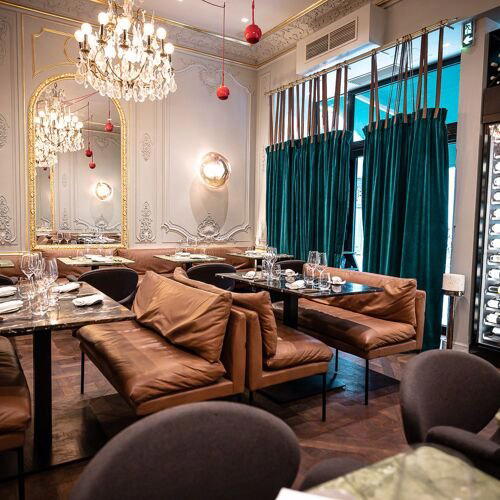
Pleasant, bright, and well-decorated dining room on the first floor with views of the square, creating a welcoming and comfortable atmosphere.