
Michelin Selected
A Michelin Selected property set in the quiet communes bordering Metz, Domaine de la Résidence occupies the kind of domain-style address that Lorraine's architectural heritage naturally produces: substantial, grounded in the landscape, and positioned well outside the city's tourist circuits. For travellers treating Metz as a serious destination rather than a stopover, it offers a credible alternative to the central hotel stock.

Pearl is the En Primeur Club membership app — saves, bookings, and concierge access live there. Same editors, same standards.
- Address
- 1 rue Cambout de Coislin, 57160 Moulins-lès-Metz, France
- Phone
- +33 3 39 57 71 28
- Website
- domaineresidence.com
- Directions
- Get directions
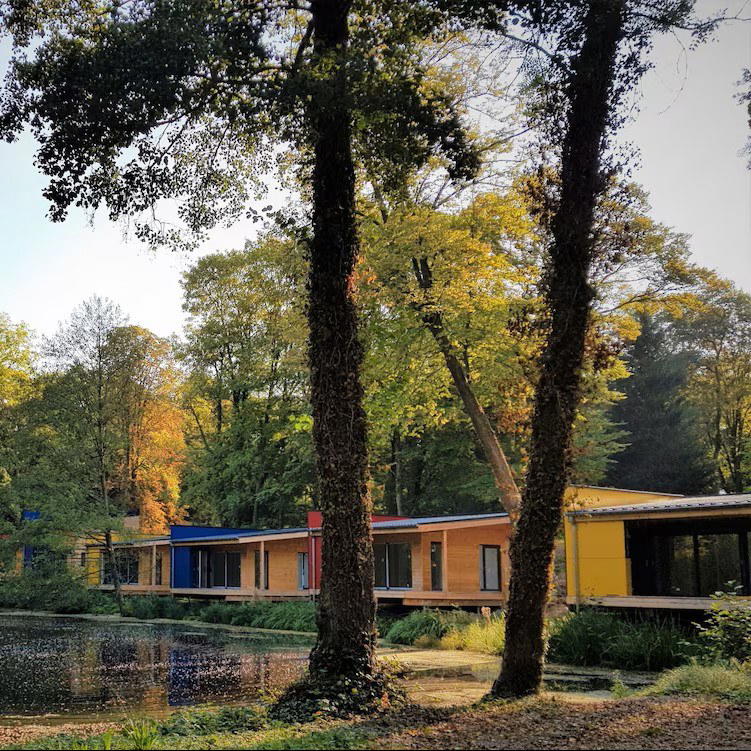
A Domain Address on the Edge of Metz
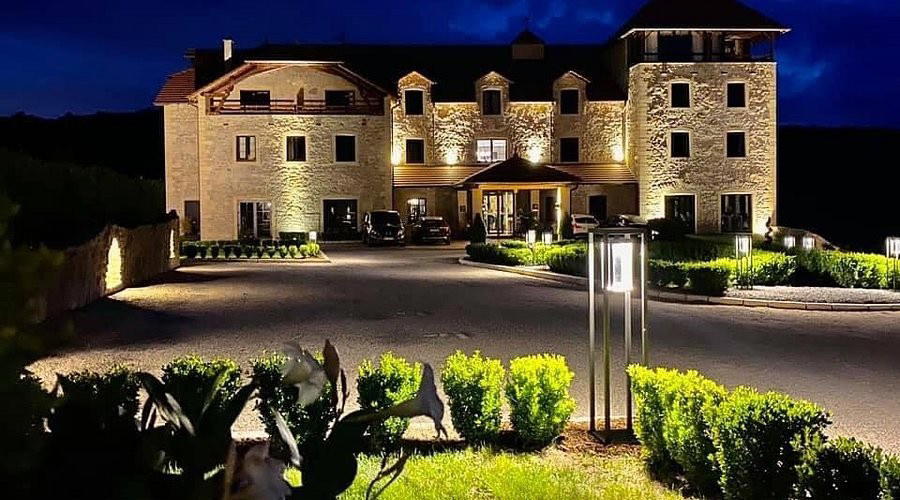
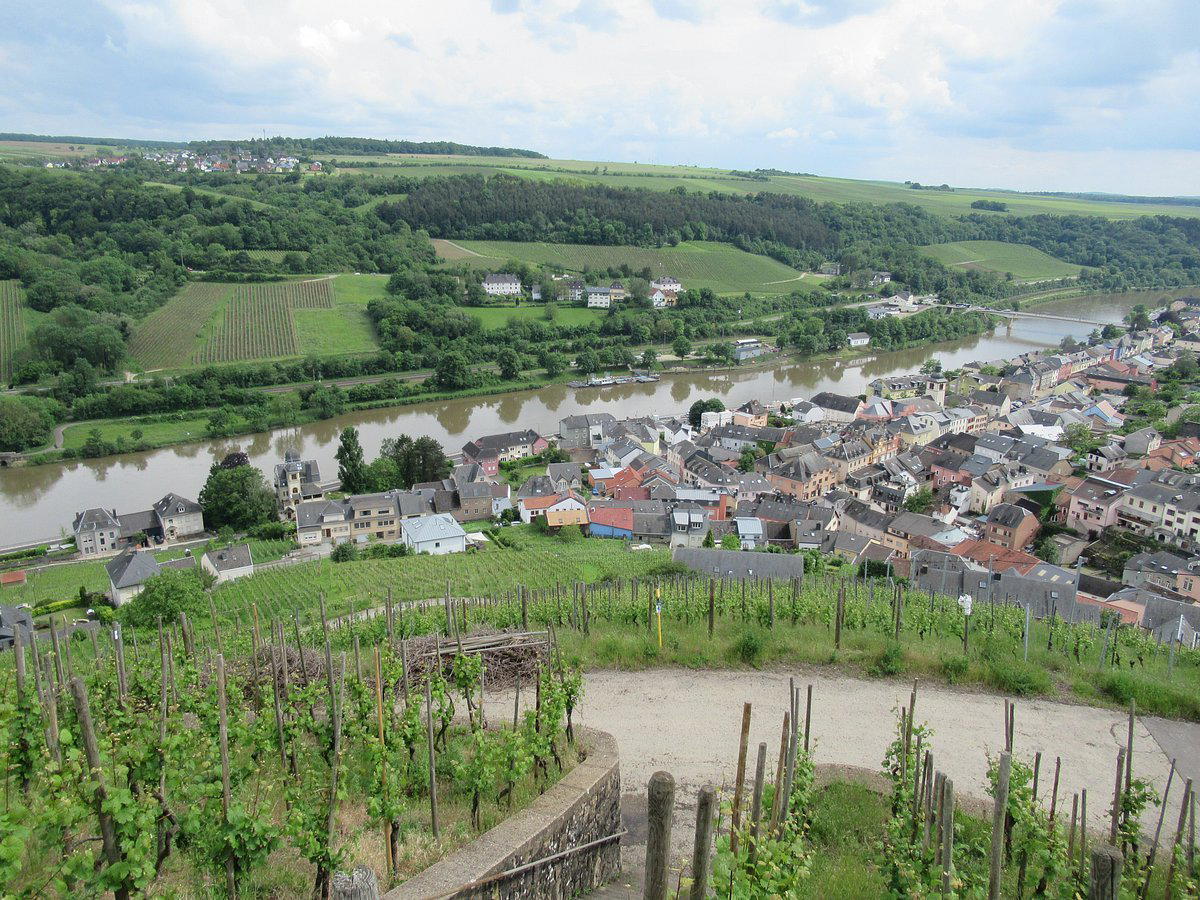
The road out of Metz toward Moulins-lès-Metz follows the Moselle valley southwest before the density of the city gives way to older, quieter building stock. This is the kind of peripheral Lorraine commune where late-nineteenth and early-twentieth century bourgeois architecture survived urbanisation largely intact — stone facades, pitched roofs, parcels of land with enough depth to suggest former agricultural purpose. Domaine de la Résidence sits along Route départementale 5B in exactly this register: a property whose address signals a different relationship with the city than a hotel on the Place de la République would offer. Guests arriving here are not looking for a central pied-à-terre; they are choosing a domain format that puts physical remove from the city at the centre of the proposition.
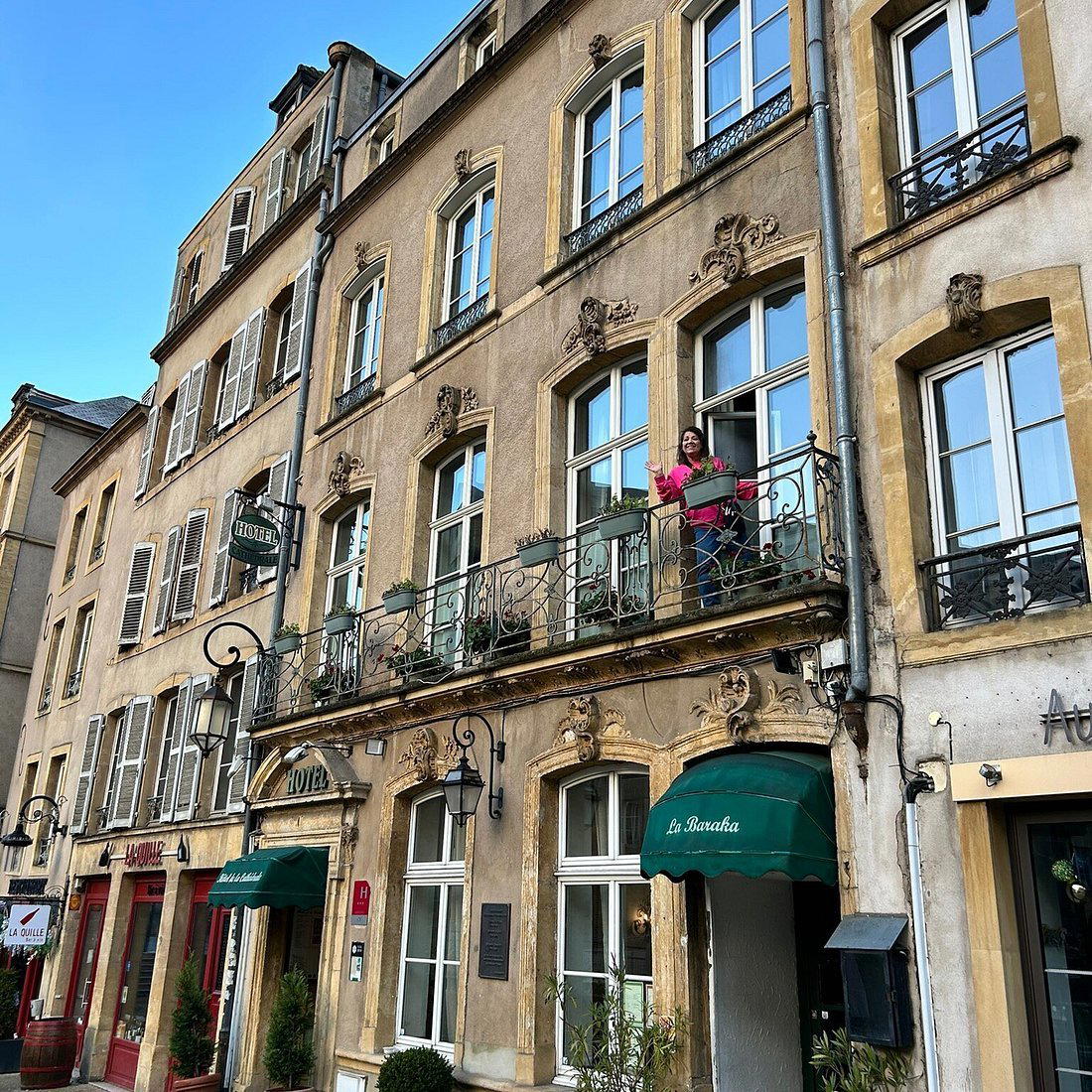
Michelin's 2025 Selected Hotels list recognises properties that meet defined quality thresholds without necessarily carrying the full suite of amenities that a star rating implies. For Metz specifically, Michelin Selected status is a meaningful credential because the city's hotel offer is relatively limited at the premium end. The central stock is anchored by a handful of established addresses, including Hôtel de la Cathédrale, which operates in a very different spatial logic — facing the cathedral, urban, compact. Domaine de la Résidence occupies the opposite position: domain format, suburban commune, oriented toward space and quiet rather than proximity to the monuments.
The Architecture of the Domain Hotel in Lorraine
The domain hotel type, a larger residential or estate property converted or purpose-built to function as a hotel, has a specific logic in northeastern France. Lorraine's industrial and administrative history produced a class of substantial bourgeois and minor aristocratic properties in its peripheral communes, and a number of these have moved through conversion into hospitality use over the past fifty years. The format works architecturally because the buildings were designed for the kind of programmatic complexity that hotels require: multiple wings, outbuildings, gardens or grounds that create a defined perimeter separating the property from its surroundings.
What distinguishes this category from the urban hotel is the relationship between interior and exterior. In a domain property, the grounds are part of the experience in a way they cannot be when the hotel is embedded in a city block. Arrival by car along a departmental road, the visual shift from commune streetscape to property entrance, the sense of threshold, these are all architectural experiences before the guest enters the building itself. Properties in this format across France, from Domaine Les Crayères in Reims to La Bastide de Gordes in Provence, derive a significant portion of their identity from exactly this threshold effect. The domain name is not incidental; it signals a spatial claim that the building alone cannot make.
Where Domaine de la Résidence Sits in the Metz Market
Metz is a city that serious travellers have been reassessing since the Centre Pompidou-Metz opened in 2010, a development that shifted the city's cultural profile considerably and brought a different visitor profile into contact with its existing assets: the Gothic cathedral, the Roman baths, the Moselle riverfront, and a preserved historic centre that escaped the worst of twentieth-century development. The hotel market has responded to this shift, but not at the pace that cities with larger tourism infrastructure might have managed. Premium accommodation options remain limited enough that a Michelin Selected property in the wider commune carries more weight than it might in Lyon or Bordeaux.
For travellers comparing options against the Metz property set, the relevant question is less about star rating and more about format. Urban hotels in the cathedral quarter suit guests whose primary activity is walking the city. Domain properties like this one suit guests who are using Metz as a base for wider Lorraine exploration, or who want a different spatial experience than a city-centre hotel provides. The address at Moulins-lès-Metz puts the property within practical distance of the city centre while maintaining the domain character that distinguishes it from the central offer. You can consult our full Metz restaurants guide for context on what the city's dining offer looks like for guests staying in either format.
The Wider French Domain and Estate Hotel Context
The Michelin Selected designation places Domaine de la Résidence in a peer group that cuts across French hospitality geography. Properties like Royal Champagne Hotel & Spa in Champillon and Hôtel Chais Monnet & Spa in Cognac illustrate how the domain and estate format has been interpreted across different French regions, with varying levels of programmatic investment, spa, restaurant, wine tourism, layered onto the base architectural proposition. At the higher end of that spectrum, properties like Villa La Coste in Provence or Les Sources de Caudalie near Bordeaux have built entire secondary programming around their estate context. The Lorraine version operates at a different scale and ambition, suited to a region whose tourism draw is more architectural and cultural than lifestyle-led.
Further afield, the contrast with France's coastal and alpine properties is instructive about what the domain format in a mid-sized northern city can and cannot claim. Hotel Du Cap-Eden-Roc and La Réserve Ramatuelle operate with landscape spectacle as a primary asset. Le K2 Palace in Courchevel or Four Seasons Megève lean on alpine setting. In Metz, the domain proposition is more restrained: historic architecture, quieter grounds, and proximity to a city with a genuine cultural offer. That is a legitimate proposition, even if it operates in a different register from the Riviera or the Alps.
Planning a Stay
Domaine de la Résidence is located at 1 rue Cambout de Coislin on Route départementale 5B in Moulins-lès-Metz, placing it in the communes immediately southwest of central Metz. Guests arriving by car from the A31 motorway will find the approach relatively direct; those arriving by train at Metz-Ville will need to arrange onward transport, as the property is beyond comfortable walking distance of the station. Metz itself is most rewarding from late spring through early autumn, when the riverfront and the outdoor spaces around the cathedral quarter are at their most accessible.
Quick Comparison
Comparable venues nearby, for context on price, style, and recognition.
| Venue | Cuisine | Price | Awards | Notes |
|---|---|---|---|---|
| Domaine de la RésidenceThis venue — the venue you are viewing | Modern country-house hotel with contemporary architecture and nature-immersive design philosophy. | $100–200 | Michelin Selected | Not listed |
| Hôtel de la Cathédrale | 17th-century historic townhouse with Art Deco influences | $1–100 | Not listed | Metz-Centre – Ancienne Ville |
| Hôtel Filigrane | Intimate 4-star Parisian boutique with an underground spa and a strong neighborhood-inspired identity around the Bourse and Bibliothèque de France. | Not listed | Not listed | 2nd arrondissement |
| L'Amirauté Brest | Refined contemporary hotel with simple and elaborate decoration in sober neutral tones. | $1–100 | Michelin Selected | Downtown Brest |
| Villa Mirasol | Historic Belle Époque family home transformed into boutique hotel | $100–200 | Michelin Selected | Trois Rivières |
| Villa C | charming 19th-century mansion with modern boutique extensions | $100–200 | Michelin Selected | north side |
Recognition history
Dated appearances from independent guides and award organizations, with the underlying list record or original source where available.
Michelin Selected
Michelin


Details
- Modern
- Scenic
- Quiet
- Elegant
- Trendy
- Wellness Retreat
- Romantic Getaway
- Weekend Escape
- Waterfront
- Destination Spa
- Garden
- Terrace
- Panoramic View
- Golf Course
- Wi Fi
- Pool
- Spa
- Sauna
- Restaurant
- Bar
- Garden
- Tennis Court
- Massage
- Meeting Rooms
- Waterfront
- Garden
- Accessible Parking
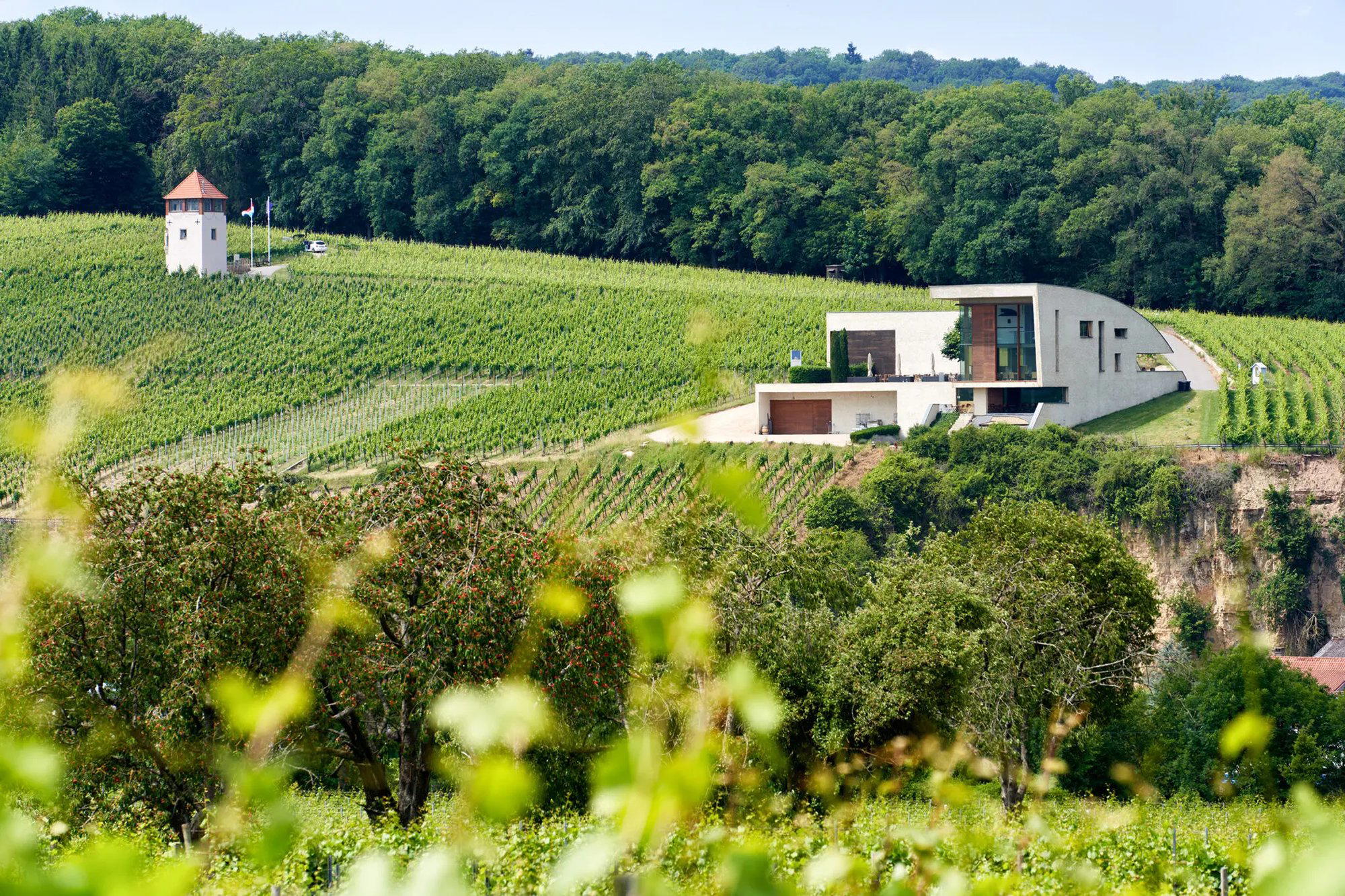
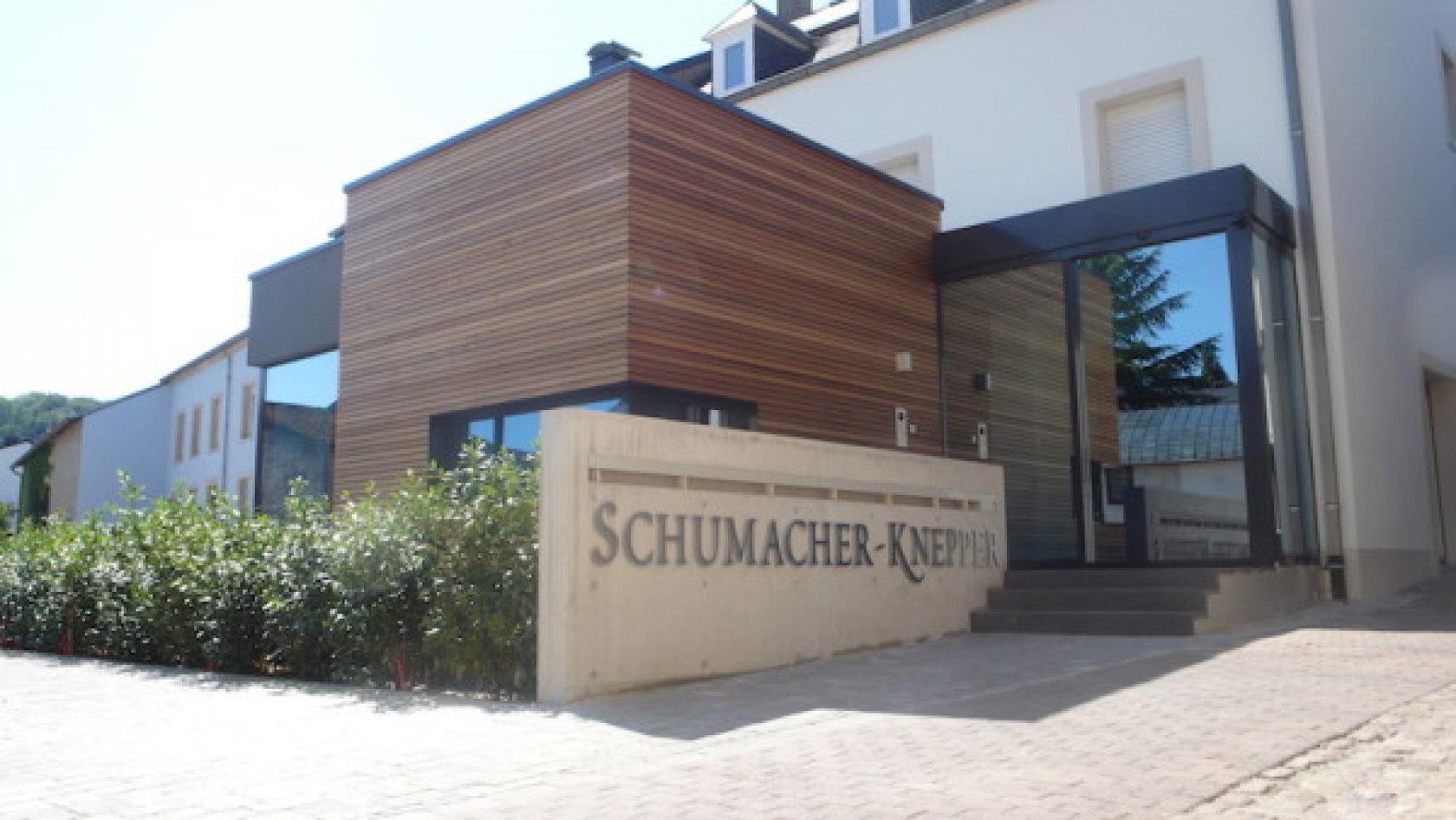
Contemporary and serene with glass-fronted architecture, natural light throughout, and immersive nature-focused design with primary color accents in lodge interiors.