On Avenue de Lamballe in the 16th arrondissement, Le Tournesol occupies a quieter register of Paris fine dining, away from the tourist circuits of the 1st and 8th, and closer to the residential rhythm of the city's most composed neighbourhood. The address positions it within a tier of Paris restaurants where the meal structure, rather than the spectacle, does the work.
Pearl is the En Primeur Club membership app — saves, bookings, and concierge access live there. Same editors, same standards.
- Address
- 2 Av. de Lamballe, 75016 Paris, France
- Phone
- +33145259594
- Website
- le-tournesol.fr
- Directions
- Get directions
 Saves & bookings on Pearl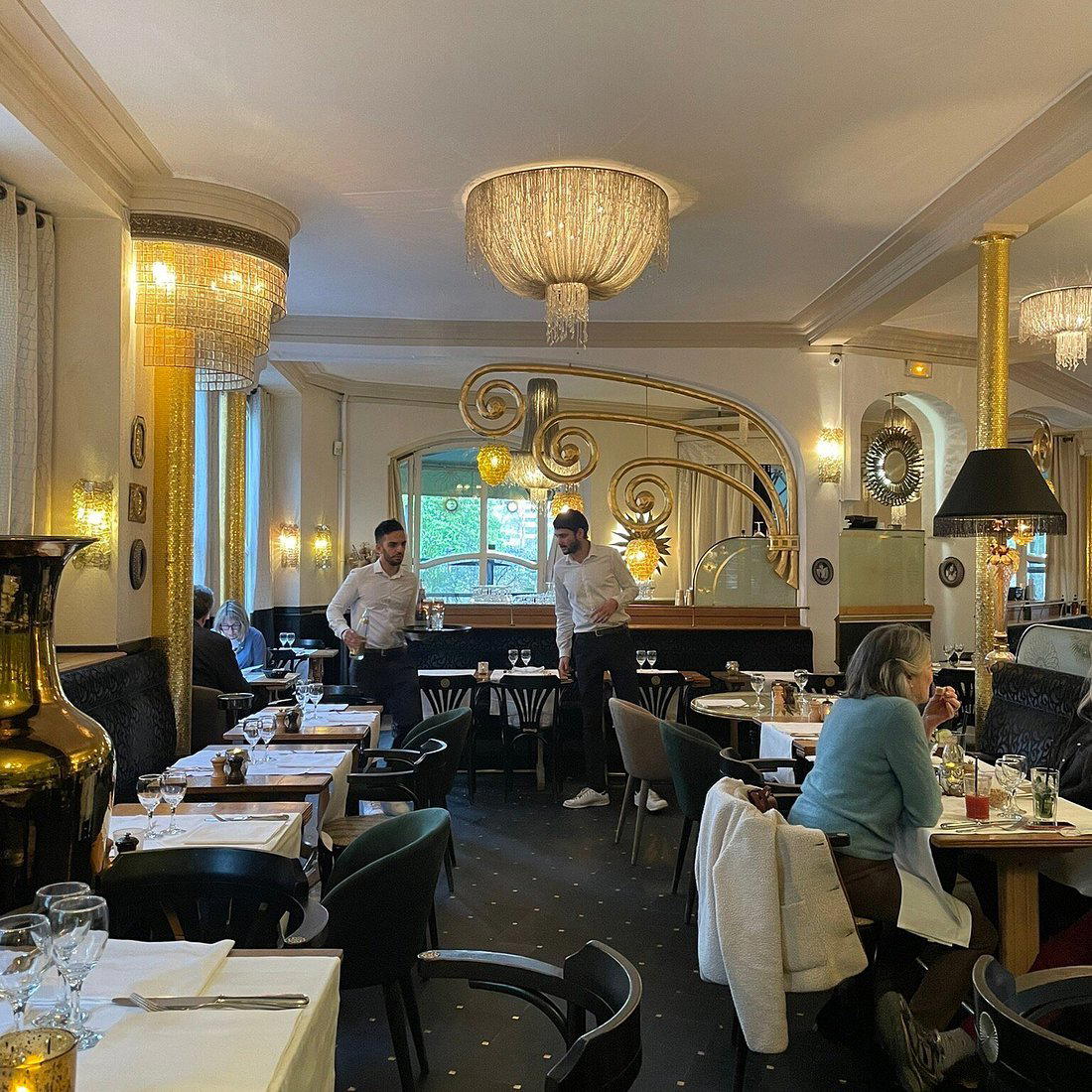
The 16th Arrondissement and the Architecture of a Quiet Meal
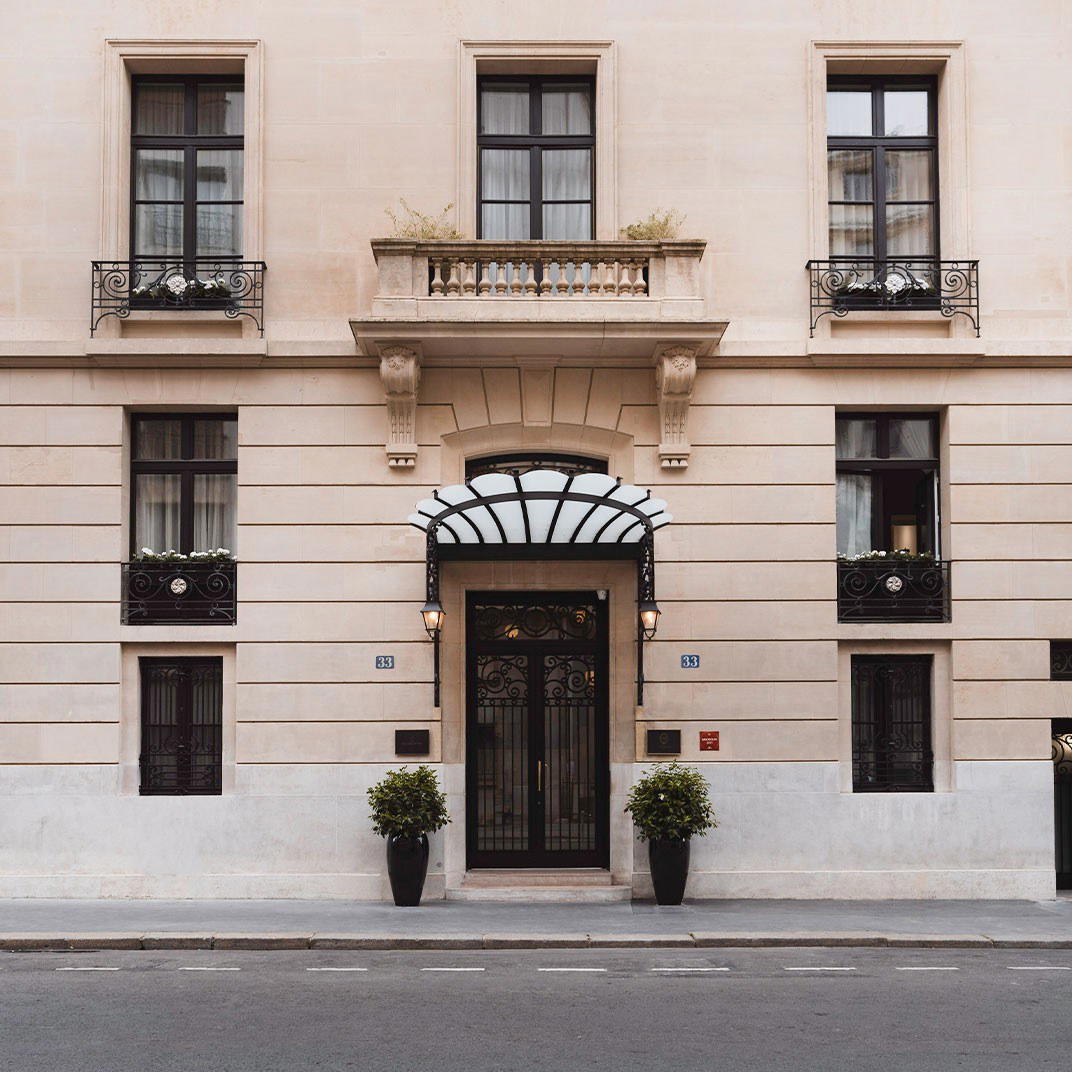
Paris fine dining has long operated on two visible tracks: the grand hotel dining rooms of the 8th arrondissement, where Le Cinq at the Four Seasons George V commands the room with gilded ceilings and formal ceremony, and a smaller, less visible cohort of neighbourhood restaurants in the 16th that trade on precision and restraint rather than theatre. Le Tournesol at 2 Avenue de Lamballe is a classic French bistro in Paris's 16th arrondissement. The address is residential Paris at its most composed: broad Haussmann-era streets, the Seine a short walk downhill, the Trocadéro at your back. The approach to the restaurant is quieter than anything you'd find near Ledoyen or the Place de la Madeleine, and that quietness is not incidental, it sets the terms of what follows inside.
The 16th has always had a particular relationship with serious French cooking. It is not a neighbourhood of busy market streets or late-night bistro energy. It is where Paris comes to eat with concentration, often with older clientele who have been doing this for decades and have specific opinions about what a sauce should taste like. That cultural context matters when reading a meal at a restaurant like Le Tournesol: the room, the pacing, and the expectations are shaped by a neighbourhood that measures quality by consistency over many years, not by the arrival of a new tasting menu format or a fashionable wine list.
Reading the Meal as a Structure
French multi-course dining in this tier of the 16th is less about surprise and more about progression, a sequence in which each course calibrates the diner's palate for what follows. This is a fundamentally different project from the kind of cross-cultural tasting menus that define restaurants like Kei in the 1st arrondissement, where French technique meets Japanese precision in a more visibly hybrid form, or the radical elaboration that Alléno Paris au Pavillon Ledoyen applies to extracting and concentrating classical French flavours. The progression model, light before rich, acid before fat, cold before warm, is one of the oldest structural arguments in French cooking, and it rewards patience rather than novelty-seeking.
In practice, this means an amuse-bouche that reads the kitchen's current disposition, a fish or seafood course that opens the sequence with acidity and delicacy, a meat course that arrives at the meal's weight and centre, and a dessert phase that releases the tension gradually. The cheese trolley, where it appears, is not an afterthought but a pivot point, the moment when the savoury logic of the meal rounds itself off before the sweet register begins. This is the format that L'Ambroisie on the Place des Vosges has refined over decades to its most concentrated form, and it is the structural grammar that classically oriented Paris restaurants continue to speak.
Abroad, the French multi-course tradition has been absorbed and reimagined at distance: Le Bernardin in New York distils it into a seafood-forward sequence of near-austere focus, while Atomix in New York reconfigures the logic entirely through a Korean lens. What remains at its source in Paris, in a restaurant like Le Tournesol, is the unmediated version of that grammar, with no cultural translation required.
Where Le Tournesol Sits in the Paris comparable set
The 16th arrondissement does not lack serious restaurants, but it operates outside the Michelin-star density of the 8th or the media attention of more fashionable neighbourhoods. That positioning shapes a restaurant like Le Tournesol, where the clientele leans toward regulars rather than international visitors working through a city's starred list.
Across France, the restaurants that define the multi-course French tradition at its most committed operate at considerable remove from the capital: Mirazur in Menton brings a coastal Mediterranean register to its garden-sourced progression; Flocons de Sel in Megève applies Alpine product to the same structural logic; Bras in Laguiole built an entire philosophy around terroir and the gargouillou. In Alsace, Auberge de l'Ill in Illhaeusern and Au Crocodile in Strasbourg sustain regional French cooking with long institutional memory. The Paris equivalent of that institutional seriousness, without the destination-restaurant pilgrimage, is found in the 16th's quieter addresses.
For context beyond France, the structural ambition of the French progression format has influenced kitchens from AM par Alexandre Mazzia in Marseille, where the sequence becomes almost staccato and conceptual, to the classical continuity at Assiette Champenoise in Reims and the long-established authority of Paul Bocuse's Auberge du Pont de Collonges. Troisgros in Ouches and Auberge du Vieux Puits in Fontjoncouse represent the provincial French model at its most self-assured. The restaurant operates in the urban Parisian version of that tradition: less isolated, more embedded in the life of a specific arrondissement. The comparison with Arpège in the 7th is instructive, both are neighbourhood addresses outside the 8th's luxury corridor, both reward attention to the sequence rather than the spectacle.
Planning Your Visit
| Dimension | The restaurant (16th) | Le Cinq (8th) | L'Ambroisie (4th) | Kei (1st) |
|---|---|---|---|---|
| Neighbourhood character | Residential, quiet | Grand hotel, tourist-adjacent | Place des Vosges, heritage | Central, mixed |
| Price tier | Not confirmed | €€€€ | €€€€ | €€€€ |
| Booking demand | Not confirmed | High, weeks in advance | High, weeks in advance | High, weeks in advance |
| Format | Classic French progression (presumed) | Grand tasting menu | Classic à la carte/tasting | French-Japanese tasting |
Avenue de Lamballe is accessible from the Passy metro station (Line 6) or from La Muette (Line 9), both a short walk from the address. The restaurant is open Monday and Tuesday from 12:00 to 3:30 PM and 6:30 PM to midnight, Wednesday through Saturday from 12:00 to 3:30 PM and 6:30 PM to 12:30 AM, and Sunday from 12:00 to 3:30 PM and 6:30 PM to midnight. Reservations are recommended.
Compact Comparison
Comparable venues nearby, for context on price, style, and recognition.
| Venue | Price | Notes |
|---|---|---|
| Le TournesolThis venue — the venue you are viewing | $$ | Not listed |
| Le Metropolitan Restaurant | $$ | 15th arrondissement (Grenelle), Classic French Bistro |
| Paul Chene | $$ | 16th arrondissement, Traditional French Bistro |
| Oscar | $$ | 75016, Traditional French Bistro |
| Au Vieux Colombier | $$ | Saint-Germain-des-Prés, Classic French Bistro |
| Le Choupinet | $$ | Quartier Latin, Traditional French Brasserie |
Continue exploring
More in Paris
Restaurants in Paris
Browse all →

Bars in Paris
Browse all →
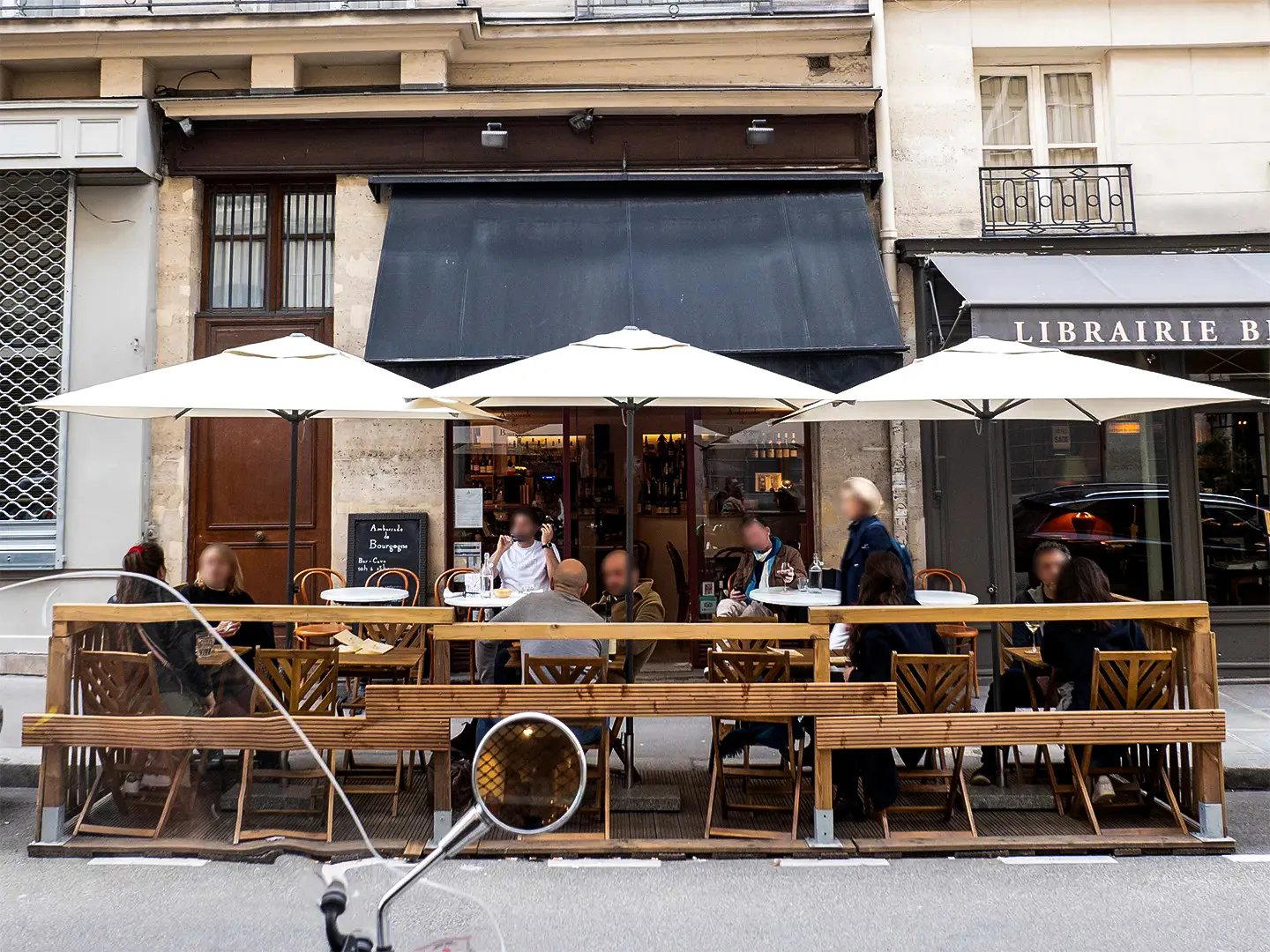
Hotels in Paris
Browse all →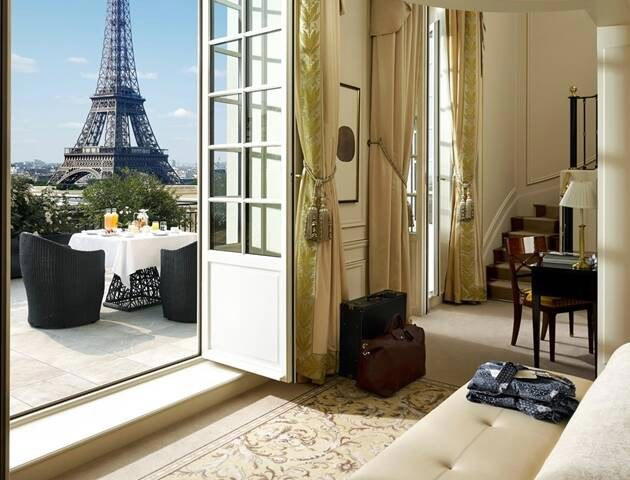
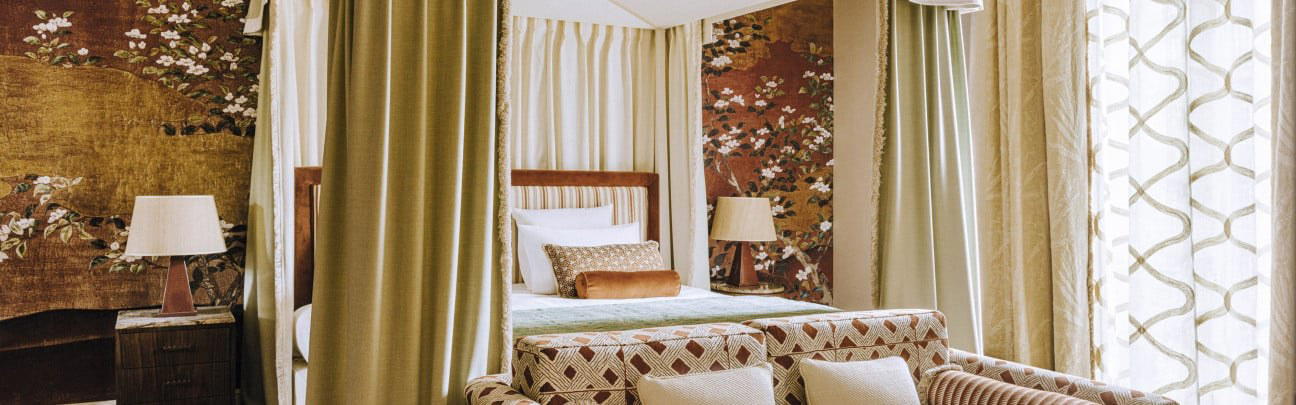
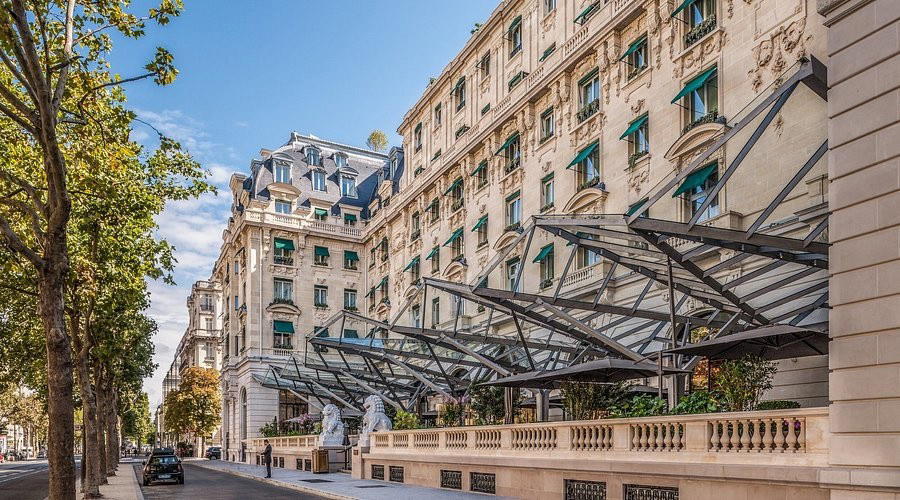



At a Glance
- Elegant
- Cozy
- Classic
- Date Night
- Business Dinner
- Terrace
- Street Scene
Current opening hours
- Monday
- 12–3:30 PM, 6:30 PM–12 AM
- Tuesday
- 12–3:30 PM, 6:30 PM–12 AM
- Wednesday
- 12–3:30 PM, 6:30 PM–12:30 AM
- Thursday
- 12–3:30 PM, 6:30 PM–12:30 AM
- Friday
- 12–3:30 PM, 6:30 PM–12:30 AM
- Saturday
- 12–3:30 PM, 6:30 PM–12:30 AM
- Sunday
- 12–3:30 PM, 6:30 PM–12 AM
Hours can change for holidays and private events. Last verified .
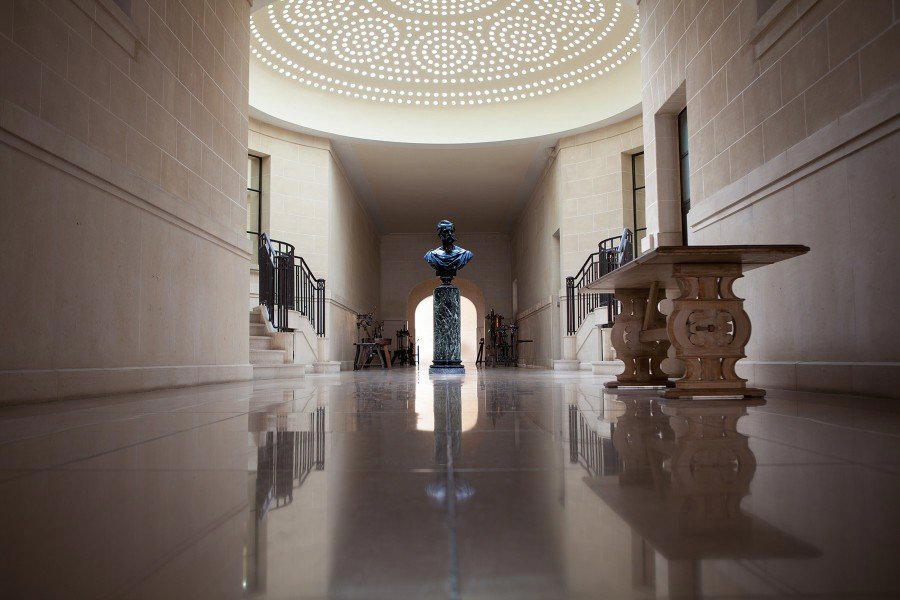
Refined and chic decor featuring gold accents and 1920s style, creating a comfortable and elegant atmosphere.