Our verdict
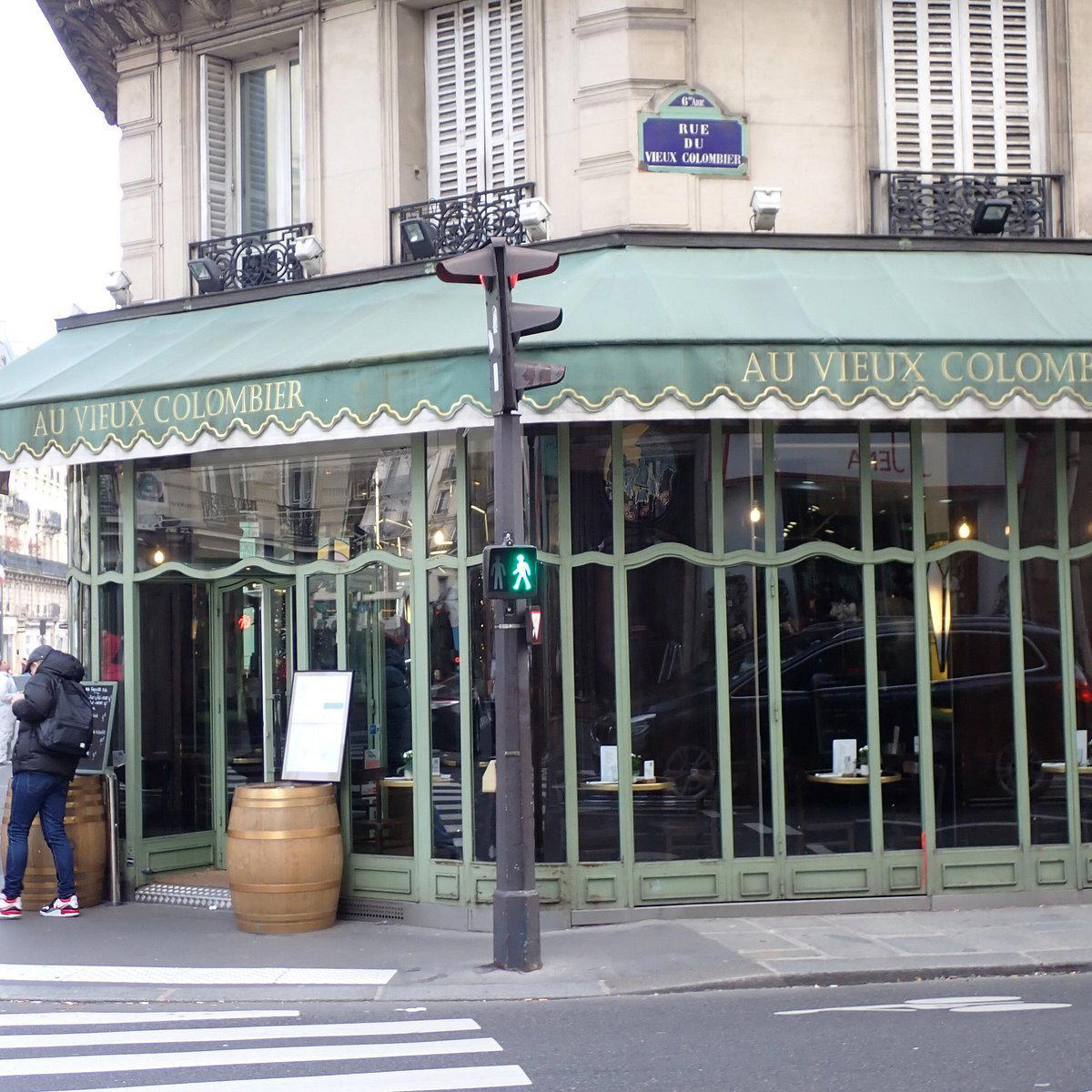
Au Vieux Colombier occupies a measured position on Rue de Rennes in Saint-Germain-des-Prés, a neighbourhood where the line between café ritual and serious dining blurs more than anywhere else in Paris. The address draws a clientele that returns by habit rather than occasion, suggesting a kitchen that earns loyalty through consistency rather than spectacle. For readers mapping the Left Bank's dining options, this is a place to understand through its regulars.
The menu
What to order
- Duck Confit
- Croque Monsieur
- Entrecôte
Saint-Germain and the Grammar of Return
The 6th arrondissement has a particular relationship with loyalty. Unlike the destination-dining corridor of the 8th, where tables at places like Alléno Paris au Pavillon Ledoyen and Le Cinq at the Four Seasons George V are booked by people who have flown in specifically for the meal, Saint-Germain runs on a different frequency. The regulars here are Parisians who live within a ten-minute walk, who have a preferred table, and who return because the alternative would require an explanation. Au Vieux Colombier at 65 Rue de Rennes sits inside that logic. The address is not an event. It is, for those who know it, a habit.
Rue de Rennes is one of those Parisian streets that functions as a connective tissue between the Luxembourg quarter and the Boulevard Saint-Germain, moving briskly with foot traffic from the nearby Saint-Sulpice church and the department stores further north. A venue that survives on this stretch does so not through novelty but through a settled character that the neighbourhood recognises as its own.
What Regulars Know That First-Timers Don't
The regulars' relationship with a room like this is worth examining as a category, because it reveals what the venue actually does well. In Paris, the bistro and brasserie format has fractured in recent decades into at least three distinct sub-types: the heritage address that trades on name alone, the neo-bistro running a deliberately abbreviated natural-wine-and-offal program, and the neighbourhood anchor that neither seeks press coverage nor loses sleep over its absence from the major lists. The third type is the hardest to write about, because its virtues are cumulative and experiential rather than photogenic or quotable.
Au Vieux Colombier operates in a neighbourhood tier that includes neither the architectural grandeur of L'Ambroisie on Place des Vosges nor the genre-crossing precision of Kei near the Palais Royal. It sits closer to the register of an address that a certain type of Parisian treats as semi-private, known to those who live nearby, rarely discussed with visitors, seldom reviewed with the urgency that attaches to a new opening.
What sustains that relationship is usually a combination of consistent kitchen output, a room that doesn't try too hard, and a front-of-house that recognises faces. These are not small things in Paris, where the restaurant industry is genuinely competitive and short memories are common. The regulars at an address like this have made an implicit agreement with the kitchen: don't surprise us badly, and we'll keep showing up.
The Left Bank in a Broader French Dining Frame
To understand where an address like Au Vieux Colombier sits in French dining, it helps to hold the full range in view. France's most discussed restaurants in the serious tier tend to cluster around either Michelin recognition or the kind of destination logic that makes a multi-hour drive seem reasonable. Mirazur in Menton, Troisgros in Ouches, Bras in Laguiole, Flocons de Sel in Megève, and Auberge de l'Ill in Illhaeusern all operate in a different frame entirely, one where the journey to the table is part of the proposition and the kitchen is making an argument about what French cuisine can be at its most considered.
Closer to the neighbourhood anchor model are places like Paul Bocuse's Auberge du Pont de Collonges, Georges Blanc in Vonnas, and Auberge du Vieux Puits in Fontjoncouse, which anchor specific communities and draw visitors to the village rather than the reverse. And then there are addresses like Les Prés d'Eugénie and La Table du Castellet, which combine resort logic with serious kitchen ambition. Au Vieux Colombier belongs to none of these categories. It belongs to Paris specifically, and to Saint-Germain even more specifically: the category of places that function as a social institution for people who happen to live in one of the more expensive postcodes in Europe.
For comparison, Parisian addresses on the destination circuit, Arpège being the clearest Left Bank example, are known internationally and booked globally. The neighbourhood anchor operates at a completely different scale and with a different kind of cultural weight. Neither is superior. They answer different questions.
Planning a Visit
For a reader coming to Paris without a prior relationship to Au Vieux Colombier, the practical question is what to expect from an address with this neighbourhood position. Saint-Germain-des-Prés is walkable from the Luxembourg Gardens, the Musée d'Orsay, and the Seine embankment. Rue de Rennes is served by the Saint-Sulpice metro stop on line 4. The area has a concentration of late-afternoon and evening foot traffic that makes spontaneous visits more plausible here than in more residential quartiers.
| Venue | Area | Tier | Booking Lead Time |
|---|---|---|---|
| Au Vieux Colombier | 6th, Rue de Rennes | Neighbourhood anchor | Not confirmed; walk-in plausible |
| Arpège | 7th, Rue de Varenne | Three Michelin stars | Several weeks to months ahead |
| L'Ambroisie | 4th, Place des Vosges | Three Michelin stars | Advance booking advised |
| Kei | 1st, near Palais Royal | Three Michelin stars | Advance booking advised |
For readers building a broader Paris itinerary, our full Paris restaurants guide maps the city's dining tiers from Michelin three-star destination tables to neighbourhood fixtures like this one. Internationally, the neighbourhood-anchor format has equivalents in cities like New York, where Le Bernardin occupies a completely different tier, or San Francisco, where Lazy Bear operates a high-concept communal format that sits at the opposite end of the formality spectrum from a Saint-Germain bistro.
Frequently asked questions
What do people recommend at Au Vieux Colombier?
What the address's neighbourhood position suggests is a French kitchen operating in the bistro-to-brasserie register, where the priorities are reliable execution and seasonal familiarity rather than technical ambition. Readers with firsthand experience should cross-reference recent visits against current offerings, as menus in this tier change with seasons and supplier relationships.
How far ahead should I plan for Au Vieux Colombier?
Saint-Germain anchor restaurants in this tier typically attract more walk-in traffic than destination addresses. If you are planning around a specific date or a larger group, contacting the venue directly in advance is advisable regardless of tier. Contrast this with starred Paris addresses, where three to eight weeks of lead time is a reasonable baseline expectation.
What is Au Vieux Colombier leading at?
The strongest claim this address can make, based on its position and longevity on Rue de Rennes, is consistency for a regular clientele. In Paris's 6th arrondissement, where competition is dense and turnover of less-anchored venues is high, sustained neighbourhood relevance is itself a form of quality signal. It does not compete with starred creative kitchens like Alléno Paris au Pavillon Ledoyen on technical ambition, nor does it aim to.
Is Au Vieux Colombier a good option for a first visit to Paris's Left Bank dining scene?
For a reader new to Saint-Germain-des-Prés, Au Vieux Colombier offers an entry point into the neighbourhood's non-destination dining culture, the kind of address that reveals how Parisians actually eat rather than how the city performs for visitors. The Rue de Rennes location places it within easy reach of the Luxembourg quarter and the Musée d'Orsay, making it a practical option before or after cultural visits. Those seeking starred kitchens in the same arrondissement should look toward the 7th's concentration of high-recognition addresses, while those wanting to understand the local register would find this address more instructive.
At-a-Glance Comparison
| Venue | Cuisine | Price | Awards | Notes |
|---|---|---|---|---|
| Au Vieux ColombierThis venue (the venue you are viewing) | Classic French Bistro | Not listed | Not listed | Not listed |
| Alléno Paris au Pavillon Ledoyen | Modern French Fine Dining | $150–200 | 3 Michelin Stars · World's 50 Best #79 | Creative |
| Kei | Modern French with Japanese Influences | $300–500 | 3 Michelin Stars · World's 50 Best #93 | Contemporary French, Modern Cuisine |
| L'Ambroisie | Classic French Haute Cuisine | $300–500 | 2 Michelin Stars · World's 50 Best #23 | French, Classic Cuisine |
| Le Cinq - Four Seasons Hôtel George V | Modern French Fine Dining | $300–500 | 3 Michelin Stars · World's 50 Best #24 | French, Modern Cuisine |
| Pierre Gagnaire | Avant-Garde French Fine Dining | $200–300 | 3 Michelin Stars · World's 50 Best #17 | French, Creative |
Continue exploring
More in Paris
Restaurants in Paris
All restaurants in Paris →
Bars in Paris
All bars in Paris →



Details
- Classic
- Cozy
- Intimate
- Casual Hangout
- Historic Building
- Extensive Wine List
- A La Carte
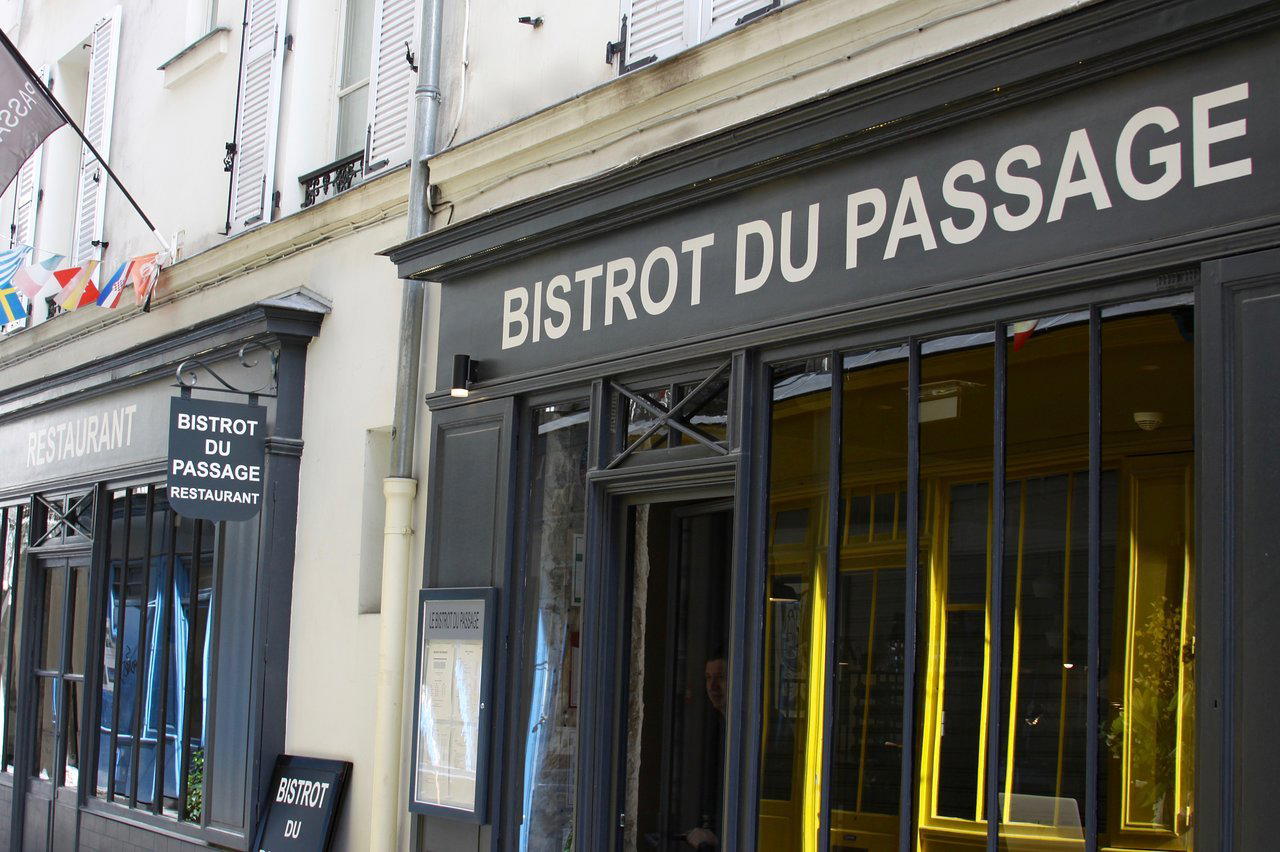
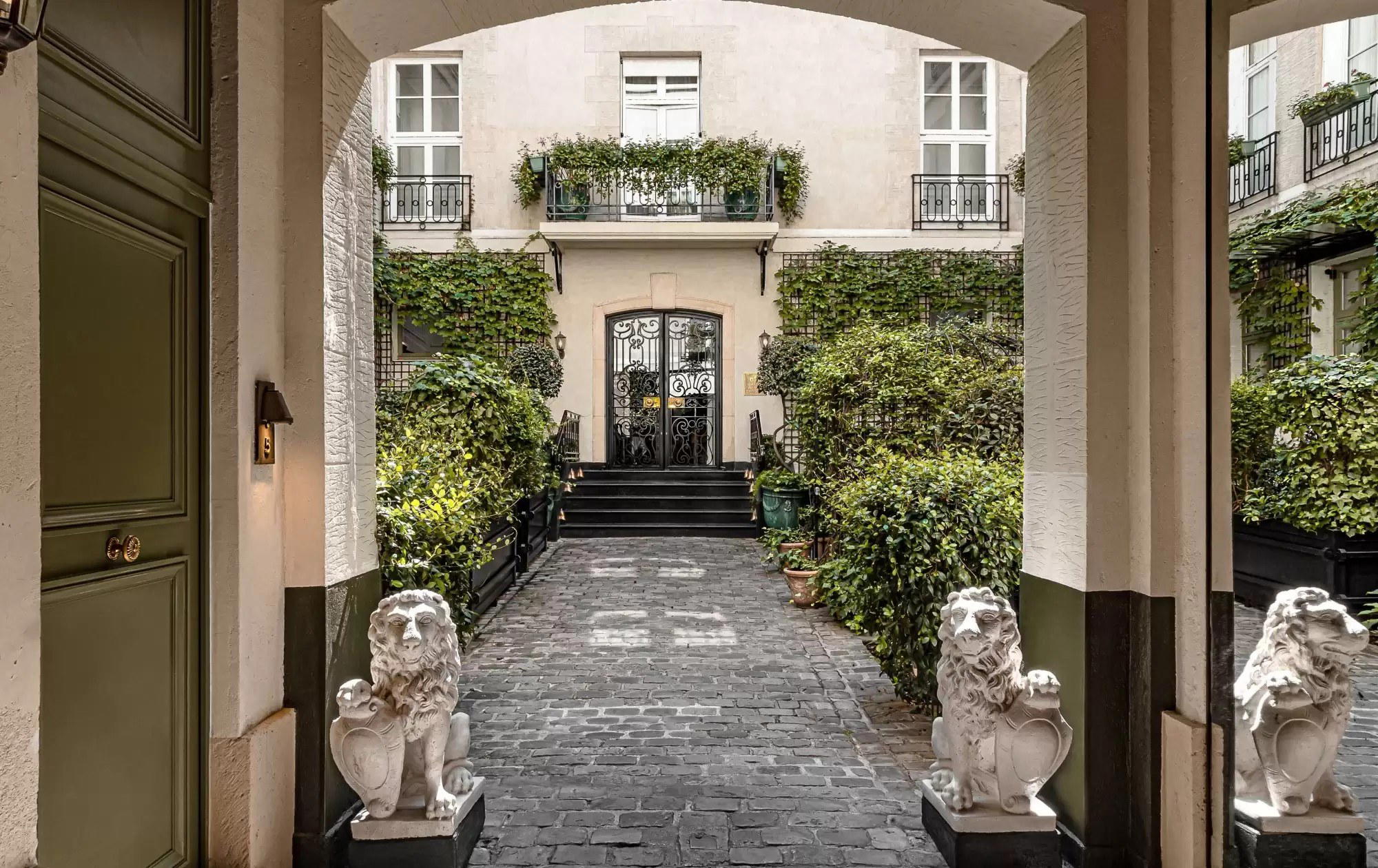
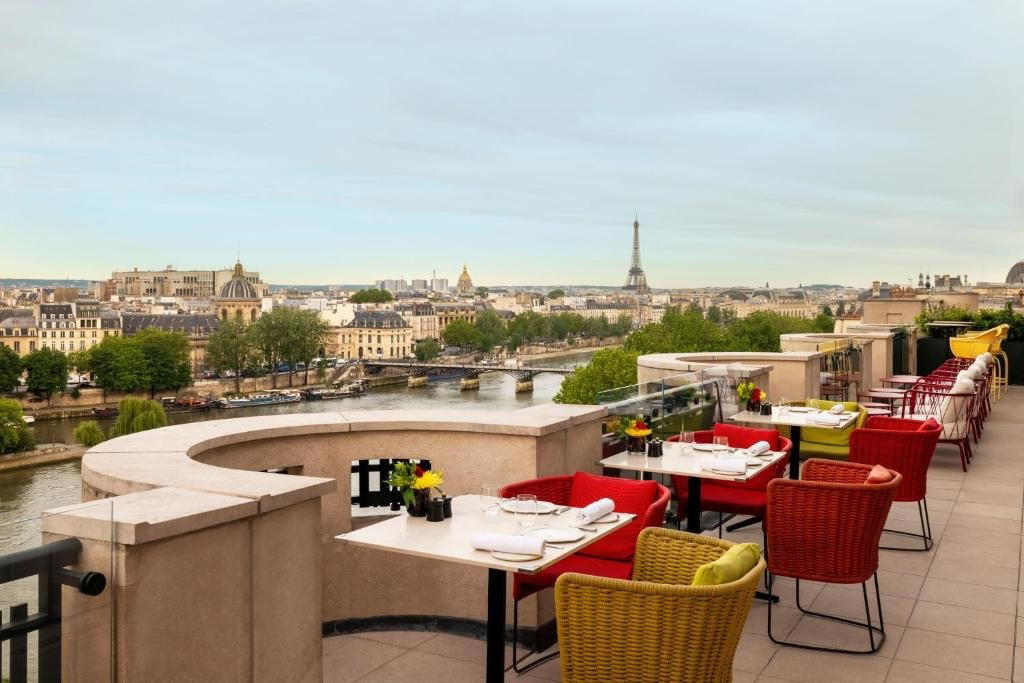
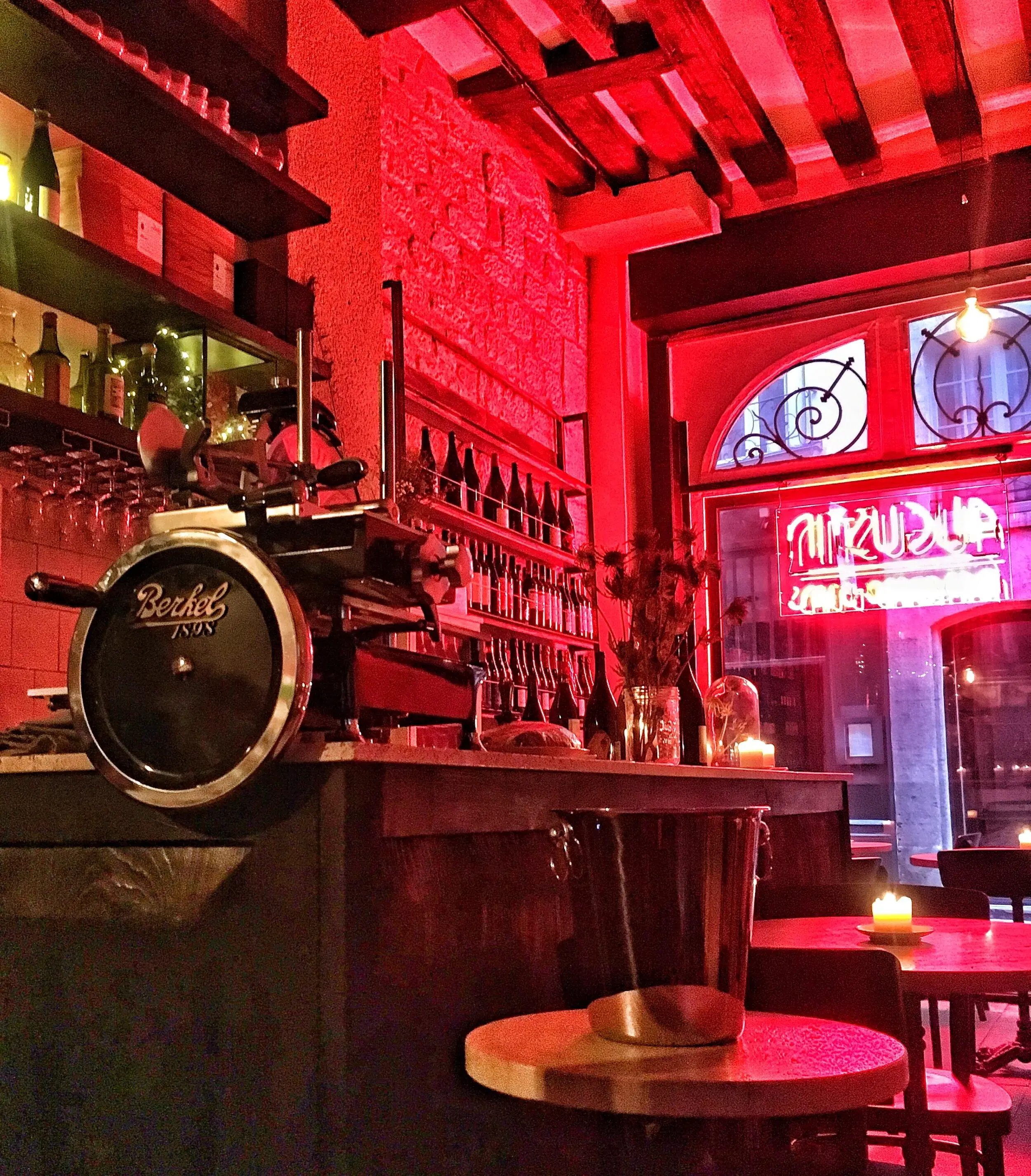
Warm and inviting with floor-to-ceiling windows and green iron frames creating a cheerful, cozy bistro atmosphere.