Le Toucan occupies a quiet residential stretch of the 16th arrondissement on Rue Pergolèse, placing it at a remove from the more trafficked dining corridors of central Paris. The address situates it within a neighbourhood tier that has historically supported neighbourhood-anchored dining rather than destination spectacle, making it a reference point for understanding how Paris sustains serious cooking outside the grand boulevard circuit.
Pearl is the En Primeur Club membership app — saves, bookings, and concierge access live there. Same editors, same standards.
- Address
- 62 Rue Pergolèse, 75116 Paris, France
- Phone
- +33171934639
- Website
- letoucan-bistro.com
- Directions
- Get directions
 Saves & bookings on Pearl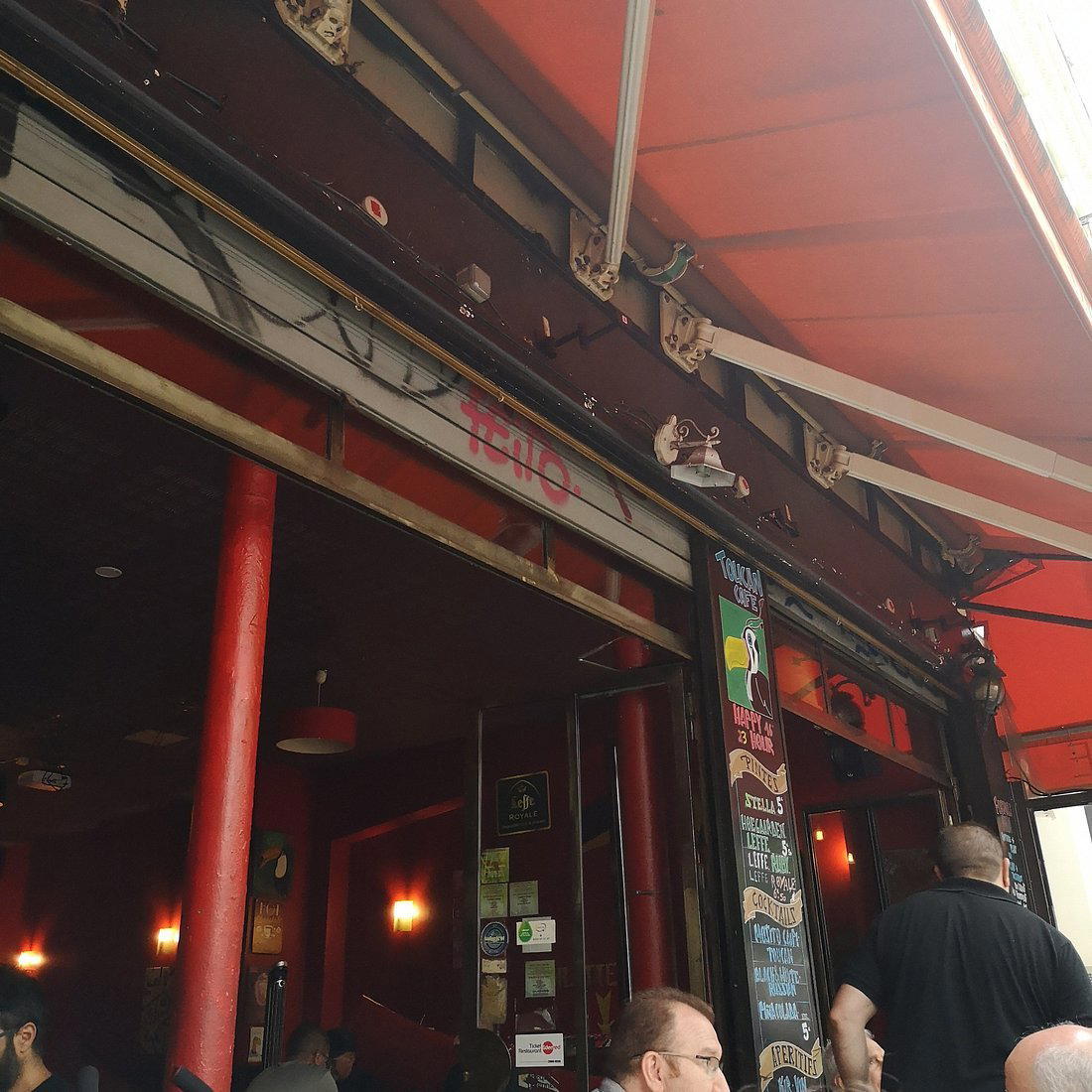
The 16th Arrondissement's Quiet Dining Tradition
Paris has long maintained two parallel dining registers: the grand-boulevard circuit of palatial rooms and international press attention, and the neighbourhood tier that sustains serious cooking for a local clientele that returns weekly rather than annually. The 16th arrondissement operates almost entirely within the second register. Bounded by the Bois de Boulogne to the west and the Seine to the south, it is one of the city's most residentially stable districts, with a dining culture shaped more by repeat custom than by tourism. Le Toucan, at 62 Rue Pergolèse, sits inside this logic. The address is on a residential street, which in Paris is a signal about the kind of attention a kitchen expects its guests to bring.
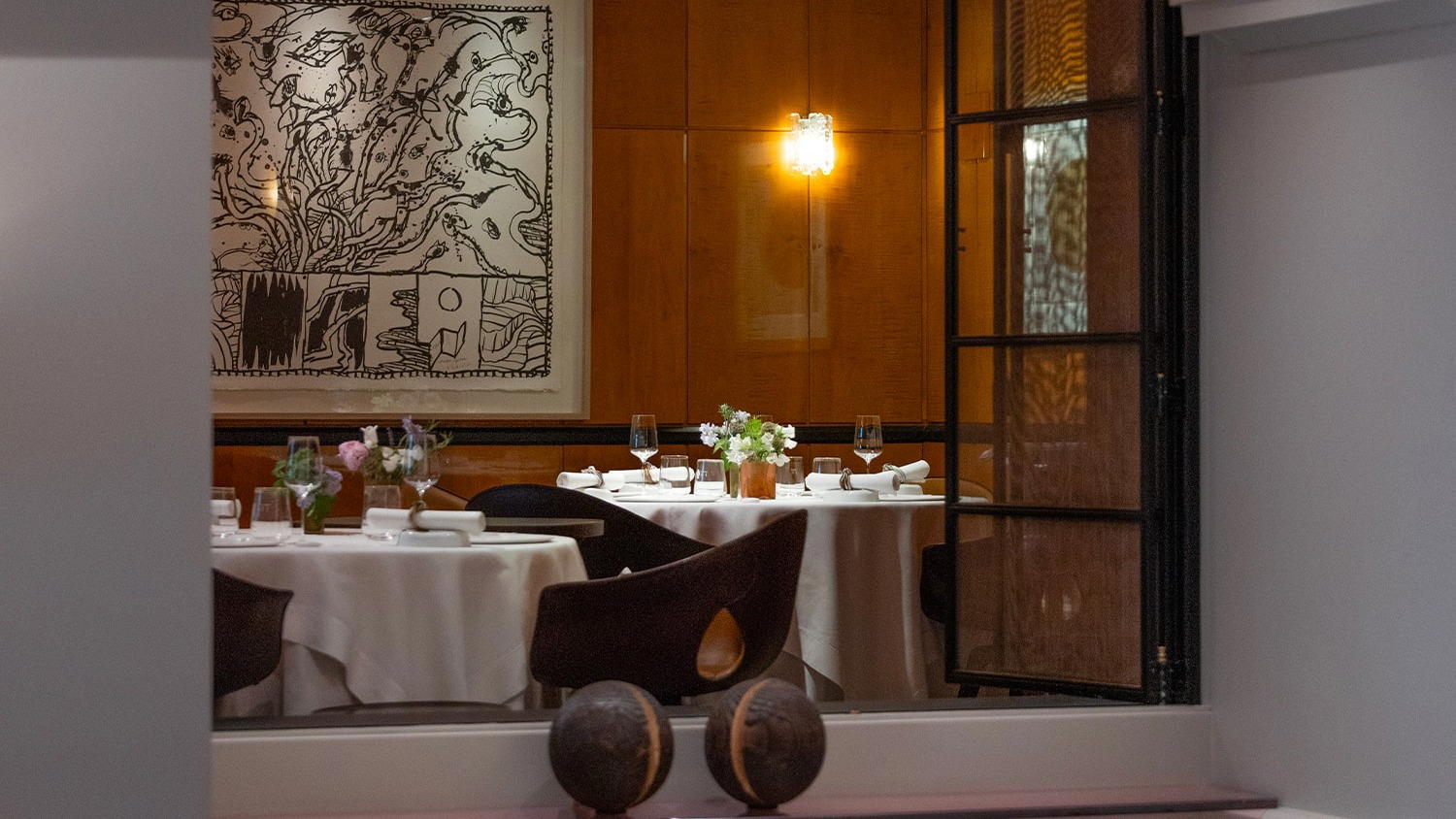
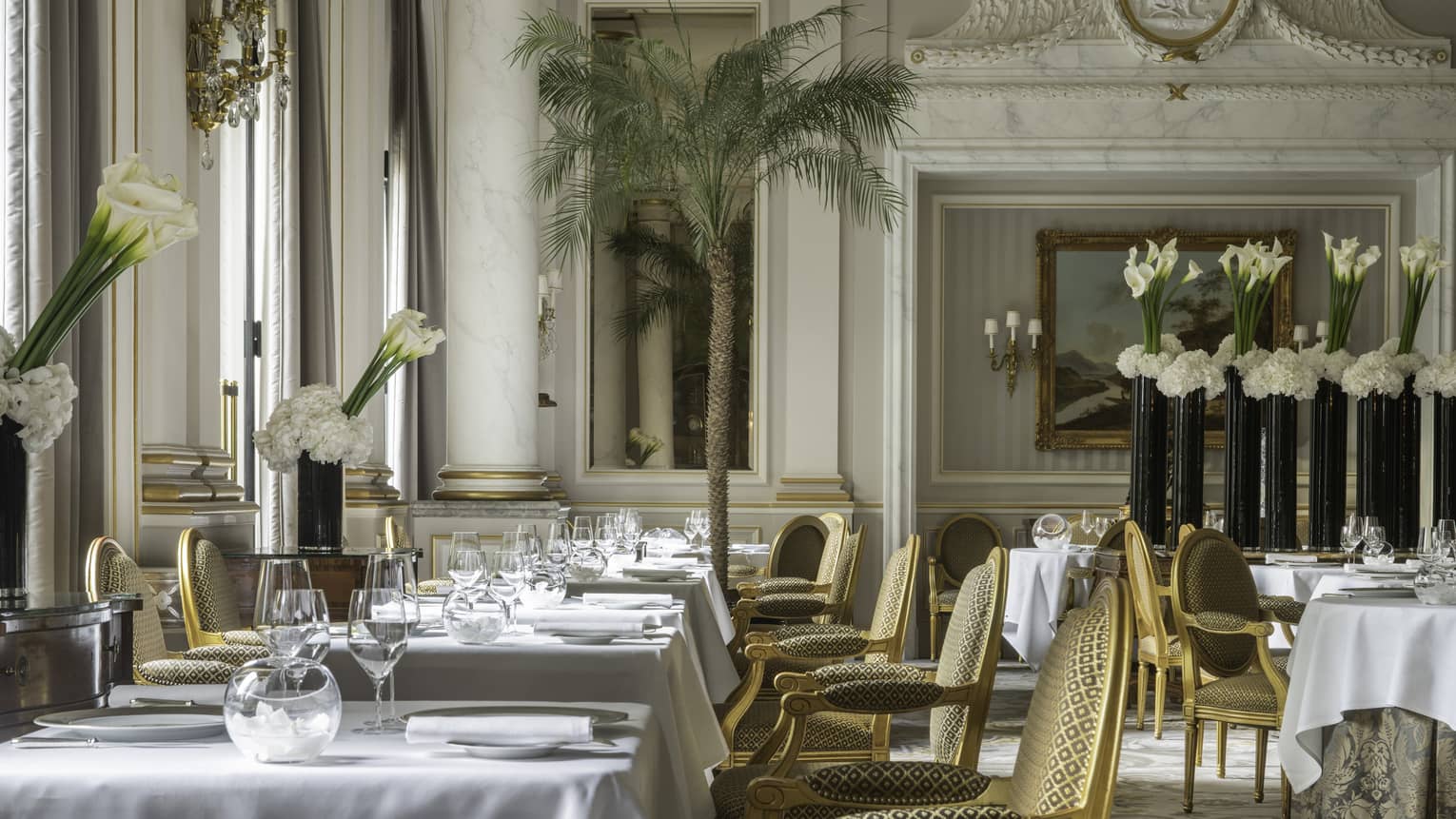
That neighbourhood context matters because it shapes the competitive set. The 16th does not position itself against the three-Michelin-star theatre of Alléno Paris au Pavillon Ledoyen or the grand-hotel formality of Le Cinq at the Four Seasons Hôtel George V. Those rooms operate in a different register entirely, one built on international recognition and occasion dining. The neighbourhood addresses of the 16th, by contrast, serve a clientele that has already decided where to live and wants to eat well near home. That is a different brief, and it produces a different restaurant.
Local Ingredients, Imported Technique: A French Tradition Worth Understanding
The intersection of local raw material and imported culinary method is not a contemporary trend in France; it is the structural condition under which French regional cooking developed across centuries. The question of how much technique a kitchen applies to a given product, and from which tradition that technique derives, has long been the operative distinction in French regional cooking. This is the lens through which addresses like Le Toucan are leading read, placed within a neighbourhood that has historically valued restraint in presentation alongside precision in sourcing.
The broader French dining conversation has increasingly turned on exactly this axis. At Kei, a three-Michelin-star address in the 1st arrondissement, Japanese technique applied to classical French product produced one of Paris's most discussed pairings of the last decade. At Mirazur in Menton, proximity to both Italian Liguria and the French Riviera garden tradition generated a cuisine rooted in hyper-local produce read through a South American-trained sensibility. These are not isolated cases. They represent a structural shift in how France's most discussed kitchens operate: the product stays local, the technique travels. Provincial addresses like Bras in Laguiole built their identity on Aubrac terroir read through a language of technique that had no direct regional precedent. Flocons de Sel in Megève applies mountain-product discipline through a contemporary idiom that would have been unrecognisable to the Alpine kitchens of fifty years ago.
Within Paris itself, the same logic operates at different price tiers. Arpège in the 7th represents one celebrated version of the proposition: garden-sourced, technique-intensive, and positioned at the summit of the city's price bracket. L'Ambroisie on the Place des Vosges holds a different position, classical in idiom and among the few Paris addresses where the technique deliberately does not announce itself. The 16th neighbourhood addresses occupy a middle ground: serious kitchens that neither aspire to trophy-room status nor default to brasserie comfort.
Where Rue Pergolèse Sits in the City's Geography
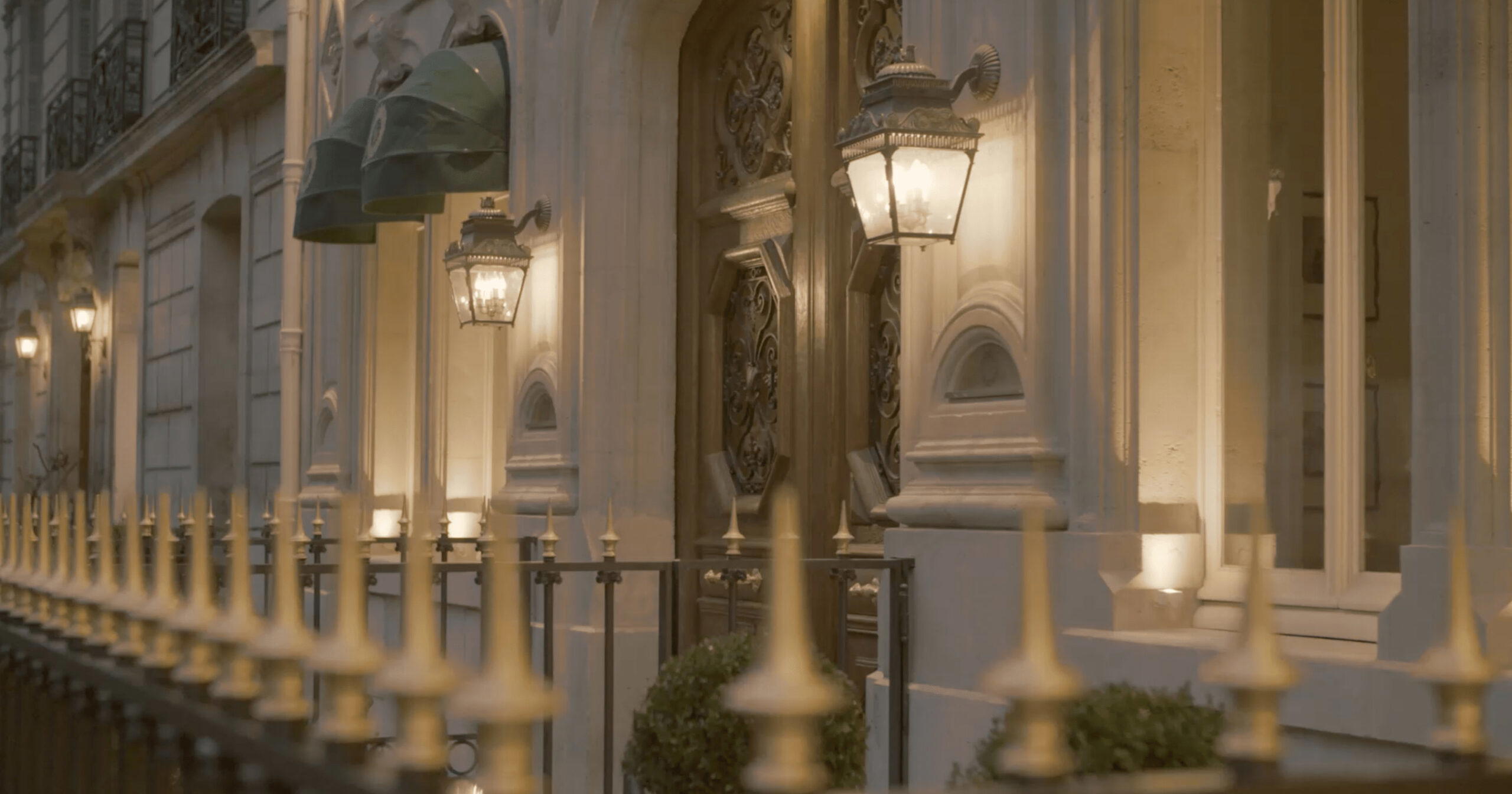
Rue Pergolèse runs through the northern end of the 16th, a few minutes' walk from the Arc de Triomphe and stronger examples from the Avenue de la Grande Armée. It is a quiet street by the standards of the surrounding arrondissement, which is itself quiet by the standards of central Paris. The address places Le Toucan close to Porte Maillot and the edges of Neuilly-sur-Seine, a geography that has historically supported private dining rooms, wine-focused tables, and kitchens serving a professional class that lives and works in the western reaches of the city rather than commuting in from other districts for occasion meals.
The context extends outward. France's most geographically distributed serious kitchens, addresses like Auberge de l'Ill in Illhaeusern, Troisgros in Ouches, or Paul Bocuse's Auberge du Pont de Collonges, built their identities on regional rootedness that the Paris addresses can only approximate through sourcing relationships. The 16th's neighbourhood kitchens inherit something of that logic: proximity to a defined community, and the expectation of return visits that allow a kitchen to develop depth rather than spectacle.
Addresses operating at comparable seriousness in other French cities, including Au Crocodile in Strasbourg, Assiette Champenoise in Reims, and Auberge du Vieux Puits in Fontjoncouse, each demonstrate how French provincial fine dining sustains itself on a civic pride in local product that Paris neighbourhoods can only partially replicate. Within Paris, AM par Alexandre Mazzia in Marseille is a useful parallel for what happens when a city's port geography and multicultural sourcing become the actual subject of a menu, not just a backdrop to it.
Planning Your Visit: A Practical Comparison
| Venue | Arrondissement | Price Range | Style | Booking Lead Time |
|---|---|---|---|---|
| The restaurant | 16th (Rue Pergolèse) | Not published | Neighbourhood dining | Confirm direct |
| Alléno Paris au Pavillon Ledoyen | 8th (Champs-Élysées) | €€€€ | Creative | Weeks to months ahead |
| Kei | 1st (Louvre) | €€€€ | Contemporary French / Modern | Several weeks ahead |
| L'Ambroisie | 4th (Place des Vosges) | €€€€ | French Classic | Several weeks ahead |
| Le Cinq | 8th (Golden Triangle) | €€€€ | French Modern | Weeks ahead |
Cuisine and Awards Snapshot
Comparable venues nearby, for context on price, style, and recognition.
| Venue | Cuisine | Price | Notes |
|---|---|---|---|
| Le ToucanThis venue — the venue you are viewing | French Café & Bistro | $ | Not listed |
| L'Entredgeu | Traditional French Bistro | $$ | Ternes |
| Le Bizetro | Traditional French Bistro | $$ | 16e Arrondissement |
| Ferdi | French Brasserie with Latin American & Mediterranean Influences | $$ | Louvre / Palais-Royal |
| H Kitchen | French revisited by Japanese chef | $$ | Notre-Dame-des-Champs |
| Le Choupinet | Traditional French Brasserie | $$ | Quartier Latin |

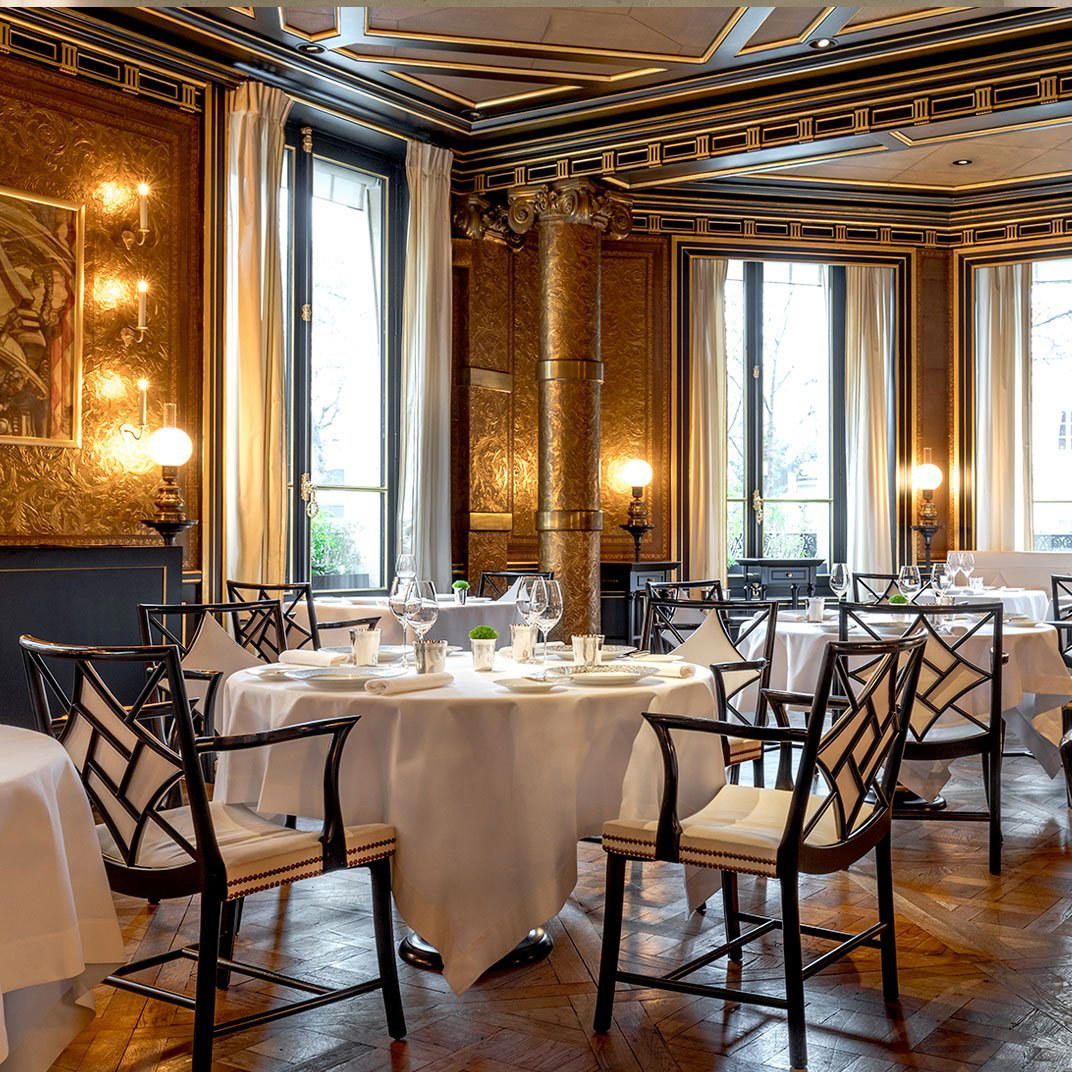
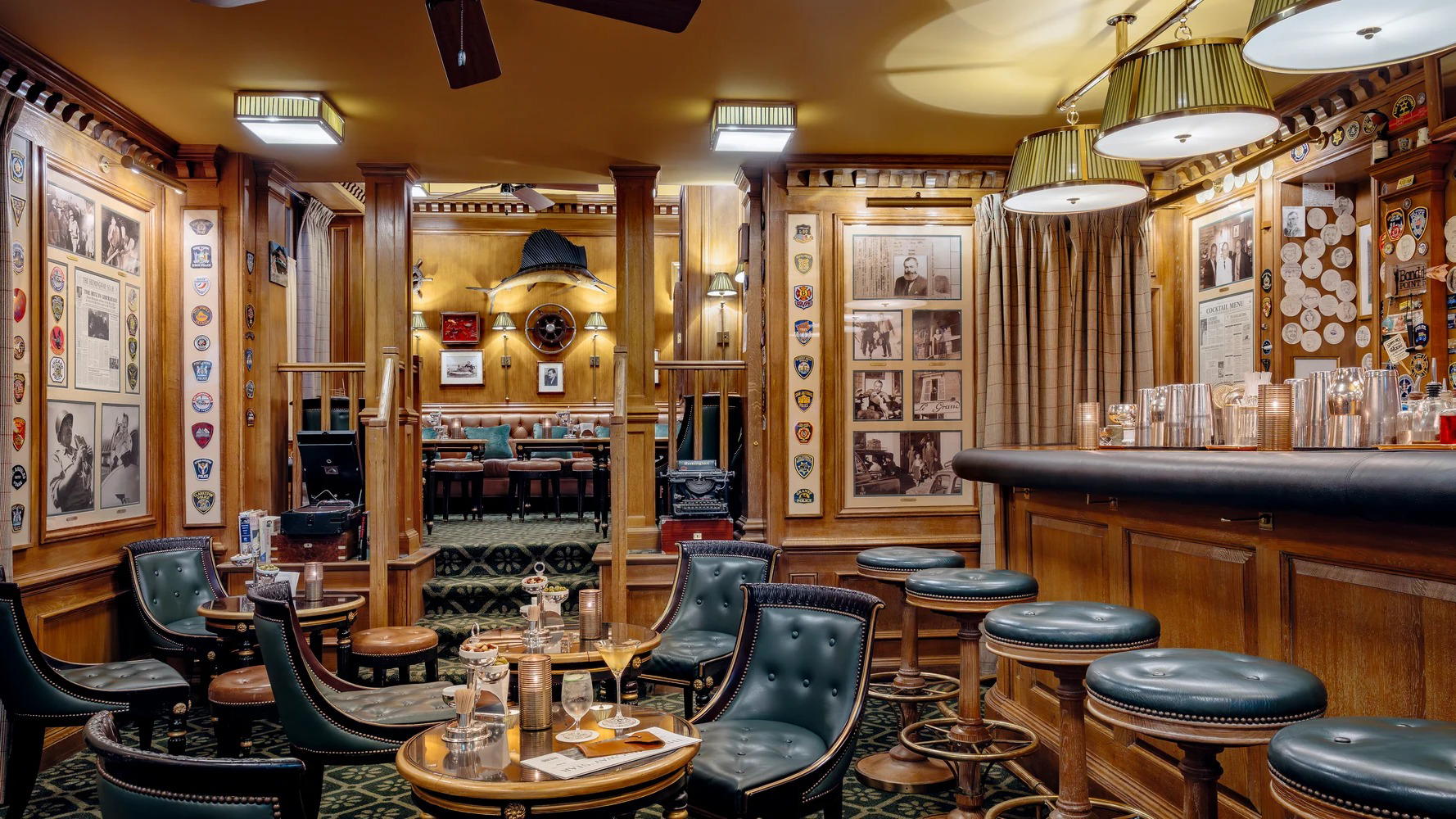
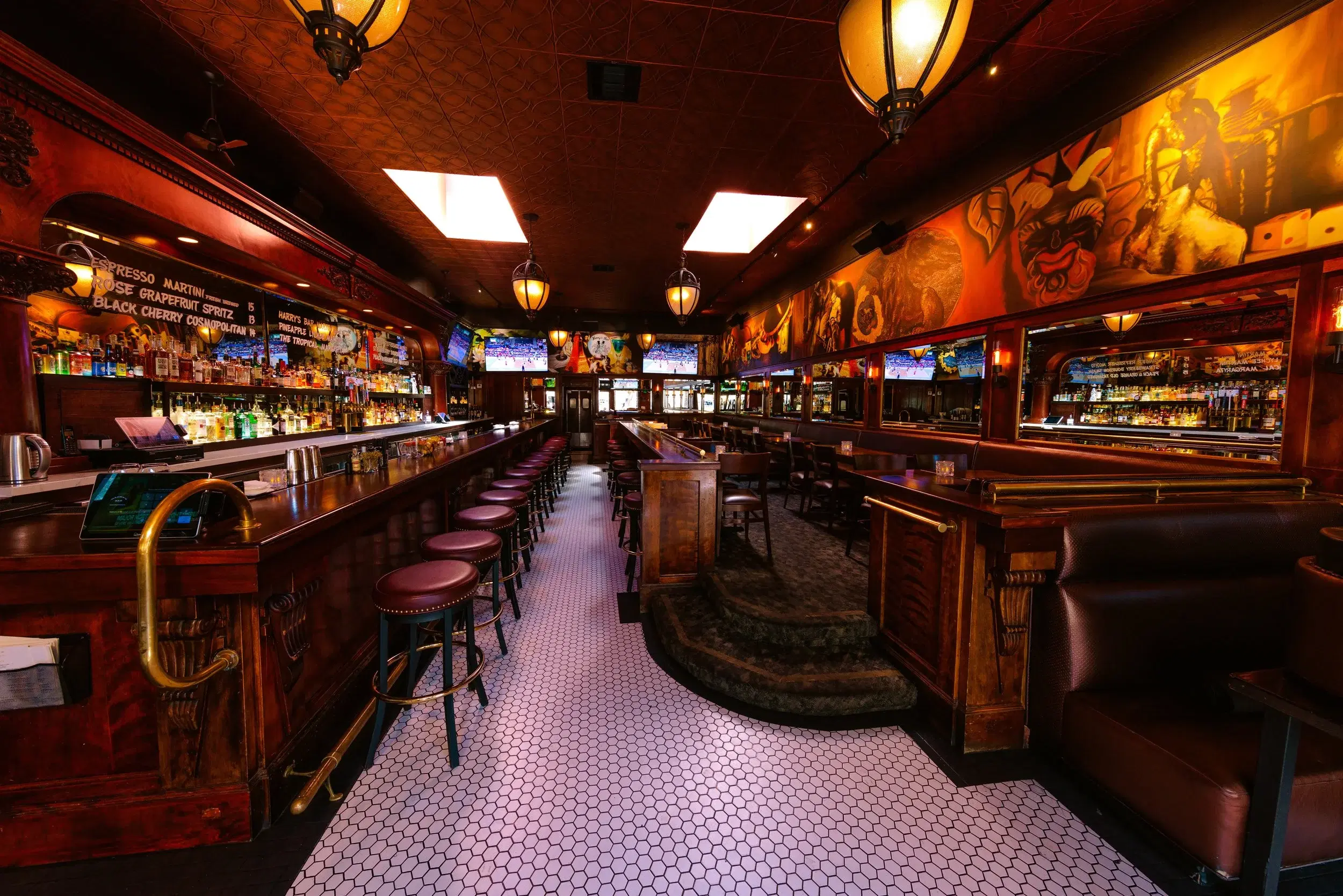
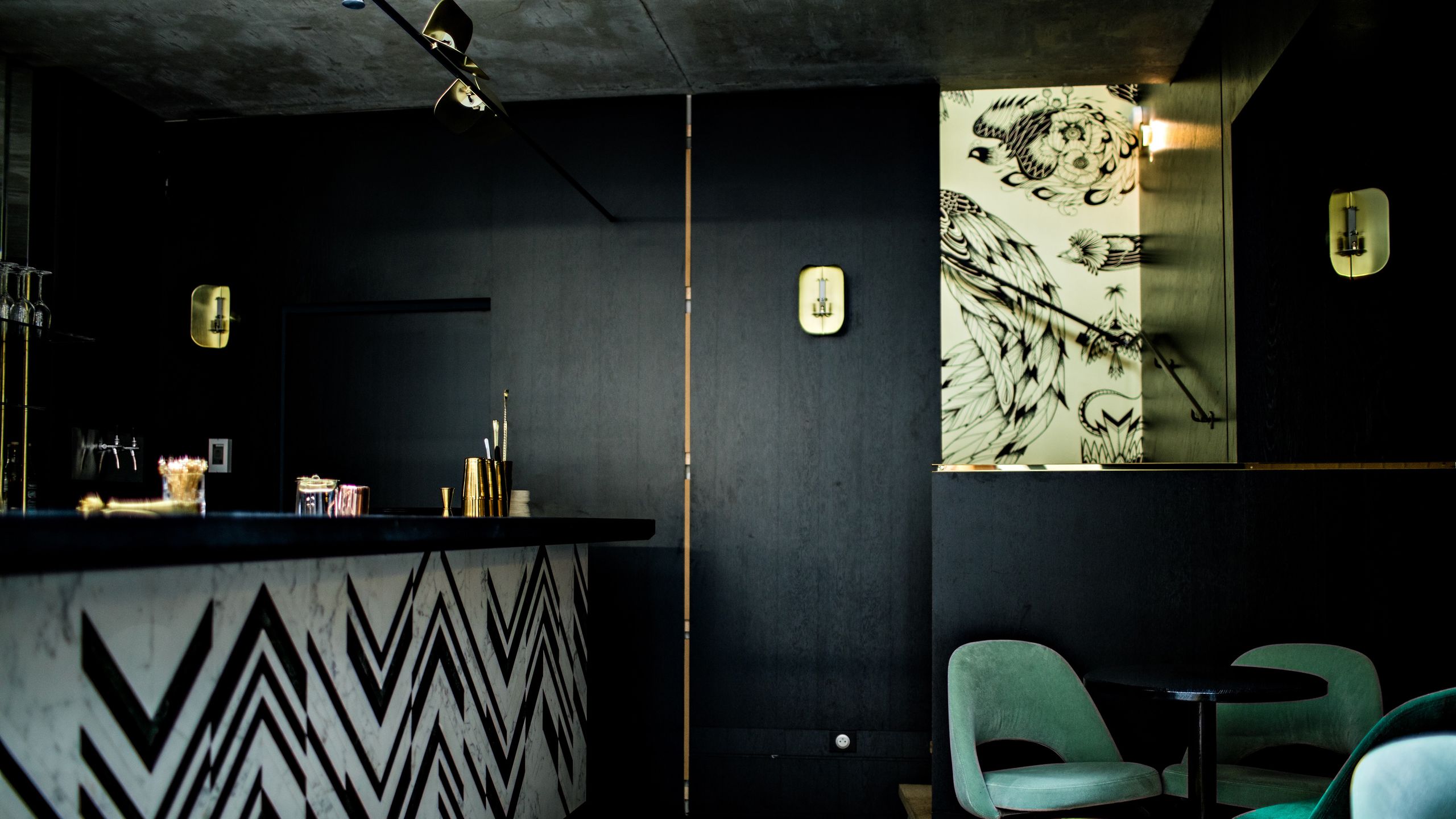
At a Glance
- Cozy
- Casual
- Lively
- Casual Hangout
- Brunch
- After Work
- Group Dining
- Standalone
- Beer Program
- Craft Cocktails
Current opening hours
- Monday
- 7 AM–1 AM
- Tuesday
- 7 AM–1 AM
- Wednesday
- 7 AM–1 AM
- Thursday
- 7 AM–1 AM
- Friday
- 7 AM–1 AM
- Saturday
- Closed
- Sunday
- Closed
Hours can change for holidays and private events. Last verified .
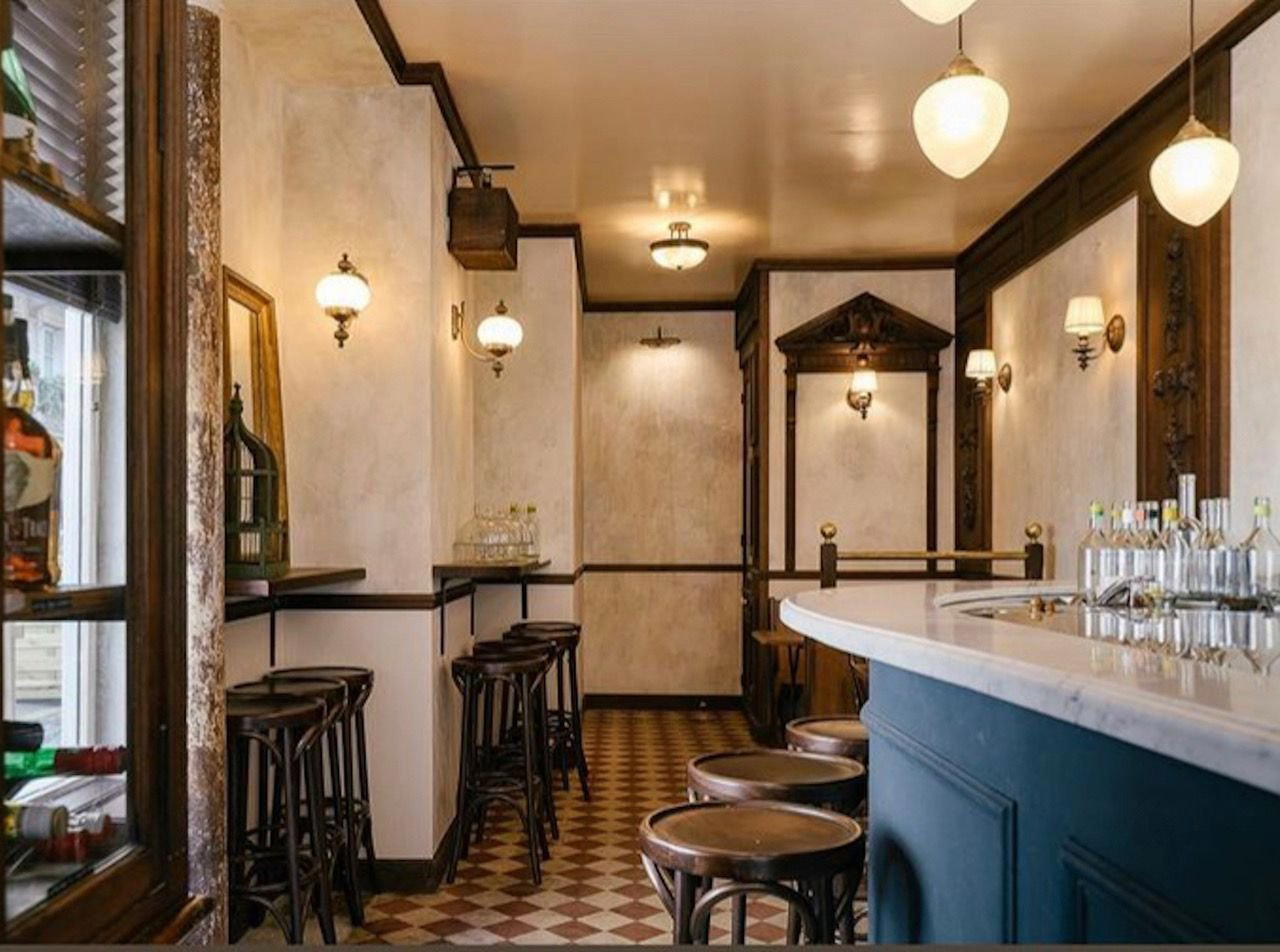
Relaxed and laid-back with a warm, inviting atmosphere; lively during peak hours with a casual neighborhood café feel.