On a quiet street in the 6th arrondissement, H Kitchen occupies a stretch of Paris where the neighbourhood's residential character keeps the room from tipping into self-consciousness. The address at 18 Rue Mayet places it within walking distance of the Marché de la Motte-Picquet circuit, and the dining room reads more like a considered local address than a destination engineered for out-of-towners.
Pearl is the En Primeur Club membership app — saves, bookings, and concierge access live there. Same editors, same standards.
- Address
- 18 Rue Mayet, 75006 Paris, France
- Phone
- +33145665157
- Website
- hkitchen.fr
- Directions
- Get directions
 Saves & bookings on Pearl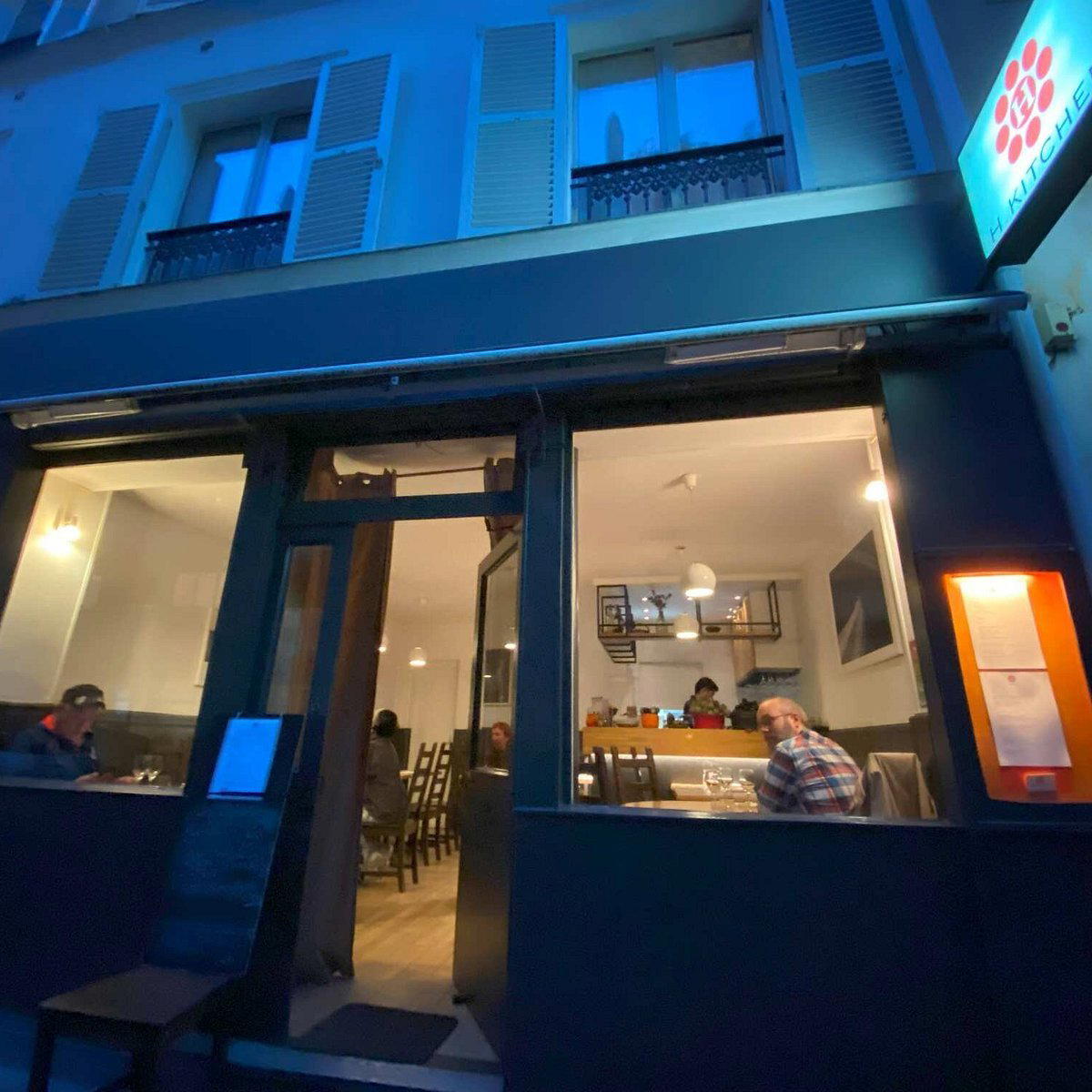
Rue Mayet runs quietly off the Boulevard du Montparnasse corridor, far enough from the tourist circuits of Saint-Germain to feel genuinely residential. The 6th arrondissement at this latitude is a neighbourhood of morning boulangeries and evening aperitifs on narrow pavements, and H Kitchen sits within that register rather than against it. Arriving on foot from the nearby Duroc or Vaneau stations, the approach is unhurried, the streetscape untheatrical. What you find at number 18 is a room that appears to have been designed for people who already know where they are going.
The 6th Arrondissement and Where H Kitchen Sits in It
Paris's 6th has long accommodated a range of dining registers, from the grand literary brasseries along Boulevard Saint-Germain to the tighter, more specialist addresses that populate its side streets. The competitive set in this arrondissement tends to polarise: on one end, the kind of formal French dining represented by addresses like L'Ambroisie in the nearby Marais or Le Cinq at the Four Seasons George V on the Right Bank; on the other, the neighbourhood bistros that have always given the 6th its lived-in appeal. H Kitchen addresses at 18 Rue Mayet position it as the latter type, a local address defined more by proximity to the quartier than by a bid for destination-restaurant status.
That positioning matters in a city where the distinction between a restaurant built for its neighbourhood and one built for its reviews has become increasingly legible. The most durable addresses in Paris tend to earn their longevity through the former, not the latter. Places like Arpège on the Rue de Varenne, a short distance north, built reputations over decades precisely because their relationship to the immediate neighbourhood was as consistent as their relationship to the plate. H Kitchen operates in a different tier and register, but the geographic logic is similar.
Wine as the Organising Principle
In Paris dining rooms of this character, the wine list is frequently the most reliable indicator of how seriously a kitchen takes the full experience. The move away from trophy-bottle programmes toward thoughtful, shorter lists curated around specific regions or producers has been one of the more meaningful shifts in mid-range Parisian dining over the past decade. Lists that run to a hundred references with real cellar depth tend to signal a commitment that outlasts any individual menu cycle.
France's own regional diversity gives sommeliers in Paris an exceptional structural advantage. The Loire, Burgundy, the Rhône, Alsace, and the southwest each produce wines that sit in entirely different conversation with food, and a well-considered list here can traverse those registers without reaching outside the country. Addresses across France that have built reputations in part on cellar depth include Assiette Champenoise in Reims, where the Champagne region's proximity shapes the by-the-glass programme, and Auberge de l'Ill in Illhaeusern, where Alsatian producers anchor a list built over generations. Even at addresses further afield, such as Bras in Laguiole or Auberge du Vieux Puits in Fontjoncouse, the sommelier's relationship to a specific terroir often becomes the defining characteristic of the wine experience.
H Kitchen's position in the 6th places it within reach of a Paris dining scene that has grown increasingly sophisticated about wine service at the neighbourhood level. The expectation among regulars in this arrondissement is not necessarily a cellar of ten thousand references, but rather a list that reflects genuine curatorial thinking: producers chosen for coherence with the food, representation of lesser-known appellations alongside the expected, and a by-the-glass selection that functions as an argument rather than a default. Whether H Kitchen's list achieves that level of curation is something leading assessed in person, since specific programme details are not publicly available at the time of publication.
The Broader French Restaurant Context
Understanding any Paris neighbourhood address requires some awareness of where French restaurant culture sits at the moment. The grand formal houses, represented by multi-starred kitchens like Alléno Paris au Pavillon Ledoyen or Kei, occupy a tier defined by tasting menus, significant investment, and long booking windows. Below that tier, a large middle band of Parisian restaurants competes on a different set of criteria: room feel, wine programme, value relative to the arrondissement, and the kind of consistent execution that keeps regulars returning weekly rather than annually.
France's three-starred traditions have shaped what the dining public expects even from more accessible addresses. The discipline of kitchens like Troisgros in Ouches or Flocons de Sel in Megève has filtered into the expectations of French diners in a way that influences what passes for acceptable even at lower price points. That trickle-down effect is part of why mid-range neighbourhood addresses in Paris face a more demanding audience than comparable rooms in other European cities. It is also why the more interesting neighbourhood restaurants here tend to focus their effort on one or two things done with real commitment rather than attempting a comprehensive programme.
For a comparative international perspective, the shift toward focused neighbourhood dining over grand-gesture destination restaurants is visible in other cities too. Programmes like those at Le Bernardin in New York or Atomix, also in New York, demonstrate how precision and focus can define a room's identity more effectively than scale. Closer to home, AM par Alexandre Mazzia in Marseille and Mirazur in Menton show how regional French addresses can build distinct identities within a national tradition. Au Crocodile in Strasbourg and Paul Bocuse's Auberge du Pont de Collonges represent the institutional end of that spectrum. H Kitchen operates at a different scale and ambition than any of those addresses, but the same underlying principles of focus and neighbourhood coherence apply. For a broader view of where it sits within the Paris dining conversation, our full Paris restaurants guide maps the city's tiers in more detail.
Planning a Visit
H Kitchen is located at 18 Rue Mayet in the 6th arrondissement, reachable on foot from the Duroc metro station on lines 10 and 13 in roughly five minutes. The street is residential and parking is limited, so public transport is the practical default for most visitors. Booking details, hours, and current menu information are best confirmed directly with the venue, as specific operational data is not published at the time of this writing. For a neighbourhood restaurant of this character in Paris, a booking made a few days in advance is generally sufficient outside of Friday and Saturday evenings, when demand across the 6th tends to increase.
How H Kitchen Paris compares with similar nearby venues.
| Venue | Cuisine | Price |
|---|---|---|
| Nakatani | Contemporary French, Modern Cuisine | €€€€ |
Continue exploring
More in Paris
Restaurants in Paris
Browse all →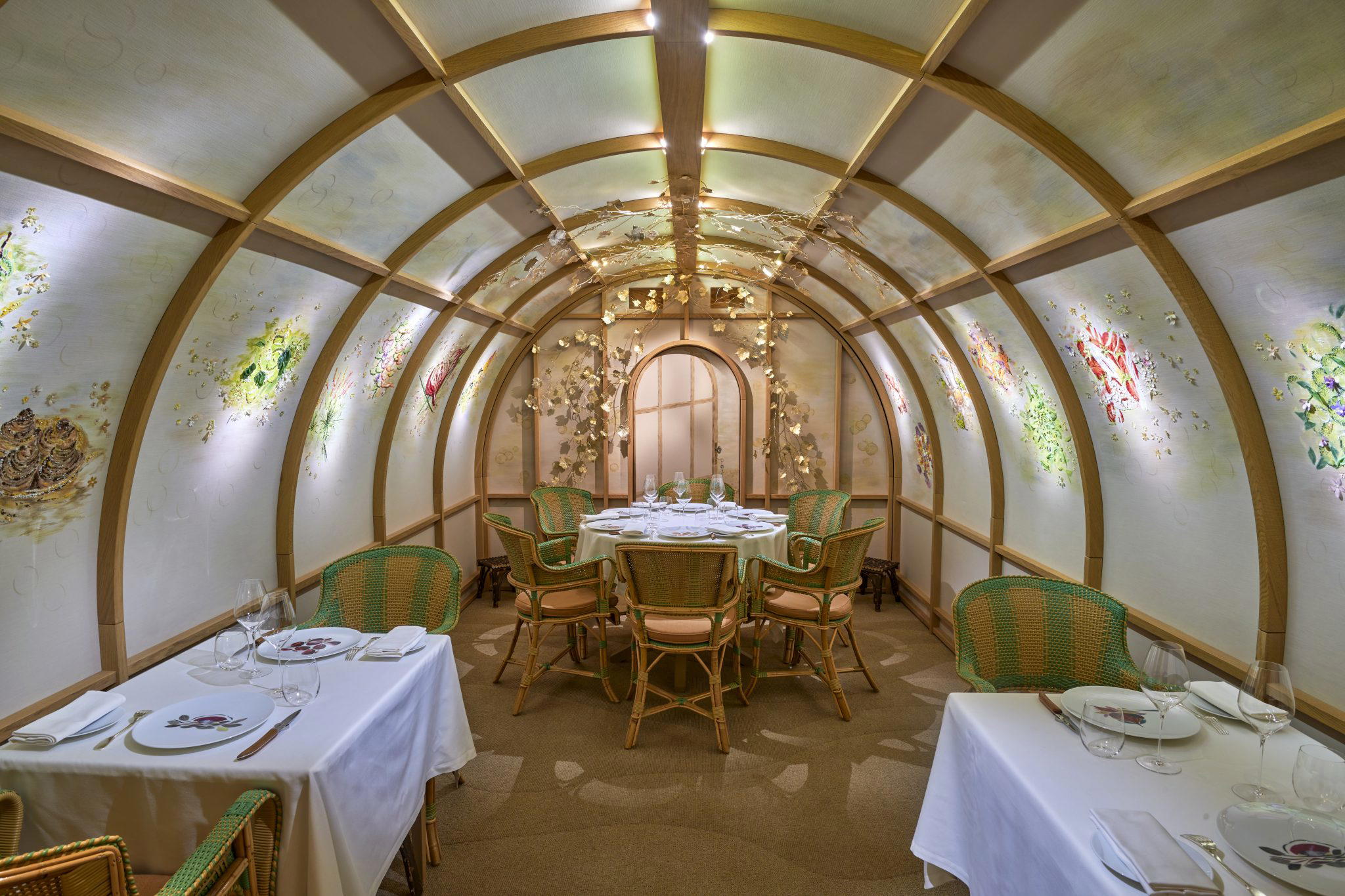
Bars in Paris
Browse all →
Hotels in Paris
Browse all →

At a Glance
- Cozy
- Intimate
- Modern
- Date Night
- Casual Hangout
Current opening hours
- Monday
- 7–9 PM
- Tuesday
- 12–1:30 PM, 7–9 PM
- Wednesday
- 12–1:30 PM, 7–9 PM
- Thursday
- 12–1:30 PM, 7–9 PM
- Friday
- 12–1:30 PM, 7–9 PM
- Saturday
- 12–1:30 PM, 7–9 PM
- Sunday
- Closed
Hours can change for holidays and private events. Last verified .
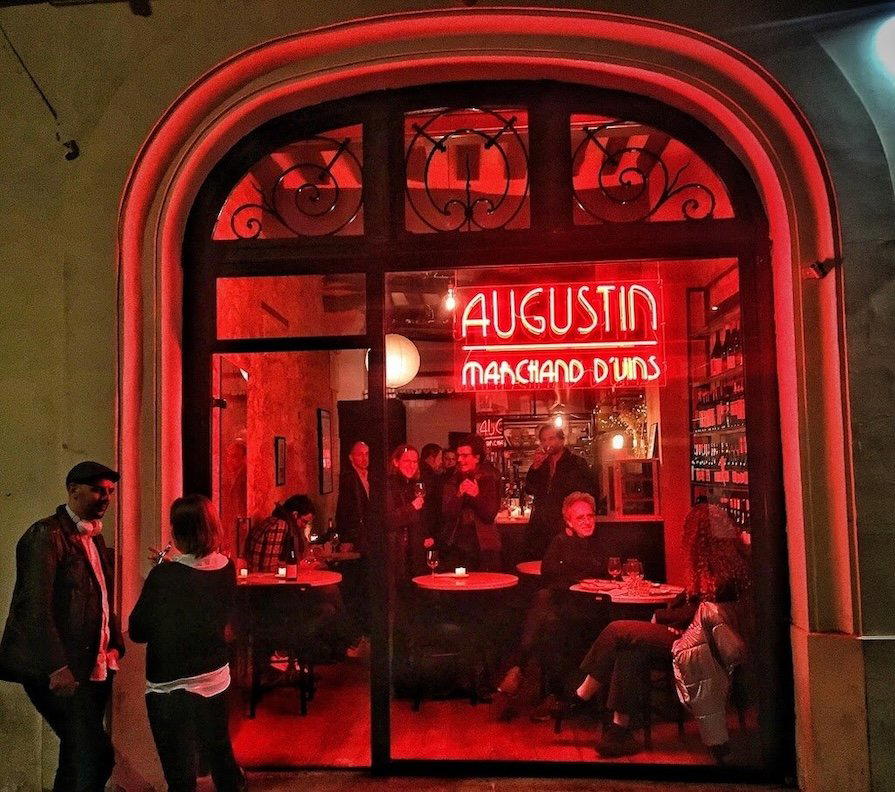
Cozy and intimate small space with simple decor of black paneling, white walls, and artist photographs; calm neighborhood atmosphere.
Know Before You Go
- Getting there
- 18 Rue Mayet, 75006 Paris, France