Auberge La Lucarne aux Chouettes
On the banks of the Yonne river in Burgundy's quieter southern corridor, Auberge La Lucarne aux Chouettes occupies a centuries-old waterside building in the medieval town of Villeneuve-sur-Yonne. The address sits within the broader tradition of French provincial auberge dining, where regional sourcing and seasonal rhythm define the kitchen's logic far more than urban trends do. For travellers moving between Paris and Lyon, it represents a considered stop rather than a detour.
- Address
- Quai Bretoche, 89500 Villeneuve-sur-Yonne, France
- Phone
- +33386871826
- Website
- lalucarneauxchouettes.fr
 Saves & bookings on Pearl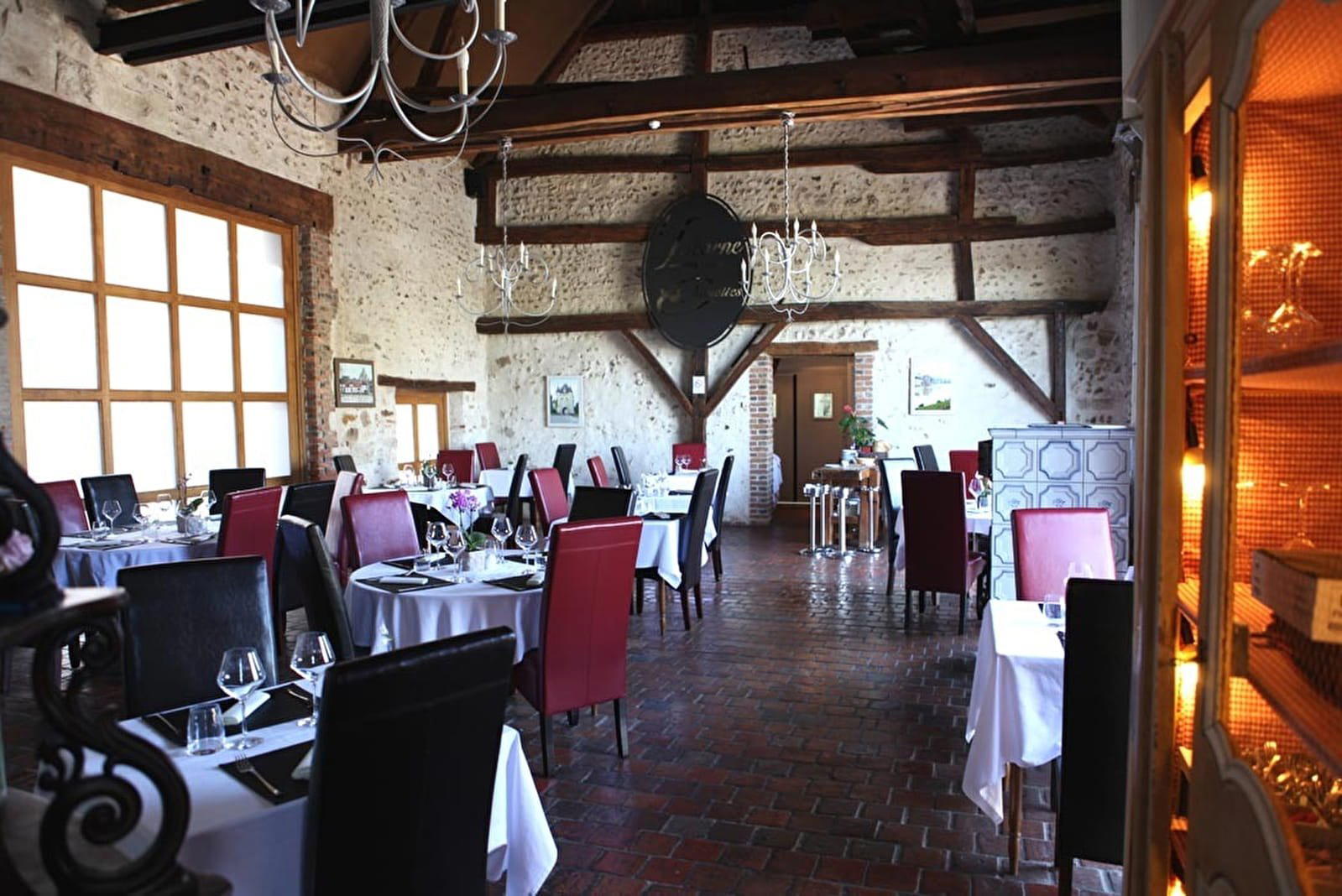
Where the Yonne Slows Down
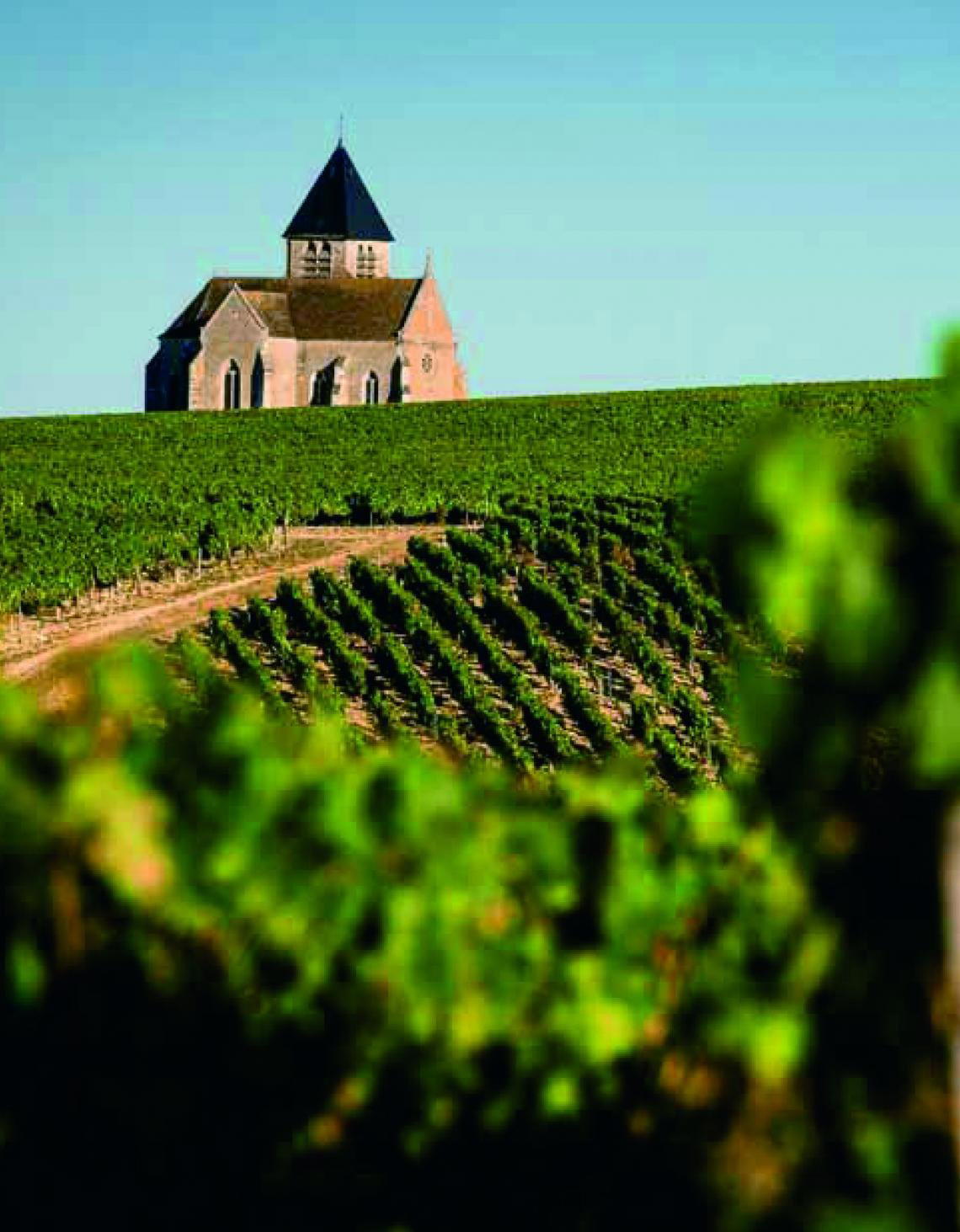
The medieval walled town of Villeneuve-sur-Yonne sits roughly 140 kilometres south-east of Paris, in the corridor between the capital and the upper reaches of Burgundy proper. The Yonne river cuts through it with quiet authority, and Quai Bretoche runs along its edge with the unhurried character that defines small-town Burgundian life. It is in this setting that Auberge La Lucarne aux Chouettes occupies its position: a closed traditional French Burgundian brasserie at Quai Bretoche, 89500 Villeneuve-sur-Yonne, France, with a price tier of $35 per person. Approaching from the quayside, the building reads as part of the riverbank rather than imposed upon it, which is precisely the architectural logic that French provincial hospitality has always prized over spectacle.
The meal is grounded in place: in what the nearby farms and waterways produce, in what the season permits, and in what the region has historically cooked. The ambition is depth of flavour rather than technical novelty, and the competitive set is not defined by starred peers in the capital but by how well the kitchen expresses its immediate geography.
Sourcing as Culinary Argument
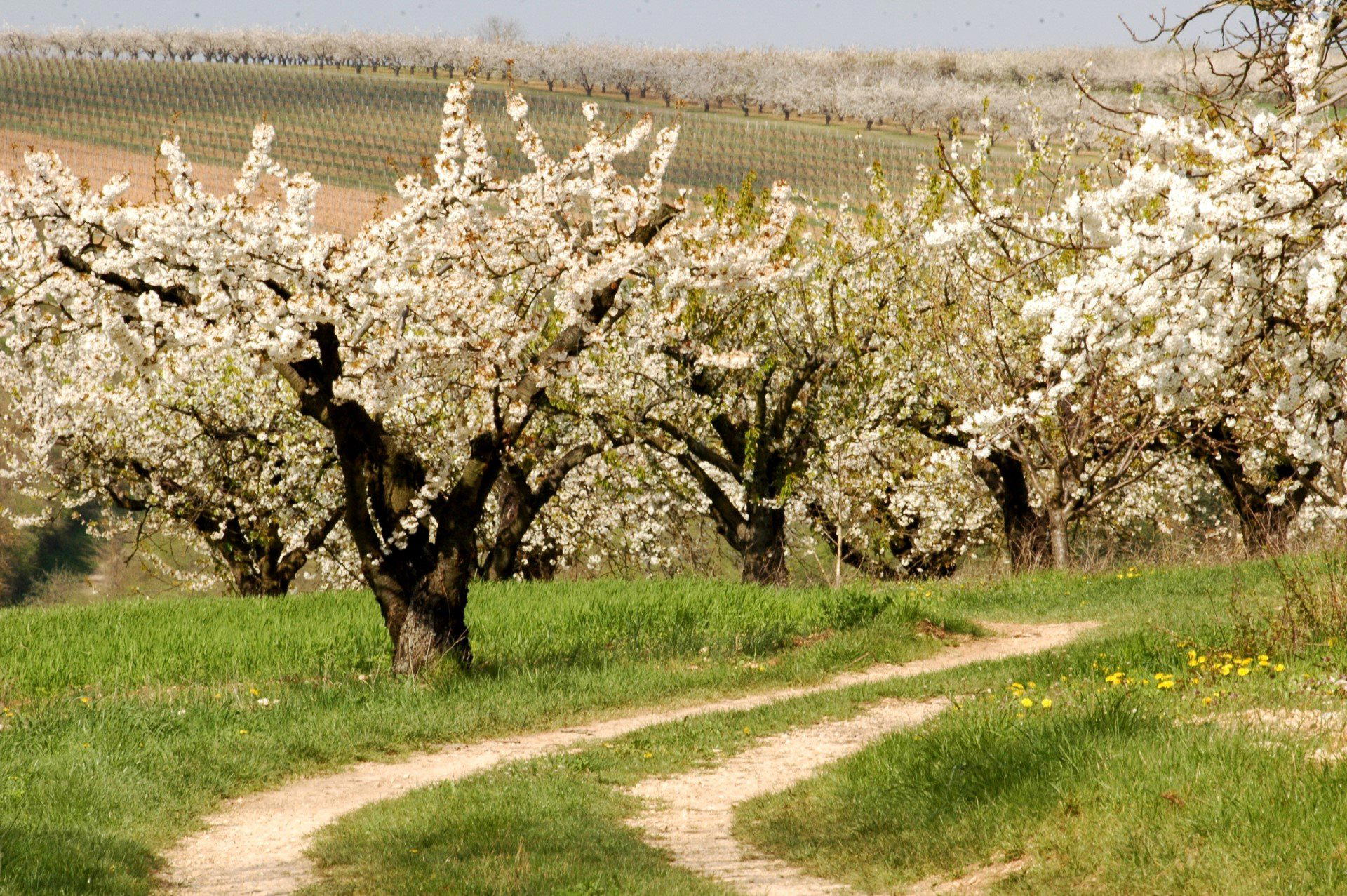
Villeneuve-sur-Yonne sits at an interesting agricultural intersection. The Yonne département borders the Côte d'Or to the east, which means the kitchen at an address like this draws from Burgundian producers while remaining outside the tight competitive circuit of Beaune and Dijon. The surrounding countryside yields the kinds of ingredients that define inland Burgundian cooking at its most traditional: river fish from the Yonne itself, game from the surrounding forests, Charolais beef from operations not far to the south-west, and the dairy and vegetable production that characterises small-scale agriculture in this part of France.
This is a sourcing geography that matters. Inland Burgundy is not Brittany or the Basque coast, where dramatic coastal access shapes what arrives in the kitchen. Here, the seasonal calendar is defined by land and river, which means spring herbs and freshwater fish in early months, game and root vegetables in autumn, and preserved and aged preparations carrying through winter. The auberge tradition across this region, from addresses like Maison Lameloise in Chagny to the longer-established Auberge de l'Ill in Illhaeusern, has always treated this seasonal rhythm as the primary editorial argument on the plate, not as a marketing position to be stated but as a structural fact of what the kitchen can credibly cook.
Within that tradition, Quai Bretoche adds a further dimension: the river itself. Freshwater fish preparation in Burgundy occupies a minor but honourable position in regional cooking, distinct from the cream-heavy beurre blanc preparations of the Loire and closer in spirit to the poached and simply sauced preparations that suit the clean, mild flavour profiles of Yonne river fish. This is cooking that does not require elaborate technique to justify itself; the ingredient makes the case.
Placing the Auberge in Its comparable set
France's provincial auberge category has contracted and bifurcated over the past two decades. On one side sit the fully starred destination addresses that have effectively become luxury-hospitality operations, drawing international travel specifically for the dining experience: Bras in Laguiole, Auberge du Vieux Puits in Fontjoncouse, Les Prés d'Eugénie in Eugénie-les-Bains, Georges Blanc in Vonnas. On the other side sit the genuine local addresses, where the kitchen serves the region rather than a global dining audience. Auberge La Lucarne aux Chouettes operates in Villeneuve-sur-Yonne, a town of modest size and low tourist density relative to better-known Burgundian stops, which positions it firmly in the second category.
That is not a diminishment. Particularly interesting eating in France happens at addresses that have not calibrated their kitchens to international recognition, because the primary pressure is to satisfy a local and regional clientele with genuine knowledge of what good regional cooking looks like. The discipline required to hold that standard, without the scaffolding of awards and press attention that sustained addresses like Paul Bocuse's Auberge du Pont de Collonges or Troisgros in Ouches, is its own credential.
For comparison, the starred Parisian bracket occupied by Alléno Paris au Pavillon Ledoyen or the coastal ambition of Mirazur in Menton represents a fundamentally different category of dining proposition. The provincial auberge offers something those addresses cannot: the feeling that the meal belongs to the place, not to a global fine-dining consensus about what a €€€€ tasting menu should look like.
The Waterside Room
Atmospherically, a riverside auberge in a medieval French town operates within a set of expectations that are quite specific: old stone, exposed beams, river views, a fireplace in colder months, and a scale of dining room that does not attempt the theatrical scale of a Paris palace. These are not constraints; they are assets. The leading provincial French dining rooms work because their physical character reinforces the argument on the plate. At addresses like L'Oustau de Baumanière in Les Baux or La Table du Castellet, the building does rhetorical work on behalf of the kitchen. The same logic applies on Quai Bretoche: the river is not backdrop decoration but part of the argument for why this food makes sense here.
Planning Your Visit
Villeneuve-sur-Yonne sits on the A6 axis connecting Paris to Lyon, and the town is accessible by train from Paris-Bercy via Sens, placing it inside a two-hour travel radius from the capital for those moving under their own power. The address on Quai Bretoche is on the riverbank, making approach by road along the quay one direct option. Given the small scale typical of provincial auberge addresses, advance reservation is the practical approach, particularly for weekend service when the regional clientele is most active.
That specificity is, in the end, its strongest claim on your attention.
Quick Comparison
Comparable venues nearby, for context on price, style, and recognition.
| Venue | Cuisine | Price | Awards | Notes |
|---|---|---|---|---|
| Auberge La Lucarne aux Chouettes | Traditional French Burgundian Brasserie | $$$ | , | Villeneuve-sur-Yonne |
| Saturne | Modern French with Nordic Influences | $$$ | , | 2nd Arrondissement |
| L'Alpinette | Savoyard | $$$ | , | Centre-ville |
| Le Clos des Jacobins | Classical French Fine Dining | $$$ | , | Centre-ville (Downtown Sens) |
| Maison Blanche | Modern French Fine Dining | $$$ | , | 8th arrondissement |
| Vent d'Armor | Traditional French Seafood | $$$ | , | Quartier Latin |
Continue exploring
More in Villeneuve Sur Yonne
Restaurants in Villeneuve Sur Yonne
Browse all →
Hotels in Villeneuve Sur Yonne
Browse all →
At a Glance
- Romantic
- Cozy
- Elegant
- Rustic
- Date Night
- Special Occasion
- Terrace
- Historic Building
- Extensive Wine List
- Waterfront
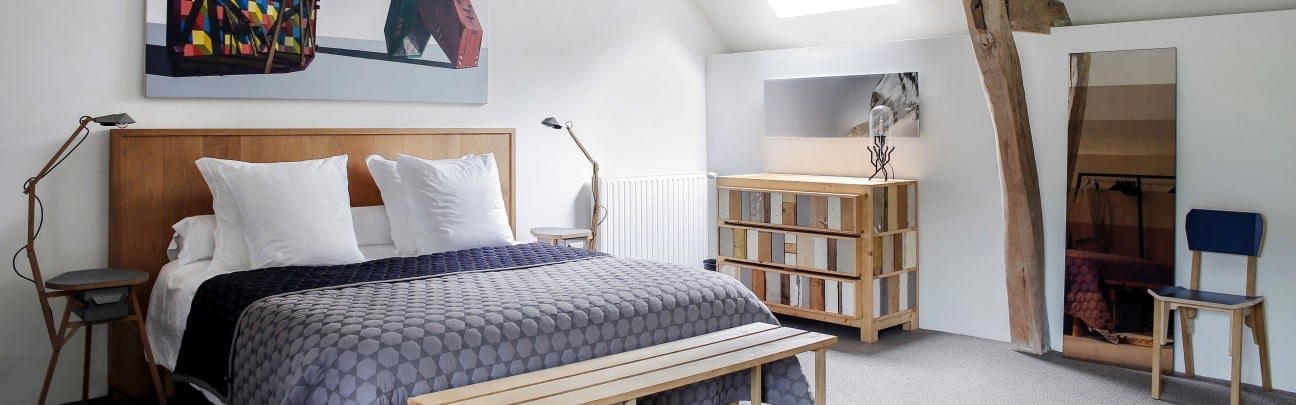
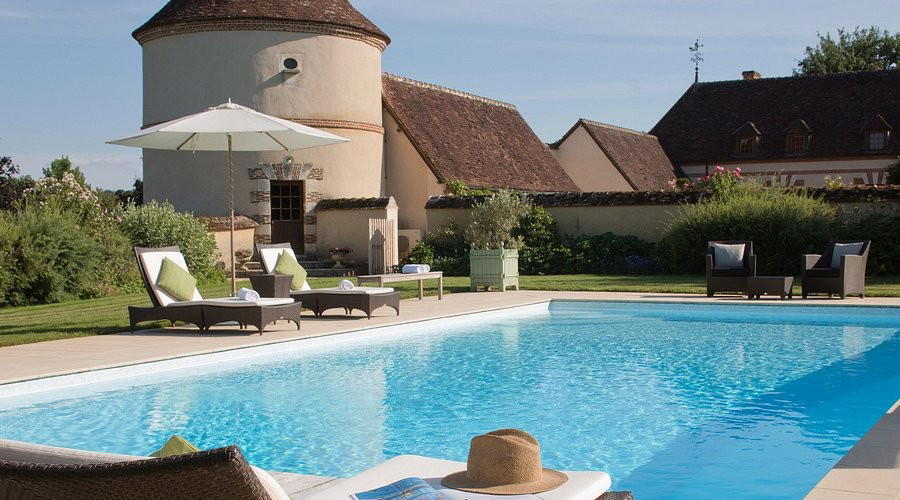
Warm interior with high ceilings, exposed beams, and a fireplace, complemented by a scenic terrace overlooking the river.