Le Septentrion
Our verdict
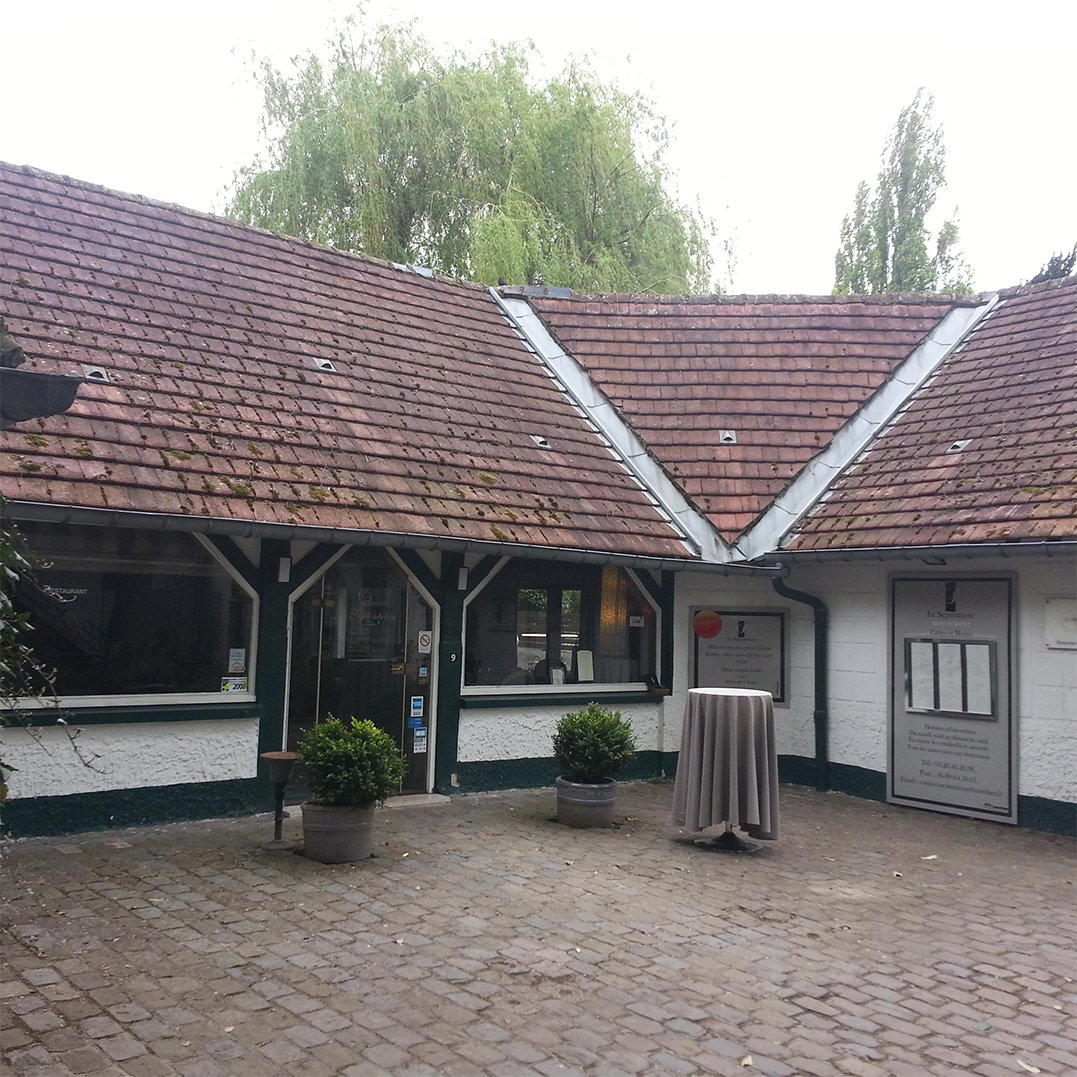
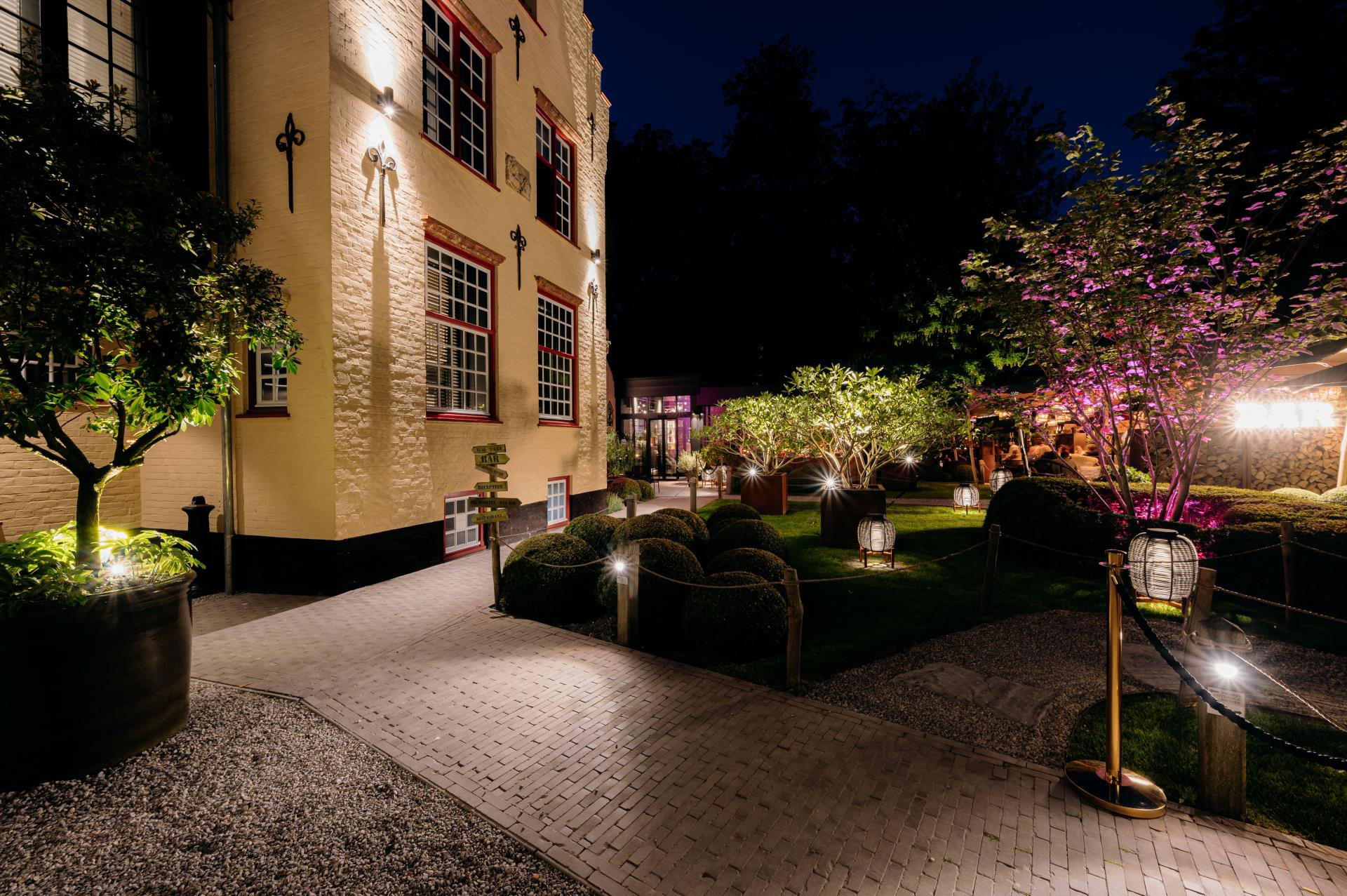
Set within a parkland estate on the edge of Marcq-en-Barœul, Le Septentrion occupies one of the most architecturally distinctive dining addresses in the Nord-Pas-de-Calais region. The kitchen draws from northern France's agricultural traditions, a territory that produces some of the country's most underappreciated produce. For serious diners passing through the Lille metropolitan area, it represents the region's strongest case for destination-level French cooking.

Pearl is the En Primeur Club membership app, where members save venues, book tables and use the concierge.
Where the Flanders Plain Meets the Table
The Nord-Pas-de-Calais does not get the editorial attention of Burgundy or Provence, but the agricultural belt running between the Belgian border and the Lille conurbation produces ingredients that have underpinned serious French cooking for centuries. Chicory grown in the region's sandy loam soils, endive cultivated in darkened cellars, Maroilles cheese from the Avesnois, and the firm-fleshed freshwater fish of the Lys and Scarpe rivers represent a larder that most southern French critics have consistently overlooked. Le Septentrion, positioned on the Chemin des Coulons in Marcq-en-Barœul, sits at the intersection of that culinary tradition and a more formal, estate-restaurant sensibility.
Approaching the property, the transition from the suburban sprawl of greater Lille is abrupt. The grounds around the address carry the character of an established parkland rather than a purpose-built restaurant site, which places Le Septentrion in a small category of French dining destinations where the journey through the approach is part of the decision to visit. The physical setting does something specific: it signals that the kitchen is operating at a register distinct from the brasseries and contemporary bistros that define Lille's inner-city restaurant scene.
Northern France's Sourcing Case
French haute cuisine has long been defined by the logic of terroir, but northern France presents a version of that logic that differs structurally from what you encounter at, say, Mirazur in Menton or Bras in Laguiole. In the south and centre, the terroir narrative is built around visibility: sun-grown vegetables, mountain herbs, coastal fish hauled from warm Mediterranean waters. In the north, the case is made more quietly, through root vegetables with genuine mineral character, dairy from cattle grazed on heavy Flemish pasture, and preparations that reflect a tradition of preserving and concentrating flavour rather than presenting it raw.
Restaurants in this region that take sourcing seriously tend to do so within a framework shaped by climate rather than abundance. The short growing season concentrates flavour in ways that longer Mediterranean summers do not. A chicory root harvested from the chalky soils near the Belgian border carries a bitterness that needs to be understood and handled, not softened into palatability. Kitchens at the level Le Septentrion occupies are expected to demonstrate that understanding on the plate, treating northern produce as primary material rather than regional garnish.
This approach connects Le Septentrion to a broader strand of French cooking that has been gaining coherence since kitchens like Auberge du Vieux Puits in Fontjoncouse and Christopher Coutanceau in La Rochelle demonstrated that sourcing discipline outside the traditional prestige regions could produce cooking at the highest level. The argument is not novelty but seriousness: that specific geography, handled with precision, produces results that generalist luxury sourcing cannot replicate.
The Marcq-en-Barœul Position
Marcq-en-Barœul sits immediately north of Lille, functionally part of the metropolitan area but characterised by residential density and a quieter pace than the city centre. For fine dining in the Lille region, this matters practically: the address is accessible from central Lille without requiring long-distance travel, yet it sits outside the competitive pressure of the city's inner restaurant cluster. That positioning allows a kitchen to operate at a deliberate pace that inner-city restaurants, with higher turnover expectations, often cannot sustain.
Within the broader map of northern French fine dining, the Lille metropolitan area occupies a different position than it did a generation ago. The TGV connection to Paris has made Lille a credible day-trip or weekend destination for Paris-based diners, and that accessibility has sharpened the expectations placed on the region's serious restaurants. The comparison set is no longer just local: a table at a Lille-area restaurant now competes in the reader's decision against a table at Assiette Champenoise in Reims or, for those willing to travel further, Alléno Paris au Pavillon Ledoyen. That competitive context shapes how a destination-level restaurant in this area must present itself. See our full Marcq-en-Barœul restaurants guide for broader context on the local dining scene.
The estate setting at Le Septentrion functions as part of that positioning argument. Restaurants in parkland or château environments, from Georges Blanc in Vonnas to L'Oustau de Baumanière in Les Baux, use the physical setting to communicate register before the first course arrives. The message is consistent across examples: the experience extends beyond the plate, and the investment required to maintain the grounds signals a corresponding commitment in the kitchen.
Planning a Visit
Reaching Le Septentrion from Lille city centre is direct by car, with Marcq-en-Barœul sitting just north of the périphérique. Given the estate character of the address, arriving by taxi or private transfer makes more sense than public transport, which would require a walk from the nearest stop. For northern French restaurants operating at this level, booking at least two to three weeks ahead is standard practice, particularly for weekend tables during the September-to-March season when the region's produce is at its most characteristic.
The broader French fine dining circuit offers useful comparators for those building a longer itinerary: Au Crocodile in Strasbourg and Auberge de l'Ill in Illhaeusern represent the Alsace tradition of estate-and-garden dining that carries some formal similarity to what the Marcq-en-Barœul setting suggests. Further afield, Flocons de Sel in Megève, Troisgros - Le Bois sans Feuilles in Ouches, Paul Bocuse - L'Auberge du Pont de Collonges, AM par Alexandre Mazzia in Marseille, La Marine in Noirmoutier-en-l'île, Le Bernardin in New York City, and Atomix in New York City each illustrate how estate or destination-format restaurants outside capital cities build and sustain their case for serious attention.
Frequently asked questions
Is Le Septentrion good for families?
Le Septentrion occupies an estate setting in Marcq-en-Barœul, which lends itself to a quieter, more composed atmosphere than a city-centre brasserie. The tone is formal enough that younger children may find it a stretch, but the grounds provide space that urban restaurants cannot. Families with older children accustomed to longer, seated meals are better placed to enjoy it.
What's the vibe at Le Septentrion?
The restaurant sits within an estate just north of Lille's périphérique, and that residential quietude defines its register: unhurried, rooted, and considerably more subdued than the city's centre. It reads as a destination for a deliberate meal rather than a spontaneous evening out. The Flanders agricultural belt around Marcq-en-Barœul gives the setting a grounded, non-metropolitan character.
Is Le Septentrion located inside a historic estate, and does that affect the dining experience?
Le Septentrion is addressed at Chemin des Coulons in Marcq-en-Barœul, a residential commune immediately north of Lille, and the estate character of its setting is part of what distinguishes it from standard city-centre restaurants in the Nord metropolitan area. That physical context, grounds, separation from urban density, shapes the pace and formality of a meal there in ways that a street-level Lille address would not. Visitors travelling from Lille by car reach it quickly, but the shift in atmosphere on arrival is marked.
What's the best thing to order at Le Septentrion?
What the location and editorial context suggest is a kitchen oriented toward Nord-Pas-de-Calais produce, meaning seasonal vegetables, northern French charcuterie traditions, and the dairy-forward cooking the region supports. Contacting the restaurant directly before your visit is the most reliable way to understand what the current menu prioritises.
How do I find Le Septentrion?
Le Septentrion is located at Chem. des Coulons, 59700 Marcq-en-Barœul, France, Marcq En Bar Ul.
How hard is it to get a table at Le Septentrion?
Given its position as a formal dining address in the Lille metropolitan area rather than in the city centre itself, demand patterns differ from central-city venues. Checking well in advance is advisable, particularly for weekend evenings, as estate-format restaurants in this tier tend to have limited covers.
What makes Le Septentrion worth seeking out?
The Nord-Pas-de-Calais receives far less editorial coverage than Burgundy or Provence, which means restaurants anchored to its produce and traditions are underrepresented in the national conversation. Le Septentrion operates in Marcq-en-Barœul, just outside Lille, in a setting that separates it structurally from the city's dining circuit. For travellers already in the Lille area, it represents a formal table connected to northern French agricultural identity rather than to tourist infrastructure.
Quick Comparison
| Venue | Cuisine | Price | Awards | Notes |
|---|---|---|---|---|
| Le SeptentrionThis venue (the venue you are viewing) | French Gastropub | Not listed | Not listed | Not listed |
| Alléno Paris au Pavillon Ledoyen | Modern French Fine Dining | $150–200 | 3 Michelin Stars · World's 50 Best #79 | Creative |
| Kei | Modern French with Japanese Influences | $300–500 | 3 Michelin Stars · World's 50 Best #93 | Contemporary French, Modern Cuisine |
| L'Ambroisie | Classic French Haute Cuisine | $300–500 | 2 Michelin Stars · World's 50 Best #23 | French, Classic Cuisine |
| Le Cinq - Four Seasons Hôtel George V | Modern French Fine Dining | $300–500 | 3 Michelin Stars · World's 50 Best #24 | French, Modern Cuisine |
| Mirazur | Modern French Fine Dining | $300–500 | 3 Michelin Stars · World's 50 Best #1 | Modern French, Creative |
Continue exploring
More in Marcq-en-Barœul
Restaurants in Marcq-en-Barœul
All restaurants in Marcq-en-Barœul →
Bars in Marcq-en-Barœul
Browse all →
Hotels in Marcq-en-Barœul
Browse all →
Wineries in Marcq-en-Barœul
Browse all →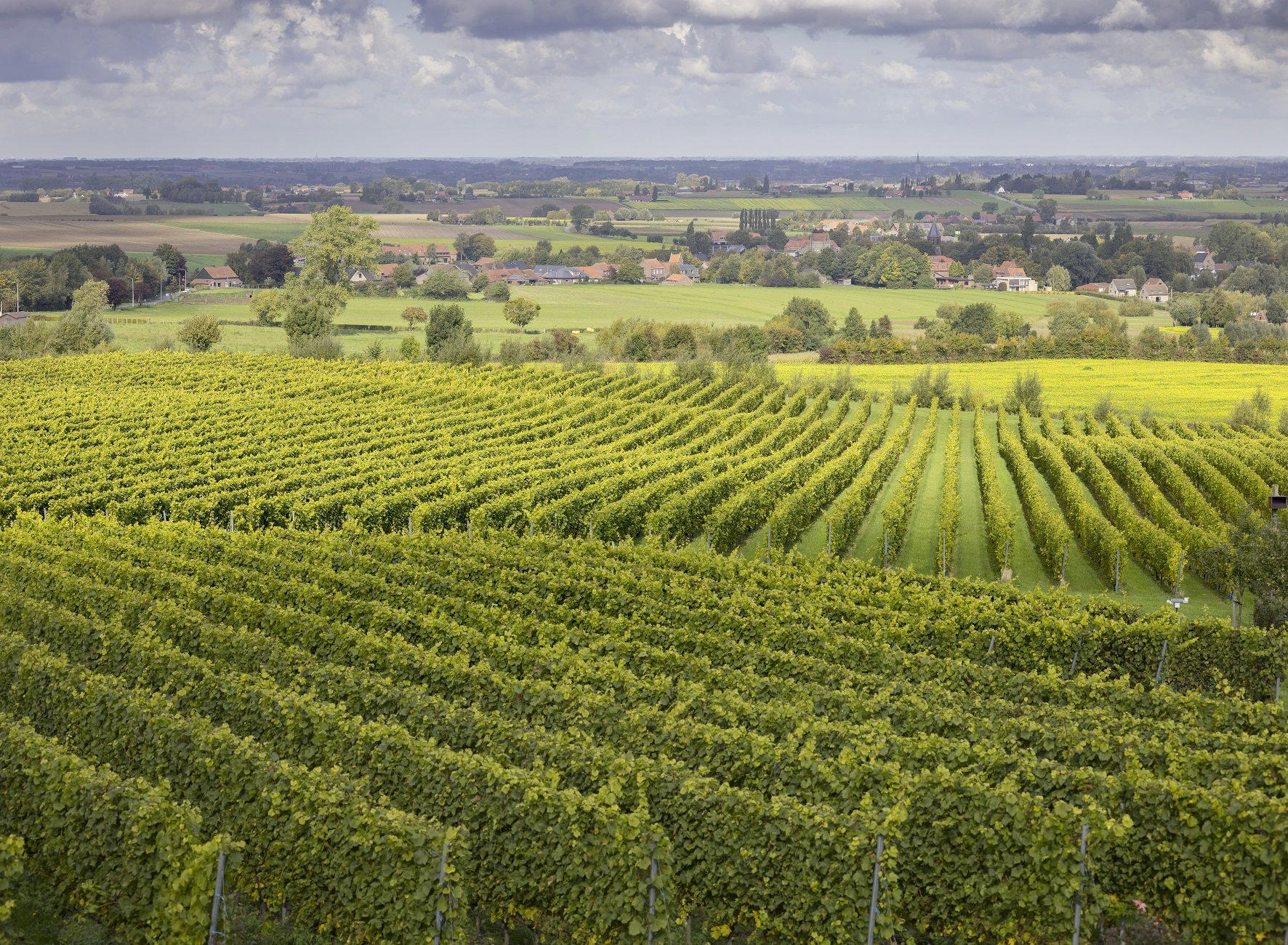
Details
- Romantic
- Elegant
- Cozy
- Date Night
- Special Occasion
- Group Dining
- Historic Building
- Garden
- A La Carte
Romantic and bucolic atmosphere in a manor house setting with artistic elements.