Our verdict
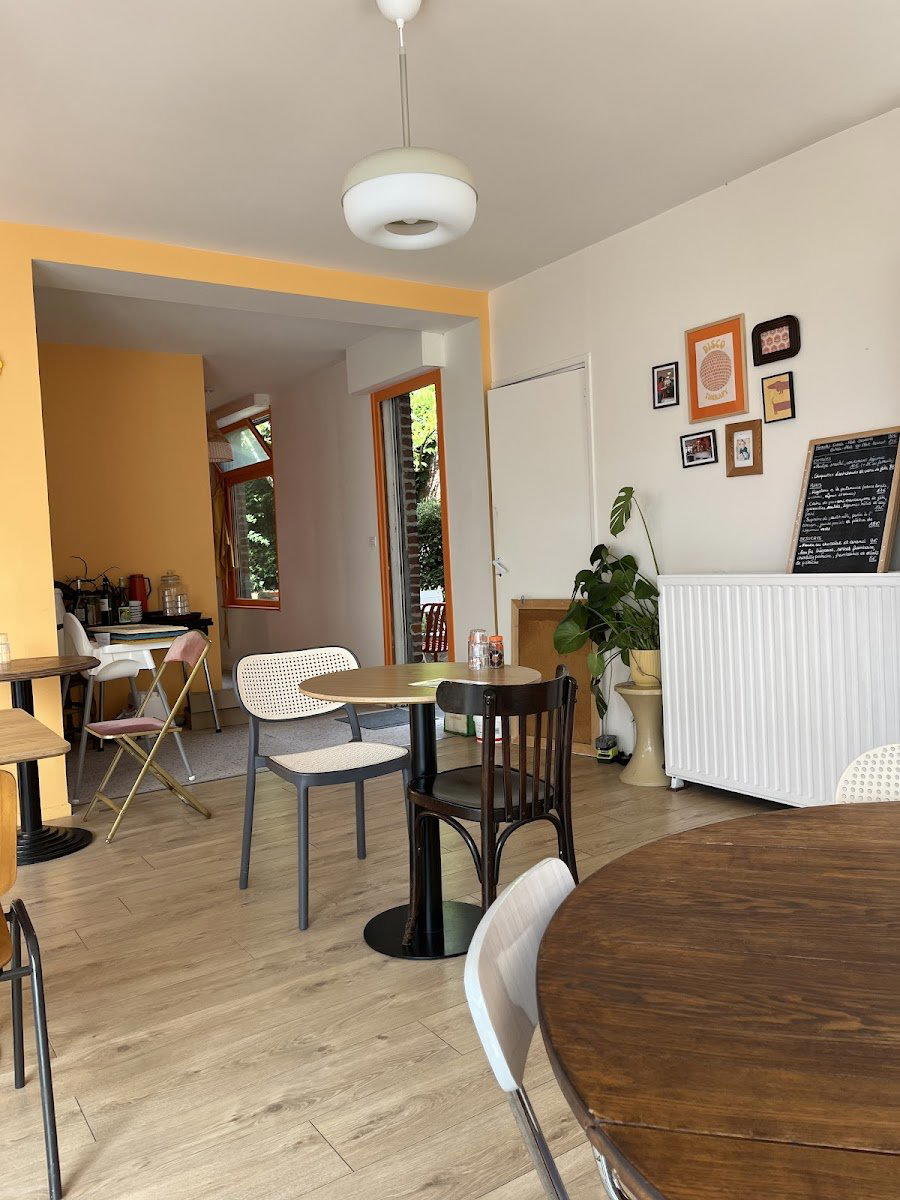
Café Mazette occupies a quiet address at 373 Rue de Lille in Roncq, a small commune just north of Lille on the Belgian border. In a region where straightforward neighbourhood cafés outnumber destination restaurants, Mazette represents the kind of local anchor that sustains daily life rather than chasing culinary recognition. For visitors exploring the Nord department beyond its capital, it offers an honest point of contact with the area's café culture.

Pearl is the En Primeur Club membership app, where members save venues, book tables and use the concierge.
Where the Nord Meets Its Neighbours at the Table
The French-Belgian borderland around Roncq rarely features in the same conversation as the country's marquee dining destinations. While Mirazur in Menton or Alléno Paris au Pavillon Ledoyen command international attention, the Nord department operates on an entirely different register: a dense, working-class food culture shaped by Flemish influence, agricultural flatlands, and a proximity to Belgium that has always blurred the line between French and northern European tradition. Roncq sits inside that geography, a small commune of roughly 13,000 residents wedged between Lille and the Belgian frontier, where the daily rhythm of eating is still largely organised around neighbourhood addresses rather than destination restaurants. Café Mazette, at 373 Rue de Lille, belongs to that fabric.
Approaching from the Rue de Lille, the address reads as a neighbourhood fixture rather than a place staging itself for external audiences. This is a consistent pattern in the Nord's smaller communes: cafés and modest restaurants function as social infrastructure first, feeding a local population that has its own clear expectations about value, portion, and conviviality. The contrast with the formal dining traditions of, say, Auberge de l'Ill in Illhaeusern or Maison Lameloise in Chagny is deliberate and structural: those institutions built their identities around ceremony and regional gastronomy as a project. The café model that defines places like Mazette exists to serve a different purpose entirely.
Sourcing in the Shadow of the Flemish Flatlands
The Nord-Pas-de-Calais region produces a distinctive agricultural identity. The flatlands around Lille and its satellite communes generate endives, leeks, potatoes, and chicory in volume; the Belgian border brings proximity to a dairy and brewing culture that has influenced local cooking for centuries. Chicory-based preparations, estaminets (the regional term for a traditional Flemish café-bar), and dishes built on root vegetables and preserved proteins represent the honest throughline of this territory's food.
For a neighbourhood café in Roncq, sourcing is not typically a marketing position but a practical reality: the proximity of Lille's wholesale markets, the farmland within easy reach of the commune, and the Belgian cross-border trade all shape what appears on a local menu without the kind of curated provenance narrative that drives destination restaurants. This is not a weakness. Some of France's most direct and satisfying cooking happens at this register, where the ingredient is chosen because it is available, fresh, and known rather than because it tells a story. The tradition of northern French cooking at the café level is one of low intervention and high familiarity, which places it in an entirely different category from the technical ambition visible at Flocons de Sel in Megève or Bras in Laguiole.
The estaminet tradition that runs through the Nord is worth understanding in this context. These Flemish-rooted café-bars historically served hearty, ingredient-led plates: carbonnade flamande, potjevleesch (a cold terrine of mixed meats in jelly), waterzooi, and gratins built on the region's chicory and endive. Whether a café in Roncq today maintains those preparations or has shifted toward a more generic brasserie format depends on the specific address, but the cultural substrate remains. The regional food identity is not performative; it is embedded in the social function of the space.
Roncq in the Broader Nord Dining Context
Understanding Café Mazette requires understanding what Roncq is not. It is not Lille, where the restaurant scene has grown sophisticated enough to produce addresses worth travelling for. Roncq is a residential and light-industrial commune whose dining options serve residents, local workers, and the occasional visitor passing between Lille and Kortrijk or Ghent across the Belgian border. This is a territory where a reliable lunch, fairly priced and honestly cooked, carries more practical weight than a tasting menu or a wine programme with depth.
France's neighbourhood café tier is vast and largely invisible to the editorial machinery that elevates addresses like Troisgros in Ouches, Paul Bocuse in Collonges-au-Mont-d'Or, or Georges Blanc in Vonnas. These grand maisons represent a particular strand of French culinary ambition: multi-generational, Michelin-tracked, and built on a specific relationship between terroir and technical mastery. The café in a northern commune represents the opposite pole of the same national food culture, and the contrast is not an argument for one over the other but a description of how French eating actually works across its full geography.
For visitors to the Lille metropolitan area, our full Roncq restaurants guide maps the commune's options more completely. Roncq itself is accessible from Lille in under twenty minutes by car, and sits along transport corridors that connect the French side of the border to the Belgian cities of Mouscron and Kortrijk. Those travelling between northern France and Belgium for dining purposes tend to use Lille as their base, with excursions outward rather than treating smaller communes as destinations in their own right.
Planning a Visit
Café Mazette sits at 373 Rue de Lille, Roncq, France, a direct address to reach by car from Lille's northern ring or from the Belgian border crossings near Mouscron. French neighbourhood cafés typically operate a lunch service from midday, with some running through afternoon hours depending on local demand.
The format is casual by default: neighbourhood cafés in this part of the Nord do not operate dress codes, formal reservations systems, or the kind of pre-planning infrastructure associated with destination dining at addresses like Le 1947 à Cheval Blanc in Courchevel or L'Oustau de Baumanière in Les Baux. The comparison is instructive rather than dismissive: different dining registers serve different purposes, and the café functions well precisely because it is not trying to be something it isn't.
Frequently asked questions
Is Café Mazette good for families?
Café Mazette's address on Rue de Lille in Roncq places it in a residential commune rather than a city-centre dining strip, which typically means a relaxed pace suited to families. No formal children's menu is documented, but the neighbourhood context points toward an accessible, unfussy setting rather than a destination tasting-menu format.
Is Café Mazette formal or casual?
The café designation and its location in Roncq, a working commune on Lille's northern fringe, signal a casual register rather than a formal dining room.
Is Café Mazette worth visiting from Lille for a local Nord dining experience?
Roncq sits on Lille's northern ring, making Café Mazette a short drive from the city centre without the competition for tables that comes with Lille's increasingly crowded restaurant scene.
What's the signature dish at Café Mazette?
No specific dish data is recorded for Café Mazette. The Nord-Pas-de-Calais region around Roncq has strong culinary ties to endives, carbonnade-style preparations, and Flemish-influenced produce, so the kitchen likely draws from that local larder, but confirmed menu specifics are not available at this time.
At-a-Glance Comparison
Comparable venues nearby, for context on price, style, and recognition.
| Venue | Cuisine | Price | Notes |
|---|---|---|---|
| Café MazetteThis venue (the venue you are viewing) | French Bistro | $30–50 | Not listed |
| L'Annexe | Modern French Bistronomique | $30–50 | Buisson |
| Le Quai | French Gourmet Brasserie | $30–50 | Lambersart |
| Le Gaston | French Bistronomic | $30–50 | Rosendael |
| La Marmite de Pierrot | Traditional Northern French Bistro | $50–100 | Capinghem |
| L'instant gourmand | Seasonal French Bistronomie | $30–50 | Vieux Valenciennes |
Continue exploring
More in Roncq
Restaurants in Roncq
All restaurants in Roncq →

Bars in Roncq
Browse all →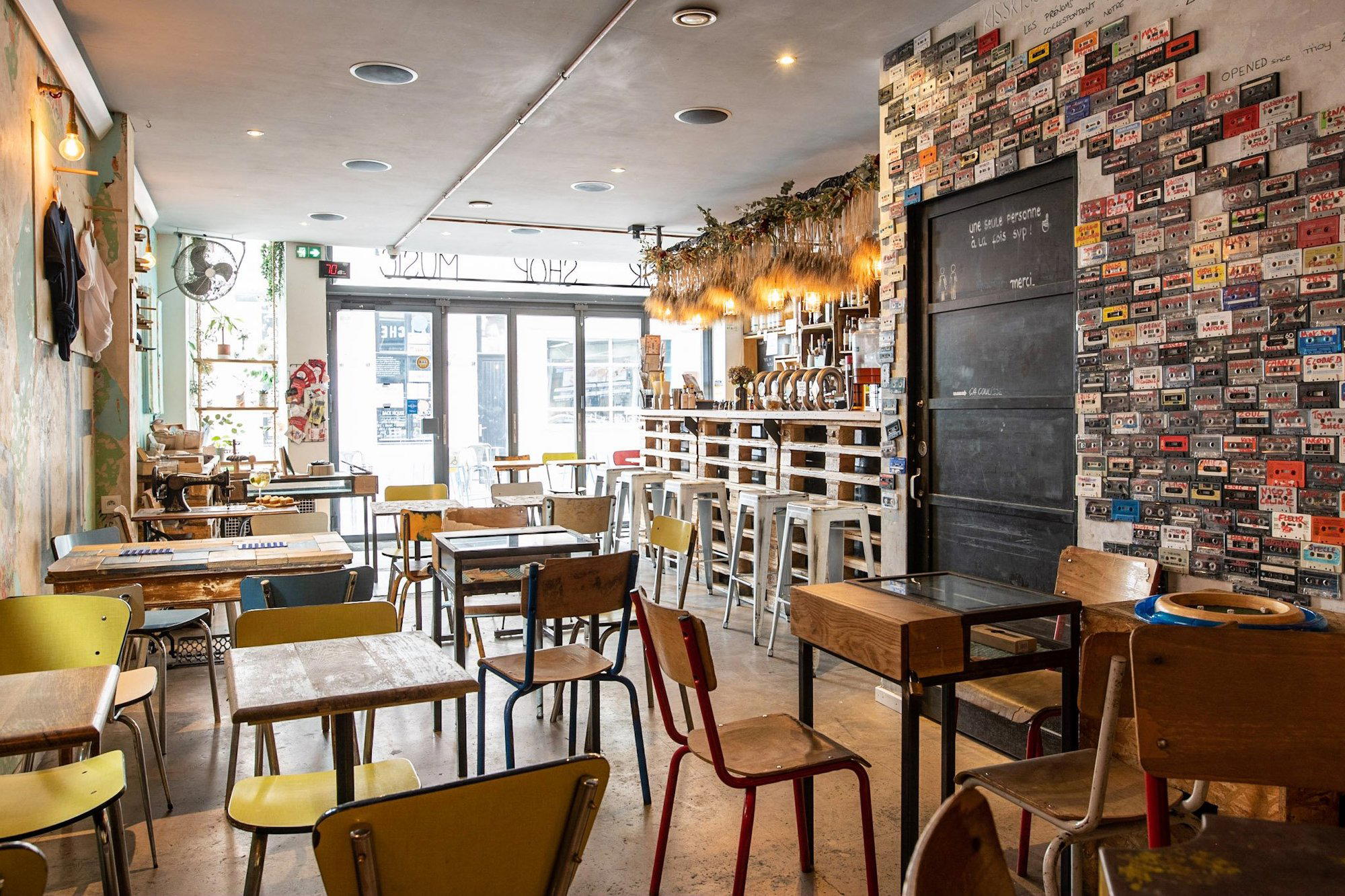
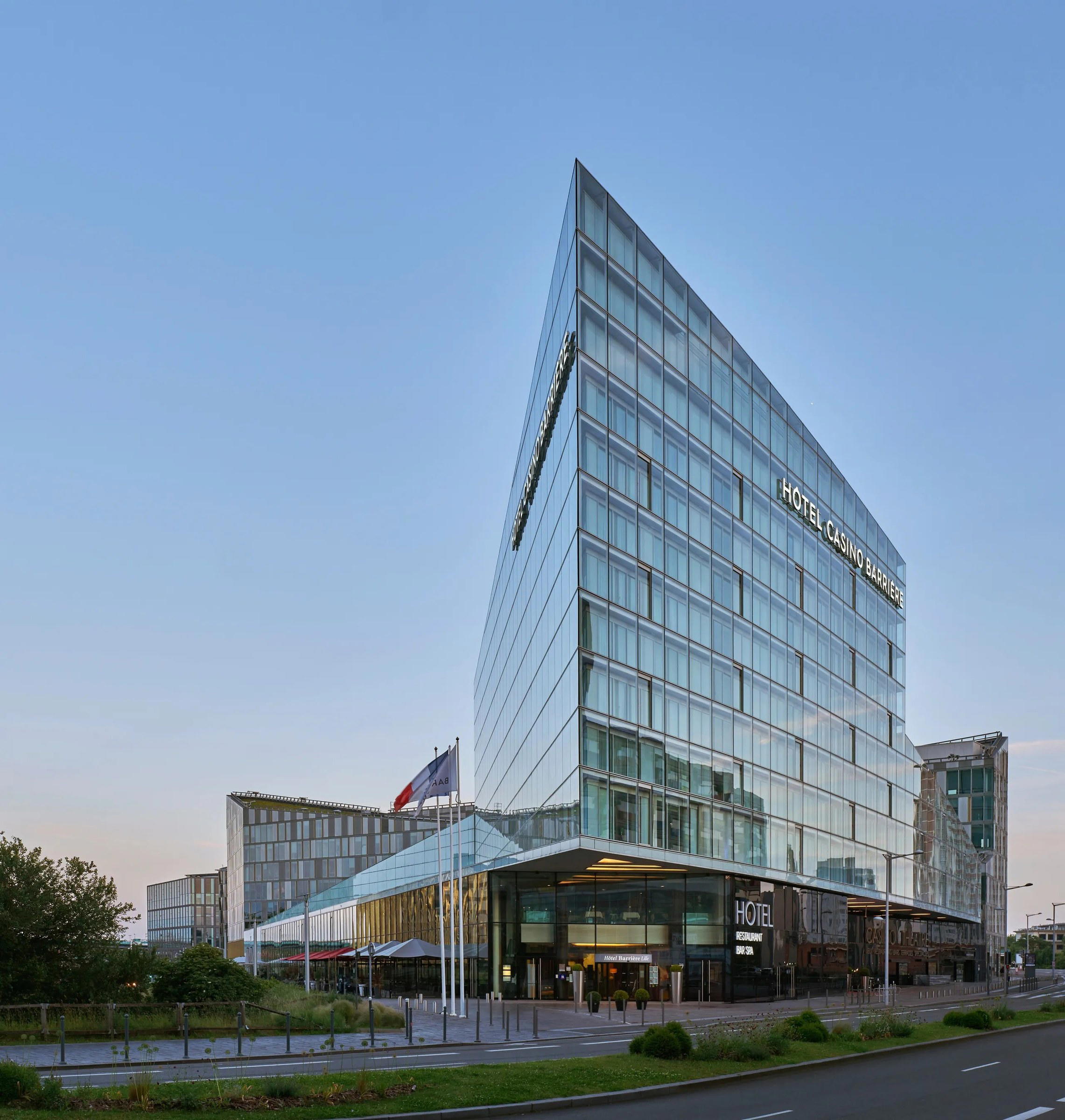
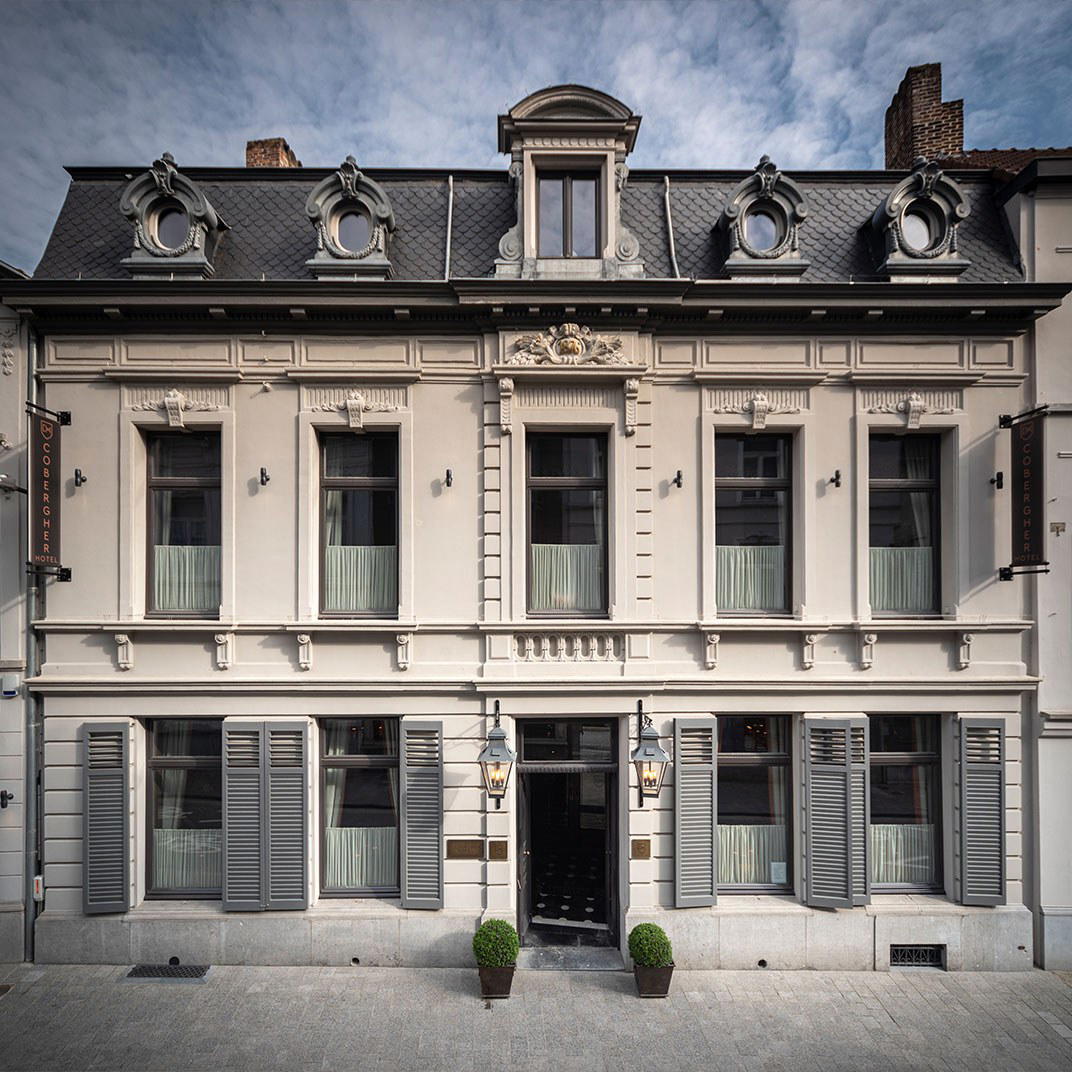
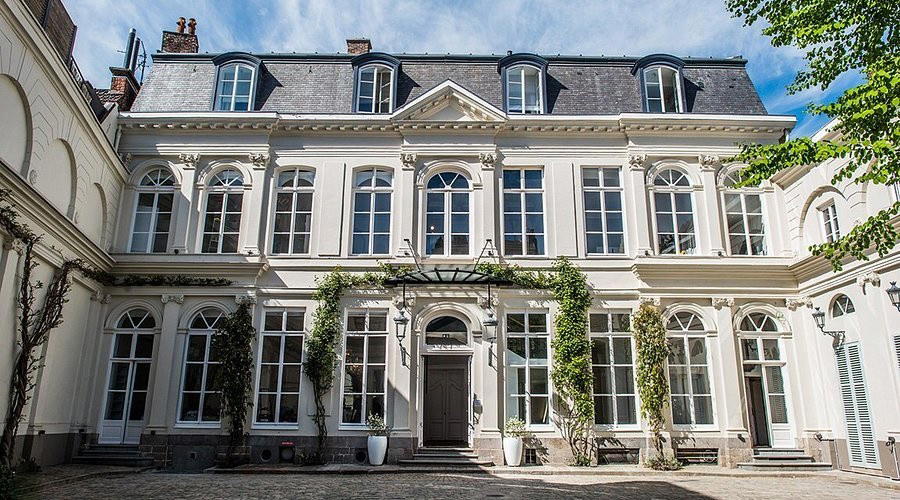
Hotels in Roncq
Browse all →
Wineries in Roncq
Browse all →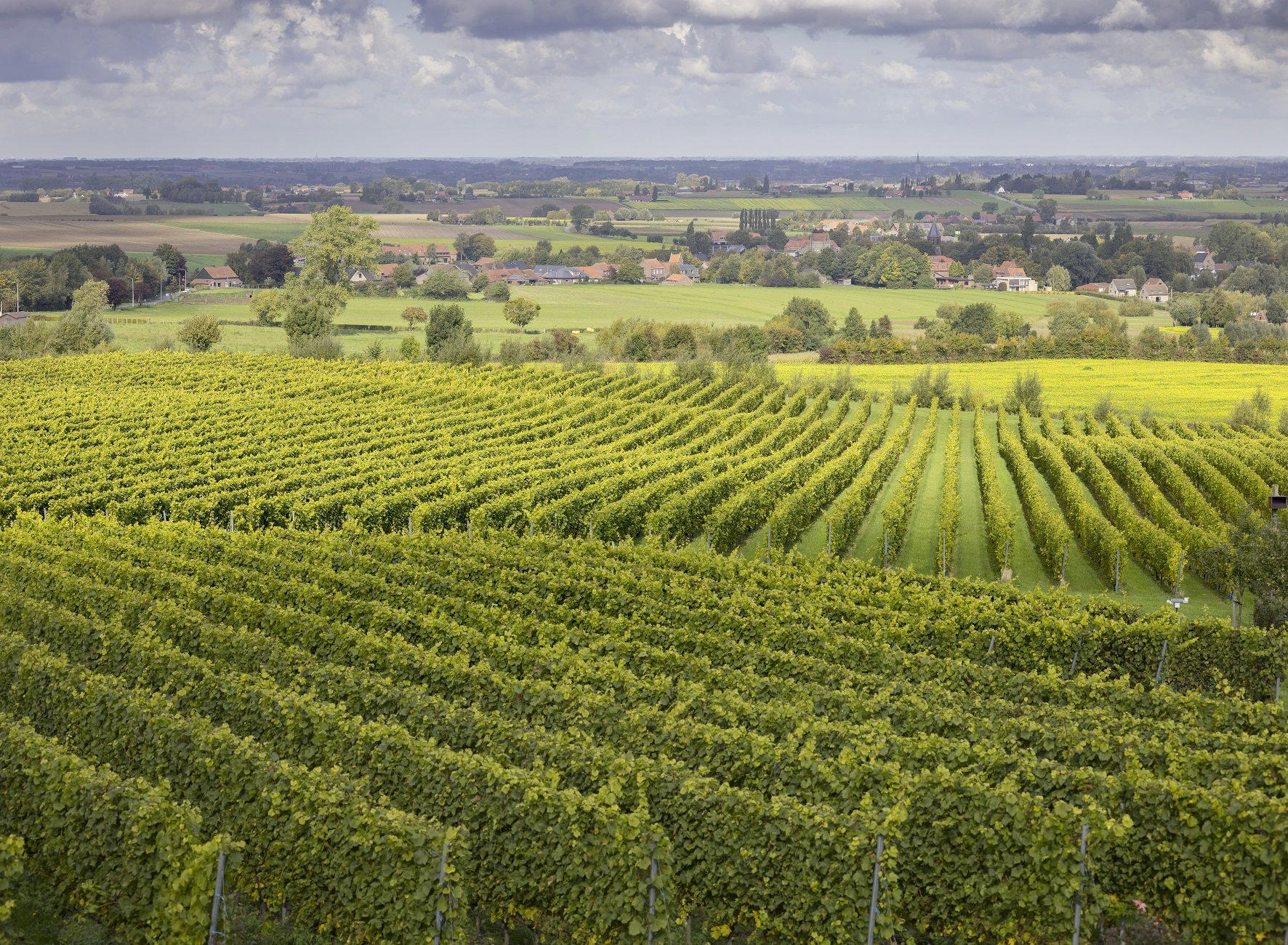
Details
- Cozy
- Rustic
- Family
- Casual Hangout
- Brunch
- Terrace
- Local Sourcing
- Garden
- Set Menu
Current opening hours
- Monday
- Closed
- Tuesday
- 10 AM–6 PM
- Wednesday
- 9 AM–6 PM
- Thursday
- 9 AM–6 PM
- Friday
- 9 AM–6 PM
- Saturday
- 10 AM–6 PM
- Sunday
- Closed
Hours can change for holidays and private events. Hours as of .
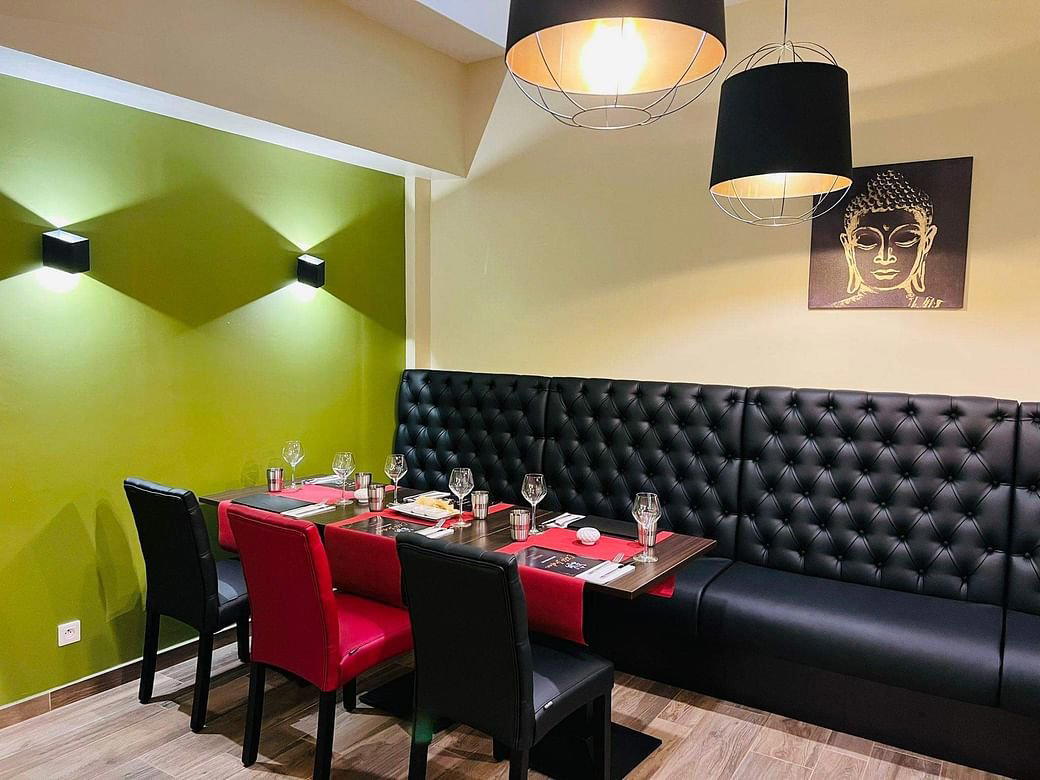
Warm, home-like 60s-70s decor with background music and a small garden terrace.