L'Âme au Vert occupies a quiet address in Avelin, a village in the Nord-Pas-de-Calais corridor south of Lille, where ingredient sourcing in this part of northern France draws on market gardens, estuary produce, and farmland that rarely appears in Parisian restaurant narratives. The kitchen works within a regional tradition that values proximity and season over spectacle, placing it in a distinct tier of French provincial dining.
Pearl is the En Primeur Club membership app — saves, bookings, and concierge access live there. Same editors, same standards.
- Address
- 14 Rue de la Becque, 59710 Avelin, France
- Phone
- +33681086758
- Website
- lameauvert.com
- Directions
- Get directions
 Saves & bookings on Pearl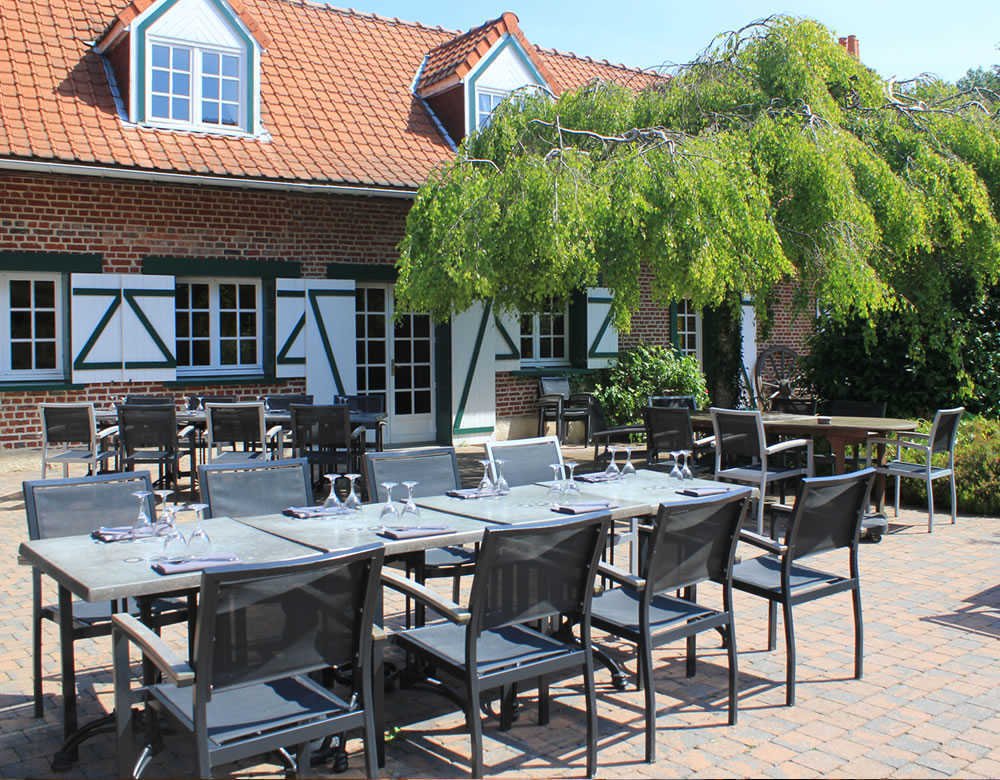
Avelin and the Northern French Table
The agricultural zone between Lille and the Hainaut border has long supplied produce to urban kitchens without receiving much credit for it. Avelin sits inside that corridor, a village of a few thousand residents where the surrounding farmland, waterways, and market gardens define what ends up on local tables more than any imported ingredient trend. Dining in this part of northern France means engaging with a regional pantry that is genuinely different from what drives menus in Lyon, Marseille, or Paris: chicory in its many forms, freshwater fish from sluggish Flemish rivers, root vegetables that reach complexity through soil and climate rather than technique alone. L'Âme au Vert, at 14 Rue de la Becque, is a French Regional Bistro in Avelin, France, and is set within that context rather than against it.
The northern French dining tradition is frequently underrepresented in the broader conversation about French gastronomy, which tends to orbit the Michelin constellations of houses like Alléno Paris au Pavillon Ledoyen, Mirazur in Menton, or the multi-generational authority of Troisgros in Ouches. Provincial restaurants in the Nord department operate in a different register: closer to their suppliers by necessity, less theatrical in presentation, and often more consistent in the things that matter most to a regular diner. That structural proximity to source is not a consolation prize for lacking urban scale; it is, in a sensible reading of French culinary geography, an advantage.
What the Address Signals
Walking toward a restaurant on a village road in rural Nord tells you something before you reach the door. There is no urban noise to compete with, no foot traffic generating ambient energy from the street, and no cluster of competing restaurants providing the comparative framing that urban diners rely on. The physical environment asks the kitchen to do more of the work. Restaurants that survive and build a reputation in this kind of setting do so through repeat local custom, word of mouth across the wider Lille metropolitan area, and a kitchen offer specific enough to justify a drive out from the city. L'Âme au Vert at its Rue de la Becque address positions itself for exactly that audience: a diner willing to leave Lille's arrondissements for something that the city cannot easily replicate.
For context on how French restaurants at this geographic remove from major cities have built lasting reputations, consider the model set by Auberge du Vieux Puits in Fontjoncouse or Georges Blanc in Vonnas: deep rootedness in local supply, a guest experience that rewards the journey, and a menu architecture that reflects place rather than trend. L'Âme au Vert occupies a much quieter tier of recognition than those addresses, but the logic of its location fits the same pattern.
Ingredient Sourcing in the Nord
Northern France's culinary identity is built on ingredients that require patience and context to appreciate fully. The region's agriculture is not glamorous in the way that Provence's market produce or Brittany's seafood tends to be, but it is genuinely distinctive. Endive, the white-leafed chicory cultivated in darkened cellars across the Hauts-de-France region, is one recognizable example: bitter, structured, and capable of substantial transformation in the hands of a kitchen that understands it. Maroilles, the pungent washed-rind cheese from the Avesnois area southeast of Avelin, provides a strong regional flavor anchor that appears across the local cooking tradition from tarts to sauces. Freshwater species from the Scarpe and Deûle river systems offer protein options that coastal or Parisian kitchens rarely work with at any depth.
Restaurants in this part of France that take sourcing seriously operate close to a network of small-scale farmers and market producers centered on the Lille metropolitan wholesale and retail markets. The distance between field and plate in rural Avelin can be considerably shorter than in kitchens that import produce from southern France or abroad, not because of ideology but because of geography. That compression in the supply chain tends to produce menus that shift more noticeably with the season and that rely on fewer preservation techniques to maintain quality. It is the kind of sourcing discipline that Bras in Laguiole brought international attention to through its relationship with the Aubrac plateau's wild herbs and plants, and that La Marine in Noirmoutier applies through hyperlocal Atlantic and island produce. The northern French version of that same instinct is less visible internationally, but no less coherent as a culinary position.
Where It Sits in the French Provincial Dining Picture
France's most recognized provincial restaurants tend to cluster around the gastronomic corridors of Lyon, Alsace, the Basque Country, and the Mediterranean coast. The north is represented in that picture by fewer marquee names, which creates space for restaurants like L'Âme au Vert to occupy a meaningful local role without competing directly against houses like Auberge de l'Ill in Illhaeusern or Assiette Champenoise in Reims for the same audience. The guest coming to Avelin from Lille is making a different kind of choice than the guest crossing borders for a three-star pilgrimage. For comparison on what ingredient-driven precision can look like at high altitude in the French tradition, Flocons de Sel in Megève provides a useful reference point, as does the coastal sourcing focus at Christopher Coutanceau in La Rochelle.
At the international end of the French culinary spectrum, kitchens like AM par Alexandre Mazzia in Marseille or the technical ambition of Paul Bocuse's Auberge du Pont de Collonges define a register that provincial restaurants are not competing with. Equally, French-trained cooking that has migrated to cities like New York, represented by kitchens such as Le Bernardin or the Korean-French fusion at Atomix, and even Au Crocodile in Strasbourg or L'Oustau de Baumanière in Les Baux, marks out how wide the field of French cooking actually runs. The restaurant operates at neither extreme of that spectrum. Its reference group is the well-run regional French restaurant that serves a local and metropolitan audience, sources with care, and builds a menu around what northern France actually produces.
Planning a Visit
Avelin is approximately 20 kilometres south of Lille, reachable by car in under 30 minutes from the city centre under normal conditions. The village is not served by direct rail, making a car the practical option for most visitors. Reservations are recommended. Avelin itself has limited accommodation options, which makes it a logical dinner destination for visitors already based in Lille rather than a standalone overnight destination.
A Quick Peer Check
Comparable venues nearby, for context on price, style, and recognition.
| Venue | Cuisine | Price | Notes |
|---|---|---|---|
| L'Âme au VertThis venue — the venue you are viewing | French Regional Bistro | $$$ | Not listed |
| La Table du Colysée | Modern French Bistro | $$$ | Lambersart |
| La Fleur de Lille | Creative French Bistro | $$$ | Vieux Lille 2 |
| Le Tableau | Modern French Semi-Gastronomic | $$$ | Centre-ville |
| L'inattendu | French Bistronomy | $$$ | Chauny |
| La Flambée | Traditional French Grill Restaurant | $$$ | Villers-Pol |
Continue exploring
More in Avelin
Restaurants in Avelin
Browse all →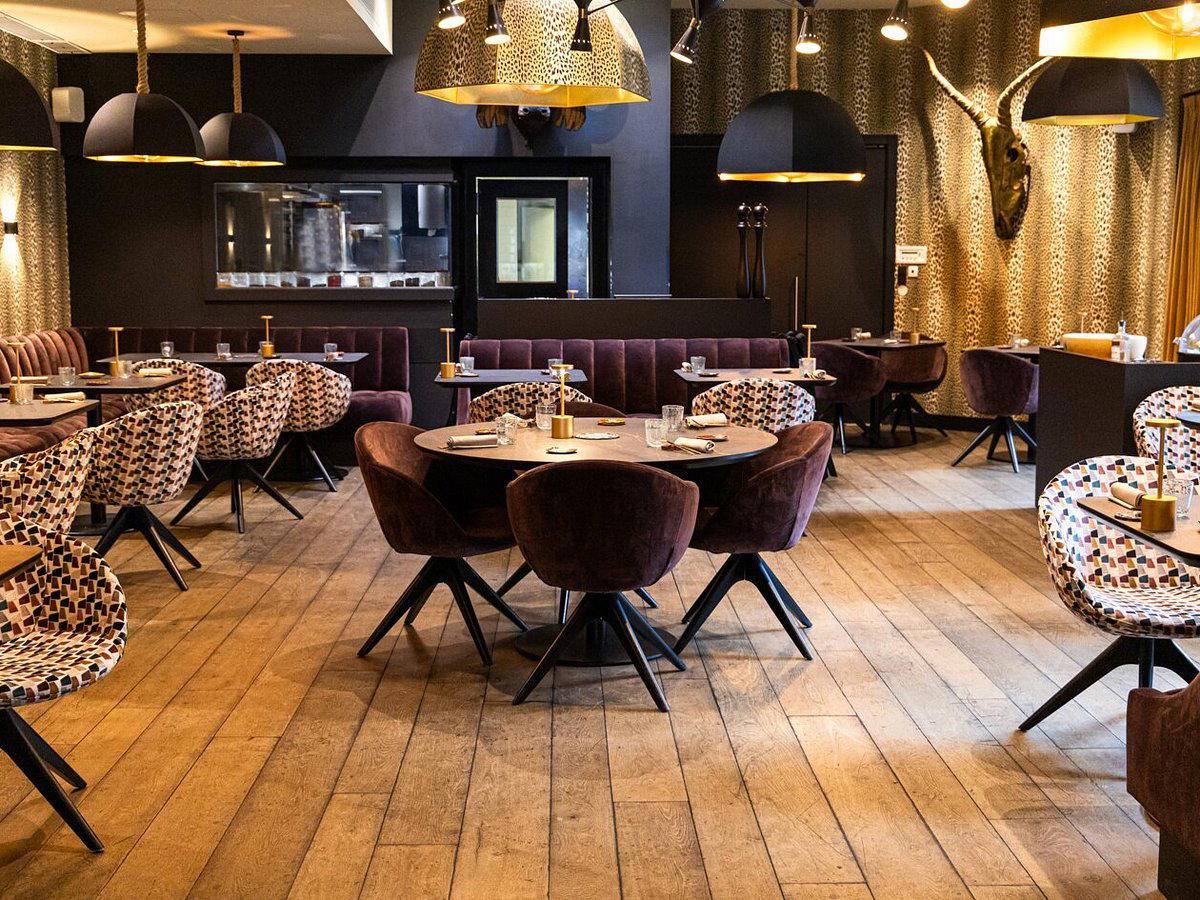
Bars in Avelin
Browse all →
Hotels in Avelin
Browse all →
Wineries in Avelin
Browse all →
At a Glance
- Rustic
- Cozy
- Elegant
- Family
- Special Occasion
- Garden
- Terrace
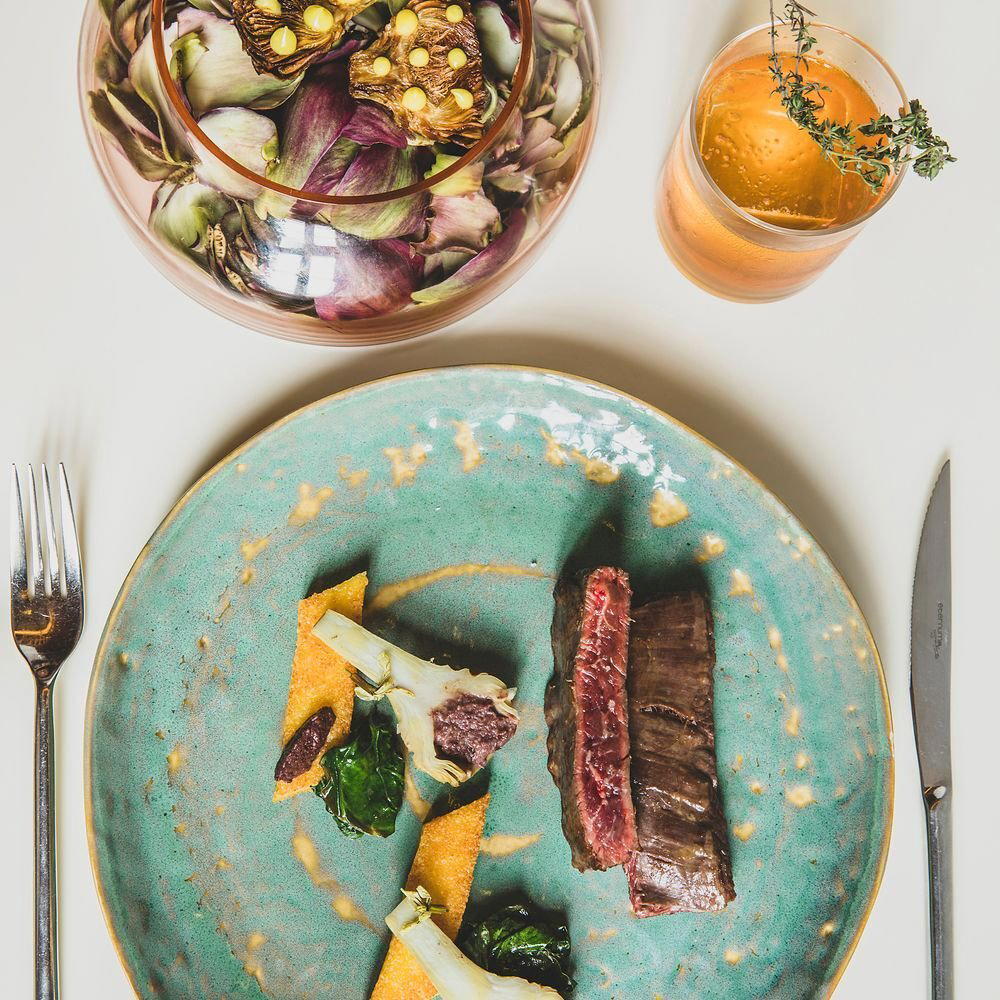
- Local Sourcing
- Garden
Current opening hours
- Monday
- Closed
- Tuesday
- 12–3 PM, 7–11:30 PM
- Wednesday
- 12–3 PM, 7–11:30 PM
- Thursday
- 12–3 PM, 7–11:30 PM
- Friday
- 12–3 PM, 7–11:30 PM
- Saturday
- 12–3 PM, 7–11 PM
- Sunday
- 11 AM–4 PM
Hours can change for holidays and private events. Last verified .
Lovely country house atmosphere in a red brick farmhouse with garden terrace, ideal for relaxed family and friends dining in a rural setting.