Our verdict
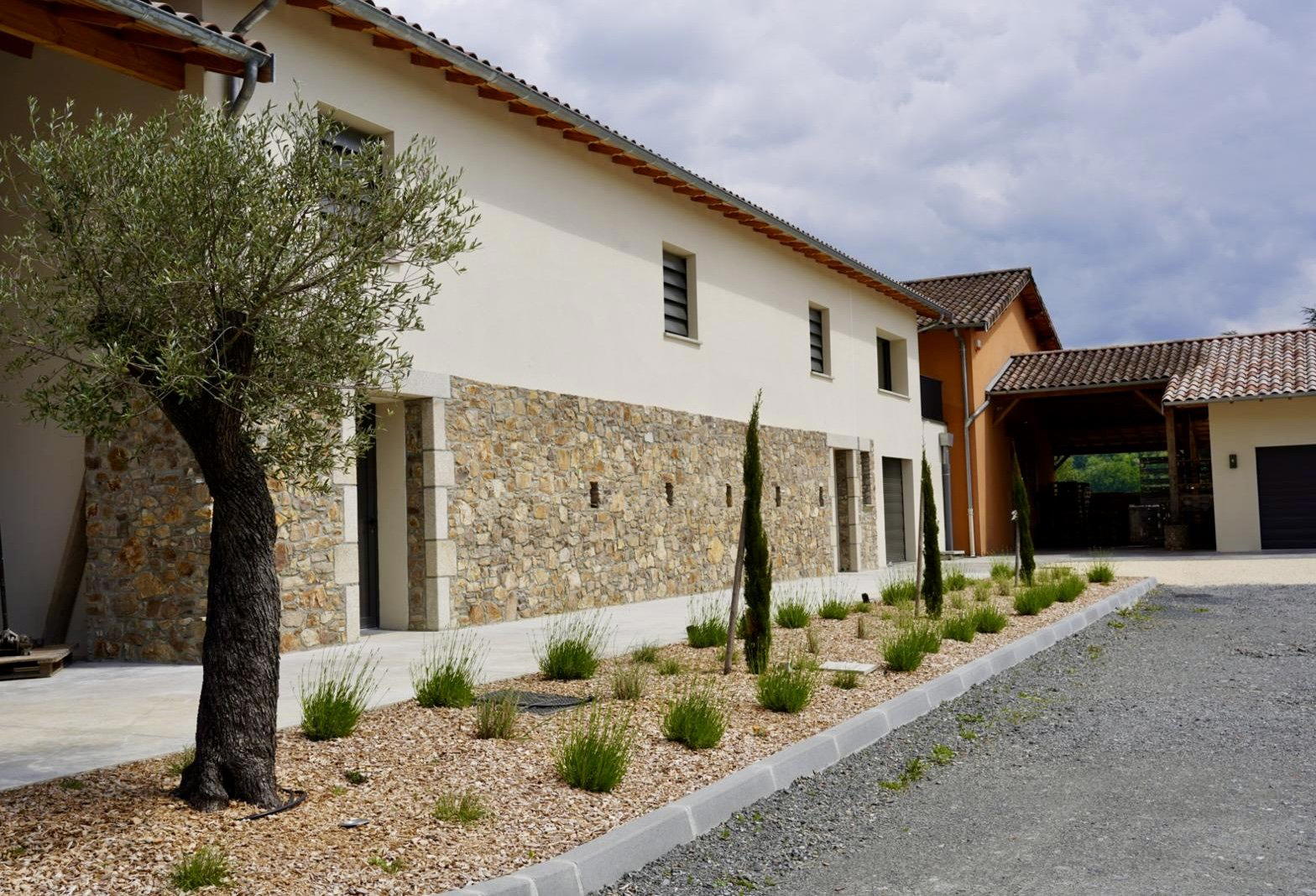
Le Talluy sits in the quiet village of Taluyers, south of Lyon, at an address that signals proximity to the Rhône Valley's farm and vineyard belt rather than the urban dining circuit. The setting places it within a tradition of French country restaurants where the distance from city infrastructure is the point, not the obstacle. Ingredient provenance and regional rootedness define the experience here.

Pearl is the En Primeur Club membership app — saves, bookings, and concierge access live there. Same editors, same standards.
- Address
- 144 Rue du Pensionnat, 69440 Taluyers, France
- Phone
- +33478191900
- Website
- letalluy.com
- Directions
- Get directions
A Village Address, a Regional Argument
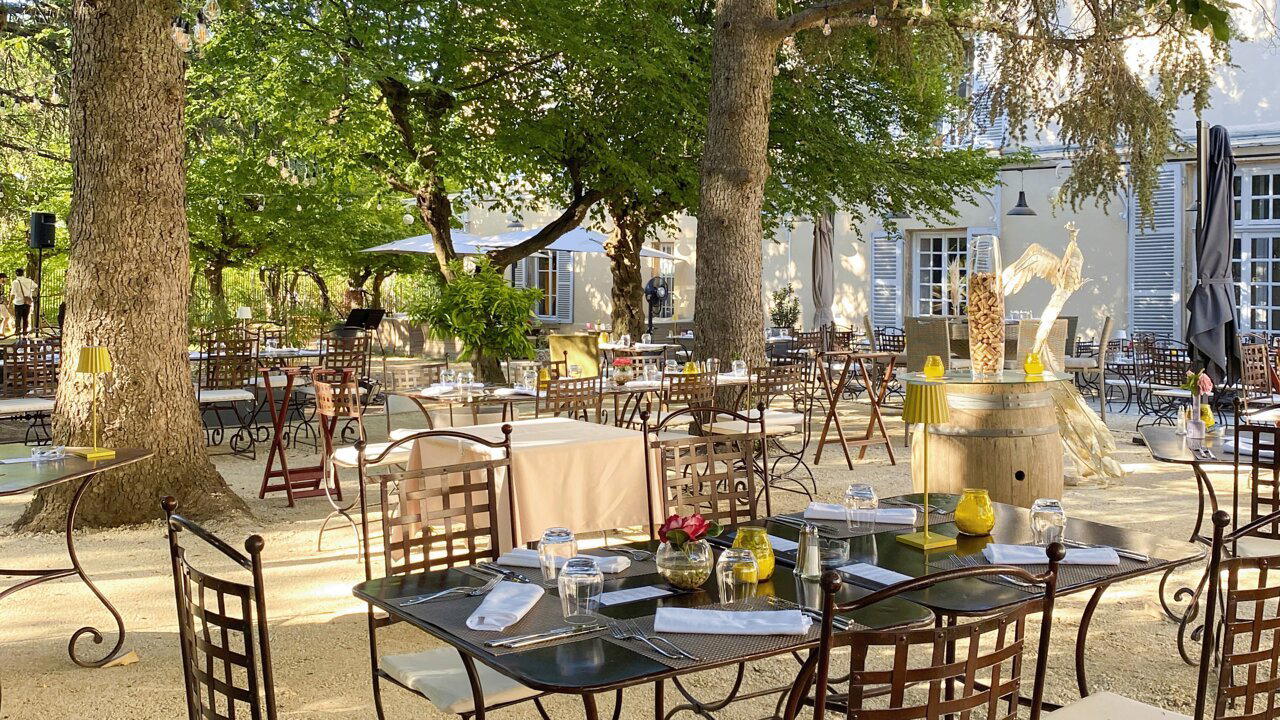
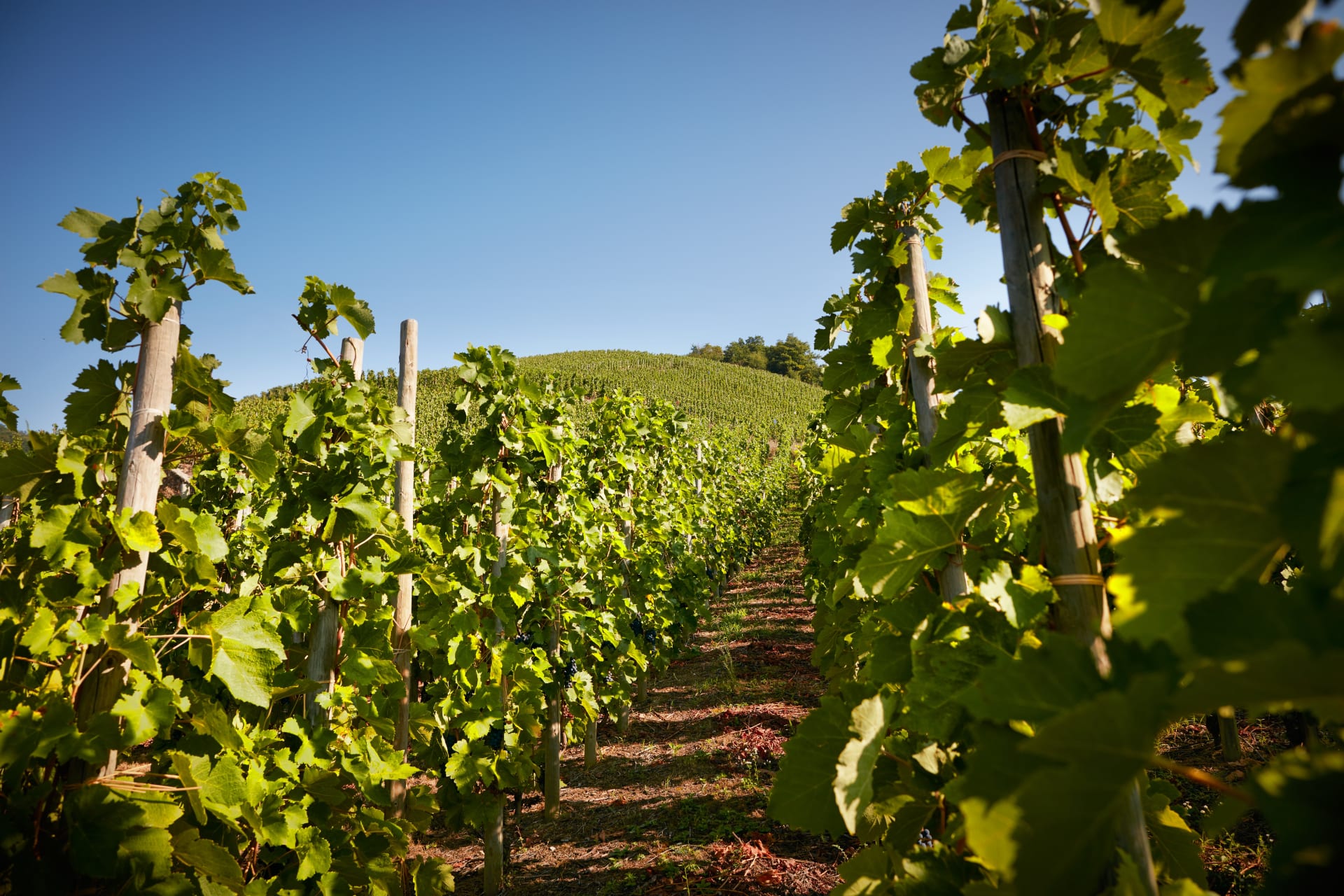
The drive south from Lyon toward Taluyers takes you through a corridor of the Rhône Valley that most visitors pass without stopping. The Coteaux du Lyonnais hills roll westward, small farms and orchards interrupt the vineyards, and the villages along the route operate at a pace that has little in common with the city's bouchon circuit. Le Talluy, at 144 Rue du Pensionnat in Taluyers, sits inside that geography rather than despite it. This is not a restaurant that happens to be in the countryside; the countryside is the operating premise.
That distinction matters because it positions Le Talluy within a specific tradition in French regional dining: the table de campagne that earns its legitimacy through proximity to producers rather than through the density of the urban dining market. France has a long lineage of addresses that made that argument convincingly. Bras in Laguiole built an entire philosophy around the Aubrac plateau's botanicals. Auberge du Vieux Puits in Fontjoncouse reached three Michelin stars from a village of under two hundred people. The pattern is consistent: remote address, tight producer network, cooking that reads as an argument for a specific place. Le Talluy operates within that tradition, though at a local rather than destination-pilgrimage scale.
The Rhône Valley as Larder
Taluyers sits at the northern edge of what the French call the Drôme-Ardèche-Isère triangle, a band of agricultural territory that supplies Lyon's kitchens with a disproportionate share of their raw material. Poulet de Bresse arrives from the north. Charolais beef moves down from the Saône plain. The Pilat massif to the southwest produces mushrooms and wild herbs that appear on Lyon's menus from autumn through winter. Closer still, the Coteaux du Lyonnais appellation produces Gamay and Chardonnay that rarely travel far from the table where they were poured.
For a restaurant in this location, proximity to those supply chains is the structural advantage. The farms that would require a special order and a cold-chain arrangement for a Lyon address are, in many cases, accessible within a short drive from Taluyers. That compression of distance between field and plate is exactly the condition that the leading French country cooking has always exploited. Georges Blanc in Vonnas built a Michelin three-star reputation partly on the same logic: control the sourcing geography, and the kitchen's margin for expression widens considerably.
It is also the condition that separates this tier of regional cooking from the high-formalism of the Paris circuit. At Alléno Paris au Pavillon Ledoyen or Assiette Champenoise in Reims, sourcing is a deliberate editorial act, a choice made against competing pressures. In the Rhône Valley villages, it is simply the path of least resistance.
Lyonnais Context Without Lyonnais Competition
Lyon's reputation as France's gastronomic capital rests partly on the density of its dining options and partly on the quality of its supply region. Both arguments are available to restaurants within the greater Lyon basin, and Taluyers is firmly within that basin. The village sits roughly twenty kilometres south of Lyon's centre, which puts it outside the city's competitive noise but inside its ingredient geography.
That positioning gives a restaurant like Le Talluy a useful structural clarity. It does not compete with the bouchons of the Presqu'île or with the technically ambitious tables that have emerged in Lyon's first and sixth arrondissements. It competes, instead, with the small number of country tables that serious Lyon diners drive to on weekends when they want cooking that feels tied to where it comes from rather than to where it might appear in a ranking. That is a narrower competitive set, but it is also a more loyal one.
For comparison, the French restaurants that have made the strongest cases for terroir-led cooking outside the city often do so from exactly this kind of in-between geography: close enough to draw from urban clientele, far enough to access the supply networks that city restaurants can only approximate. Troisgros in Ouches relocated from Roanne precisely to deepen that relationship between table and land. Mirazur in Menton operates its own kitchen garden as a sourcing anchor. The logic scales from three-star institutions down to village restaurants: the argument for place-based cooking requires actual place.
What the Address Tells You
French diners who follow the regional table circuit read addresses carefully. Taluyers is not a name that carries the immediate recognition of, say, Collonges-au-Mont-d'Or, where Paul Bocuse's Auberge du Pont de Collonges functions as a historical landmark. Nor does it carry the coastal cachet of Christopher Coutanceau in La Rochelle or the Alpine elevation of Flocons de Sel in Megève. What it carries is the quiet credibility of the Lyonnais hinterland: a region where the food supply is excellent, the restaurant tradition runs deep, and the audience tends to know what it is looking for.
For visitors to the Lyon region who want to extend their dining beyond the city's centre, the villages of the Coteaux du Lyonnais represent a different register of the same culinary culture. The cooking in these rooms tends to be less theatrical than what you find at destination tables like AM par Alexandre Mazzia in Marseille or La Marine in Noirmoutier-en-l'île, and more directly concerned with what is in season within a short radius. That is a different kind of ambition, not a lesser one.
For a broader view of where Le Talluy fits within Taluyers' dining options, see our full Taluyers restaurants guide.
Planning Your Visit
Taluyers is accessible by car from Lyon in under thirty minutes, following the A7 motorway south before cutting west into the Coteaux du Lyonnais. There is no practical public transport connection from Lyon's centre to the village, which makes the drive the default approach for most visitors. Given the village setting, an evening visit pairs naturally with a stay in the Lyon area rather than a dedicated trip from further afield, though the Rhône Valley itself offers accommodation options at several quality tiers for those building a regional itinerary.
Frequently asked questions
Is Le Talluy good for families?
Taluyers is a small village commune in the 69440 postcode, and Le Talluy's address on Rue du Pensionnat places it well outside the pace of city dining. That village setting tends to suit a relaxed meal with children more readily than a tightly-paced urban restaurant.
What's the overall feel of Le Talluy?
Le Talluy occupies a village address in Taluyers, roughly thirty minutes south of Lyon along the A7 before cutting west into the Coteaux du Lyonnais hills. The surrounding territory is agricultural France at its least performative: wine country, produce supply routes, and a dining culture that operates without the competitive density of Lyon proper. The register here reads as regional table rather than destination spectacle.
How far is Le Talluy from Lyon, and is it worth the drive from the city?
Le Talluy sits at 144 Rue du Pensionnat in Taluyers, a commune in the Coteaux du Lyonnais appellation zone, reachable from Lyon in under thirty minutes by car via the A7 motorway south. For diners who follow the regional table circuit rather than staying within Lyon's restaurant density, a village address like Taluyers offers a different frame: produce-driven cooking in its source territory rather than its export market.
Side-by-Side Snapshot
| Venue | Cuisine | Price | Awards | Notes |
|---|---|---|---|---|
| Le TalluyThis venue — the venue you are viewing | Refined French Cuisine | $30–50 | Not listed | Not listed |
| Alléno Paris au Pavillon Ledoyen | Modern French Fine Dining | $150–200 | 3 Michelin Stars · World's 50 Best #79 | Creative |
| Kei | Modern French with Japanese Influences | $300–500 | 3 Michelin Stars · World's 50 Best #93 | Contemporary French, Modern Cuisine |
| L'Ambroisie | Classic French Haute Cuisine | $300–500 | 2 Michelin Stars · World's 50 Best #23 | French, Classic Cuisine |
| Le Cinq - Four Seasons Hôtel George V | Modern French Fine Dining | $300–500 | 3 Michelin Stars · World's 50 Best #24 | French, Modern Cuisine |
| Mirazur | Modern French Fine Dining | $300–500 | 3 Michelin Stars · World's 50 Best #1 | Modern French, Creative |
Continue exploring
More in Taluyers
Restaurants in Taluyers
Browse all →
Bars in Taluyers
Browse all →
Hotels in Taluyers
Browse all →

Details
- Scenic
- Classic
- Elegant
- Rustic
- Quiet
- Special Occasion
- Celebration
- Family
- Group Dining
- Business Dinner
- Private Event
- Historic Building
- Garden
- Terrace
- Private Dining
- Hotel Restaurant
- Extensive Wine List
- Local Sourcing
- Garden
- A La Carte
A calm, green, historic setting outside Lyon with a warm, convivial atmosphere, professional service, and refined presentation.