Positioned along the Chemin de la Glacière in Chamonix-Mont-Blanc, Restaurant La Crèmerie du Glacier sits within one of the Alps' most storied mountain dining corridors. The address places it close to the glacier approaches that define this part of Haute-Savoie, making it a reference point for visitors orientating themselves around Chamonix's wider restaurant scene.
Pearl is the En Primeur Club membership app — saves, bookings, and concierge access live there. Same editors, same standards.
- Address
- 766 Chem. de la Glacière, 74400 Chamonix-Mont-Blanc, France
- Phone
- +33 4 50 54 07 52
- Website
- lacremerieduglacier.fr
- Directions
- Get directions
 Saves & bookings on Pearl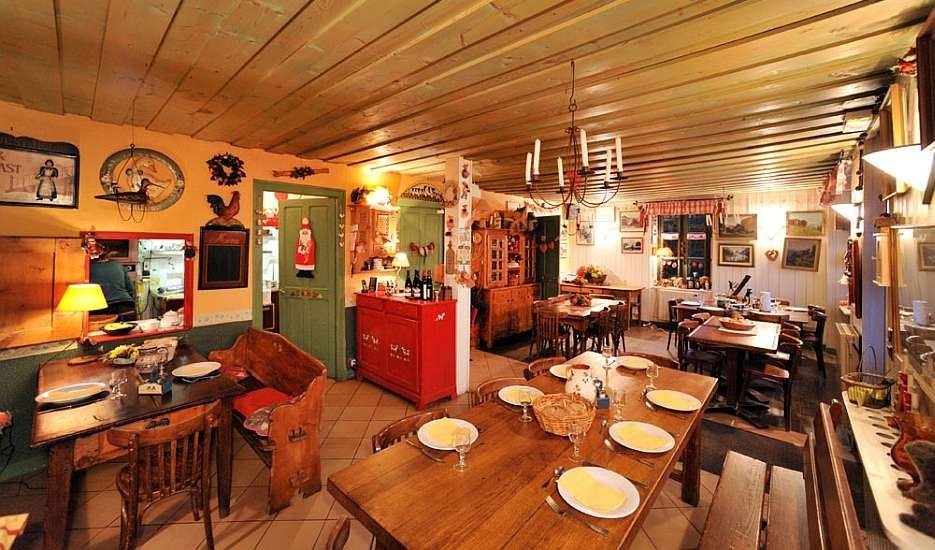
Where the Glacier Road Meets the Table
The Chemin de la Glacière in Chamonix is not a street that rewards casual wandering. It runs with purpose toward the ice, and the restaurants along it tend to reflect that directness: they exist for people who have been somewhere and need to eat well, or for those deliberately making the road itself the destination. Restaurant La Crèmerie du Glacier sits at address 766 on that corridor, in a part of Chamonix-Mont-Blanc where the built environment thins out and the mountain asserts itself more forcefully than it does in the centre of town.
Chamonix has always occupied an unusual position in France's dining geography. It is an alpine resort, which means its restaurants must serve a transient population of skiers, hikers, and climbers across a season that now extends well into summer, while simultaneously maintaining enough consistency to hold local regulars and returning guests year after year. That tension between seasonality and continuity shapes the character of nearly every serious dining room in the valley. For context on how the broader scene handles this, our full Chamonix restaurants guide maps the valley's options across formats and price points.
The Collaborative Register of Alpine Service
In mountain dining rooms across Haute-Savoie, the relationship between kitchen, floor, and cellar tends to operate differently than in urban fine dining. The team dynamic at a place like this is shaped as much by the rhythm of the mountain season as by any formal brigade hierarchy. When a dining room sits close to a major natural landmark, the front-of-house carries additional interpretive weight: guests arrive with context, with stories, with physical exhaustion or exhilaration, and the floor team absorbs and responds to all of it. The name La Crèmerie du Glacier signals a particular lineage, one rooted in the dairy and cheese traditions of the high Alps, where a crèmerie historically meant a place of honest, direct nourishment rather than elaborate ceremony.
That framing, if the kitchen honours it, places the venue in a different conversation than the white-tablecloth mountain restaurants that have proliferated as Chamonix's international profile has grown. Savoyard cuisine at its most coherent is a team exercise: the cheeses that anchor the leading boards in this region require a sommelier or server who understands the pairing logic of local whites, the reblochon-to-Roussette relationship, the way a Chignin-Bergeron cuts through a tartiflette. Whether that depth of service exists here is a question the room itself will answer. What the address suggests is that the kitchen and floor are working in a context where the surrounding landscape sets the expectations, and the team either rises to that or is measured against it.
This kind of collaborative floor-and-kitchen dynamic is most visible at the higher end of the Chamonix spectrum, places like Le 3842, which operates at altitude and where the logistics of service become part of the experience, or at La Cabane Des Praz, which holds its own identity in the Praz neighbourhood. Even at more casual formats like Burger Poco Loco, the team dynamic is visible in how floor staff manage the pace of a high-turnover crowd. La Crèmerie du Glacier, by name and location, positions itself somewhere between those registers.
Savoyard Tradition and Its French Context
Haute-Savoie is one of the few French regions where the cuisine is still primarily defined by altitude and climate rather than by proximity to a major urban culinary culture. The dishes that travel internationally from this region, raclette, fondue, tartiflette, diots au vin blanc, are built around ingredients that were historically available at elevation: cured meats, root vegetables, alpine cheeses, lake fish. That is not a limiting framework. It is a specific one, and restaurants that work within it seriously tend to produce food with a coherence that more eclectic menus struggle to achieve.
France's most decorated mountain dining sits in this broader alpine corridor. Flocons de Sel in Megève, less than an hour south, holds three Michelin stars and represents the upper ceiling of what Haute-Savoie dining can achieve when the classical French brigade meets serious alpine product. That ceiling contextualises everything below it. Further afield, rooms like Auberge de l'Ill in Illhaeusern and Bras in Laguiole demonstrate how French regional dining, when it commits to place and product, can build a reputation that sustains across generations. La Crèmerie du Glacier operates at a different scale, but the regional logic is the same: the address anchors the kitchen, and the kitchen should answer to it.
It is also worth noting the degree to which Chamonix has resisted becoming purely a satellite of Parisian fine dining culture. Unlike some Alpine resorts where urban chefs open seasonal outposts, the valley's more durable restaurants tend to have identities rooted in the place itself. That is true of La Calèche, one of the valley's more established addresses, and it is the template against which newer or less-documented rooms are read. The Crèmerie name on this address is a commitment, explicit or not, to a version of Chamonix hospitality that prioritises the local over the imported.
For those building a wider picture of what serious French dining looks like at the top of its range, the roster is long: Mirazur in Menton, Alléno Paris au Pavillon Ledoyen, Troisgros in Ouches, Paul Bocuse in Collonges-au-Mont-d'Or, Les Prés d'Eugénie in Eugénie-les-Bains, Georges Blanc in Vonnas, and La Table du Castellet. Internationally, the comparable team-led dining model appears at rooms like Le Bernardin in New York and Lazy Bear in San Francisco, where the floor and kitchen operate as a visible, integrated unit rather than separate departments.
Planning a Visit
Restaurant La Crèmerie du Glacier is located at 766 Chemin de la Glacière, Chamonix-Mont-Blanc, Haute-Savoie. The address sits outside the main pedestrian centre of Chamonix, which means arriving by car or taxi is the practical approach, particularly for dinner. The Crèmerie du Glacier address itself is worth cross-referencing, as naming conventions in this part of the valley can create confusion between adjacent or related operations. A visit in peak season, July to August for summer and December to March for ski season, is most likely to find the kitchen at full operation, though shoulder season visits can offer a quieter room and, often, more attentive service.
Continue exploring
More in Chamonix
Restaurants in Chamonix
Browse all →
Bars in Chamonix
Browse all →
Hotels in Chamonix
Browse all →
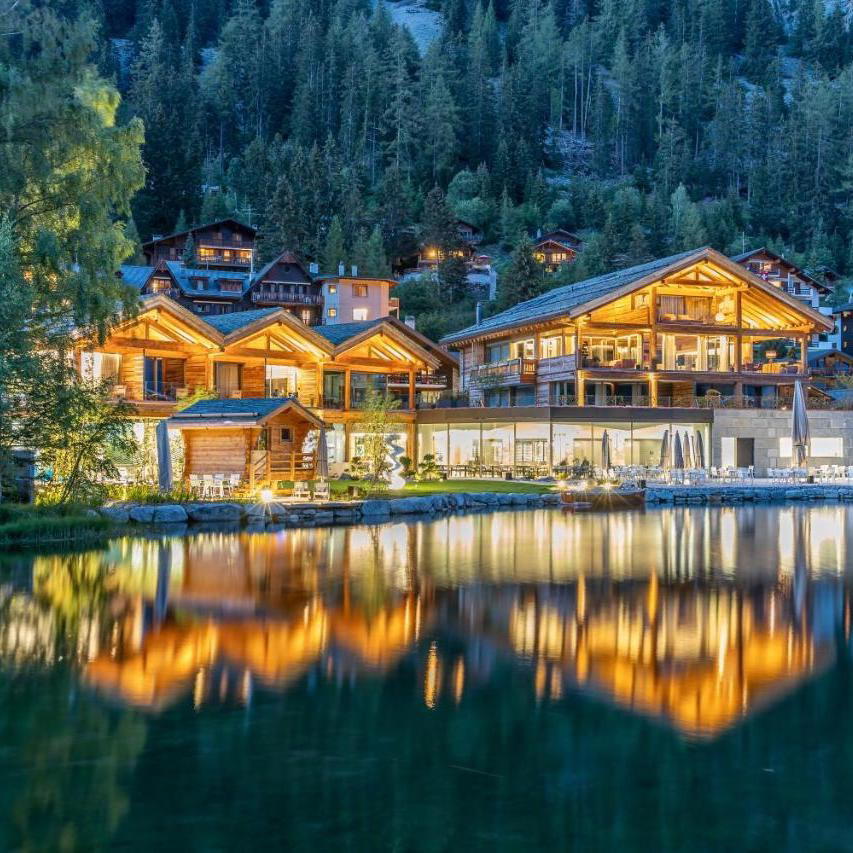
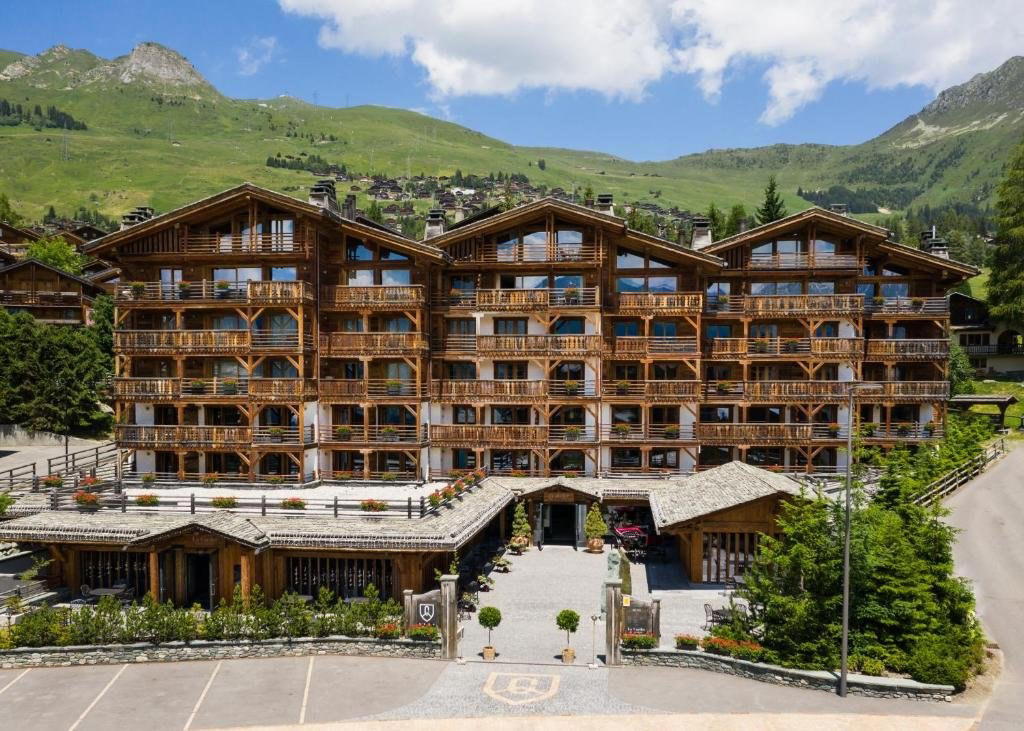
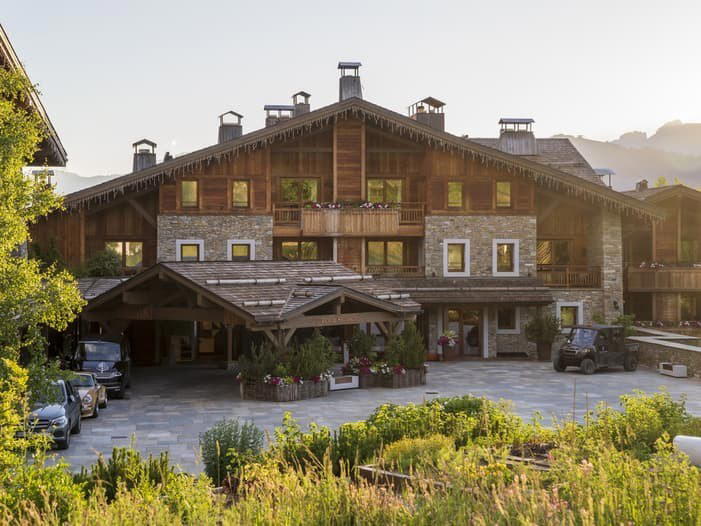
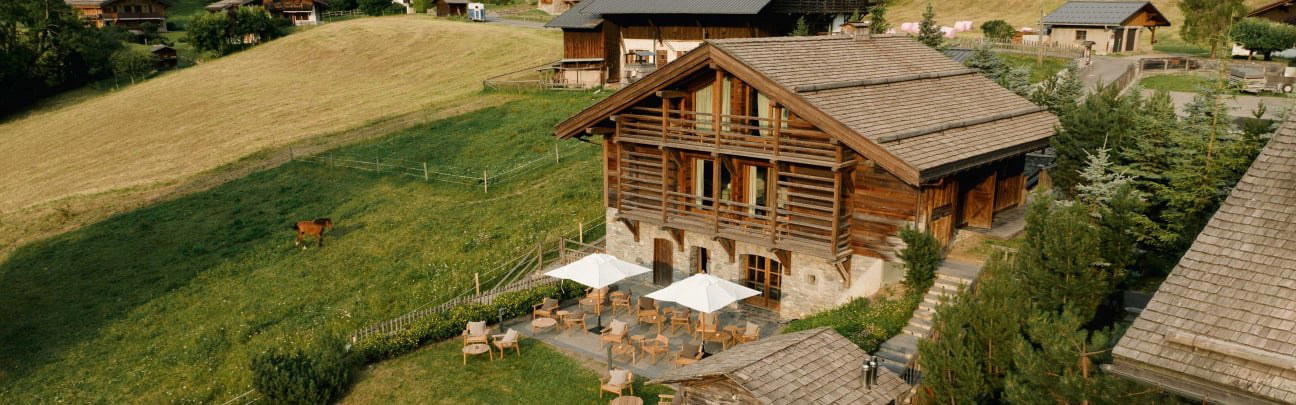

At a Glance
- Rustic
- Cozy
- Well Known
- Classic
- Casual Hangout
- Group Dining
- Family
- After Work
- Terrace
- Historic Building
- Standalone
- Beer Program
- Local Sourcing
- Mountain
Current opening hours
- Monday
- 10 AM–5 PM
- Tuesday
- 10 AM–5 PM
- Wednesday
- Closed
- Thursday
- 10 AM–5 PM
- Friday
- 10 AM–5 PM
- Saturday
- 10 AM–5 PM
- Sunday
- 10 AM–5 PM
Hours can change for holidays and private events. Last verified .