Marius


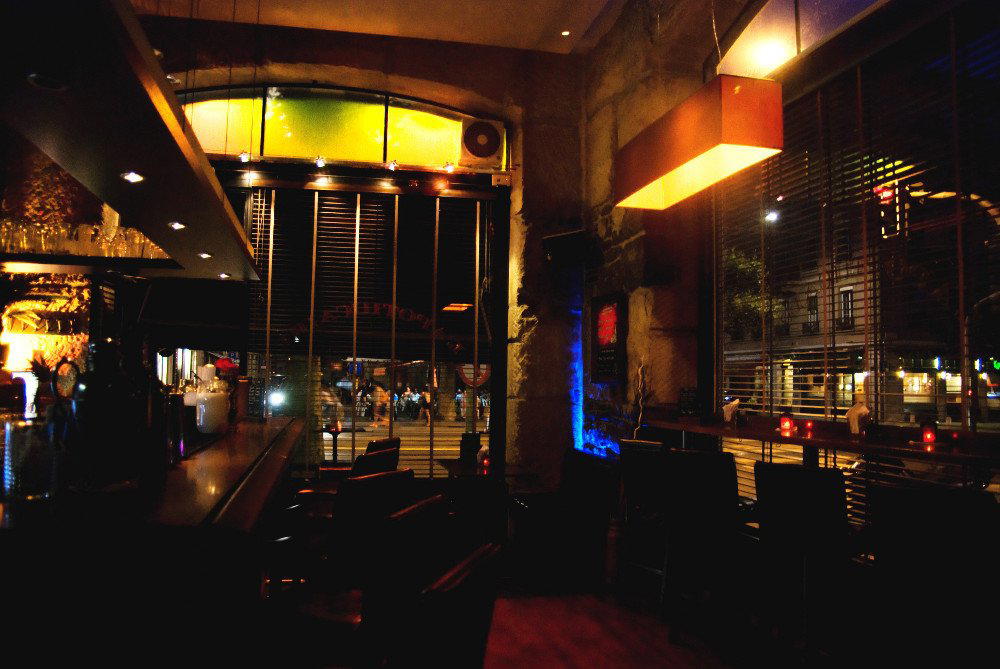
Marius occupies a storied address on Place des Augustins in Geneva's Plainpalais neighbourhood, stepping into a space vacated by a long-running predecessor. Run by Marc Popper, who also owns the adjacent Bombar, it operates as a compact drinking and eating venue where the back bar and the room's atmosphere carry equal weight. A natural stop for anyone moving through Geneva's left-bank bar circuit.
Pearl is the En Primeur Club membership app — saves, bookings, and concierge access live there. Same editors, same standards.
- Address
- Pl. des Augustins 9, 1205 Genève, Switzerland
- Phone
- +41 22 320 62 39
- Website
- instagram.com
- Directions
- Get directions
 Saves & bookings on Pearl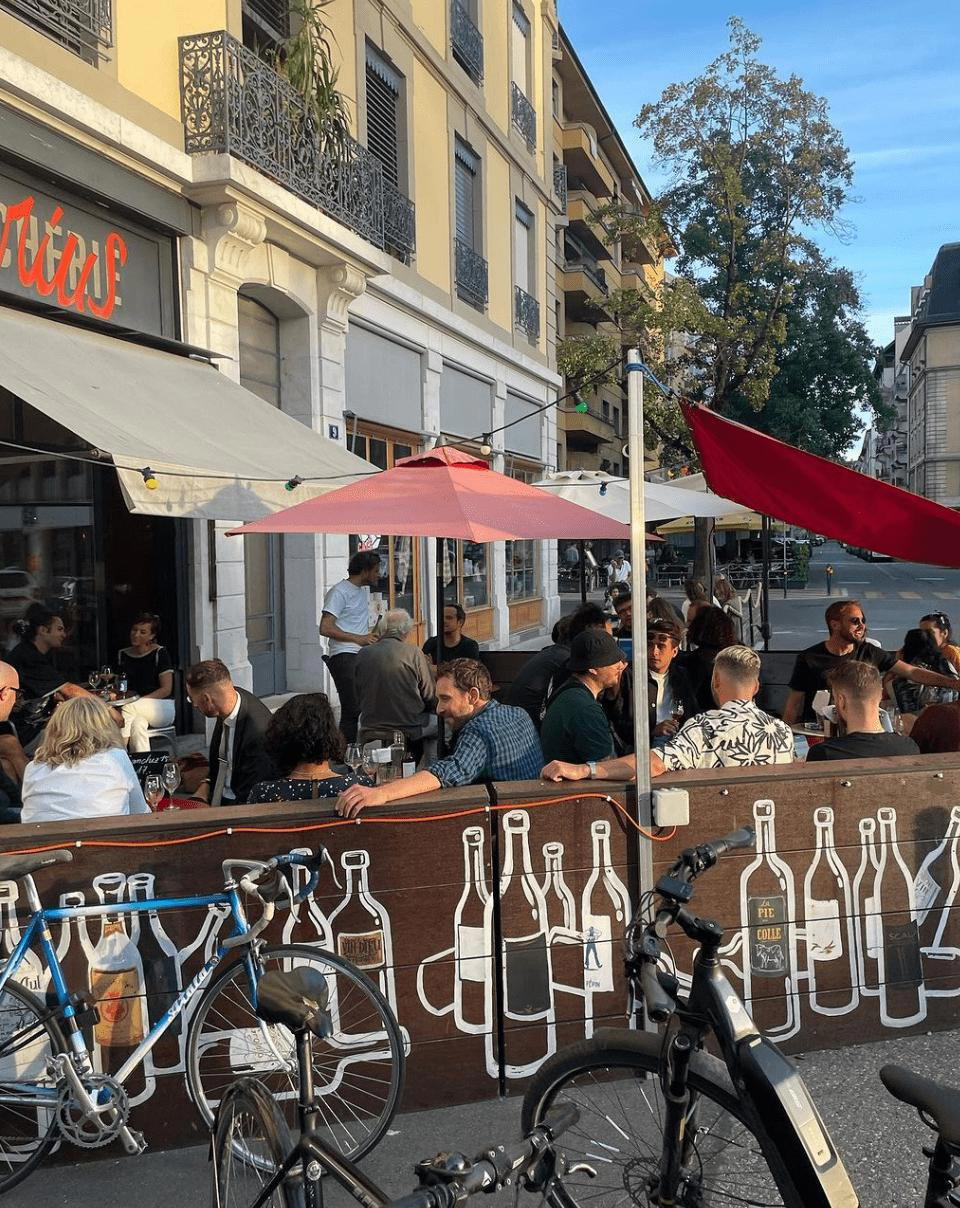
Place des Augustins and the Bars That Define It
Geneva's drinking culture clusters in pockets, and Plainpalais is one of the more dependable ones. The area around Place des Augustins draws a mix of locals who know the neighbourhood's longer history and visitors who arrive via recommendation. The square itself is modest in scale, which means individual venues carry more character than they might in a busier, more tourist-facing district. When a long-running address changes hands here, people notice.
Marius arrived when Marc Popper, the owner of the neighbouring Bombar, took over the space after its previous operator retired. That succession matters because it frames what Marius is: not a rebranding exercise, but a deliberate continuation of a room that already had a role in the neighbourhood. Popper's decision to keep the address active rather than let it sit means the corner retains its density of character. Two adjacent venues under related ownership in this kind of street-level format is a model that works in Geneva partly because the city's bar culture rewards reliability over novelty.
The Room and What You Notice First
The word used most consistently to describe Marius is cosy, and on Place des Augustins that registers as a precise description rather than a euphemism. The room is compact. You are aware of other people in it without being overwhelmed by them, which is the version of convivial that actually functions for a drinking venue rather than a restaurant trying to simulate warmth through decor. The approach from the square gives you a moment to read the space through the window before you walk in, and what you see tends to match what you find: a bar that takes itself seriously without performing that seriousness.
In Geneva's context, this sits at a different register from the hotel bars that occupy the right bank, where the Rhône-facing addresses attract a transient clientele and price accordingly. The left-bank venues, particularly around Carouge and Plainpalais, tend to operate with a more settled crowd and a format built around return visits. Marius reads as that kind of place: designed for people who come back, not for people passing through once.
The Back Bar as Editorial Statement
In any serious drinking venue, the back bar functions as an argument. What the house chooses to stock, how it sequences the bottles, and which categories it commits to tells you more about the venue's ambitions than the cocktail menu does. At Marius, the inherited character of the space and Popper's experience running Bombar next door suggest a curation that skews toward depth in specific categories rather than breadth across all of them. Venues in this format, particularly in Geneva where the drinking public includes a significant proportion of people with exposure to international bar culture, tend to compete on the quality of their spirits selection rather than on theatrical presentation.
Swiss bar culture has not historically been driven by rare-bottle collecting in the way that certain London or New York venues have built reputations around single-malt depth or mezcal libraries. But there is a growing tier of Geneva bars that take the back bar seriously as a differentiation point. Marius operates in that company, neighbouring Bombar's existing reputation giving it a credibility anchor from the outset. For comparison with how other Swiss venues approach the back bar, Grande Café & Bar in Zurich and Delinat Weinbar in Bern each represent distinct approaches to curation in their respective cities.
The eating side of Marius runs alongside the drinking offer rather than dominating it. This is a bar that serves food, not a restaurant with a decent bar, and the distinction shapes how you use it. You can arrive for a drink and extend the evening through food, or you can eat first and settle into the back bar afterwards. The format is flexible in the way that well-run neighbourhood venues in European cities tend to be: nobody is managing your time.
Marius in the Geneva Bar comparable set
Geneva's bar scene is smaller than its international reputation might suggest. The city has money and a sophisticated drinking public, but the population base limits the number of venues that can sustain genuine ambition at the back bar level. The result is a comparable set that is competitive within a fairly tight geography. Inda-Bar represents one point in that set, operating at a different register but within the same left-bank drinking culture. Marius, by inheriting an established address and connecting to Bombar's existing clientele, entered with advantages that a new-build venue on the same square would not have had.
Further afield in Switzerland, the bar category is developing in varied directions. Caaa by Pietro Catalano in Lucerne and Jamming Corner in Unterseen reflect how smaller Swiss cities are building bar identities distinct from Geneva and Zurich. Internationally, the format Marius occupies, a compact neighbourhood bar with genuine back-bar depth, appears in mature drinking cities from Bar Leather Apron in Honolulu to Vieil Ouchy in Lausanne, each calibrated to its local drinking culture. 169 West in Zürich, Champagner Bar in Saas Fee, and Puregold Bar & Lounge in Glattpark round out the Swiss context across different formats and price tiers.
Planning a Visit
Marius sits at Place des Augustins 9, in Geneva's 5th arrondissement, within walking distance of the Plainpalais tram stops. Given its compact size and the neighbourhood's habit of filling venues on weekday evenings, arriving early or later in the evening can make it easier to settle in. As a neighbourhood venue rather than a destination bar drawing from across the city, walk-ins are the standard mode of arrival, though the room's limited capacity means that on busier nights the space fills quickly.
Budget and Context
Comparable venues nearby, for context on price, style, and recognition.
| Venue | Price | Notes |
|---|---|---|
| MariusThis venue — the venue you are viewing | $$$ | Not listed |
| Inda-Bar | $$$ | Les Vollandes, cocktail_bar |
Recognition history
Dated appearances from independent guides and award organizations, with the underlying list record or original source where available.
Falstaff Wine Bar - 91 Falstaff Points
Falstaff
Star Wine List
Star Wine List
Continue exploring
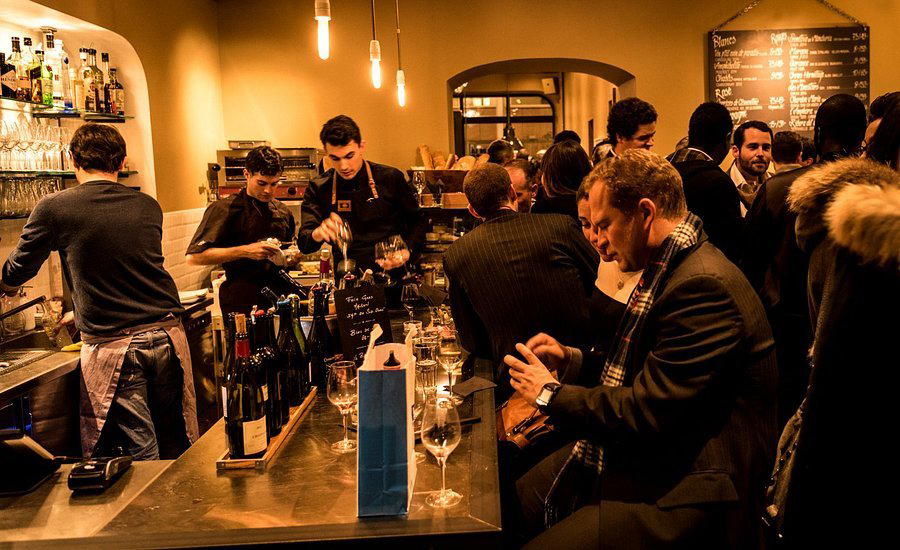
More in Geneva
Bars in Geneva
Browse all →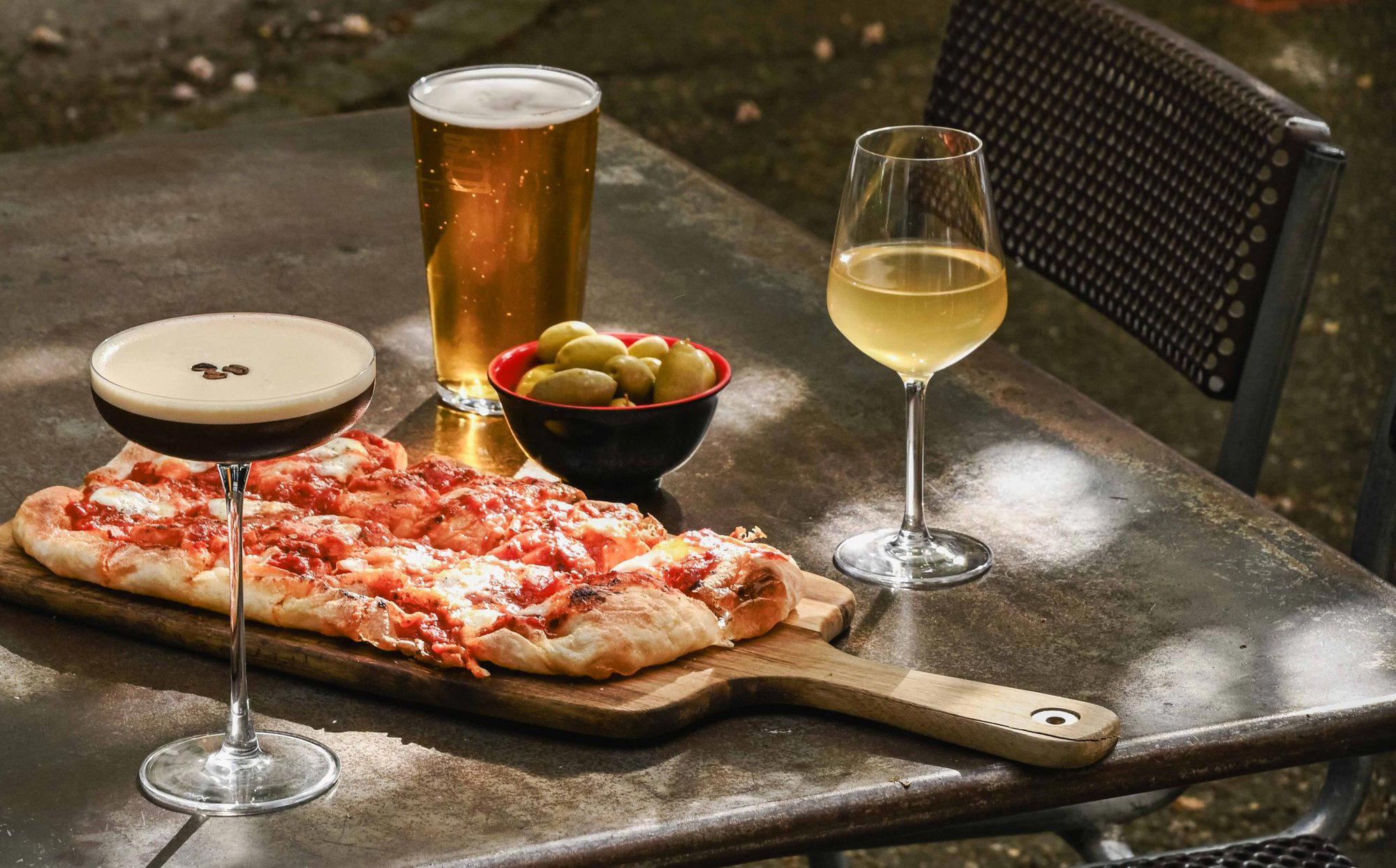
Restaurants in Geneva
Browse all →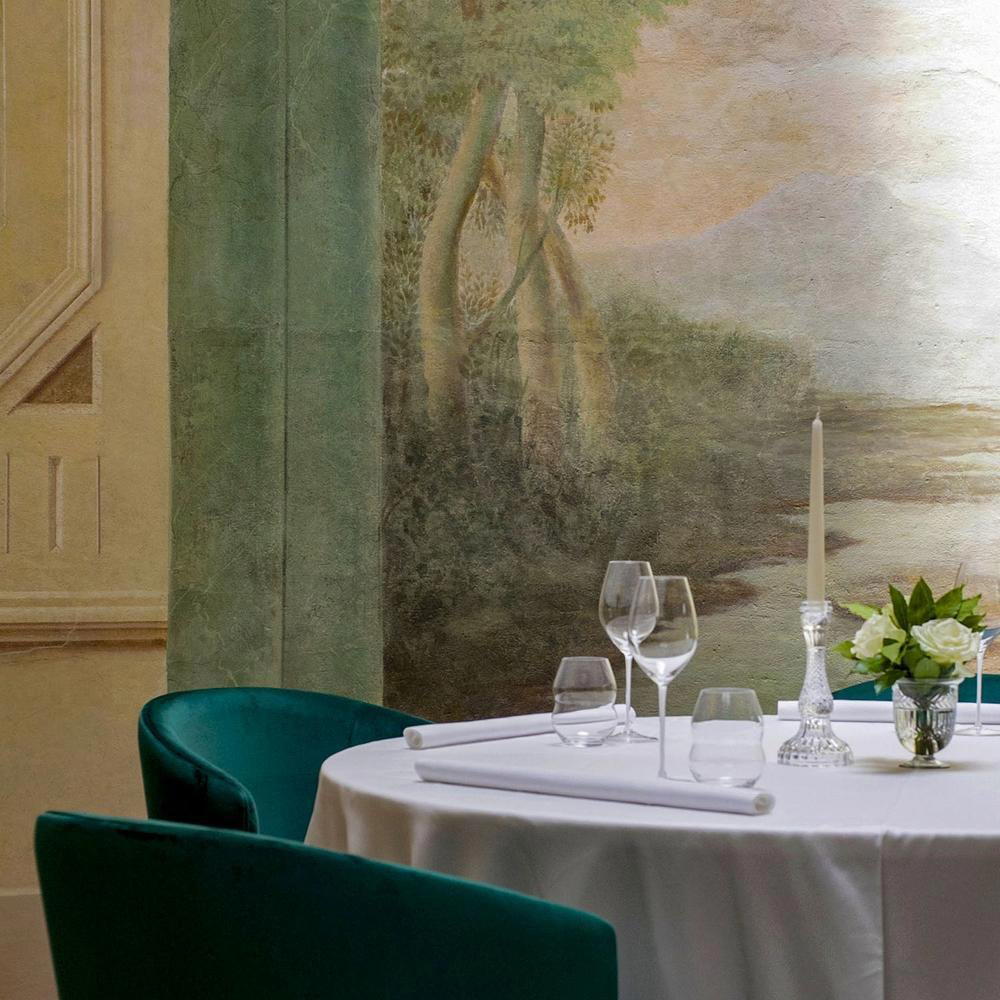
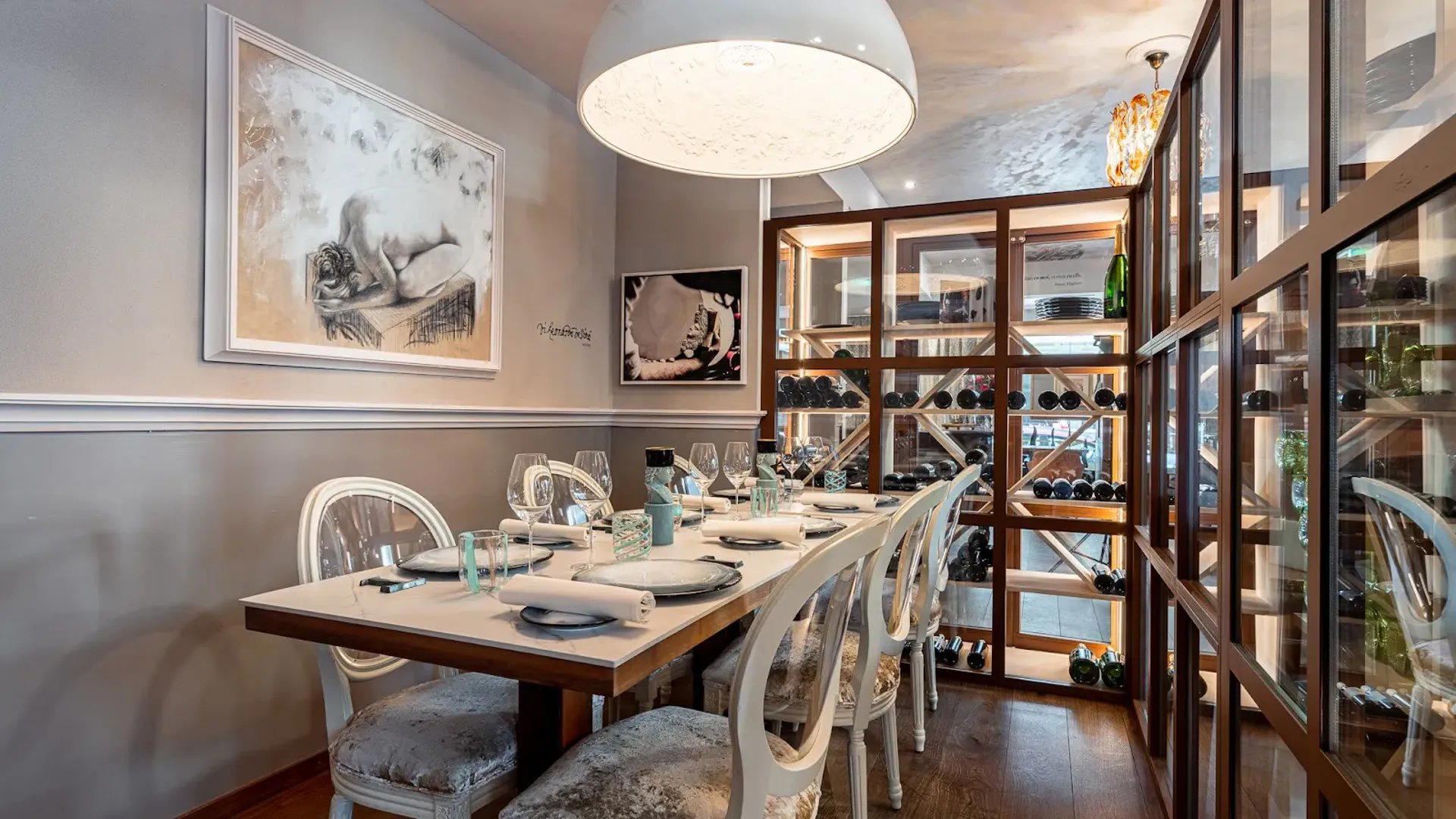
Hotels in Geneva
Browse all →

At a Glance
- Cozy
- Intimate
- Classic
- Date Night
- After Work
- Casual Hangout
- Standalone
- Seated Bar
- Outdoor Terrace
- Natural Wine
Current opening hours
- Monday
- 6 PM–1 AM
- Tuesday
- 6 PM–1 AM
- Wednesday
- 6 PM–1 AM
- Thursday
- 6 PM–1 AM
- Friday
- 6 PM–1 AM
- Saturday
- Closed
- Sunday
- Closed
Hours can change for holidays and private events. Last verified .
Chilled, cozy, and homey atmosphere with a welcoming, unpretentious vibe.