Auberge du Père Bise



1 Michelin Key · Relais Chateaux Award · Gault & Millau Exceptional Hotel
On the eastern shore of Lake Annecy, Auberge du Père Bise carries more than a century of hospitality history into a present shaped by two Michelin stars, a Green Star, and a post-2017 renovation that balances restrained Alpine aesthetics with contemporary comfort. With 23 rooms, a lakeside bar, and the flagship Jean Sulpice restaurant, it occupies a tier above the typical restaurant-with-rooms format found elsewhere in the French Alps.

Pearl is the En Primeur Club membership app, where members save venues, book tables and use the concierge.
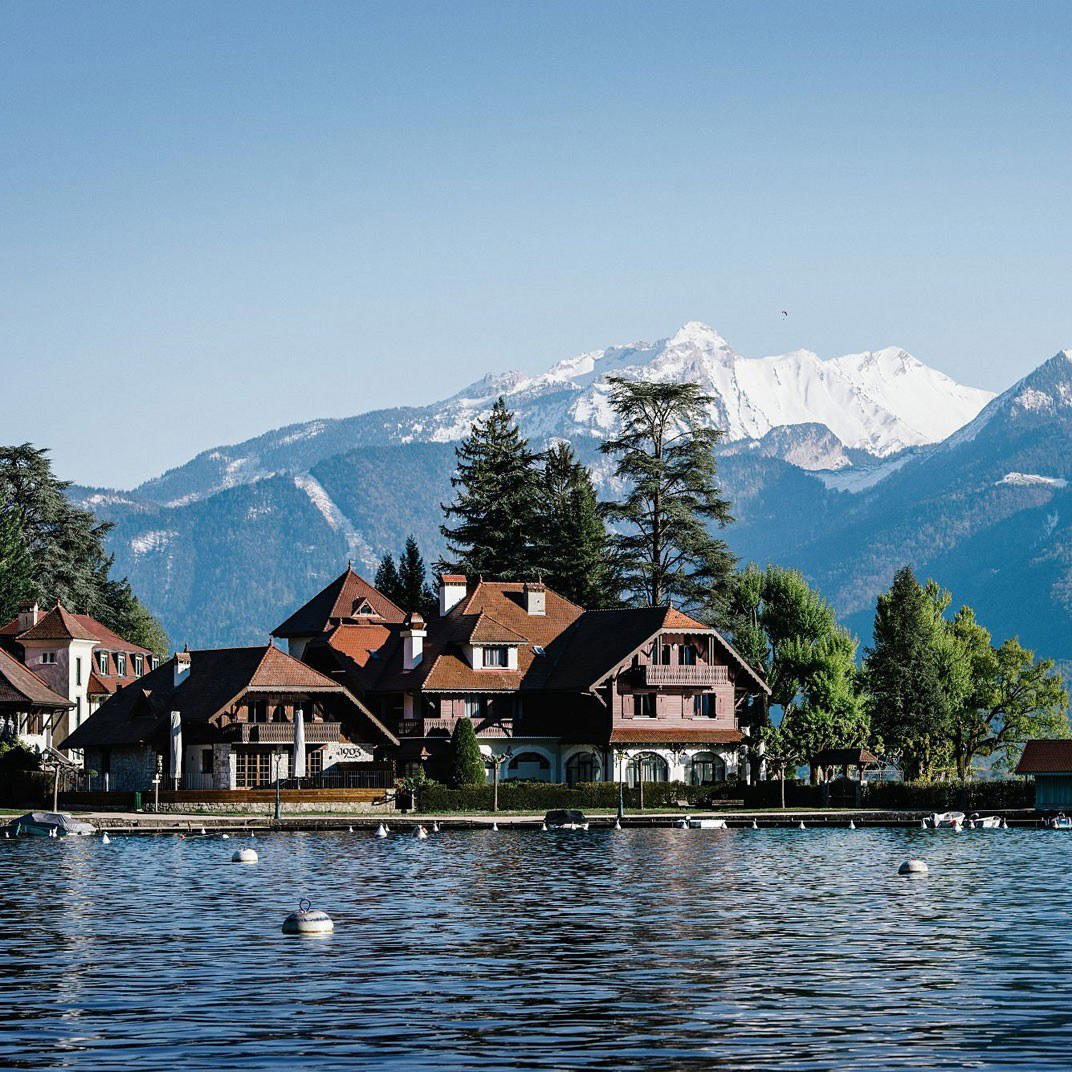
Lake Annecy's Long Game: How a Century-Old Auberge Reinvented Itself
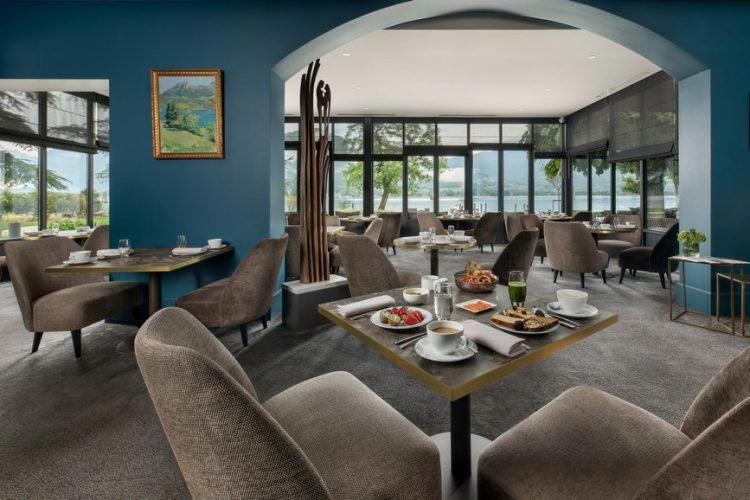
Approach Talloires from the water and the village resolves slowly into view: a crescent of shoreline backed by limestone cliffs, the kind of Alpine scenery that has drawn painters, writers, and eventually serious diners for generations. The auberge tradition in the French Alps is distinct from its urban counterpart. These are properties built for stays measured in days rather than hours, where the dining room and the surrounding landscape reinforce each other. Auberge du Père Bise, at 303 Route du Port, sits directly at the lake's edge and has operated in some form since 1903, placing it among the older continuous hospitality addresses in the Savoie. That longevity matters less as a marketing claim than as a structural reality: the building, the setting, and the institutional memory are all genuinely earned.
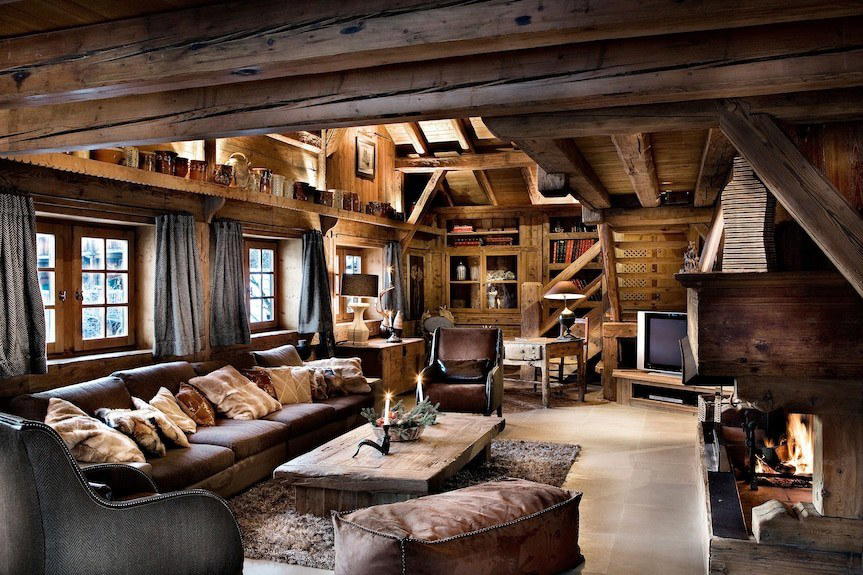
What changed in 2017 was ownership, and with it, the direction of the renovation. The Bise family, who had run the property for generations, sold to Jean Sulpice, at that point already established as one of France's younger chefs to have accumulated significant recognition from Michelin. The new ownership brought a renovation that updated the interiors without erasing the property's accumulated character, a balance that proves harder to achieve than it sounds. Properties that undergo similar transitions elsewhere in French luxury hospitality, from family-run to chef-owner with international ambitions, often lose the texture that made them worth acquiring. Here, the shift reads as continuity rather than replacement. Browse our Four Seasons Megève or Cheval Blanc Courchevel deliver consistent product standards across their rooms precisely because consistency is part of the brand promise. The Auberge's approach is the opposite: differentiation by room, with the shared language being restraint of palette and a relationship to the lake that almost every unit maintains through its orientation.
The spa deserves specific mention because it is more substantial than the room count would suggest. At 23 keys, most properties of this scale offer spa facilities as an amenity addendum. Here it functions as a genuine facility, a signal that the renovation was conceived around extended stays rather than restaurant-driven overnight bookings. The architecture of the renovation, in this sense, is strategic as much as aesthetic: it positions the Auberge as a destination that works independently of the dining, even if the dining remains the primary draw for most guests arriving from outside the region.
The design parallels at this tier of French hospitality are instructive. Baumanière Les Baux-de-Provence and Domaine Les Crayères in Reims both operate on a similar logic: historic property, significant culinary program, rooms designed to support multi-night stays, and an aesthetic that references the regional landscape rather than international luxury conventions. The Auberge fits that template with one distinguishing variable, the lake itself, which is present as both view and sound in a way that few French addresses of comparable standing can claim.
The Culinary Architecture: Three Programs, One Address
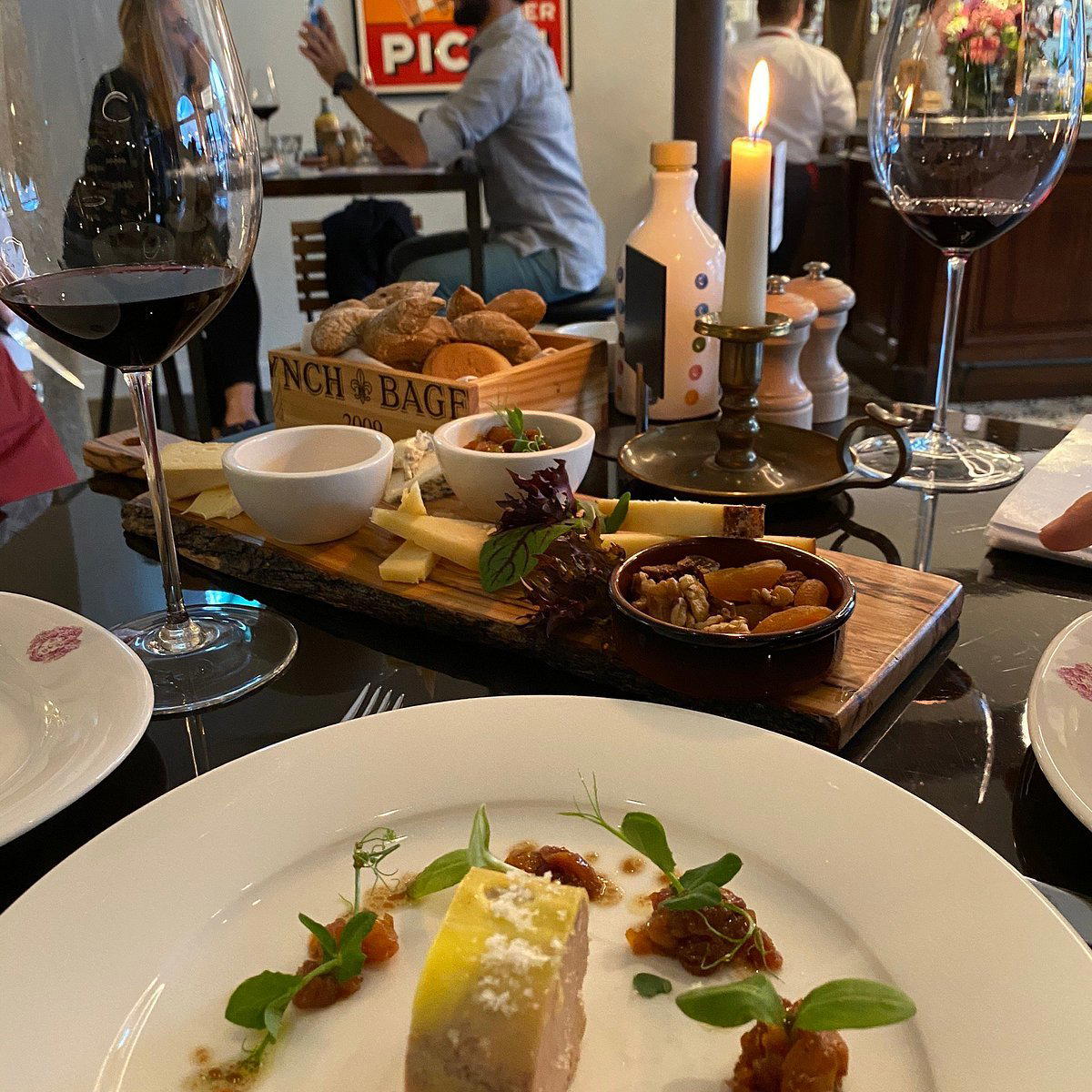
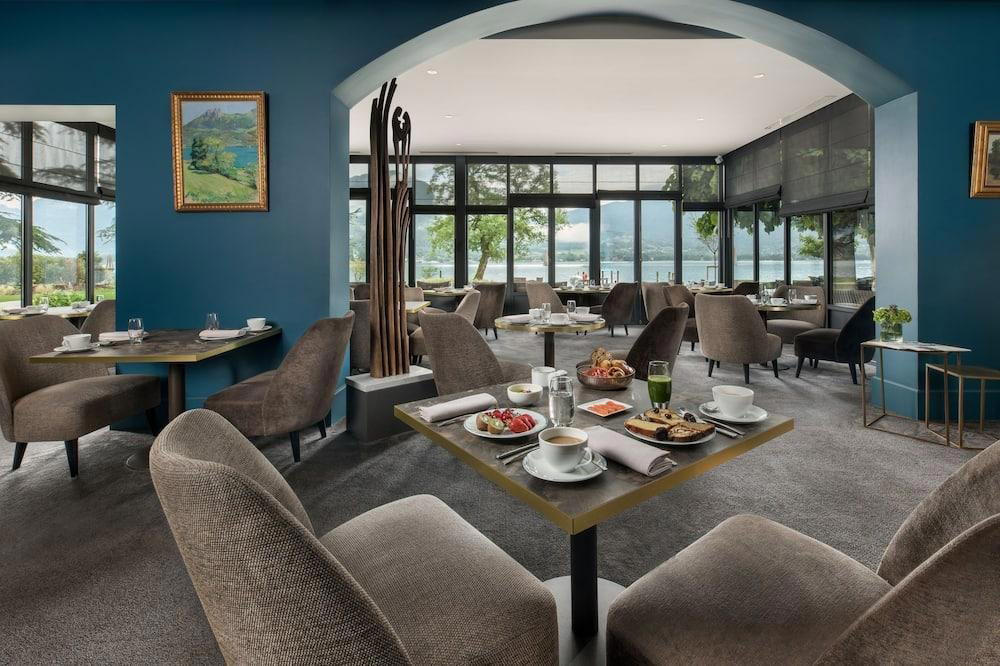
Auberge runs three distinct food and beverage formats, and the division between them is architecturally as well as conceptually clear. The Marius Bar and Terrace operates directly at the water's edge and functions as the property's accessible face: a place for aperitifs, lighter eating, and the kind of unstructured lakeside time that the Auberge's setting demands. The 1903 restaurant, named for the founding year, sits in a register between the terrace and the fine dining room, a format that acknowledges not every guest arrives ready for a full tasting menu on every evening of a multi-night stay.
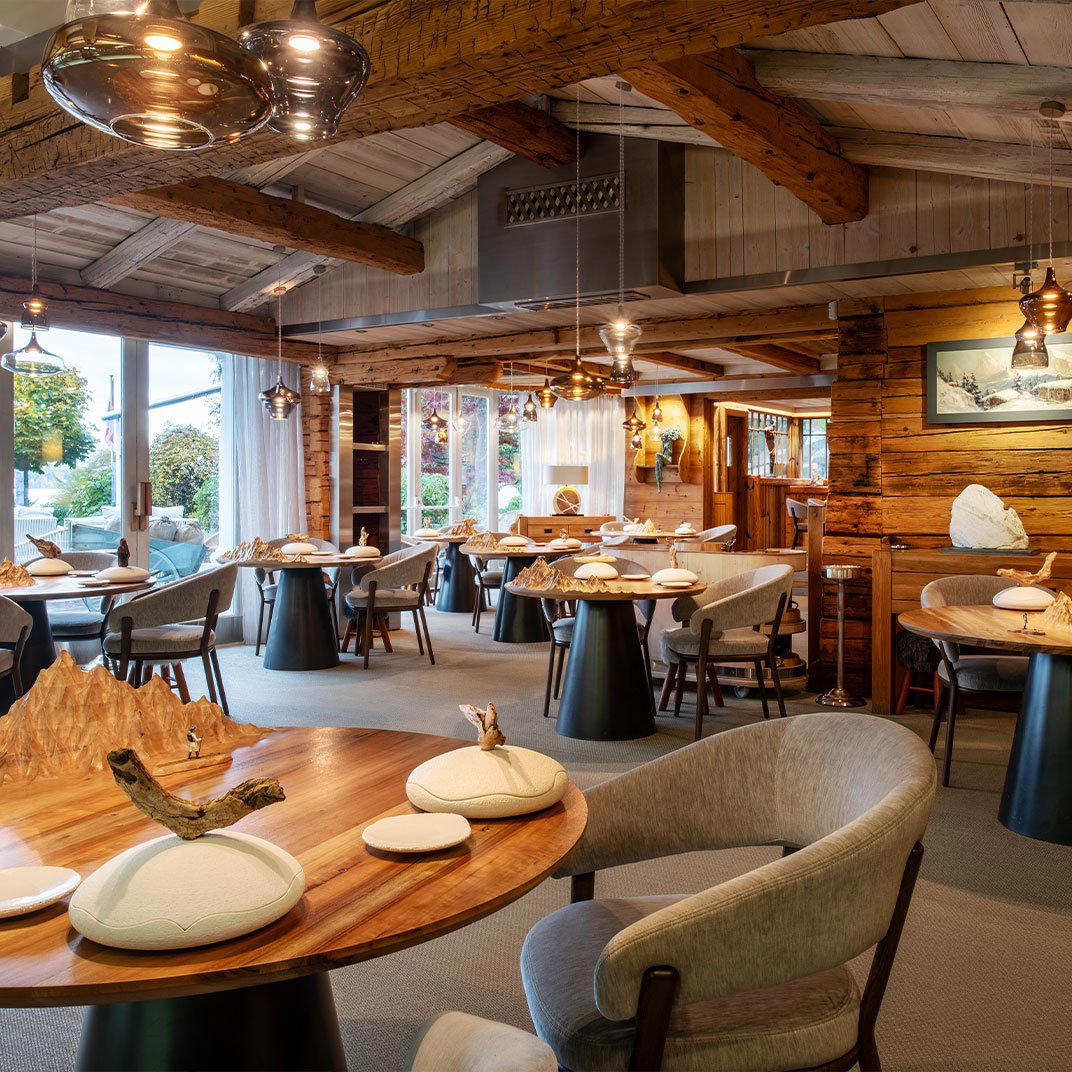
Flagship is the eponymous Jean Sulpice restaurant, which holds two Michelin stars and, separately, a Green Star for its approach to sustainability and seasonal sourcing. In the Michelin framework, the Green Star is awarded to restaurants demonstrating commitment to sustainable gastronomy, a designation that in the Alpine context carries specific weight: proximity to seasonal producers, mountain agriculture, and lake fishing creates real sourcing conditions rather than marketing copy. The two-star designation places the restaurant in the upper tier of Alpine fine dining, a competitive set that includes properties across the Savoie and Haute-Savoie but relatively few with this particular combination of lakeside setting and formal recognition. For comparison within the broader French luxury hospitality scene, Cheval Blanc Paris and Les Sources de Caudalie in Bordeaux both operate multi-star culinary programs within property settings, but neither has the specific combination of mountain and lake geography that defines the Auberge's sourcing environment.
Michelin 1 Key recognition (2024) for the lodging itself is a separate signal worth noting. The Key designation, Michelin's hotel-specific program, evaluates accommodation independently of the restaurant stars. Receiving it at the one-key level places the Auberge among a defined set of French properties where the lodging experience has been assessed as meeting formal criteria for quality and consistency.
Rates, Reach, and Planning
Rooms start from USD 507 per night, which positions the Auberge in the upper-mid tier of French Alpine lodging rather than the ultra-luxury bracket occupied by properties like Cheval Blanc Courchevel. At 23 keys, availability constrains naturally, particularly during the summer season when Lake Annecy draws significant visitor traffic from Geneva, Lyon, and further afield. The village of Talloires sits on the quieter eastern shore of the lake, roughly 13 kilometres from Annecy town, which means tranquility is structural rather than a selling point the property needs to manufacture. Geneva airport is the most practical international entry point, accessible by road in approximately 45 minutes under normal conditions. Direct contact runs through the property's Relais and Châteaux membership channel: email at bise@relaischateaux.com or telephone at +33 (0)4 50 60 72 01. The property's website is perebise.com.
For guests comparing lakeside luxury options across France and the broader European alpine region, the Auberge occupies a position that few properties replicate: Michelin-starred dining, meaningful spa infrastructure, and a genuinely historic building at the edge of one of Europe's cleaner mountain lakes. Properties like Hotel du Cap-Eden-Roc, La Réserve Ramatuelle, or The Maybourne Riviera offer comparable water-adjacent luxury on the Côte d'Azur, but the Alpine register is a different proposition altogether: quieter, more seasonal, and anchored in a culinary tradition tied to altitude and cold-weather produce rather than Mediterranean abundance. Guests seeking that specific combination, mountain landscape, serious kitchen, and a building with a century of operational history, will find the competitive set thin.
Comparison Snapshot
Comparable venues nearby, for context on price, style, and recognition.
| Venue | Cuisine | Price | Awards | Notes |
|---|---|---|---|---|
| Auberge du Père BiseThis venue (the venue you are viewing) | Relais & Châteaux 5-star luxury heritage hotel blending authentic alpine hospitality with modern comforts in a family-home style. | $500–750 | 1 Michelin Key · Relais Chateaux Award | Not listed |
| Hôtel Restaurant Auberge du Père Bise – Jean Sulpice | Historic 5-star Relais & Châteaux lakeside inn turned intimate luxury hotel in a large private park on Lake Annecy. | $500–750 | Relais Chateaux Award | Talloires-Montmin |
| Flocons de Sel | luxurious Relais & Chateaux property with inviting rooms, suites, chalets, and apartments | Not listed | 1 Michelin Key · Star Wine List | outskirts of Megève |
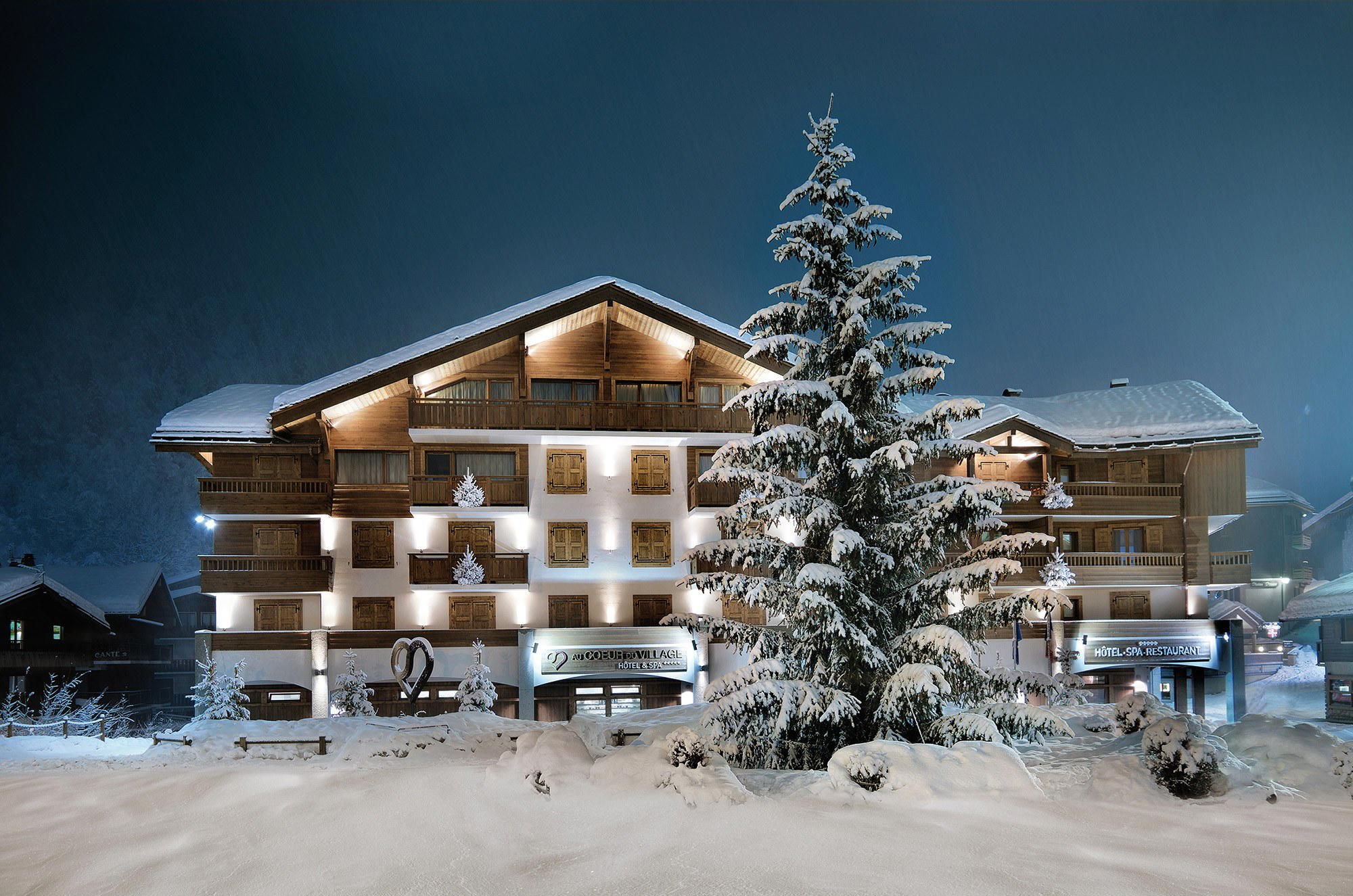
| Au Cœur du Village Hôtel & Spa | Contemporary alpine luxury in the heart of the village | Not listed | Michelin 1 Key | La Clusaz |
| Hôtel Le Kaïla | Contemporary alpine luxury with ski-in/ski-out access | Not listed | Michelin 1 Key | Les Allues |
| Hôtel Altapura | Contemporary mountain luxury with après-ski seventies vibe | Not listed | 1 Michelin Key · Gault & Millau Exceptional Hotel | Val-Thorens |
Recognition history
Dated appearances from independent guides and award organizations, with the underlying list record or original source where available.
Michelin 1 Key
Michelin
Gault & Millau Exceptional Hotel
Gault & Millau
Relais Chateaux Award
Relais Chateaux
Full recognition history (5 entries)
Michelin 1 Key
Michelin
Michelin 1 Key
Michelin
Continue exploring
More in Talloires-Montmin
Hotels in Talloires-Montmin
All hotels in Talloires-Montmin →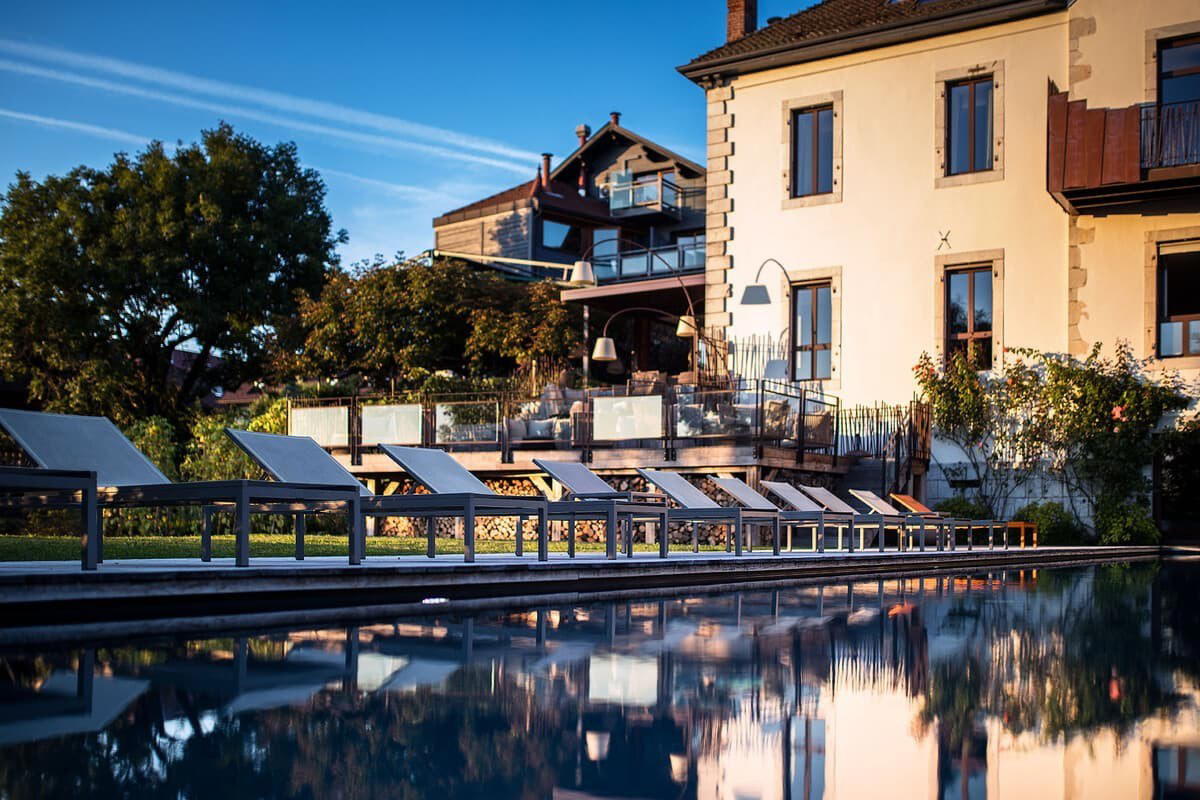
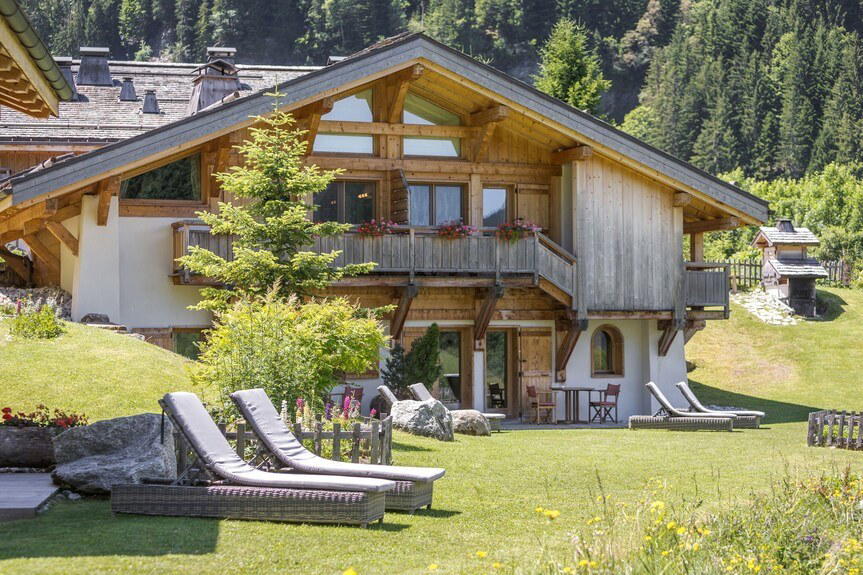
Bars in Talloires-Montmin
Browse all →

Details
- Romantic
- Elegant
- Scenic
- Sophisticated
- Intimate
- Classic
- Honeymoon
- Romantic Getaway
- Anniversary
- Weekend Escape
- Waterfront
- Panoramic View
- Historic Building
- Wi Fi
- Pool
- Spa
- Fitness Center
- Room Service
- Concierge
- Valet Parking
- EV Charging
- Waterfront
- Mountain
- Wheelchair Accessible
- Elevator
- Step Free Entrance
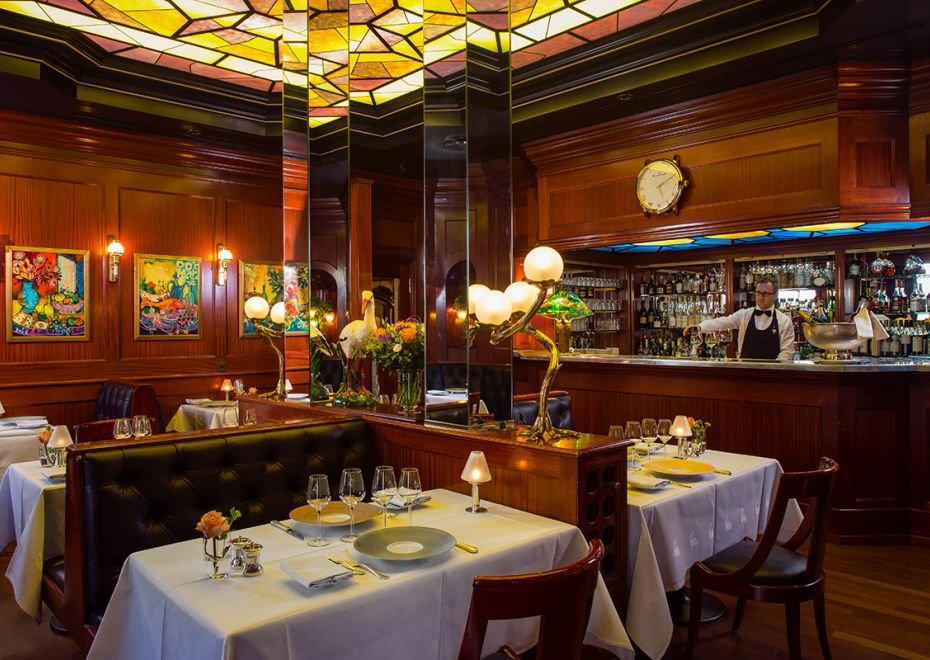
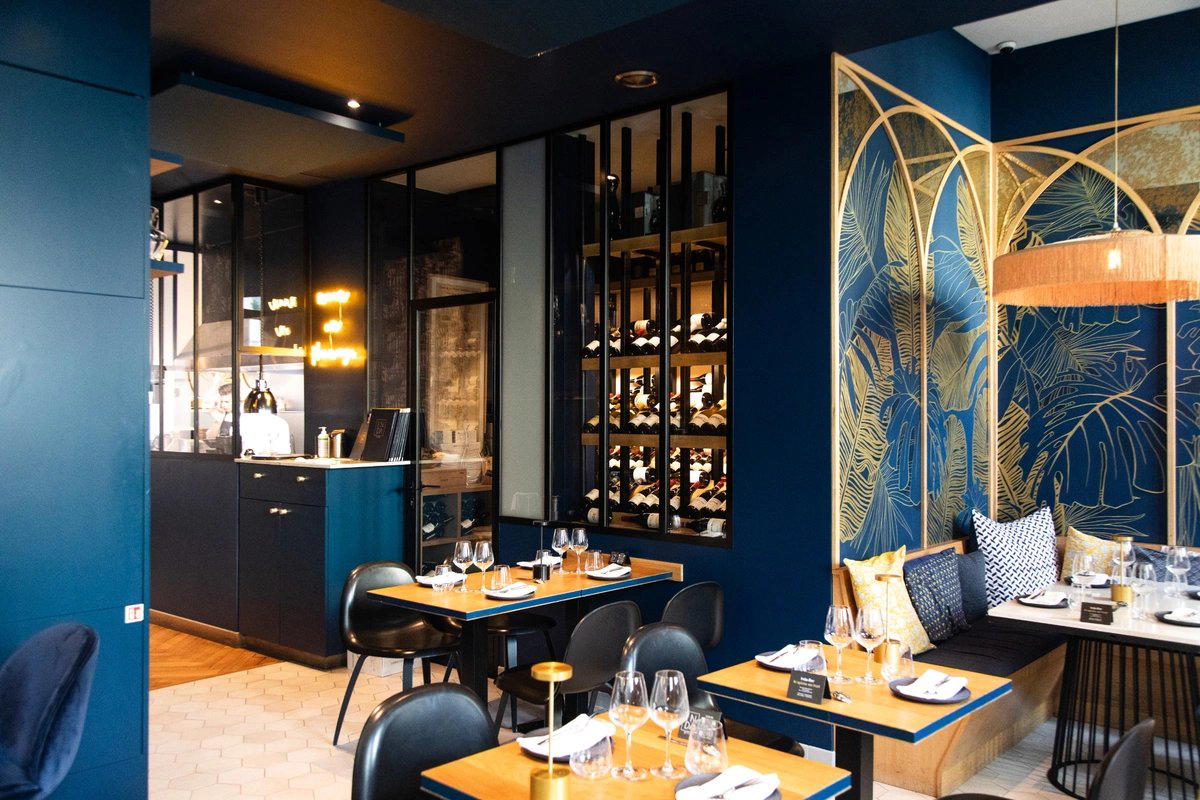
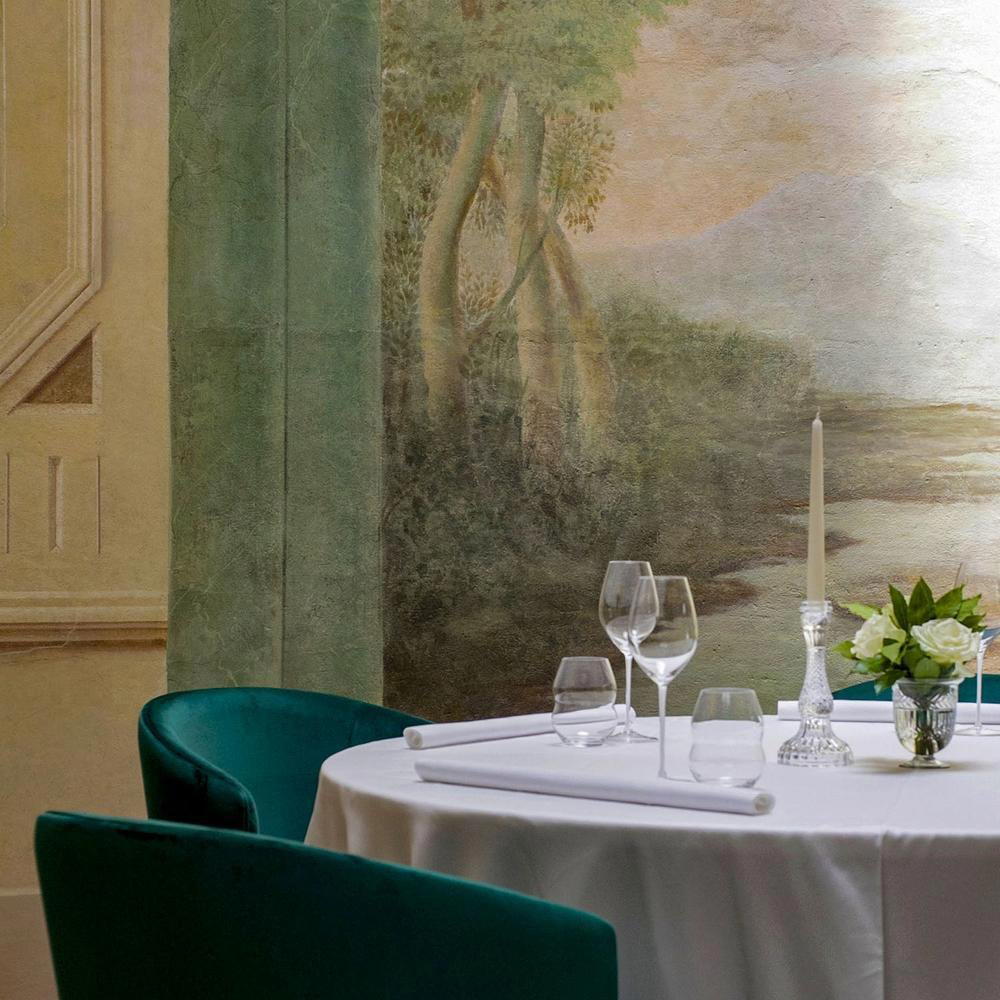
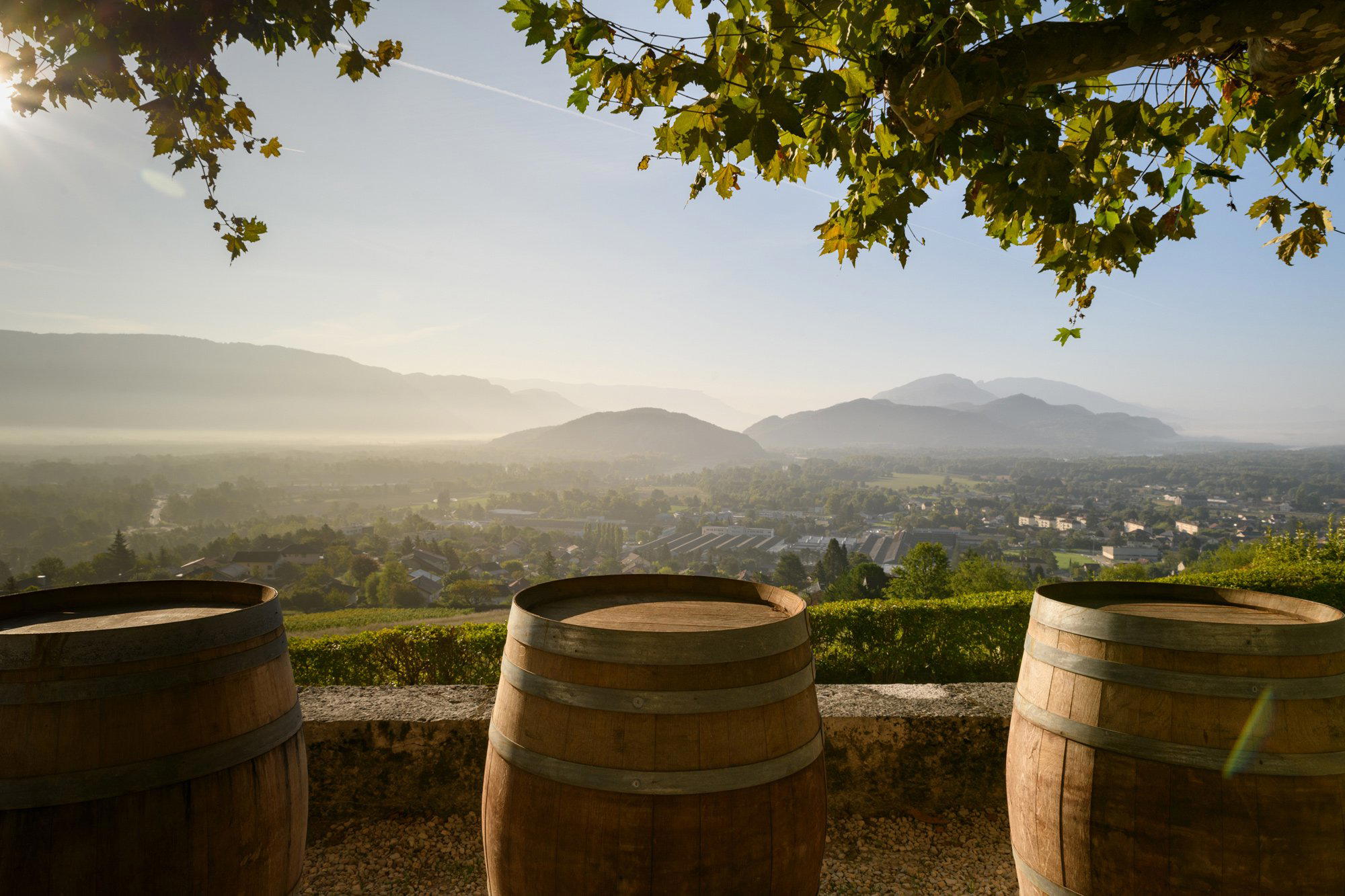
Intimate and warm family-home atmosphere with tasteful, nature-inspired decor in soothing colors, professional yet welcoming service, and a serene, privileged setting in a quiet park by the lake.