Chantebise 2100
At 2,100 metres above sea level in L'Alpe d'Huez, Chantebise 2100 occupies a rarefied position in the French Alps dining scene, where altitude shapes everything from ingredient sourcing to the pace of a meal. The restaurant sits within one of France's most demanding mountain environments, making it a reference point for understanding how serious alpine cooking differs from its valley counterparts.
Pearl is the En Primeur Club membership app — saves, bookings, and concierge access live there. Same editors, same standards.
- Address
- 1 Tronçon du Téléphérique Des Grande Rousse, 38750 Alpe D'Huez, France
- Phone
- +33 4 76 80 40 21
- Website
- chantebise.fr
- Directions
- Get directions
 Saves & bookings on Pearl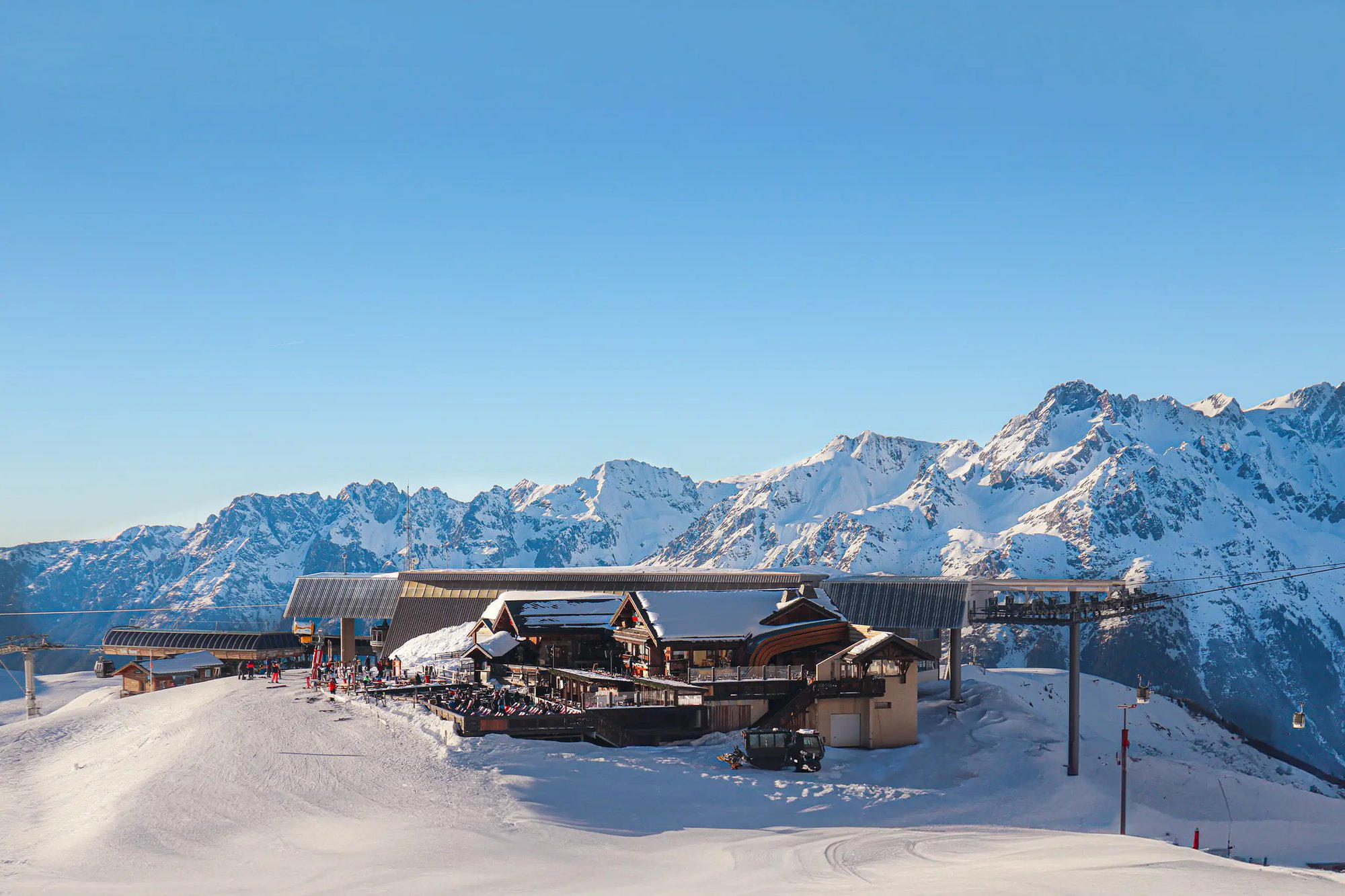
Dining at Altitude: What 2,100 Metres Does to a Meal
There is a particular quality of light at 2,100 metres in the French Alps that does not exist at sea level. The air is thinner, the snow-reflected brightness comes at oblique angles through glass, and the mountains that ring L'Alpe d'Huez feel close enough to press against the window. Chantebise 2100 sits inside that environment, and the setting is not incidental to the experience, it is the primary frame through which everything on the table is understood. Alpine dining at serious altitude operates under different conditions than city restaurants: supply chains are compressed, the seasons are binary and extreme, and the ingredient vocabulary is shaped by what can survive or be transported to a place that, for much of the year, is accessible only by road cut through ice and rock.
This is a useful lens for understanding what distinguishes mountain restaurants from their lowland peers. Where a Paris address like Alléno Paris au Pavillon Ledoyen operates with access to every wholesale market in the Île-de-France, a restaurant at 2,100 metres in the Isère must build its sourcing around what the Rhône-Alpes corridor reliably delivers and what local producers, dairy farmers, hunters, foragers, can supply through the season. The constraint is real, and the kitchens that treat it seriously rather than routing around it with trucked-in luxury produce tend to cook the more interesting food.
The Sourcing Logic of the French Alps
L'Alpe d'Huez belongs to a wider arc of alpine cuisine that runs from the Haute-Savoie south through the Isère, sharing a pantry defined by dairy, cured meats, root vegetables, game, and foraged plants. The Beaufortain and Chartreuse valleys supply aged cheeses that turn up in every serious kitchen in the region. Game from the surrounding massifs, chamois, deer, wild boar, follows a strict seasonal window that concentrates serious alpine menus into autumn and early winter before the ski crowds fully arrive. Spring brings a brief foraging window before the summer hiking season hands the resort over to a different demographic.
This sourcing geography is worth mapping because it shapes the tier within which any mountain restaurant operates. Particularly coherent alpine kitchens in France, places like Flocons de Sel in Megève, which holds three Michelin stars and operates at comparable altitude in the Haute-Savoie, have built their identities explicitly around this terroir constraint, treating it as a creative parameter rather than a limitation. Fewer restaurants in purpose-built ski resorts have managed that transition convincingly; the commercial pressure of a resort season tends to pull menus toward safe crowd-pleasing formats rather than ingredient-led seriousness.
Where Chantebise 2100 sits within that spectrum is a question worth asking when planning a meal in L'Alpe d'Huez. The name itself signals altitude awareness, 2,100 metres is not a decorative detail but a statement of position within the mountain landscape. For context, Le Signal 2108, another address operating at near-identical elevation in the same resort, shares the same mountain setting.
L'Alpe d'Huez in the French Alpine Dining Picture
The French Alps produce some of the country's most awarded restaurants, but those restaurants are rarely inside the resort boundaries. They tend to cluster in the valley towns and mid-mountain villages, Megève, Courchevel, Val-d'Isère, where year-round operations support the investment required for Michelin-level consistency. Le 1947 à Cheval Blanc in Courchevel represents the high-end ski-resort model taken to its logical extreme: a two-Michelin-star address inside a palace hotel, pricing and positioning against international luxury rather than against mountain tradition. L'Alpe d'Huez has historically operated at a different register, drawing a French family-skiing demographic rather than the international ultra-luxury crowd that drives Courchevel's top tier.
That demographic difference matters for ingredient sourcing. A restaurant serving a primarily French clientele in a mid-market ski resort tends to anchor menus in regional recognisability, gratin dauphinois, tartiflette, charcuterie boards, fondue, rather than in the creative alpine-modernist register that Flocons de Sel or Le 1947 pursue. Particularly honest mountain restaurants own that positioning; the less confident ones attempt to straddle both, producing menus that satisfy neither the skier looking for a hearty Savoyard meal nor the food traveller who has come specifically for serious cooking.
This is not a criticism distinctive to L'Alpe d'Huez. Resort dining across the French Alps navigates the same tension, and the resolution varies by venue. For comparison points outside the alpine context, France's most celebrated rural destinations, Bras in Laguiole, Auberge de l'Ill in Illhaeusern, Maison Lameloise in Chagny, have all resolved this tension by committing entirely to regional ingredient identity. The lesson generalises: particularly durable restaurant reputations in non-urban France are built on sourcing specificity, not on menu ambition that outpaces what the region's producers can supply.
Planning a Meal in L'Alpe d'Huez
L'Alpe d'Huez is accessible by car from Grenoble in roughly an hour during clear conditions, with the famous 21 hairpin bends of the D211 serving as the primary approach. The resort operates on a dual-season model, with the ski season running from December through April and a summer hiking season drawing a smaller, quieter crowd from June to September. Restaurants at altitude tend to close or reduce significantly in the shoulder months of May and November, so timing a visit to either the peak ski season or early summer is the pragmatic approach.
For those building a wider French alpine or regional itinerary, the resort's dining options span several price tiers and formats. Readers planning extended Rhône-Alpes coverage might also reference Georges Blanc in Vonnas or Troisgros - Le Bois sans Feuilles in Ouches as regional anchors, both operating within a few hours' drive and representing the depth of serious cooking available in the broader corridor between Lyon and the Alps.
- Tartiflette
- Raclette
- Montagne Croque Monsieur
- Homemade Burgers
- Pizzas
- Braised Beef Ribs
Quick Comparison
Comparable venues nearby, for context on price, style, and recognition.
| Venue | Cuisine | Price | Awards | Notes |
|---|---|---|---|---|
| Chantebise 2100This venue — the venue you are viewing | Traditional French Alpine Brasserie | $$ | Not listed | Not listed |
| Le Signal 2108 | Bistronomic French with Regional Specialties | $$ | Not listed | Signal Mountain |
| Au Chamois d'Or | Alpine French Bistro | $$$ | Michelin Plate | L'Alpe d'Huez |
| Simple et Meilleur | Savoyard Mountain Bistro | $$ | Not listed | Caseblanche, Saint-Martin-de-Belleville |
| NONNÀ | Modern French Bistro with Regional Specialties | $$ | Not listed | Les Rousses |
| Brasserie l'Est | French Brasserie | $$ | Not listed | Quartier Brotteaux |
Continue exploring
More in L'Alpe d'Huez
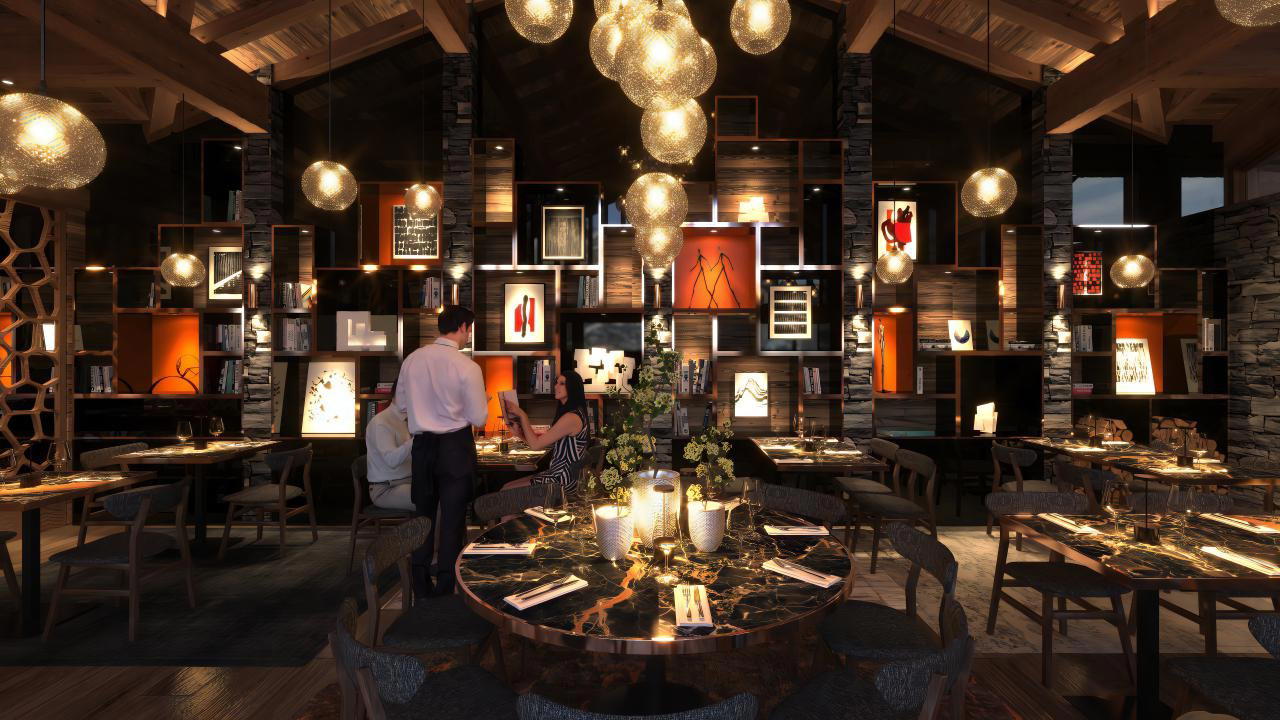
Restaurants in L'Alpe d'Huez
Browse all →
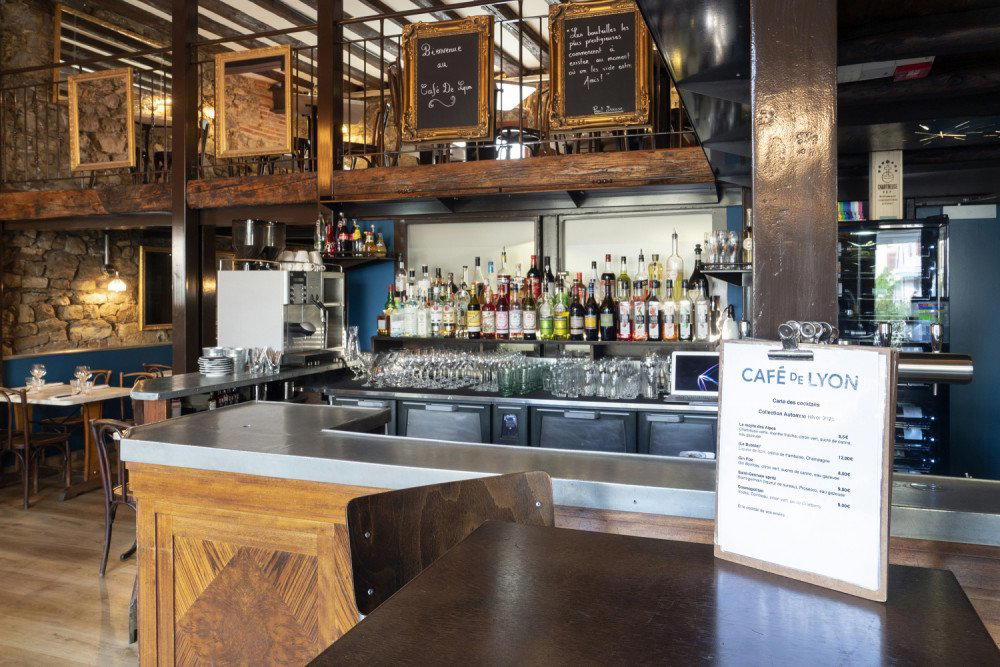
Bars in L'Alpe d'Huez
Browse all →
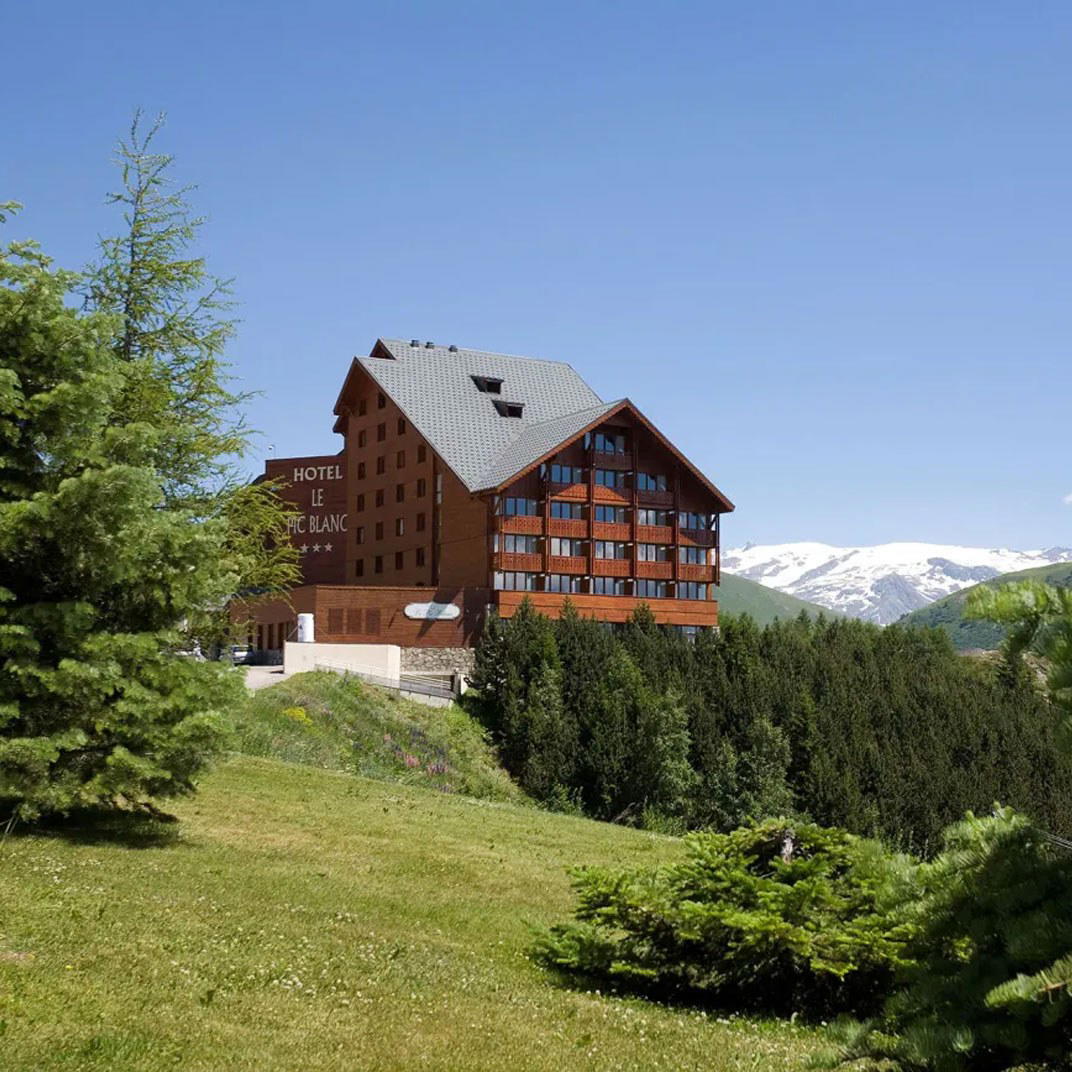
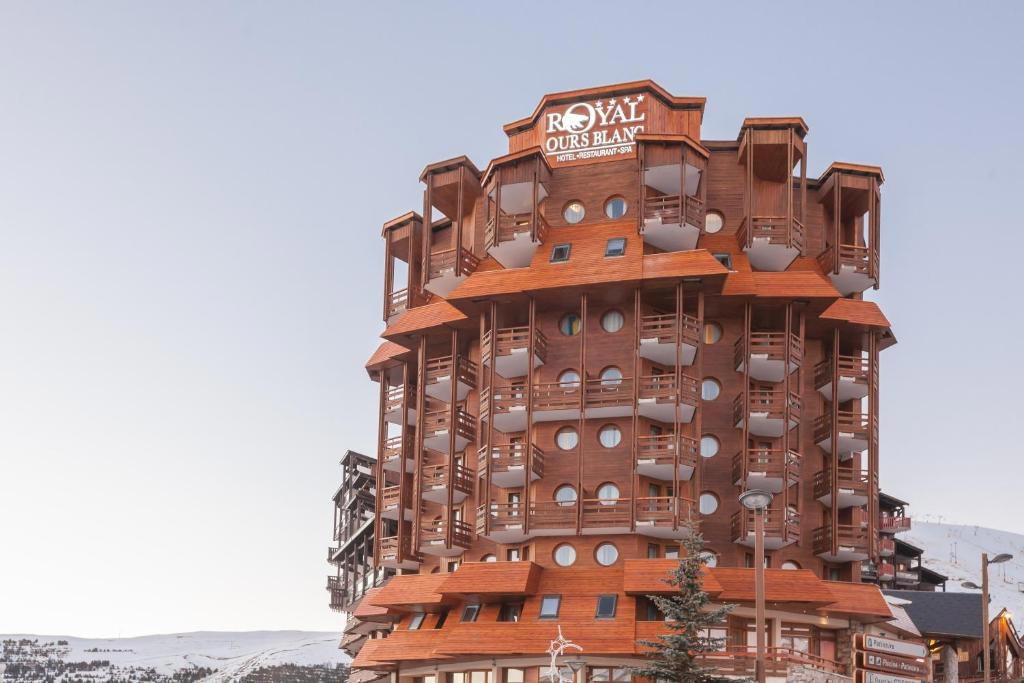
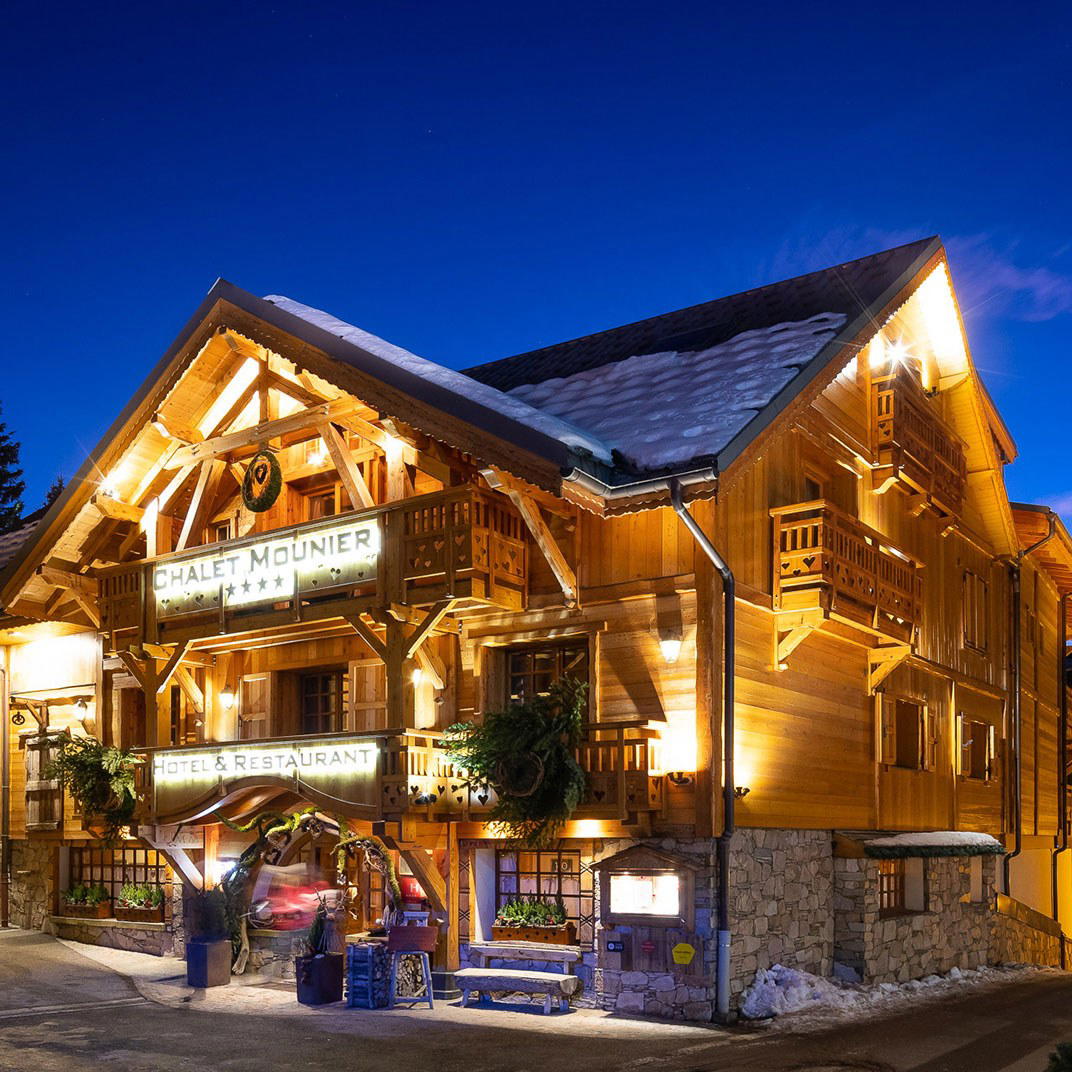
Hotels in L'Alpe d'Huez
Browse all →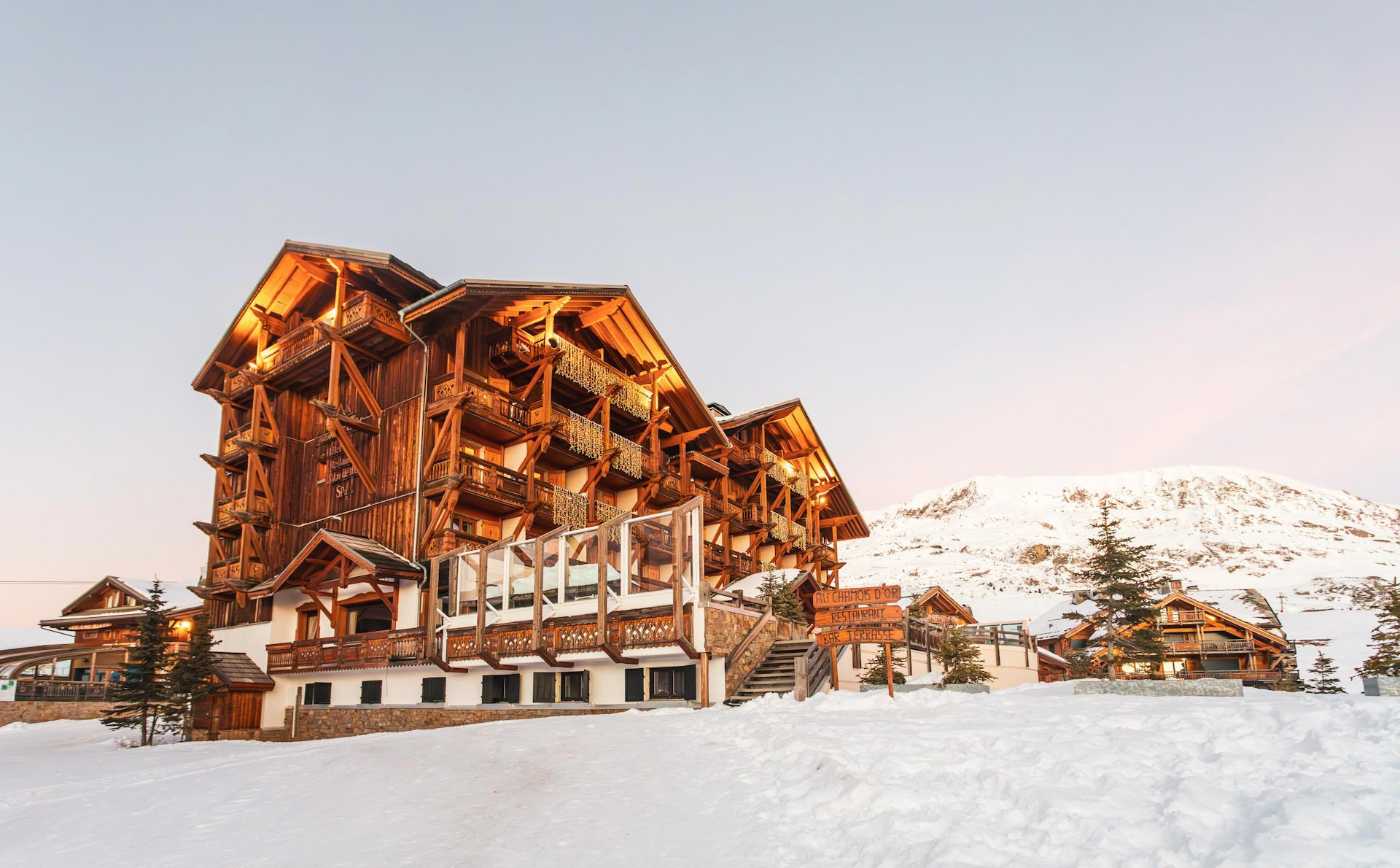
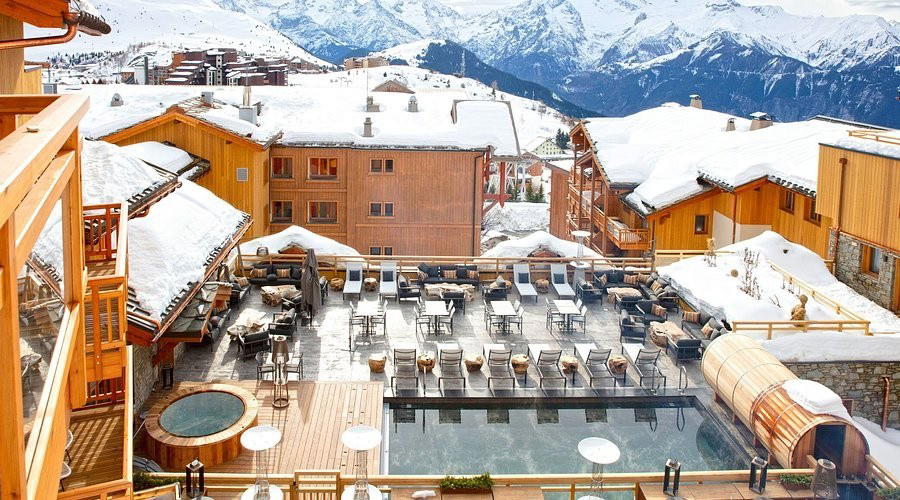
Wineries in L'Alpe d'Huez
Browse all →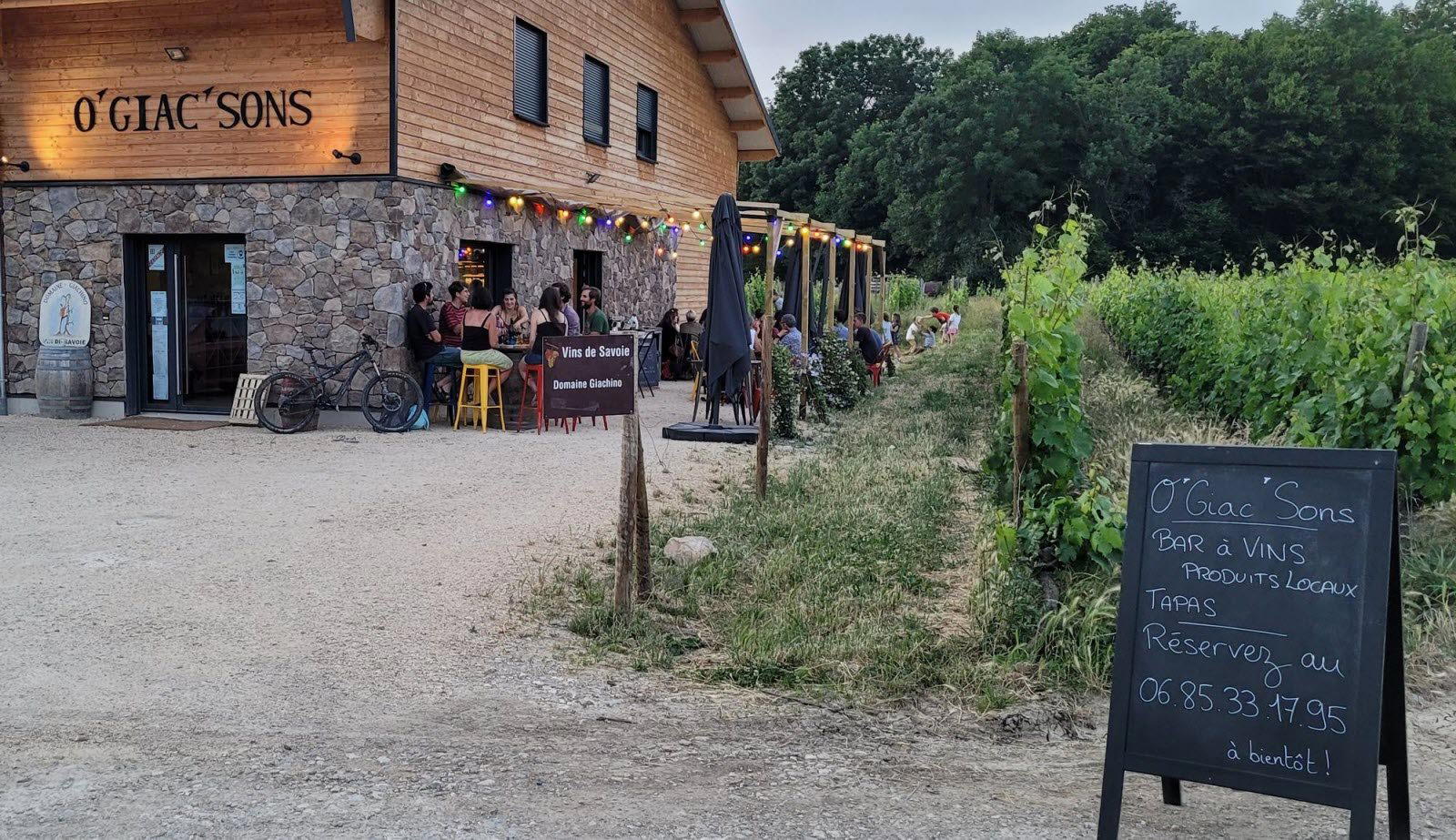

At a Glance
- Scenic
- Rustic
- Cozy
- Lively
- Casual Hangout
- Group Dining
- Family
- After Work
- Private Event
- Terrace
- Panoramic View
- Private Dining
- Beer Program
- Local Sourcing
- Mountain
Current opening hours
- Monday
- 9 AM–5 PM
- Tuesday
- 9 AM–5 PM
- Wednesday
- 9 AM–5 PM
- Thursday
- 9 AM–5 PM
- Friday
- 9 AM–5 PM
- Saturday
- 9 AM–5 PM
- Sunday
- 9 AM–5 PM
Hours can change for holidays and private events. Last verified .
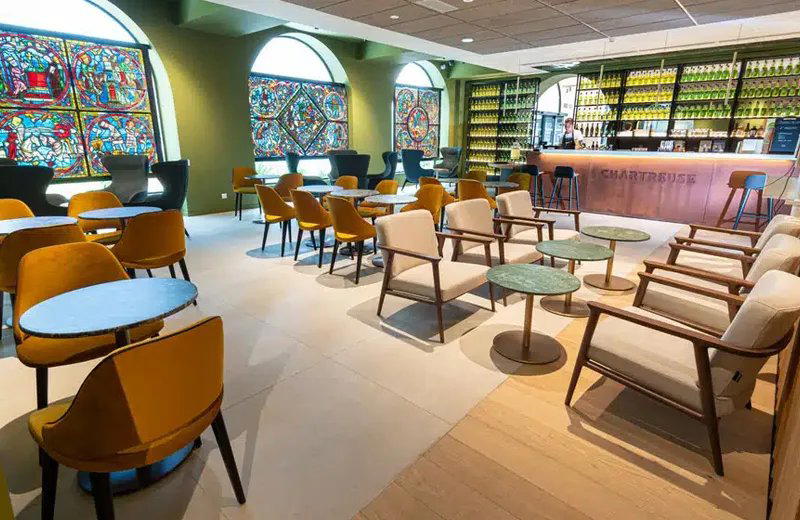
Warm and welcoming chalet atmosphere with natural sunlight flooding the south-facing terrace, fireplace-warmed interior spaces, and a relaxed mountain lodge feel ideal for post-ski dining.