Our verdict
Le Petit Saint Trop sits on Rue Tissier in Briare, a Loire Valley town better known for its 19th-century canal bridge than its restaurant scene. In a region where produce-driven cooking has deep roots, this address offers a Southern-inflected alternative to the area's more traditional tables. Briare rewards the detour for travellers moving between Paris and the upper Loire.

Pearl is the En Primeur Club membership app — saves, bookings, and concierge access live there. Same editors, same standards.
- Address
- 5 Rue Tissier, 45250 Briare, France
- Phone
- +33238370031
- Hours
- Mon ClosedTue–Sat 12–2 PM, 7:30–8:45 PMSun 12–2 PM
- Directions
- Get directions
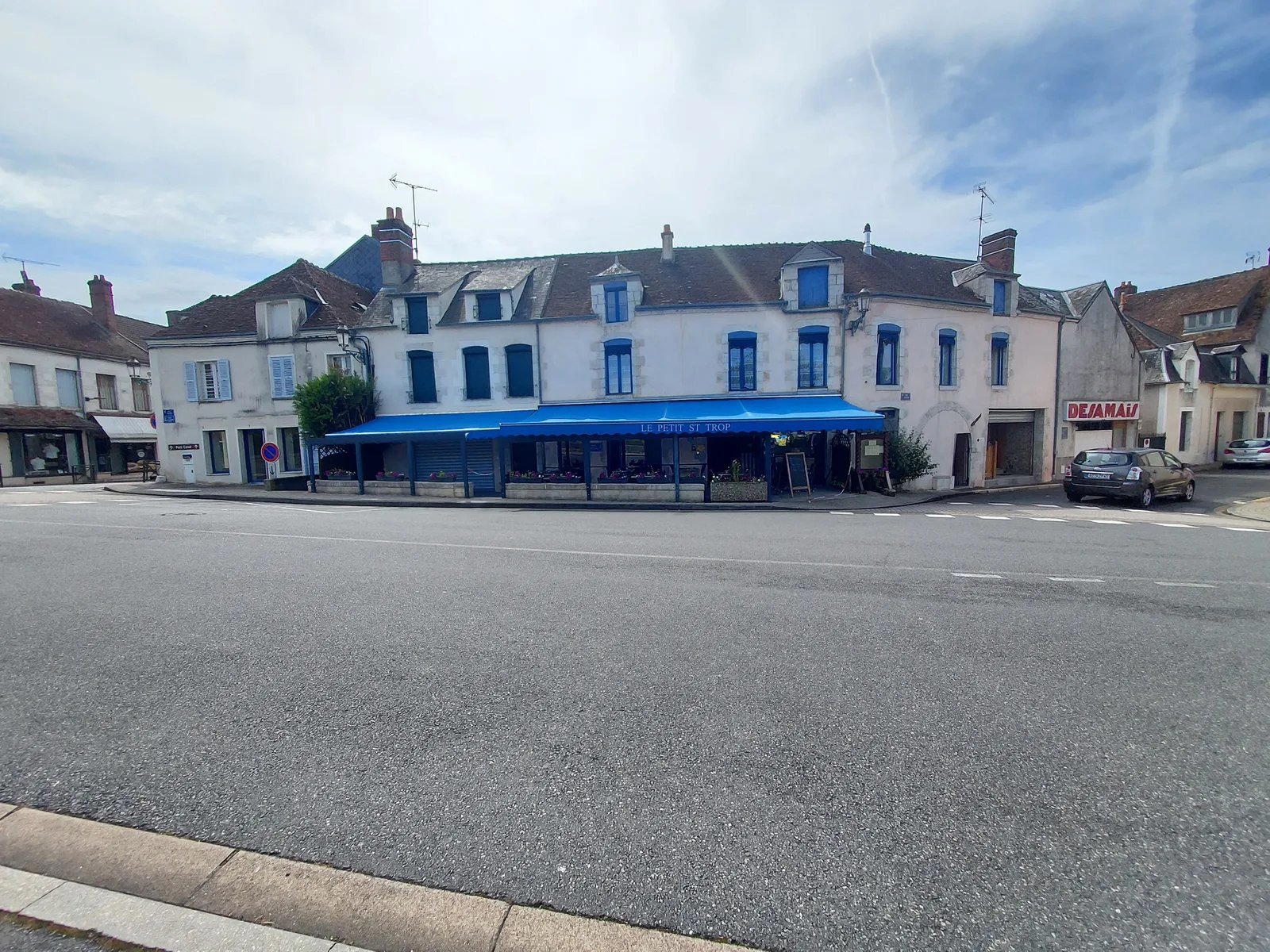
Briare and the Case for Stopping Here
The Loire Valley's reputation as a dining destination tends to cluster around its grand châteaux and the appellations that line the river. Briare sits at the valley's northern edge, a working canal town where the Pont-Canal — an iron aqueduct completed in 1896 — carries barge traffic above the Loire itself. Most drivers pass through on the N7 without stopping. Those who do find a town with a genuine local economy and, increasingly, a small but considered restaurant scene that draws on the agricultural richness of the surrounding Loiret department.
French regional cooking outside the major gastronomic cities has undergone a quiet recalibration over the past two decades. The old model, anchored by family-run auberges serving fixed regional menus, has partly given way to a more fluid approach: kitchens drawing on local supply chains but framing dishes through broader French and Mediterranean references. In the Loire corridor, that means producers who supply vegetables, poultry, and river fish to both local tables and, by extension, the starred rooms further downstream. For context on what French fine dining looks like at its most ambitious, Mirazur in Menton and Troisgros - Le Bois sans Feuilles in Ouches represent the upper register of that tradition, but the ingredient networks feeding those kitchens extend well into the rural centre of France.
Southern Accents in a Northern Loire Town
The name signals the editorial position immediately. Saint-Tropez sits roughly 800 kilometres south of Briare, but the Provençal and Riviera coastal vocabulary it conjures, olive oil, herbs, grilled fish, the kind of cooking that reads as relaxed even when it is technically careful, has migrated steadily northward in French restaurant culture. Kitchens referencing that southern register typically prioritise fresh, market-sourced ingredients over heavy sauce work, and the visual language of their plates tends toward brightness and simplicity rather than classical French architecture.
This matters in ingredient terms. Southern French cooking's claim on quality rests on produce that arrives at or near peak condition and requires minimal intervention. A kitchen working in that mode is, implicitly, making a sourcing argument: that what comes in the door is good enough to carry the dish without elaborate transformation. In towns like Briare, where the market supply is genuinely strong, the Loiret produces asparagus, goat's cheese from the nearby Sancerre zone, river fish from the Loire itself, that argument has real foundation. The comparison with heavily constructed, sauce-forward classical French cooking is instructive: the latter can mask ingredient quality, while the southern approach exposes it. For a reference point on how that ingredient-led philosophy scales to three Michelin stars, Bras in Laguiole has spent decades making the same argument from a similarly rural French address.
Where Le Petit Saint Trop Sits in the Local Picture
Briare's restaurant scene is small. It is not a town with a competitive cluster of ambitious kitchens the way Vonnas is organised around Georges Blanc, or the way Illhaeusern anchors its identity around Auberge de l'Ill. Le Petit Saint Trop at 5 Rue Tissier occupies a different kind of position: a town-centre address in a place where the competition is primarily traditional brasseries and café-restaurants rather than other destination-level tables. That positioning matters for what the kitchen can achieve and what the room is likely to feel like. The clientele at a table like this in a small French town is typically a mix of local regulars, canal-boating visitors, and travellers breaking the Paris-to-Lyon or Paris-to-Clermont drive.
The southern French framing, in that context, functions as a point of differentiation rather than a departure from local identity. It is a choice that says something about sourcing priorities and about the kind of meal on offer, lighter, produce-forward, Mediterranean in spirit, without abandoning the broader French culinary frame. Restaurants working in this register across provincial France increasingly find their reference points in the coastal south rather than in the classical Escoffier tradition, a shift that has been underway since at least the 1990s and has accelerated as ingredient transparency has become more commercially legible. L'Oustau de Baumanière in Les Baux represents what that tradition looks like at the apex in its home region.
The Ingredient Argument in Practice
France's provincial kitchens have an inherent advantage in the sourcing conversation: proximity to serious agricultural production. The Loiret sits within reach of Loire Valley asparagus, the goat's milk cheeses of the Sancerre and Pouilly zones, freshwater fish from the river, and the poultry supply that extends through the Berry and Sologne regions. A kitchen choosing to work with southern French technique, grilling, provençal herb applications, olive oil as a primary fat, applied to that central Loire produce creates something specific to its geography rather than a simple replication of coastal cooking.
That distinction is worth holding onto when thinking about how provincial French restaurants generate coherent identities. The most durable of them find a meeting point between technique or tradition imported from elsewhere and ingredient reality that is genuinely local. Auberge du Vieux Puits in Fontjoncouse built a three-star reputation on exactly that logic in the Corbières. Christopher Coutanceau in La Rochelle does it through Atlantic seafood with classical French discipline. The question for any address in Le Petit Saint Trop's category is whether the kitchen is genuinely engaging with what the surrounding region produces or simply applying a brand aesthetic to generic supply.
Planning a Visit to Briare
Briare sits on the D952 and N7 routes, approximately two hours south of Paris by car and accessible by train via the Gien station on the Paris-Nevers line. The town is compact enough to walk from the train station to Rue Tissier without requiring onward transport. The canal bridge and the associated museum make it a reasonable half-day stop if the visit is being combined with a broader Loire itinerary. Canal-boat tourism peaks through the summer months, which likely makes July and August the busiest period for local restaurants; visiting in late spring or early autumn aligns with produce seasons that favour the kind of market-driven cooking the southern French register relies on.
For broader context on where this address fits within the French dining conversation, see our full Briare restaurants guide. Those building a longer France itinerary around serious tables will find relevant reference points at Alléno Paris au Pavillon Ledoyen in Paris, Assiette Champenoise in Reims, and AM par Alexandre Mazzia in Marseille for the range of what French cooking at different price points and ambition levels currently looks like.
Frequently asked questions
Does Le Petit Saint Trop work for a family meal?
Briare is a quiet town rather than a destination dining circuit, and Le Petit Saint Trop on Rue Tissier occupies that neighbourhood restaurant role where groups of different ages tend to feel comfortable. The southern French framing of the menu — think Provençal and Riviera coastal references rather than formal tasting formats — typically suits a relaxed, shared table dynamic better than a strict occasion restaurant.
What's the vibe at Le Petit Saint Trop?
The name positions it clearly: Saint-Tropez sits 800 kilometres south of Briare, and the restaurant leans into that southern coastal reference as an editorial identity. In a town with a modest restaurant scene, this translates to something warmer and more informal than the Loire Valley's grander château-adjacent dining rooms. Think Riviera lightness rather than northern Loire formality.
Is Le Petit Saint Trop a good restaurant to stop at when driving through the Loire Valley on the N7 or D952?
Briare sits directly on the D952 and N7 routes, placing Le Petit Saint Trop on one of France's classic road corridors roughly two hours south of Paris by car. For travellers moving between Paris and the deeper Loire or Burgundy, Briare is a natural pause point, and Le Petit Saint Trop's southern French positioning offers something more characterful than a motorway stop. The Gien train station also serves the town for those arriving without a car.
What's the signature dish at Le Petit Saint Trop?
Given the restaurant's Provençal and southern French positioning in a region with direct access to Loiret agricultural production, the kitchen likely draws on seasonal local ingredients read through a Mediterranean register — but confirmed signature dishes should be verified directly with the venue on arrival.
How do I find Le Petit Saint Trop?
Le Petit Saint Trop is located at 5 Rue Tissier, 45250 Briare, France, Briare.
Is Le Petit Saint Trop reservation-only?
Briare is a small town rather than a high-traffic dining destination, so walk-in availability may be reasonable outside peak summer weekends, but contacting the restaurant at 5 Rue Tissier before visiting is advisable to confirm current policy.
What's the signature at Le Petit Saint Trop?
The restaurant's defining position is its southern French identity within a northern Loire town — the Saint-Tropez reference in the name is not decorative. In a Briare dining scene that offers limited options, this Provençal and Riviera-inflected approach gives the venue a distinct editorial angle that separates it from the region's more conventional Loire Valley restaurants.
Side-by-Side Snapshot
Comparable venues nearby, for context on price, style, and recognition.
| Venue | Cuisine | Price | Notes |
|---|---|---|---|
| Le Petit Saint TropThis venue — the venue you are viewing | French Gastropub | $20–30 | Not listed |
| Made In Café | French Brasserie | $20–30 | central Bourges |
| L'Étage | Traditional French Bistro | Not listed | Châtelet |
| Le Languedoc | Traditional Languedoc French Bistro | $20–30 | 5th Arr. |
| Breizh Café Paul Bert | Authentic Breton Crêpes & Galettes | $20–30 | 11th arrondissement |
| Le Bélisaire | French Bistronomie | $50–100 | 15th arrondissement (Vaugirard) |
Continue exploring
More in Briare
Restaurants in Briare
Browse all →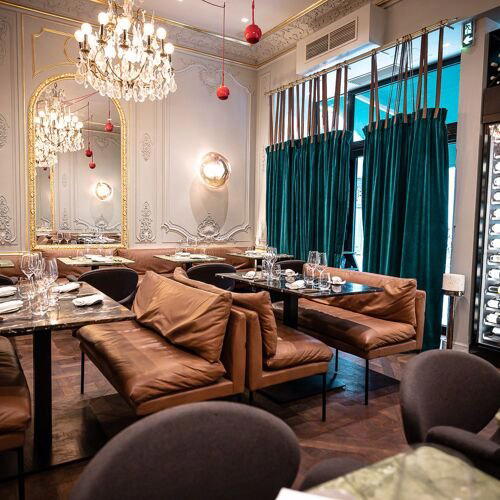
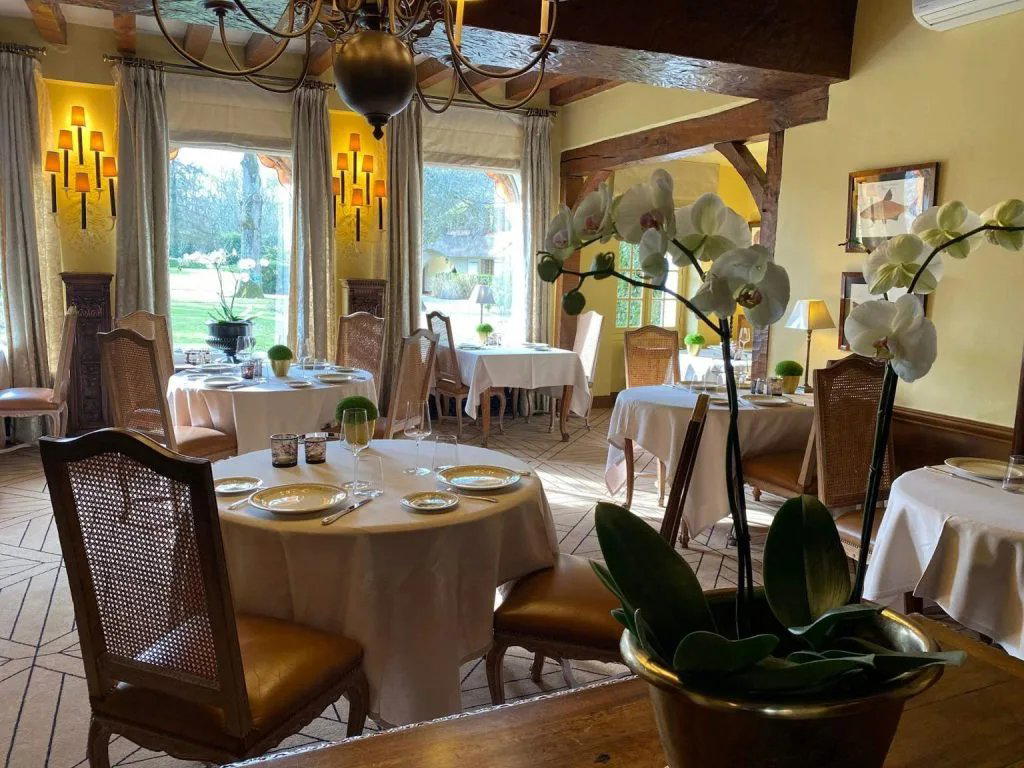
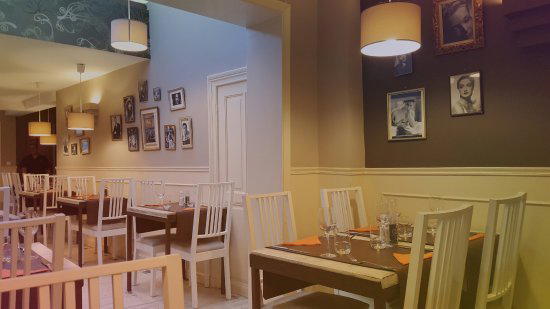

Details
- Charming
- Cozy
- Dinner
- Lunch
- Terrace
- Waterfront
- A La Carte
- Vegetarian Friendly
Current opening hours
- Monday
- Closed
- Tuesday
- 12–2 PM, 7:30–8:45 PM
- Wednesday
- 12–2 PM, 7:30–8:45 PM
- Thursday
- 12–2 PM, 7:30–8:45 PM
- Friday
- 12–2 PM, 7:30–8:45 PM
- Saturday
- 12–2 PM, 7:30–8:45 PM
- Sunday
- 12–2 PM
Hours can change for holidays and private events. Last verified .
Charming atmosphere with friendly, attentive service and marina views.