Auberge La Demoiselle
Our verdict
On the main square of Saint-Fargeau, a small Burgundian market town in the Yonne, Auberge La Demoiselle represents a category of French provincial dining that cities rarely produce: cooking grounded in the immediate countryside, served in a room that has absorbed the rhythms of its locality over many years. For travellers routing through the northern Burgundy interior, it is a reliable address on a square worth stopping for.

Pearl is the En Primeur Club membership app, where members save venues, book tables and use the concierge.
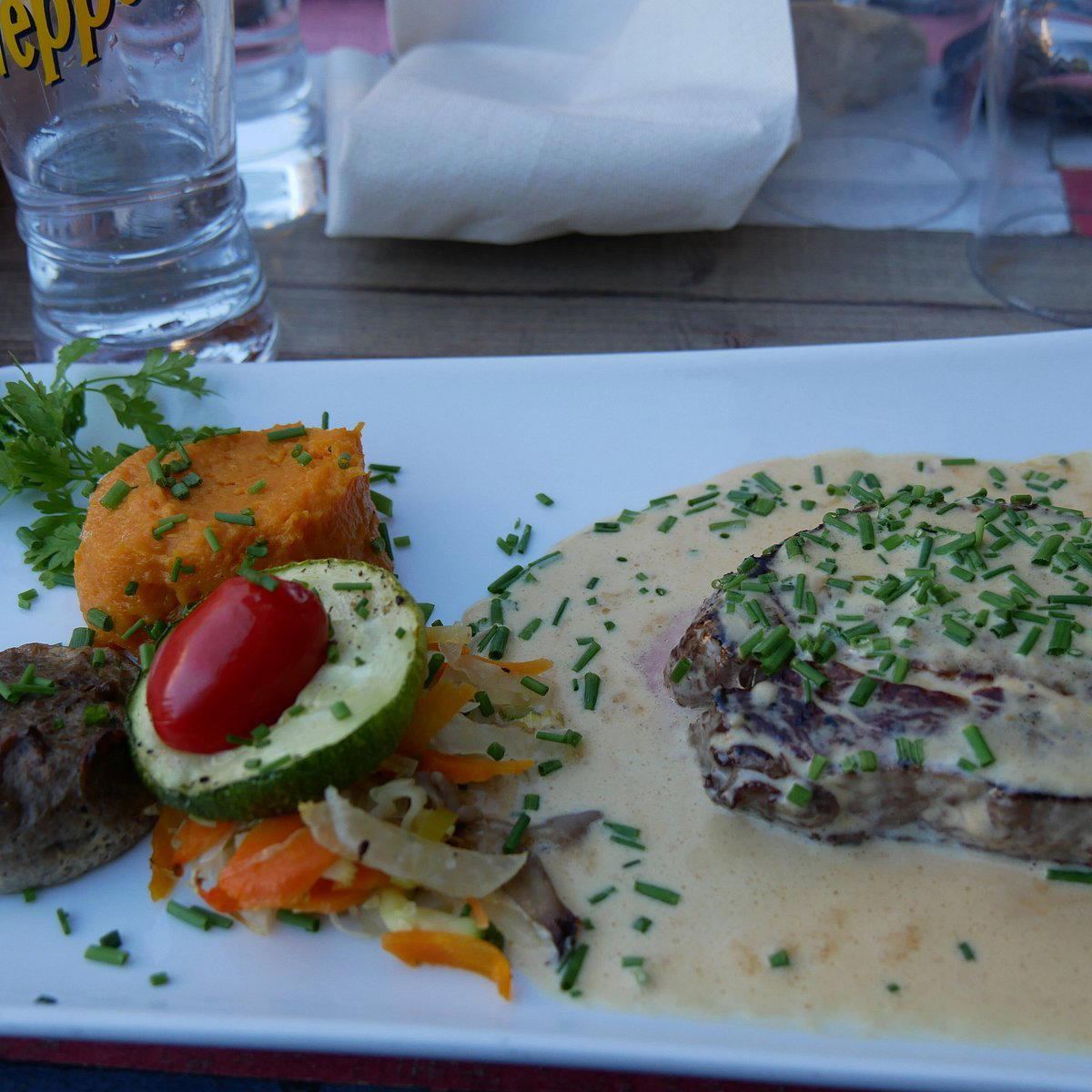
The menu
What to order
- Foie gras maison
- Veau braisé aux morilles
A Square, a Town, and What the Countryside Around It Produces
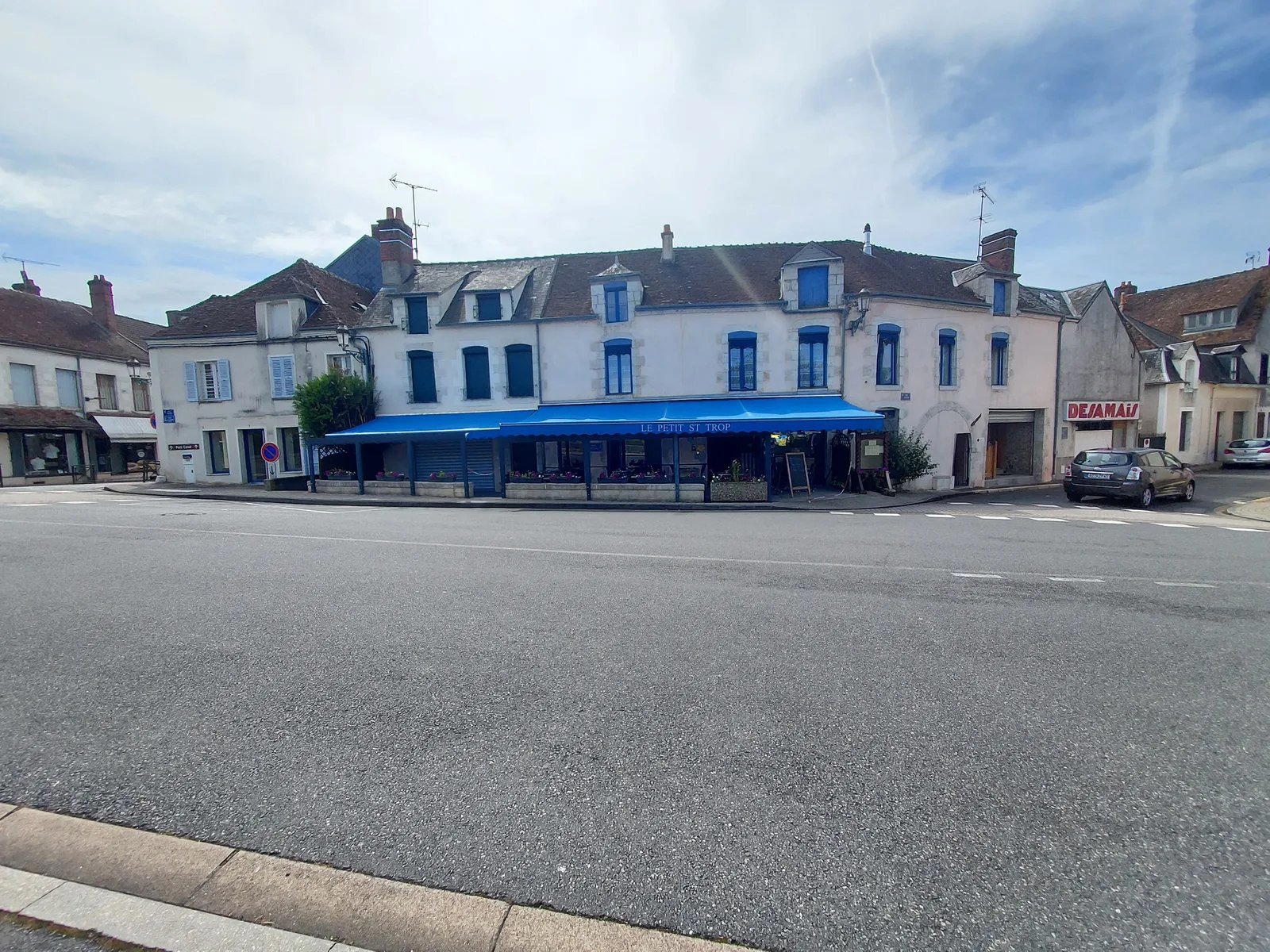
Saint-Fargeau sits in the Puisaye, the low, forested plateau of the Yonne that most drivers cross without stopping, their attention fixed on Auxerre to the east or the better-known Burgundy wine villages to the south. The town itself organises around a château and a market square, Place de la République, and it is on that square, at numbers 2 and 4, that Auberge La Demoiselle occupies the kind of address that feels structurally correct for a French provincial auberge: visible, central, and embedded in the civic life of its surroundings rather than retreating from it.
The French auberge tradition, at its most coherent, is defined less by ambition than by fidelity: to local producers, seasonal rhythm, and the expectation that a meal should reflect where it was cooked. In a region like the Puisaye, that means engaging with a particular larder. The forests yield game through autumn and winter. The rivers and ponds, the Puisaye has more standing water than most of Burgundy, contribute freshwater fish. The farmland around Saint-Fargeau, historically devoted to mixed agriculture rather than monoculture viticulture, supplies vegetables, dairy, and poultry at a scale and variety that a larger operation might struggle to source locally. A small auberge on a market square is, in this context, well-positioned to cook from what its region actually grows.
How Ingredient Sourcing Shapes Provincial French Cooking
The broader French provincial dining tradition has always drawn its authority from proximity. The grandes tables of rural France, places like Bras in Laguiole, where the Aubrac plateau is effectively the menu, or Auberge du Vieux Puits in Fontjoncouse, operating in similarly remote country, built their reputations on a granular understanding of what their immediate terrain could offer and what it could not. That discipline, practiced honestly, produces cooking with a legibility that imported ingredients rarely achieve: the produce arrives with less travel, the seasonality is precise rather than approximate, and the kitchen's relationship with its suppliers is direct enough to respond to what is actually ready, not what is scheduled.
For a working auberge in northern Burgundy, that sourcing discipline is not an affectation. It is the practical consequence of geography. The nearest large wholesale markets are in Auxerre and Sens; the sensible alternative is to work with what the Puisaye supplies at the farm gate. Burgundy's reputation rests most heavily on its wine villages and their grands crus, addresses like Maison Lameloise in Chagny operating within that prestige framework, but the Yonne's northern reaches operate in a different register: quieter, less frequented, and productively self-reliant.
This positions auberge cooking in the Puisaye within a lineage that French gastronomy tends to under-document. The celebrated rural addresses, Georges Blanc in Vonnas, Paul Bocuse's Auberge du Pont de Collonges, Auberge de l'Ill in Illhaeusern, have attracted Michelin attention and international recognition. But the vast majority of serious provincial French cooking happens in places without stars, without press offices, and without a category in the guidebooks that adequately describes what they are doing. The Puisaye auberge belongs to that larger, less photographed cohort.
Northern Burgundy as a Dining Region
The Yonne département contains a dining scene that rewards the traveller willing to move slowly. Auxerre has a functioning restaurant culture anchored in the city rather than the vineyards. Chablis, forty kilometres to the east, draws visitors for its wine but supports a modest table scene around the tasting rooms. Saint-Fargeau, further west and less trafficked, sits at the quieter end of that spectrum. It is not a destination town in the way that Vézelay or Sens is; its château draws summer visitors, but the square functions as a working market town centre through most of the year.
For travellers on routes between the Loire Valley and Burgundy proper, or those approaching from Paris via the A6 and peeling west through Joigny, Saint-Fargeau represents a logical midpoint. The drive from Paris is approximately two and a half hours; from Auxerre, around forty-five minutes west on the D965. The address on Place de la République is findable without difficulty, sitting directly on the main square. For those making a longer stay in the area, the Puisaye offers the full range of what Saint-Fargeau and its surroundings hold, including the château's summer sound-and-light programme.
In terms of its positioning among French provincial tables, Auberge La Demoiselle occupies a tier well below the three-starred rural addresses that attract international bookings. It is not in competition with Mirazur in Menton, Flocons de Sel in Megève, or the high-end Paris addresses like Alléno Paris au Pavillon Ledoyen.
Planning a Visit
Saint-Fargeau is most comfortably reached by car. The town has no rail connection; the nearest SNCF stations are at Auxerre and Montargis. Visiting between late spring and early autumn aligns with the Puisaye's most active agricultural season and with the château's summer programme, which draws enough visitors to make table availability at local restaurants worth planning ahead. For those travelling between Paris and the Burgundy wine villages, a midday stop on the square rather than a motorway service break is the practical logic of including Auberge La Demoiselle in an itinerary. Booking in advance is advisable, particularly on weekends and during the summer months when the château draws additional traffic to the town. Specific hours and booking methods are best confirmed directly with the venue before travel.
Frequently asked questions
Is Auberge La Demoiselle suitable for children?
Saint-Fargeau is a small market town on the Place de la République, and the auberge format here is a community-facing one, not a hushed tasting-menu room. Market-town auberges in this part of the Yonne typically serve tables of mixed ages without ceremony, making the setting a reasonable choice for families travelling through the Puisaye.
What kind of setting is Auberge La Demoiselle?
Auberge La Demoiselle occupies a position on the Place de la République in Saint-Fargeau, the central square of a small Burgundian town in the Puisaye plateau. The format is a provincial French auberge, a category that sits closer to a serious village table than to a destination restaurant, with cooking shaped by what the surrounding forested countryside and local producers supply. If you are travelling overland between Auxerre and the Loire, this is the kind of stop that justifies slowing down.
How far is Auberge La Demoiselle from Auxerre, and is it worth the drive into the Puisaye?
Saint-Fargeau sits roughly 45 kilometres southwest of Auxerre, about 45 minutes by car through the Puisaye plateau, a route that passes through forests and farmland typical of the Yonne's quieter interior. The town itself anchors the geographic centre of the Puisaye, and the château on its edge adds a reason to stay beyond the meal. For travellers based in Auxerre or transiting between northern Burgundy and the Loire, the detour is a straightforward case for extending a day.
What should I eat at Auberge La Demoiselle?
The Puisaye is goat-cheese country, Crottin de Chavignol is produced nearby, and the forested plateau supplies wild mushrooms and game depending on the season. In a working auberge of this type in the Yonne, the kitchen typically follows what local markets and suppliers are moving that week rather than a fixed menu, so the honest approach is to ask what is freshest rather than arriving with a specific dish in mind.
What's Auberge La Demoiselle's location?
Auberge La Demoiselle is located at 2-4 Pl. de la République, 89170 Saint-Fargeau, France, Saint Fargeau.
Comparable Spots, Quickly
| Venue | Cuisine | Price | Awards | Notes |
|---|---|---|---|---|
| Auberge La DemoiselleThis venue (the venue you are viewing) | Traditional Burgundian French Bistro | $30–50 | Not listed | Not listed |
| Mirazur | Modern French Fine Dining | $300–500 | 3 Michelin Stars · World's 50 Best #1 | Modern French, Creative |
| Alléno Paris au Pavillon Ledoyen | Modern French Fine Dining | $150–200 | 3 Michelin Stars · World's 50 Best #79 | Creative |
| Kei | Modern French with Japanese Influences | $300–500 | 3 Michelin Stars · World's 50 Best #93 | Contemporary French, Modern Cuisine |
| L'Ambroisie | Classic French Haute Cuisine | $300–500 | 2 Michelin Stars · World's 50 Best #23 | French, Classic Cuisine |
| Le Cinq - Four Seasons Hôtel George V | Modern French Fine Dining | $300–500 | 3 Michelin Stars · World's 50 Best #24 | French, Modern Cuisine |
Continue exploring
More in Saint Fargeau
Restaurants in Saint Fargeau
All restaurants in Saint Fargeau →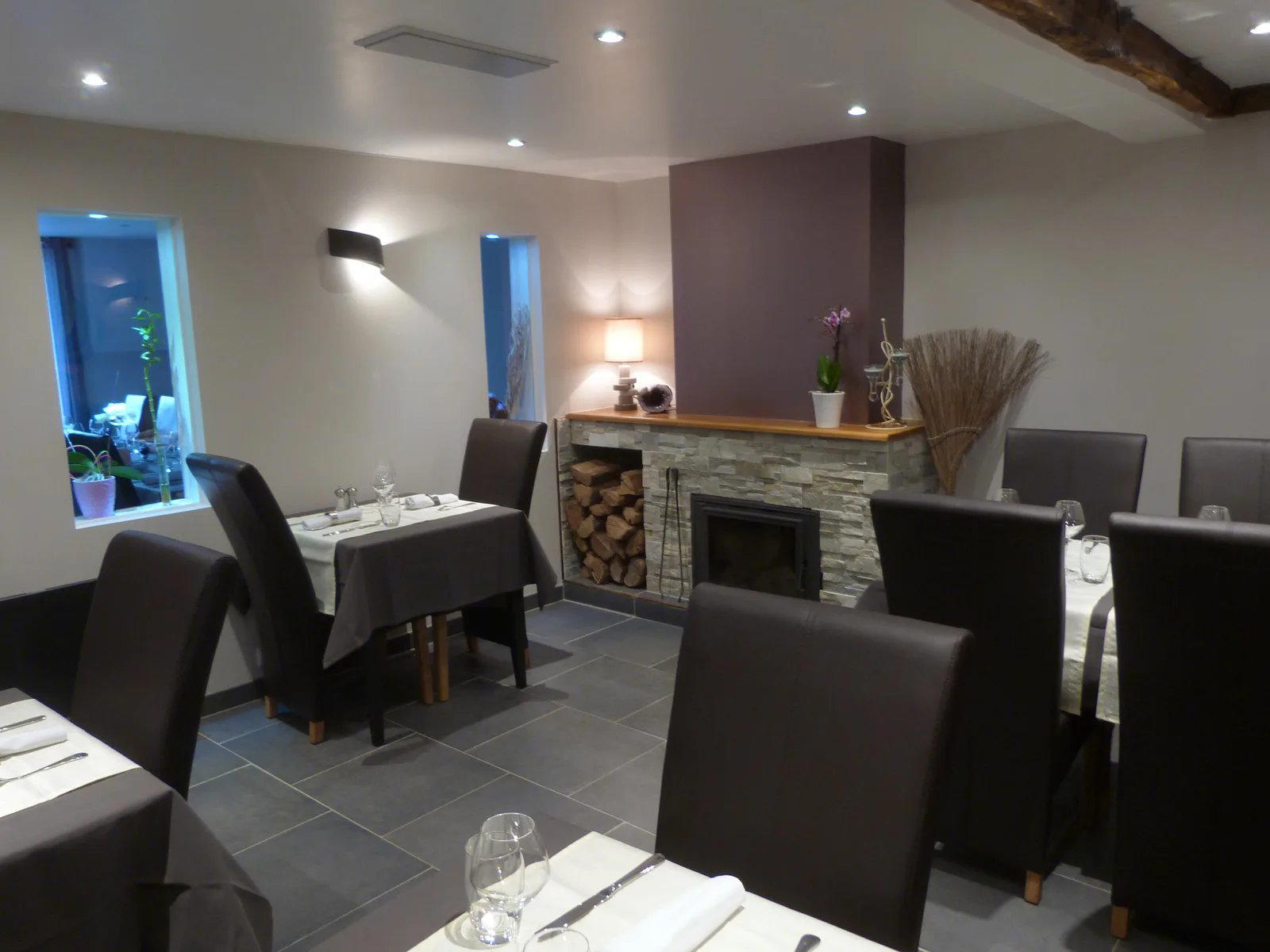
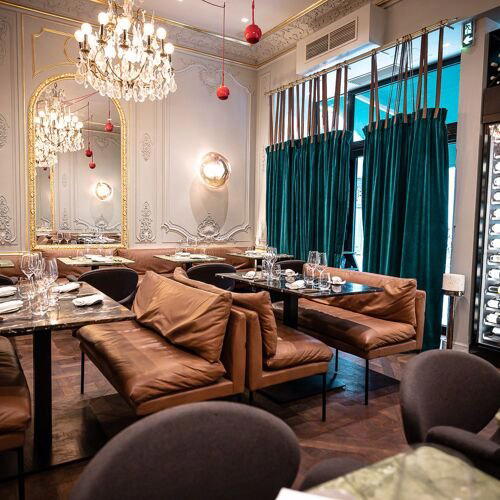
Hotels in Saint Fargeau
Browse all →

Details
- Rustic
- Cozy
- Classic
- Date Night
- Family
- Terrace
- Historic Building
- Local Sourcing
- Street Scene
- A La Carte
Current opening hours
- Monday
- Closed
- Tuesday
- 12–2 PM, 7–9 PM
- Wednesday
- 12–2 PM
- Thursday
- 12–2 PM, 7–9 PM
- Friday
- 12–2 PM, 7–9:30 PM
- Saturday
- 12–2 PM, 7–9:30 PM
- Sunday
- 12–2 PM
Hours can change for holidays and private events. Hours as of .
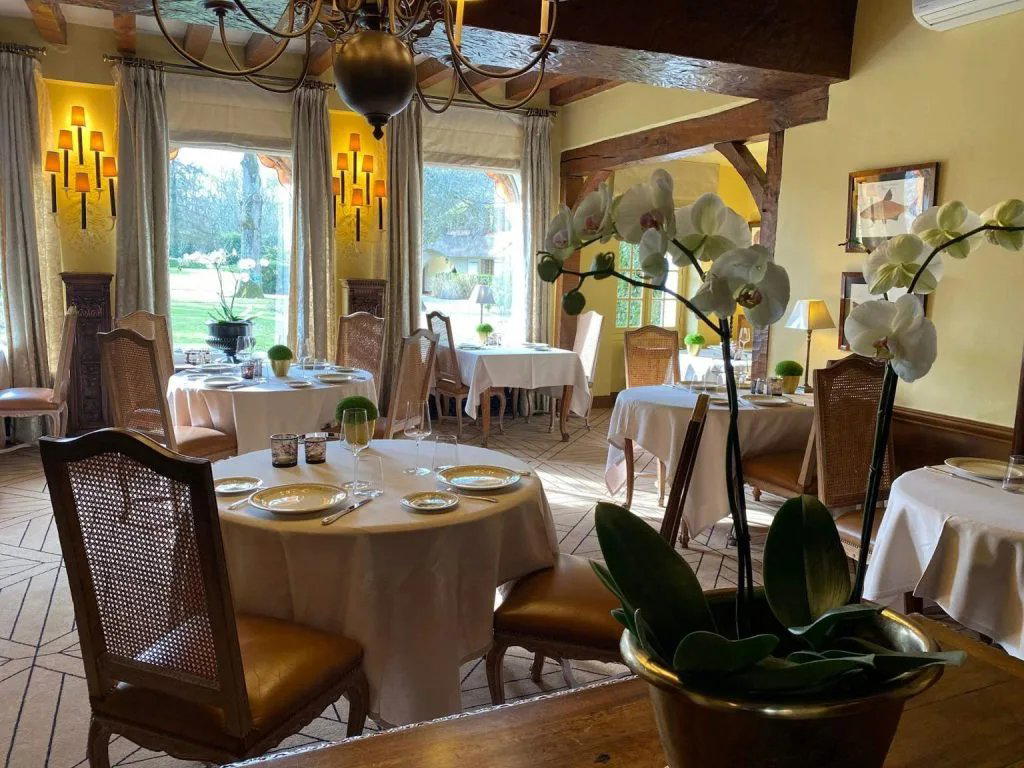
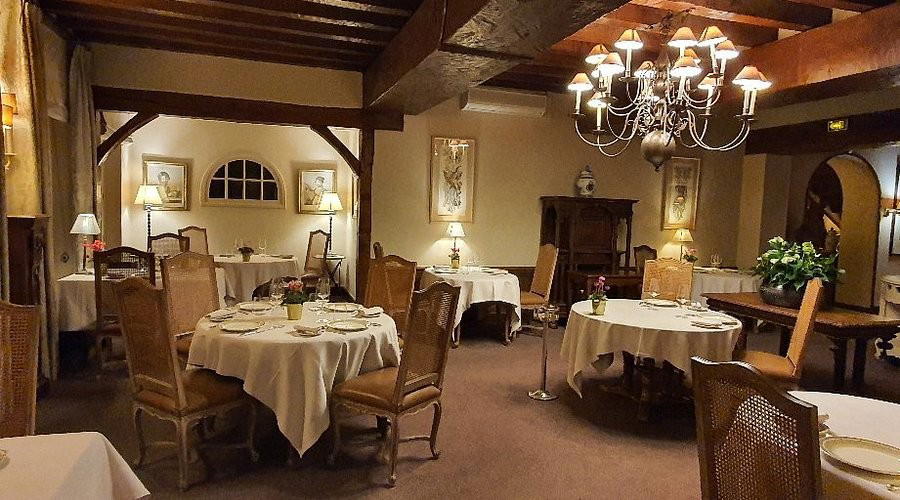
Warm and cheerful dining rooms with yellow decor, exposed beams, and a rustic charm; summer terrace shaded and flowered.