Le Paris 17 occupies a residential stretch of the 17th arrondissement at 41 Rue Guersant, a district where neighbourhood bistros and modern French cooking coexist at some distance from the grand-boulevard spectacle of the 8th. The address places it within a quieter tier of Parisian dining, where the cooking tends to speak without the scaffolding of celebrity or Michelin fanfare.
Pearl is the En Primeur Club membership app — saves, bookings, and concierge access live there. Same editors, same standards.
- Address
- 41 Rue Guersant, 75017 Paris, France
- Phone
- +33145747527
- Website
- restaurant-paris17.fr
- Directions
- Get directions
 Saves & bookings on Pearl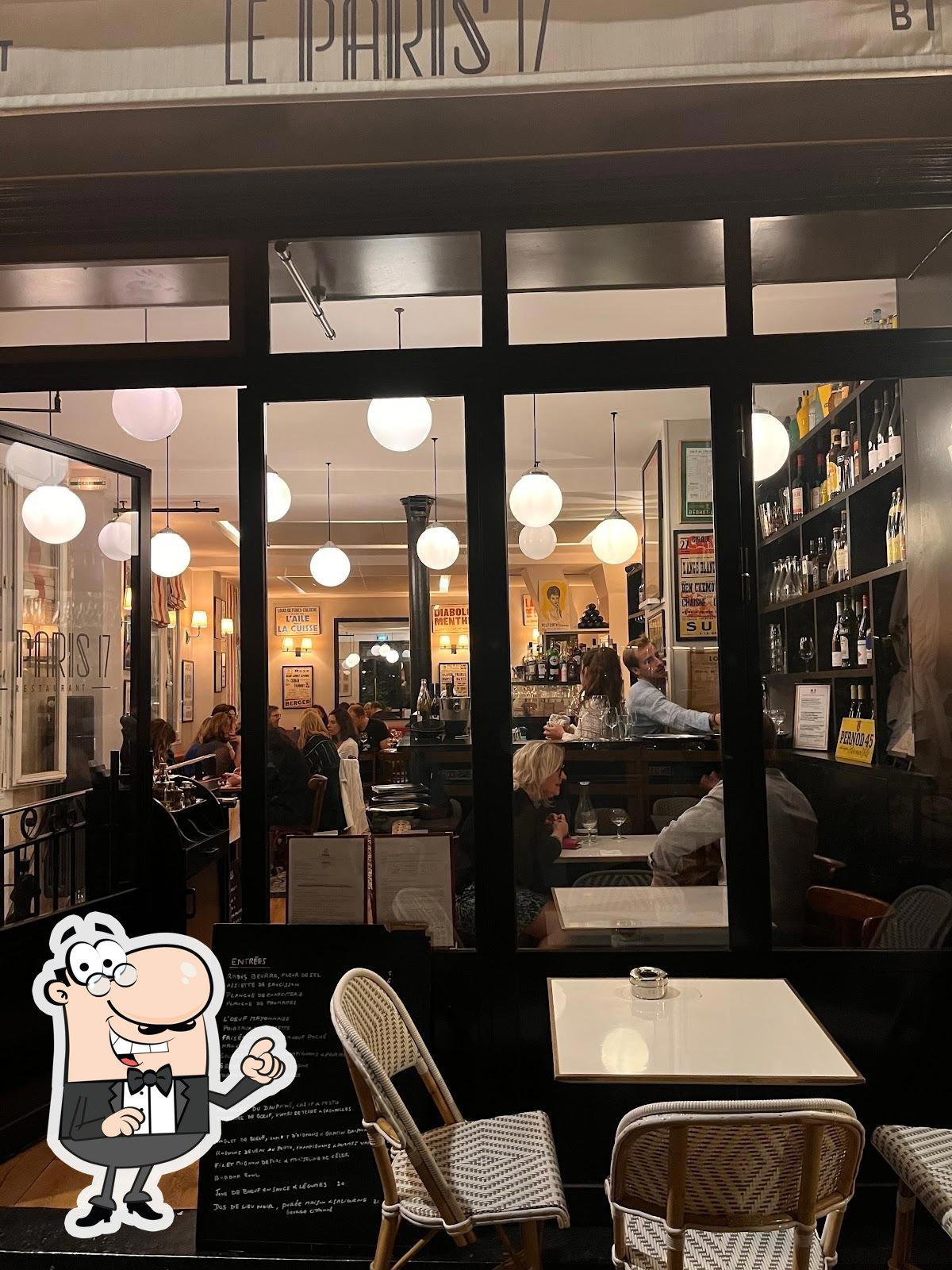
The 17th Arrondissement and What It Signals About Parisian Dining
Paris has long organised its restaurant culture by arrondissement in ways that go beyond postal geography. The 8th is the address of institutional French grandeur: Alléno Paris au Pavillon Ledoyen and Le Cinq at the Four Seasons George V anchor that zone with three-Michelin-star ambition and price points to match. The 7th holds Arpège, where Alain Passard's vegetable-forward cooking reshaped how France thought about produce-driven cuisine. Move northwest toward the 17th, however, and the register changes. The neighbourhood running along Rue Guersant and its surrounding streets is residential in character, the clientele local in a way that the 1st and 8th rarely are, and the dining room ambitions tend toward craft over ceremony.
That positioning matters. In a city where the gap between the grand établissement and the neighbourhood address can feel like a different country, the 17th operates as a credible middle register: serious enough to attract repeat professionals and well-travelled Parisians, grounded enough to avoid the theatre that inflates prices in the more photographed arrondissements. Le Paris 17, at 41 Rue Guersant, operates inside that logic.
Local Ingredients, Global Technique: The Approach That Defines the Category
French cooking has spent the last two decades in a productive argument with itself. The classical tradition, represented at its most rigorous by addresses like L'Ambroisie on the Place des Vosges, insists that French technique applied to French product is sufficient, and the three Michelin stars attached to that address make a reasonable case. But another current has gained force: chefs who trained inside the French system and then spent time in Japanese kitchens, Nordic larders, or South American markets, returning with a different idea of what local ingredients can carry.
This approach, call it local ingredients, global technique, has become one of the more coherent threads in contemporary Paris dining. Kei, in the 1st arrondissement, made the logic explicit by placing Japanese precision in direct dialogue with French classical structure, earning three Michelin stars in the process. AM par Alexandre Mazzia in Marseille takes the same cross-pollination further south, using Mediterranean produce as the raw material for a cooking language shaped by Congolese heritage and fine-dining technique. The pattern repeats across France: Mirazur in Menton draws on the Ligurian coast; Bras in Laguiole applied Aubrac terroir to a cooking vocabulary that influenced a generation of chefs worldwide.
In Paris specifically, the 17th arrondissement has developed a concentration of addresses where this tension between imported method and French product plays out at a neighbourhood scale, without the formal tasting-menu apparatus or the reservation queues that characterise the more publicised versions of the same argument.
Where Le Paris 17 Sits in the Paris Dining Conversation
The address at Rue Guersant places Le Paris 17 in the residential core of the 17th, west of the Batignolles quarter and some distance from the tourist circuits that cluster around Montmartre and the grands boulevards. This kind of placement is a consistent signal in Paris: restaurants that survive on a residential street in an unfashionable block do so because the cooking justifies return visits, not because foot traffic sustains them.
The broader French restaurant tradition has always understood this. Auberge de l'Ill in Illhaeusern built its three-star reputation in a village that requires deliberate travel. Auberge du Vieux Puits in Fontjoncouse draws guests to a village of fewer than 200 people in the Aude. Flocons de Sel in Megève earns three stars in an Alpine ski resort. The logic is consistent: in France, destination-worthiness is decoupled from address prestige. What matters is what arrives at the table.
Within Paris itself, the 17th's dining scene competes less with the marquee addresses of the central arrondissements and more with the 11th, the 10th, and parts of the 18th, where neighbourhood restaurants operate on similar principles.
The Wider Context: French Regional Depth
Understanding any Paris neighbourhood address benefits from understanding what France's regional restaurant culture has built. Troisgros in Ouches represents the multigenerational model of French culinary ambition, where a single family has held three Michelin stars across decades and locations. Paul Bocuse's Auberge du Pont de Collonges near Lyon held its three stars for over fifty years, the longest such run in the guide's history, a verifiable credential that shaped what French cooking aspired to be. Assiette Champenoise in Reims and Au Crocodile in Strasbourg anchor different regional identities. These are the reference points against which any serious French restaurant, in Paris or beyond, implicitly positions itself.
The cross-cultural model has also established credibility far beyond France's borders. Le Bernardin in New York City transplanted French seafood technique to Manhattan and held four James Beard Awards. Atomix in New York applies Korean culinary intelligence through a fine-dining format shaped partly by European technique. These international examples confirm what the Paris neighbourhood tier has understood for longer: method and product, wherever they originate, are the only variables that ultimately matter.
Cuisine and Recognition
Comparable venues nearby, for context on price, style, and recognition.
| Venue | Cuisine | Price | Notes |
|---|---|---|---|
| Le Paris 17This venue — the venue you are viewing | Traditional French Bistro | $$ | Not listed |
| Atelier du Marché | Traditional French Bistro | $$ | Ternes |
| Laiterie Sainte-Clotilde | Traditional French Bistro | $$ | 7th Arr. - Palais-Bourbon |
| H Kitchen | French revisited by Japanese chef | $$ | Notre-Dame-des-Champs |
| Le Bistrot d'Henri | Traditional French Bistro | $$ | Saint-Sulpice |
| La REcyclerie | Eco-friendly French Bistro | $$ | 18th Arrondissement |
Continue exploring
More in Paris
Restaurants in Paris
Browse all →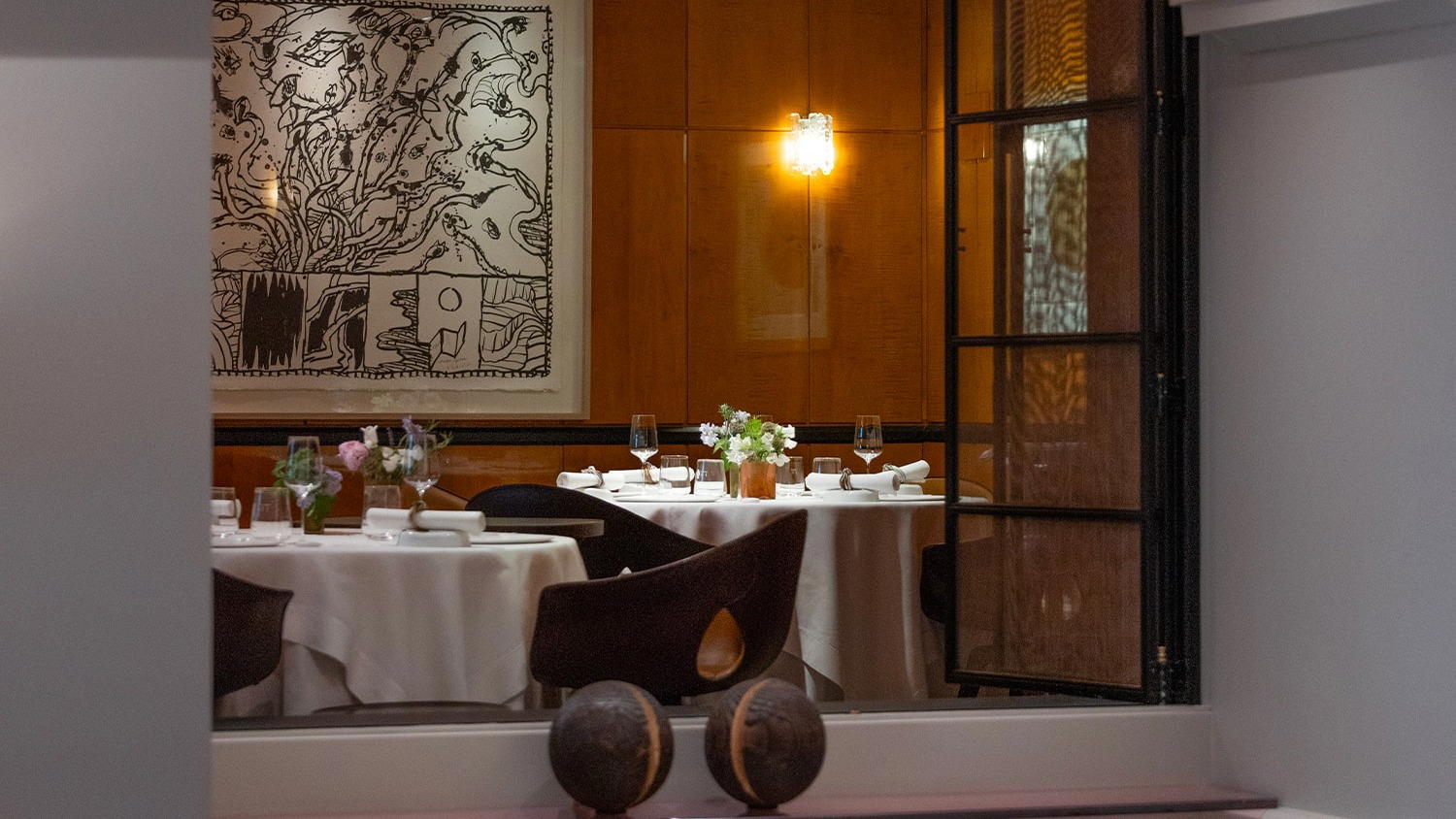

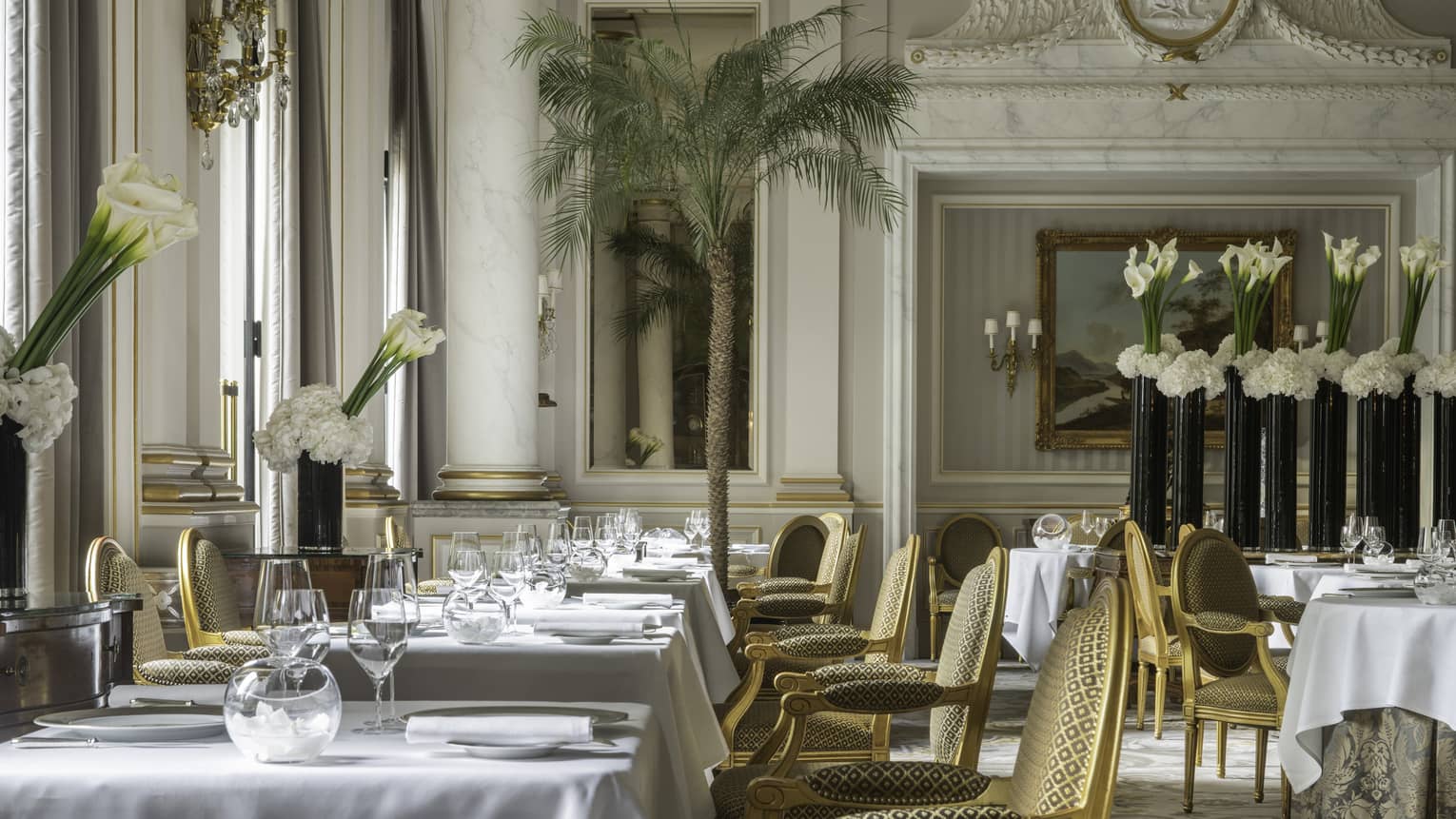
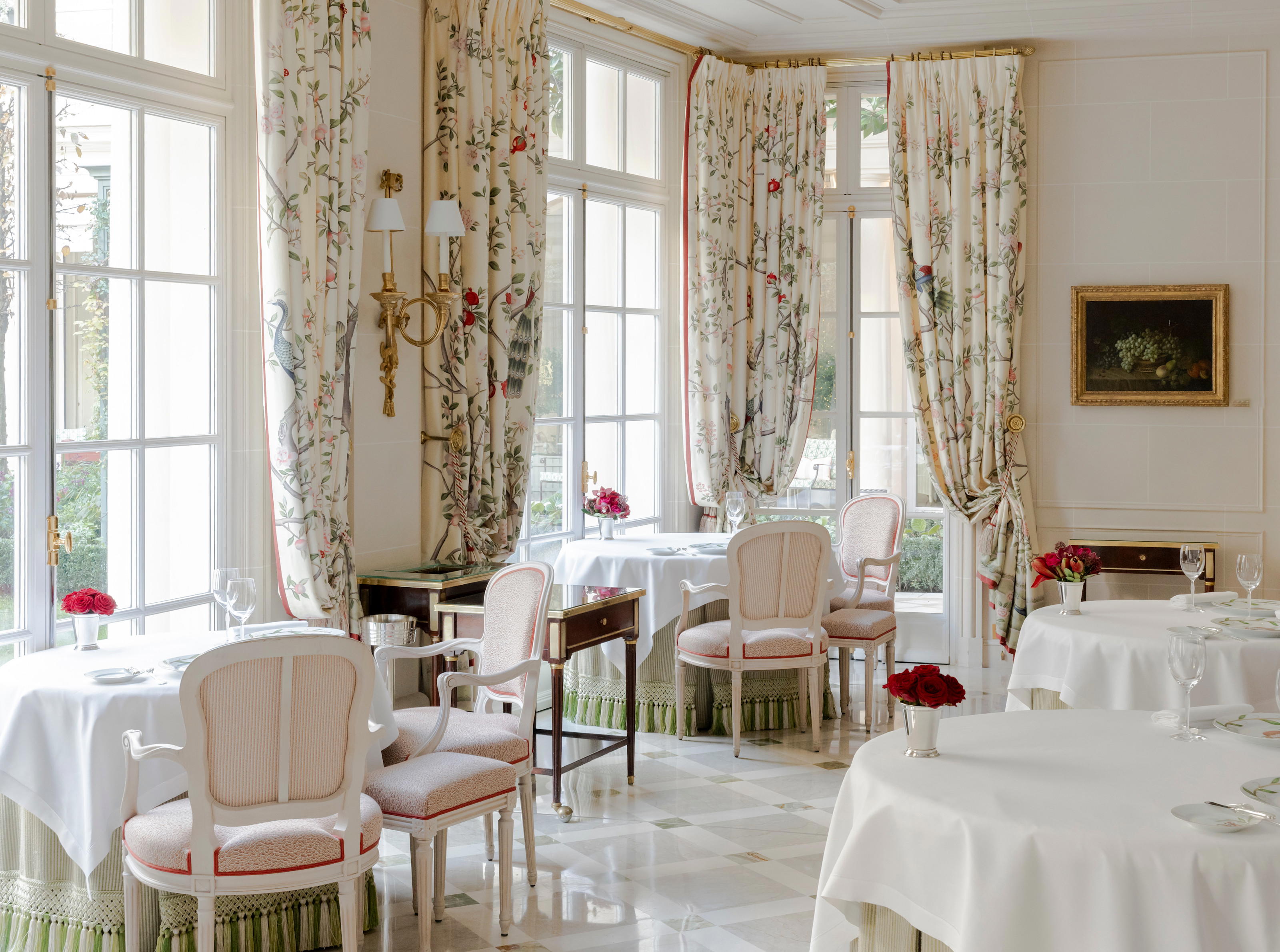
Hotels in Paris
Browse all →
Wineries in Paris
Browse all →
At a Glance
- Cozy
- Classic
- Intimate
- Business Dinner
- Casual Hangout
- Date Night
- Terrace
- Private Dining
Current opening hours
- Monday
- 12–2:30 PM, 6:30–10:30 PM
- Tuesday
- 12–2:30 PM, 7–10:30 PM
- Wednesday
- 12–2:30 PM, 7–10:30 PM
- Thursday
- 12–2:30 PM, 7–10:30 PM
- Friday
- 12–2:30 PM, 7–10:30 PM
- Saturday
- 7–10:30 PM
- Sunday
- 7–10:30 PM
Hours can change for holidays and private events. Last verified .
Sympa cadre with warm, friendly service and classic bistro lighting creating an inviting neighborhood feel.